
Burn Emergency Care in Hyderabad
24/7 Emergency Assessment and Treatment for Burn-Related Emergencies
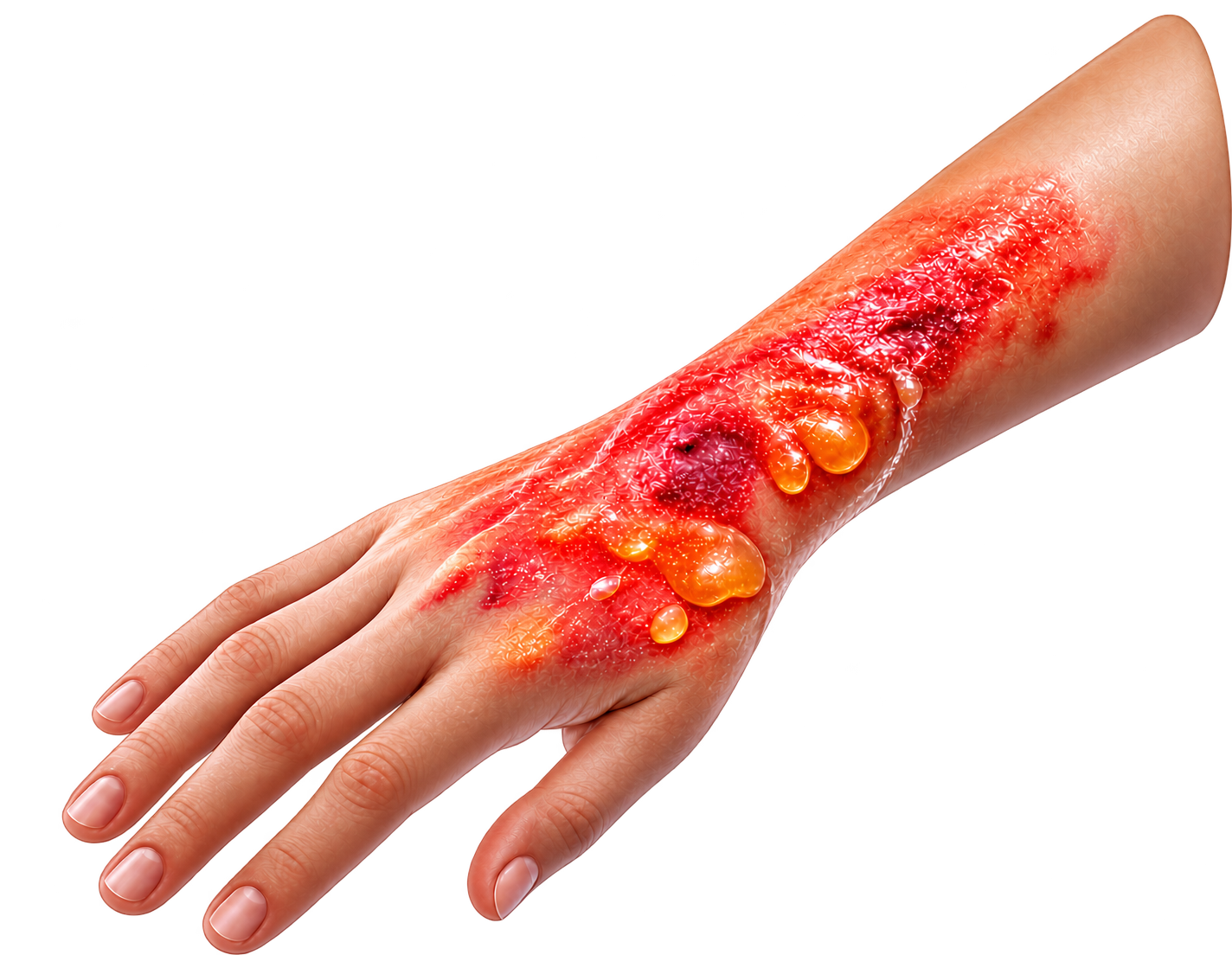
24 / 7 - Burn Emergency Response
Rapid care for thermal, chemical and other acute burn injuries
Rapid Assessment - Burn Severity & Extent Evaluation
Prompt assessment to guide emergency treatment and stabilisation
Wound · Fluid Care - Specialised Burn Management
Early wound care, fluid management and infection prevention
ICU · Critical Care - Advanced Severe Burn Care
Continuous monitoring and support for extensive or life-threatening burns
Emergency Signs
Burns involving the face, hands, feet, genitals, major joints, or a large area of the body; deep burns with white, charred, leathery, or numb skin; electrical or chemical burns; burns with breathing difficulty, facial swelling, hoarseness, or smoke inhalation; or burns causing severe pain, confusion, weakness, or collapse may be a medical emergency. Seek immediate emergency care. Call PACE Hospitals: 04048486868.
What Is a Burn Emergency?
A burn emergency is a serious burn injury that requires immediate medical attention. It may result from fire, hot liquids or steam, chemicals, electricity, radiation, or direct contact with a hot object. Severe burns can damage deeper layers of the skin and may also affect breathing, circulation, or other organs.
PACE Hospitals provides 24/7 emergency burn care in Hyderabad for patients who have serious burn injuries. The emergency team assesses the burn's depth and extent, affected body areas, breathing, circulation, and overall condition. The emergency team coordinates care with emergency physicians, surgeons, critical care specialists, and other specialists when needed.
A severe burn can become life-threatening due to airway injury, fluid loss, infection, shock, or damage to vital organs. Early emergency treatment of burns may help control pain, protect the affected skin, maintain fluid and circulation, prevent complications, and provide specialised wound and surgical care when required.
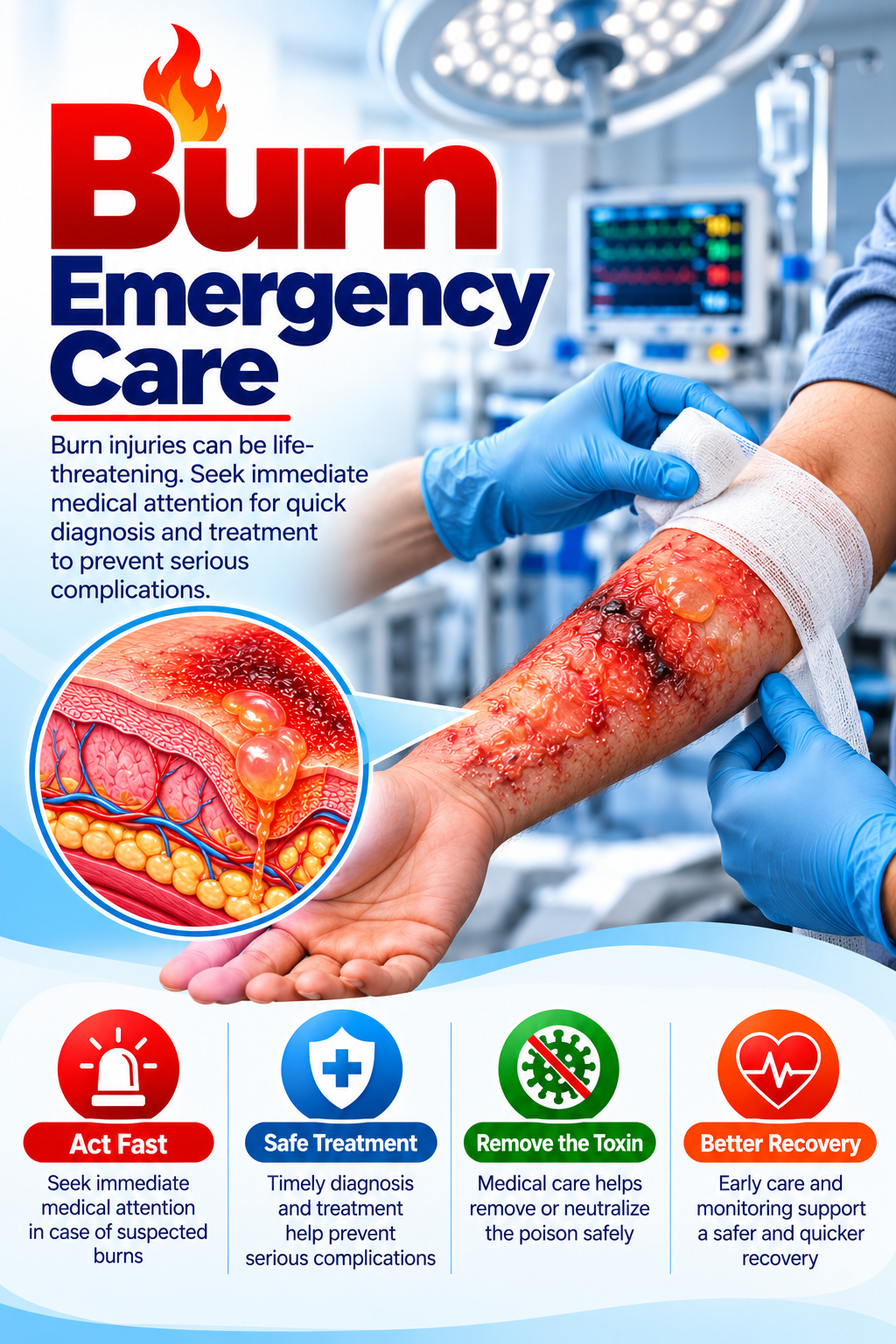
When to Seek Emergency Care for Burn Symptoms?
Immediate medical attention is needed if any of the following symptoms occur:
- Large or deep burns, especially when the skin appears white, brown, black, charred, leathery, or numb.
- Burns that involve sensitive areas like face, eyes, mouth, neck, hands, feet, genitals, or major joints.
- Burns that cover a large area of the body, even if they do not initially appear very deep.
- Difficulty breathing, coughing, hoarseness, or a change in the voice, or soot around the nose or mouth after exposure to fire, smoke, or hot gases.
- Electrical burns, including those caused by high-voltage electricity or lightning
- Chemical burns, particularly when the eyes, face, mouth, or large areas of skin are affected.
- Severe pain, swelling, blistering, or rapidly worsening symptoms.
- Burns associated with fainting, confusion, weakness, or loss of consciousness.
- Signs of shock, such as pale or clammy skin, severe dizziness, fast heartbeat, or unusual weakness.
- Burn injuries in newborns, young children, elderly adults, or those with underlying medical issues may necessitate expert care.
Do Not Ignore Serious Burn Injuries
Not all mild burns necessitate immediate hospital treatment. However, the severity of a burn is determined by its depth, size, location, cause, and the patient's overall health. Even a minor burn may requires an immediate medical attention if it involves a sensitive location or is caused by electricity or chemicals.
Treat a burn as an emergency when it is:
- Deep, extensive, or involves charred or numb skin.
- Burn that is caused by electricity, chemicals, fire, or significant smoke exposure.
- Affecting breathing or associated with facial burns or inhalation of smoke.
- Involving the face, eyes, hands, feet, genitals, or major joints.
- Associated with severe pain, swelling, shock, confusion, or loss of consciousness.
For severe burns, ambulance transport is generally safer than driving to the hospital, especially when the person has extensive burns, breathing difficulty, electrical or chemical burns, severe pain, loss of consciousness, or signs of shock. Emergency assessment and supportive care can begin during transfer when needed.
Not all chest pain is caused by heart disease. It may be related to the lungs, food pipe, stomach, muscles, ribs, or nerves. However, it is not safe to assume that chest pain is minor without medical evaluation.
Treat chest pain as an emergency when it is:
- New or unexplained.
- Severe or persistent.
- Associated with sweating, nausea, or breathlessness.
- Accompanied by fainting or severe dizziness.
- Spreading to the arm, jaw, neck, shoulder, back, or upper abdomen.
- Present in a person with diabetes, high blood pressure, high cholesterol, kidney disease, or known heart disease.
- For severe symptoms, ambulance transport is generally safer than driving to the hospital because emergency assessment and support can begin during transfer when needed.
Not all chest pain is caused by heart disease. It may be related to the lungs, food pipe, stomach, muscles, ribs, or nerves. However, it is not safe to assume that chest pain is minor without medical evaluation.
Treat chest pain as an emergency when it is:
- New or unexplained.
- Severe or persistent.
- Associated with sweating, nausea, or breathlessness.
- Accompanied by fainting or severe dizziness.
- Spreading to the arm, jaw, neck, shoulder, back, or upper abdomen.
- Present in a person with diabetes, high blood pressure, high cholesterol, kidney disease, or known heart disease.
- For severe symptoms, ambulance transport is generally safer than driving to the hospital because emergency assessment and support can begin during transfer when needed.
Common Burn Emergencies Treated at PACE Hospitals
Thermal Burns
Thermal burns occur when external heat sources like flames, hot liquids, steam, hot surfaces, or other sources of heat damage skin tissue and underlying cells. The severity of a burn depends on how deep the injury is, how much of the body is affected, and which areas are involved.
Severe thermal burns require immediate medical assessment. Emergency treatment includes pain relievers, wound assessment, fluid replacement, wound dressing, infection control, and, if necessary, surgical intervention like debridement or skin grafting.
Symptoms may include:
- Red, painful, or swollen skin.
- Blisters.
- Peeling or damaged skin.
- White, brown, or blackened skin in deeper burns.
- Severe pain or, in some deep burns, reduced sensation.
- Swelling around the affected area.
Electrical Burns
Electrical burns occur when a person comes in contact with an electrical current that passes through the body. The external injury which may appear small even when there is significant damage to deeper tissues, muscles, nerves, or internal organs.
Electrical burns need to be subjected to urgent medical assessment since they can lead to internal injuries and dangerous abnormalities in the heart's rhythm which may not be obvious at first. Emergency care mainly include heart monitoring, assessment of internal injuries, wound care, pain management, and specialist treatment when required.
Symptoms may include:
- Electrical entry or exit wounds.
- Burns or damaged skin.
- Muscle pain or weakness.
- Numbness or tingling.
- Abnormal heart rhythm.
- Loss of consciousness or confusion.
- Breathing difficulties in severe cases.
Chemical Burns
Chemical burns occur when acids, alkalis, or other corrosive substances come into contact with the skin, eyes, or other tissues. The injury can continue to worsen while the chemical remains in contact with the body.
Chemical burns require prompt medical assessment and appropriate decontamination. Treatment generally include removal of contaminated clothing, thorough irrigation when appropriate, pain relief, wound management, eye examination, and specialist care for deeper or extensive injuries.
Symptoms may include:
- Burning pain or irritation.
- Redness and swelling.
- Blistering or skin damage.
- Changes in skin colour or texture.
- Eye pain or changes in vision when the eyes are exposed.
- Breathing difficulty after inhalation of certain chemicals.
Smoke Inhalation and Airway Burns
Smoke inhalation can occur during fires or exposure to hot gases and toxic smoke. When the burns involves the face, mouth, throat, or airway can cause swelling and breathing problems, and it can also sometimes develop or worsen after the initial injury.
Smoke inhalation and suspected airway burns need immediate emergency assessment. Treatment may include oxygen, close monitoring of breathing, airway support, assessment for toxic smoke inhalation, and ventilator support in severe cases.
Symptoms may include:
- Difficulty breathing.
- Coughing or wheezing.
- Hoarse or changed voice.
- Soot around the nose or mouth.
- Facial burns.
- Difficulty swallowing.
- Confusion or reduced alertness.
Deep or Extensive Burns
Deep or extensive burns can damage multiple layers of skin and may cause significant fluid loss, pain, infection, scarring, and other complications. Burns covering a large area of the body can also lead to shock and affect other organs.
Extensive or deep burns require specialised emergency care. Emergency care for deep burns may include fluid resuscitation, pain management, wound care, infection prevention, nutritional support, surgical debridement, skin grafting, and intensive care when required.
Symptoms may include:
- Large areas of burned or damaged skin.
- White, brown, black, or charred skin.
- Leathery or dry-looking skin.
- Reduced or absent sensation in deeply burned areas.
- Significant swelling.
- Severe pain or discomfort.
- Weakness, dizziness, or other signs of shock.
Burn-Related Shock and Severe Complications
Severe burns can result in significant fluid loss, which can impair circulation and organ function. Serious complications includes burn shock, infection, breathing problems, kidney dysfunction, and other forms of organ dysfunction.
Patients with severe burns or those who present with signs of shock require immediate emergency treatment. Emergency management of severe burns may include fluid and circulation support, oxygen or ventilator support, continuous monitoring, wound and infection management, and ICU care when necessary.
Warning signs may include:
- Severe weakness or dizziness.
- Pale or clammy skin.
- Rapid heartbeat.
- Low blood pressure.
- Reduced urine output.
- Confusion or reduced alertness.
- Difficulty breathing.
Burn Emergency Assessment and Diagnosis
Patients with suspected burn emergencies are assessed according to the urgency and severity of their condition. The first priority is to identify and treat life-threatening problems such as airway injury, breathing difficulties, shock, or extensive burns without delay.
01
Rapid Triage and Initial Stabilisation
The emergency team may immediately assess:
- Airway, breathing, circulation, and level of consciousness.
- Pulse, blood pressure, oxygen level, temperature, and pain severity.
- Cause, location, depth, size, and appearance of the burn.
- Presence of facial burns, soot, coughing, hoarseness, or breathing difficulty suggesting smoke inhalation or airway injury.
- Burns involving the face, eyes, hands, feet, genitals, or major joints.
- Presence of blisters, swelling, white or charred skin, or areas with reduced sensation.
- Associated injuries caused by falls, explosions, electrical accidents, or other trauma.
- Previous medical conditions, current medicines, and medicine allergies.
- Need for oxygen, intravenous access, fluid replacement, pain control, wound care, heart monitoring, or critical care support.
02
Burn Depth and Extent Assessment
The burn team assesses the depth and extent of the injury to determine the severity of tissue damage and the appropriate treatment.
The assessment can help determine:
- Superficial, partial-thickness, or full-thickness burns.
- Percentage of total body surface area (TBSA) affected.
- Areas with deeper tissue damage.
- Burns involving critical or functionally important body areas.
- Signs of swelling, tissue damage, or developing complications.
- Need for specialised wound care, debridement, surgery, or skin grafting.
03
Blood and Laboratory Tests
Blood tests may be required in patients with extensive burns, electrical injuries, suspected inhalation injury, or signs of shock or organ dysfunction.
Other blood tests may include:
- Complete blood count.
- Blood glucose.
- Kidney function tests.
- Electrolytes.
- Blood gas analysis.
- Lactate levels.
- Carboxyhaemoglobin levels.
- Creatine kinase (CK).
- Blood clotting tests.
04
Imaging and Additional Tests
Depending on the type of burn and the patient's condition, further tests may include :
- Chest X-ray
- Electrocardiogram (ECG)
- Continuous heart rhythm monitoring
- Bronchoscopy
- CT scan or other imaging
- Eye examination
These tests help determine the severity and extent of the burn, identify airway or internal injuries, detect complications like shock or organ dysfunction, and guide appropriate emergency treatment and specialised burn care.
Emergency treatment of burns at PACE Hospitals
Burn emergency treatment depends on the cause, depth, size, location, and severity of the burn, along with the patient’s overall clinical condition. The emergency team first stabilises the patient, addresses life-threatening problems, and then coordinates specialised treatment when required.
Emergency Burn Care May Include:
- Continuous monitoring of vital signs and overall condition.
- Airway and breathing assessment, with oxygen support when clinically needed.
- Intravenous (IV) access and fluid replacement for significant burns.
- Pain relief and medicines to manage associated symptoms.
- Cooling and appropriate initial wound management.
- Cleaning, dressing, and protection of the burned areas.
- Removal of damaged or dead tissue (debridement) when required.
- Tetanus vaccination or prophylaxis when clinically indicated.
- Monitoring and treatment for infection and other complications.
- Heart monitoring and additional assessment for significant electrical burns.
- Airway support or ventilator support for severe smoke inhalation or breathing failure.
- Blood tests and other investigations to monitor fluid balance and organ function.
- Surgical treatment, including skin grafting, for deep or extensive burns when required.
- Nutritional and supportive care for patients with severe burns.
- ICU admission for close monitoring and specialised care for severe cases.
Burn Wound Management
Burn wound care aims to protect damaged skin, reduce infection risk, and support healing.
Treatment may include:
- Gentle cleaning and assessment of the wound.
- Removal of loose or non-viable tissue when appropriate.
- Specialised dressings and topical wound treatments.
- Regular wound reassessment
- Management of blisters depending on their size, location, and clinical condition.
- Treatment of suspected wound infections.
- Debridement for deeper or non-healing wounds.
Surgical Treatment for Severe Burns
Deep or extensive burns may require surgical treatment when the damaged skin cannot heal adequately on its own.
Surgical options may include:
- Debridement of dead or severely damaged tissue.
- Escharotomy for constricting burns affecting circulation or breathing.
- Skin grafting for full-thickness or selected deep partial-thickness burns.
- Excision of deep burn wounds followed by grafting.
- Reconstructive surgery for scars or contractures that affect movement or function.
Electrical and Chemical Burn Treatment
Electrical and chemical burns may cause deeper tissue damage even when the skin injury appears limited.
Emergency treatment may include:
- Removal of the source of injury and appropriate decontamination for chemical exposure.
- Thorough irrigation for suitable chemical burns.
- ECG and heart rhythm monitoring after significant electrical injuries.
- Blood tests to assess muscle and kidney injury when indicated.
- Pain management and specialised wound care.
- Surgical assessment for deeper tissue damage.
- Eye evaluation when the face or eyes are exposed to chemicals.
- Early specialist assessment is important because some electrical injuries and chemical exposures can cause ongoing or deeper tissue damage after the initial event
Airway and Smoke Inhalation Injury Treatment
Burns that involves the face, neck, mouth, or airway, particularly after exposure to fire or smoke, may require urgent respiratory assessment.
Treatment may include:
- Oxygen therapy.
- Close monitoring of breathing and oxygen levels.
- Medicines and supportive treatment for inhalation injury when indicated.
- Airway protection or endotracheal intubation procedure when significant airway swelling is present or anticipated.
- Ventilator support for severe respiratory failure.
- Bronchoscopy in selected patients to assess the airway and extent of inhalation injury.
Fluid Resuscitation for Major Burns
Extensive burns can cause significant fluid loss and may lead to burn shock. Treatment may include:
- IV fluid replacement based on the extent of the burn and clinical condition.
- Frequent monitoring of blood pressure, heart rate, and urine output.
- Adjustment of fluids according to the patient's response.
- Monitoring and correction of electrolyte abnormalities.
- Blood products when clinically indicated.
Treatment of Burn Complications
Severe burns may be associated with complications such as infection, shock, breathing problems, kidney injury, electrolyte abnormalities, and impaired wound healing.
Management may include:
- Early recognition and treatment of infection or sepsis.
- Fluid and electrolyte management.
- Respiratory support.
- Kidney function monitoring and supportive treatment.
- Blood transfusion when clinically indicated.
- Nutritional support to promote wound healing.
- Pain and symptom management.
- ICU care and multidisciplinary monitoring for critically ill patients.
What to Do During a Suspected Burn Emergency?
- Move the person away from the source of the burn and ensure the area is safe.
- Cool the burned area with cool running water for about 20 minutes, when appropriate.
- Remove jewellery, watches, belts, or tight clothing near the burned area before swelling develops, if they are not stuck to the skin.
- Cover the burn loosely with a clean, non-stick dressing or clean cloth after cooling.
- Do not apply ice, butter, oil, toothpaste, or other household substances to the burn.
- Do not peel away clothing or other material that is stuck to the burned skin.
- For chemical burns, remove contaminated clothing and rinse the affected area of burn properly with water while avoiding further exposure.
- For electrical burns, switch off the electrical source safely before touching the person and seek immediate medical attention.
- If the person has difficulty breathing, confusion, severe weakness, extensive burns, or becomes unresponsive, call emergency medical services immediately.
- If the person becomes unresponsive and is not breathing normally, begin CPR and use an AED if available and appropriate.
The safest approach is to obtain professional emergency help quickly for severe or extensive burns rather than waiting for the injury to improve on its own.
Why Timely Burn Emergency Care Matters?
Severe burns, extensive injuries, electrical or chemical burns, and burns involving the airway can worsen quickly. Timely emergency burn care helps doctors assess the severity of the injury, stabilise the patient, and start appropriate treatment without delay.
Prompt emergency care can help:
- Identify deep, extensive, or high-risk burns early.
- Assess and protect the airway in smoke inhalation or facial burns patients.
- Support breathing, circulation, and fluid balance.
- Control severe pain and manage burn wounds appropriately.
- Prevent or treat complications such as infection, shock, and organ dysfunction.
- Provide specialised treatment for electrical and chemical burns.
- Arrange debridement, skin grafting, or other surgical treatment when needed.
- Monitor patients who require ICU or critical care support.
- Coordinate care among emergency medicine, surgical, critical care, anaesthesia, wound care, and other specialist teams.
Who Is at Higher Risk of Burn Emergencies?
Burn injuries can happen to anyone. However, the risk of serious complications may be higher in people with:
- Infants and young children.
- Older adults.
- Diabetes or other chronic medical conditions.
- Reduced mobility or difficulty responding quickly to danger.
- Conditions that affect wound healing or immunity.
- People exposed to fire, smoke, hot liquids, steam, or high temperatures at work.
- People working with electricity, chemicals, or other hazardous materials.
- People with extensive or deep burns.
- Burns involving the face, eyes, hands, feet, genitals, or major joints.
- Any kind of electrical or chemical burns.
- People exposed to fire or smoke with possible inhalation injury.
Even in otherwise healthy people, deep, extensive, electrical, chemical, or smoke-related burns requires prompt medical assessment, mainly for those patients experiencing breathing difficulty, severe pain, swelling, confusion, or signs of shock.
Burn Emergency Care at PACE Hospitals
PACE Hospitals provides 24/7 emergency and trauma care in Hyderabad for patients with severe burns, extensive burn injuries, electrical or chemical burns, inhalation injuries, and other critical conditions related to burns. The emergency department coordinates with emergency medicine, surgical, critical care, diagnostic, and other specialist teams according to the patient’s needs.
Emergency Burn Care Pathway: -
- Immediate triage: Rapid assessment of burn severity, affected body areas, vital signs, airway, breathing, circulation, and emergency needs.
- Burn assessment: Evaluation of the burn’s depth, extent, cause, and involvement of critical areas such as the face, hands, feet, genitals, or major joints.
- Rapid diagnosis: Blood tests, ECG, imaging, airway assessment, and other investigations when required to identify associated injuries or complications.
- Stabilisation and treatment: This includes oxygen therapy, the administration of IV fluids, pain relief, cleaning and dressing of the wound, debridement, measures to prevent infection, or carrying out emergency procedures depending on the severity of the burn.
- Specialised burn care: Surgical treatment, escharotomy, skin grafting, airway management, or other procedures when clinically required.
- Ongoing care: Admission to intensive care unit (ICU), ward, or transfer to the appropriate speciality service for continued wound care, monitoring, rehabilitation, and recovery.
Need urgent help? If the burns are extensive or deep, or if there is difficulty in breathing, a burn to the face, an electrical or chemical burn, severe pain, a loss of consciousness, or signs of shock, get emergency care right away.
Call PACE Hospitals:
04048486868.
When Should You Call an Ambulance for a Burn Emergency?
Call emergency medical services immediately if someone has:
- Large or extensive burns, especially if a significant area of the body is affected.
- Deep burns with white, brown, black, charred, leathery, or numb skin.
- Burns involving the face, eyes, mouth, neck, hands, feet, genitals, or major joints.
- Difficulty breathing, severe coughing, hoarseness, or other signs of smoke inhalation.
- Electrical burns, particularly with loss of consciousness, abnormal heartbeat, or other injuries.
- Chemical burns involving a large area, the face, eyes, or airway.
- Sudden collapse, fainting, or loss of consciousness following a burn.
- Severe pain, rapidly increasing swelling, or extensive tissue damage.
- Signs of shock, such as severe dizziness, pale or clammy skin, rapid heartbeat, or extreme weakness.
- Burns associated with serious trauma, such as a fall or explosion.

For severe or extensive burns, emergency medical transport is preferred because the patient may require immediate assessment, airway support, fluid management, pain relief, and other emergency care during transfer.
Do not delay emergency care to arrange your own transport if the person is seriously unwell.
Frequently Asked Questions on Burn Emergencies
When should a burn be treated as a medical emergency?
A burn should be treated as a medical emergency when it is deep, extensive, or affects an important area of the body. Burns involving areas like the face, eyes, hands, feet, genitals, or major joints need prompt medical assessment. Electrical or chemical burns, burns caused by smoke inhalation, trouble breathing, and burns resulting in extreme pain, swelling, confusion, fainting, or signs of shock should all be treated immediately.
What is the difference between first-, second-, and third-degree burns?
First-degree burns affect only the outer layer of the skin and usually cause redness and pain without significant blistering. Second-degree burns affect deeper layers of the skin and may cause blisters, swelling, redness, and significant pain. Third-degree burns extend through the full thickness of the skin and may appear white, brown, black, or charred. They can sometimes be painless or less painful because the nerves have been damaged. Deep burns require medical assessment and may need specialised treatment or surgery.
Why are burns around the eyes or genitals considered emergencies?
Burns around the eyes or genitals can damage delicate tissues and may affect important functions. An eye burn caused by a chemical can cause serious injury to the eye and vision if treatment is delayed. Burns affecting the genitals can cause swelling, tissue damage, and problems with urination or healing. These burns should be assessed promptly by medical professionals even if they do not initially appear severe.
Can a burn cause life-threatening complications?
Yes, burns that are severe in nature can cause complications such as major fluid loss, burn shock, airway or lung injury, infection, electrolyte abnormalities, kidney problems, and organ dysfunction. The risk depends on the depth and size of the burn, the area affected, the cause of the injury, and the person's age and overall health. More extensive or severe burns require urgent medical evaluation.
What should I do immediately after a burn injury?
Move away from the heat source and remove nearby clothing or jewellery if it isn’t stuck to the skin. Cool the burn under cool running water for about 20 minutes, then cover it loosely with a clean, non-stick dressing or cloth. Don’t use ice, butter, toothpaste, oils, or pop blisters. For serious burns or breathing problems, get emergency medical help right away.
Does a painless burn mean the injury is less serious?
No, a painless burn can sometimes be more serious rather than less serious. Deep burns can damage or destroy the nerves in the skin, which may reduce the ability to feel pain. Skin that appears white, brown, black, charred, leathery, or numb should be assessed urgently, particularly if the burn is extensive or involves a critical area.
How do doctors determine whether a burn needs surgery?
Doctors consider several factors, including the depth and size of the burn, its location, how well the wound is healing, and whether important structures are affected. Deep full-thickness burns require surgical removal of damaged tissue followed by skin grafting, while some deeper partial-thickness burns may also need surgery if they are unlikely to heal adequately.
Are chemical burns to the eyes an emergency?
Yes, a chemical burn to the eye should be treated as an emergency because chemicals can quickly damage the surface of the eye and may affect vision. It is better to immediately rinse the affected eye with plenty of clean, lukewarm water and continue rinsing while seeking emergency medical care. Do not rub the eye or apply eye drops or other substances unless advised by a healthcare professional.
What symptoms after chemical exposure require immediate hospital care?
If a person experiences severe burning or pain, redness or swelling, blistering, skin damage, eye pain or vision problems, difficulty breathing, coughing, chest discomfort, vomiting, confusion, dizziness, fainting, or loss of consciousness after chemical contact, get medical attention immediately. Exposure involving the eyes, face, mouth, airway, or a large area of skin should also be assessed urgently, particularly when the chemical is corrosive or the extent of exposure is uncertain.
Can an electrical burn cause internal injuries even when the skin looks normal?
Yes, an electrical injury can cause damage to muscles, nerves, blood vessels, and other internal tissues even when the visible skin burn appears small or is not immediately obvious. Electrical current can travel through the body and may also affect the heart. Anyone who has experienced an electrical injury should receive medical assessment, particularly if there was loss of consciousness, chest symptoms, abnormal heartbeat, weakness, numbness, or other concerning symptoms.
Can an electrical burn cause muscle or nerve damage?
Yes, electrical burns can damage muscles and nerves along the path of the electrical current. This may cause muscle pain, weakness, numbness, tingling, reduced movement, or loss of sensation. In more severe injuries, muscle damage can release substances into the bloodstream that may affect the kidneys. For this reason, medical evaluation is important after an electric burn even when the external burn looks minor.
Why are facial burns associated with a higher risk of breathing problems?
Facial burns can sometimes be associated with swelling and injury to the mouth, nose, throat, or airway, particularly when the burn occurs in a fire or enclosed space. Smoke and hot gases may also damage the airway and make breathing difficult. Swelling inside the airway can increase over time, so patients with facial burns, hoarseness, coughing, soot around the mouth or nose, or breathing difficulty may need urgent medical assessment and close monitoring.
Why are patients with extensive burns monitored closely?
Extensive burns can cause loss of fluids through damaged skin and may affect the body's circulation, temperature control, and ability to fight infection. Severe burns may also cause breathing problems, electrolyte changes, kidney problems, and other complications. Close monitoring allows the medical team to check vital signs, urine output, fluid balance, blood tests, and wound condition so that problems can be identified and treated as early as possible.
What is a skin graft and how does it help burn injuries?
A skin graft is a surgical procedure in which healthy skin is taken from another area of the patient's body and placed over a burn wound to heal properly on its own. The graft helps cover the wound, protect the underlying tissue, support healing, and reduce the risk of prolonged wound problems. Skin grafting is done for deeper burns, depending on the size, depth, location, and healing progress of the injury.
Why is physiotherapy important after a major burn?
Physiotherapy helps patients regain movement, strength, and flexibility after a major burn. Burns and the resulting scars can make the skin and nearby joints tight, making everyday movements difficult. Physiotherapy includes stretching, exercises, movement training, and other rehabilitation techniques to help maintain joint mobility, reduce stiffness, and improve the ability to perform daily activities.
Conclusion
Burn emergencies require rapid assessment and urgent treatment. Deep or extensive burns, especially those areas involving the face, eyes, hands, feet, genitals, or major joints, require immediate medical attention. Difficulty breathing, smoke inhalation, electrical or chemical burns, severe pain, extensive blistering, charred or numb skin, signs of shock, loss of consciousness, or burns associated with serious trauma are also warning signs that require urgent evaluation.
PACE Hospitals offers 24/7 emergency burn care in Hyderabad for severe thermal, chemical, electrical, and inhalation injuries, as well as extensive or deep burns and other serious burn-related emergencies. This helps assess the severity of the injury, stabilise the patient, manage pain and fluid loss, protect the airway when required, provide specialised wound care, and coordinate surgical or critical care treatment when needed.


