
Cardiac Emergency Care in Hyderabad
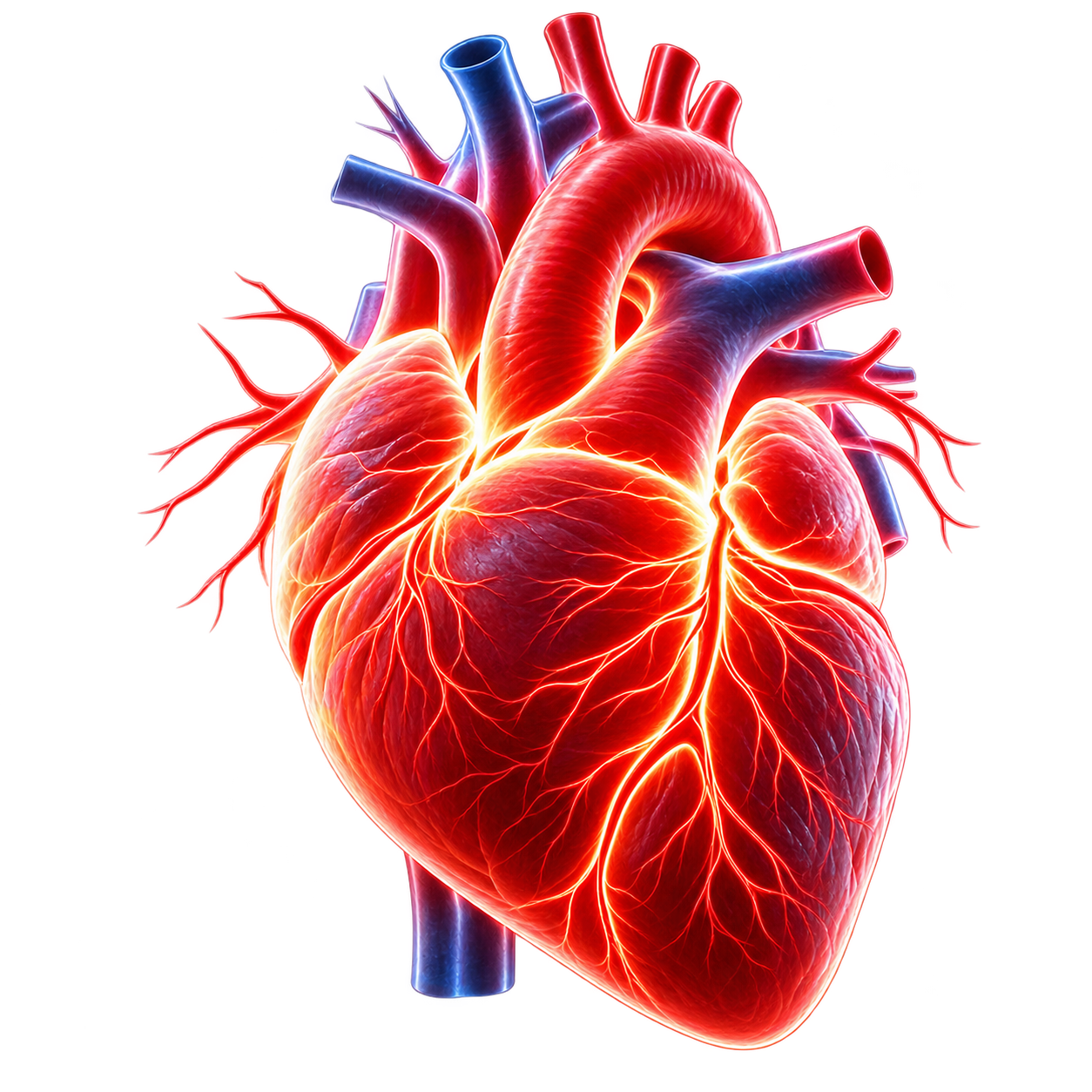
Chest pain, sudden breathlessness, fainting, or a racing heartbeat can be a cardiac emergency. PACE Hospitals' emergency team is on site around the clock to assess, stabilise, and treat.
24 / 7
Dedicated Cardiac Emergency Response
Rapid ECG
Time-Critical Cardiac Assessment
Cath Lab
Emergency Angioplasty Support
ICU · CCU
Continuous Cardiac Monitoring
Emergency Signs: Severe chest pain, sudden breathlessness, fainting, cold sweating, collapse, or a fast or irregular heartbeat with dizziness may be a medical emergency. Seek immediate emergency care. Call PACE Hospitals: 04048486868
What Is a Cardiac Emergency?
A cardiac emergency is a sudden heart-related condition that needs immediate medical attention. It may involve a heart attack, cardiac arrest, severe chest pain, a dangerous irregular heartbeat, acute heart failure, or very high blood pressure affecting the heart.
PACE Hospitals provides 24/7 emergency cardiac care in Hyderabad for patients with suspected heart emergencies. The emergency team assesses the condition quickly, starts stabilisation and treatment, and coordinates with cardiologists, critical care specialists, diagnostic teams, and other specialists when required.
A cardiac emergency can become life-threatening within minutes. Early treatment may help restore blood flow to the heart, correct dangerous heart rhythms, support breathing and circulation, and reduce the risk of serious complications.
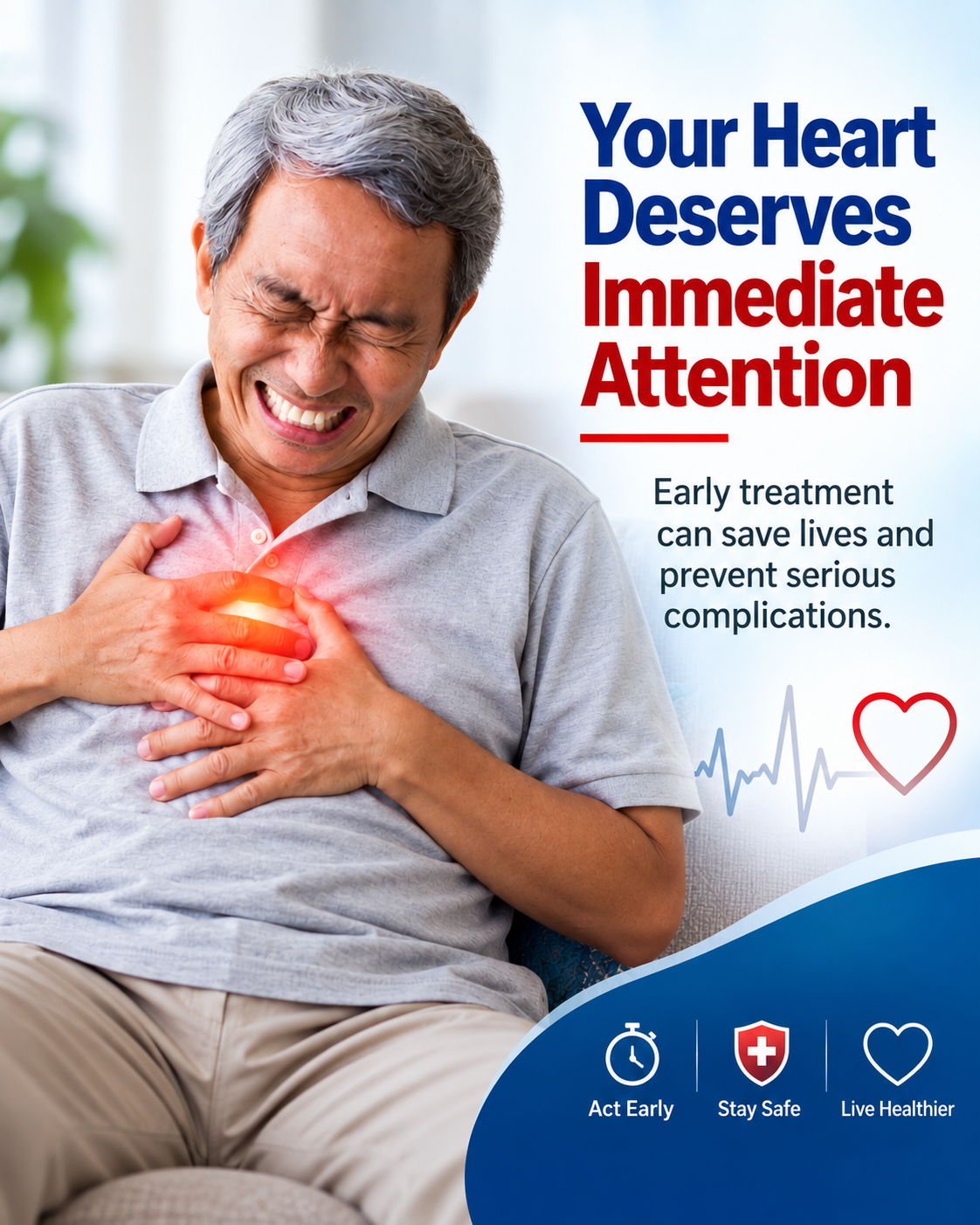
When to Seek Emergency Care for Heart Symptoms?
Immediate medical attention is needed if any of the following symptoms occur:
Chest pain, pressure, heaviness, tightness, squeezing, or burning sensation.
Chest discomfort lasting more than a few minutes or repeatedly occuring
Pain spreading to the arm, shoulder, neck, jaw, back, or upper abdomen.
Sudden shortness of breath, severe breathing difficulty, or gasping.
Cold sweating, nausea, vomiting, severe weakness, or pale appearance.
Severe dizziness, fainting, near-fainting, or sudden confusion.
Rapid, fluttering, or irregular heartbeat with chest pain or breathlessness.
Sudden collapse or loss of responsiveness.
New swelling in the legs with severe breathlessness or difficulty lying flat.
Heart attack symptoms can include chest pressure or discomfort, breathlessness, sweating, nausea, dizziness, and pain spreading to other areas of the upper body. Some people may have symptoms that feel like indigestion rather than severe chest pain.
Do Not Ignore Severe Chest Pain
Not all chest pain is caused by heart disease. It may be related to the lungs, food pipe, stomach, muscles, ribs, or nerves. However, it is not safe to assume that chest pain is minor without medical evaluation.
Treat chest pain as an emergency when it is:
- New or unexplained.
- Severe or persistent.
- Associated with sweating, nausea, or breathlessness.
- Accompanied by fainting or severe dizziness.
- Spreading to the arm, jaw, neck, shoulder, back, or upper abdomen.
- Present in a person with diabetes, high blood pressure, high cholesterol, kidney disease, or known heart disease.
For severe symptoms, ambulance transport is generally safer than driving to the hospital because emergency assessment and support can begin during transfer when needed.
Not all chest pain is caused by heart disease. It may be related to the lungs, food pipe, stomach, muscles, ribs, or nerves. However, it is not safe to assume that chest pain is minor without medical evaluation.
Treat chest pain as an emergency when it is:
- New or unexplained.
- Severe or persistent.
- Associated with sweating, nausea, or breathlessness.
- Accompanied by fainting or severe dizziness.
- Spreading to the arm, jaw, neck, shoulder, back, or upper abdomen.
- Present in a person with diabetes, high blood pressure, high cholesterol, kidney disease, or known heart disease.
- For severe symptoms, ambulance transport is generally safer than driving to the hospital because emergency assessment and support can begin during transfer when needed.
Common Cardiac Emergencies Treated at PACE Hospitals
Heart Attack and Acute Coronary Syndrome
A heart attack occurs when blood flow to a part of the heart muscle becomes blocked. This is commonly caused by a blood clot forming in a narrowed coronary artery.
Acute coronary syndrome is a term used for sudden heart conditions caused by reduced blood flow to the heart. It includes heart attack and unstable angina.
Acute coronary syndrome requires immediate medical assessment. Early heart attack emergency treatment may include ECG monitoring, cardiac blood tests, medicines, emergency angiography, angioplasty, or other procedures depending on the diagnosis.
Symptoms may include:
- Chest pain or chest pressure.
- Pain spreading to the left or right arm, jaw, neck, back, or stomach.
- Shortness of breath.
- Cold sweating.
- Nausea or vomiting.
- Light-headedness or dizziness.
- Sudden weakness or unexplained tiredness.
Cardiac Arrest
Cardiac arrest occurs when the heart suddenly stops pumping blood effectively. It causes sudden collapse, loss of responsiveness, and absent or abnormal breathing. Cardiac arrest is a life-threatening emergency condition.
Immediate CPR and early use of an automated external defibrillator, or AED, can be lifesaving in cardiac arrest.
Immediate treatment may include:
- Cardiopulmonary resuscitation (CPR) technique.
- Defibrillation for certain heart rhythms.
- Emergency medicines.
- Airway and breathing support.
- Advanced cardiac life support.
- Close monitoring after circulation returns.
Heart Rhythm Emergencies
An arrhythmia is an abnormal heart rhythm. The heart may beat too fast, too slowly, or irregularly. Some rhythm disturbances are mild, while others can seriously affect blood flow to the brain and body.
Emergency treatment for heart rhythm disorders may include cardiac monitoring, medicines, electrical cardioversion, defibrillation, temporary pacing, or critical care support, depending on the type and severity of the rhythm problem.
Emergency assessment is important when palpitations occur with:
- Chest pain.
- Breathlessness.
- Severe dizziness.
- Fainting or near-fainting.
- Weakness.
- Confusion.
- Low blood pressure.
Acute Heart Failure
Acute heart failure occurs when the heart suddenly cannot pump blood effectively enough to meet the body’s needs. It may cause fluid buildup in the lungs and other parts of the body.
Acute heart failure emergency treatment focuses on supporting breathing and circulation, reducing fluid overload where appropriate, treating the underlying cause, and closely monitoring the patient.
Symptoms may include:
- Sudden or severe shortness of breath.
- Difficulty breathing while lying flat.
- Fast heartbeat.
- Chest discomfort.
- Persistent cough or wheezing.
- Weakness or extreme tiredness.
- Swelling in the legs or feet.
- Confusion or reduced alertness in severe cases.
Hypertensive Cardiac Emergency
Very high blood pressure with chest pain, severe breathlessness, confusion, weakness, visual changes, or signs of heart failure may be an emergency.
Doctors will assess whether high blood pressure has caused acute damage to the heart, brain, kidneys, or blood vessels. Treatment is provided carefully and depends on the person’s symptoms, blood pressure readings, and evidence of organ damage.
Cardiac Emergency Assessment and Diagnosis
Patients with suspected cardiac emergencies are assessed according to the urgency and severity of their condition. The first priority is to identify and treat life-threatening problems without delay.
01
Rapid Triage and Initial Stabilisation
The emergency team may immediately assess:
- Airway, breathing, circulation, and level of consciousness.
- Pulse, blood pressure, oxygen level, temperature, and pain severity.
- Nature, location, duration, and pattern of chest discomfort.
- Previous heart attack, angina, stent placement, bypass surgery, or heart failure.
- History of diabetes, high blood pressure, high cholesterol, kidney disease, or stroke.
- Current medicines, including blood thinners and diabetes medicines.
- Medicine allergies.
- Need for oxygen, intravenous access, heart monitoring, resuscitation, or critical care support.
02
Electrocardiogram or ECG
An ECG records the electrical activity of the heart. It is one of the most important early tests for suspected heart attack, chest pain, or abnormal heart rhythms.
- The ECG can help doctors identify:
- Heart attack patterns.
- Heart rhythm abnormalities.
- Evidence of reduced blood supply to the heart.
- Signs of previous heart damage.
- Other cardiac abnormalities.
03
Cardiac Blood Tests
Cardiac blood tests, including troponin, help doctors detect injury to the heart muscle. Troponin levels may be tested more than once, depending on the timing of symptoms and the clinical condition.
Other blood tests may include:
- Blood glucose.
- Kidney function tests.
- Electrolytes.
- Complete blood count.
- Blood clotting tests.
- Blood gas analysis.
- Lipid profile, where appropriate.
04
Imaging and Additional Tests
Depending on the symptoms and initial test results, further tests may include:
- Chest X-ray.
- Echocardiography or ultrasound scan of the heart.
- Bedside ultrasound.
- Coronary angiography.
- CT scan, when another serious cause of chest pain is suspected.
- Continuous heart rhythm monitoring.
These tests help identify heart attack, acute heart failure, dangerous arrhythmias, pulmonary embolism, aortic emergencies, severe infection, and other serious causes of chest pain or breathlessness.
Cardiac Emergency Treatment at PACE Hospitals
Cardiac emergency treatment depends on the diagnosis, symptoms, medical history, test results, and overall clinical condition. The emergency team first stabilises the patient and then coordinates specialist treatment when required.
Emergency Cardiac Care May Include
- Continuous cardiac monitoring.
- Blood pressure, oxygen level, and heart rhythm monitoring.
- Oxygen support when clinically required.
- Intravenous access and fluid management.
- Medicines for chest pain, heart attack, heart failure, blood pressure control, or abnormal heart rhythms.
- Antiplatelet or anticoagulant medicines when clinically indicated.
- Medicines to manage dangerous fast or slow heart rhythms.
- Defibrillation or electrical cardioversion for selected rhythm emergencies.
- CPR and advanced life-support measures for cardiac arrest.
- Ventilator support for severe breathing failure.
- Temporary pacing when required.
- Emergency cardiac catheterization or coronary angiography, when indicated.
- Referral for angioplasty, stent placement, cardiac surgery, or other advanced treatment when needed.
- ICU or CCU admission for close observation and specialised care.
Heart Attack Emergency Treatment
- Heart attack emergency treatment begins with rapid assessment, ECG, cardiac blood tests, heart monitoring, and medicines based on the patient’s condition.
- For certain types of heart attack, cardiologists may recommend coronary angiography to identify blocked heart arteries. Depending on the findings, treatment may include:
- Medicines to reduce clot formation and improve blood flow.
- Emergency angioplasty.
- Stent placement.
- Intensive cardiac monitoring.
- Referral for cardiac surgery, when clinically required.
- The treating cardiologist will explain the recommended treatment, expected benefits, possible risks, and urgency of the procedure.
Cardiac Arrest Emergency Treatment
Cardiac arrest emergency management requires immediate resuscitation. Treatment may include CPR, defibrillation, emergency medicines, airway support, ventilator support, and advanced cardiac life support.
If someone suddenly collapses and is unresponsive:
1
Call emergency services immediately.
2
Check whether the person is breathing normally.
3
If the person is not breathing normally or is only gasping, begin CPR if trained.
4
Use an AED as soon as one is available.
5
Continue until trained emergency professionals take over.
Acute Heart Failure Emergency Treatment
Acute heart failure emergency treatment aims to improve oxygen levels, support circulation, reduce fluid buildup when present, and treat the underlying trigger.
Treatment may include:
- Oxygen or ventilator support.
- Cardiac monitoring.
- Medicines to reduce fluid overload, when appropriate.
- Medicines to support heart function or control blood pressure.
- Treatment for heart attack, arrhythmia, infection, or other triggers.
- ICU or CCU admission for close observation when necessary.
What to Do During a Suspected Heart Attack Emergency?
- Call emergency medical services immediately.
- Keep the person calm and seated or resting in a comfortable position.
- Avoid unnecessary walking or physical exertion.
- Follow instructions provided by emergency medical professionals.
- Do not drive yourself if emergency medical transport is available.
- Take the person's usual medications only as advised by a healthcare professional.
- If the person becomes unresponsive and is not breathing normally, begin CPR and use an AED if available and appropriate.
The safest approach is to obtain professional emergency help quickly rather than waiting to see whether symptoms disappear.
Why Timely Cardiac Emergency Care Matters?
A heart attack, cardiac arrest, dangerous arrhythmia, and acute heart failure can worsen quickly. Timely emergency cardiac care helps doctors identify the condition, begin stabilisation, and arrange the appropriate treatment without delay.
Prompt emergency care can help:
- Identify heart attack and dangerous rhythm disorders early.
- Support breathing, blood pressure, and circulation.
- Treat cardiac arrest and life-threatening arrhythmias.
- Start emergency management of heart failure.
- Arrange cardiac catheterization or angiography when needed.
- Monitor patients who need ICU or CCU care.
- Coordinate care among emergency medicine, cardiology, critical care, imaging, and surgical teams.
Who Is at Higher Risk of Cardiac Emergencies?
Cardiac emergencies can occur in anyone. However, the risk may be higher in people with:
- Previous heart attack, angina, angioplasty, stent placement, or bypass surgery.
- High blood pressure.
- Diabetes.
- High cholesterol.
- Smoking or tobacco use.
- Obesity or physical inactivity.
- Chronic kidney disease.
- Known irregular heartbeat or heart failure.
- Family history of early heart disease.
- Older age.
Even in the absence of these risk factors, new or severe chest pain and other heart-related warning signs should be assessed immediately.
Who Is at Higher Risk of Cardiac Emergencies?
PACE Hospitals provides 24/7 emergency and trauma care in Hyderabad for patients with sudden chest pain, suspected heart attack, cardiac arrest, severe arrhythmias, acute heart failure, and other critical health conditions. The emergency department coordinates with cardiology, critical care, diagnostic, imaging, and surgical teams according to the patient’s needs.
Emergency Cardiac Care Pathway
- Immediate triage: Rapid assessment of symptoms, vital signs, and emergency needs.
- Cardiac monitoring: Electrocardiogram (ECG or EKG), oxygen monitoring, blood pressure monitoring, and other required assessments.
- Rapid diagnosis: Cardiac blood tests, imaging tests, and heart specialist evaluation when needed.
- Stabilisation and treatment: Medicines, resuscitation, heart rhythm treatment, breathing support, or emergency procedures based on the diagnosis.
- Ongoing care: Admission to ICU, CCU, ward, or transfer to the appropriate speciality service when required.
Need urgent help? For chest pain, sudden breathlessness, collapse, fainting, cold sweating, or a suspected heart attack, seek emergency care immediately. Call PACE Hospitals: 04048486868.
When Should You Call an Ambulance for a Cardiac Emergency?
Call emergency medical services immediately if someone has:
- Suspected heart attack symptoms
- Severe or persistent chest discomfort
- Sudden severe breathlessness
- Fainting with suspected heart problems
- Sudden collapse
- Loss of consciousness
- Abnormal breathing or gasping
- Symptoms of a potentially life-threatening arrhythmia
For suspected acute coronary syndrome, emergency medical transport is preferred because it allows early assessment and can help reduce delays in definitive treatment.
Do not delay emergency care to arrange your own transport if the person is seriously unwell.
Frequently Asked Questions on cardiac emergencies
What is a cardiac emergency?
A cardiac emergency is a sudden heart-related problem that may become life-threatening without prompt treatment. It can include a heart attack, cardiac arrest, severe arrhythmia or acute heart failure. Immediate medical assessment is important even when the cause of symptoms is uncertain.
What are the common symptoms of a heart attack?
Common symptoms include chest pressure, tightness or discomfort, breathlessness, sweating, nausea or dizziness. Pain may also spread to the arm, shoulder, back, neck or jaw. Symptoms can vary, so unexplained or sudden symptoms should not be ignored.
What should I do during a suspected heart attack?
Call emergency medical services immediately and keep the person resting while help is arranged. Do not delay medical care by trying to identify the cause of the symptoms yourself. Follow the instructions given by emergency medical professionals until help arrives.
What is the emergency treatment for a heart attack?
Treatment depends on the type of heart attack, the blockage involved and the patient's overall condition.
Doctors may use medicines, cardiac monitoring and procedures to restore blood flow, such as angioplasty and stenting when appropriate. Treatment is started as quickly as possible because delays can increase heart muscle damage.
What should I do if someone has a cardiac arrest?
If a person suddenly becomes unresponsive and is not breathing normally, call an ambulance immediately. Start CPR with chest compressions as soon as possible and continue until medical help arrives. Follow the instructions advised by the emergency team and continue CPR until trained medical professionals take over.
Is every chest pain a cardiac emergency?
No, chest pain can have many causes and is not always related to the heart. However, new or unexplained chest pain can be a warning sign of a serious condition. It is safer to seek urgent medical evaluation than to try to diagnose the cause at home.
Can heart failure become an emergency?
Yes. Heart failure can suddenly worsen and cause severe breathlessness, weakness, low blood pressure or other serious problems. Sudden difficulty breathing, especially at rest, requires prompt medical assessment.
Emergency treatment focuses on stabilising the patient and addressing the underlying cause.
When should I go to the emergency room for heart pain?
Seek emergency care for new, severe or unexplained chest pain, especially when it occurs with sweating, breathlessness, nausea, dizziness or fainting. Pain or discomfort may also occur in the arms, back, neck, jaw or upper abdomen. Do not wait for the symptoms to become severe before seeking help.
What is the difference between a heart attack and cardiac arrest?
A heart attack occurs when blood flow to part of the heart muscle becomes blocked or severely reduced.
Cardiac arrest occurs when the heart suddenly stops pumping blood effectively. A heart attack can sometimes lead to cardiac arrest, but the two conditions are not the same.
Can a heart attack happen without severe chest pain?
Yes. Some people may have mild or less typical symptoms rather than intense chest pain. Breathlessness, unusual tiredness, nausea, sweating, dizziness or discomfort in the back, jaw or arm can also occur. Any sudden or unexplained symptoms that could indicate a heart problem need prompt medical evaluation.
How is a heart attack diagnosed in an emergency?
Doctors first assess the symptoms, medical history and vital signs before performing appropriate tests.
An ECG helps assess the heart's electrical activity, while cardiac troponin blood tests can help detect heart muscle injury. Additional tests may be needed depending on the patient's condition and initial findings.
Why is an ECG important during a cardiac emergency?
An electrocardiogram (ECG or EKG) records the heart's electrical activity and can help doctors identify certain heart attacks and abnormal rhythms. For suspected acute coronary syndrome, rapid ECG assessment is an important part of emergency evaluation. The results help the medical team decide what treatment is needed next.
Can a fast or irregular heartbeat be a cardiac emergency?
A fast or irregular heartbeat is not always dangerous, but some abnormal rhythms can become serious.
Seek urgent care if palpitations occur with chest pain, severe breathlessness, dizziness, fainting or marked weakness. Emergency doctors can identify the rhythm and determine whether immediate treatment is required.
Why should I use an ambulance for a suspected heart attack?
Emergency medical teams can begin assessment and initial care before reaching the hospital. They can also respond quickly if the patient's condition suddenly worsens during transport. Using emergency medical transport may help reduce delays in reaching appropriate treatment.
Can cardiac emergencies happen in people without known heart disease?
Yes. A cardiac emergency can sometimes be the first sign of an underlying heart condition. Not having a previous diagnosis of heart disease does not completely rule out a serious cardiac problem. Sudden chest discomfort, severe breathlessness, fainting or collapse should always be taken seriously.
Conclusion
Cardiac emergencies require rapid assessment and timely treatment. Chest pain, sudden breathlessness, fainting, collapse, cold sweating, or an irregular heartbeat with dizziness should be treated as warning signs that need immediate medical attention.
PACE Hospitals provides emergency cardiac care in Hyderabad for patients with suspected heart attack, cardiac arrest, dangerous heart rhythm disorders, acute heart failure, and other urgent heart-related conditions. Prompt emergency treatment can help identify the cause, stabilise the patient, and begin appropriate care without delay.


