
Liver Emergency Care in Hyderabad
24/7 Emergency Assessment and Treatment for Liver-related Emergencies
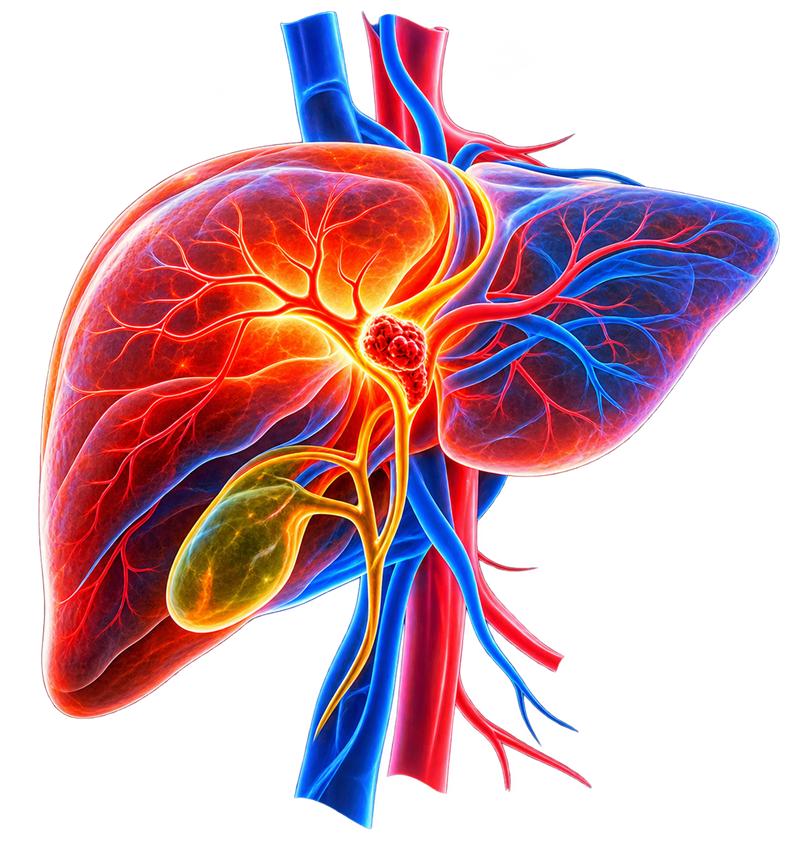
Rapid Assessment: Acute Liver Evaluation
Prompt assessment of jaundice, abdominal swelling, liver-related bleeding and other acute symptoms.
Liver Complications: Emergency Liver Management
Evaluation and treatment of acute liver failure and serious complications of liver disease.
Urgent Procedures: Liver & Biliary Intervention
Imaging, endoscopic and other procedures when clinically required for liver-related emergencies.
Critical Care: Support for Severe Liver Emergencies
Continuous monitoring and coordinated care for patients with serious liver dysfunction.
Emergency Signs
Severe or worsening abdominal pain, vomiting blood, black or tarry stools, sudden yellowing of the eyes or skin, severe confusion or drowsiness, abdominal inflammation, fainting, or Sudden worsening in a patient with known liver illness may indicate a medical emergency. Seek immediate emergency care. Call PACE Hospitals: 04048486868.
What Is a Trauma and Accident Emergency?
What Is a Rheumatology Emergency?
What Is a Liver Emergency?
A liver or hepatic emergency is a sudden or rapidly worsening condition involving the liver or its functioning that necessitates prompt medical intervention. It may involve acute liver failure, severe jaundice, vomiting blood due to variceal bleeding, hepatic encephalopathy, severe abdominal inflammation, or complications of advanced liver disease.
PACE Hospitals provides 24/7 emergency liver care in Hyderabad for patients with suspected liver emergencies. The emergency team assesses the patient's condition quickly, starts stabilisation and appropriate treatment, and coordinates with hepatologists, gastroenterologists, critical care specialists, interventional radiologists, surgeons, and other specialists when required.
A liver emergency can become life-threatening rapidly, particularly when there is severe bleeding, acute liver failure, altered consciousness, infection, or other complications of advanced liver disease. Early treatment may help control bleeding, manage complications, support liver function, treat the underlying cause, and reduce the risk of serious complications.
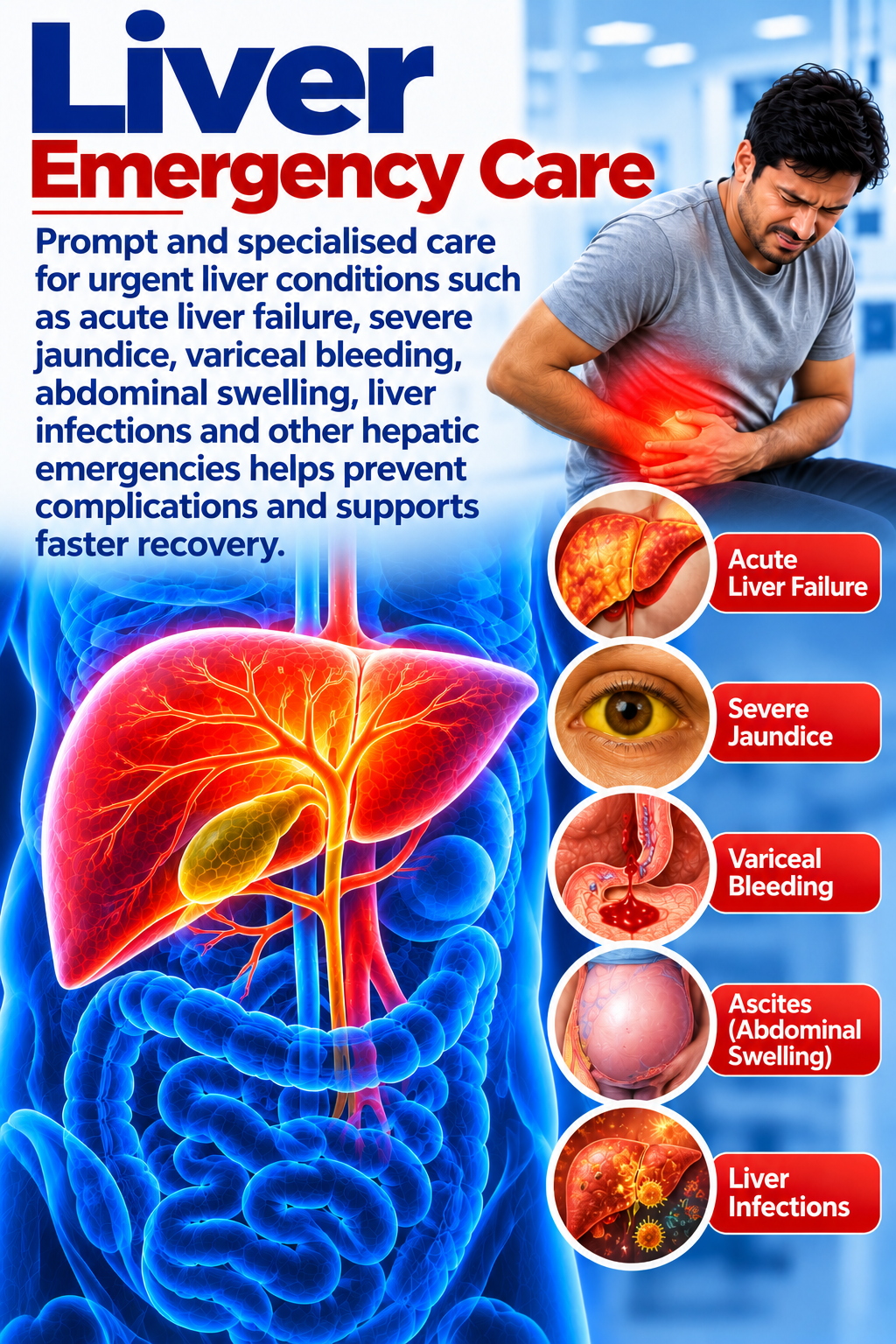
When to Seek Emergency Care for Liver Symptoms?
Immediate medical attention is needed if any of the following symptoms occur:
- Vomiting blood or passing black, tarry, or bloody stools, which may indicate gastrointestinal bleeding.
- Sudden or worsening yellowing of the eyes or skin, particularly when accompanied by weakness, fever, abdominal pain, or confusion.
- Severe or rapidly increasing abdominal swelling or pain, especially in a person with known liver disease.
- Sudden confusion, unusual drowsiness, disorientation, personality changes, or difficulty staying awake.
- Repeated vomiting, inability to keep fluids down, or signs of severe dehydration.
- Fever with abdominal pain, swelling, or worsening weakness.
- Fainting, severe dizziness, very low blood pressure, or sudden weakness associated with bleeding.
- Difficulty breathing or severe breathlessness when associated with significant abdominal fluid accumulation or swelling.
- Sudden deterioration in a person with known cirrhosis, acute liver disease, or liver failure, including reduced alertness, bleeding, worsening jaundice, or marked weakness.
- Seizures, loss of consciousness, or sudden changes in mental status in a person with severe liver disease.
- Liver emergencies can sometimes develop rapidly and may be life-threatening. Vomiting blood, black stools, sudden confusion or drowsiness, loss of consciousness, severe abdominal symptoms, or rapidly worsening jaundice require immediate emergency evaluation. Do not wait for symptoms to improve—seek emergency medical care immediately.
Do Not Ignore Sudden Liver-Related Symptoms
Not every episode of abdominal discomfort, vomiting, or yellowing of the skin is caused by a liver emergency. Symptoms may also occur due to problems involving the gallbladder, pancreas, stomach, intestines, or other organs. However, it is not safe to assume that severe or rapidly worsening symptoms are minor without medical evaluation.
Treat liver-related symptoms as an emergency when they are:
- New, severe, or rapidly worsening.
- Associated with vomiting blood or black stools.
- Accompanied by confusion, drowsiness, fainting, or loss of consciousness.
- Associated with sudden or worsening jaundice.
- Accompanied by severe abdominal pain, fever, or increasing abdominal swelling.
- Associated with persistent vomiting or inability to take fluids.
- Occurring in a person with cirrhosis, chronic liver disease, hepatitis, or a previous liver-related complication.
- Accompanied by significant weakness, reduced urination, breathing difficulty, or sudden deterioration.
If severe liver-related symptoms occur, seek emergency medical care immediately. Call PACE Hospitals at
04048486868 for emergency assistance in Hyderabad.
Not all chest pain is caused by heart disease. It may be related to the lungs, food pipe, stomach, muscles, ribs, or nerves. However, it is not safe to assume that chest pain is minor without medical evaluation.
Treat chest pain as an emergency when it is:
- New or unexplained.
- Severe or persistent.
- Associated with sweating, nausea, or breathlessness.
- Accompanied by fainting or severe dizziness.
- Spreading to the arm, jaw, neck, shoulder, back, or upper abdomen.
- Present in a person with diabetes, high blood pressure, high cholesterol, kidney disease, or known heart disease.
- For severe symptoms, ambulance transport is generally safer than driving to the hospital because emergency assessment and support can begin during transfer when needed.
Sudden weakness or paralysis affecting one side of the face, arm, or leg is an important stroke warning sign. The weakness may appear suddenly and may occur with facial drooping, speech difficulty, vision changes, or loss of balance.
- Do not wait to see whether the weakness improves. Immediate emergency assessment is important because some stroke treatments are time-sensitive.
Sudden Paralysis or One-Sided Weakness
Sudden Vision Problems
A stroke can cause sudden changes in vision, including blurred or double vision or loss of vision in one or both eyes.
- Sudden unexplained vision problems, particularly when accompanied by other neurological symptoms, require urgent assessment.
Sudden Loss of Balance
A sudden loss of balance, coordination, or ability to walk normally can be a sign of stroke, particularly when it develops without an obvious explanation.
- Sudden dizziness with difficulty walking, weakness, vision changes, or speech problems should not be dismissed as a minor problem.
Sudden Severe Headache
A sudden, severe headache with no known cause can be a warning sign of a serious neurological emergency, including hemorrhagic stroke.
- When severe headache occurs with vomiting, weakness, speech difficulty, seizures, confusion, loss of consciousness, or other sudden neurological changes, emergency medical evaluation is required.
Common Liver Emergencies Treated at PACE Hospitals
Acute Liver Failure
Acute liver failure occurs when the liver suddenly loses its ability to perform essential functions in a person who may not have had previously known advanced liver disease. It can develop rapidly and may affect the brain, blood clotting, kidneys, and other organs.
Acute liver failure is a medical emergency and requires immediate assessment. Emergency treatment focuses on identifying and treating the underlying cause, supporting liver function and other affected organs, managing complications, and assessing whether advanced therapies or emergency liver transplantation may be required.
Symptoms may include:
- Sudden yellowing of the eyes or skin (jaundice).
- Nausea or vomiting.
- Severe weakness or fatigue.
- Abdominal pain or discomfort.
- Confusion, unusual behaviour, or excessive sleepiness.
- Easy bruising or bleeding.
- Swelling of the abdomen.
Variceal Bleeding and Gastrointestinal Bleeding
People with advanced liver disease and portal hypertension can develop enlarged veins, known as varices, in the esophagus or stomach. These veins can rupture and cause severe gastrointestinal bleeding.
Variceal bleeding is a life-threatening emergency. Treatment generally involves stabilisation, blood transfusion (if needed), medicines to control bleeding, urgent endoscopy, endoscopy procedure, and other interventions depending on the severity and cause of bleeding.
Symptoms may include:
- Vomiting blood or blood-like material.
- Black, tarry stools.
- Dizziness or light-headedness.
- Fainting or weakness.
- Rapid heartbeat.
- Pale or clammy skin.
- Low blood pressure or collapse in severe bleeding.
Hepatic Encephalopathy
Hepatic encephalopathy is a brain-related complication of severe liver dysfunction in which toxins that are normally processed by the liver affect brain function. It can range from mild changes in concentration to severe confusion and loss of consciousness.
Sudden confusion or reduced consciousness in a person with liver disease requires urgent medical assessment. Treatment involves identifying and managing triggers such as infection, gastrointestinal bleeding, constipation, dehydration, or medication-related factors, along with appropriate treatment to reduce toxin accumulation.
Symptoms may include:
- Confusion or disorientation.
- Unusual sleepiness or changes in sleep pattern.
- Changes in behaviour or personality.
- Difficulty concentrating or responding appropriately.
- Slurred or unclear speech.
- Shaking or abnormal hand movements.
- Severe drowsiness or loss of consciousness in advanced cases.
Spontaneous Bacterial Peritonitis and Severe Infections
People with advanced cirrhosis and fluid accumulation in the abdomen (ascites) can develop serious infections, including spontaneous bacterial peritonitis (SBP). The infection may become severe and lead to sepsis if not treated promptly.
Suspected infection in a person with advanced liver disease requires prompt medical evaluation. Treatment may include diagnostic testing of ascitic fluid, antibiotics, intravenous fluids or albumin when appropriate, and close monitoring for complications.
Symptoms may include:
- Fever or chills.
- New or worsening abdominal pain or tenderness.
- Increasing abdominal swelling.
- Nausea or vomiting.
- Confusion or unusual drowsiness.
- Reduced blood pressure or weakness.
- Reduced urine output in severe cases.
Acute-on-Chronic Liver Failure
Acute-on-chronic liver failure (ACLF) occurs when a person with chronic liver disease or cirrhosis develops a sudden deterioration, often triggered by infection, gastrointestinal bleeding, alcohol-related injury, or another acute illness. It can result in failure of one or more organs.
This can be a life-threatening situation and requires urgent hospital-based care. Treatment focuses on identifying and treating the trigger, supporting affected organs, preventing further complications, and assessing the need for advanced liver therapies or transplantation when appropriate.
Symptoms may include:
- Worsening jaundice.
- Increasing abdominal swelling.
- Confusion or excessive sleepiness.
- Vomiting blood or black stools.
- Reduced urine output.
- Breathlessness.
- Severe weakness.
- Low blood pressure or other signs of organ dysfunction.
Severe Jaundice and Cholestatic Emergencies
Jaundice causes yellowing of the skin or whites of the eyes because of increased bilirubin levels. Sudden or rapidly worsening jaundice may occur due to severe liver injury, bile duct obstruction, infection, or other serious conditions.
Sudden jaundice, particularly when accompanied by fever, severe abdominal pain, confusion, or vomiting, requires prompt medical evaluation. Doctors may perform blood tests and imaging to identify the cause and provide treatment such as antibiotics, endoscopic procedures, or other interventions when required.
Symptoms may include:
- Yellowing of the eyes or skin.
- Dark-coloured urine.
- Pale or clay-coloured stools.
- Severe itching.
- Abdominal pain.
- Fever or chills.
- Nausea or vomiting.
Hepatorenal Syndrome and Acute Kidney Injury
Severe liver disease can affect kidney function and may lead to acute kidney injury or hepatorenal syndrome. A decrease in kidney function may be related with deteriorating liver disease and necessitates immediate medical treatment.
Treatment focuses on identifying and correcting triggers, supporting circulation and kidney function, managing complications, and treating the underlying liver condition. In selected patients with advanced liver disease, liver transplantation may be considered.
Symptoms may include:
- Reduced urine output.
- Increasing abdominal or leg swelling.
- Severe weakness or fatigue.
- Confusion or drowsiness.
- Nausea or vomiting.
- Breathlessness due to fluid accumulation.
- Changes in blood pressure.
Liver Emergency Assessment and Diagnosis
Patients with suspected liver emergencies are assessed according to the urgency and severity of their condition. The first priority is to identify and manage life-threatening problems such as severe bleeding, acute liver failure, infection, altered consciousness, or organ dysfunction without delay.
01
Rapid Triage and Initial Stabilisation
- The emergency team may immediately assess for:
- Airway, breathing, circulation, and level of consciousness.
- Pulse, blood pressure, oxygen level, temperature, and overall clinical condition.
- Presence and severity of jaundice, abdominal pain, abdominal swelling, vomiting, or bleeding.
- Changes in alertness, behaviour, orientation, or level of consciousness, particularly in patients with known liver disease.
- Signs of vomiting blood or black, tarry stools that may indicate gastrointestinal bleeding.
- History of cirrhosis, hepatitis, fatty liver disease, previous liver failure, liver transplantation, or other liver conditions.
- Previous episodes of ascites, hepatic encephalopathy, variceal bleeding, or other complications of liver disease.
- Current medicines, including blood thinners, pain medicines, antibiotics, herbal products, and other supplements.
- Recent alcohol use, infections, medication exposure, or possible toxin exposure, when relevant.
- Need for intravenous access, fluids, blood products, oxygen, medicines, urgent endoscopy, intensive care, or other emergency support.
02
Liver Function and Blood Tests
Blood tests are an important part of assessing patients with suspected hepatic emergencies because these tests help doctors evaluate liver function, identify complications, and look for possible causes of deterioration.
Tests may include:
- Liver function tests (LFTs).
- Serum albumin and total protein.
- Prothrombin time (PT) and INR.
- Complete blood count (CBC).
- Kidney function tests.
- Electrolytes and blood glucose.
- Blood gas and lactate.
- Ammonia.
- Viral hepatitis and other specialised tests, when indicated.
- Blood cultures and other infection-related tests when infection or sepsis is suspected.
These investigations help determine the severity of liver injury, identify complications, and guide emergency treatment.
03
Imaging and Additional Tests
Depending on the patient's symptoms and initial findings, further investigations may include:
- Ultrasound of the abdomen
- Doppler ultrasound
- CT scan of the abdomen
- MRI or MRCP
- Upper gastrointestinal endoscopy
- Diagnostic paracentesis
- Continuous monitoring of vital signs and organ function
These tests help doctors identify conditions such as acute liver failure, gastrointestinal or variceal bleeding, hepatic encephalopathy, biliary obstruction, liver infections, spontaneous bacterial peritonitis, acute-on-chronic liver failure, and other complications of advanced liver disease. Rapid diagnosis allows the emergency and liver-care teams to begin appropriate treatment and escalate care when required.
Liver Emergency Treatment at PACE Hospitals
Liver emergency treatment depends on the underlying cause, severity of liver dysfunction, symptoms, medical history, test results, and involvement of other organs. The emergency team first focuses on stabilising the patient, controlling immediate complications, and identifying the cause, followed by specialist liver care when required.
Emergency Hepatic Care May Include:
- Continuous monitoring of blood pressure, heart rate, oxygen level, body temperature, and level of consciousness.
- Oxygen support when clinically needed.
- Intravenous (IV) access and careful fluid management.
- Medicines to manage hepatic encephalopathy, infection, bleeding, nausea, pain, or other complications, as clinically appropriate.
- Blood products, including red blood cells, platelets, or plasma, when significant bleeding or specific clotting problems require them.
- Medicines and other measures to control gastrointestinal or variceal bleeding.
- Antibiotics when a bacterial infection or sepsis is suspected or confirmed.
- Management of ascites and fluid accumulation when required.
- Treatment of electrolyte, blood glucose, and other metabolic abnormalities.
- Management of hepatic encephalopathy and monitoring of neurological status.
- Kidney and fluid management when acute kidney injury or hepatorenal complications occur.
- Emergency endoscopy for suspected variceal or upper gastrointestinal bleeding, when indicated.
- Interventional radiology procedures or other specialised interventions for selected bleeding or vascular complications.
- ICU admission and organ-supportive treatment for patients with severe liver failure or multiple-organ dysfunction.
- Evaluation for advanced liver therapies or liver transplantation in selected patients with severe or acute liver failure.
Variceal Bleeding Emergency Treatment
Variceal bleeding causes significant blood loss, which can become life-threatening quickly.
Treatment may include: -
- Rapid assessment and continuous monitoring.
- IV access and appropriate fluid or blood-product support.
- Medicines that help reduce bleeding from portal hypertension.
- Antibiotics to reduce the risk of infection associated with gastrointestinal bleeding in patients with cirrhosis.
- Urgent upper gastrointestinal endoscopy to identify and control the bleeding source.
- Endoscopic variceal band ligation for suitable oesophageal varices.
- Interventional radiology procedures such as TIPS (transjugular intrahepatic portosystemic shunt) in selected patients when bleeding cannot be controlled or recurs despite appropriate treatment.
- ICU care when bleeding is severe or the patient is unstable.
Hepatic Encephalopathy Emergency Treatment
This can cause confusion, changes in behaviour, excessive sleepiness, and, in severe cases, loss of consciousness. Treatment identifies and corrects the factors triggering the condition while protecting the patient's airway and other vital functions.
Treatment may include:
- Assessment and monitoring of consciousness and neurological status.
- Identifying triggers such as infection, gastrointestinal bleeding, constipation, dehydration, kidney dysfunction, or medication-related factors.
- Ammonium detoxicant medicines are given to reduce the absorption of ammonia-producing substances from the intestine.
- Correction of electrolyte and metabolic abnormalities.
- Treatment of infections or gastrointestinal bleeding when present.
- Airway and breathing support in severe cases where consciousness is significantly reduced.
- ICU monitoring when required.
Acute-on-Chronic Liver Failure Emergency Treatment
Acute-on-chronic liver failure occurs when a person with chronic liver disease or cirrhosis develops a sudden deterioration, which may affect one or more organs.
Treatment may include:
- Rapid identification and treatment of the triggering condition.
- Management of infections and sepsis when present.
- Control of gastrointestinal or variceal bleeding.
- Treatment of hepatic encephalopathy.
- Careful management of fluids, electrolytes, and blood pressure.
- Monitoring and support of kidney, lung, brain, and other organ functions.
- Nutritional and supportive care.
- ICU management for severe cases.
- Assessment for advanced liver therapies or emergency liver transplant when appropriate.
The treatment plan is individualised according to the patient's condition and response to therapy. If you or a loved one develops vomiting of blood, black stools, sudden confusion, severe jaundice, loss of consciousness, or rapidly worsening symptoms in the setting of liver disease, seek emergency medical care immediately.
What to Do During a Suspected Liver Emergency?
- Seek emergency medical care immediately if there is vomiting of blood, black stools, sudden confusion, severe jaundice, loss of consciousness, severe abdominal pain, or rapidly worsening symptoms.
- Keep the person calm and resting in a comfortable position while waiting for medical help.
- Do not give food, water, or oral medicines if the person is drowsy, confused, vomiting repeatedly, or having difficulty swallowing.
- Follow instructions provided by emergency medical professionals and inform them about any known liver disease or previous liver complications.
- Do not give painkillers, herbal remedies, supplements, or other medicines unless advised by a healthcare professional because it can worsen liver injury or bleeding.
- If there is vomiting of blood or black stools, seek emergency care without delay, as gastrointestinal bleeding can become severe rapidly.
- If the person becomes unconscious but is breathing normally, place them in a safe position and monitor their breathing while waiting for emergency help.
- If the person becomes unresponsive and is not breathing normally, call emergency services and begin CPR if trained to do so.
The safest approach is to get professional emergency help quickly rather than waiting to see whether symptoms disappear.
Why Timely Liver Emergency Care Matters?
Acute liver failure, severe gastrointestinal bleeding, hepatic encephalopathy, major infections, and acute-on-chronic liver failure can all progress quickly and impact multiple organs. Timely hepatic emergency care allows doctors to quickly identify the underlying problem, stabilise the patient, manage complications, and begin appropriate treatment.
Proper emergency care can help:
- Identify acute liver failure and serious complications of liver disease early.
- Control vomiting of blood, variceal bleeding, and other gastrointestinal bleeding.
- Manage hepatic encephalopathy, confusion, and changes in consciousness.
- Treat serious infections and reduce the risk of sepsis and organ dysfunction.
- Monitor and support kidney function, blood pressure, breathing, and other vital organ functions.
- Manage ascites, electrolyte abnormalities, and other complications when required.
- Arrange urgent endoscopy or interventional procedures for selected bleeding and portal hypertension-related emergencies.
- Assess patients with severe liver failure for advanced liver therapies or liver transplantation when appropriate.
- Provide ICU care and multidisciplinary specialist support for patients with severe or rapidly worsening hepatic emergencies.
- Coordinate care among emergency medicine, hepatology, gastroenterology, critical care, interventional radiology, endoscopy, surgery, and transplant teams when required.
Who Is at Higher Risk of Liver Emergencies?
Liver emergencies can occur in anyone, but the risk may be higher in people with conditions like:
- Cirrhosis or advanced chronic liver disease.
- Chronic hepatitis B or hepatitis C infection.
- Previous episodes of liver failure or decompensated liver disease.
- History of ascites, hepatic encephalopathy, or variceal bleeding.
- Heavy or long-term alcohol use.
- Metabolic-associated fatty liver disease (MASLD) or severe fatty liver disease.
- Previous liver or bile duct problems.
- History of gastrointestinal or variceal bleeding.
- Certain autoimmune, metabolic, or inherited liver disorders.
- Exposure to medicines, supplements, herbal products, or toxins.
- Previous liver transplantation or other major liver-related procedures.
- Older adults or people with multiple medical conditions.
Even without known liver disease, sudden jaundice, vomiting blood, black stools, severe abdominal pain, confusion, loss of consciousness, or rapidly worsening symptoms should be treated as an emergency and assessed immediately.
Liver Emergency Care at PACE Hospitals
PACE Hospitals provides 24/7 emergency and critical care in Hyderabad for patients with acute liver failure, severe jaundice, gastrointestinal or variceal bleeding, hepatic encephalopathy, severe infections, complications of cirrhosis, and other critical liver-related conditions. The emergency department coordinates with hepatology, gastroenterology, critical care, diagnostic, imaging, interventional radiology, endoscopy, and surgical teams according to the patient’s needs.
Emergency Liver Care Pathway
- Immediate triage: Rapid assessment of symptoms, vital signs, level of consciousness, bleeding, jaundice, abdominal swelling, and other emergency concerns.
- Initial stabilisation: Assessment and support of airway, breathing, circulation, blood pressure, oxygen levels, and other vital functions when required.
- Rapid diagnosis: Liver function tests, blood clotting tests, blood counts, kidney function tests, infection-related investigations, and other tests based on the patient's condition.
- Imaging and specialist assessment: Ultrasound, Doppler, CT, MRI/MRCP, emergency endoscopy, or other investigations may be performed when clinically indicated.
- Stabilisation and treatment: Medicines, IV fluids, blood products, antibiotics, treatment for hepatic encephalopathy, bleeding control, endoscopic procedures, or other emergency interventions based on the diagnosis.
- Advanced care: Interventional procedures, organ-supportive treatment, or assessment for advanced liver therapies and liver transplantation may be considered in selected severe cases.
- Ongoing care: Depending on the patient's health and treatment requirements, admission to the ICU, liver-care unit, ward, or transfer to the appropriate specialised service may be necessary.
Need urgent help? For vomiting blood, black stools, sudden confusion or excessive drowsiness, severe jaundice, rapidly increasing abdominal swelling, loss of consciousness, or sudden worsening in a person with liver disease, seek emergency care immediately. Call PACE Hospitals: 04048486868.
Do not delay emergency care to arrange your own transport if the person is seriously injured or has signs of a potentially life-threatening condition.
When Should You Call an Ambulance for a Liver Emergency?
Call emergency medical services immediately if someone has:
- Vomiting blood or significant gastrointestinal bleeding.
- Black, tarry stools associated with weakness, dizziness, or suspected bleeding.
- Sudden confusion, unusual drowsiness, or loss of consciousness, particularly in someone with liver disease.
- Severe or rapidly worsening jaundice, especially when accompanied by confusion, fever, or abdominal pain.
- Severe abdominal pain or rapidly increasing abdominal swelling.
- Repeated vomiting with severe weakness, dehydration, or altered consciousness.
- Fainting, collapse, or very low blood pressure in a person with known liver disease.
- Severe breathlessness or difficulty breathing associated with advanced liver disease or abdominal fluid accumulation.
- Seizures or significant changes in behaviour or consciousness in a person with liver disease.
- Rapid deterioration in a person with cirrhosis, acute liver disease, or a previous history of liver failure.

Do not delay emergency care to arrange your own transport if the person is seriously unwell. Seek immediate emergency medical attention.
Frequently Asked Questions on Liver Emergency
What is a liver emergency?
A liver emergency is a sudden or rapidly worsening liver-related condition that requires immediate medical attention. It may include acute liver failure, severe jaundice, vomiting blood due to variceal bleeding, hepatic encephalopathy, serious infections, or complications of advanced cirrhosis. Proper medical assessment is important for identifying the cause and preventing serious complications.
What are the most common liver emergencies?
Common liver emergencies include acute liver failure, bleeding from esophageal or stomach varices, hepatic encephalopathy, severe infections (spontaneous bacterial peritonitis, acute-on-chronic liver failure), and severe liver injury which is caused by medicines or toxins. These conditions can worsen quickly and may require hospitalisation and specialist treatment.
When should I go to the emergency department for a liver problem?
Seek immediate medical care if a patient has vomiting blood, black or tarry stools, sudden confusion, excessive sleepiness, loss of consciousness, rapidly worsening jaundice, severe abdominal pain or swelling, fever with abdominal symptoms, or a sudden deterioration in known liver disease. Do not wait for these symptoms to improve on their own.
Can liver problems become life-threatening?
Yes, severe liver problems can affect the brain, kidneys, blood clotting, circulation, and other organs. Some of the life-threatening complications are internal bleeding, severe infection, hepatic encephalopathy, acute liver failure, and multiple-organ dysfunction, which can become life-threatening without timely treatment. Seek immediate medical attention if serious symptoms develop.
Why is a liver emergency treated immediately?
Liver emergencies can progress rapidly and may lead to bleeding, infection, confusion, organ failure, or other serious complications. Early treatment allows doctors to identify the underlying cause, stabilise the patient, manage complications, and provide appropriate specialist care as quickly as possible.
What are the emergency complications of liver cirrhosis?
Advanced cirrhosis can cause serious complications such as variceal bleeding, hepatic encephalopathy, severe ascites, spontaneous bacterial peritonitis, kidney dysfunction, and acute-on-chronic liver failure. If there are any symptoms of vomiting blood, black stools, sudden confusion, fever, severe abdominal swelling, or reduced urine output require urgent medical evaluation.
Is vomiting blood with liver disease an emergency?
Yes, vomiting blood in a person with liver disease is a medical emergency because it may be caused by bleeding varices or another serious gastrointestinal condition. The person should receive immediate emergency care, particularly if it is also associated with dizziness, weakness, fainting, or heavy bleeding. Do not wait for the bleeding to stop; seek emergency medical attention immediately.
Is sudden confusion in a person with liver disease an emergency?
Yes, sudden confusion, unusual sleepiness, changes in behaviour, or difficulty responding in a person with liver disease may be a sign of hepatic encephalopathy or another serious complication. It can also occur due to infection, bleeding, or other medical problems.
Can abdominal swelling due to liver disease become an emergency?
Yes, abdominal enlargement caused by ascites (fluid buildup) can be serious, especially if it occurs suddenly or is accompanied by abdominal pain, fever, breathing problems, confusion, or decreased urine output. These symptoms indicates infection or worsening of liver function. Seek urgent medical care if abdominal swelling suddenly increases or is accompanied by concerning symptoms.
What is acute-on-chronic liver failure?
Acute-on-chronic liver failure occurs when a person with long-standing liver disease or cirrhosis suddenly becomes much more unwell, sometimes with problems affecting other organs such as the kidneys or brain. This condition is triggered by infections, bleeding, alcohol-related injury, or other illnesses.
How is a liver emergency diagnosed?
Doctors first assess the patient's symptoms, medical history, vital signs, and overall condition. Blood tests may be used to check liver function, bilirubin, blood clotting, kidney function, blood counts, and other abnormalities. Depending on the suspected problem, ultrasound, CT or MRI scans, endoscopy, or other tests may also be required.
Can a liver emergency require a liver transplant?
Yes, some severe liver emergencies, such as acute liver failure or advanced liver disease with significant consequences, may require liver transplant evaluation. Not every liver emergency requires a transplant, and the decision is based on the cause, severity, liver function, other organ involvement, and likelihood of recovery.
What are the signs that liver disease is becoming an emergency?
Warning signs can include vomiting blood, black or tarry stools, rapidly worsening jaundice, sudden confusion or excessive sleepiness, severe abdominal swelling or pain, fever, fainting, reduced urine output, or a sudden deterioration in overall health. These symptoms may indicate serious complications such as bleeding, infection, hepatic encephalopathy, or liver failure.
Can liver disease cause sudden loss of consciousness?
Yes, severe liver disease can sometimes cause a significant decrease in consciousness due to advanced hepatic encephalopathy, but sudden unconsciousness can also have other serious causes, such as bleeding, infection, low blood sugar, stroke, or heart-related problems. Sudden loss of consciousness is always an emergency and requires immediate medical evaluation.
Can cirrhosis suddenly become life-threatening?
Yes, cirrhosis can remain stable for a period of time, but serious complications can develop suddenly. Internal bleeding, severe infection, hepatic encephalopathy, kidney dysfunction, or acute on chronic liver failure can all lead to rapid deterioration. If a person with cirrhosis develops vomiting blood, black stools, confusion, severe abdominal symptoms, fainting, or other sudden changes, immediate emergency care is essential.
Conclusion
Liver emergencies require early assessment and timely treatment. Symptoms like vomiting blood, black or tarry stools, jaundice that appears suddenly or worsens, severe stomach pain, or swelling, confusion, excessive drowsiness, loss of consciousness, or rapidly worsening symptoms in a person who is already dealing with liver disease should be treated as warning signs that require immediate medical attention.
PACE Hospitals provides emergency liver and hepatic care in Hyderabad for patients with suspected acute liver failure, gastrointestinal or variceal bleeding, hepatic encephalopathy, severe liver infections, acute-on-chronic liver failure, and other urgent liver-related complications. Prompt emergency treatment can assist in identifying the underlying cause, stabilising the patient, managing complications, and initiating necessary specialist care without delay.
If you notice signs of a liver emergency, do not wait for symptoms to improve. Seek immediate emergency medical care. Call PACE Hospitals: 04048486868.


