
Sports Injury Emergency Care in Hyderabad
24/7 Emergency Assessment and Treatment for Sports-Related Injuries
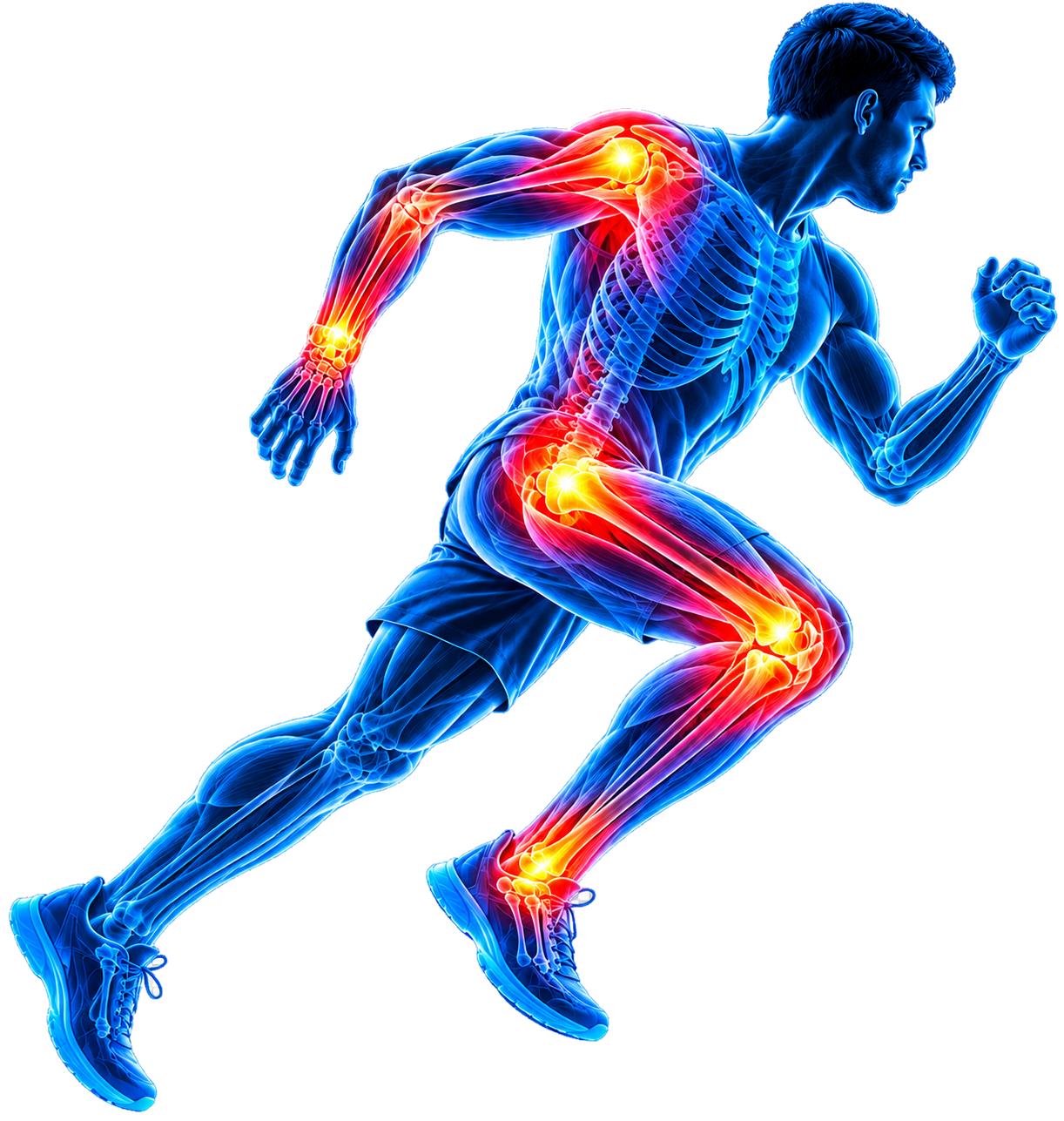
24 / 7 - Sports Injury Emergency Response
Emergency assessment of acute sports-related injuries
Rapid Assessment - Muscle, Joint & Bone Evaluation
Assessment of sprains, strains, fractures and joint injuries
Orthopaedics · Imaging - Injury Diagnosis & Management
Clinical evaluation and imaging when indicated to guide treatment
Emergency · Surgical Care - Fracture & Joint Injury Management
Treatment and surgical assessment when clinically required
Emergency Signs
Severe pain after an injury, visible deformity, inability to move or put weight on a limb, severe swelling, heavy bleeding, loss of sensation, sudden weakness, head injury with loss of consciousness, or severe neck or back pain may require emergency medical care. Seek immediate emergency care. Call PACE Hospitals: 04048486868.
What Is a Trauma and Accident Emergency?
What Is a Sports Injury Emergency?
A sports injury can sometimes need emergency treatment, especially when the injury is severe or happens suddenly. This may include a broken bone, dislocation, torn ligament or tendon, head or spinal injury, serious muscle injury, deep wound, or an injury that affects the nerves or blood vessels and makes normal movement difficult.
PACE Hospitals provides 24/7 emergency care in Hyderabad for patients with serious sports-related injuries. The emergency team assesses the injury quickly, starts stabilization and treatment, and coordinates with orthopaedic, trauma, radiology, critical care, and other specialists when required.
A sports injury emergency is a sudden injury that needs to be checked and treated without delay. It can happen with a fracture, dislocation, severe ligament or tendon injury, head or spinal injury, major muscle injury, deep wound, or other trauma that may affect movement, nerves, blood vessels, or normal body function.

When to Seek Emergency Care for Sports Injuries?
Immediate medical attention is needed if any of the following occur:
- Severe or worsening pain after a sports injury.
- A limb, joint, or body part looks deformed or is in an unusual position.
- Inability to stand, walk, bear weight, or use the injured limb normally.
- Severe swelling or bruising that develops quickly.
- A suspected fracture or dislocation.
- A deep wound, heavy bleeding, or an open injury with exposed bone.
- Numbness, tingling, weakness, or loss of sensation in the injured area.
- The injured limb becomes cold, pale, blue, or changes colour.
- Severe knee, ankle, shoulder, elbow, wrist, or hip injury with loss of movement.
A head injury followed by loss of consciousness, repeated vomiting, severe headache, confusion, or unusual behavior.
- Severe neck or back pain after a fall, collision, or other high-impact injury.
- Sudden difficulty breathing or chest pain after an injury.
- Severe muscle pain with marked swelling or weakness after intense physical activity.
- A sports injury that causes sudden loss of movement or function.
Not every sports injury requires emergency treatment. However, severe pain, deformity, loss of movement, significant swelling, numbness, or symptoms after a head, neck, or spinal injury should not be ignored.
Not all chest pain is caused by heart disease. It may be related to the lungs, food pipe, stomach, muscles, ribs, or nerves. However, it is not safe to assume that chest pain is minor without medical evaluation.
Treat chest pain as an emergency when it is:
- New or unexplained.
- Severe or persistent.
- Associated with sweating, nausea, or breathlessness.
- Accompanied by fainting or severe dizziness.
- Spreading to the arm, jaw, neck, shoulder, back, or upper abdomen.
- Present in a person with diabetes, high blood pressure, high cholesterol, kidney disease, or known heart disease.
- For severe symptoms, ambulance transport is generally safer than driving to the hospital because emergency assessment and support can begin during transfer when needed.
Sudden weakness or paralysis affecting one side of the face, arm, or leg is an important stroke warning sign. The weakness may appear suddenly and may occur with facial drooping, speech difficulty, vision changes, or loss of balance.
- Do not wait to see whether the weakness improves. Immediate emergency assessment is important because some stroke treatments are time-sensitive.
Sudden Paralysis or One-Sided Weakness
Sudden Vision Problems
A stroke can cause sudden changes in vision, including blurred or double vision or loss of vision in one or both eyes.
- Sudden unexplained vision problems, particularly when accompanied by other neurological symptoms, require urgent assessment.
Sudden Loss of Balance
A sudden loss of balance, coordination, or ability to walk normally can be a sign of stroke, particularly when it develops without an obvious explanation.
- Sudden dizziness with difficulty walking, weakness, vision changes, or speech problems should not be dismissed as a minor problem.
Sudden Severe Headache
A sudden, severe headache with no known cause can be a warning sign of a serious neurological emergency, including hemorrhagic stroke.
- When severe headache occurs with vomiting, weakness, speech difficulty, seizures, confusion, loss of consciousness, or other sudden neurological changes, emergency medical evaluation is required.
Common Sports Injuries Treated at PACE Hospitals
Fractures
A fracture is a break or crack in a bone. Sports fractures can occur after falls, direct blows, twisting injuries, or high-impact collisions.
Emergency treatment may include immobilisation, pain relief, X-rays or other imaging, reduction of the fracture when required, and surgical treatment for certain injuries.
Symptoms may include
- Severe pain at the injured site.
- Swelling and bruising.
- Difficulty moving the affected area.
- Inability to put weight on the injured limb.
- Visible deformity.
- Tenderness over the bone.
- An open wound near the suspected fracture.
Dislocations
A dislocation occurs when the bones forming a joint move out of their normal position. It commonly affects the shoulder, elbow, finger, knee, or other joints.
A dislocated joint should not be forced back into position outside a medical setting. Doctors may perform reduction (returning the joint to its normal position) after assessing the injury and checking nearby nerves and blood vessels.
Symptoms may include:
- Sudden severe pain.
- Visible change in the shape of the joint.
- Swelling.
- Inability to move the joint normally.
- Numbness or tingling.
Severe Sprains and Ligament Injuries
A sprain occurs when a ligament is stretched or torn. Severe sports injuries may cause partial or complete ligament tears.
Treatment depends on the severity and location of the injury and may include immobilisation, pain management, physiotherapy, and surgery for selected complete ligament injuries.
Symptoms may include:
- Sudden pain during movement.
- Rapid swelling.
- Bruising.
- Joint instability.
- Difficulty walking or using the affected joint.
Muscle and Tendon Injuries
Muscle strains and tendon injuries can occur during sudden movements, jumping, sprinting, lifting, or overstretching.
Severe injuries may cause sudden pain, swelling, bruising, weakness, or difficulty using the affected muscle. A complete tendon tear may require specialist assessment and, in some cases, surgical repair.
Head Injuries and Concussion
A concussion is a type of traumatic brain injury that can occur after a blow to the head or a forceful movement of the head.
Symptoms may include headache, dizziness, nausea, confusion, memory problems, blurred vision, or difficulty concentrating.
A concussion can happen even when there is no loss of consciousness. After a head injury, symptoms such as a worsening headache, repeated vomiting, unusual sleepiness, seizures, confusion, weakness, or loss of consciousness need prompt medical attention. These signs may indicate a more serious head injury and should not be ignored.
Knee Injuries
Knee injuries are common in sports involving running, jumping, sudden turning, or direct contact.
They may involve the ligaments, meniscus, cartilage, muscles, tendons, or bone. Severe pain, swelling, locking of the knee, instability, or inability to bear weight may require emergency assessment.
Shoulder Injuries
Shoulder injuries may occur after falls, collisions, throwing movements, or direct impact.
A shoulder dislocation, fracture, or severe soft-tissue injury can cause sudden pain, swelling, deformity, and difficulty moving the arm. Numbness or weakness in the arm also requires urgent evaluation.
Ankle and Foot Injuries
Ankle and foot injuries may include severe sprains, fractures, tendon injuries, and dislocations.
Emergency assessment may be needed when there is severe pain, marked swelling, deformity, inability to bear weight, open injury, or numbness.
Sports Injury Emergency Assessment and Diagnosis
Patients with suspected serious sports injuries are assessed according to the type and severity of the injury. The first priority is to identify problems that may require immediate treatment and to prevent further injury.
01
Rapid Triage and Initial Stabilization
The emergency team may immediately assess:
- Airway, breathing, circulation, and level of consciousness.
- Pulse, blood pressure, oxygen level, temperature, and pain severity.
- How and when the injury occurred.
- The exact location and severity of pain.
- Ability to move the injured body part.
- Swelling, bruising, deformity, wounds, or changes in skin colour.
- Numbness, tingling, weakness, or loss of sensation.
- Blood flow and pulses in the injured limb.
- Previous fractures, surgeries, joint injuries, or other medical conditions.
- Medicines being taken and medicine allergies.
- Need for immobilization, pain relief, wound care, intravenous access, emergency procedures, or specialist treatment.
02
Physical Examination
The doctor examines the injured area to check for:
- Tenderness and swelling.
- Joint movement and stability.
- Bone or joint deformity.
- Muscle and tendon function.
- Nerve function and sensation.
- Blood circulation to the affected limb.
- Skin wounds or exposed tissue.
- Signs of infection in an existing wound.
For suspected head, neck, or spinal injuries, the emergency team may assess neurological function and take precautions to prevent further movement of the injured area.
03
Imaging and Additional Tests
Depending on the injury and examination findings, further tests may include:
- X-ray.
- Ultrasound.
- CT scan.
- MRI.
- Blood tests when clinically required.
- Neurological assessment for head or spinal injuries.
These tests help identify fractures, dislocations, ligament or tendon injuries, internal bleeding, joint damage, and other conditions that may not be clear from the initial examination
Sports Injury Emergency Treatment at PACE Hospitals
Sports injury emergency treatment depends on the type of injury, its severity, the affected body part, symptoms, medical history, examination findings, and imaging results. The emergency team first stabilizes the patient and then arranges specialist treatment when required.
Emergency Sports Injury Care May Include:
- Pain relief and symptom management.
- Immobilization using splints, braces, slings, or other support.
- Treatment of fractures and dislocations.
- Wound cleaning, dressing, and bleeding control.
- Tetanus protection when clinically indicated.
- Intravenous (IV) access and fluids when required.
- Treatment of nerve or blood vessel injuries.
- Reduction of dislocated joints.
- Casting or other fracture support.
- Emergency orthopaedic or trauma procedures.
- Surgical treatment for selected fractures, tendon injuries, ligament injuries, or other serious trauma.
- Head injury observation and neurological monitoring.
- Critical care support for patients with severe trauma.
- Physiotherapy and rehabilitation planning after the emergency condition is stabilised.
Fracture and Dislocation Emergency Treatment
Treatment depends on the location and severity of the injury.
Doctors may use:
- Splinting or immobilization.
- Pain medicines.
- Closed reduction to restore a dislocated joint or reposition certain fractures.
- Casting or bracing.
- X-ray or other imaging during assessment.
- Surgery for fractures or dislocations that require operative treatment.
- Monitoring of blood circulation and nerve function.
The treating orthopaedic specialist will explain the recommended treatment and whether further surgery or rehabilitation is required.
Head Injury Emergency Treatment
Head injury treatment depends on the severity of the injury and the examination and imaging findings.
Treatment may include:
- Observation and neurological monitoring.
- Pain management.
- CT scan when clinically indicated.
- Treatment of associated injuries.
- Neurosurgical evaluation for serious head injuries.
- Critical care support for severe traumatic brain injury.
A person with a suspected concussion should not return to sports until medically assessed and cleared to do so.
Severe Soft-Tissue and Ligament Injuries
Severe ligament, tendon, and muscle injuries may require immobilization, pain management, imaging, specialist assessment, and follow-up treatment.
Some complete tendon or ligament tears may require surgical repair. The treatment plan depends on the injured structure, severity of the tear, activity level, and clinical findings.
What to Do Immediately After a Serious Sports Injury?
- Stop the activity and avoid putting unnecessary weight or pressure on the injured area.
- Keep the injured body part as still as possible.
- Do not try to straighten a deformed limb or force a dislocated joint back into place.
- Apply gentle pressure to control bleeding from an external wound when appropriate.
- Do not remove an object deeply embedded in a wound.
- For a suspected fracture or severe injury, support the area and seek medical care.
- After a head injury, watch for worsening headache, vomiting, confusion, drowsiness, seizures, or loss of consciousness.
- For suspected neck or spinal injury, avoid unnecessary movement and wait for emergency medical help.
- Seek urgent medical assessment when severe pain, deformity, loss of movement, numbness, or other serious symptoms are present.
Why Timely Sports Injury Emergency Care Matters?
Serious sports injuries can involve bones, joints, muscles, tendons, nerves, blood vessels, or the brain. Some injuries may become worse if the affected area is moved or treatment is delayed.
Prompt emergency care can help:
- Identify fractures and dislocations early.
- Control severe pain and bleeding.
- Protect nerves and blood circulation.
- Stabilize injured bones and joints.
- Identify serious head, neck, or spinal injuries.
- Treat open wounds and associated injuries.
- Arrange emergency surgery when required.
- Reduce the risk of complications from untreated injuries.
- Coordinate care between emergency, orthopaedic, trauma, radiology, and rehabilitation teams.
Who Is at Higher Risk of Sports Injuries?
Sports injuries can occur in anyone who participates in physical activity. The risk may be higher with:
High-impact or contact sports.
- Activities involving jumping, sprinting, or sudden changes in direction.
- Previous injuries.
- Poor conditioning or sudden increase in training intensity.
- Inadequate warm-up or recovery.
- Incorrect sports technique.
- Improper or poorly fitting sports equipment.
- Playing despite pain or an existing injury.
- Fatigue during training or competition.
- Falls, collisions, or direct impact.
Even people who exercise regularly can develop serious injuries. Sudden severe pain, deformity, loss of movement, or neurological symptoms should be assessed without delay.
Sports Injury Emergency Care at PACE Hospitals
Emergency Sports Injury Care Pathway
- Immediate triage: Rapid assessment of the injury, vital signs, pain, movement, circulation, and emergency needs.
- Initial stabilization: Immobilization, bleeding control, pain management, and other immediate measures when required.
- Rapid diagnosis: Physical examination, X-rays, CT, MRI, ultrasound, or other tests based on the suspected injury.
- Specialist treatment: Orthopaedic or trauma specialist assessment and treatment for fractures, dislocations, ligament injuries, head injuries, or other serious trauma.
- Ongoing care: Admission, surgery, observation, rehabilitation, or transfer to the appropriate specialty service when required.
Need urgent help? For severe sports injuries, suspected fractures or dislocations, serious head injuries, heavy bleeding, loss of movement, or numbness, seek emergency care immediately. Call PACE Hospitals: 04048486868.
When Should You Call an Ambulance for a Sports Injury?
Call emergency medical services immediately if someone has:
- Loss of consciousness after a sports injury.
- Severe or worsening head injury symptoms.
- Severe neck or back pain after a fall or collision.
- Difficulty breathing after major trauma.
- Heavy or uncontrolled bleeding.
- A suspected spinal injury.
- A severe fracture with visible deformity.
- An open fracture or exposed bone.
- Loss of sensation or movement in an injured limb.
- A limb that becomes pale, blue, cold, or severely swollen.
- Multiple serious injuries after a high-impact collision or fall.
Do not delay emergency care to arrange your own transport if the person is seriously injured or cannot be moved safely.

Frequently Asked Questions on Sports Injury Emergencies
What is a sports injury emergency?
A sports injury emergency is an injury that needs to be checked by a doctor quickly. It may involve a broken bone, dislocation, serious ligament injury, head or spinal injury, deep wound, or damage to a nerve or blood vessel. Severe pain, swelling, a change in the shape of the injured area, trouble moving, or numbness may point to a serious injury.
What sports injuries need emergency treatment?
Fractures, dislocations, serious ligament or tendon injuries, and deep wounds may need emergency treatment. Head and spinal injuries should also be checked by a doctor as soon as possible. Loss of movement, numbness, or reduced sensation after an injury can be a warning sign. Heavy bleeding or a major injury needs immediate medical care.
How do I know if a sports injury is a fracture?
Severe pain, swelling, bruising, or tenderness can occur with a fracture. There may also be difficulty moving the injured area, trouble putting weight on it, or a change in its normal shape. An X-ray is commonly used to check for a fracture, while other imaging tests may be needed in some cases.
What should I do if a joint is dislocated?
Keep the joint as still as possible and seek medical care. Do not try to force the joint back into position because this may cause further damage to nerves, blood vessels, bones, or surrounding tissues.
When is a sports injury considered serious?
An injury may be serious when there is severe pain, major swelling, deformity, inability to move the affected area, loss of sensation, weakness, heavy bleeding, or changes in skin colour. Head, neck, and spinal injuries also require careful medical assessment.
Can a head injury during sports be an emergency?
Yes. A head injury can require emergency assessment, especially when there is loss of consciousness, repeated vomiting, worsening headache, confusion, seizures, unusual drowsiness, weakness, or changes in behavior. Some serious head injuries may not cause immediate severe symptoms.
What is a concussion?
A concussion is a type of brain injury that can happen after a blow to the head or a sudden movement of the head and body. It may cause headache, dizziness, nausea, confusion, memory problems, or trouble concentrating. Anyone with these symptoms should be checked by a doctor before going back to sports.
Can a severe ankle sprain need emergency treatment?
Yes. A severe ankle injury may involve a major ligament tear or fracture. Severe pain, rapid swelling, deformity, inability to bear weight, or numbness should be assessed urgently.
How are sports fractures treated?
Fracture treatment varies depending on where the bone is broken and how severe the injury is. It may involve keeping the area still, pain relief, a cast or brace, or putting the bone back into the correct position. Some fractures may need surgery. X-rays or other imaging tests help doctors choose the right treatment.
When does a sports injury need surgery?
Some sports injuries may need surgery, such as certain fractures, dislocations, complete tendon or ligament tears, and open injuries. The need for surgery depends on the type and severity of the injury. Doctors also consider the examination, scan or X-ray findings, and the person's overall condition before deciding on surgery.
Should I continue playing if the injury is painful?
Playing sports after a serious injury may worsen the injury or cause more damage. It is better to stop the activity and get the injury checked by a doctor. Medical assessment is important if there is severe pain, difficulty moving the affected area, or sudden swelling. Care should also be taken if the injury makes it difficult to use the affected body part normally.
What tests are done for a sports injury emergency?
The doctor may perform a physical examination and check movement, sensation, blood circulation, and joint stability. Depending on the injury, tests may include X-ray, ultrasound, CT scan, or MRI.
What should I do immediately after a suspected fracture?
Stop the activity and keep the injured area as still as possible. Do not try to straighten the limb. Seek medical attention, especially if there is severe pain, deformity, an open wound, numbness, or inability to move the affected area.
When should an ambulance be called for a sports injury?
An ambulance should be called for serious injuries involving loss of consciousness, severe head or spinal symptoms, heavy bleeding, difficulty breathing, major deformity, suspected spinal injury, or loss of movement or sensation. Emergency transport is also important when the person cannot be moved safely.
How quickly should a serious sports injury be treated?
A serious sports injury should be checked by a doctor as soon as possible. Early medical care can find fractures, dislocations, nerve or blood vessel damage, head injuries, and other serious problems. Some injuries may need treatment right away to prevent further damage. Waiting too long can make the injury harder to treat and may increase the chance of complications.
Conclusion
Sports injuries can range from minor sprains to serious fractures, dislocations, head injuries, spinal injuries, and other trauma. Severe pain, deformity, heavy bleeding, loss of movement, numbness, or concerning symptoms after a head or spinal injury should be treated as warning signs that need immediate medical attention.
PACE Hospitals provides emergency sports injury care in Hyderabad for patients with serious fractures, dislocations, ligament and tendon injuries, head injuries, spinal injuries, and other sports-related emergencies. Prompt assessment can help identify the injury, stabilize the patient, and start appropriate treatment without delay.


