
Dermatology Emergency Care in Hyderabad
24/7 Emergency Assessment and Treatment for Dermatology-Related Emergencies
24 / 7
Dermatology Emergency Response: Urgent care for severe and acute skin conditions
Rapid Assessment
Fast Evaluation of Severe Skin Reactions: Prompt assessment of rashes, swelling and infections
Allergy · Burns
Comprehensive Acute Skin Care: Management of severe allergic, infectious and injury conditions
Emergency Care
Immediate Escalation When Required: Coordinated care for serious dermatological emergencies
Emergency Signs
- Sudden swelling of the face
- lips, tongue, or throat
- difficulty breathing
- widespread skin rash with fever
- rapidly spreading redness or swelling
- severe skin pain
- extensive blistering or peeling
- heavy bleeding from a skin wound may require urgent medical attention.
Seek immediate emergency care if symptoms are severe, rapidly worsening, or associated with breathing difficulty or loss of consciousness. Call PACE Hospitals: 04048486868.
What Is a Dermatology Emergency?
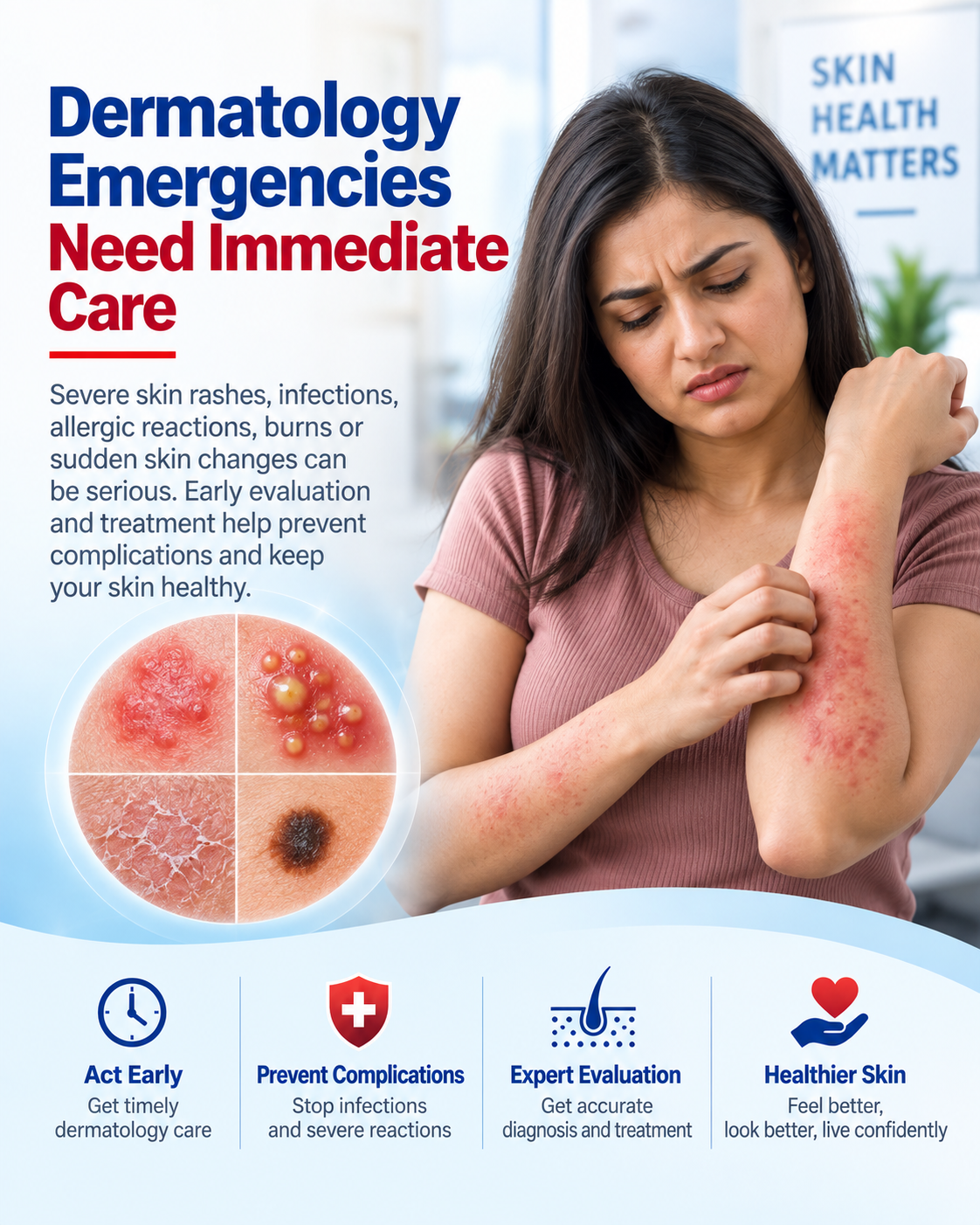
A dermatology emergency is a sudden or rapidly worsening skin or mucosal condition that needs prompt medical attention. It may involve severe skin infections, rapidly spreading rashes, extensive blistering or peeling of the skin, serious allergic reactions, painful swelling, significant burns, or skin conditions associated with fever or other systemic symptoms.
PACE Hospitals provides 24/7 emergency care in Hyderabad for patients with severe or rapidly progressing skin conditions. The emergency team assesses the patient’s symptoms, checks vital signs, identifies signs of infection or a severe allergic reaction, and starts appropriate treatment. Dermatologists, emergency physicians, critical care specialists, and other specialists may be involved as needed.
Some skin conditions can become serious and worsen quickly, especially when there is a severe infection, widespread rash, blistering, skin peeling, facial or throat swelling, breathing difficulty, or fever and other signs of systemic illness. Seeking medical attention without delay helps doctors identify the underlying cause, begin suitable treatment, control symptoms, and reduce the risk of serious complications or involvement of other organs.
Chest pain, pressure, heaviness, tightness, squeezing, or burning sensation.
Chest discomfort lasting more than a few minutes or repeatedly occuring
New swelling in the legs with severe breathlessness or difficulty lying flat.
Pain spreading to the arm, shoulder, neck, jaw, back, or upper abdomen.
Sudden shortness of breath, severe breathing difficulty, or gasping.
Cold sweating, nausea, vomiting, severe weakness, or pale appearance.
Severe dizziness, fainting, near-fainting, or sudden confusion.
Rapid, fluttering, or irregular heartbeat with chest pain or breathlessness.
Sudden collapse or loss of responsiveness.
When to Seek Emergency Care for Dermatology Symptoms?
Immediate medical attention is needed if any of the following skin-related symptoms occur:
- Sudden swelling of the face, lips, tongue, or throat, especially with difficulty breathing or swallowing.
- Rapidly spreading redness, swelling, warmth, or severe pain in the skin.
- Skin infection accompanied by high fever, chills, severe weakness, or confusion.
- A painful skin swelling or abscess with pus, fever, or rapidly increasing redness around the affected area.
- Sudden appearance of widespread blisters, peeling skin, or raw areas, particularly when accompanied by fever or feeling unwell.
- A severe allergic skin reaction with widespread hives, facial swelling, breathing difficulty, dizziness, or fainting.
- Heavy or persistent bleeding from a skin wound that does not stop with firm pressure.
- A serious burn involving extensive areas of skin, the face, hands, genitals, or major joints.
- Sudden darkening, bluish or blackish discoloration of the skin with severe pain, swelling, or other signs of infection.
- A rapidly worsening skin condition with severe pain, fever, drowsiness, or other symptoms affecting the whole body.
Some dermatological emergencies can worsen within a short period, particularly severe allergic reactions, serious skin infections, extensive burns, and conditions causing widespread blistering or skin loss. Breathing difficulty, facial or throat swelling, loss of consciousness, rapidly spreading infection, or extensive skin damage requires immediate emergency assessment.
Do Not Ignore Severe Skin Symptoms
Most rashes, skin infections, and swellings do not require emergency care. However, some skin problems can become serious within a short time, particularly when an infection is spreading or the skin is badly damaged. Getting medical attention early can help prevent the condition from becoming more severe.
Treat skin symptoms as an emergency when they are:
- Sudden or rapidly worsening, especially when redness, swelling, pain, or skin changes are spreading quickly.
- Severe or associated with intense pain, marked swelling, blistering, or skin breakdown.
- Accompanied by fever, chills, weakness, or feeling very unwell, particularly when there are signs of a possible skin infection.
- Associated with difficulty breathing, facial or throat swelling, dizziness, or fainting, which may occur with a severe allergic reaction.
- Associated with extensive blistering, peeling, or sores, especially when the eyes, mouth, or genital area are also affected.
- Associated with pus, foul-smelling discharge, black or bluish skin, or rapidly changing skin colour, which may indicate a serious infection or tissue injury.
- Occurring after a serious burn, chemical exposure, or significant injury to the skin.
For severe or rapidly worsening symptoms, seek emergency medical care without delay. Avoid treating a serious skin problem at home or applying multiple medicines without medical advice, as this may delay proper treatment.
Not all chest pain is caused by heart disease. It may be related to the lungs, food pipe, stomach, muscles, ribs, or nerves. However, it is not safe to assume that chest pain is minor without medical evaluation.
Treat chest pain as an emergency when it is:
- New or unexplained.
- Severe or persistent.
- Associated with sweating, nausea, or breathlessness.
- Accompanied by fainting or severe dizziness.
- Spreading to the arm, jaw, neck, shoulder, back, or upper abdomen.
- Present in a person with diabetes, high blood pressure, high cholesterol, kidney disease, or known heart disease.
- For severe symptoms, ambulance transport is generally safer than driving to the hospital because emergency assessment and support can begin during transfer when needed.
Not all chest pain is caused by heart disease. It may be related to the lungs, food pipe, stomach, muscles, ribs, or nerves. However, it is not safe to assume that chest pain is minor without medical evaluation.
Treat chest pain as an emergency when it is:
- New or unexplained.
- Severe or persistent.
- Associated with sweating, nausea, or breathlessness.
- Accompanied by fainting or severe dizziness.
- Spreading to the arm, jaw, neck, shoulder, back, or upper abdomen.
- Present in a person with diabetes, high blood pressure, high cholesterol, kidney disease, or known heart disease.
- For severe symptoms, ambulance transport is generally safer than driving to the hospital because emergency assessment and support can begin during transfer when needed.
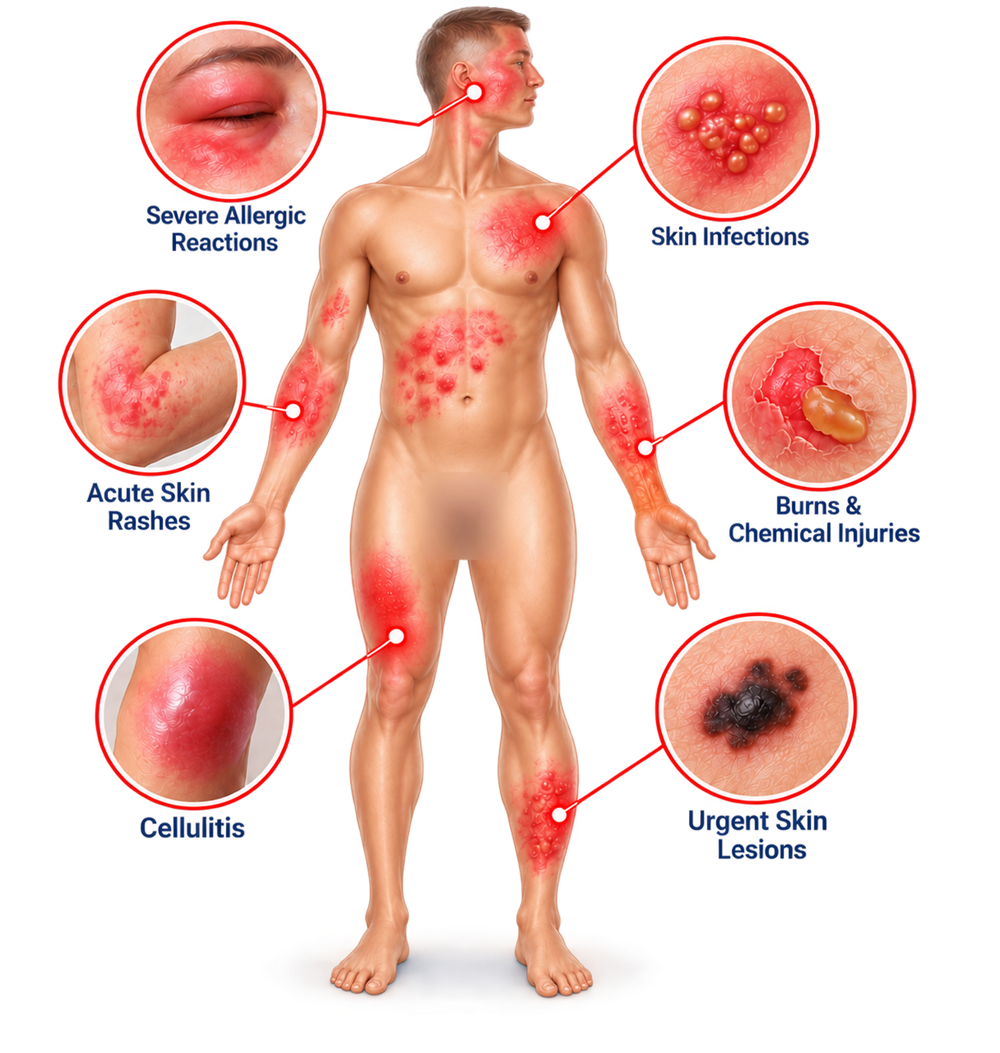
Common Dermatology Emergencies Treated at PACE Hospitals
Severe Skin and Soft Tissue Infections
Some skin infections can spread quickly into deeper tissues and may become serious if treatment is delayed. Conditions such as severe cellulitis, infected wounds, and rapidly spreading bacterial infections may require urgent medical care.
Treatment depends on the type of infection and severity. It may include antibiotics, wound care, drainage of an abscess, removal of damaged tissue, or hospital admission for close monitoring and further treatment.
Symptoms may include:
- Rapidly increasing redness, warmth, or swelling.
- Severe pain or tenderness in the affected area.
- Pus or foul-smelling discharge.
- Red streaks spreading from the infected area.
- Fever or chills.
- Skin turning dark, purple, or black.
- Weakness, dizziness, or feeling very unwell.
Severe Allergic Skin Reactions/Anaphylaxis
Some allergic reactions can affect the skin along with the breathing passages or other parts of the body. Severe allergic skin reactions and anaphylaxis are emergency skin conditions that require immediate medical attention.
A severe allergic reaction requires urgent treatment. Emergency care may include appropriate emergency medicines to control the allergic reaction, oxygen, breathing support, intravenous fluids, and close observation until the patient's condition becomes stable.
Warning signs may include:
- Sudden widespread hives or intense itching.
- Swelling of the face, lips, tongue, or throat.
- Difficulty breathing or wheezing.
- Tightness in the throat or difficulty swallowing.
- Dizziness, fainting, or sudden weakness.
- A rapid drop in blood pressure.
Severe Burns and Chemical Skin Injuries
Severe burns can destroy more than the outer layer of the skin and may interfere with the body’s ability to maintain fluids and normal temperature. Chemical and electrical burns can also injure tissues beneath the skin, even when the damage is not clearly visible at first.
Treatment depends on the depth, size, and location of the injury and the person's overall condition. Emergency management of skin burns may include cooling and cleaning the affected area, dressings, pain control, fluids, infection prevention, wound management, and, when needed, surgical treatment for deeper burns.
Symptoms may include:
- Sudden or severe shortness of breath.
- Difficulty breathing while lying flat.
- Fast heartbeat.
- Chest discomfort.
- Persistent cough or wheezing.
- Weakness or extreme tiredness.
- Swelling in the legs or feet.
- Confusion or reduced alertness in severe cases.
Severe Skin and Wound Bleeding
Bleeding from a skin wound, ulcer, surgical site, or other skin lesion may need emergency care when it is heavy, persistent, or difficult to control.
Emergency treatment focuses on controlling the bleeding, assessing the cause and extent of blood loss, cleaning and treating the wound, and providing further treatment when necessary. Severe blood loss may require intravenous fluids, blood tests, or blood transfusion depending on the patient's condition.
Emergency signs may include:
- Bleeding that does not stop with firm pressure.
- Heavy or repeated bleeding from a wound.
- Dizziness, fainting, or unusual weakness after blood loss.
- Pale, cold, or clammy skin.
- A rapidly enlarging blood-filled swelling.
- Bleeding from a wound in a person taking blood-thinning medicines.
Severe Skin Swelling and Rapidly Progressive Skin Damage
Sudden swelling, intense pain, changes in skin colour, large blisters, or skin that starts to break down should not be ignored. These signs may indicate serious infections or severe inflammation that can worsen quickly and require prompt medical attention.
Early medical care helps doctors identify the underlying cause and prevent the affected area from worsening. Treatment will depend on the condition and may include antibiotics or other medicines, wound care, IV fluids, surgery, and observation when needed.
Warning signs may include:
- Rapidly increasing swelling.
- Severe pain, especially when it appears greater than expected from the visible skin changes.
- Blisters or skin peeling.
- Purple, grey, or black skin discoloration.
- Numbness or loss of sensation.
- Fever, chills, or marked weakness.
- Confusion, dizziness, or other signs of becoming seriously unwell.
Stevens-Johnson Syndrome / Toxic Epidermal Necrolysis
Stevens-Johnson syndrome (SJS) and toxic epidermal necrolysis (TEN) are rare but serious reactions, usually triggered by certain medicines or infections. They can cause widespread skin damage and painful sores involving the mouth, eyes, and other mucous membranes.
SJS/TEN requires immediate hospital assessment and treatment. Care may include stopping the suspected medicine under medical supervision, maintaining fluids and electrolytes, managing wounds and pain, eye care, infection prevention, nutritional support, and close monitoring for complications.
Symptoms may include:
- Fever, tiredness, or feeling generally unwell.
- A rapidly spreading red or purplish rash.
- Skin pain or tenderness.
- Blisters and peeling of the skin.
- Painful sores in the mouth or difficulty swallowing.
- Redness, pain, or irritation of the eyes.
- Sores or irritation involving the genital area.
Widespread Urticaria with Systemic Involvement
Urticaria, also known as hives, appears as raised, itchy areas or welts on the skin. Most cases are not serious, but hives that spread over large areas of the body, especially when accompanied by swelling or breathing, circulation, or other body-related symptoms, may indicate a serious allergic reaction.
Treat widespread hives along with symptoms affecting the rest of the body as an emergency. A serious allergic reaction can worsen within a short time. Depending on the symptoms, treatment may include antihistamines or other medicines, oxygen, IV fluids, and breathing support. The patient may also need monitoring until the reaction settles and their condition is stable.
Symptoms may include:
- Widespread raised, itchy welts on the skin.
- Sudden swelling of the lips, eyelids, face, or tongue.
- Tightness in the throat or difficulty swallowing.
- Wheezing or difficulty breathing.
- Dizziness, fainting, or sudden weakness.
- Nausea, vomiting, or abdominal discomfort.
- A rapid heartbeat or a feeling of impending collapse.
Dermatology Emergency Assessment and Diagnosis
Patients with suspected dermatological emergencies are assessed based on the severity, speed of progression, and extent of the skin condition. The first priority is to identify conditions that may threaten the airway, cause severe infection, lead to significant fluid loss, or involve other organs.
01
Rapid Triage and Initial Stabilization
The emergency team may immediately assess:
- Airway, breathing, circulation, and level of consciousness.
- Pulse, blood pressure, oxygen level, temperature, and severity of pain.
- Appearance, location, size, and spread of the skin lesions or rash.
- Presence of blisters, skin peeling, ulcers, swelling, bleeding, or areas of skin death.
- Signs of infection, including increasing redness, warmth, swelling, pus, severe tenderness, or rapidly spreading skin changes.
- Associated symptoms such as fever, chills, breathing difficulty, facial or throat swelling, dizziness, vomiting, or confusion.
- Previous severe skin reactions, allergies, autoimmune skin conditions, or serious skin infections.
- Recent medicines, antibiotics, painkillers, supplements, vaccines, or other possible triggers.
- Medicine and food allergies.
- Need for oxygen, intravenous access, fluid replacement, pain control, wound care, isolation, or critical care support.
02
Detailed Skin Examination
A thorough examination of the skin and mucous membranes helps doctors assess the type and severity of the condition.
The examination may include:
- Color, size, shape, and distribution of the rash or skin lesions.
- Presence of blisters, hives, ulcers, crusting, peeling, or open wounds.
- Extent of skin involvement and whether the condition is spreading rapidly.
- Examination of the mouth, eyes, and genital area when mucosal involvement is suspected.
- Skin temperature, swelling, tenderness, and changes in sensation.
- Signs that may suggest severe infection or tissue damage.
- Photographs or documentation of the skin changes when useful for monitoring progression.
03
Blood and Laboratory Tests
Blood tests may be advised to check for infection, inflammation, or changes affecting the body's normal functions.
Tests may include:
- Complete blood count (CBC).
- Blood sugar levels.
- Renal function test.
- Liver function test.
- Electrolytes.
- Inflammatory markers such as CRP or ESR, where appropriate.
- Blood cultures when a serious bacterial infection or sepsis is suspected.
- Blood clotting tests, when clinically indicated.
- Additional tests based on the suspected cause and the patient's symptoms.
04
Skin Tests and Additional Investigations
Depending on the condition and initial findings, further investigations may include:
- Skin swab or wound culture to identify infection-causing organisms.
- Skin scraping or other samples for suspected fungal or parasitic infections.
- Skin biopsy when the diagnosis is unclear or a serious inflammatory, blistering, or drug-related skin disorder is suspected.
- Direct immunofluorescence testing for certain autoimmune blistering diseases.
- Allergy testing in selected cases after the acute emergency has been managed.
- Imaging, such as ultrasound or CT scan, when a deeper infection, abscess, or involvement of underlying tissues is suspected.
- Continuous monitoring of vital signs and other organ functions in patients with severe illness.
These assessments help doctors identify serious skin conditions such as Stevens-Johnson syndrome/toxic epidermal necrolysis, severe cellulitis, necrotizing soft-tissue infection, extensive burns, severe allergic reactions, and other dermatological emergencies that may require urgent treatment or specialist care.
Dermatology Emergency Treatment at PACE Hospitals
Dermatology emergency treatment depends on the type and severity of the skin condition, symptoms, medical history, test results, and overall clinical condition. The emergency team first assesses and stabilizes the patient, then arranges specialist dermatology care and other medical support when required.
Emergency Dermatology Care May Include
- Continuous monitoring of vital signs in patients with severe symptoms.
- Monitoring of blood pressure, heart rate, oxygen levels, temperature, and other important parameters when required.
- Oxygen support may be provided when a patient has difficulty breathing or their oxygen level is low.
- An IV line may be placed to give fluids or medicines when required.
- Medicines may be used to relieve severe itching or pain and to manage inflammation or allergic reactions.
- Antibiotics or other anti-infective medicines when a serious bacterial or other infection is suspected or confirmed.
- Corticosteroids or other medicines for selected severe inflammatory or immune-related skin conditions.
- Antihistamines for widespread or severe urticaria and allergic skin reactions, based on the clinical condition.
- Adrenergic agonist drug and other emergency treatment for anaphylaxis or severe allergic reactions involving the skin and other organs.
- Wound cleaning, dressing, and appropriate wound-care measures for extensive skin damage or burns.
- Fluid and electrolyte replacement for patients with extensive skin loss or significant fluid loss.
- Pain management, when required.
- Blood tests and other investigations to assess infection, inflammation, organ involvement, or the cause of a severe skin reaction.
- Surgical consultation or procedures when there is extensive tissue damage, an abscess, necrotizing infection, or another condition requiring surgical treatment.
- ICU admission and close monitoring for patients with severe skin disease, systemic involvement, or other life-threatening complications.
Stevens-Johnson Syndrome/Toxic Epidermal Necrolysis Emergency Treatment
Stevens-Johnson syndrome (SJS) and toxic epidermal necrolysis (TEN) are serious skin reactions that can cause widespread skin damage and involvement of the mouth, eyes, genitals, and other organs. They require urgent hospital treatment.
Treatment may include:
- Immediate assessment and withdrawal of the suspected causative medicine when medically appropriate.
- Monitoring of vital signs, fluid balance, electrolytes, and organ function.
- Fluid and electrolyte replacement to manage fluid loss through damaged skin.
- Careful wound and skin management using appropriate dressings.
- Pain relief and medicines to control other symptoms.
- Eye assessment and treatment when the eyes are affected.
- Mouth and genital care when mucosal surfaces are involved.
- Nutritional support when eating or drinking becomes difficult.
- Treatment for infection if a secondary infection develops.
- ICU or specialized burn-unit care for patients with extensive skin involvement or serious complications.
The treating team will assess the severity of the reaction and monitor for complications involving the skin, eyes, lungs, kidneys, liver, or other organs.
Severe Cellulitis Emergency Treatment
Severe cellulitis is a bacterial infection of the deeper layers of the skin and surrounding tissues. When the infection spreads rapidly or causes systemic symptoms, urgent treatment may be required.
Treatment may include:
- Clinical assessment to determine the extent and severity of the infection.
- Blood tests and other investigations, when a severe or spreading infection is suspected.
- Antibiotics are selected according to the suspected or confirmed infection.
- Intravenous (IV) antibiotics for severe infections or patients who cannot take medicines by mouth.
- IV fluids when dehydration, low blood pressure, or systemic infection is present.
- Pain and fever management.
- Wound care and dressing of the affected area when required.
- Imaging or other tests when a deeper infection or collection of pus is suspected.
- Surgical assessment and drainage of an abscess when required.
- Urgent surgical treatment when a serious deep soft-tissue infection or tissue death is suspected.
- Close monitoring or ICU admission for patients with severe infection, sepsis, or organ involvement.
Widespread Urticaria with Systemic Involvement Emergency Treatment
Widespread urticaria can sometimes occur as part of a severe allergic reaction. When hives are accompanied by swelling of the throat or tongue, breathing difficulty, dizziness, low blood pressure, or other systemic symptoms, emergency treatment is required.
Treatment may include:
- Rapid assessment of breathing, circulation, and other vital signs.
- Adrenergic agonist drug for anaphylaxis when clinically indicated.
- Oxygen support when required.
- IV access and fluid administration for low blood pressure or significant circulatory symptoms.
- Antihistamines, to help control hives and itching.
- Corticosteroids in selected cases as part of the overall treatment plan.
- Medicines and airway support when swelling affects the upper airway or breathing.
- Continuous observation to monitor for worsening or recurrence of symptoms.
- Identification and avoidance of the suspected trigger when possible.
- ICU admission or specialist care for patients with severe or persistent systemic involvement.
Patients who develop sudden widespread hives together with breathing difficulty, throat or tongue swelling, fainting, severe dizziness, or other signs of anaphylaxis should receive emergency medical attention without delay.
What to Do During a Suspected Dermatology Emergency?
- Seek emergency medical care immediately if there is a sudden, severe, or rapidly worsening skin condition, especially when other symptoms are present.
- Help the person stay calm and rest in a comfortable position. Avoid unnecessary movement if they have severe pain, dizziness, weakness, or widespread skin problems.
- Do not scratch or rub the affected skin. Avoid applying creams, oils, powders, or home remedies unless a doctor has advised their use.
- For a severe allergic reaction, follow emergency medical instructions and use prescribed emergency medication (adrenergic agonist drug), if the person has been instructed to use one.
- Do not remove blisters or peeling skin, especially when a serious skin reaction such as Stevens-Johnson syndrome or toxic epidermal necrolysis is suspected.
- Avoid giving or taking medicines on your own, particularly antibiotics, painkillers, or other medicines that may have triggered or worsened the reaction. Follow medical advice regarding any medication.
The safest approach is to get prompt medical assessment rather than waiting for a severe rash, swelling, blistering, skin infection, or allergic reaction to settle on its own.
Why Timely Dermatology Emergency Care Matters?
Severe allergic reactions, SJS/TEN, serious skin infections, major burns, and other rapidly spreading skin problems are among the emergency cases/conditions in dermatology that may become serious within a short time. Getting emergency dermatology care early allows doctors to assess the condition, stabilize the patient, and begin the required treatment promptly.
Prompt emergency care can help:
Identify severe skin reactions, infections, burns, and other potentially serious conditions early.
Support breathing, blood pressure, fluid balance, and other vital functions when the skin condition affects the whole body.
Start immediate treatment for severe allergic reactions, including anaphylaxis, when present.
Manage serious skin infections and reduce the risk of complications such as tissue damage or systemic infection.
Provide appropriate wound care, pain relief, fluid replacement, and infection control when required.
Assess and manage serious drug-related skin reactions such as SJS/TEN with appropriate specialist care.
Monitor patients who require close observation or intensive care because of extensive skin involvement or systemic complications.
Coordinate care among emergency medicine, dermatology, critical care, plastic surgery, infectious disease, and other specialist teams when needed.
Who Is at Higher Risk of Dermatology Emergencies?
Dermatology emergencies can affect anyone. However, the risk of developing a severe skin condition or complications may be higher in people with:
- Previous severe allergic reactions or known drug allergies.
- A weakened immune system due to illness or medicines.
- Diabetes, which can increase the risk of serious skin infections and slow wound healing.
- Chronic kidney or liver disease.
- Poor circulation or other conditions that affect wound healing.
- Previous severe skin reactions, such as Stevens-Johnson syndrome or toxic epidermal necrolysis.
- Chronic skin conditions that can flare severely or become infected.
- Recent surgery, wounds, burns, or other breaks in the skin.
- Use of medicines that can cause severe skin reactions in some people.
- Older age, particularly when other medical conditions are present.
- Close contact with someone who has a contagious skin infection, depending on the type of infection.
- Not every rash, swelling, wound, or skin infection is a medical emergency. However, rapidly spreading rashes, severe skin pain, blistering or peeling of the skin, swelling of the face or throat, difficulty breathing, extensive burns, or signs of a serious infection require prompt medical assessment.
Dermatology Emergency Care at PACE Hospitals
PACE Hospitals offers 24/7 emergency and trauma care in Hyderabad for serious skin problems such as severe allergic reactions, Stevens-Johnson syndrome/toxic epidermal necrolysis (SJS/TEN), severe skin infections, major burns, and rapidly spreading rashes. Depending on the severity of the condition, the emergency team works with dermatologists, critical care specialists, physicians, infectious disease specialists, and surgeons to provide timely assessment and treatment.
Emergency Dermatology Care Pathway
- Immediate triage: The emergency team quickly checks the skin problem, vital signs, symptoms, and any warning signs such as breathing problems, infection, dehydration, or effects on other parts of the body.
- Clinical assessment: Detailed examination of the affected skin, mucous membranes, extent of skin involvement, pain, swelling, blistering, rash, or other concerning changes.
- Rapid diagnosis: Blood tests, microbiological tests, imaging, skin biopsy, or other investigations may be performed when required to identify the underlying cause and assess the severity of the condition.
- Stabilization and treatment: The doctor will decide the treatment based on the patient’s condition. This may include medicines for allergic reactions or inflammation, antibiotics for infections, dressing of affected skin, IV fluids, oxygen, pain medicines, or a procedure if needed.
- Ongoing care: Patients with severe or widespread skin problems may need regular monitoring, hospital admission, specialized wound care, or support from other medical teams if the condition affects other parts of the body.
Need urgent help? Get emergency medical attention if you develop a rash that spreads quickly, widespread blisters or skin peeling, swelling of the face or throat, breathing difficulty, severe skin pain, fever with a rash, or symptoms suggesting a serious skin infection.
Call PACE Hospitals:
04048486868.
When Should You Call an Ambulance for a Dermatology Emergency?
Call emergency medical services immediately if someone has:
- A severe allergic reaction with difficulty breathing or swelling of the face, lips, tongue, or throat.
- Sudden widespread skin rash with breathing difficulty, dizziness, fainting, or weakness.
- Rapidly spreading skin redness, swelling, severe pain, or skin discoloration, especially with fever or other signs of serious infection.
- Extensive or severe burns, particularly when a large area of skin is affected.
- Sudden blistering or peeling of the skin involving large areas of the body.
- Severe skin symptoms accompanied by confusion, loss of consciousness, or collapse.
- A serious skin reaction with sores or blistering involving the mouth, eyes, or genital area.
- Any rapidly worsening skin condition accompanied by signs of a life-threatening illness.
For suspected severe allergic reactions, serious skin infections, extensive burns, or severe drug-related skin reactions, emergency medical transport may be appropriate because the person may need urgent assessment and treatment during transport or immediately after reaching the hospital.
Do not delay emergency care to arrange your own transport if the person is seriously unwell, having difficulty breathing, losing consciousness, or rapidly deteriorating.
Frequently Asked Questions on Dermatology Emergencies
What is a dermatology emergency?
A dermatology emergency is a serious skin problem that starts suddenly or worsens quickly. It can happen due to severe allergies, skin infection, burn, or reaction to a medicine. A doctor should check these problems without delay, especially if the skin changes are spreading or other symptoms are present.
Which skin conditions may require emergency care?
Some skin problems need immediate medical attention, especially when there is a severe allergy, Stevens-Johnson syndrome/toxic epidermal necrolysis (SJS or TEN), widespread burns, a fast-spreading infection, marked swelling of the face, or skin changes along with difficulty breathing. Doctors consider the severity of the symptoms and how quickly they are getting worse when deciding if emergency treatment is required.
When should a skin rash be treated as an emergency?
A rash needs urgent medical attention if it appears suddenly and spreads quickly, or if it is accompanied by fever, severe pain, skin peeling, blisters, swelling, or breathing difficulty. A rash that develops soon after starting a new medicine should also be assessed promptly, particularly if there are mouth, eye, or genital symptoms.
What are the warning signs of a severe allergic skin reaction?
A sudden outbreak of hives over a large area, swelling of the lips, tongue or face, trouble breathing, wheezing, dizziness, or fainting may point to a serious allergic reaction. The symptoms can become severe within a short time. Immediate medical attention is needed, rather than waiting to settle on their own.
When does a skin infection become an emergency?
A skin infection can become serious when the redness, swelling, warmth, or pain starts spreading quickly. Fever, chills, unusual weakness, confusion, or severe pain can also be signs of a more serious infection. If any of these symptoms occur, see a doctor as soon as possible.
What is Stevens-Johnson syndrome (SJS), and is it an emergency?
Stevens-Johnson syndrome (SJS) is a rare but serious reaction that may happen after taking certain medicines or after an infection. It can cause fever, skin pain, blisters, and peeling, and may also affect the mouth, eyes, or other sensitive areas. SJS needs immediate medical attention and hospital treatment.
Is toxic epidermal necrolysis (TEN) a dermatology emergency?
Yes. TEN is a severe condition in which large areas of the skin can blister and peel, often with significant mucosal involvement. It can lead to serious complications such as fluid loss, infection, and problems affecting other organs. Immediate hospital care is required.
When should burns be treated as a dermatology emergency?
Serious burns should be checked by a doctor quickly, especially if they are deep, cover a large part of the body, or involve the face, hands, feet, genitals, or joints. Burns caused by chemicals or electricity also need medical care. If there is trouble breathing or a possibility that smoke or fumes have been inhaled, go to the emergency department immediately.
Can sudden facial swelling be a dermatology emergency?
Sudden swelling of the face, lips, tongue, or throat can occur with a severe allergic reaction and may affect breathing. If swelling is accompanied by difficulty breathing, swallowing problems, dizziness, or fainting, seek emergency medical care immediately.
Should I apply creams or home remedies to a severe skin reaction?
It is better not to use new creams, oils, powders, or home remedies on severely affected skin without medical advice. They may further irritate the skin or affect the doctor’s assessment. If the skin is badly painful, blistered, peeling, or showing signs of infection, seek medical attention promptly.
Can a medicine cause a serious skin emergency?
Yes, although serious skin reactions to medicines are rare. A widespread rash with fever, facial swelling, blisters, skin peeling, or sores in the mouth or eyes can be a warning sign. If these symptoms develop after starting a medicine, seek medical attention without delay.
When should blisters require emergency medical attention?
Do not ignore blisters that suddenly appear over a large area or cause a lot of pain, especially if you also have fever or peeling skin. Blisters around the eyes, inside the mouth, or on the genital area should be seen by a doctor promptly. If many blisters develop at the same time, hospital treatment may be needed depending on the cause.
What should I do if my skin becomes suddenly painful and starts peeling?
Sudden skin pain followed by peeling or blistering should not be ignored. It may happen with a serious drug reaction such as Stevens-Johnson syndrome/toxic epidermal necrolysis (SJS/TEN), severe burns, or certain skin infections. Get emergency medical care as soon as possible instead of waiting for the symptoms to settle on their own.
Can dermatology emergencies affect other parts of the body?
Yes. Some serious skin conditions can involve areas such as the eyes and mouth and may also affect other organs. Symptoms such as breathing difficulty, high fever, confusion, dehydration, reduced urine output, or severe eye or mouth involvement need prompt medical attention.
When should I call an ambulance for a dermatology emergency?
Call emergency medical services if a severe skin problem is accompanied by difficulty breathing, throat or tongue swelling, fainting, confusion, rapidly worsening symptoms, extensive burns, or widespread blistering and skin peeling. These signs may indicate a potentially life-threatening condition requiring immediate treatment.
Conclusion
Dermatology emergencies require prompt assessment and appropriate treatment, particularly when a skin condition is spreading quickly or is accompanied by severe pain, fever, breathing difficulty, swelling, blistering, or other signs of serious illness. Extensive burns, severe allergic reactions, serious skin infections, and widespread blistering or peeling of the skin should be treated as warning signs that need immediate medical attention.
PACE Hospitals offers emergency care in Hyderabad for serious skin problems such as severe allergic reactions, skin infections, extensive burns, and serious reactions to medicines. Early medical attention allows the emergency team to assess the condition, manage symptoms, and provide the required treatment as quickly as possible.


