
Proctology Emergency Care in Hyderabad
24/7 Emergency Assessment and Treatment for Proctology-Related Emergencies
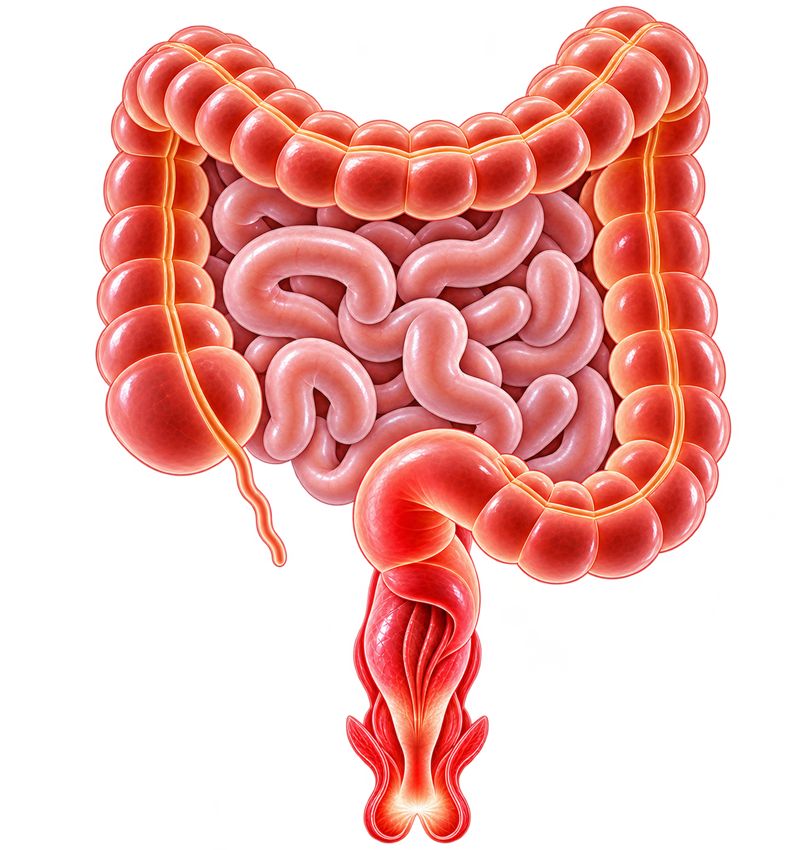
Rapid Assessment: Acute Proctology Evaluation
Prompt assessment of severe anal pain, bleeding, swelling and other anorectal emergencies.
Emergency Treatment: Acute Anorectal Conditions
Evaluation and treatment of painful haemorrhoids, anal fissures, abscesses and other urgent conditions.
Surgical Care: Urgent Proctology Procedures
Procedures and surgical treatment when required for serious anorectal conditions.
Critical Care: Support for Severe Emergencies
Coordinated monitoring and care for patients with serious anorectal conditions.
Emergency Signs
Severe or persistent anal/rectal pain; heavy, ongoing, or uncontrolled rectal bleeding; black or tarry stools; fainting or dizziness; fever with severe anal, rectal, or abdominal pain; or sudden painful swelling, redness, or discharge around the anus may indicate a medical emergency. Seek immediate emergency care. Call PACE Hospitals: 040 4848 6868.
What Is a Trauma and Accident Emergency?
What Is a Rheumatology Emergency?
What Is a Proctology Emergency?
A proctology emergency, also called an anorectal emergency, is a sudden or severe condition affecting the anus, rectum, or lower bowel that requires prompt medical attention. It may include severe anal bleeding, a painful thrombosed haemorrhoid, an anal or perirectal abscess, a prolapsed rectum or haemorrhoid that cannot be pushed back, severe anal pain, or an anal injury.
PACE Hospitals provides 24/7 emergency care in Hyderabad for patients with suspected proctological emergencies. The emergency team assesses the patient, checks the severity of bleeding or infection, provides initial stabilization and symptom relief, and coordinates with colorectal or proctology specialists and other teams when required.
Some problems in the anal and rectal area can get worse quickly, especially if there is heavy bleeding, an infection, or tissue injury. Getting medical care early helps doctors find the cause, stop the bleeding, control pain, treat the infection, and decide if a procedure or surgery is needed.
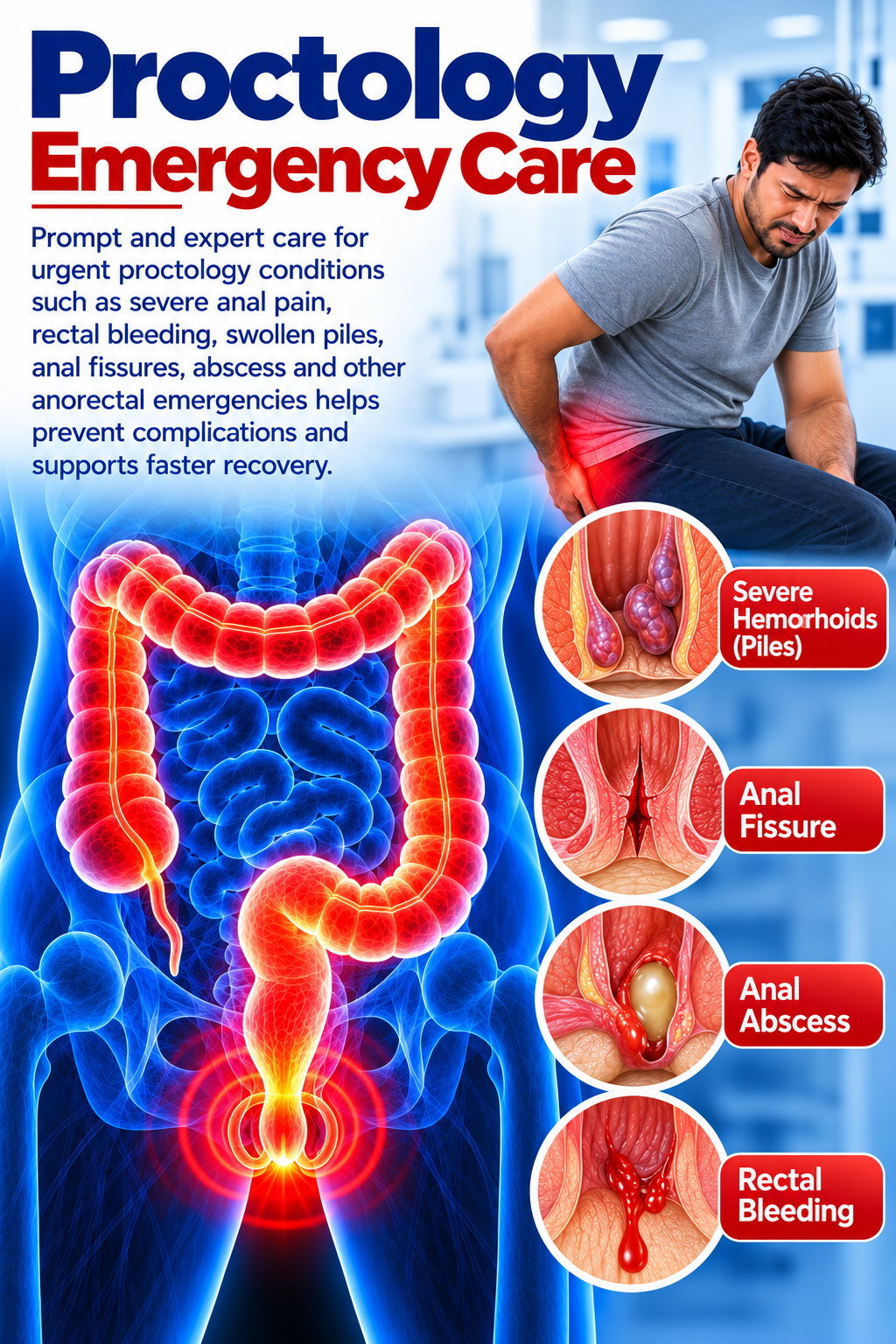
When to Seek Emergency Care for Proctology Symptoms?
Immediate medical attention is needed if any of the following symptoms occur:
- Heavy or continuous bleeding from the anus or rectum.
- Passing a large amount of blood or blood clots during bowel movements.
- Severe or sudden anal or rectal pain, especially when the pain is getting worse.
- A painful swelling or lump around the anus that becomes larger, red, or tender suddenly.
- Fever or chills along with severe anal pain, swelling, or discharge.
- Pus or foul-smelling discharge from the anal area, particularly when accompanied by pain or fever.
- Severe abdominal pain with rectal bleeding or difficulty passing stool or gas.
- Repeated vomiting, marked weakness, dizziness, or fainting along with significant rectal bleeding.
- Sudden inability to pass stool or gas with severe abdominal or rectal pain and abdominal swelling.
- A prolapsed rectum or prolapsed haemorrhoid that cannot be gently pushed back, especially if it becomes severely painful, swollen, or dark/blue/black in colour. Do not force it back.
Rectal bleeding is often seen with piles or anal fissures. But if the bleeding is heavy or comes with severe pain, fever, or a sudden change in bowel movements, it should be checked by a doctor. Finding the cause early helps in giving the right treatment.
Do Not Ignore Severe Rectal or Anal Symptoms
Rectal or anal problems are not always serious and can occur due to haemorrhoids, anal fissures, infections, constipation, or other conditions. But severe pain, bleeding, or any sudden change in symptoms should be checked by a doctor without delay.
Treat rectal or anal symptoms as an emergency when they are:
- Severe or rapidly worsening anal or rectal pain.
- Heavy or continuous rectal bleeding or passing a large amount of blood or blood clots.
- Associated with fever, chills, swelling, redness, or pus around the anus.
- Accompanied by dizziness, fainting, weakness, or signs of significant blood loss.
- Associated with severe abdominal pain, vomiting, or difficulty passing stools or gas.
- Causing a painful lump or swelling around the anus that develops suddenly or becomes increasingly painful.
- Associated with black, tar-like stools, particularly when accompanied by weakness, dizziness, or abdominal pain.
Prompt medical assessment can help identify the cause and determine whether urgent treatment, drainage, or another procedure is required. If there is heavy bleeding, fainting, severe weakness, or other serious symptoms, ambulance transport may be safer than travelling to the hospital without medical support.
Not all chest pain is caused by heart disease. It may be related to the lungs, food pipe, stomach, muscles, ribs, or nerves. However, it is not safe to assume that chest pain is minor without medical evaluation.
Treat chest pain as an emergency when it is:
- New or unexplained.
- Severe or persistent.
- Associated with sweating, nausea, or breathlessness.
- Accompanied by fainting or severe dizziness.
- Spreading to the arm, jaw, neck, shoulder, back, or upper abdomen.
- Present in a person with diabetes, high blood pressure, high cholesterol, kidney disease, or known heart disease.
- For severe symptoms, ambulance transport is generally safer than driving to the hospital because emergency assessment and support can begin during transfer when needed.
Sudden weakness or paralysis affecting one side of the face, arm, or leg is an important stroke warning sign. The weakness may appear suddenly and may occur with facial drooping, speech difficulty, vision changes, or loss of balance.
- Do not wait to see whether the weakness improves. Immediate emergency assessment is important because some stroke treatments are time-sensitive.
Sudden Paralysis or One-Sided Weakness
Sudden Vision Problems
A stroke can cause sudden changes in vision, including blurred or double vision or loss of vision in one or both eyes.
- Sudden unexplained vision problems, particularly when accompanied by other neurological symptoms, require urgent assessment.
Sudden Loss of Balance
A sudden loss of balance, coordination, or ability to walk normally can be a sign of stroke, particularly when it develops without an obvious explanation.
- Sudden dizziness with difficulty walking, weakness, vision changes, or speech problems should not be dismissed as a minor problem.
Sudden Severe Headache
A sudden, severe headache with no known cause can be a warning sign of a serious neurological emergency, including hemorrhagic stroke.
- When severe headache occurs with vomiting, weakness, speech difficulty, seizures, confusion, loss of consciousness, or other sudden neurological changes, emergency medical evaluation is required.
Common Proctology Emergencies Treated at PACE Hospitals
Severe Rectal Bleeding
Rectal bleeding can have several causes, including haemorrhoids, anal fissures, inflammation or infection, diverticular disease, and conditions affecting the bowel. Heavy, persistent, or recurrent bleeding requires urgent medical assessment.
Emergency treatment depends on the amount and cause of bleeding. It may include examination, blood tests, medicines, fluids, procedures to control bleeding, or surgery when required.
Symptoms may include:
- Bright red blood from the anus.
- Bleeding that continues or becomes heavier.
- Blood clots passed through the rectum.
- Dizziness or light-headedness.
- Weakness or unusual tiredness.
- Fainting or feeling close to fainting.
Thrombosed Haemorrhoids
A thrombosed haemorrhoid develops when a clot forms in a haemorrhoid outside the anus. This can cause sudden, intense pain along with a swollen or painful lump around the anal area.
Treatment depends on symptoms, severity and timing. It may include pain relief, local treatment, medicines, or a procedure to remove the clot in selected cases.
Symptoms may include:
- Sudden severe pain around the anus.
- A painful lump near the anal opening.
- Swelling or tenderness.
- Bluish or dark-coloured swelling in some cases.
- Difficulty sitting or passing stools because of pain.
Perianal Abscess
A perianal abscess is a collection of pus in the tissues around the anus. It can develop due to an infection in an anal gland and may become more painful as the infection progresses.
A perianal abscess usually needs medical assessment and usually requires a drainage procedure to remove the pus. Antibiotics may also be used in selected patients, depending on the infection and the person's overall condition.
Symptoms may include:
- Severe or throbbing pain around the anus.
- Pain that becomes worse while sitting or passing stools.
- Swelling or a tender lump near the anus.
- Redness or warmth around the affected area.
- Fever or chills.
- Pus or discharge from the affected area.
Anal Fissure with Severe Pain
An anal fissure is a small tear in the lining of the anus. It commonly causes sharp pain during or after passing stools and may cause a small amount of bright red bleeding.
Severe or persistent symptoms need medical evaluation to confirm the cause. Treatment may include stool-softening measures, medicines to relax the anal muscles, pain relief, and other procedures when required.
Symptoms may include:
- Sharp or burning pain during bowel movements.
- Pain that continues after passing stools.
- Bright red blood on the stool or toilet paper.
- Spasm or tightness around the anus.
- Fear or difficulty passing stools because of pain.
Severe Proctitis and Anorectal Infection
Proctitis is inflammation of the rectum and may result from infections, inflammatory bowel disease, radiation, or other causes. Severe inflammation or infection can cause significant pain, bleeding, discharge, or changes in bowel habits.
The doctor may examine the affected area and order blood tests, scans, or other tests based on the symptoms. Treatment depends on the cause and may involve medicines, fluids, abscess drainage, or surgery if needed.
Symptoms may include:
- Severe pain around the anus or rectum.
- Blood coming from the rectum.
- Mucus or pus-like fluid from the anus.
- A sudden or frequent urge to pass stools.
- Fever or chills.
- Pain or burning while passing stools.
- Discomfort in the lower abdomen or pelvic area.
Fistula-Related Complications
An anal fistula is an abnormal tunnel that develops between the anal canal or rectum and the skin around the anus. It may develop after an anal abscess and can cause repeated swelling, pain, or discharge.
Sudden worsening of pain, swelling, fever, or difficulty passing stools may indicate an associated abscess or worsening infection. Treatment depends on the fistula's location and extent and may include abscess drainage, medication when appropriate, and surgery to treat the fistula.
Symptoms may include:
- Persistent or increasing pain around the anus.
- Swelling or a tender lump near the anal opening.
- Pus or foul-smelling discharge.
- Redness or warmth around the affected area.
- Fever or chills.
- Repeated episodes of swelling followed by discharge.
- Skin irritation around the anus.
Rectal Prolapse
Rectal prolapse happens when the rectum slips down and becomes visible through the anus. At first, it may happen only while passing stools, but in some cases, the tissue can stay outside the anus.
A rectal prolapse that remains outside the anus, becomes severely swollen or painful, bleeds significantly, or changes colour requires urgent medical assessment. Doctors will examine the prolapsed tissue and check for signs of reduced blood supply or other complications. Treatment may include measures to reduce swelling and pain, manual reduction in selected cases, or surgery when required.
Symptoms may include:
- A red or fleshy mass coming out through the anus.
- A feeling of pressure or something coming down from the rectum.
- Difficulty controlling bowel movements.
- Mucus or blood passing from the anus.
- Difficulty passing stools.
- Pain, swelling, or irritation around the prolapsed tissue.
- Inability to push the prolapsed rectum back inside.
Proctology Emergency Assessment and Diagnosis
Patients with suspected proctological emergencies are assessed based on the severity of their symptoms and overall condition. The first priority is to identify problems such as severe bleeding, infection, abscess, tissue damage, or other conditions that may require urgent treatment.
01
Rapid Triage and Initial Stabilisation
The emergency team may immediately assess:
- Severe or worsening anal or rectal pain.
- Amount and duration of rectal bleeding.
- Fever, chills, weakness, dizziness, or fainting.
- Abdominal or pelvic pain and discomfort.
- Changes in bowel movements, including constipation, diarrhoea, or inability to pass stools or gas.
- Swelling, redness, tenderness, or a lump around the anus.
- Mucus or pus-like discharge from the anus.
- A feeling of tissue coming out through the anus or a suspected rectal prolapse.
- Previous history of haemorrhoids, anal fissure, fistula, abscess, inflammatory bowel disease, or colorectal surgery.
- Current medicines, particularly blood thinners and medicines that may affect bleeding.
- Medicine allergies and relevant medical conditions.
- Need for intravenous fluids, pain relief, antibiotics, blood tests, surgical review, or emergency intervention.
02
Physical Examination
A careful examination of the abdomen, anal region, and surrounding tissues may be performed to identify the possible cause of the symptoms.
The examination may include:
- Inspection of the skin around the anus for swelling, redness, bleeding, wounds, or prolapsed tissue.
- Assessment of tenderness, lumps, or areas of increased warmth.
- Digital rectal examination when appropriate and safe to perform.
- Assessment for haemorrhoids, anal fissures, abscesses, fistulas, or rectal prolapse.
- Evaluation of the severity and source of rectal bleeding.
- In some cases, a rectal examination may be avoided or modified when there is severe pain or a suspected condition in which examination could cause further injury.
03
Blood Tests
Blood tests may be advised depending on the symptoms and clinical findings.
These may include:
- Complete blood count to check for blood loss or signs of infection.
- Blood glucose.
- Kidney function tests.
- Electrolytes.
- C-reactive protein or other markers of inflammation, where appropriate.
- Blood clotting tests, particularly in patients taking blood-thinning medicines or with significant bleeding.
- Blood group and cross-match when heavy bleeding or possible blood transfusion is a concern.
03
Imaging and Additional Tests
Depending on the suspected condition, further investigations may include:
- Ultrasound examination of the anal or perianal region.
- CT scan of the abdomen and pelvis, particularly when an abscess, severe infection, bowel obstruction, or another abdominal or pelvic problem is suspected.
- MRI of the pelvis, when detailed assessment of an anal fistula, abscess, or surrounding soft tissues is required.
- Anoscopy or proctoscopy, when appropriate.
- Sigmoidoscopy or colonoscopy when the source of bleeding or another colorectal condition needs further evaluation.
These assessments help doctors identify conditions such as severe haemorrhoidal bleeding, thrombosed haemorrhoids, anal fissure, perianal or anorectal abscess, anal fistula, rectal prolapse, bowel obstruction, or other causes of rectal bleeding and severe anal or abdominal pain.
Proctology Emergency Treatment at PACE Hospitals
Proctology emergency treatment depends on the cause, symptom severity, examination findings, medical history, and the patient's overall condition. The emergency team first assesses and stabilizes the patient, controls severe symptoms, and arranges specialist proctology or surgical care when required.
Emergency Proctology Care May Include
- Assessment of pain, rectal bleeding, bowel symptoms, fever, and other warning signs.
- Monitoring blood pressure, pulse, temperature, oxygen level, and overall condition.
- Intravenous (IV) access and fluids when required.
- Medicines to control severe pain, nausea, or other symptoms.
- Treatment for constipation or difficulty passing stools when clinically appropriate.
- Medicines or other treatment for infections and inflammation when indicated.
- Control of rectal bleeding, depending on its cause and severity.
- Drainage of a perianal or anorectal abscess when required.
- Removal of an impacted stool when clinically necessary.
- Treatment of painful or complicated haemorrhoids, including procedures when indicated.
- Management of anal fissures with medicines or procedures based on the condition.
- Urgent assessment and management of rectal prolapse or other tissue-related problems.
- Urgent surgery, endoscopic treatment, or interventional radiology may be required for uncontrolled bleeding, severe infection, bowel obstruction, tissue damage, compromised blood supply, or other serious complications.
- Imaging or endoscopic evaluation when required to identify the cause of symptoms.
- Admission for observation and specialized care when the patient's condition requires it.
Severe Rectal Bleeding Emergency Treatment
Treatment for significant rectal bleeding starts with checking the patient's vital signs, assessing the amount and pattern of bleeding, and identifying the possible source.
Depending on the cause and severity, treatment may include:
- IV fluids to maintain circulation when needed.
- Blood tests to check hemoglobin, blood counts, and other relevant parameters.
- Medicines or local treatment to control bleeding when appropriate.
- Endoscopic evaluation to locate and treat the bleeding source when indicated.
- Blood transfusion when significant blood loss has occurred and transfusion is medically required.
- Emergency surgery or other procedures for bleeding that cannot be controlled with less invasive treatment.
The treating specialist will decide the appropriate treatment after assessing the cause and severity of the bleeding.
Perianal or Anorectal Abscess Emergency Treatment
An anorectal abscess is a collection of pus caused by an infection near the anus or rectum. It can cause severe pain, swelling, tenderness, fever, or chills.
Treatment may include:
- Clinical examination to assess the location and extent of the abscess.
- Pain-relieving medicines.
- Antibiotics in selected cases, particularly when there is spreading infection or certain associated medical conditions.
- Incision and drainage to remove the collected pus.
- Imaging such as ultrasound, CT, or MRI when the location or extent of the infection is unclear or a deeper abscess is suspected.
- Hospital admission and IV antibiotics for patients with severe infection or other significant medical concerns.
- Further treatment if an underlying anal fistula is identified.
Emergency Treatment for Complicated Haemorrhoids/Piles
Most haemorrhoids do not require emergency treatment. However, severe pain, significant bleeding, or a thrombosed or prolapsed haemorrhoid may require prompt medical assessment.
Treatment may include:
- Pain medicines may be given to ease severe discomfort.
- Treatment may be used to bring down swelling and irritation around the affected area.
- Stool-softening medicines and a suitable diet may be advised to make bowel movements easier and reduce straining.
- Removal of a blood clot from a painful thrombosed external haemorrhoid in selected cases.
- Treatment of significant or persistent bleeding when required.
- Urgent surgical or procedural treatment for severe complications or prolapse when clinically necessary.
Recommended treatment depends on the type of haemorrhoid, symptom duration, pain or bleeding severity, and examination findings.
Rectal Prolapse Emergency Treatment
Rectal prolapse occurs when part or all of the rectum protrudes through the anal opening. A prolapse that cannot be pushed back, becomes severely swollen, or shows signs of poor blood supply requires urgent medical assessment.
Treatment may include:
- Pain relief and supportive care.
- Assessment of the prolapsed tissue and its blood supply.
- Gentle reduction of the prolapsed rectum when appropriate.
- Treatment to reduce swelling when required.
- Urgent surgery if the prolapse cannot be reduced or if there is tissue damage, compromised blood supply, or another serious complication.
- Further surgical treatment to prevent recurrence, depending on the patient's condition.
Prompt assessment is important when the prolapsed tissue remains outside the anus, becomes very painful, changes colour, or is associated with significant bleeding.
What to Do During a Suspected Proctology Emergency?
- Call emergency medical services or seek urgent medical care if there is heavy rectal bleeding, severe anal or rectal pain, fainting, high fever, or other severe symptoms.
- Keep the person calm and allow them to rest in a comfortable position.
- Avoid unnecessary walking, straining, or physical exertion, especially if there is active bleeding or severe pain.
- If there is bleeding, use a clean pad or cloth to absorb the blood gently. Do not insert anything into the anus unless advised by a healthcare professional.
- Follow the instructions given by emergency medical professionals.
- Do not take painkillers, laxatives, antibiotics, or other medicines on your own unless advised by a healthcare professional.
- If the person feels faint or weak, help them lie down safely and do not leave them alone while arranging medical care.
If severe pain, heavy bleeding, fever, marked weakness, or sudden worsening of symptoms occurs, get medical help without delay instead of waiting for the symptoms to improve on their own.
Why Timely Proctology Emergency Care Matters?
Severe rectal bleeding, serious infections, perianal abscesses, rectal prolapse, and other acute anorectal problems may become worse if treatment is delayed. Timely emergency proctology care helps doctors identify the cause, control urgent symptoms, and start the right treatment at the earliest.
Prompt emergency care can help:
- Identify the cause of severe rectal or anal pain and bleeding.
- Control significant rectal bleeding and check for signs of blood loss.
- Treat perianal or anorectal infections and drain abscesses when required.
- Relieve severe pain, swelling, and local discomfort.
- Manage complications related to rectal prolapse or other acute anorectal conditions.
- Assess patients with fever, weakness, dehydration, or other signs of serious infection or blood loss.
- Arrange urgent imaging, procedures, or surgery when clinically required.
- Coordinate care between emergency medicine, colorectal or general surgery, radiology, anaesthesia, and critical care teams.
Who Is at Higher Risk of Proctology Emergencies?
Proctological emergencies can occur in anyone. However, the risk of certain anorectal problems may be higher in people with:
- Previous or recurrent haemorrhoids, anal fissures, or other anorectal conditions.
- Chronic constipation or frequent straining during bowel movements.
- Long-standing diarrhoea or frequent loose stools.
- Inflammatory bowel diseases such as Crohn’s disease or ulcerative colitis.
- Previous anorectal surgery or procedures.
- Conditions that affect blood clotting or the use of blood-thinning medicines, which may increase the risk of significant bleeding.
- Weakened immune system or conditions that increase the risk of infection.
- Rectal or anal infections.
- Pelvic floor or bowel disorders that affect normal bowel function.
- Pregnancy or the period after childbirth, when haemorrhoids and other anorectal problems may become more common.
Even without these risk factors, sudden severe anal or rectal pain, heavy rectal bleeding, fever, pus-like discharge, or a sudden change in bowel function should be assessed promptly.
Proctology Emergency Care at PACE Hospitals
PACE Hospitals offers 24/7 emergency and trauma care in Hyderabad for people experiencing severe anal or rectal pain, heavy rectal bleeding, abscesses or infections around the anus, rectal prolapse, painful bowel movements, and other urgent anorectal problems. Depending on the symptoms and severity, the emergency team may involve proctology, surgery, gastroenterology, critical care, laboratory, and imaging specialists.
Emergency Proctology Care Pathway
- Immediate triage: The emergency team quickly assesses the patient's symptoms, bleeding amount, pain level, vital signs, and overall condition.
- Clinical assessment: When needed, the doctor examines the abdomen and the area around the anus and rectum to understand what may be causing the problem.
- Rapid diagnosis: Based on symptoms and clinical findings, the doctor may recommend blood tests, stool tests, imaging, or other investigations.
- Stabilization and treatment: Treatment may include fluids, medicines for pain or infection, measures to control bleeding, drainage of an abscess, or an emergency procedure when required.
- Ongoing care: Admission to the ward or ICU, specialist management, surgical treatment, or follow-up care may be arranged according to the diagnosis and severity of the condition.
Need urgent help? For heavy rectal bleeding, severe or rapidly worsening anal or rectal pain, fainting, severe weakness, fever with swelling or pain around the anus, or a suspected anorectal emergency, seek emergency medical care without delay. Call PACE Hospitals: 04048486868.
Do not delay emergency care to arrange your own transport if the person is seriously injured or has signs of a potentially life-threatening condition.
When Should You Call an Ambulance for a Proctology Emergency?
Call emergency medical services immediately if a person has:
- Heavy or persistent rectal bleeding
- Sudden or rapidly worsening severe anal or rectal pain
- Fainting, severe weakness, or dizziness along with rectal bleeding
- Sudden collapse or loss of consciousness
- Severe abdominal pain with rectal bleeding or other serious symptoms
- High fever or chills with severe pain or swelling around the anus
- A painful swelling near the anus with fever or signs of a spreading infection
- Rectal prolapse that is painful, markedly swollen, or cannot be pushed back inside
- Severe difficulty passing stools or gas, particularly with abdominal swelling or vomiting
Emergency ambulance transport may be needed for severe rectal bleeding, suspected serious infection, rectal prolapse, or other symptoms that may indicate a serious anorectal condition. During transport, emergency personnel can assess the patient and provide stabilizing care when necessary.

Do not delay emergency medical care to arrange private transport if the person is seriously unwell, has heavy bleeding, has collapsed, or is losing consciousness.
Frequently Asked Questions on Proctological Emergencies
What is a proctology emergency?
A proctology emergency is a sudden problem in the anus or rectum that needs medical attention without much delay. Heavy bleeding from the rectum, severe pain, painful swelling near the anus, an abscess, an infection, or a badly prolapsed or thrombosed haemorrhoid can sometimes need urgent treatment. Seeing a doctor early can help identify the cause and prevent it from worsening.
When should I seek emergency care for rectal bleeding?
Rectal bleeding needs urgent medical attention when the bleeding is heavy, does not stop, keeps recurring, or is accompanied by dizziness, weakness, fainting, severe pain, or a rapid heartbeat. Bright red blood may come from conditions such as haemorrhoids or anal fissures, but bleeding can also have other causes. If there is a large amount of blood or you feel unwell, do not wait for the bleeding to settle on its own.
Is severe anal pain an emergency?
Severe or sudden anal pain should not be ignored, especially if it develops quickly or continues to worsen. Pain associated with a painful lump, swelling, fever, pus or discharge may indicate an abscess or another condition requiring prompt treatment. A doctor can examine the area and determine whether medicines, drainage, or another procedure is needed.
When do haemorrhoids become an emergency?
Haemorrhoids may require emergency assessment when they cause heavy or persistent bleeding, severe or rapidly increasing pain, or a large painful swelling around the anus. A prolapsed haemorrhoid that cannot be gently pushed back may also need prompt medical attention, particularly if it becomes very painful or changes colour. Since similar symptoms can occur with other anorectal conditions, severe symptoms should not automatically be assumed to be caused by haemorrhoids.
What is a perianal abscess?
A perianal abscess develops when pus builds up in the tissues near the anus, usually causing a tender, painful swelling. The skin may become red and warm, and some people may also develop fever or notice pus or other discharge. Pain can be intense and may worsen with sitting, walking, or passing stools. Since the infection can worsen if left untreated, medical assessment is important. In many cases, a healthcare professional needs to open and drain the abscess to clear the infection.
Can an anal fissure require emergency treatment?
A tiny tear close to the anus known as an anal fissure can burn or cause excruciating discomfort when passing faeces. After bowel movements, the pain could last for some time. With proper care, most fissures heal, but extreme pain, heavy bleeding, or worsening symptoms require medical attention. Possible treatment options include softening the stool, avoiding straining, and taking medications to reduce discomfort and promote healing.
What should I do if a haemorrhoid suddenly becomes very painful?
A suddenly painful haemorrhoid may involve a blood clot within the haemorrhoid, known as a thrombosed haemorrhoid. Avoid squeezing, cutting, or trying to drain the swelling yourself. Also avoid forcefully pushing a painful swelling back into the anus. If the pain is severe, the swelling is increasing, or there is significant bleeding, seek prompt medical assessment so the appropriate treatment can be decided.
When should I call an ambulance for a proctology/anorectal emergency?
Emergency medical services should be contacted if there is heavy or uncontrolled rectal bleeding, fainting, collapse, severe weakness, confusion, or symptoms suggesting significant blood loss. An ambulance may also be appropriate when severe symptoms make it unsafe for the person to travel to a hospital on their own. While waiting for help, avoid unnecessary physical activity and follow instructions from emergency medical services.
Can constipation cause a proctology emergency?
Severe constipation can become difficult to manage when stool gets stuck in the bowel or when passing stool becomes extremely painful or difficult. Seek medical help if constipation occurs with severe stomach pain, repeated vomiting, a very swollen abdomen, inability to pass gas, or blood in the stool. If these symptoms are present, do not keep straining or take several laxatives on your own, as a doctor may need to check the cause first.
Is difficulty passing urine related to a proctology emergency?
Severe pain or swelling around the anus and pelvis can sometimes make urination difficult or uncomfortable. However, being unable to pass urine is a separate problem that can require urgent medical attention. If urinary retention develops suddenly, especially with severe lower abdominal discomfort or swelling, seek medical care without delay. The doctor can determine whether the urinary problem is related to the anorectal condition or another cause.
What are the warning signs of a perianal infection?
Watch for symptoms such as worsening pain, swelling, redness, warmth, tenderness, fever, chills, or pus-like discharge around the anus. An infection can worsen quickly and may affect surrounding tissues if treatment is delayed. If a painful lump or swelling is accompanied by fever or discharge, seek medical attention instead of relying only on home treatment.
Can rectal bleeding happen without pain?
Yes. Rectal bleeding does not always cause pain and may occur with conditions such as haemorrhoids. However, bleeding without pain should not be ignored, especially if it happens repeatedly, is heavy, or has no clear cause. Seeing a doctor can help identify the source of the bleeding and decide whether further examination or tests are needed.
What tests may be done during a proctology emergency?
The tests depend on the person's symptoms and the suspected cause. The doctor may begin with a medical history and examination of the abdomen and anorectal area. Depending on the findings, the doctor may recommend blood tests, anoscopy, proctoscopy, colonoscopy, ultrasound, CT scan, or MRI. Not every patient needs all these tests; the choice depends on the severity and nature of the symptoms.
Can a perianal abscess go away on its own?
A small abscess may sometimes appear to settle temporarily, but an abscess generally needs medical assessment because the infection can remain trapped beneath the skin. As it grows, it may cause increasing pain, swelling, redness, fever, or pus-like discharge. Treatment may be needed to drain the collection and manage the infection. Avoid squeezing or draining an abscess yourself, as this can worsen the infection or delay proper treatment.
Where can I get emergency care for a proctology condition in Hyderabad?
Patients with severe anal or rectal pain, significant rectal bleeding, painful swelling, perianal infection, or other sudden anorectal symptoms should seek prompt medical assessment at a hospital with emergency and specialist care. Emergency evaluation can help identify the cause and determine whether medicines, a procedure, or further specialist treatment is needed. In Hyderabad, patients can seek care at a PACE hospital that provides 24/7 emergency services along with access to appropriate surgical and proctology specialists.
Conclusion
A doctor should check severe or sudden problems affecting the anus or rectum without delay. Heavy bleeding from the rectum, severe anal pain, a painful lump or swelling near the anus, fever with swelling, pus or unusual discharge, or trouble passing stools or urine can sometimes point to a condition that needs urgent care.
PACE Hospitals provides emergency proctology services in Hyderabad for conditions such as severe anal or rectal pain, heavy rectal bleeding, perianal abscesses and infections, acute anal fissures, thrombosed haemorrhoids, and other urgent anorectal problems. Early medical evaluation allows clinicians to assess the cause and start the right treatment based on the patient's condition.


