
Urological Emergency Care in Hyderabad
24/7 Emergency Assessment and Treatment for Urological Emergencies
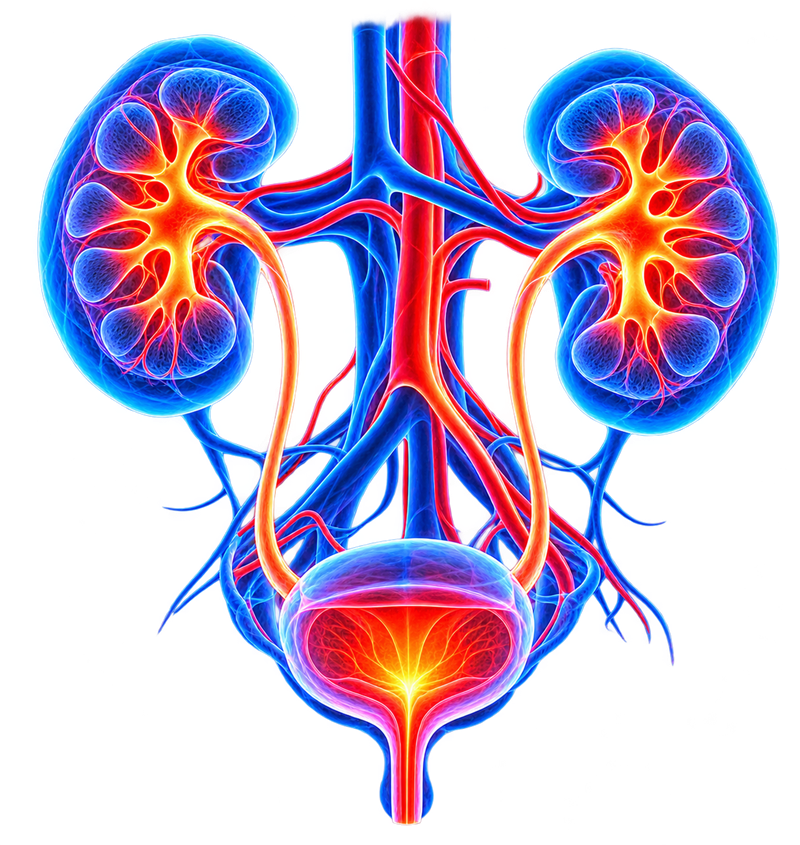
Rapid Assessment - Acute Urological Evaluation
Prompt assessment of acute urinary symptoms, pain, bleeding and other emergencies.
Kidney · Urinary Tract - Emergency Diagnosis & Management
Evaluation of stones, obstruction, infections and acute urological conditions.
Urology · Imaging - Urgent Diagnosis & Intervention
Urgent imaging, procedures and surgical care when clinically required.
Critical Care - Support for Severe Emergencies
Continuous monitoring and coordinated care for serious urological conditions.
Emergency Signs
Severe or sudden pain in the flank, abdomen, or pelvis, difficulty passing urine, blood in the urine, painful or swollen testicles, high fever with urinary symptoms, severe vomiting, a blocked urinary passage, or a sudden worsening of an existing urological problem can be signs of an emergency. Seek immediate medical care.
Call PACE Hospitals:
04048486868.
What Is a Trauma and Accident Emergency?
What Is a Rheumatology Emergency?
What Is a Urology Emergency?
A urological emergency is a sudden problem affecting the urinary system or male reproductive organs that requires immediate medical attention. It can include kidney stones causing severe pain or urinary blockage, sudden inability to pass urine, severe urinary tract infections, testicular torsion, significant blood in the urine, injuries to the urinary tract, or other conditions that need urgent treatment.
PACE Hospitals offers 24/7 emergency urology care in Hyderabad for patients who may have a urological emergency. The emergency team checks the patient's condition, begins treatment and stabilization, and brings in urologists, critical care specialists, diagnostic teams, and other specialists if needed.
A urological emergency can become serious if treatment is delayed. Getting treatment early can help relieve severe pain, restore urinary flow, control infection or bleeding, protect kidney function, and lower the risk of serious complications.
When to Seek Emergency Care for Urological Symptoms?
Immediate medical attention is needed if any of the following symptoms occur:
- Severe or sudden pain in the side, lower abdomen, back, pelvis, or groin.
- Being unable to pass urine or having sudden, painful difficulty while urinating.
- Blood in the urine, especially when it is accompanied by severe pain, blood clots, or difficulty passing urine.
- High fever, chills, or shivering along with urinary problems, particularly when there is also pain in the back or side.
- Severe nausea or vomiting along with sudden pain in the side, back, or lower abdomen.
- Sudden, severe pain or swelling in one or both testicles.
- Burning or pain while urinating that becomes worse or occurs along with fever or severe weakness.
- A sudden drop in urine output or being unable to pass urine at all.
- Severe pain caused by a suspected kidney or ureteric stone.
- Urinary problems after an injury to the abdomen, pelvis, back, or genital area.
Urological emergencies may include kidney stones that stop urine from flowing, sudden urinary retention, severe urinary infections, testicular torsion, heavy or significant bleeding in the urine , or injuries to the urinary system. Some of these conditions can become serious quickly and may need immediate medical treatment.
Do Not Ignore Severe Urological Symptoms
Not every urinary or genital problem is an emergency. Some symptoms may be caused by minor infections, muscle pain, or other conditions that can be treated without emergency care. However, sudden or severe symptoms should always be checked by a doctor rather than being assumed to be harmless.
Treat urological symptoms as an emergency when they are:
- New, sudden, or unexplained.
- Severe or getting worse quickly.
- Accompanied by high fever, chills, or unusual weakness.
- Associated with difficulty passing urine, complete urinary blockage, or a noticeable reduction in urine output.
- Accompanied by a large amount of blood in the urine or blood clots.
- Associated with sudden and severe testicular pain or swelling.
- Accompanied by repeated vomiting or an inability to keep fluids down.
- Occurring after an injury to the abdomen, pelvis, back, or genital area.
- Occurring in someone with kidney disease, urinary blockage, repeated kidney stones, or another serious urological condition.
For severe symptoms, going to the hospital by ambulance may be safer than driving yourself. Emergency medical care can be started during the journey if it is needed.
Not all chest pain is caused by heart disease. It may be related to the lungs, food pipe, stomach, muscles, ribs, or nerves. However, it is not safe to assume that chest pain is minor without medical evaluation.
Treat chest pain as an emergency when it is:
- New or unexplained.
- Severe or persistent.
- Associated with sweating, nausea, or breathlessness.
- Accompanied by fainting or severe dizziness.
- Spreading to the arm, jaw, neck, shoulder, back, or upper abdomen.
- Present in a person with diabetes, high blood pressure, high cholesterol, kidney disease, or known heart disease.
- For severe symptoms, ambulance transport is generally safer than driving to the hospital because emergency assessment and support can begin during transfer when needed.
Sudden weakness or paralysis affecting one side of the face, arm, or leg is an important stroke warning sign. The weakness may appear suddenly and may occur with facial drooping, speech difficulty, vision changes, or loss of balance.
- Do not wait to see whether the weakness improves. Immediate emergency assessment is important because some stroke treatments are time-sensitive.
Sudden Paralysis or One-Sided Weakness
Sudden Vision Problems
A stroke can cause sudden changes in vision, including blurred or double vision or loss of vision in one or both eyes.
- Sudden unexplained vision problems, particularly when accompanied by other neurological symptoms, require urgent assessment.
Sudden Loss of Balance
A sudden loss of balance, coordination, or ability to walk normally can be a sign of stroke, particularly when it develops without an obvious explanation.
- Sudden dizziness with difficulty walking, weakness, vision changes, or speech problems should not be dismissed as a minor problem.
Sudden Severe Headache
A sudden, severe headache with no known cause can be a warning sign of a serious neurological emergency, including hemorrhagic stroke.
- When severe headache occurs with vomiting, weakness, speech difficulty, seizures, confusion, loss of consciousness, or other sudden neurological changes, emergency medical evaluation is required.
Common Urological Emergencies Treated at PACE Hospitals
Kidney Stones and Urinary Obstruction
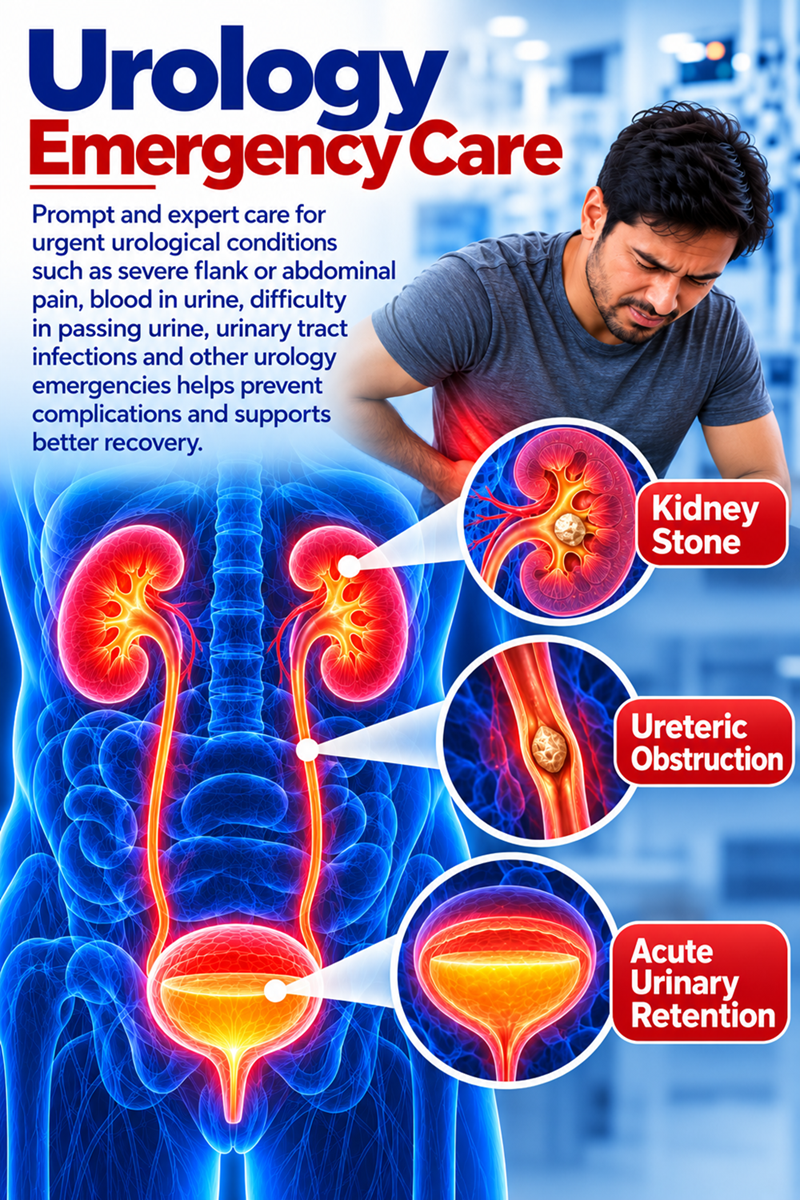
Kidney stones can cause intense pain when they pass through the ureter. At times, a stone may become lodged and stop urine from passing normally. This can be more serious if an infection develops or the kidneys are affected.
A kidney stone that blocks the flow of urine, causes an infection, leads to severe pain or repeated vomiting, or affects kidney function needs urgent medical care. Depending on the situation, treatment may include pain relief, fluids, medicines to help the stone pass, antibiotics, drainage of the urine, or a procedure to remove or break the stone.
Symptoms may include:
- Severe pain in the side, back, lower abdomen, or groin.
- Pain that may come and go or vary in intensity.
- Blood in the urine.
- Nausea or vomiting.
- Pain or burning while passing urine.
- A frequent or sudden urge to urinate.
- Fever or chills when an infection is present.
Acute Urinary Retention
Acute urinary retention means suddenly being unable to pass urine even though you feel the need to urinate. The bladder continues to fill, which can cause swelling and significant discomfort in the lower abdomen.
Acute urinary retention needs to be treated promptly. A urinary catheter may be used to empty the bladder and ease the pressure and discomfort. Once the bladder has been drained, doctors will look for the cause of the retention and treat the underlying problem.
Possible causes include:
- Enlarged prostate.
- Narrowing or blockage of the urethra.
- Urinary stones.
- Medicines that affect normal bladder function.
- Nerve problems that affect bladder control.
- Severe infection or inflammation.
- Other problems that interfere with the normal flow of urine.
Severe Urinary Tract Infection and Urosepsis
A urinary tract infection can become serious if it spreads to the kidneys or reaches the bloodstream. In severe cases, it can lead to sepsis, which needs immediate medical care.
Treatment may involve blood and urine tests, intravenous fluids, antibiotics, and close monitoring of vital signs. If there is a blockage in the urinary tract, it may also need to be treated. Severe infections may require intensive care.
Symptoms may include:
- High fever or chills.
- Pain or burning while passing urine.
- Pain in the lower abdomen, back, or side.
- Passing urine more often or having a sudden urge to urinate.
- Nausea or vomiting.
- Blood in the urine.
- Confusion or unusual drowsiness in severe cases.
- Very low blood pressure, rapid breathing, or extreme weakness.
Testicular Torsion
Testicular torsion happens when the spermatic cord twists and cuts off the blood supply to the testicle. It needs immediate treatment because leaving the testicle without adequate blood flow for too long can cause permanent damage.
Sudden, severe testicular pain should be checked by a urologist immediately. The doctor may examine the testicle and use an ultrasound scan to check its blood supply. When torsion is confirmed or strongly suspected, emergency surgery may be necessary to restore blood flow and prevent permanent damage.
Symptoms may include:
- Sudden and severe testicular pain.
- Swelling of the scrotum.
- One testicle sitting higher than usual.
- Nausea or vomiting.
- Pain in the lower abdomen or groin.
- Sudden pain without any known injury.
Blood in the Urine
Blood in the urine, also known as hematuria, can happen for a number of reasons. Urinary infections, kidney stones, prostate problems, injuries, and other urinary tract conditions can all cause blood in the urine.
Treatment depends on what is causing the bleeding and how severe it is. Emergency care may include draining the bladder, blood tests, imaging, medicines, treatment for an infection, or a procedure to stop the bleeding.
Emergency assessment is particularly important when blood in the urine is:
- Heavy or continues for some time.
- Associated with blood clots.
- Making it difficult or impossible to pass urine.
- Accompanied by severe pain.
- Causing dizziness, weakness, or signs of significant blood loss.
- Seen after an injury.
Urological Trauma
The kidneys, bladder, urethra, and genital organs can be injured during road traffic accidents, falls, sports activities, workplace accidents, or other types of trauma.
Urological trauma needs to be assessed quickly to check for damage to the urinary tract or nearby organs. Treatment will depend on the type and severity of the injury. Some patients may need observation and medicines, while others may require urinary drainage, a minimally invasive procedure, or surgery.
Possible symptoms include:
- Blood in the urine.
- Severe pain in the abdomen, back, pelvis, or genital area.
- Difficulty passing urine or being unable to urinate.
- Swelling or bruising around the genital area.
- Blood at the opening of the urethra.
- Swelling in the abdomen or pelvic area.
- Weakness, dizziness, or signs of significant blood loss.
Urology Emergency Assessment and Diagnosis
Patients with suspected urological emergencies are assessed according to the urgency and severity of their condition. The first priority is to identify and treat problems that may threaten life, kidney function, urinary drainage, or other organs without delay.
01
Rapid Triage and Initial Stabilisation
The emergency team may immediately assess:
- Airway, breathing, circulation, level of consciousness, and overall clinical condition.
- Pulse, blood pressure, oxygen level, temperature, pain severity, and urine output.
- Nature, location, duration, and severity of pain.
- Difficulty passing urine, inability to urinate, blood in the urine, changes in urine output, or urinary leakage.
- Symptoms such as fever, chills, vomiting, weakness, fainting, or confusion.
- Previous kidney stones, urinary infections, kidney disease, prostate problems, urinary obstruction, or urological procedures.
- History of diabetes, high blood pressure, kidney disease, or other conditions that may increase the risk of complications.
- Current medicines, including blood thinners, diabetes medicines, and medicines for urinary or prostate conditions.
- Medicine allergies.
- Need for intravenous access, fluids, pain control, antibiotics, urinary drainage, monitoring, or critical care support.
02
Urine and Blood Tests
Urine and blood tests help doctors identify infection, bleeding, kidney problems, electrolyte abnormalities, and other causes of acute urological symptoms.
Tests may include:
- Urinalysis.
- Urine microscopy.
- Urine culture when a urinary infection is suspected.
- Complete blood count (CBC).
- Kidney function tests, including creatinine.
- Electrolytes.
- Blood glucose.
- Blood clotting tests when appropriate.
- Blood cultures in selected patients with suspected severe infection.
- Other blood tests based on the patient's symptoms and clinical condition.
03
Imaging and Additional Tests
Depending on the symptoms and initial test results, further tests may include:
- Ultrasound of the kidneys and urinary bladder.
- Ultrasound to assess urinary retention or bladder volume.
- CT scan, particularly when kidney stones, obstruction, severe infection, or another serious abdominal or urinary cause is suspected.
- CT urography or other specialized imaging when clinically indicated.
- X-ray in selected cases.
- Doppler ultrasound of the scrotum when testicular torsion or another acute scrotal condition is suspected.
- Additional urological investigations based on the patient's condition.
These tests help doctors identify kidney stones, urinary obstruction, kidney or urinary infections, acute urinary retention, testicular torsion, severe bleeding, traumatic injuries, and other urgent urological conditions.
Urology Emergency Treatment at PACE Hospitals
Urology emergency treatment depends on the diagnosis, symptoms, medical history, test results, kidney function, and overall clinical condition. The emergency team first stabilizes the patient and then coordinates specialist urological treatment when required.
Emergency Urological Care May Include:
- Continuous monitoring of vital signs and overall clinical condition.
- Pain assessment and appropriate pain relief.
- Intravenous (IV) access and fluid management when required.
- Medicines to control nausea and vomiting.
- Antibiotics when a bacterial urinary infection or severe infection is suspected.
- Urinary catheterisation when appropriate for acute urinary retention or bladder drainage.
- Emergency urinary drainage when there is significant obstruction with infection or other complications.
- Treatment for kidney stones and urinary tract obstruction.
- Management of severe blood in the urine and urinary tract bleeding.
- Treatment of acute scrotal emergencies.
- Management of urological injuries following trauma.
- Emergency endoscopic or surgical procedures when clinically indicated.
- ICU admission and critical care support for patients with severe infection, sepsis, organ dysfunction, or other life-threatening complications.
Kidney Stone Emergency Treatment
Kidney stone emergencies are assessed based on the location and size of the stone, severity of symptoms, urinary obstruction, kidney function, and presence of infection.
Treatment may include:
- Pain-relieving medicines.
- Medicines to control nausea and vomiting.
- Fluids when appropriate.
- Medicines that may help stone passage in selected patients.
- Imaging to identify the location and extent of obstruction.
- Ureteric stent placement when urgent drainage is required.
- Percutaneous nephrostomy for selected patients who require emergency drainage.
- Ureteroscopy or other stone procedures when clinically appropriate.
- Shock wave treatment or other definitive stone treatment when suitable.
A blocked urinary system with infection can become serious quickly and may require urgent drainage before definitive stone treatment.
Acute Urinary Retention Emergency Treatment
Acute urinary retention is the sudden inability to pass urine despite a full bladder. It can cause severe lower abdominal pain and requires prompt medical assessment.
Emergency treatment may include:
- Assessment of bladder volume and urinary retention.
- Urinary catheterisation to drain the bladder when appropriate.
- Evaluation for causes such as prostate enlargement, urinary stones, urethral narrowing, medicines, infection, or neurological conditions.
- Blood tests to assess kidney function when indicated.
- Treatment of an underlying infection or other identified cause.
- Urology consultation when catheterisation is difficult, unsuccessful, or a serious underlying problem is suspected.
Urological Infection and Sepsis Emergency Treatment
A urinary infection can sometimes progress to a severe infection or sepsis, particularly when urinary drainage is blocked.
Treatment may include:
- Rapid assessment of vital signs and severity of infection.
- Urine and blood tests.
- Urine and blood cultures when appropriate.
- Intravenous fluids when required.
- Antibiotics based on the clinical situation and suspected infection.
- Monitoring of kidney function and other organ functions.
- Imaging to identify urinary obstruction or another source of infection.
- Urgent urinary drainage when an infected and obstructed urinary system is present.
- ICU or critical care support for patients with severe infection or organ dysfunction.
Testicular Torsion Emergency Treatment
Testicular torsion occurs when the spermatic cord twists and reduces blood supply to the testicle. It is a time-sensitive urological emergency.
Treatment may include:
- Rapid clinical assessment.
- Urgent scrotal examination.
- Doppler ultrasound when it can be performed without causing unnecessary delay.
- Emergency urological consultation.
- Urgent surgery to untwist and protect the affected testicle when torsion is suspected.
- Fixation of the affected and opposite testicle when recommended by the treating urologist.
Sudden severe testicular pain, particularly with swelling, nausea, or vomiting, should not be ignored.
What to Do During a Urology Emergency?
- Seek emergency medical care promptly for severe or sudden urological symptoms.
- Do not delay evaluation if the person cannot pass urine.
- Seek urgent care for severe pain with fever, chills, vomiting, or weakness.
- Do not ignore significant or persistent blood in the urine.
- Seek immediate medical attention for sudden severe testicular pain or swelling.
- Follow the instructions provided by emergency medical professionals.
- Take regular medicines only as advised by a healthcare professional.
- Do not attempt to remove, manipulate, or insert a urinary catheter without appropriate medical guidance.
- If the person becomes severely unwell, confused, faint, or unresponsive, call emergency medical services immediately.
The safest approach is to obtain professional emergency help quickly rather than waiting for severe symptoms to improve on their own.
Why Timely Urology Emergency Care Matters?
Some urological emergencies can worsen quickly and may lead to kidney damage, severe infection, impaired kidney or urinary tract function, or other complications. Timely emergency care helps doctors identify the cause, stabilise the patient, protect kidney and organ function, and arrange appropriate treatment.
Prompt emergency care can help:
- Identify urinary obstruction and kidney stones early.
- Relieve acute urinary retention.
- Treat severe urinary infections and sepsis.
- Protect kidney function when urinary drainage is impaired.
- Recognise testicular torsion and other acute scrotal emergencies.
- Manage significant urinary bleeding.
- Assess and treat urological injuries after trauma.
- Arrange emergency urinary drainage or procedures when required.
- Coordinate care among emergency medicine, urology, critical care, radiology, laboratory, and surgical teams.
Who Is at Higher Risk of Urological Emergencies?
Urological emergencies can occur in anyone. However, the risk of certain complications may be higher in people with:
- Previous kidney stones.
- Recurrent urinary tract infections.
- Enlarged prostate or previous urinary retention.
- Known urinary tract obstruction.
- Kidney disease.
- Previous urological surgery or procedures.
- Urinary catheters or other urinary devices.
- Diabetes.
- Conditions affecting the immune system.
- Neurological conditions affecting bladder function.
- History of urological or abdominal trauma.
- Known urinary tract abnormalities.
Even in the absence of these risk factors, sudden inability to urinate, severe urinary pain, fever with urinary symptoms, significant blood in the urine, or sudden severe testicular pain should be assessed promptly.
Urology Emergency Care at PACE Hospitals
PACE Hospitals provides 24/7 emergency and trauma care in Hyderabad for patients with sudden urinary retention, severe kidney stone pain, urinary obstruction, serious urinary infections, blood in the urine, acute scrotal emergencies, urological trauma, and other urgent conditions. The emergency department coordinates with urology, critical care, diagnostic, imaging, and surgical teams according to the patient's needs.
Emergency Urology Care Pathway
- Immediate triage: Rapid assessment of symptoms, vital signs, pain severity, urine output, and emergency needs.
- Initial stabilization: Pain control, intravenous access, fluids, antibiotics, urinary drainage, or other immediate measures when required.
- Rapid diagnosis: Urine and blood tests, ultrasound, CT, Doppler studies, and specialist evaluation based on the suspected condition.
- Urological treatment: Medicines, urinary catheterisation, emergency drainage, endoscopic procedures, surgery, or other treatment according to the diagnosis.
- Ongoing care: Admission to ICU, ward, or transfer to the appropriate speciality service when required.
Need urgent help? For severe urinary pain, inability to pass urine, fever with urinary symptoms, significant blood in the urine, sudden severe testicular pain, or suspected urological emergency, seek emergency care immediately. Call PACE Hospitals: 04048486868.
Do not delay emergency care to arrange your own transport if the person is seriously injured or has signs of a potentially life-threatening condition.
When Should You Call an Ambulance for a Urology Emergency?
Call emergency medical services immediately if someone has:
- Sudden inability to pass urine with severe pain or distress.
- Severe or persistent urinary or abdominal pain.
- Severe pain with fever, chills, vomiting, weakness, or confusion.
- Sudden severe testicular pain or swelling.
- Loss of consciousness or collapse associated with a urological condition.
- Heavy or persistent bleeding in the urine with weakness, dizziness, or fainting.
- Severe symptoms following significant abdominal, pelvic, genital, or urinary trauma.
- Signs of severe infection, such as confusion, very low blood pressure, severe weakness, or difficulty breathing.
- A known urinary obstruction with worsening symptoms or signs of infection.
Do not delay emergency care to arrange your own transport if the person is seriously unwell.

Frequently Asked Questions on Urological Emergency
What is a urological emergency?
A urological emergency is a sudden problem with the urinary system or male reproductive organs that needs to be treated quickly. It may be caused by a painful kidney stone, a blockage that stops urine from passing, sudden difficulty urinating, a serious urinary infection, or testicular torsion. Blood in the urine or an injury to the urinary tract may also need urgent care. Early medical attention can help reduce the risk of further problems.
What symptoms require immediate urological emergency care?
Get medical help if you have sudden or severe pain in your side, abdomen, back, pelvis, or groin. Trouble passing urine, blood in the urine, fever along with urinary problems, or frequent vomiting should also be checked by a doctor. Sudden pain or swelling in the testicles needs urgent medical attention. Do not wait if your symptoms are getting worse quickly.
When should I go to the emergency department for kidney stone pain?
Kidney stone pain may need emergency care when it is severe or does not settle with usual measures. Immediate treatment may be needed if the stone blocks urine flow, causes repeated vomiting, results in an infection, or affects kidney function. Depending on the situation, doctors may give pain relief, fluids, medicines, or drain the urine to relieve the blockage. Once the condition is under control, the stone may need to be removed or broken up.
Is sudden inability to urinate a medical emergency?
Yes, suddenly being unable to pass urine is called acute urinary retention and needs to be checked by a doctor without delay. As urine builds up in the bladder, it can cause pressure and severe pain in the lower abdomen. A urinary catheter may be placed to empty the bladder and relieve the discomfort. After this, doctors will find out what caused the retention and provide the appropriate treatment.
Can a urinary tract infection become a urological emergency?
Yes, a urinary tract infection can become serious if it spreads to the kidneys or gets into the bloodstream. In severe cases, it can cause sepsis and needs immediate treatment. High fever, chills, pain or burning while urinating, back or side pain, vomiting, confusion, or severe weakness can be warning signs. Treatment may involve antibiotics, IV fluids, blood and urine tests, close monitoring, and drainage of the urinary tract if there is a blockage.
Is blood in the urine always an emergency?
Blood in the urine can happen for different reasons, such as a urinary infection, kidney stones, prostate problems, or an injury. It is important to get urgent medical attention if the bleeding is heavy or does not stop, or if blood clots are present. Difficulty passing urine, severe pain, dizziness, weakness, or blood in the urine after an injury also needs prompt medical evaluation. Treatment will depend on what is causing the bleeding and how severe it is.
Why is sudden severe testicular pain an emergency?
Sudden severe testicular pain may be a sign of testicular torsion, a condition in which the spermatic cord twists and reduces blood flow to the testicle. Without timely treatment, the lack of blood supply can cause permanent damage. Swelling, nausea, vomiting, or pain in the groin or lower abdomen may also occur. Immediate urological assessment is important, and emergency surgery may be required.
What are the warning signs of testicular torsion?
Common warning signs include sudden and severe pain in the testicle and swelling of the scrotum. One testicle may appear higher than usual, and some people may also experience nausea or vomiting. Pain can sometimes extend to the lower abdomen or groin. Sudden severe testicular pain, particularly when there is swelling, should be evaluated by a urologist immediately.
What tests are used to diagnose a urological emergency?
Doctors may use urine and blood tests to look for infection, bleeding, kidney problems, and other abnormalities. Imaging may include ultrasound, CT scans, CT urography, or X-rays, depending on the suspected condition. Doppler ultrasound of the scrotum may be used when testicular torsion is suspected. The tests are selected based on the patient's symptoms and clinical condition.
How are urological emergencies treated?
Treatment is chosen based on the cause of the problem, the symptoms, test results, kidney function, and the patient’s overall condition. Emergency care may involve pain relief, IV fluids, medicines to control nausea, antibiotics, or a urinary catheter. If there is a serious blockage or infection, urine may need to be drained urgently. In some cases, an endoscopic procedure, surgery, or critical care may be needed.
What should I do if I cannot pass urine?
You should seek emergency medical care if you suddenly cannot pass urine, particularly if there is significant pain or discomfort. Acute urinary retention can cause the bladder to become excessively full and painful. Doctors may assess the bladder and use a urinary catheter to drain it when appropriate. The underlying cause, such as prostate enlargement, stones, infection, or urethral narrowing, will then be evaluated.
When should I call an ambulance for a urological emergency?
Emergency medical services should be called for severe or persistent pain, sudden inability to pass urine with severe distress, or severe symptoms accompanied by fever, vomiting, weakness, or confusion. Sudden severe testicular pain, heavy urinary bleeding with dizziness or fainting, and serious trauma are also reasons to seek emergency help. Severe infection with confusion, very low blood pressure, or breathing difficulty requires immediate attention.
Can a blocked urinary system with an infection become serious?
Yes, an infected and blocked urinary system can become serious very quickly. The blockage can prevent normal urine drainage while the infection continues to develop. In such situations, urgent urinary drainage may be needed before definitive treatment of the kidney stone or other obstruction. Prompt treatment can help protect kidney function and reduce the risk of serious complications.
Who is at higher risk of urological emergencies?
Certain people may have a higher risk of complications from urological emergencies. This includes those with previous kidney stones, recurrent urinary infections, enlarged prostate, urinary obstruction, kidney disease, or previous urological procedures. People with urinary catheters, diabetes, neurological conditions affecting bladder function, or previous urological trauma may also be at higher risk. However, emergencies can occur even without these risk factors.
Does PACE Hospitals provide 24/7 emergency urology care in Hyderabad?
Yes, PACE Hospitals provides 24/7 emergency and trauma care in Hyderabad for a range of urgent urological conditions. These include urinary retention, severe kidney stone pain, urinary obstruction, serious urinary infections, blood in the urine, acute scrotal emergencies, and urological trauma. The emergency department coordinates with urology, critical care, diagnostic, imaging, and surgical teams as needed.
Conclusion
Urological emergencies require rapid assessment and timely treatment. Severe urinary pain, sudden inability to pass urine, fever with urinary symptoms, significant blood in the urine, sudden severe testicular pain, or symptoms following serious trauma should be treated as warning signs requiring prompt medical attention.
PACE Hospitals provides emergency urological care in Hyderabad for patients with kidney stones, urinary obstruction, acute urinary retention, serious urinary infections, acute scrotal emergencies, urological trauma, and other urgent conditions. Prompt emergency treatment can help identify the cause, stabilise the patient, protect kidney and organ function, and begin appropriate care without delay.


