
Brain & Spine Emergency Care in Hyderabad
24/7 Emergency Assessment and Treatment for Brain & Spine Emergencies
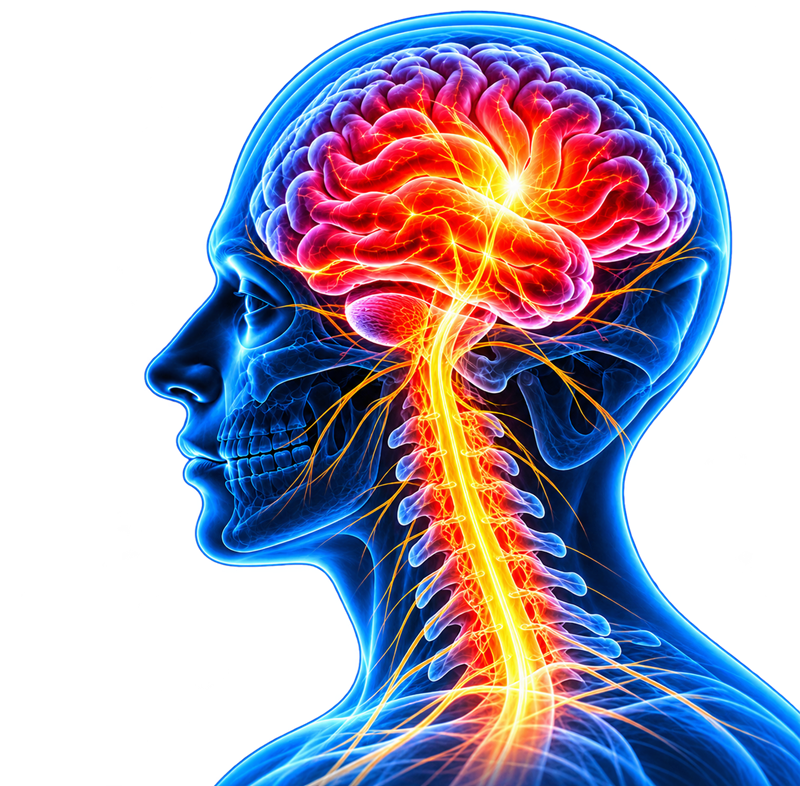
24 / 7 - Neuro Emergency Response
Round-the-clock care for acute brain and spine emergencies
Rapid CT & MRI- Emergency Neuroimaging
Prompt evaluation of stroke, brain injuries and spinal emergencies
Neurosurgery - Emergency Surgical Support
Timely intervention for critical brain and spinal conditions
Neuro ICU - Specialised Critical Care
Continuous monitoring and support for critically ill neurological patients
Emergency Signs
- Sudden weakness or paralysis
- Loss of consciousness
- Seizures
- Severe or sudden headache
- Confusion
- Difficulty speaking
- Vision changes
- Severe back or neck pain with weakness or numbness
- Loss of bladder or bowel control may be a medical emergency.
Seek immediate emergency care. Call PACE Hospitals: 04048486868.
What Is a Brain & Spine Emergency?
A brain and spine emergency is a sudden or rapidly worsening condition affecting the brain, spinal cord, or nerves that needs immediate medical attention. It may involve a stroke, brain haemorrhage, severe head injury, seizures, loss of consciousness, spinal cord injury, nerve compression, or sudden weakness or paralysis.
PACE Hospitals provides 24/7 emergency brain and spine care in Hyderabad for patients with suspected neurological or spinal emergencies. The emergency team assesses the condition quickly, starts stabilisation and treatment, and coordinates with neurologists, neurosurgeons, spine specialists, critical care specialists, diagnostic teams, and other specialists when required.
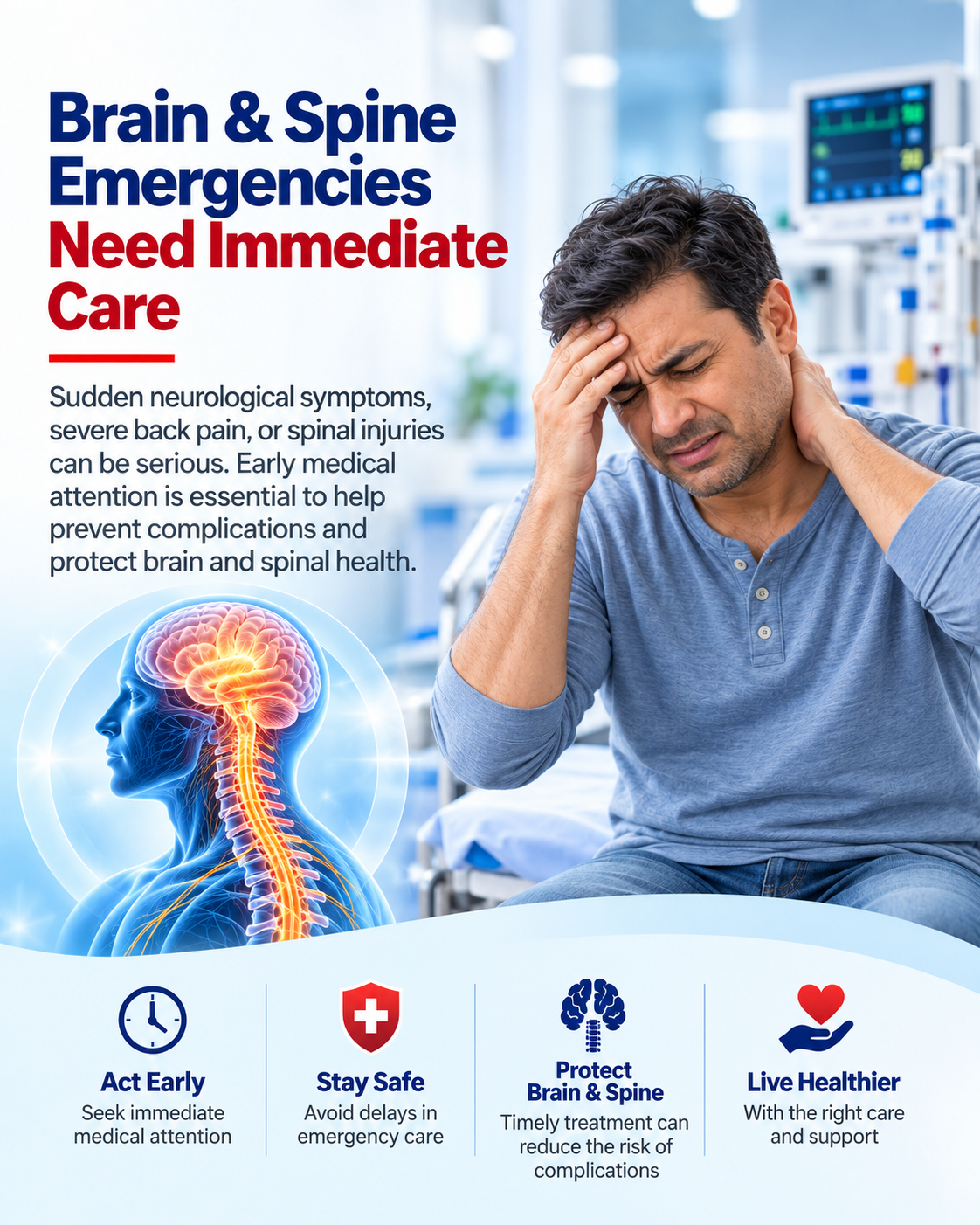
Brain and spine emergencies can cause permanent brain, nerve, or spinal cord damage if not treated on time. Early treatment helps to restore blood flow, control bleeding or pressure, protect brain and spinal cord function, manage seizures, support breathing and circulation, and reduce the risk of long-term complications.
When to Seek Emergency Care for Brain & Spine Symptoms?
Immediate medical attention is needed if any of the following symptoms occur:
Sudden weakness, numbness, or paralysis, particularly on one side of the body.
Sudden difficulty speaking, understanding speech, or communicating.
Sudden vision loss, double vision, or vision changes.
Sudden severe headache.
Sudden loss of balance, difficulty walking, severe dizziness, or coordination problems.
Seizures, particularly a first-time seizure or a seizure lasting several minutes.
Sudden confusion, unusual behaviour, severe drowsiness, or loss of consciousness.
Severe headache, vomiting, confusion, or drowsiness after a head injury.
Severe neck or back pain associated with weakness, numbness, or difficulty moving the arms or legs.
New symptoms like loss of bladder or bowel control along with back pain or numbness near groin or buttocks.
Sudden collapse or inability to wake or respond normally.
Difficulty breathing associated with a suspected spinal cord injury or severe neurological symptoms.
Symptoms such as sudden weakness, speech difficulty, vision changes, severe headache, seizures, or loss of consciousness can sometimes indicate a stroke, brain haemorrhage, seizure disorder, head injury, or another serious neurological condition. Severe back or neck pain with weakness, numbness, or bladder or bowel problems may indicate pressure or injury affecting the spinal cord or nerves.
Do Not Ignore Sudden Neurological or Spinal Symptoms
Not every headache, backache, dizziness, or episode of numbness is caused by a serious neurological problem. However, don't assume these sudden or severe symptoms are minor without medical evaluation.
Treat brain or spine symptoms as an emergency when they are:
- Sudden or rapidly worsening.
- Associated with weakness, paralysis, numbness, or difficulty moving.
- Accompanied by speech or vision problems.
- Associated with seizures, confusion, or loss of consciousness.
- A severe or unusual headache, particularly when accompanied by vomiting, weakness, or confusion.
- Associated with a recent head, neck, or spinal injury.
- Severe back or neck pain associated with weakness, numbness, or difficulty walking.
- Associated with new loss of bladder or bowel control.
- Accompanied by difficulty breathing or sudden collapse.
For severe neurological or spinal symptoms, ambulance transport is generally safer than driving to the hospital, particularly when the person has reduced consciousness, seizures, paralysis, severe weakness, breathing difficulty, or a suspected stroke or spinal injury. Emergency assessment and supportive care can begin during transfer when needed.
Not all chest pain is caused by heart disease. It may be related to the lungs, food pipe, stomach, muscles, ribs, or nerves. However, it is not safe to assume that chest pain is minor without medical evaluation.
Treat chest pain as an emergency when it is:
- New or unexplained.
- Severe or persistent.
- Associated with sweating, nausea, or breathlessness.
- Accompanied by fainting or severe dizziness.
- Spreading to the arm, jaw, neck, shoulder, back, or upper abdomen.
- Present in a person with diabetes, high blood pressure, high cholesterol, kidney disease, or known heart disease.
- For severe symptoms, ambulance transport is generally safer than driving to the hospital because emergency assessment and support can begin during transfer when needed.
Not all chest pain is caused by heart disease. It may be related to the lungs, food pipe, stomach, muscles, ribs, or nerves. However, it is not safe to assume that chest pain is minor without medical evaluation.
Treat chest pain as an emergency when it is:
- New or unexplained.
- Severe or persistent.
- Associated with sweating, nausea, or breathlessness.
- Accompanied by fainting or severe dizziness.
- Spreading to the arm, jaw, neck, shoulder, back, or upper abdomen.
- Present in a person with diabetes, high blood pressure, high cholesterol, kidney disease, or known heart disease.
- For severe symptoms, ambulance transport is generally safer than driving to the hospital because emergency assessment and support can begin during transfer when needed.
Common Brain & Spine Emergencies Treated at PACE Hospitals
Stroke and Transient Ischaemic Attack (TIA)
A stroke occurs when the blood flow to part of the brain is blocked or when a blood vessel in the brain ruptures and causes bleeding. A transient ischaemic attack (TIA) causes similar symptoms due to temporary disruption of blood flow and requires urgent medical assessment because it can be a warning sign of a future stroke.
Stroke is a medical emergency. Early assessment with brain imaging and other tests helps determine whether the stroke is caused by a blocked or bleeding blood vessel. Treatment may include clot-busting medicines for selected patients, mechanical thrombectomy for eligible large-vessel blockages, treatment of brain swelling, or management of brain bleeding depending on the type of stroke and timing.
Symptoms may include:
- Sudden weakness or numbness of the face, arm, or leg, particularly on one side.
- Sudden difficulty speaking or understanding speech.
- Sudden vision changes or loss of vision.
- Sudden dizziness, difficulty walking, or loss of balance.
- Sudden severe headache, particularly when associated with other neurological symptoms.
- Confusion or reduced alertness.
Brain Haemorrhage
A brain haemorrhage occurs when a blood vessel in or near the brain ruptures and causes bleeding. The bleeding can increase pressure inside the skull and damage surrounding brain tissue.
Brain haemorrhage requires immediate medical assessment and monitoring. Treatment may include controlling blood pressure, reversing certain blood-thinning medicines when appropriate, managing brain swelling and pressure, and neurosurgical or endovascular treatment for selected patients.
Symptoms may include:
- Sudden severe headache.
- Vomiting.
- Weakness or numbness.
- Difficulty speaking.
- Confusion or unusual behaviour.
- Seizures.
- Drowsiness or loss of consciousness.
Seizure Emergencies
A seizure occurs when there is abnormal electrical activity in the brain. Some seizures stop on their own, while prolonged or repeated seizures can become a medical emergency.
Emergency treatment may include medicines to stop prolonged seizures, oxygen and airway support, blood glucose and other blood tests, brain imaging, and treatment of the underlying cause. Patients with ongoing seizures may require intensive care and continuous monitoring.
Emergency assessment is particularly important when:
- It is the person's first seizure.
- The seizure lasts longer than five minutes.
- Seizures occur repeatedly without recovery of consciousness.
- The person has difficulty breathing or does not regain consciousness.
- The seizure causes a significant injury.
- The seizure occurs during pregnancy or in a person with a serious underlying condition.
Severe Head Injury
A severe head injury can damage the brain, cause bleeding inside the skull, or increase pressure around the brain. Serious injuries may occur after road accidents, falls, sports injuries, or other forms of trauma.
Emergency treatment may include stabilisation of the airway and circulation, neurological monitoring, CT or other imaging, treatment of brain swelling or bleeding, and neurosurgical intervention when required.
Symptoms may include:
- Loss of consciousness.
- Repeated vomiting.
- Worsening headache.
- Confusion or unusual behaviour.
- Excessive drowsiness or difficulty waking.
- Seizures.
- Weakness, numbness, or difficulty speaking.
- Unequal pupils or changes in vision.
Spinal Cord Injury
A spinal cord injury occur when trauma damages the spinal cord or the nerves around it. Severe injuries may result in temporary or permanent weakness, paralysis, or loss of sensation.
Spinal cord injuries require urgent assessment and careful immobilisation when appropriate. Treatment may include spinal stabilisation, pain management, medicines and supportive care when indicated, and surgery to decompress or stabilise the spine in selected cases.
Symptoms may include:
- Severe neck or back pain after an injury.
- Weakness or paralysis of the arms or legs.
- Numbness or loss of sensation.
- Difficulty walking or inability to move a limb.
- Loss of bladder or bowel control.
- Difficulty breathing in severe spinal injuries.
Spinal Fractures and Dislocations
This may occur after a major accident, fall, or other high-impact injury. Some spinal injuries can affect the spinal cord or nearby nerves.
Emergency evaluation may include X-rays, CT scans, or MRI depending on the suspected injury. Treatment may involve immobilisation, pain management, bracing, and surgical stabilisation or decompression for selected unstable fractures or injuries affecting the spinal cord or nerves.
Symptoms may include:
- Severe neck or back pain.
- Tenderness or swelling over the spine.
- Weakness or numbness in the arms or legs.
- Difficulty standing or walking.
- Changes in bladder or bowel control.
Raised Intracranial Pressure and Brain Swelling
Swelling or increased pressure inside the skull can occur after a head injury, stroke, brain haemorrhage, infection, or other neurological conditions. Severe pressure can affect normal brain function and may become life-threatening.
Treatment focuses on identifying and treating the underlying cause, monitoring neurological status, managing intracranial pressure, and providing respiratory or critical care support when necessary. In some selected patients, neurosurgical procedure is done to relieve pressure or treat the underlying problem.
Symptoms may include:
- Worsening headache.
- Repeated vomiting.
- Increasing drowsiness or confusion.
- Changes in vision.
- Seizures.
- Loss of consciousness.
Brain & Spine Emergency Assessment and Diagnosis
Patients with suspected brain and spine emergencies are assessed according to the urgency and severity of their condition. The first priority is to identify and treat life-threatening problems without delay.
01
Rapid Triage and Initial Stabilisation
The emergency team may immediately assess:
- Airway, breathing, circulation, and level of consciousness.
- Pulse, blood pressure, oxygen level, temperature, and blood glucose.
- Sudden weakness, numbness, paralysis, speech or vision changes, confusion, seizures, or loss of consciousness.
- Headache, dizziness, vomiting, neck pain, or back pain and how suddenly the symptoms developed.
- Strength, sensation, coordination, balance, reflexes, and movement of the limbs.
- History of stroke, seizures, head injury, spine problems, or previous neurological conditions.
- History of high blood pressure, diabetes, blood-clotting problems, or other relevant medical conditions.
- Current medicines, including blood thinners and seizure medicines.
- Medicine allergies.
- New loss of bladder or bowel control or numbness around the groin or buttocks in patients with back pain.
- Need for oxygen, intravenous (IV) access, seizure control, spinal immobilisation, resuscitation, or critical care support.
02
Neurological Examination
A neurological examination helps doctors assess how the brain, spinal cord, and nerves are functioning. It may include checking:
- Level of consciousness and orientation.
- Speech and ability to understand or communicate.
- Movement and strength of the arms and legs.
- Sensation and reflexes.
- Pupillary responses and eye movements.
- Coordination and balance.
- Signs of nerve or spinal cord involvement.
These findings help doctors identify possible stroke, brain injury, seizures, spinal cord compression, or other neurological emergencies.
03
Brain and Spine Imaging
Depending on the symptoms and initial examination, imaging tests may include:
- CT scan of the brain.
- CT angiography.
- MRI of the brain.
- MRI of the spine.
- CT scan of the spine.
- X-rays
04
Blood and Additional Tests
Depending on the patient's condition, further tests may include:
- Complete blood count.
- Blood glucose.
- Kidney function tests.
- Electrolytes.
- Blood clotting tests.
- Blood gas analysis.
- Toxicology or drug-related tests.
- Infection-related blood tests and cultures.
- Lumbar puncture
These assessments and investigations help identify stroke, brain haemorrhage, traumatic brain injury, seizures, meningitis, spinal cord compression, spinal fractures, nerve injuries, and other serious brain and spine conditions.
Brain & Spine Emergency Treatment at PACE Hospitals
Brain and spine emergency treatment depends on the diagnosis, symptoms, medical history, examination findings, imaging results, and overall clinical condition. The emergency team first stabilises the patient and then coordinates neurological, neurosurgical, spine, critical care, and other specialist treatment when required.
Emergency Brain & Spine Care May Include
- Continuous monitoring of vital signs and level of consciousness.
- Blood pressure, oxygen level, heart rate, and blood glucose monitoring.
- Oxygen support when clinically needed.
- Intravenous (IV) access and fluid management.
- Medicines to control seizures, pain, swelling, blood pressure, or other symptoms.
- Emergency treatment to restore blood flow in selected stroke patients.
- Medicines to prevent or reduce further blood clot formation when clinically indicated.
- Management of increased pressure inside the skull when required.
- Spinal immobilisation for suspected spinal injuries.
- Monitoring of neurological function, including strength, sensation, speech, and consciousness.
- Airway support and ventilator support for severe neurological or respiratory problems.
- Emergency neurosurgical or spine surgery when required.
- ICU admission for close observation and specialised care.
Stroke Emergency Treatment
Stroke treatment begins with rapid assessment, neurological examination, blood glucose testing, and urgent brain imaging to determine that the stroke is caused by a blocked blood vessel or bleeding.
For eligible patients with an ischaemic stroke, treatment may include:
- Intravenous clot-busting treatment within the appropriate treatment window when clinically suitable.
- Mechanical thrombectomy to remove a blood clot in selected patients with a large-vessel blockage.
- Medicines and supportive treatment to manage blood pressure, blood glucose, and other risk factors.
- Monitoring for brain swelling and other complications.
- ICU or specialised stroke-unit care when required.
Haemorrhagic stroke treatment focuses on controlling bleeding, managing blood pressure and pressure inside the skull, reversing blood-thinning medicines when needed, and neurosurgical intervention in selected cases.
Brain Haemorrhage Emergency Treatment
Emergency treatment for a brain haemorrhage requires immediate stabilisation of airway, breathing, and circulation, alongside urgent neurosurgical evaluation.
Treatment includes:
- Close monitoring of consciousness, blood pressure, and neurological function.
- Medicines to control blood pressure when appropriate.
- Reversal of blood-thinning medicines when clinically indicated.
- Treatment of increased pressure inside the skull.
- Seizure management when required.
- Drainage of accumulated blood or fluid in selected cases.
- Emergency neurosurgery for certain haemorrhages.
- ICU care and ventilator support when necessary.
Seizure Emergency Treatment
A prolonged seizure or repeated seizures without recovery between episodes can be a medical emergency. Treatment aims to stop the seizure, protect breathing, and identify the underlying cause.
Treatment may include:
- Medicines to stop an ongoing seizure.
- Oxygen and airway support when required.
- Correction of low blood glucose or abnormal electrolytes.
- Treatment of infections, head injuries, medication-related causes, or other triggers.
- Continuous neurological and vital-sign monitoring.
- ICU care for prolonged or difficult-to-control seizures.
Spinal Emergency Treatment
Spinal emergencies may involve spinal cord compression, fractures, dislocations, or injuries causing weakness, numbness, paralysis, or bladder and bowel problems.
Treatment may include:
- Spinal immobilisation and precautions.
- Pain management.
- Medicines to manage associated symptoms.
- Imaging to assess the spinal cord, vertebrae, and surrounding structures.
- Reduction or stabilisation of spinal injuries when required.
- Emergency surgery to relieve spinal cord or nerve compression in selected cases.
- Fracture fixation or spinal stabilisation when necessary.
- Rehabilitation planning after the acute condition is controlled.
Head Injury Emergency Treatment
Severe head injuries may cause bleeding, skull fractures, brain swelling, or other complications. Treatment depends on the type and severity of the injury.
Treatment may include:
- Neurological monitoring and repeated assessment of consciousness.
- CT or MRI when indicated.
- Observation for delayed bleeding or neurological deterioration.
- Management of increased pressure inside the skull.
- Treatment of seizures.
- Surgical evacuation of certain intracranial blood collections.
- Repair of selected skull or associated injuries.
- ICU and ventilator support for severe traumatic brain injuries.
Acute Spinal Cord Compression Treatment
Sudden spinal cord or nerve compression can cause weakness, numbness, severe pain, or bladder and bowel problems. Early treatment is important to reduce the risk of permanent neurological damage.
Treatment may include:
- Urgent neurological assessment and MRI.
- Pain management and supportive care.
- Treatment of the underlying cause.
- Emergency surgery to treat the decompress the spinal cord or nerves when indicated.
- Spinal stabilisation for selected fractures or structural problems.
- Rehabilitation and physiotherapy after stabilisation.
What to Do During a Suspected Brain & Spine Emergency?
Call emergency medical services immediately if there is sudden weakness, paralysis, loss of consciousness, seizure, severe headache, confusion, or other serious neurological symptoms.
- Keep the person in a safe and comfortable position and avoid unnecessary movement.
- If a spinal injury is suspected, do not move the person's neck or spine unless there is an immediate danger.
- If the person has sudden symptoms suggestive of stroke, note the time when the symptoms first started or when the person was last known to be well.
- Do not give food, drinks, or medicines by mouth if the person is unconscious, very drowsy, confused, or has difficulty swallowing.
- Follow instructions provided by emergency medical professionals.
- Do not allow the person to drive themselves to the hospital.
- If the person has a seizure, protect them from nearby objects, do not restrain them, and do not put anything in their mouth.
- If the person becomes unresponsive and is not breathing normally, begin CPR if trained and follow emergency medical instructions.
The safest approach is to obtain professional emergency help quickly rather than waiting for neurological or spine symptoms to improve, particularly when symptoms develop suddenly or are getting worse.
Why Timely Brain & Spine Emergency Care Matters?
A stroke, brain haemorrhage, severe head injury, prolonged seizure, spinal cord compression, or major spinal injury can worsen quickly and may cause permanent neurological damage. Timely brain and spine emergency care helps doctors identify the condition, stabilise the patient, and begin appropriate treatment without delay.
Neurology emergency care can help to:
- Identify stroke, brain bleeding, seizures, and spinal emergencies early.
- Support breathing, blood pressure, circulation, and consciousness.
- Restore blood flow in eligible patients with certain types of stroke.
- Control seizures and manage increased pressure inside the skull when required.
- Prevent further injury following severe head or spinal trauma.
- Relieve pressure on the brain, spinal cord, or nerves when emergency surgery is required.
- Stabilise spinal fractures, dislocations, and other serious spinal injuries.
- Monitor patients who require ICU or specialised neurological care.
- Coordinate care among emergency medicine, neurology, neurosurgery, spine surgery, critical care, radiology, and rehabilitation teams.
Who Is at Higher Risk of Brain & Spine Emergencies?
Brain and spine emergencies can occur in anyone. However, the risk may be higher in people with:
- Previous stroke, transient ischaemic attack (TIA), brain haemorrhage, or seizures.
- High blood pressure.
- Diabetes or high cholesterol.
- Known blood-clotting disorders.
- Previous head or spinal injury.
- Known brain, spinal cord, or neurological conditions.
- Use of blood-thinning medicines.
- Older age.
- Conditions or treatments that weaken the immune system, which may increase the risk of certain brain or spinal infections.
- High-risk activities or occupations that increase the chance of falls, road traffic injuries, or other major trauma.
Even in the absence of these risk factors, sudden weakness, paralysis, loss of consciousness, seizures, severe headache, difficulty speaking, vision changes, or severe back or neck pain with numbness or weakness should be assessed immediately.
Brain & Spine Emergency Care at PACE Hospitals
PACE Hospitals provides 24/7 emergency and trauma care in Hyderabad for patients with suspected stroke, sudden weakness or paralysis, seizures, loss of consciousness, severe head injuries, brain haemorrhage, spinal cord injuries, and other critical brain and spine conditions. The emergency department coordinates with neurology, neurosurgery, spine, critical care, diagnostic, imaging, and other specialist teams according to the patient’s needs.
Emergency Brain & Spine Care Pathway Includes:
- Immediate triage: Rapid assessment of symptoms, vital signs, level of consciousness, neurological function, and emergency needs.
- Neurological monitoring: Assessment of speech, movement, strength, sensation, pupils, coordination, oxygen levels, blood pressure, and other required parameters.
- Rapid diagnosis: Brain or spine imaging such as CT or MRI, blood tests, and specialist neurological or neurosurgical evaluation when needed.
- Stabilisation and treatment: Medicines, seizure control, airway or breathing support, spinal immobilisation, treatment to reduce brain pressure, or emergency procedures based on the diagnosis.
- Specialist intervention: Clot-busting treatment or mechanical thrombectomy for selected strokes, neurosurgery for certain brain haemorrhages or head injuries, or emergency spine surgery for selected spinal cord or nerve compression.
- Ongoing care: Admission to ICU, stroke or neurological care, ward, rehabilitation services, or transfer to the appropriate speciality service when required.
Need urgent help? For sudden weakness or paralysis, difficulty speaking, seizures, loss of consciousness, severe or sudden headache, serious head injury, or severe back or neck pain with weakness or numbness, seek emergency care immediately.
Call PACE Hospitals:
04048486868.
When Should You Call an Ambulance for a Brain & Spine Emergency?
Call emergency medical services immediately if someone has:
- Sudden weakness or numbness, especially on one side of the body.
- Sudden difficulty speaking, understanding speech, or facial drooping.
- Sudden loss or severe change in vision.
- Sudden, severe headache, particularly if it is unusual or accompanied by vomiting, confusion, or weakness.
- Seizure, especially a first-time seizure or a seizure that does not stop.
- Sudden loss of consciousness or unresponsiveness.
- Severe head injury followed by worsening headache, repeated vomiting, confusion, drowsiness, or loss of consciousness.
- Severe neck or back pain with weakness, numbness, or difficulty moving the limbs.
- New loss of bladder or bowel control with back pain or numbness around the groin or buttocks.
- Sudden paralysis, inability to walk, or there is worsening neurological symptoms.
For suspected stroke, severe head injury, spinal cord compression, or other serious neurological emergencies, emergency medical transport is preferred because assessment and supportive care can begin during transfer when required.
Do not delay emergency care to arrange your own transport if the person is seriously unwell.
Frequently Asked Questions on Brain and Spine Emergencies
When should someone with a neurological symptom go to the emergency department?
A neurological symptom should be assessed urgently if it is sudden, severe, or keeps getting worse. Warning signs include weakness or numbness on one side of the body, difficulty speaking, sudden vision changes, seizures, loss of consciousness, severe or sudden headache, confusion, difficulty walking, or new loss of bladder or bowel control. These symptoms can sometimes indicate a stroke, brain injury, spinal cord problem, or another serious condition.
Can a brain or spine emergency occur without severe pain?
Yes, some serious brain and spine emergencies may occur without any pain. Conditions like stroke may cause sudden weakness, speech difficulty, facial drooping, or changes in vision without causing a headache. Similarly, spinal cord compression may present as weakness, numbness, trouble walking, or problems in bladder or bowel function.
Can neurological symptoms suddenly become life-threatening?
Yes, there are some neurological conditions that can worsen rapidly and may affect consciousness, breathing, movement, or other important body functions. Stroke, brain haemorrhage, prolonged seizures, severe head injury, and spinal cord emergencies can be life-threatening. Sudden deterioration, loss of consciousness, seizures, breathing difficulty, increasing weakness, or confusion requires immediate emergency medical attention.
What should not be done during a suspected brain or spine emergency?
If a person is suspected of having a brain or spinal emergency, do not do these:
Do not ignore or wait for sudden neurological symptoms to improve, particularly when stroke or spinal injury is suspected.
Do not give food, drinks, or medicines to a person who is unconscious, very drowsy, confused, or having difficulty swallowing.
Avoid moving someone with a suspected serious head, neck, or spine injury unless necessary for immediate safety.
Seek emergency medical help and follow the instructions provided by emergency professionals.
Why is every minute important during a stroke?
A stroke caused by a blocked blood vessel can deprive part of the brain of oxygen and nutrients, leading to progressive brain injury. Some treatments help to restore blood flow in selected patients, but stroke is time-sensitive and works best when given as early as possible.
Is a brain haemorrhage an emergency?
Yes, a brain haemorrhage is a medical emergency because bleeding inside or around the brain can increase pressure and damage brain tissue. It may cause a sudden severe headache, vomiting, weakness or numbness on one side, difficulty speaking, confusion, seizures, or loss of consciousness.
Is a sudden, extremely severe headache a medical emergency?
A sudden, extremely severe headache that reaches maximum intensity within seconds or minutes can be a warning sign of bleeding around the brain, particularly a subarachnoid haemorrhage. It should not be ignored, if accompanied by vomiting, neck stiffness, weakness, confusion, seizures, vision changes, or loss of consciousness. Seek medical emergency evaluation to identify the cause and start treatment when necessary.
When is a head injury considered an emergency?
A head injury needs emergency medical attention when there is loss of consciousness, repeated vomiting, worsening or severe headache, confusion, unusual behaviour, excessive drowsiness, seizures, weakness or numbness, difficulty speaking or walking, vision changes, or fluid or blood coming from the nose or ears.
Can a head injury cause bleeding inside the brain without an obvious wound?
Yes, a person can have bleeding inside or around the brain even when there is no visible cut or any major injury on the scalp. Some internal bleeding may develop or become noticeable hours or even days after the injury. Worsening headache, repeated vomiting, increasing sleepiness, confusion, weakness, seizures, or loss of consciousness after a head injury are warning signs that require immediate medical attention.
Why is a seizure lasting more than five minutes an emergency?
A seizure lasting more than five minutes, or repeated seizures without the person regaining consciousness between them, can be status epilepticus, which is a potentially life-threatening emergency. A prolonged seizure can interfere with breathing and may cause brain or other organ injury. Do not wait; seek emergency medical treatment to stop the seizure and support breathing and other vital functions.
Can a brain tumour cause a neurological emergency?
Yes, a brain tumor can sometimes cause a neurological emergency if it causes significant swelling, bleeding, blockage of normal fluid flow, or pressure on important areas of the brain. Warning signs include sudden or worsening severe headache, repeated vomiting, drowsiness, seizures, confusion, new weakness or numbness, difficulty speaking, vision changes, or loss of consciousness. These symptoms require immediate medical evaluation.
What symptoms can indicate increased pressure inside the skull?
Increased pressure inside the skull can cause symptoms such as a worsening headache, repeated vomiting, blurred or double vision, increasing drowsiness, confusion, changes in behaviour, difficulty walking, or problems with coordination. Severe pressure may cause seizures, weakness, changes in consciousness, or loss of consciousness. Sudden or rapidly worsening symptoms should be treated as an emergency.
When does a known brain tumor require emergency medical attention?
A person with a known brain tumor should seek emergency medical care if there is a sudden change or significant worsening of their usual symptoms. New seizures, severe or rapidly worsening headache, repeated vomiting, new weakness or numbness, difficulty speaking or walking, vision changes, confusion, extreme drowsiness, or loss of consciousness can indicate complications that need urgent assessment. Do not assume a new symptom is simply part of the tumour or its treatment.
What is a spinal emergency?
A spinal emergency is a condition affecting the spine, spinal cord, or nearby nerves that needs urgent medical assessment and treatment to prevent serious or permanent damage. It may result from a severe injury, spinal cord compression, fracture, infection, bleeding, or another structural problem. Severe back or neck pain accompanied by weakness, paralysis, numbness, difficulty walking, or new loss of bladder or bowel control requires immediate medical attention.
Can spinal cord compression cause permanent nerve damage?
Yes, spinal cord compression can reduce the normal function of the spinal cord and nerves. If serious compression is not treated promptly, it may result in lasting weakness, numbness, difficulty walking, paralysis, or bladder and bowel problems. The outcome depends on the cause, severity, location, and duration of compression, so symptoms such as rapidly worsening weakness, numbness, or bladder or bowel changes should be assessed urgently.
Conclusion
Brain and spine emergencies require rapid assessment and timely treatment. Sudden weakness or paralysis, loss of consciousness, seizures, severe or sudden headache, confusion, difficulty speaking, vision changes, severe neck or back pain with weakness or numbness, or loss of bladder or bowel control should be treated as warning signs that need immediate medical attention.
PACE Hospitals provides emergency brain and spine care in Hyderabad for patients with suspected stroke, brain haemorrhage, traumatic brain injury, seizures, spinal cord injuries, spinal emergencies, and other urgent neurological conditions. Prompt emergency treatment can help identify the cause, stabilise the patient, prevent further neurological damage, and begin appropriate medical or surgical care without delay.


