
Hernia Surgery - Types, Benefits & Procedure
PACE Hospitals offers comprehensive hernia surgery in Hyderabad, India, providing personalized treatment based on the type, size, location, and severity of the hernia, as well as the patient's overall health. Our experienced gastrointestinal and laparoscopic surgeons perform hernia repair surgery using advanced open and laparoscopic techniques, aiming to relieve symptoms, prevent complications, strengthen the weakened abdominal wall, and restore normal function. Every treatment plan is carefully tailored to ensure safety, precision, faster recovery, and long-lasting outcomes.
Book an Appointment for Hernia Surgery
Hernia Surgery Appointment
Why Choose PACE Hospitals for Hernia Surgery?
Expert surgical Gastroenterologist for Inguinal, Umbilical, Incisional, Recurrent & Complex Hernias
Personalised Hernia Repair with Open, Laparoscopic, Secure Mesh Placement, Less Pain & Faster Recovery
Transparent Hernia Surgery with Insurance & Cashless Options
Recognized for excellence in healthcare delivery with
NABH, NABL, NBE/DNB, NABH Nursing Excellence, and ISCCM accreditations.
What is Hernia Surgery?
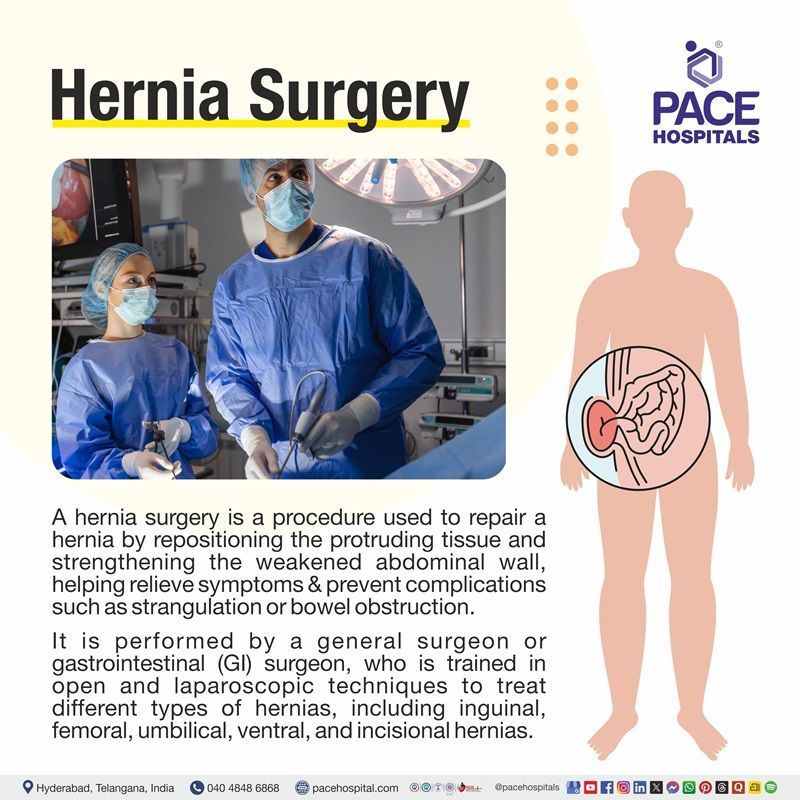
Hernia surgery is a medical procedure performed to repair a hernia. It is performed to relieve symptoms such as pain or discomfort, prevent serious complications like strangulation or bowel obstruction, and restore normal abdominal wall integrity. In this procedure, the protruding tissue or organ is gently pushed back into the abdominal cavity, and the weakened area is repaired.
Hernia surgery is performed by a general surgeon or a gastrointestinal (GI) surgeon who specializes in abdominal wall reconstruction and minimally invasive procedures. These hernia surgeons are specially trained in both open and laparoscopic hernia repair techniques to diagnose, manage, and surgically correct different types of hernias, including inguinal hernias, femoral hernias, umbilical hernias, ventral hernias, and incisional hernias.
Over time, it has advanced from traditional tissue-based repairs-which often had higher chances of recurrence-to latest tension-free techniques that use synthetic mesh for reinforcement. These newer methods have greatly improved surgical outcomes and lowered the risk of hernia recurrence.
Types of Hernia Surgery
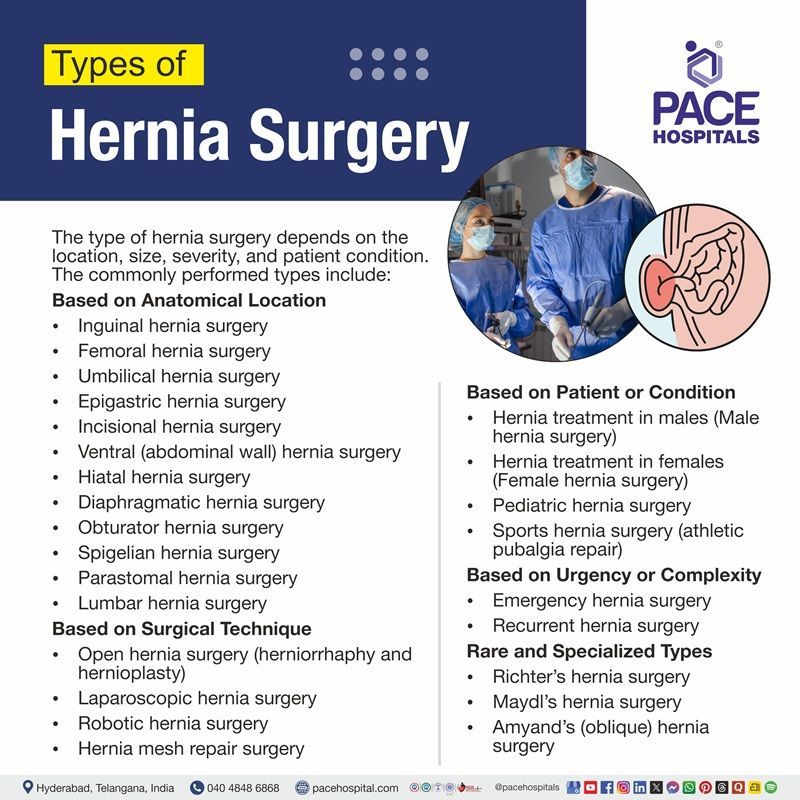
The type of hernia surgery depends on the anatomical location or size, surgical technique, and severity of the hernia, as well as the patient’s overall health condition and surgical history. Below are the commonly performed types of hernia repair surgery procedures:
Based on Anatomical Location
- Inguinal hernia surgery
- Femoral hernia surgery
- Umbilical hernia surgery
- Epigastric hernia surgery
- Incisional hernia surgery
- Ventral (Abdominal Wall) hernia surgery
- Hiatal hernia surgery
- Diaphragmatic hernia surgery
- Obturator hernia surgery
- Spigelian hernia surgery
- Parastomal hernia surgery
- Lumbar hernia surgery
Based on Surgical Technique
- Open hernia surgery – Herniorrhaphy and Hernioplasty
- Laparoscopic hernia surgery
- Robotic hernia surgery
- Hernia mesh repair surgery
Based on Patient or Condition
- Hernia Treatment in Males (Male hernia surgery)
- Hernia Treatment in Females (Female hernia surgery)
- Pediatric hernia surgery
- Sports hernia surgery (Athletic Pubalgia Repair)
Based on Urgency or Complexity
- Emergency hernia surgery
- Recurrent hernia surgery
- Rare and Specialized Types
- Richter’s Hernia Surgery
- Maydl’s Hernia Surgery
- Oblique (Amyand’s) Hernia Surgery
Based on Anatomical Location
Inguinal hernia surgery
It is a common general surgical procedure used to repair a groin hernia or an inguinal hernia by returning tissue to the abdomen and reinforcing the posterior inguinal wall-either open (mesh/tension-free) surgery or laparoscopic/robotic surgery when suitable. The Lichtenstein tension-free repair is currently the standard and most widely practiced method for inguinal hernia surgery.
Femoral hernia surgery
This procedure involves repairing femoral hernia just below the groin (in the upper thigh), inguinal ligament (higher strangulation risk) using open preperitoneal or laparoscopic techniques with mesh when feasible; timely surgery is recommended. Women who have a higher relative risk of femoral hernia and occult femoral defects; accurate diagnosis and repair (often with mesh) are important to prevent strangulation.
Umbilical hernia surgery
This technique repairs umbilical hernia and fixes a defect near the belly button by reducing the sac and closing the fascia, commonly with mesh for adult defects. Umbilical hernia surgery is generally advised when patients have symptomatic, enlarging hernias, or those at risk of incarceration or strangulation.
Epigastric hernia surgery
This surgery focuses on midline lesions between the umbilicus and the sternum; treatment involves removing preperitoneal fat or sac and closing the fascia, which is sometimes done using small-patch mesh for bigger defects.
Incisional hernia surgery
It is performed to repair a hernia that develops at the site of a previous surgical incision (through a scar). The procedure may be carried out using open, laparoscopic, or robotic techniques, with mesh reinforcement commonly used to lower the risk of recurrence. The choice of technique depends on factors such as the size of the defect, risk of infection or contamination, and the patient’s overall condition.
Abdominal (ventral) hernia surgery
This term refers collectively to repair procedures for abdominal wall hernias excluding inguinal and hiatal types. It includes hernias such as epigastric, umbilical, incisional, and other non-inguinal abdominal wall hernias. The surgical repair focuses on restoring the defective fascial layer of the abdominal wall, typically reinforced with prosthetic mesh to reduce recurrence either by involving open, laparoscopic, or robotic techniques.
Hiatal hernia surgery
It is performed to repair a hiatal hernia, which occurs in the diaphragm muscle separating the chest and abdomen and often causes gastroesophageal reflux (symptomatic reflux) or a para-esophageal hernia. Through the procedure surgeons reduce the hernia, repair the hiatus, and usually perform an anti-reflux operation, such as a Nissen fundoplication.
Diaphragmatic hernia surgery
For congenital or acquired defects, this surgical procedure is followed to reduce abdominal organs, repair the diaphragm, and may use mesh for large gaps, some neonatal cases need specialized perioperative care in this type of hernia surgery.
Obturator Hernia Surgery
This surgery is performed for rare pelvic hernia occurring through the obturator canal, often seen in elderly women. The obturator hernia requires urgent open or laparoscopic repair due to bowel obstruction risk.
Spigelian hernia surgery
This surgery repairs a hernia through the Spigelian fascia, a layer formed by the transversus abdominis and internal oblique muscles along the side of the abdomen. It involves closing the defect and reinforcing it with an intraperitoneal mesh, usually done laparoscopically to reduce recurrence and promote faster recovery.
Parastomal hernia surgery
This procedure addresses a hernia that develops around a stoma (such as a colostomy or ileostomy site). Based upon the size and severity, treatment may involve reinforcing the abdominal wall with mesh or relocating the stoma to a new site for better support and reduced recurrence risk.
Lumbar hernia surgery
A rare hernia in the lower back region (lumbar triangle) is repaired through open or laparoscopic surgery, using mesh reinforcement to strengthen the defect and restore the structural integrity of the abdominal wall.
Based on Surgical Technique
Open hernia surgery – Herniorrhaphy and Hernioplasty
In this mode of surgery, a single incision is made over the affected area to reach the hernia. The hernia sac is carefully pushed back into the abdomen or removed. Smaller size hernias are repaired by stitching the healthy muscle edges together, known as herniorrhaphy. For larger or recurrent hernias, hernioplasty is performed using a synthetic mesh to reinforce the weakened muscle wall, minimizing tension and lowering the chance of recurrence.
Laparoscopic hernia surgery
It is also known as Keyhole surgery. In this minimally invasive approach, a slender instrument called a laparoscope is used, small ports or incisions are made to repair abdominal wall hernias, through which the laparoscope (a thin tube with a light and camera) and other specialized surgical instruments are inserted to carefully access and repair the hernia from within the abdomen with intraperitoneal or preperitoneal mesh, offering less pain and quicker recovery than many open repairs when appropriately selected. There are two main approaches to laparoscopic hernia surgery-Transabdominal Preperitoneal (TAPP) and Totally Extraperitoneal (TEP). In the TAPP method, the surgeon enters the abdominal cavity and places a mesh over the hernia defect through the peritoneum. In contrast, the TEP technique avoids entering the abdominal cavity altogether; instead, the mesh is positioned between the abdominal wall layers to reinforce the weakened area.
Robotic hernia surgery
It is a minimally invasive procedure performed through small incisions similar to laparoscopic repair. Using advanced robotic instruments controlled from a console, the hernia surgeon achieves greater precision, flexibility, and visualization during the operation. This technique is applied and especially beneficial for complex, recurrent, ventral, or incisional hernias, allowing for precise mesh placement, faster recovery, and reduced postoperative discomfort.
Hernia mesh repair surgery
In this modern hernia repair technique for most adult hernias: tension-free mesh reinforcement lowers recurrence compared with suture-only repair; material/position are chosen per hernia type and contamination risk.
Based on Patient or Condition
Hernia Treatment in Males (Male hernia surgery)
This procedure primarily treats inguinal hernias, which is common in men due to natural weaknesses in the groin region. The procedure is performed using either open or laparoscopic mesh repair techniques to reinforce the abdominal wall, reduce recurrence, and ensure faster, long-term recovery with minimal discomfort.
Hernia Treatment in Females (Female hernia surgery)
The procedure is performed to repair femoral hernias, which in common occurs more frequently in women. It involves accurately identifying and closing the hernia defect, often using mesh reinforcement to strengthen the area and prevent complications such as strangulation and recurrence.
Pediatric hernia surgery
This procedure is performed in children with congenital hernias, where the defect is present since birth. It typically involves an open, tension-free repair without mesh, as the tissues are healthy and the risk of recurrence is very low. The goal is to safely close the defect and restore normal anatomy with minimal discomfort and quick recovery.
Sports hernia surgery (Athletic Pubalgia Repair)
This surgery is done to repair soft-tissue injuries in athletes who experience chronic groin pain due to weakened abdominal or inguinal structures. If physiotherapy and conservative treatments fail, the procedure involves reinforcing the posterior inguinal wall to restore stability and relieve pain, allowing athletes to return to activity safely.
Based on Urgency or Complexity
Emergency hernia surgery
This operation is performed when a hernia becomes incarcerated or strangulated, cutting off blood supply to the trapped tissue. Immediate surgical intervention is highly required to prevent tissue death and bowel obstruction, ensuring the patient's safety and recovery.
Recurrent hernia surgery
This procedure is performed in patients whose hernia has returned after a previous repair. Using laparoscopic or robotic mesh techniques, surgeons reinforce the weakened tissue and correct the defect, minimizing tension and reducing the chance of another recurrence.
Rare and Specialized Hernia Surgeries
Richter’s hernia surgery
This surgery is performed when a portion of the bowel wall becomes trapped in a small hernia defect, leading to restricted blood flow. It requires urgent surgical repair to release the trapped segment and prevent bowel strangulation or tissue death.
Maydl’s hernia surgery
A rare and complex hernia involving two bowel loops within the hernia sac, forming a closed loop that can quickly become strangulated. Treatment involves open surgical reduction and repair of the defect to restore normal intestinal function and prevent complications.
Oblique (Amyand’s) hernia surgery
In this uncommon type of hernia, the appendix is found within the hernia sac. Depending on the condition of the appendix, the procedure may include an appendectomy along with hernia repair, often reinforced with mesh to prevent recurrence.
Indications for Hernia Surgery
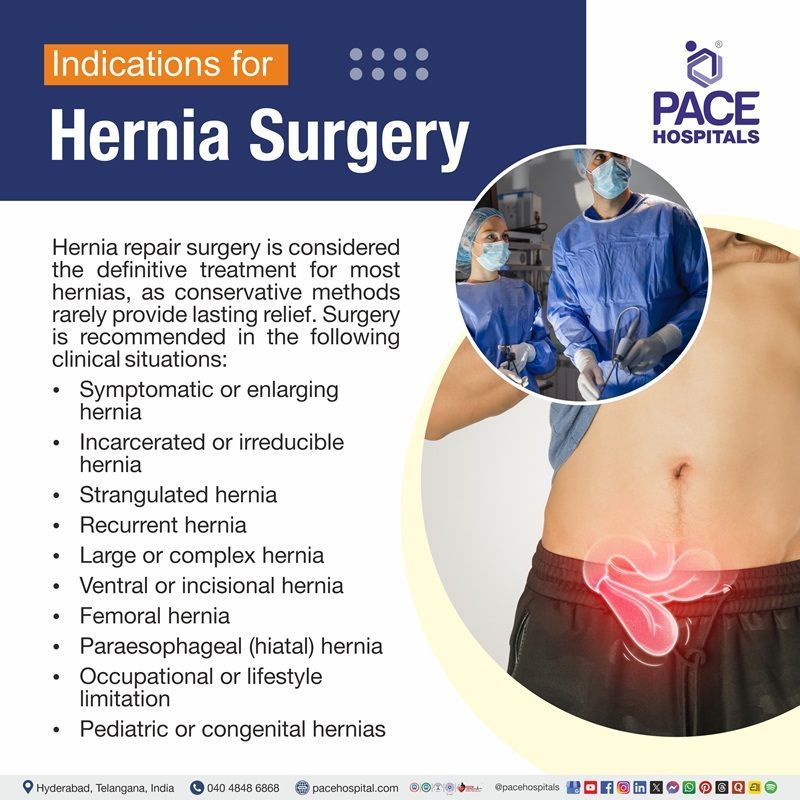
Hernia repair surgery is considered the assured treatment for most hernias, as conservative management rarely provides long-term relief. Below given points are the key clinical situations where hernia surgery is recommended:
- Symptomatic or Enlarging Hernia
- Incarcerated Hernia
- Strangulated Hernia
- Irreducible Hernia
- Recurrent Hernia
- Large or Complex Hernia
- Ventral or Incisional Hernia with Cosmetic or Functional Issues
- Femoral Hernia (Especially in Females)
- Paraesophageal (Hiatal) Hernia with Reflux or Obstruction
- Occupational or Lifestyle Limitation
- Pediatric or Congenital Hernias
Symptomatic or Enlarging Hernia
Patients presenting with pain, discomfort, or visible enlargement of the hernia are candidates for repair. Progressive hernias can lead to bowel obstruction or strangulation if left untreated.
Incarcerated Hernia
An incarcerated hernia occurs when herniated tissue becomes trapped and cannot be pushed back into the abdominal cavity. This condition is a surgical emergency, as it can quickly progress to strangulation and tissue death if not treated promptly.
Strangulated Hernia
When blood flow to the herniated tissue is cut off, it becomes strangulated, causing severe pain, nausea, vomiting, and potential bowel ischemia. Immediate emergency hernia repair is required to save the affected tissue and prevent sepsis.
Irreducible Hernia
If the hernia cannot be pushed back (reduced) manually, it indicates fibrotic adhesions or chronic entrapment. Surgery is advised to release the trapped structures and repair the defect to avoid future complications.
Recurrent Hernia
A recurrent hernia following a prior repair often requires surgical intervention, usually with mesh reinforcement through a laparoscopic or robotic approach. Reoperation is recommended when symptoms or bulging reappear due to tissue weakness or failed previous repair.
Large or Complex Hernia
When the hernia defect is large, multiple, or involves abdominal wall loss, surgery is indicated to restore structural integrity. Component separation and mesh reconstruction techniques are often used in such cases.
Ventral or Incisional Hernia with Cosmetic or Functional Issues
Even if asymptomatic, ventral or incisional hernias causing significant abdominal wall bulging or cosmetic deformity may be surgically corrected, especially when associated with discomfort, back strain, or poor posture.
Femoral Hernia (Especially in Females)
All femoral hernias are generally treated surgically, regardless of size or symptoms, because they have a very high risk of strangulation due to the narrow femoral canal. Early repair is strongly recommended.
Paraesophageal (Hiatal) Hernia with Reflux or Obstruction
In hiatal hernias, surgery is indicated when patients experience severe gastroesophageal reflux, dysphagia, regurgitation, or gastric volvulus. The procedure involves reducing the hernia and performing fundoplication to restore the anatomy.
Occupational or Lifestyle Limitation
Patients whose hernias interfere with daily activities, exercise, or physical labor should consider surgery to prevent rupture or enlargement, especially when the condition affects quality of life or work capability.
Pediatric or Congenital Hernias
In children, inguinal or umbilical hernias are repaired early due to the risk of incarceration, as spontaneous closure is uncommon after infancy. Mesh is generally avoided, and tissue-based repair is performed.
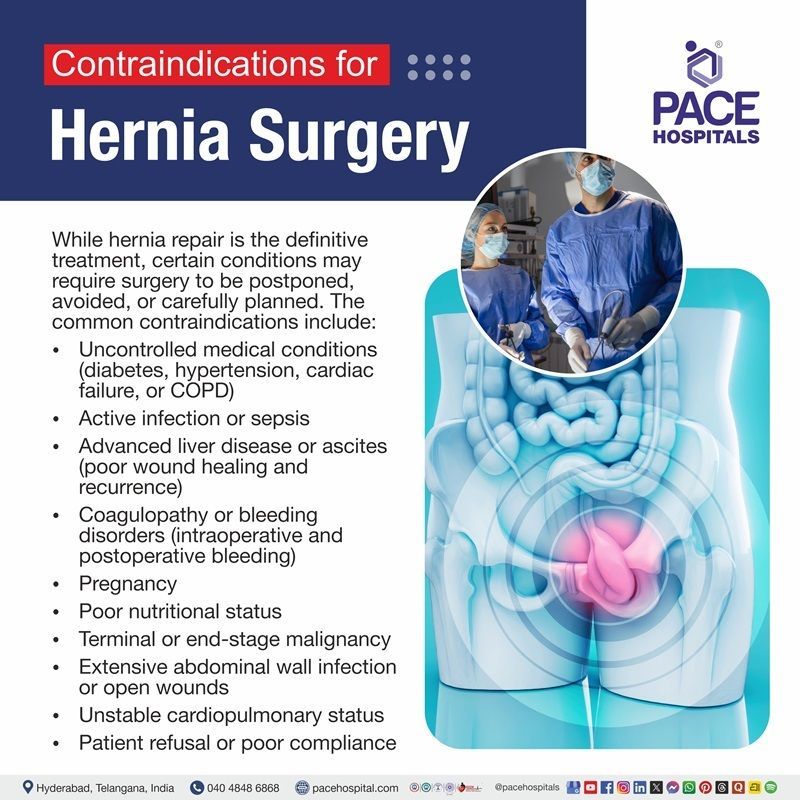
Contraindications of Hernia Surgery
While hernia repair surgery is the definitive treatment for most hernias, there are certain clinical and physiological conditions where surgery may need to be postponed, avoided, or approached with caution. Below are the common conditions in which hernia surgery may be relatively contraindicated or deferred:
- Uncontrolled Medical Conditions (diabetes, BP, cardiac failure, COPD)
- Active Infection or Sepsis
- Advanced Liver Disease or Ascites
- Coagulopathy or Bleeding Disorders
- Pregnancy
- Poor Nutritional Status
- Terminal or End-Stage Malignancy
- Extensive Abdominal Wall Infection or Open Wounds
- Unstable Cardiopulmonary Status
- Patient Refusal or Poor Compliance
Uncontrolled Medical Conditions
Patients with poorly controlled diabetes, hypertension, cardiac failure, or chronic obstructive pulmonary disease (COPD) are at increased risk of perioperative complications. Elective hernia repair should be delayed until these underlying conditions are optimized and stable.
Active Infection or Sepsis
Presence of systemic infection, local wound infection, or abdominal wall cellulitis is a contraindication to elective hernia repair. Introducing mesh in an infected field increases the risk of chronic infection or mesh failure. Surgery should be postponed until infection is treated completely.
Advanced Liver Disease or Ascites
Patients with cirrhosis, portal hypertension, or ascites have a high risk of postoperative wound complications and hernia recurrence due to increased intra-abdominal pressure. Elective repair should only be considered after ascites control and liver function stabilization.
Coagulopathy or Bleeding Disorders
Uncorrected coagulopathies such as due to liver disease, anticoagulant therapy, or hematologic disorders, significantly increase the risk of intraoperative bleeding and hematoma formation. Hernia surgery should be deferred until coagulation parameters are corrected.
Pregnancy
Hernia repair is generally contraindicated during pregnancy unless the hernia becomes incarcerated or strangulated. Most umbilical or inguinal hernias are managed conservatively during pregnancy and repaired postpartum to avoid risks to the fetus.
Poor Nutritional Status
Patients with low serum albumin, anemia, or malnutrition have delayed wound healing and increased risk of recurrence. Nutritional optimization is essential before planning elective hernia surgery.
Terminal or End-Stage Malignancy
In patients with advanced or metastatic cancer, hernia repair offers minimal benefit compared to the surgical risk. Palliative management is usually preferred unless the hernia is incarcerated or strangulated and causing acute symptoms.
Extensive Abdominal Wall Infection or Open Wounds
If the abdominal wall has open ulcers, necrotic tissue, or infected mesh remnants, hernia surgery should be postponed. Reconstructive repair can be performed after infection control with antibiotics or debridement.
Unstable Cardiopulmonary Status
Patients with recent myocardial infarction, unstable angina, severe arrhythmia, or uncompensated heart failure should not undergo elective hernia repair. Likewise, those with severe chronic obstructive pulmonary disease (COPD) or respiratory failure must first achieve pulmonary stability.
Patient Refusal or Poor Compliance
In some cases, surgery may be deferred if the patient refuses the procedure, cannot comply with postoperative care, or lacks adequate social or psychological support. Counseling and education are essential in such scenarios.
Other Relative Contraindications
However, the procedure should be postponed in individuals with body mass index (BMI) over 35 (obesity) until sufficient weight reduction is achieved, those with uncontrolled chronic cough due to health issues such as bronchitis or smoking, and patients receiving immunosuppressive therapy or long-term steroids. Similarly, individuals who have had recent major abdominal surgery are advised to wait until full recovery and stability are attained before undergoing the procedure.
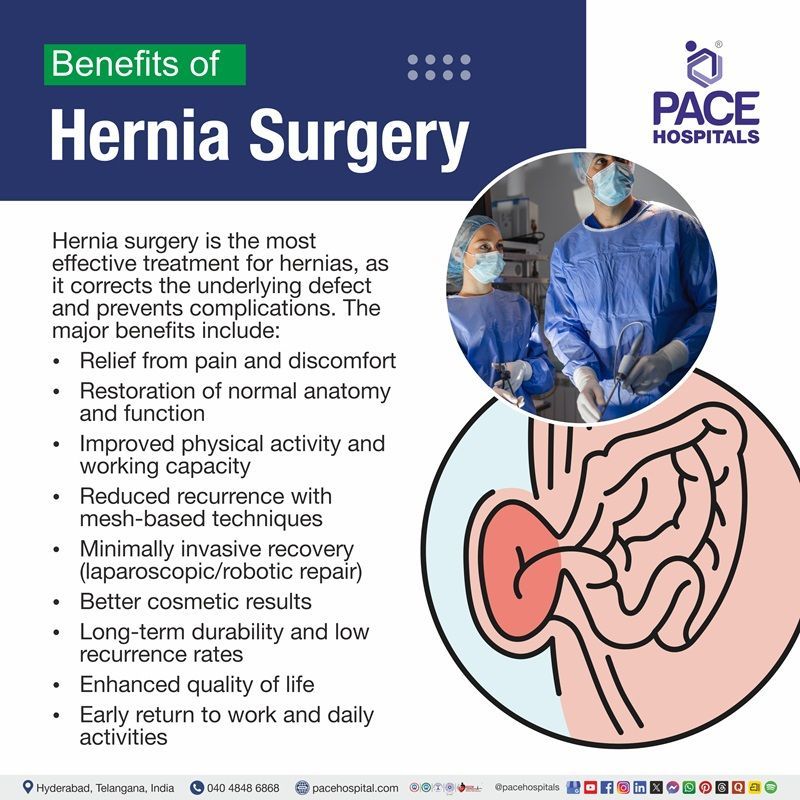
Benefits of Hernia Surgery
Hernia repair surgery is regarded by most experts as the most effective treatment for abdominal wall and groin hernias. Unlike external supports or drugs/medications, which only provide temporary symptom alleviation, surgery directly replaces the anatomical abnormality, eliminates complications, and dramatically improves quality of life. Laparoscopic and mesh-based tension-free procedures have improved hernia surgery, making it safer, less painful, and more durable than ever before.
Below are the major benefits of undergoing hernia surgery for individuals:
- Relief from Pain and Discomfort
- Restoration of Normal Anatomy and Function
- Improved Physical Activity and Working Capacity
- Reduced Recurrence with Mesh-Based Techniques
- Minimally Invasive Recovery (Laparoscopic/Robotic Repair)
- Better Cosmetic Results
- Long-Term Durability and Low Recurrence Rates
- Enhanced Quality of Life
- Early Return to Work and Daily Activities
Relief from Pain and Discomfort
Surgical hernia repair eliminates the persistent bulge, heaviness, or aching caused by the hernia. Patients often experience immediate improvement in mobility and daily comfort once the protruding tissue is restored to its natural position.
Restoration of Normal Anatomy and Function
Hernia surgery corrects an underlying muscle or fascial deficiency, restoring normal abdominal wall strength and function. This alleviates intra-abdominal pressure imbalances and promotes better posture and core stability.
Improved Physical Activity and Working Capacity
Patients usually regain the ability to walk properly, lift, and do exercise without discomfort or concern about hernia progression. Early surgical procedures can help restore full participation in occupational and recreational activities as may be needed in normal way.
Reduced Recurrence with Mesh-Based Techniques
Modern tension-free mesh repairs distribute tension evenly across the abdominal wall, significantly lowering recurrence compared to older tissue-only repairs. Mesh integration strengthens the area long-term.
Minimally Invasive Recovery (Laparoscopic/Robotic Repair)
Laparoscopic and robotic hernia repairs provide smaller incisions, minimal scarring, reduced postoperative pain, and shorter hospital stays, allowing faster return to daily routines.
Better Cosmetic Results
Modern hernia minimal invasive surgery produces great cosmetic results, with practically imperceptible scars and no unsightly bulges. This increases patient trust, particularly for ventral and umbilical hernias.
Long-Term Durability and Low Recurrence Rates
Recurrence rates in most hernia types have been reduced to less than 5% because to improved surgical procedures and materials. When proper mesh fixation and subsequent care are followed, patients benefit from stable, long-term repair.
Enhanced Quality of Life
Studies have shown that patients undergoing hernia repair report higher quality-of-life scores, better sleep, and psychological relief from anxiety about hernia progression or complications.
Early Return to Work and Daily Activities
Most patients can resume light work within 1–2 weeks after laparoscopic repair and regular physical activity in 3–4 weeks following open repair, leading to minimal economic or occupational loss.
Get a Free Second Opinion for Hernia Surgery
At PACE Hospitals, we are committed to providing our patients with the best possible care, and that includes offering second medical opinions with super specialists for treatment or surgery. We recommend everyone to get an expert advance medical second opinion, before taking decision for your treatment or surgery.
Hernia Surgery steps
The general and gastrointestinal surgical team follows the below steps while performing hernia repair surgery (herniorrhaphy or hernioplasty). The approach may be open, laparoscopic, or robotic, depending on the hernia type, size, and patient condition.
Before Hernia surgery procedure
- Patients are usually advised to undergo routine blood investigations (CBC, electrolytes), chest X-ray, ECG, and if necessary, abdominal ultrasound or CT scan to assess the hernia defect and overall health status.
- Those with cardiac, pulmonary, or endocrine conditions are reviewed in a pre-anesthesia clinic to ensure fitness for general or regional anesthesia.
- If the patient is taking anticoagulants, antiplatelet drugs, or NSAIDs, these medications must be discontinued several days before surgery (as advised by the surgeon and anesthetist) to minimize bleeding risk.
- Patients with diabetes or hypertension are instructed to maintain good control before the procedure.
- It is advised to stop smoking and alcohol consumption for at least one to two weeks prior to surgery to promote better wound healing.
- Patients are instructed to fast for 6–8 hours before surgery. Clear fluids may be allowed up to two hours prior, depending on the anesthesiologist’s direction.
- A prophylactic dose of antibiotics is administered within one hour before the incision to prevent surgical-site infection.
During Hernia Surgery Procedure
- The procedure is performed under general, spinal, or local anesthesia, depending on the type and complexity of the hernia.
- The surgical field or the parts is disinfected and draped, and an incision is made over or near the hernia site (for open repair) or via small ports (for laparoscopic/robotic repair).
- The herniated contents (bowel, omentum, or fat) are gently returned to the abdominal cavity, ensuring no strangulated or ischemic tissue remains.
- The defect in the muscle or fascial wall is identified, and the edges are approximated using non-absorbable sutures or covered with a prosthetic mesh to reinforce the weakened area.
- In laparoscopic hernia repair, the surgeon inflates the abdomen with CO₂ gas to create working space and repairs the hernia internally using TAPP (transabdominal preperitoneal) or TEP (totally extraperitoneal) technique.
- The mesh is fixed using tacks, sutures, or fibrin sealant. For open repairs, mesh may be placed over or under the muscle layers (onlay or sublay position).
- After hemostasis is achieved, the incision or port sites are closed using absorbable sutures. A drain may be inserted if significant dissection has been performed.
- The duration of the procedure varies between 45 minutes and two hours, depending on the hernia’s size, number, and complexity.
After Hernia Surgery Procedure
- Most patients are transferred to the recovery room for a few hours of monitoring and are usually discharged the same day or within 24 hours, especially after laparoscopic or day-care hernia repair.
- Pain and swelling at the surgical site are expected during the first few days and are managed with analgesics, ice packs, and early ambulation.
- The surgical dressing should be kept clean and dry; showering is usually permitted after 48 hours unless otherwise instructed.
- Antibiotics and pain medications prescribed by the surgeon must be taken exactly as directed.
- Patients are encouraged to walk on the same day or next day after surgery to improve circulation and reduce the risk of venous thrombosis.
- Lifting heavy objects, straining, or engaging in strenuous activity should be avoided for 4–6 weeks to prevent recurrence or wound complications.
- A follow-up visit is typically scheduled within 7–10 days for wound inspection and suture removal (if applicable).
- Most patients can return to light work within one to two weeks (laparoscopic repair) or two to three weeks (open repair). Full recovery and unrestricted activity are usually achieved within four to eight weeks.
Hernia Surgery Recovery Tips
Recovery after hernia surgery requires careful adherence to evidence-based guidelines to minimize complications like recurrence or infection. Do's and Don'ts after Hernia Surgery include the following:
Do’s after hernia surgery
- It is advised to start with liquids and gradually shift to light meals as a diet after hernia surgery and when the appetite improves.
- It is advised to consume plenty of fluids (6–8 glasses daily) to stay well hydrated.
- It is suggested to take the prescribed pain medicines as instructed by the doctor.
- Patients need to wear loose, comfortable clothing that doesn’t press against the incision.
- It is recommended to support the abdomen with a pillow when coughing or sneezing.
- After surgery is over, patients can go for short daily walks to improve circulation and prevent blood clots.
- It is required to consume a stool softener and a high-fibre diet to avoid constipation.
- Patients are advised to take adequate rest, as mild fatigue may continue for a few weeks.
Don’ts after hernia surgery
- Patients are advised to avoid alcohol while taking pain medications to prevent complications.
- Patients are requested not to lift heavy objects (over 10–20 lbs) for at least 4–6 weeks after surgery.
- It is recommended not to swim, take baths, or use hot tubs as precautions after hernia surgery until the incision heals completely (around 2–3 weeks).
- It is advised not to panic if noticing mild swelling, bruising, or firmness near the incision - this is part of normal healing and if any more complications need to be discussed with the surgeon.
- Patients are advised not to worry about shoulder pain, as it may result from surgical gas used during the procedure and typically subsides gradually.
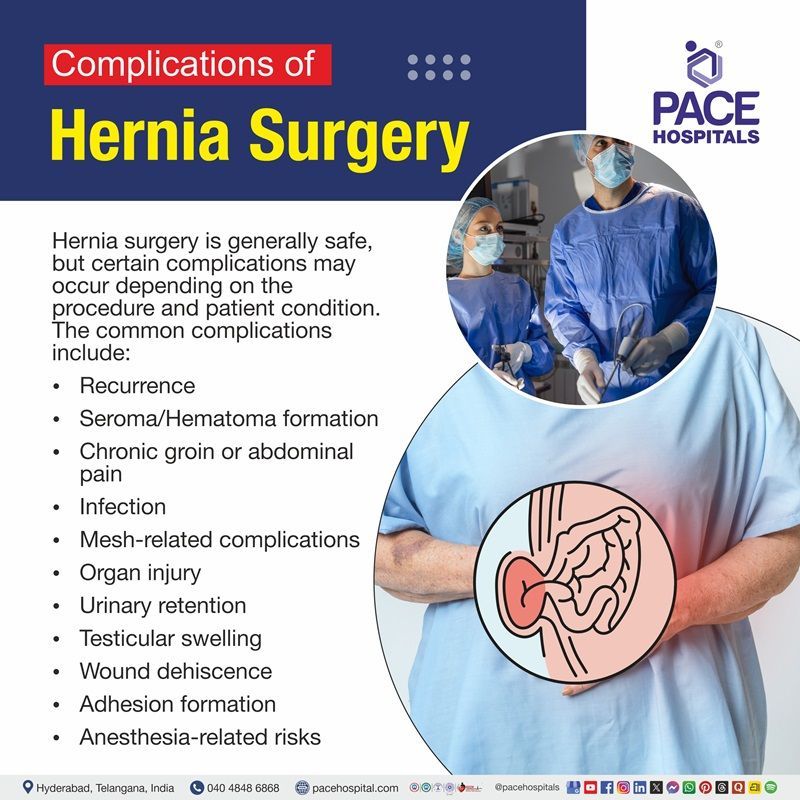
Hernia Surgery Complications
Postoperative outcomes depend on factors like the type of hernia, surgical approach (open, laparoscopic, robotic), mesh quality, and the patient’s overall health. While most surgeries are safe, there are side effects of hernia surgery. Below mentioned are some hernia complications:
- Recurrence
- Seroma/Hematoma Formation
- Chronic Groin/Abdominal Pain
- Infection
- Mesh-Related Complications
- Organ Injury
- Urinary Retention
- Testicular Swelling
- Wound Dehiscence
- Adhesions Formation
- Anesthesia Risks
Recurrence
In some cases, reappearance of hernia due to infection, mesh failure, or weak tissue, though rare with modern mesh repair, may happen.
Seroma/Hematoma Formation
After hernia surgery, fluids or blood can collect under the wound, forming a seroma or hematoma.
Chronic Groin or Abdominal Pain
Persistent pain lasting beyond three months, also known as post-herniorrhaphy pain syndrome, may result from nerve entrapment, mesh fixation, or scar tissue formation.
Infection
Surgical-site infection can involve either the skin and subcutaneous tissue or, rarely, the mesh itself.
Mesh-Related Complications
Mesh repair may occasionally lead to mesh migration, contraction, or rejection, causing discomfort, infection, or recurrence.
Organ Injury
During laparoscopic hernia repair, there is a small risk and chance of inadvertent injury to the organ parts such as bladder, intestine, or blood vessels, particularly in recurrent or complex cases.
Urinary Retention
Temporary difficulty urinating can occur after surgery, generally owing to anesthetic effects, discomfort, or bladder distention.
Testicular Swelling
In males those who are undergoing inguinal hernia repair, inflammation or reduced blood flow to the testis can cause swelling, tenderness, or orchitis.
Wound Dehiscence
Partial separation of the surgical incision may occur if there is infection, poor suturing, or excessive tension on the wound.
Adhesion Formation
Internal scarring or adhesions between the mesh, bowel, or peritoneum can occasionally cause abdominal pain or intestinal obstruction months after surgery.
Anesthesia Risks
General or regional anesthesia may rarely lead to respiratory depression, cardiac arrhythmias, nausea, or allergic reactions.
Other minor complications after hernia surgery may include mild scrotal bruising, temporary numbness or tingling near the incision, constipation from postoperative discomfort or reduced mobility, and occasional serous wound discharge.
Hernia Surgery Recovery Time
Patients who have laparoscopic or robotic hernia repair may report less postoperative pain and greater mobility, with many resuming normal light activities within 7 to 10 days. Those undergoing open hernia repairs may require a slightly longer recovery period of 2 to 3 weeks before returning to regular non-strenuous work. So, in common laparoscopic hernia surgery, recovery time is faster. However, the exact recovery period varies depending on the type of hernia, surgical approach (open, laparoscopic, or robotic procedures), and the patient’s general health status.
Questions that the patients can ask the healthcare team about Hernia surgery?
- When can I go home after hernia surgery?
- When should I come for my first follow-up visit?
- What type of pain after hernia surgery how long discomfort should I expect after surgery?
- How long will it take for me to recover fully?
- When can I return to work or resume daily activities?
- Are there any restrictions on lifting, bending, or exercising?
- What foods should I eat after hernia surgery for faster healing?
- What symptoms should I watch for that might indicate a problem?
- Can my hernia come back after surgery?
- When can I start driving again safely?
- Do I need to wear any abdominal support or belt after the operation?
- How should I take care of my surgical wound or dressing?
- Is swelling or bruising around the inguinal hernia laparoscopic surgery normal?
Difference between Laparoscopic surgery and Open surgery for hernia
Laparoscopic vs Open Surgery Hernia
Both hernia surgery by laparoscopy and open hernia repair surgeries are well-established techniques for treating hernias. While both aim to reinforce the abdominal wall and prevent recurrence, they differ in approach, incision size, recovery time, and postoperative outcomes. Below are the parameters that differentiate the two approache
| Parameters | Laparoscopic Hernia Repair | Open Hernia Repair |
|---|---|---|
| Meaning | A minimally invasive procedure performed using small keyhole incisions and a laparoscope (camera) to place a mesh from inside the abdomen. | A conventional surgical and traditional method involving a single larger incision directly over the hernia site to repair and reinforce the defect with sutures or mesh. |
| Type of Procedure | Minimally invasive (keyhole surgery). | Traditional open surgery (larger incision). |
| Incision Size | Small incisions (5–10 mm) are made at multiple sites. | One larger incision (typically 6–10 cm) at the hernia site. |
| Visualization | Provides a magnified, clear internal view of both hernia sides; helps detect hidden hernias. | Limited view of the specific hernia site being operated on. |
| Anesthesia | Usually requires general anaesthesia. | It can be done under local, spinal, or general anaesthesia. |
| Pain and Discomfort | Less postoperative pain due to smaller incisions. | Slightly more pain and tenderness after surgery due to the larger incision. |
| Recovery Time | Faster recovery; patients can return to daily activities within 7–10 days. | Longer recovery; full recovery may take 2–3 weeks. |
| Hospital Stay | Often performed as a day-care procedure or with a short overnight stay. | May require 1–2 days of hospitalization depending on recovery. |
| Risk of Infection | Lower infection risk because of small incisions and minimal tissue handling. | Slightly higher risk of wound infection due to larger incision. |
| Recurrence Rate | Comparable or slightly lower recurrence rates when performed by experienced surgeons. | Also effective, but recurrence risk may increase if high tension repair is done without mesh. |
| Cosmetic Outcome | Minimal scarring and better cosmetic appearance. | Visible scar remains at the incision site. |
| Return to Physical Activity | Quicker return to work and physical exercise (within 2–3 weeks). | Gradual return to strenuous activity after 4–6 weeks. |
| Suitability | Preferred for bilateral, recurrent, or small ventral hernias. | Preferred for large, strangulated, or complex hernias not suitable for laparoscopy. |
| Cost | Slightly higher due to equipment and general anaesthesia. | Comparatively lower as it needs fewer instruments. |
Frequently Asked Questions (FAQs) on Hernia surgery
Does a hernia come back after surgery?
Recurrence is uncommon with modern mesh techniques one of the latest technology hernia surgeries, though chances or recurrence can still occur due to infection, poor tissue quality, or surgical factors. Lifestyle habits such as smoking and obesity also increase recurrence risk.
Do hernias require surgery?
Not all hernias require immediate surgery. If small and asymptomatic, doctors may recommend observation. However, surgery becomes necessary when there is pain, discomfort, or risk of strangulation.
What size hernia needs surgery?
Surgery is usually advised based on symptoms and risk rather than size alone. Even small hernias may require repair if they cause pain or pose a risk of strangulation.
Which is best surgery for hernia?
The best surgery depends on the hernia’s location, size, and patient factors. Mesh-based tension-free repairs, either open or laparoscopic, are considered the global standard due to low recurrence and faster recovery.
How to prevent hernia after surgery?
Prevention focuses on lifestyle and wound care - maintaining healthy body weight, avoiding heavy lifting, quitting smoking, and managing chronic cough or constipation reduce the strain on the surgical site.
What is the success rate of hernia surgery?
Modern hernia repair has a success rate exceeding 95%. Mesh-based repairs have extremely low recurrence rates, and most patients return to normal activities within a few weeks.
Is hernia surgery dangerous?
Hernia surgery is generally considered safe when performed electively by experienced surgeons. Serious consequences are infrequent, although chances increase with emergency procedures, advancing age, and existing health conditions.
Which surgery is best for umbilical hernia?
For adults, mesh-reinforced repair (either open or laparoscopic) is preferred for umbilical hernias larger than 4 cm or recurrent cases, as it significantly reduces recurrence. Smaller hernias may be managed with primary suture repair.
Is hernia surgery painful?
Most patients experience only mild to moderate pain after surgery, which usually resolves within a few days. Chronic groin pain (lasting over 3 months) occurs in a small percentage of patients, often due to nerve irritation or scar tissue.
How to cure a hernia without surgery?
While minor or asymptomatic hernias can occasionally be safely managed, surgery is the only permanent solution. For males with minor, painless hernias, a cautious waiting strategy may be appropriate, but the majority will require treatment.
What is hernia surgery in females?
In women, groin hernias are less common but more likely to involve the femoral canal, which can strangulate. Therefore, surgical repair is recommended even for asymptomatic hernias to prevent complications.
Which surgery is best for inguinal hernia?
Tension-free mesh repair is the gold standard for inguinal hernia. Both open Lichtenstein and laparoscopic (TEP/TAPP) techniques show excellent results, with laparoscopic repair preferred for bilateral or recurrent cases.
What is sports hernia surgery?
Sports hernia (athletic pubalgia) involves tearing of muscles or tendons near the groin rather than a true hernia. Sports hernia repair can be done as a traditional, open surgery with one long incision or as a minimally invasive endoscopic procedure. Surgery may include reinforcing the posterior wall with mesh or repairing torn soft tissues.
What is mesh in hernia surgery?
A surgical mesh is a synthetic or biological material used to strengthen the abdominal wall during repair. It significantly reduces recurrence but may cause rare complications such as infection or chronic pain.
Why choose PACE Hospitals?
- A Multi-Super Speciality Hospital.
- NABH, NABL, NBE & NABH - Nursing Excellence accreditation.
- State-of-the-art Liver and Kidney transplant centre.
- Empanelled with all TPAs for smooth cashless benefits.
- Centralized HIMS (Hospital Information System).
- Computerized health records available via website.
- Minimum waiting time for Inpatient and Outpatient.
- Round-the-clock guidance from highly qualified super specialist doctors, surgeons and physicians.
- Standardization of ethical medical care.
- 24X7 Outpatient & Inpatient Pharmacy Services.
- State-of-the-art operation theaters.
- Intensive Care Units (Surgical and Medical) with ISO-9001 accreditation.


