
Respiratory Emergency Care in Hyderabad
24/7 Emergency Assessment and Treatment for Respiratory-Related Emergencies
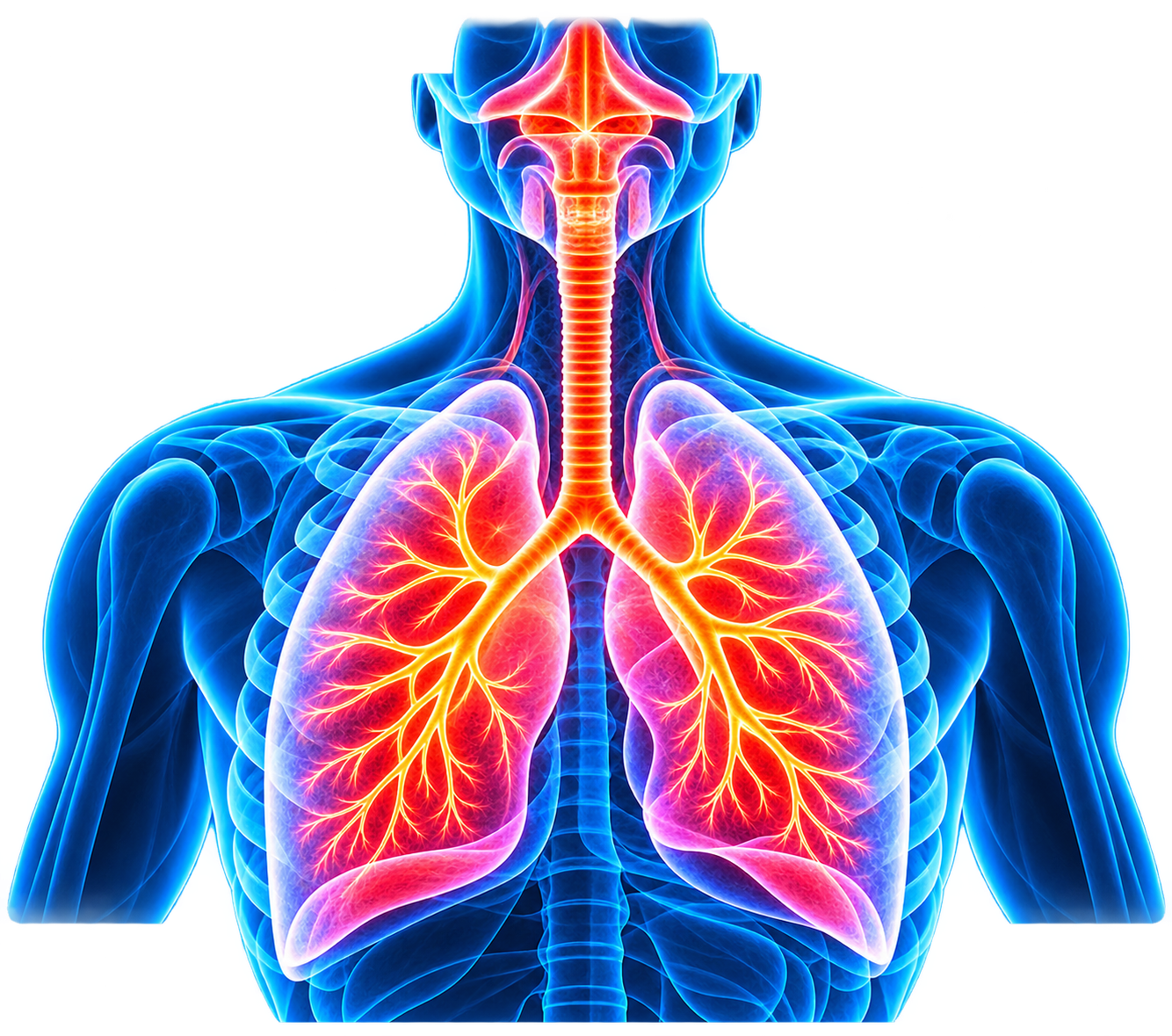
24 / 7 Respiratory Emergency Response
Round-the-clock care for acute breathing difficulties and lung emergencies
Rapid Assessment - Emergency Lung & Breathing Evaluation
Prompt assessment of respiratory distress and acute pulmonary conditions
Oxygen · NIV · Ventilation - Advanced Respiratory Support
Respiratory assistance for patients with severe breathing difficulties
ICU · Critical Care - Specialised Respiratory Monitoring
Continuous monitoring and intensive care for critically ill patients
Emergency Signs
- Severe difficulty breathing
- sudden or worsening shortness of breath
- choking, bluish lips or face
- coughing up blood
- severe wheezing
- confusion
- fainting or collapse may indicate a respiratory emergency.
Seek immediate emergency care. Call PACE Hospitals:
04048486868.
What Is a Respiratory Emergency?
A respiratory emergency is a serious condition that suddenly interferes with a person's ability to breathe normally or maintain adequate oxygenation and ventilation. Such respiratory emergencies can occur due to an acute asthma attack or COPD exacerbation, airway obstruction, severe pneumonia, pulmonary embolism (a blood clot in the lungs), pulmonary edema (fluid in the lungs), chest trauma, and other conditions that affect the lungs and breathing muscles.
At PACE Hospitals, 24-hour emergency care for respiratory problems in Hyderabad is provided for patients with serious breathing complications. Patients receive prompt assessment and treatment from emergency physicians, pulmonologists, critical care specialists, and other specialists as needed.
Immediate treatment may help maintain the airway, improve oxygen levels, support breathing, and treat the underlying cause before the condition becomes life-threatening.
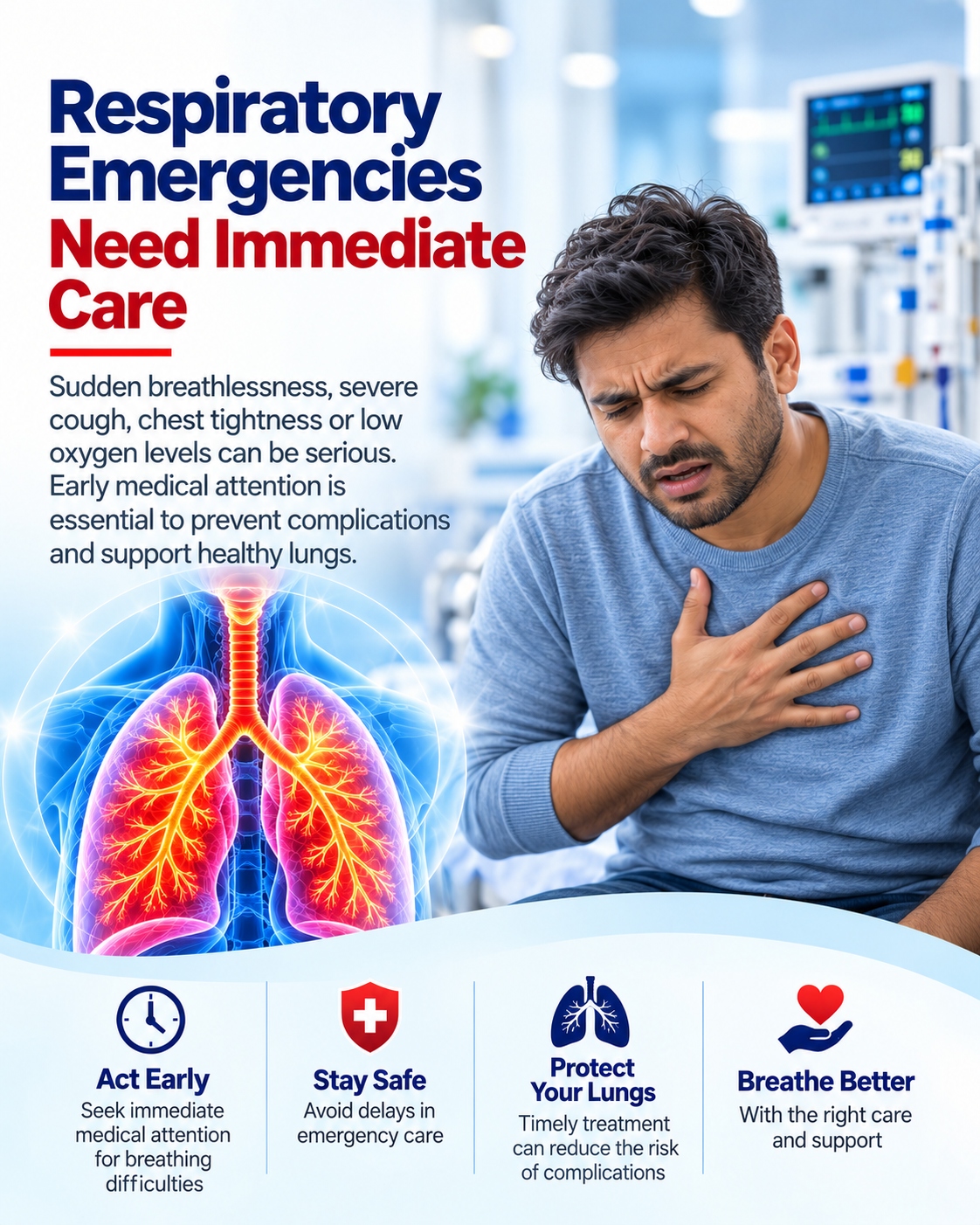
When to Seek Emergency Care for Respiratory Symptoms?
Immediate medical attention is needed if any of the following symptoms occur:
- Severe breathlessness at rest or sudden, unexplained worsening of breathing difficulty.
- Inability to speak more than a few words at a time because of shortness of breath.
- Blue or grey lips, face, or fingertips, or new confusion that may indicate dangerously low oxygen levels.
- Very rapid, unusually slow, or gasping breathing.
- Chest pain or pressure occurring with shortness of breath, particularly when symptoms develop suddenly.
- High-pitched wheezing, stridor, or other noisy breathing that may indicate a blocked or narrowed airway.
- Sudden dizziness, fainting, or collapse associated with breathing difficulty.
- Persistent coughing up of blood or blood-stained sputum, especially when accompanied by breathlessness or chest pain.
- Marked drowsiness, reduced responsiveness, or a sudden change in mental status along with respiratory symptoms.
Respiratory emergencies, also called breathing emergencies, can cause severe breathlessness, abnormal breathing, chest pain, bluish skin, confusion, coughing up blood, or loss of consciousness and require immediate emergency care.
Do Not Ignore Severe Breathing Difficulty (Dyspnea)
Not all episodes of dyspnea are caused by severe lung disease. Asthma, anxiety, infections, allergies, anemia, and other conditions could be associated with it. However, without a medical evaluation, it is unsafe to presume that sudden or severe breathing difficulties are not serious.
Treat breathing difficulty as an emergency when it is:
- Sudden, severe, or getting worse.
- Persistent or not improving with usual treatment.
- Associated with chest pain, bluish lips or fingertips, or severe coughing.
- Accompanied by fainting, confusion, severe dizziness, or extreme weakness.
- Associated with wheezing, noisy breathing, or difficulty speaking normally because of breathlessness.
- Accompanied by coughing up blood or sudden breathing difficulty after prolonged immobility, surgery, or a long journey.
- Occurring in a person with asthma, COPD, or other serious heart or lung conditions.
For severe breathing difficulty, calling an ambulance is generally safer than driving to the hospital, as emergency care and breathing support can be provided during transport when required.
Not all chest pain is caused by heart disease. It may be related to the lungs, food pipe, stomach, muscles, ribs, or nerves. However, it is not safe to assume that chest pain is minor without medical evaluation.
Treat chest pain as an emergency when it is:
- New or unexplained.
- Severe or persistent.
- Associated with sweating, nausea, or breathlessness.
- Accompanied by fainting or severe dizziness.
- Spreading to the arm, jaw, neck, shoulder, back, or upper abdomen.
- Present in a person with diabetes, high blood pressure, high cholesterol, kidney disease, or known heart disease.
- For severe symptoms, ambulance transport is generally safer than driving to the hospital because emergency assessment and support can begin during transfer when needed.
Not all chest pain is caused by heart disease. It may be related to the lungs, food pipe, stomach, muscles, ribs, or nerves. However, it is not safe to assume that chest pain is minor without medical evaluation.
Treat chest pain as an emergency when it is:
- New or unexplained.
- Severe or persistent.
- Associated with sweating, nausea, or breathlessness.
- Accompanied by fainting or severe dizziness.
- Spreading to the arm, jaw, neck, shoulder, back, or upper abdomen.
- Present in a person with diabetes, high blood pressure, high cholesterol, kidney disease, or known heart disease.
- For severe symptoms, ambulance transport is generally safer than driving to the hospital because emergency assessment and support can begin during transfer when needed.
Common Respiratory Emergencies Treated at PACE Hospitals
Acute Respiratory Failure
Acute respiratory failure occurs when the lungs are unable to remove sufficient carbon dioxide or supply the body with sufficient oxygen. Sudden medical conditions like severe pneumonia, asthma or chronic obstructive pulmonary disease (COPD) exacerbations, pulmonary embolism, and injury to the lungs cause this.
Respiratory failure is an acute condition that requires prompt medical attention and possible hospitalization. Diagnostics might include measuring oxygen saturation, conducting blood tests such as arterial blood gas analysis, obtaining chest X-rays, and examining the underlying cause. Treatment options include oxygen therapy, medications, non-invasive ventilation using BiPAP or CPAP or mechanical ventilation in severe cases.
Symptoms may include:
- Severe shortness of breath.
- Breathing rapidly or laboured breathing.
- Lips, fingernails or skin turning blue or grey.
- Feeling extremely drowsy or tired.
- Confusion or lack of alertness.
- Difficulty speaking because of breathlessness.
Severe Asthma Attack
An acute asthma attack occurs when there is severe narrowing and swelling of the airways, which makes breathing very hard. An acute asthma attack may not improve adequately with usual reliever treatment and become life-threatening.
Emergency treatment may include inhaled bronchodilators, corticosteroids, and oxygen if needed. Hospitalization may be needed if symptoms are severe or do not improve with initial treatment.
Symptoms may include:
- Severe breathlessness.
- Wheezing or chest tightness.
- Persistent coughing.
- Difficulty speaking because of breathing difficulty.
- Rapid breathing.
- Severe tiredness or weakness.
- Bluish lips or skin in severe cases.
Acute COPD Exacerbation
COPD exacerbation is an acute attack when the signs and symptoms of this disease worsen rapidly. The symptoms may include shortness of breath, cough, and sputum production. Severe flare-ups can make breathing difficult and may require hospital treatment.
Emergency treatment depends on the cause and severity. It may include bronchodilators, corticosteroids, antibiotics for bacterial infections, oxygen therapy, or ventilatory support when needed.
Symptoms may include:
- Sudden or worsening shortness of breath.
- Increased coughing.
- Increased or changed sputum production.
- Wheezing or chest tightness.
- Extreme tiredness.
- Fever or other signs of infection in some patients.
Pulmonary Embolism
A pulmonary embolism occurs when a blood clot or other material breaks off from another area of the body, usually a deep vein in the leg, and travels through the bloodstream to obstruct a lung artery. It can cause sudden breathing difficulty and may become life-threatening.
Pulmonary embolism is a condition that needs immediate medical evaluation. Diagnosis may involve a clinical assessment, blood tests, imaging tests—often CT pulmonary angiography—and additional tests to confirm the diagnosis and determine its severity. Treatment for pulmonary embolism includes anticoagulants and, in selected high-risk or unstable cases, clot-dissolving treatment (thrombolysis), catheter-based treatment, or surgical clot removal may be needed.
Symptoms may include:
- Sudden shortness of breath.
- Chest pain, particularly pain that may worsen with breathing.
- Rapid breathing.
- Fast heartbeat.
- Cough, sometimes with blood.
- Light-headedness or fainting.
Pneumonia and Severe Respiratory Infection
Pneumonia is an infection that affects the lungs and can sometimes cause serious breathing problems, particularly in older adults and people with underlying medical conditions. Severe respiratory infections may lead to low oxygen levels or respiratory failure.
Emergency treatment depends on the cause and severity of the infection. It may include oxygen support, fluids, antibiotics when appropriate, and treatment for complications such as respiratory failure.
Symptoms may include:
- Cough, with or without mucus.
- Fever or chills.
- Shortness of breath.
- Chest pain that may worsen with breathing or coughing.
- Weakness or severe tiredness.
- Confusion or reduced alertness in severe cases.
- Low oxygen levels in serious illness.
Pneumothorax (Collapsed Lung)
A pneumothorax occurs when air enters the space between the lung and chest wall, causing part or all of the lung to collapse. A large or severe pneumothorax can cause significant breathing difficulty and may require emergency treatment.
A tension pneumothorax might occur in severe cases. Tension pneumothorax is a life-threatening medical condition in which air accumulates in a high-pressure space between the chest wall and the lung. It can cause further lung collapse and decreased cardiac blood circulation, requiring immediate emergency treatment.
Emergency assessment may include a physical examination and chest imaging. Treatment depends on the size and severity of the pneumothorax and may involve monitoring, oxygen, or a procedure to remove the trapped air and allow the lung to re-expand. Severe cases require immediate treatment.
Symptoms may include:
- Severe neck or back pain.
- Tenderness or swelling over the spine.
- Weakness or numbness in the arms or legs.
- Difficulty standing or walking.
- Changes in bladder or bowel control.
Acute Respiratory Distress Syndrome (ARDS)
Acute respiratory distress syndrome (ARDS) is a serious form of lung injury in which the lungs become severely inflamed and oxygen cannot pass effectively into the blood. It can occur following conditions such as severe infection, pneumonia, trauma, or other serious illnesses.
ARDS requires hospital-based treatment and close monitoring. Depending on the severity, treatment may include oxygen therapy, non-invasive ventilation, mechanical ventilation, positioning strategies, and treatment of the underlying cause.
Symptoms may include:
- Severe shortness of breath.
- Rapid breathing.
- Low blood oxygen levels.
- Extreme tiredness or weakness.
- Confusion or reduced alertness in severe cases.
Respiratory Emergency Assessment and Diagnosis
Patients with suspected respiratory emergencies are assessed based on the severity of their breathing problem and how quickly their condition is changing. The priority is to identify and treat problems that may affect breathing or oxygen levels without delay.
01
Rapid Triage and Initial Stabilisation
The emergency team may immediately assess:
- Airway, breathing, circulation, and level of consciousness.
- Breathing rate, oxygen level, pulse, blood pressure, temperature, and severity of breathlessness.
- Presence of wheezing, noisy breathing, cough, chest pain, or difficulty speaking.
- Onset, duration, and pattern of breathing symptoms.
- Previous history of asthma, COPD, pneumonia, respiratory infections, or other lung conditions.
- History of heart disease, allergies, smoking, or other conditions that may affect breathing.
- Current medicines, inhalers, and recent treatments.
- Medicine allergies.
- Need for oxygen, nebulization, intravenous access, respiratory support, or critical care.
02
Pulse Oximetry and Respiratory Assessment
Pulse oximetry measures blood oxygen saturation and is an important early assessment tool for patients with breathing difficulties.
The respiratory assessment may help doctors identify:
- Low blood oxygen levels.
- Increased breathing effort.
- Airway obstruction.
- Wheezing or reduced air entry.
- Abnormal or unequal breath sounds.
- Signs of respiratory distress or worsening breathing.
03
Blood Tests
Depending on the patient's condition, blood tests may be performed to identify infection, changes in oxygen and carbon dioxide levels, or other problems affecting breathing.
Tests may include:
- Arterial or venous blood gas analysis.
- Complete blood count.
- Blood glucose.
- Kidney function tests.
- Electrolytes.
- Infection- or inflammation-related tests, where appropriate.
- Blood clotting tests, when a blood clot is suspected.
04
Imaging and Additional Tests
Depending on the symptoms and initial assessment, further tests may include:
- Chest X-ray.
- CT scan of the chest.
- CT pulmonary angiography when pulmonary embolism is suspected.
- Ultrasound of the lungs or heart.
- Electrocardiogram (ECG), particularly when chest pain or a heart-related cause is possible.
- Sputum or other infection-related tests, when appropriate.
- Pulmonary function testing in selected patients after the emergency has been stabilized.
- Continuous oxygen level and heart rhythm monitoring.
These tests help doctors identify conditions such as severe asthma or COPD exacerbation, pneumonia, pulmonary embolism, pneumothorax, acute respiratory failure, fluid accumulation in the lungs, airway obstruction, and other serious causes of breathlessness or low oxygen levels.
Respiratory Emergency Treatment at PACE Hospitals
Respiratory emergency treatment depends on the cause, severity of symptoms, oxygen levels, medical history, test results, and overall clinical condition. The emergency team first focuses on maintaining the airway, supporting breathing, and stabilizing the patient before starting further treatment.
Emergency Respiratory Care May Include
- Continuous monitoring of breathing and oxygen levels.
- Monitoring blood pressure, heart rate, respiratory rate, and level of consciousness.
- Oxygen support when clinically needed.
- Nebulization or inhaled medicines to relieve airway narrowing and breathing difficulty.
- Intravenous (IV) access and fluid management when required.
- Medicines to treat asthma or COPD flare-ups, infections, allergic reactions, or other underlying causes.
- Antibiotics when a bacterial infection is suspected or confirmed.
- Corticosteroids or other medicines to reduce airway inflammation when indicated.
- Airway clearance and suctioning when necessary.
- Non-invasive ventilation, such as CPAP or BiPAP, for selected patients with breathing difficulties.
- Intubation and mechanical ventilation for severe respiratory failure.
- Emergency treatment for conditions such as pulmonary embolism, severe pneumonia, pneumothorax, or airway obstruction.
- Emergency procedures, such as chest tube placement, when clinically required.
- ICU admission for patients who need close monitoring or advanced respiratory support.
Acute Asthma or COPD Emergency Treatment
Emergency treatment for severe asthma or COPD flare-ups begins with rapid assessment of breathing, oxygen levels, respiratory rate, and overall clinical condition.
Treatment may include:
- Oxygen support when required.
- Nebulized bronchodilator medicines to help open the airways.
- Corticosteroids to reduce airway inflammation.
- Antibiotics when a bacterial infection is suspected.
- Non-invasive ventilation for selected patients with significant breathing difficulty.
- Mechanical ventilation when respiratory failure develops.
- Treatment of triggers such as respiratory infections or other underlying conditions.
The treating doctor will determine the appropriate treatment based on the severity of the episode and the patient's response to initial care.
Respiratory Failure Emergency Treatment
To maintain adequate breathing and oxygenation, respiratory failure must be promptly evaluated and treated. Oxygen therapy, medications to address the underlying cause, non-invasive ventilation, or mechanical ventilation are some examples of management.
Treatment may include:
- Oxygen therapy and continuous oxygen monitoring.
- Nebulized or inhaled medicines when airway narrowing is present.
- Non-invasive ventilation, such as CPAP or BiPAP, when appropriate.
- Emergency intubation and mechanical ventilation for severe respiratory failure.
- Treatment of underlying causes such as pneumonia, asthma, COPD exacerbation, pulmonary embolism, or fluid buildup in the lungs.
- Blood tests and imaging to assess the severity and identify the underlying cause.
- ICU admission for patients requiring advanced respiratory support.
Pulmonary Embolism Emergency Treatment
Pulmonary embolism requires urgent medical assessment because a significant blood clot in the lungs can affect oxygen levels and circulation.
Treatment may include:
- Oxygen support when needed.
- Continuous monitoring of heart rate, blood pressure, and oxygen levels.
- Anticoagulant medicines to prevent the clot from growing and reduce the risk of further clots.
- Medicines or procedures to remove or break down the clot in selected severe cases.
- Treatment to support blood pressure and circulation when required.
- ICU monitoring for patients with severe or unstable pulmonary embolism.
The treatment approach depends on the size and location of the clot, its effect on the heart and lungs, and the patient's overall condition.
What to Do During a Suspected Respiratory Emergency?
- Call emergency medical services immediately, especially if the person is struggling to breathe or symptoms are severe.
- Keep the person calm and in a comfortable position, preferably sitting upright if this makes breathing easier.
- Avoid unnecessary walking, physical activity, or exertion.
- Help the person use their prescribed rescue inhaler or other emergency medication only as directed by a healthcare professional.
- Follow the instructions provided by emergency medical professionals while waiting for help.
- Do not drive yourself if emergency medical transport is available, particularly when breathing is severely affected.
- If the person becomes unresponsive and is not breathing normally, start CPR and use an automated external defibrillator (AED) if available and appropriate, while waiting for emergency medical help.
The safest approach is to seek professional emergency care promptly rather than waiting for severe breathing symptoms to improve on their own.
Why Timely Respiratory Emergency Care Matters?
Asthma attack, acute respiratory illness, pulmonary embolism, and respiratory failure are some examples of respiratory emergencies that may escalate rapidly. Respiratory emergency care enables the physician to diagnose the underlying condition and provide appropriate treatment without delay.
Prompt emergency care can help:
- Identify serious breathing problems and their underlying cause early.
- Support breathing and maintain adequate oxygen levels.
- Treat severe asthma attacks, respiratory infections, and other acute conditions.
- Manage respiratory failure and prevent further complications.
- Provide oxygen therapy or breathing support when needed.
- Arrange chest imaging, blood tests, or other investigations when required.
- Monitor patients who need ICU or critical care.
- Coordinate care among emergency medicine, pulmonology, critical care, radiology, and other specialist teams.
Who Is at Higher Risk of Respiratory Emergencies?
Respiratory emergencies can occur in anyone. However, the risk may be higher in people with:
- Asthma or chronic obstructive pulmonary disease (COPD).
- Previous severe respiratory infections or pneumonia.
- Chronic lung diseases such as pulmonary fibrosis or bronchiectasis.
- Smoking or long-term exposure to tobacco smoke.
- Exposure to air pollution, dust, chemicals, or other lung irritants.
- Heart conditions that can affect breathing.
- A weakened immune system.
- Obesity or physical inactivity.
- Older age.
- A history of severe allergic reactions or anaphylaxis.
Even in the absence of these risk factors, sudden or severe breathing difficulty, chest tightness, bluish lips, confusion, or other serious respiratory symptoms should be assessed immediately.
Respiratory Emergency Care at PACE Hospitals
Patients with abrupt breathing difficulties, severe asthma or COPD episodes, pneumonia, pulmonary embolism, respiratory failure, and other significant breathing-related diseases can receive round-the-clock emergency and trauma care at PACE Hospitals in Hyderabad. Depending on the patient's health and treatment requirements, the emergency department works with pulmonology, critical care, diagnostic, imaging, and other expert teams.
Emergency Respiratory Care Pathway
- Immediate triage: Quick evaluation of breathing difficulty, oxygen saturation level, vital parameters, and emergency severity.
- Respiratory monitoring: Continuous monitoring of oxygen saturation, heart rate, blood pressure, respiration rate, and others as required.
- Rapid diagnosis: Blood tests, chest X-ray, CT scans, arterial blood gas analysis, and other investigations may be performed to identify the cause and severity of the respiratory problem.
- Stabilization and treatment: Oxygen therapy, inhaled medications, intravenous medications, non-invasive ventilation, mechanical ventilation, or emergency procedures may be provided based on the diagnosis and severity.
- Ongoing care: Patients may be admitted to the ICU, respiratory or critical care unit, ward, or transferred to the appropriate speciality service for further treatment and monitoring.
Need urgent help? For severe breathlessness, sudden difficulty breathing, bluish lips or face, coughing up blood, sudden chest pain with breathing difficulty, confusion, collapse, or suspected respiratory failure, seek emergency medical care immediately.
Call PACE Hospitals: 04048486868.
When Should You Call an Ambulance for a Respiratory Emergency?
Call emergency medical services immediately if someone has:
- Sudden or severe difficulty breathing
- Severe or rapidly worsening breathlessness
- Blue or grey lips, face, or fingertips
- Severe wheezing or noisy breathing with difficulty breathing
- Inability to speak normally because of breathlessness
- Fainting or severe dizziness associated with breathing difficulty
- Sudden collapse
- Loss of consciousness
- Abnormal breathing, gasping, or stopped breathing
- Severe respiratory distress that does not improve with prescribed emergency treatment
For a severe respiratory emergency, emergency medical transport is preferred because it allows trained medical personnel to begin assessment and supportive care during transport and helps avoid delays in reaching appropriate emergency treatment.
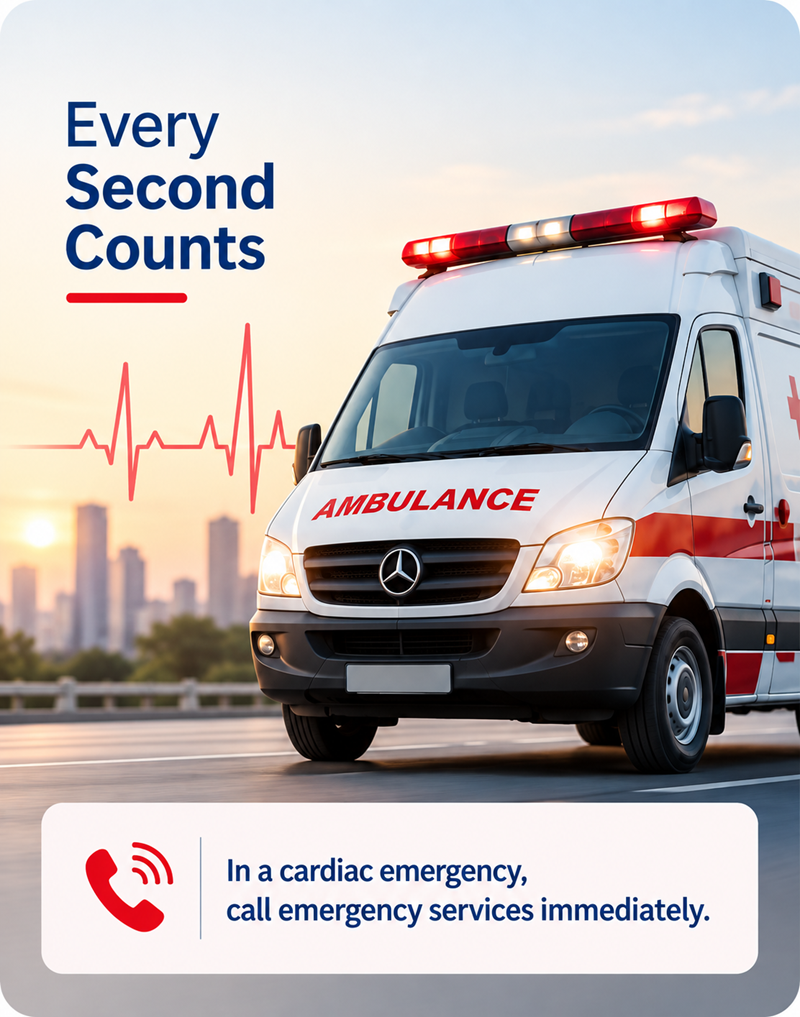
Do not delay emergency care to arrange your own transport if the person is seriously unwell or having severe difficulty breathing.
Frequently Asked Questions on Brain and Spine Emergencies
What is a respiratory emergency?
A respiratory emergency is a serious breathing problem in which the body may not get enough oxygen or may be unable to remove carbon dioxide properly. It can occur with severe asthma, choking, pneumonia, COPD exacerbation, allergic reactions, lung injury, or respiratory failure. Prompt medical assessment is essential because breathing can deteriorate quickly.
What are the warning signs of a respiratory emergency?
Severe or worsening dyspnea, fast or noisy breathing, wheezing, chest retractions, nasal flaring, difficulty speaking complete phrases, restlessness, perspiration, or using the muscles in the neck and chest to breathe are warning symptoms. Particularly serious symptoms include lethargy, disorientation, blue/gray lips or skin, or collapse.
What should be done while waiting for emergency help?
Keep the person calm, sitting upright or leaning slightly forward if that helps them breathe, and loosen tight clothing. Do not give food or drink, avoid leaving them alone, and help them use prescribed rescue medication—such as an inhaler or adrenergic agonists drug auto-injector—only as directed by their personal medical plan.
Can a severe asthma attack become life-threatening?
Yes. Severe asthma can severely constrict the airways and limit oxygen uptake. Some of the signs of an emergency include inability to speak or walk due to difficulty breathing, worsening symptoms despite using a prescribed inhaler, fatigue, confusion, or "silent chest" with very little air movement.
What should I do during a severe asthma attack?
During an asthma emergency, instruct the patient to sit up straight and take their quick-relief inhaler or nebulizer per their asthma action plan. Go to the emergency room immediately if the symptoms are severe, recur rapidly, or fail to subside soon after taking the medication; do not delay emergency care for severe symptoms.
Is wheezing always an emergency?
No. Wheezing can be seen in patients with asthma, COPD, respiratory infections, or even allergies. But this needs immediate attention when the wheezing is new, severe, progressive, or associated with swelling of the face and throat, as well as blue lips, chest pain, difficulty breathing, confusion, and reduced responsiveness.
What is respiratory failure?
Respiratory failure occurs when the lungs cannot deliver enough oxygen to the blood, remove enough carbon dioxide, or both. Symptoms may include shortness of breath, rapid breathing, fatigue, sweating, restlessness, headache, blue skin or lips, and confusion. It is often a medical emergency.
Can choking cause a respiratory emergency?
Yes. An airway blockage from choking can make it difficult for a person to breathe. If a person cannot breathe, cough or speak, they need urgent help and begin appropriate choking first aid (back blows and abdominal thrusts/chest thrusts, depending on the person). If the person loses consciousness, initiate CPR as instructed by the emergency operator if you are qualified to do so.
What is the difference between respiratory distress and respiratory arrest?
Respiratory distress is a condition in which breathing occurs but is difficult for the individual. This condition is characterized by signs such as rapid breathing, retractions, wheezing, or difficulty speaking complete sentences. Respiratory arrest is a situation in which breathing is absent or abnormal, and it requires immediate emergency response and CPR if indicated.
Why do lips or skin turn blue or grey during breathing problems?
Blue, grey, or ashen discolouration—called cyanosis—can occur when the blood is carrying insufficient oxygen. It is generally a late and severe sign of hypoxia, especially when associated with worsening breathlessness, confusion, drowsiness, or reduced responsiveness.
Can a severe allergic reaction affect breathing?
Yes. Anaphylaxis is accompanied by swelling of the throat or tongue, hoarseness, wheezing, tightness of the chest, and extreme breathing problems. The recommended procedure is to administer an adrenergic agonist drug via an auto-injector according to the individual's emergency plan, contact emergency services, and ensure hospital assessment even if symptoms improve.
Does anxiety always cause hyperventilation?
No. Anxiety can cause rapid breathing, but hyperventilation may also occur with asthma, infections, heart or lung conditions, pain, metabolic disorders, or other medical emergencies. Sudden or severe rapid breathing with chest pain, fainting, wheezing, blue/gray color, or confusion should be treated as an emergency.
How can respiratory emergencies be prevented?
By adhering to the recommended management for asthma or COPD, refraining from smoking and avoiding other identified triggers, being vaccinated as required, managing respiratory infections, and keeping emergency medication close by, one can minimize the risk. People with asthma, COPD, severe allergies and those with home oxygen require an action plan and know when to seek urgent help.
When should I call an ambulance for a respiratory emergency?
An ambulance needs to be called immediately if there is serious trouble breathing, gasping, inability to talk in full sentences, lips and skin that have a bluish or greyish colour, chest pain, confusion, excessive drowsiness, or collapse. This is because it might mean there are dangerously low oxygen levels or respiratory failure and requires urgent medical care.
What if the patient becomes unconscious before the ambulance arrives?
Check whether the person is breathing normally. If they are not breathing or are only gasping, call emergency services, start CPR if trained, and follow the dispatcher’s instructions until the ambulance arrives.
Conclusion
Respiratory crises require immediate evaluation and treatment. Severe or sudden dyspnea, breathing difficulties, bluish lips or skin, chest pressure, disorientation, loss of consciousness, or abnormal breathing should all be regarded as warning signs that require immediate attention.
Emergency respiratory treatments at PACE Hospitals in Hyderabad include emergency care for patients experiencing problems like severe difficulty breathing, acute asthma attack, respiratory infection, pneumonia, respiratory failure, and other breathing emergencies. Immediate treatment can enable the detection of the underlying cause and stabilization of the patient for further treatment without delay.


