
Hernioplasty Surgery, Procedure and Cost
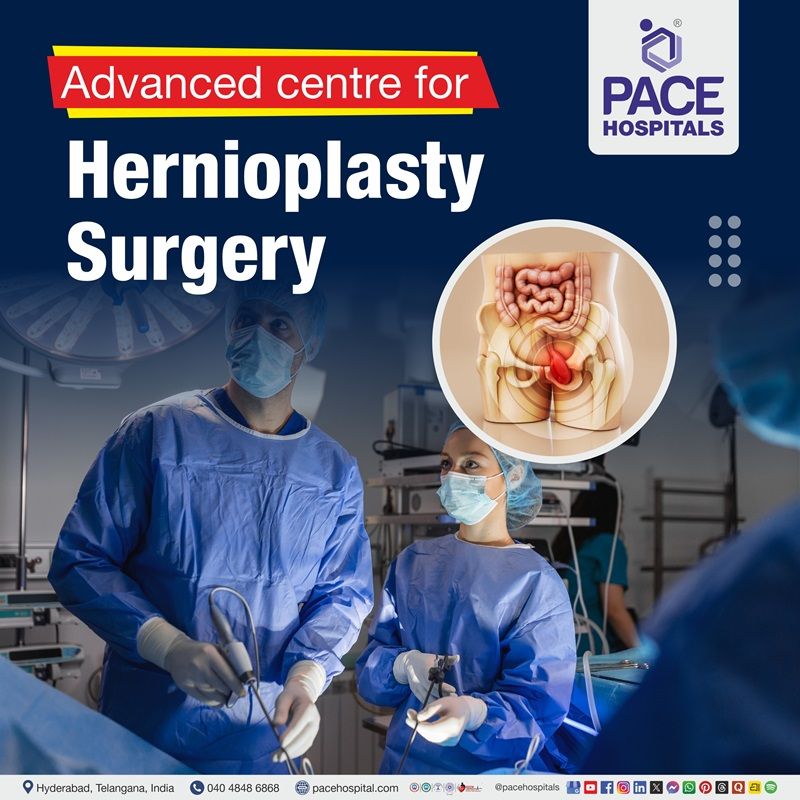
PACE Hospitals offers advanced hernioplasty surgery in Hyderabad, India, providing effective treatment for various types of hernias, including inguinal, incisional, and abdominal wall hernias. Our surgeons perform hernioplasty using both open and minimally invasive techniques, including mesh-based repairs, to strengthen the weakened area, reduce recurrence, and ensure long-term relief.
As a trusted center for hernia care, we focus on accurate diagnosis and personalized treatment planning for each patient. With an emphasis on safety, faster recovery, and durable outcomes, our approach helps restore abdominal strength and improve overall quality of life.
Book an Appointment for Hernioplasty Procedure
Hernioplasty Surgery Appointment
Why Choose PACE Hospitals for Hernioplasty Surgery?
Expert Surgical Gastroenterologists in Hyderabad Specializing in Hernioplasty for All Types of Hernias
Precise Hernioplasty Procedure with Mesh Repair, Laparoscopic Techniques & Tension-Free Fixation Methods
Transparent Hernioplasty Surgery with Insurance and Cashless Options
Recognized for excellence in healthcare delivery with
NABH, NABL, NBE/DNB, NABH Nursing Excellence, and ISCCM accreditations.
What is Hernioplasty?
Hernioplasty is a surgical procedure used to repair a hernia by repositioning the herniated tissue and reinforcing the weak area of the muscle or connective tissue, typically with mesh (it’s made from synthetic material or animal or human tissue). Hernioplasty surgery is generally performed to find relief from discomfort for conditions such as inguinal hernias (groin area), umbilical hernias (belly button), and hiatal hernias (upper abdomen). General surgeons or specialized surgeons such as Hernia surgeons, who specialize in abdominal and gastrointestinal surgery, typically perform hernioplasty surgery to restore the anatomical structure and function of the affected area caused by a hernia.
Patients who experience significant pain, discomfort, or complications due to their hernia are the primary candidates for this procedure, especially if non-surgical treatments like medication or lifestyle changes have not been effective.
Hernioplasty meaning
The term "hernia" refers to the protrusion of an organ or tissue through a weak area in the abdominal wall or other body parts. The suffix “-plasty” comes from the Greek word meaning “molding” or “formation”, signifying the goal of the procedure: to reshape or reconstruct the damaged area. Hernioplasty refers to the surgical repair of this herniated tissue, restoring the anatomical integrity of the weakened muscle or tissue.
The concept of hernia repair has evolved over centuries. Initially, early procedures involved simple excision or manual repositioning. Over time, improvements such as the use of mesh materials have substantially enhanced the operation, resulting in better results and lower rates of hernia recurrence.
Types of Hernioplasty
There are several types of hernioplasty developed to address different hernia locations and the patient's specific condition, ensuring optimal clinical outcomes and improving quality of life. Below mentioned are the hernioplasty types:
Hernioplasty by Location
- Inguinal Hernioplasty
- Umbilical Hernioplasty
- Femoral Hernioplasty
- Incisional Hernioplasty
- Hiatal Hernioplasty
- Bilateral Hernioplasty
- Spigelian Hernioplasty
- Parastomal Hernioplasty
Hernioplasty by Technique
- Laparoscopic Hernioplasty
- Open Hernioplasty
- Mesh Hernioplasty
- Robotic-Assisted Hernioplasty
By Hernia Location
- Inguinal Hernioplasty: It is the most common form of hernia repair, performed to treat inguinal hernias that occur in the groin area. This procedure can be done using various techniques, but mesh repair is the standard approach to reinforce the abdominal wall and reduce the chance of recurrence. This procedure can be performed using open surgery or laparoscopic techniques. Lichtenstein hernioplasty is a widely used technique for inguinal hernia repair. The Lichtenstein method has a low recurrence rate and is commonly performed for unilateral inguinal hernias.
- Umbilical Hernioplasty: It is performed to treat umbilical hernias, which occur around the belly button. The procedure typically involves the use of mesh to close the defect and strengthen the abdominal wall, particularly in adults with large or recurrent hernias.
- Femoral Hernioplasty: This technique is applied for femoral hernias, which occur near the upper thigh, often more common in women.
- Incisional Hernioplasty: It is performed to repair incisional hernias, which develop through an incision from previous abdominal surgery. These hernias require reinforcement with mesh to ensure the strength of the abdominal wall, which may have been weakened due to prior surgical scars.
- Hiatal Hernioplasty: It is used to repair hiatal hernias, where part of the stomach pushes up into the chest through the diaphragm.
- Bilateral Hernioplasty: It is used when hernias occur on both sides of the body, such as bilateral inguinal hernias. The procedure is known as bilateral inguinal hernioplasty as it is performed on both sides during the same surgery, often using laparoscopic or open mesh techniques to ensure strong, long-lasting repairs.
- Spigelian Hernioplasty: It is used to treat Spigelian hernias, which occur along the edge of the rectus abdominis muscle (the muscle along the front of the abdomen). This type of hernia is rare and often requires open surgery with mesh placement for reinforcement.
- Parastomal Hernioplasty: It is performed to repair hernia formation around a stoma (a surgically created opening for waste removal). These hernias often occur in patients who have had ostomy surgery. Mesh is used to close the defect and prevent recurrence.
By Techniques/Approaches
- Laparoscopic Hernioplasty: It is a minimally invasive procedure used to repair hernias, often for inguinal or umbilical hernias. Small incisions are made, and a laparoscope (a small camera) is inserted to guide the surgery. This method reduces scarring, pain, and recovery time compared to open surgery. It includes both TAPP Hernioplasty and TEP Hernioplasty.
- TAPP (Transabdominal Preperitoneal) Hernioplasty: A type of laparoscopic surgery where the surgeon accesses the hernia through the abdomen and places the mesh in the preperitoneal space.
- TEP (Totally Extraperitoneal) Hernioplasty: Another laparoscopic technique where the mesh is placed in the preperitoneal space without entering the peritoneal cavity.
- Open Hernioplasty: It involves a single incision made over the hernia site to access and repair the hernia. This method is frequently utilized for larger or more complex hernias, particularly when mesh reinforcement is required. It is more intrusive than laparoscopic procedures, yet it is still helpful for some hernias. Open mesh hernioplasty is a variation on typical open hernioplasty in which mesh is used to strengthen the abdominal wall and lower the chance of hernia recurrence. Mesh is placed directly over the defect after the herniated tissue is repositioned. This method provides long-term support and is typically used for larger hernias.
- Mesh Hernioplasty: It involves the use of surgical mesh to reinforce the area around the hernia to prevent recurrence. This technique can be used in both open and laparoscopic approaches.
- Robotic-Assisted Hernioplasty: It is a type of laparoscopic surgery that utilizes robotic technology to assist in the precision of the procedure. The surgeon uses a console to manipulate robotic arms, which allows for more dexterity and accuracy. This procedure can be used for both inguinal and
umbilical hernias.
Indications for Hernioplasty
The main indications for hernioplasty are hernias that cause significant symptoms or complications that cannot be managed with conservative treatments. The key indications for hernioplasty include the following:
- Severe pain and functional limitations
- Progression of hernia size
- Failure of conservative treatments
- Cosmetic concerns or discomfort
- Risk of recurrence
- Hernia-related complications
Severe pain and functional limitations
Even with conservative treatments such as physical therapy, lifestyle changes, and medication, persistent pain, swelling, and discomfort in the affected area can substantially impact daily activities. This pain is often exacerbated by physical exertion or strain and significantly reduces the quality of life.
Progression of hernia size
When the hernia enlarges over time, it may cause a more significant bulge and worsen symptoms such as discomfort and swelling. As the hernia grows, it may also lead to increased difficulty with movement and a higher risk of complications, such as strangulation (a life-threatening situation where blood flow to the herniated tissue is cut off).
Failure of conservative treatments
When non-surgical approaches, including medication, injections, activity modification, and physical therapy, fail to provide adequate relief or prevent the hernia from worsening, hernioplasty is considered to be the best option to prevent further complications.
Cosmetic concerns or discomfort
In some cases, the cosmetic appearance of the hernia or the persistent bulge may be a significant concern for the patient. Even in the absence of acute pain, the discomfort or shame produced by a visible hernia can have an impact on a patient's mental health and quality of life, prompting the choice to undergo surgery.
Risk of recurrence
Hernias that have recurred after previous surgical repair or that are at a high risk of recurrence may require another surgery. Mesh hernioplasty can be used in revision cases to provide long-term support and minimize the risk of further hernia formation.
Hernia-related complications
Certain types of hernias, such as hiatal hernias, can cause severe complications like gastroesophageal reflux disease (GERD), which significantly impacts the patient's ability to eat and digest food. In these circumstances, hernioplasty is quite necessary to alleviate symptoms and prevent additional gastrointestinal problems.
Other indications
Hernioplasty may also be required in cases of trauma, congenital hernias, or hernias that are diagnosed during an unrelated procedure. Surgical repair can help restore proper function, prevent complications, and improve the patient's overall health.
Contraindications for Hernioplasty
Before proceeding with hernioplasty, it is essential to consider several absolute and relative contraindications to minimize risks and ensure successful outcomes. These contraindications help in identifying patients who may not be suitable candidates for the procedure, thereby reducing the likelihood of complications. The following are key contraindications for hernioplasty:
- Absolute Contraindications
- Active Local or Systemic Infection
- Severe Cardiovascular or Pulmonary
- Uncontrolled Diabetes
- Immunodeficiency
- Active Deep Vein Thrombosis (DVT)
- Relative Contraindications
- Severe Malnutrition
- Obesity
- Previous Hernia Surgery
Absolute Contraindications
- Active Local or Systemic Infection: Any local infection (such as cellulitis or sepsis) near the hernia site or systemic infections (e.g., bacteremia) are absolute contraindications. Performing surgery in the presence of infection greatly increases the risk of wound infection and complications related to the hernia repair.
- Severe Cardiovascular or Pulmonary Disease: Conditions such as uncontrolled heart failure, unstable angina, or pulmonary embolism (PE) are absolute contraindications for hernioplasty. These conditions may prevent the patient from tolerating anesthesia or increase the risk of complications during surgery.
- Uncontrolled Diabetes: Uncontrolled diabetes (e.g., HbA1c levels above 8%) impairs wound healing and increases the risk of infection after surgery. Blood glucose levels should be controlled before proceeding with the procedure.
- Immunodeficiency: Patients with untreated immunodeficiencies such as HIV/AIDS with low CD4 counts, or other severe immune system disorders, face a higher risk of infections following surgery. Treatment of the immunodeficiency is necessary before surgery.
- Active Deep Vein Thrombosis (DVT): Active DVT or pulmonary embolism can cause thromboembolic events during surgery. If a patient has DVT or PE, hernioplasty should be delayed until these conditions are treated and the patient is stabilized.
Relative Contraindications
- Severe Malnutrition: Patients with severe malnutrition (e.g., low serum albumin levels or poor nutritional status) are at higher risk of poor wound healing and infection. Nutritional optimization is necessary before surgery to reduce these risks.
- Obesity: For individuals being overweight (BMI >30) have the chance of complications, including poor healing, wound infection, and hernia recurrence. Morbid obesity (BMI >40) is particularly concerning and may require weight reduction prior to surgery or consideration of alternative approaches.
- Previous Hernia Surgery: Patients who have undergone hernia surgery before may have complications such as mesh infection or scar tissue can make the current surgery more challenging. A detailed assessment is needed to evaluate the risks and decide whether hernioplasty is appropriate.
- Poor Tissue Quality: In conditions such as peripheral vascular disease or tissue necrosis in the affected area can make it difficult for the surgeon to properly install mesh and accomplish adequate healing. These issues may necessitate postponing surgery or exploring alternate treatments.
- Neurological or Muscular Disorders: Patients with neurological disorders (such as neuropathy) or muscular diseases (e.g., muscular dystrophy) may have difficulty following post-surgical care or may not have sufficient recovery potential. These conditions may increase the risk of complications after surgery.
- Inability to Follow Post-Surgical Care: Non-compliance with post-surgical care, such as the inability to avoid heavy lifting or follow physical restrictions, is a relative contraindication. These patients are at risk of complications like hernia recurrence, wound infection, or delayed healing.
Hernioplasty Benefits
Numerous studies have shown that hernioplasty significantly improves symptoms, functionality, and the overall quality of life for patients suffering from hernias. The main advantages of hernioplasty include the following:
- Pain Relief
- Improved Mobility and Function
- Enhanced Quality of Life
- Reduction in Recurrence and Complications
- Decreased Need for Long-Term Management
- Shorter Recovery Time and Early Rehabilitation
- Cost-Effectiveness
- Optimized Care and Patient Safety
Pain Relief
One of the most significant benefits of hernioplasty is the relief of pain. Patients with inguinal, umbilical, or hiatal hernias may have persistent discomfort or severe pain, particularly while lifting or bending. Hernioplasty is a surgical technique that alleviates discomfort and restores normal function.
Improved Mobility and Function
Patients who have had hernioplasty usually report increased mobility and the ability to perform physical activities with less discomfort. The surgical procedure helps to rectify the protrusion and strengthens the injured muscle, allowing patients to return to normal activities and exercise more comfortably.
Enhanced Quality of Life
Hernioplasty significantly improves patients' quality of life. Patients can accomplish chores independently and with less disturbance to their daily routines after their pain is relieved and their function is restored. As a result, many people report considerable improvements in their emotional well-being and life satisfaction.
Reduction in Recurrence and Complications
Modern mesh techniques used in hernioplasty significantly reduce the likelihood of hernia recurrence. The use of mesh provides long-term reinforcement of the abdominal wall, which reduces the risk of the hernia coming back and decreases complications associated with untreated hernias, such as strangulation.
Decreased Need for Long-Term Management
Patients who undergo hernioplasty require less long-term medical supervision than those who continue with a conservative mode of treatment. The surgery treats the underlying cause of the hernia, reducing the need for continued physical therapy, medication, or frequent visits to the doctor.
Shorter Recovery Time and Early Rehabilitation
Recovery times have been greatly reduced by new minimally invasive methods such as laparoscopic hernioplasty. Patients frequently report decreased pain following surgery, allowing them to resume regular activities and therapy sooner. This allows for a quicker hospital discharge and a more efficient recuperation.
Cost-Effectiveness
While hernioplasty requires an upfront surgical cost, it is cost-effective in the long term. Repairing the hernia surgically prevents the need for ongoing, ineffective treatment methods, reduces hospital readmissions, and eliminates the potential for emergency surgeries due to complications like strangulation.
Optimized Care and Patient Safety
Multidisciplinary care in hernioplasty ensures patient safety and reduces complications. The use of standardized care protocols minimizes unnecessary interventions and optimizes recovery, contributing to a safer surgical experience and fewer postoperative complications that helps patients to have a better quality of life.
Get a Free Second Opinion for Hernioplasty Surgery from Experienced Specialists
At PACE Hospitals, we are committed to providing our patients with the best possible care, and that includes offering second medical opinions with super specialists for treatment or surgery. We recommend everyone to get an expert advance medical second opinion, before taking decision for your treatment or surgery.
Hernioplasty Procedure Steps
Hernioplasty procedure steps include the following:
Before the Procedure
- The doctor will take a thorough medical history and perform a complete physical examination to assess the overall health of the patient. Additional tests, including blood tests or diagnostic imaging (like an ultrasound or CT scan), may be performed to evaluate the size, location, and type of hernia.
- The patients will be asked to sign a consent form authorizing the doctors to perform the surgery. It is crucial for patients to carefully read the form and ask any questions they may have regarding the procedure.
- The patients need to inform the doctor about any allergies to medications, including prescription medications, over-the-counter drugs, and herbal supplements. Some medications, like blood thinners and anticoagulant medications, may need to be discontinued before surgery to reduce the risk of bleeding.
- If a patient is pregnant or suspects they are pregnant, they must inform the doctor, as this could impact the type of anesthesia and approach for surgery.
- Patients will be instructed to fast (no eating or drinking) for at least 6–8 hours before the surgery to reduce the risk of aspiration during anesthesia.
- Patients are advised to avoid strenuous activities that put pressure on the hernia and could lead to further complications before surgery.
- Patients are encouraged to stop smoking and avoid alcohol for several weeks prior to surgery to reduce the risk of complications and promote faster recovery.
- Patients should arrange for someone to assist them at home for 1-2 weeks after surgery, as they may experience limited mobility during the recovery phase.
During the Procedure
- Hernioplasty is usually performed while patients are asleep under general anesthesia. The anesthesiologist will discuss this with the patient before the procedure.
- The patients will be asked to remove their garments and provided a gown to wear. An intravenous (IV) line will be started in the patient’s arm or hand.
- The patient will be positioned on the operating table, and a urinary catheter may be inserted to ensure comfort during the procedure.
- In open hernioplasty, the surgeon will make an incision near the hernia site. For laparoscopic hernioplasty, small incisions are made, and a camera is inserted to guide the surgery. The hernia sac is pushed back into place, and mesh is placed over the weakened area to reinforce the abdominal wall.
- Once the mesh is in place, the incision is closed using sutures or surgical staples. A sterile dressing will be applied to the incision site.
After the Procedure
- Following surgery, patients will be brought to the recovery room for observation. Patients will be moved to their hospital room once their blood pressure, pulse, and respiration have stabilized, and they are alert.
- Patients will be encouraged to begin gentle movement as soon as possible to promote circulation. Physical therapy may be recommended to help regain strength and mobility.
- Patients will be scheduled for follow-up visits to monitor the healing process and ensure the hernia repair is successful.
- Patients will gradually resume eating and drinking once they are able. Light activities can generally be resumed after 1-2 weeks, but heavy lifting and strenuous exercise should be avoided for at least 4-6 weeks.
- Patients will be discharged and sent home or to a rehabilitation facility. Physical therapy may continue until patients regain muscular strength and range of motion.
Hernioplasty Complications
Like any surgical procedure, hernioplasty carries a risk of complications that can affect both short-term recovery and long-term results. The following are some of the potential complications associated with hernioplasty:
- Infection
- Venous Thromboembolism (VTE)
- Seroma or Hematoma Formation
- Mesh Complications
- Nerve Injury
- Wound Dehiscence and Delayed Healing
- Urinary Retention or Bladder Injury
- Joint Stiffness and Decreased Mobility
- Revision Surgery
Infection
One of the most significant risks following hernioplasty is infection, particularly wound infection or mesh infection. Periprosthetic infections (infections around the mesh or prosthetic) can occur, especially in patients with predisposing conditions like diabetes, obesity, or immunodeficiency. Infections may require long-term antibiotics or even revision surgery to remove infected mesh and repair the hernia again.
Venous Thromboembolism (VTE)
Venous thromboembolism, which includes pulmonary embolism (PE) and deep vein thrombosis (DVT), is a common complication following any surgery, including hernioplasty. Patients with pre-existing conditions like obesity, cardiovascular disease, or immobility are at a higher risk of developing blood clots after surgery. To reduce the risk of these potentially deadly outcomes, immediate treatment and mobility are essential.
Seroma or Hematoma Formation
A seroma (fluid collection) or hematoma (blood collection) can develop at the surgical site after hernioplasty. These collections can cause swelling, discomfort, and, in some cases, an increased risk of infection. Drainage may be required, or the patient may need additional support to address these difficulties.
Mesh Complications
While mesh is commonly used in hernioplasty to reinforce the abdominal wall, mesh implants can carry certain risks. These complications include mesh shrinkage, mesh migration, and mesh rejection. In rare circumstances, mesh can cause adhesions (tissue clinging to the mesh) or fistulas (abnormal connections between organs). These issues may necessitate revision surgery to remove or replace the mesh.
Nerve Injury
Nerve injury is a potential complication of inguinal hernioplasty, where the ilioinguinal nerve or other nerves in the groin area may be damaged during surgery. This can lead to numbness, tingling, or chronic pain in the affected area. In most cases, these symptoms resolve with time, but for some patients, the pain may persist and require further intervention.
Wound Dehiscence and Delayed Healing
Wound complications, including wound dehiscence (wound opening) or delayed wound healing, can occur in patients with diabetes, poor nutrition, or obesity. These factors can raise the risk of infection and necessitate additional measures to promote healing.
Urinary Retention or Bladder Injury
Although uncommon, urine retention or bladder damage can occur during inguinal hernioplasty, particularly in laparoscopic surgeries. The bladder may be inadvertently harmed during surgery, necessitating additional therapy or prolonged catheterization.
Joint Stiffness and Decreased Mobility
While not as common in hernia surgeries, some patients may experience decreased mobility or discomfort after surgery, especially if the hernia affects the groin area. Physical therapy may be required to aid with rehabilitation, range of motion, and strength.
Revision Surgery
Complications such as hernia recurrence, mesh failure, or infection may necessitate revision surgery. Revision surgeries tend to be more complex and carry a higher risk of complications compared to primary hernia repairs.
Note: Postoperative complications of hernioplasty are generally rare but can include issues like wound healing problems, chronic pain, and urinary retention. In some situations, patients may encounter delayed wound healing or infections, particularly if they have underlying illnesses such as diabetes. Nerve irritation or mesh-related inflammation can also cause continuous discomfort and unpleasant feeling. Proper post-operative care, early mobilisation, and adhering to the surgeon's directions can reduce these risks and encourage a smoother recovery.
Recovery Time After Hernioplasty
During the first few weeks following hernioplasty, most patients report a significant reduction in pain and improvement in function compared to their pre-surgery condition. Recovery is characterized by a gradual decrease in pain, swelling, and discomfort, along with a steady improvement in mobility and overall quality of life. While the recovery timeline varies based on the surgical procedure (open or laparoscopic) and the patient's condition, early mobilization and attention to physical therapy are critical for successful recovery.
Most patients are able to resume light activities, such as walking, within 1-2 weeks of surgery. However, driving and returning to work can typically occur within 4-6 weeks, although more strenuous activities or heavy lifting should be avoided for up to 6 weeks to prevent strain on the abdominal wall and ensure proper healing.
By the 6-8 week mark, many patients regain full function, although it may take several months for complete recovery, especially if complications such as infection or hernia recurrence arise. Full recovery can take anywhere from 3 to 6 months, with patients achieving 80-90% of their pre-injury functional capabilities by that time.
Hernioplasty Success Rate
Hernioplasty, particularly when performed using mesh, is known for its high success rate in treating various types of hernias, including inguinal, umbilical, and femoral hernias. The success rate of mesh hernioplasty is typically above 90% approx., with low recurrence rates (around 1-5%) after surgery. The use of mesh significantly reduces the risk of hernia recurrence compared to traditional suturing methods. The procedure's long-term success is determined by a number of factors, including the patient's overall health, adherence to post-surgical treatment, and the presence of any underlying problems such as obesity or smoking.
Questions that the patients can ask the healthcare team about hernioplasty?
- When can I go home?
- When do I need to see my doctor again?
- What kind of pain can I expect?
- When can I go back to my regular activities?
- What is the expected recovery time?
- What precautions should I take?
- What problems can occur after hernioplasty surgery?
- Will I require physical therapy after surgery, and for how long?
- How do I expect my recovery to progress over time?
- How long will my recovery take, and what kind of assistance will I require throughout that time?
- Are there any specific exercises I should avoid while recovering?
- Do I need any further treatment?
Difference between Herniorrhaphy and Hernioplasty
Herniorrhaphy vs hernioplasty
Both hernioplasty and herniorrhaphy are surgical procedures used to treat different types of hernias, but they differ in technique, approach, and mode of application. The selection between either of the techniques herniorrhaphy and hernioplasty depends on certain factors such as the type of hernia, the patient's health, and the desired long-term outcome. Below are the key parameters that help differentiate herniorrhaphy and hernioplasty:
| Parameters | Hernioplasty | Herniorrhaphy |
|---|---|---|
| Definition | Surgical repair of a hernia using mesh or other reinforcement methods to strengthen the abdominal wall and prevent recurrence. | A traditional surgical technique to repair a hernia by simply suturing the edges of the defect together. |
| Common indications | Inguinal, umbilical, femoral, and incisional hernias with larger or recurrent defects. | Primarily used for inguinal hernias, especially small or uncomplicated hernias. |
| Procedure | The herniated tissue is returned to its proper position, and mesh is used to reinforce the weakened abdominal wall. | The edges of the hernia defect are sutured together to close the gap, without the use of mesh. |
| Goal | To repair the hernia and prevent recurrence by reinforcing the abdominal wall. | To close the hernia defect and restore the integrity of the affected area. |
| Function | Enhances abdominal wall strength and reduces recurrence rates through the use of mesh. | Aims to restore the structure of the abdominal wall but may have a higher recurrence rate due to the absence of mesh. |
| Mobility outcome | Restores normal movement by providing long-term reinforcement to the abdominal wall, improving function. | Normal movement may be restored, but recurrence or complications can limit long-term outcomes in some cases. |
| Long-term outcomes | Lower recurrence rates due to mesh reinforcement, though there may be a risk of mesh-related complications over time. | Higher recurrence rates, especially in patients with larger or more complex hernias. |
| Risk of complications | Includes potential complications related to the mesh (infection, migration, rejection). | Risk of hernia recurrence, wound infection, or tension at the repair site. |
| Preferred for | Larger, recurrent, or complicated hernias, or hernias in patients who need strong reinforcement. | Small, uncomplicated hernias in otherwise healthy patients. |
| Surgical approach | May be performed using open surgery or laparoscopic techniques, depending on the hernia type. | Typically performed using open surgery, with fewer modern laparoscopic approaches. |
Hernioplasty Surgery Cost in Hyderabad, India
The cost of Hernioplasty Surgery (also known as hernia repair surgery) in Hyderabad generally ranges from ₹30,000 to ₹1,80,000 and above (approx. US $360 – US $2,170).
The exact cost of hernioplasty surgery varies depending on the type of hernia (inguinal, umbilical, incisional, or hiatal), the surgical approach (open surgery vs. laparoscopic surgery), the complexity of the hernia, and whether the surgery requires additional procedures such as mesh implantation. Other factors like preoperative imaging (ultrasound, CT scans), anesthesia, hospital stay duration, and postoperative care also contribute to the total cost. Availability of cashless treatment options, TPA corporate tie-ups, and insurance assistance wherever applicable may further affect the overall expenses.
Cost Breakdown According to Type of Hernioplasty Surgery
- Inguinal Hernia Surgery (Open or Laparoscopic) – ₹30,000 – ₹80,000 (US $360 – US $960)
- Umbilical Hernia Surgery – ₹35,000 – ₹90,000 (US $420 – US $1,085)
- Incisional Hernia Surgery – ₹50,000 – ₹1,20,000 (US $600 – US $1,445)
- Hiatal Hernia Surgery (Laparoscopic or Open) – ₹80,000 – ₹1,50,000 (US $960 – US $1,805)
- Complex Hernia Repair with Mesh Implantation – ₹90,000 – ₹1,80,000+ (US $1,085 – US $2,170+)
Frequently Asked Questions (FAQs) on Hernioplasty
What is mesh hernioplasty?
Mesh hernioplasty is a surgical procedure used to repair a hernia by placing a synthetic mesh over the weakened area of the abdominal wall. The mesh acts as a reinforcement to provide additional support to the area, minimizing the risk of hernia recurrence. The mesh can be made of biocompatible materials such as polypropylene or composite materials. The procedure may be performed through open surgery or laparoscopy, depending on the hernia's size and complexity.
Which Is the best hospital for Hernioplasty Surgery in Hyderabad, India?
PACE Hospitals, Hyderabad, is a trusted centre for advanced hernia surgery and comprehensive abdominal surgery care.
We have highly experienced general surgeons, laparoscopic surgeons, anesthesiologists, and critical care specialists who follow evidence-based surgical protocols to repair hernias with minimal risk and maximum recovery. Whether it’s a simple hernia or a complex case requiring advanced laparoscopic techniques, PACE Hospitals provides high-quality care with the latest surgical methods and postoperative support.
We provide excellent facilities that includes state-of-the-art operating theatres, laparoscopic equipment, advanced mesh implants, and structured postoperative care (including physiotherapy), PACE Hospitals ensures safe and effective hernia repair surgery with quick recovery.
What is mesh hernioplasty success rate?
The success rate of mesh hernioplasty is generally very high around 95% success rate, with most studies reporting recurrence rates of 1-5%. Factors influencing the success rate include the type of mesh used, the patient’s overall health, and the surgical approach (open vs. laparoscopic). The use of mesh significantly reduces the risk of hernia recurrence, making it the preferred method for umbilical, inguinal, and incisional hernias. Long-term success is also influenced by patient compliance with post-surgical care, such as avoiding heavy lifting and following rehabilitation guidelines.
Can a hernia occur again after mesh hernioplasty?
While mesh hernioplasty offers a significantly lower risk of hernia recurrence compared to traditional suturing methods, recurrence can still occur, particularly if post-surgical instructions are not followed. However, factors such as obesity, strenuous activity, or improper care during the recovery period may contribute to recurrence.
What Is the cost of Hernioplasty Surgery at PACE Hospitals, Hyderabad?
At PACE Hospitals, Hyderabad, the cost of hernioplasty surgery typically ranges from ₹28,000 to ₹1,60,000 and above (approx. US $340 – US $1,930), making it a cost-effective option for comprehensive hernia surgery in Hyderabad. However, the final cost depends on:
- Type of hernia (inguinal, umbilical, incisional, hiatal)
- Type of surgical approach (open vs laparoscopic)
- Need for mesh implantation
- Hospital stay and anesthesia requirements
- Preoperative imaging (ultrasound, CT scans)
- Postoperative care and follow-up
- Specialist consultations and recovery support
For simple inguinal or umbilical hernia repairs, costs remain toward the lower end, while complex hernia repairs with mesh implantation or hiatal hernia surgery may fall toward the higher range.
After a detailed surgical evaluation and preoperative imaging, our specialists provide a transparent cost estimate tailored to the type of hernia and required treatment.
What is the difference between open and laparoscopic hernioplasty?
The major difference between open hernioplasty and laparoscopic hernioplasty is the size of the incision and the method implemented. Open hernioplasty requires a larger incision to reach the hernia, but laparoscopic hernioplasty requires numerous small incisions, which results in less pain and a faster recovery. However, laparoscopic surgery necessitates specific equipment and experience.
Looking for the best Hernioplasty Surgery Hospital Near Me?
If you’re searching for the top hernia surgery hospital near me in areas like HITEC City, Madhapur, Kondapur, Gachibowli, Kukatpally, or KPHB, it is important to choose a hospital with experienced surgeons, advanced laparoscopic surgery equipment, and high-quality postoperative care.
Effective hernia treatment requires:
- Accurate diagnosis and imaging
- A skilled surgeon for either open or laparoscopic surgery
- Safe use of mesh implants if necessary
- Postoperative monitoring and rehabilitation
At PACE Hospitals, Hyderabad, patients receive comprehensive care with modern surgical techniques, ensuring quick recovery and a reduced risk of recurrence.
Can hernioplasty patients join gym?
After hernioplasty surgery, patients are commonly advised to avoid strenuous physical activities, including gym exercises, for 4-6 weeks to ensure proper healing and prevent complications such as hernia recurrence or wound dehiscence. Light activities, such as walking, may be resumed earlier, but heavy lifting or intense exercises should be avoided until fully healed. Post-surgical rehabilitation or physical therapy may also be recommended to gradually regain strength and flexibility before engaging in more strenuous workouts.
Does loose motion occur after 6 months of hernioplasty?
Loose motion or changes in bowel movements are not typical long-term side effects of hernioplasty. However, some people may develop gastrointestinal problems quickly after surgery as a result of anesthesia, drugs, or the stress of the procedure. If loose motions continues more than six months post-surgery, it may be related to other factors such as medication side effects, dietary changes, or intestinal adhesions. It is important to consult with the healthcare provider such as surgical gastroenterologists if bowel changes persist for an extended period.
How long does inguinal hernioplasty take?
Inguinal hernioplasty typically takes 30 to 60 minutes to perform. The procedure’s duration depends on the complexity of the hernia and whether open surgery or laparoscopic surgery is used. Laparoscopic surgery may take slightly longer due to the precision required for minimally invasive techniques, but it often results in quicker recovery times and less postoperative pain compared to open surgery.
When to do renal transplantation after mesh hernioplasty?
After mesh hernioplasty, it is generally safe for patients to undergo a renal transplant once they have fully recovered from the hernia repair and are cleared by their surgical team for further undergoing the transplant procedure. This normally takes 6-12 months’ time duration, depending on the individual's recovery progress, condition stability, and ability to manage post-surgical care. Ensuring proper healing and no signs of infection or recurrence of the hernia is critical before considering any other major surgeries, like renal transplantation.
Why is Lichtenstein hernioplasty called tension free?
Lichtenstein hernioplasty is also known as a tension-free repair because it includes placing a mesh over the hernia defect, eliminating the need to suture the tissue margins under tension. This reduces the strain on the tissue, minimizing recurrence and facilitating faster recovery. The tension-free technique helps minimize complications such as wound dehiscence, pain, and infection, making it a preferred method for inguinal hernias.
Why laparoscopic hernioplasty is costly?
Laparoscopic hernioplasty tends to be more expensive than traditional open surgery because it requires specialized equipment (such as a laparoscope, trocars, and other instruments), as well as a highly trained surgical team experienced in minimally invasive procedures. The technology used for laparoscopic surgery increases the initial cost of the procedure. Furthermore, the hospital stay and recovery time are frequently shorter, which can help offset some of the higher initial costs.
Which mesh is used in hernioplasty?
The type of mesh used in hernioplasty depends on the hernia type and surgical method. Common types of mesh include polypropylene, ePTFE (expanded polytetrafluoroethylene), and composite meshes that combine different materials. These meshes are designed to be biocompatible and allow for tissue integration while providing durable reinforcement. The mesh material used is determined by the patient's individual demands, such as infection risk, tissue compatibility, and whether the repair is performed open or laparoscopically.
How long should a patient wait before resuming normal physical activities after hernioplasty?
Patients are typically advised to avoid strenuous activities, such as heavy lifting or intense exercise, for 4-6 weeks following hernioplasty. Gradual physical activity can begin after 1-2 weeks, but more demanding physical tasks should be delayed until the healing process is well underway to reduce the risk of hernia recurrence.
Can hernioplasty be performed on elderly patients?
Yes, hernioplasty can be safely performed on elderly patients, but careful consideration of their overall health, comorbid conditions, and the type of hernia is necessary. The risks associated with anesthesia and healing in elderly patients are generally low, but they may require closer monitoring during and after the procedure.
Is there a risk of complications with mesh used in hernioplasty?
While mesh hernioplasty is highly effective, there are risks associated with mesh use, such as infection, mesh migration, shrinkage, or adhesions. However, these risks are relatively rare, and the use of mesh significantly reduces the risk of recurrence. Regular follow-up appointments are crucial to monitor for any potential complications.
Is Hernioplasty Surgery Covered by Insurance at PACE Hospitals?
Yes, herniooplasty surgery is generally covered under most health insurance policies at PACE Hospitals, subject to policy terms and approval. Since hernia repair is a medically necessary procedure, it is typically included under private insurance and corporate health plans.
At PACE Hospitals, patients can benefit from:
- Cashless hospitalization facilities with empaneled insurance providers
- Assistance from a dedicated insurance and TPA coordination team
- Pre-authorization support and documentation guidance
- Transparent cost estimates before admission
- Support for government health schemes where applicable
Coverage depends on outpatient versus inpatient benefits, waiting periods, sum insured limits, and policy inclusions. Patients are encouraged to share their insurance details in advance so the hospital’s insurance desk can verify eligibility and streamline approvals.
Why choose PACE Hospitals?
- A Multi-Super Speciality Hospital.
- NABH, NABL, NBE & NABH - Nursing Excellence accreditation.
- State-of-the-art Liver and Kidney transplant centre.
- Empanelled with all TPAs for smooth cashless benefits.
- Centralized HIMS (Hospital Information System).
- Computerized health records available via website.
- Minimum waiting time for Inpatient and Outpatient.
- Round-the-clock guidance from highly qualified super specialist doctors, surgeons and physicians.
- Standardization of ethical medical care.
- 24X7 Outpatient & Inpatient Pharmacy Services.
- State-of-the-art operation theaters.
- Intensive Care Units (Surgical and Medical) with ISO-9001 accreditation.


