
Sepsis Emergency Care in Hyderabad
24/7 Emergency Assessment and Treatment for Sepsis and Septic Shock
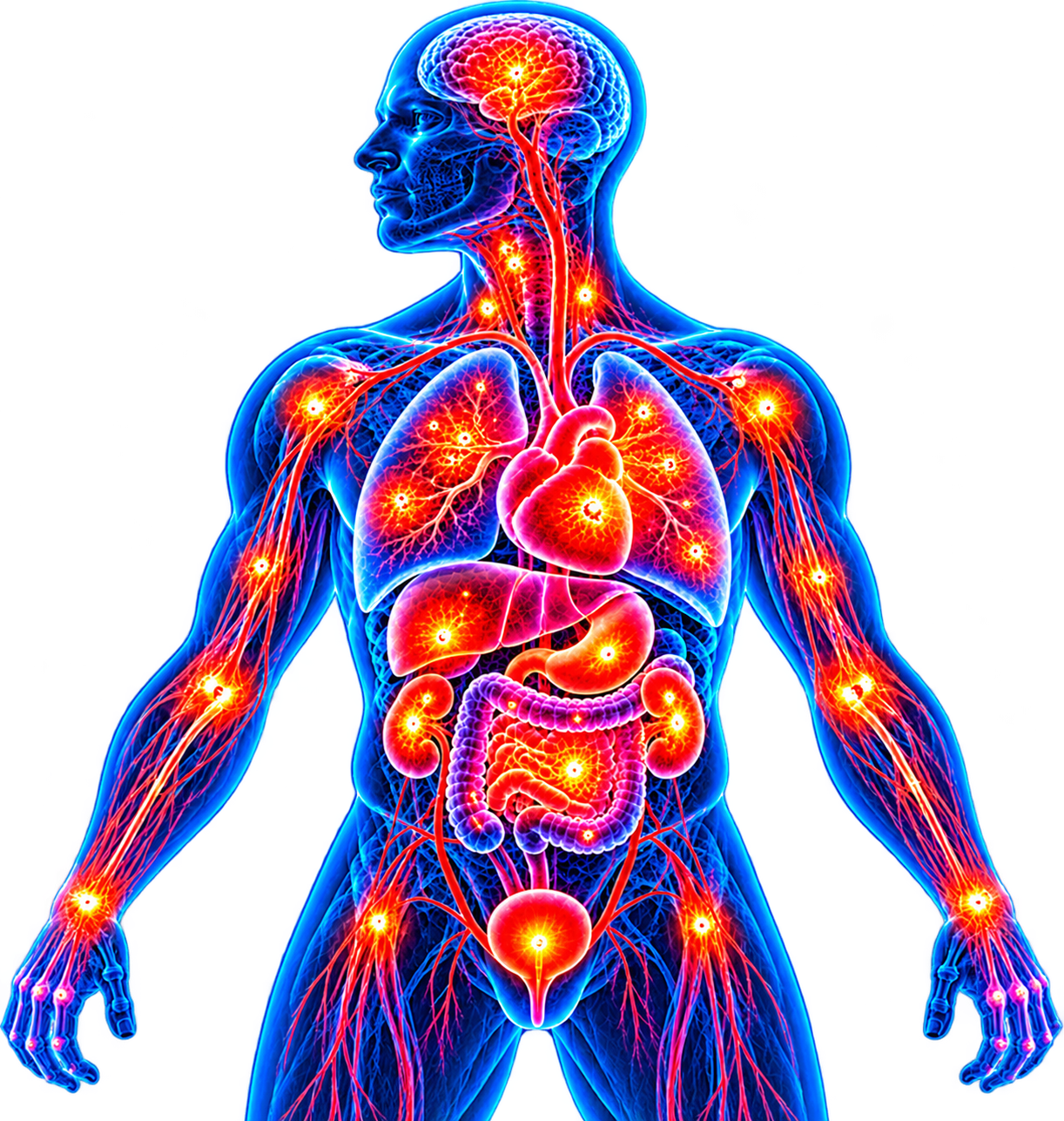
Rapid Recognition - Early Sepsis Assessment
Prompt evaluation of suspected sepsis and signs of serious infection
Rapid Evaluation - Infection & Organ Function Assessment
Clinical assessment and investigations to evaluate infection and possible organ dysfunction
Antibiotics · IV Fluids - Prompt Sepsis Treatment
Timely antimicrobial therapy and fluid management based on clinical assessment
ICU · Organ Support - Critical Care Management
Continuous monitoring and organ support for severe sepsis and septic shock
Emergency Signs
Fever or suspected infection with confusion, fast heart rate, low blood pressure, severe weakness, rapid breathing, reduced urine output, breathing difficulty, or signs of organ dysfunction may indicate a sepsis emergency. Seek immediate emergency care. Call PACE Hospitals: 04048486868.
What Is a Trauma and Accident Emergency?
What Is a Rheumatology Emergency?
What Is a Sepsis Emergency?
Sepsis is a life-threatening condition in which the body's response to an infection causes organ dysfunction. Septic shock is a severe kind of sepsis characterized by substantial circulatory and metabolic abnormalities.
Sepsis can be caused by infections in several organs and bodily systems such as the lungs, urinary system, abdomen, skin and soft tissues, bloodstream, or other areas of the body. Because a patient's health might rapidly deteriorate, early detection, rapid assessment, and prompt treatment are critical.
PACE Hospitals provides 24/7 emergency assessment for patients with suspected sepsis and septic shock. The emergency team assesses thoroughly the patient's condition, starts stabilisation when required, arranges appropriate investigations, and coordinates care with critical care and other specialist teams when needed.
When to Seek Emergency Care for Infection-Related Symptoms?
If any of the following symptoms develop irrespective of age or gender, get immediate medical attention:
- Fever or suspected infection with confusion, unusual drowsiness, or a change in mental status.
- Very fast heartbeat or a racing heart, cold or clammy skin, or other signs of poor circulation.
- Rapid breathing, difficulty breathing, or worsening oxygen levels.
- Low blood pressure, fainting, severe dizziness, or marked weakness.
- Very little or no urine, particularly with worsening illness.
- Rapidly worsening infection despite treatment or a sudden deterioration in overall condition.
- Severe abdominal, chest, urinary, skin, or other infection-related symptoms with systemic illness.
- Fever or infection after surgery accompanied by worsening pain, weakness, confusion, low blood pressure, or other concerning symptoms.
- Persistent vomiting, inability to maintain fluids as required by body, or severe dehydration occurring with suspected infection.
- Signs suggesting more than one organ is being affected, such as reduced urine, breathing difficulty, confusion, or low blood pressure.
Do Not Ignore Signs of Sepsis or Septic Shock
An infection does not always remain limited to one part of the body. In some patients, the body's response to infection can lead to organ dysfunction and a rapid decline in health.
Sepsis should be treated as an emergency if the infection is accompanied by symptoms that indicate that the body's organs or circulation have been compromised as a result of the body's overactive and severe response to an infection. Septic shock is a more serious emergency that requires prompt treatment and strict monitoring.
Treat suspected sepsis as an emergency when there is:
- Suspected or confirmed infection with confusion, altered alertness, or a sudden change in behaviour.
- Low blood pressure, fainting, severe dizziness, or signs of poor circulation.
- Rapid or difficult breathing, worsening oxygen levels, or increasing respiratory distress.
- Very little or no urine or other signs of acute kidney dysfunction.
- Rapidly worsening weakness, cold or clammy skin (may be pale skin), or marked deterioration in the patient's condition
- A serious infection after surgery with fever, worsening pain, confusion, low blood pressure, or other systemic symptoms.
- Evidence that infection may be affecting multiple organs.
- A source of infection that is unclear but is accompanied by unexplained organ dysfunction or rapid clinical deterioration.
Sepsis and septic shock are medical emergencies. Do not wait for symptoms to become severe before seeking medical care. Immediate assessment and treatment are important when sepsis is suspected.
Not all chest pain is caused by heart disease. It may be related to the lungs, food pipe, stomach, muscles, ribs, or nerves. However, it is not safe to assume that chest pain is minor without medical evaluation.
Treat chest pain as an emergency when it is:
- New or unexplained.
- Severe or persistent.
- Associated with sweating, nausea, or breathlessness.
- Accompanied by fainting or severe dizziness.
- Spreading to the arm, jaw, neck, shoulder, back, or upper abdomen.
- Present in a person with diabetes, high blood pressure, high cholesterol, kidney disease, or known heart disease.
- For severe symptoms, ambulance transport is generally safer than driving to the hospital because emergency assessment and support can begin during transfer when needed.
Sudden weakness or paralysis affecting one side of the face, arm, or leg is an important stroke warning sign. The weakness may appear suddenly and may occur with facial drooping, speech difficulty, vision changes, or loss of balance.
- Do not wait to see whether the weakness improves. Immediate emergency assessment is important because some stroke treatments are time-sensitive.
Sudden Paralysis or One-Sided Weakness
Sudden Vision Problems
A stroke can cause sudden changes in vision, including blurred or double vision or loss of vision in one or both eyes.
- Sudden unexplained vision problems, particularly when accompanied by other neurological symptoms, require urgent assessment.
Sudden Loss of Balance
A sudden loss of balance, coordination, or ability to walk normally can be a sign of stroke, particularly when it develops without an obvious explanation.
- Sudden dizziness with difficulty walking, weakness, vision changes, or speech problems should not be dismissed as a minor problem.
Sudden Severe Headache
A sudden, severe headache with no known cause can be a warning sign of a serious neurological emergency, including hemorrhagic stroke.
- When severe headache occurs with vomiting, weakness, speech difficulty, seizures, confusion, loss of consciousness, or other sudden neurological changes, emergency medical evaluation is required.
Common Sepsis Emergencies Treated at PACE Hospitals
Suspected Sepsis / Septic Shock
Suspected sepsis occurs when an infection is accompanied by signs that the body's response is causing organ dysfunction. Septic shock is a more severe form associated with circulatory and metabolic abnormalities.
Sepsis treatment is determined on how the patient responds and which organs are impacted. The emergency specialist and their skilled team first examine the patient's condition, look for where the infection may have begun, then administer antibiotics as needed. Fluids, blood pressure medications, and other supportive measures including sepsis emergency medicine may be required, as well as regular organ function assessments are evaluated.
Possible warning signs may include:
- Low blood pressure or fainting.
- Confusion or reduced alertness.
- Rapid breathing or breathing difficulty.
- Reduced urine output.
- Rapid heartbeat or signs of poor circulation.
- Severe weakness or rapidly worsening illness.
Fever with Confusion or Low Blood Pressure
Fever can occur with many infections and does not by itself mean that a person has sepsis. However, fever accompanied by confusion, low blood pressure, severe weakness, or other signs of organ dysfunction needs urgent assessment.
Doctors may evaluate vital signs, mental status, urine output, circulation, blood tests, lactate, and the possible source of infection. However, the treatment is guided by determining the suspected cause and the patient's clinical condition.
Rapidly Worsening Infection
An infection can become serious or rapidly worsen when a person's condition changes, especially when symptoms are no longer limited to the site of the sickness or new difficulties occur elsewhere in the body, allowing the infection to spread and imperil human health.
Prompt medical assessment can help doctors and emergency medicine specialists team find out whether the infection is spreading and whether it is beginning to affect the body's normal organ function.
Possible warning signs may include:
- Pain or swelling that is becoming more severe.
- Fever or chills that are getting worse.
- Passing less urine than usual or according to normal condition.
- New or worsening difficulty with breathing.
- Confusion, unusual drowsiness, or reduced awareness.
- Feeling extremely weak or having unusually low blood pressure.
Signs of Multi-Organ Dysfunction
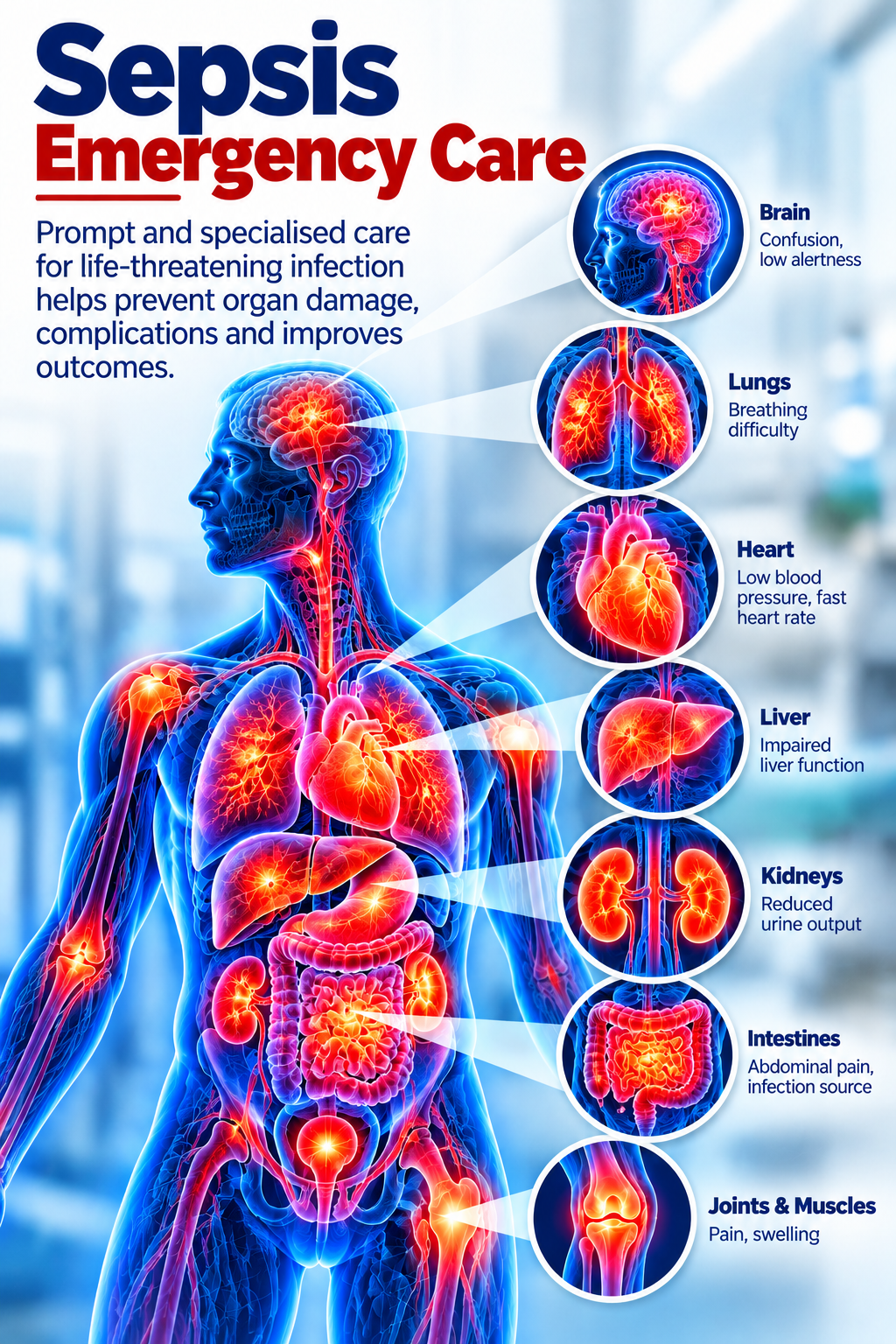
Sepsis can affect numerous organ systems. If a person suffers symptoms such as alterations in normal breathing, circulation, renal function, mental status, or other organ function, it may indicate a substantial systemic response to infection.
Patients with suspected multi-organ dysfunction require prompt medical attention and close monitoring. Critical care support may be required in such condition when organ function is considerably impaired and interferes with normal daily activities.
Possible warning signs may include:
- New confusion or reduced alertness.
- Reduced urine output.
- Low blood pressure or worsening blood circulation.
- Breathing difficulty or worsening oxygen levels.
- Abnormal blood tests suggesting organ dysfunction.
- Increasing weakness or rapid clinical deterioration.
Post-Surgical Infection with Systemic Signs
Infection can sometimes emerge after a certain surgical procedure. It may be associated with some local wound symptoms such as swelling, redness, irritation, drainage, or wound separation. When these symptoms are accompanied by fever, confusion, low blood pressure, rapid breathing, or severe weakness, quick attention is required.
To determine the exact source, the emergency team and its expert members may examine the surgery site, imaging, cultures, run blood tests, and conduct other investigations as required for finding out root cause of the problem. Treatment depends on the infection and may include antibiotic therapy, source control, drainage, or additional surgical management as needed.
Source-Unclear Systemic Infection Requiring Urgent Workup
Sometimes a patient presents with signs of systemic infection or organ dysfunction without an immediately obvious source. The possible source may be in the lungs, urinary tract, abdomen, skin, bloodstream, or another location.
Urgent evaluation may involve a comprehensive history and examination, blood and urine tests, cultures when needed, imaging, lactate measurement, and other investigations according on the patient's symptoms. The team also looks into non-infectious disorders that may produce comparable consequences.
Sepsis Emergency Assessment and Diagnosis
Patients with suspected sepsis are assessed according to the severity of illness, suspected infection, vital signs, circulation, mental status, organ function, and possible source of infection. The first priority is to identify and stabilise life-threatening problems.
01
Rapid Triage and Initial Stabilisation
The emergency team may assess:
- Airway, breathing, circulation, and level of consciousness.
- Blood pressure, pulse, respiratory rate, oxygen level, temperature, and overall clinical appearance.
- Possible source, duration, and progression of infection.
- Urine output and signs of dehydration or poor circulation.
- Evidence of breathing difficulty, altered mental status, or other organ dysfunction.
- Recent surgery, hospitalisation, procedures, infections, or relevant medical conditions.
- Current medicines, allergies, and previous antimicrobial treatment.
- Need for intravenous access, fluid therapy, monitoring, critical care, or other urgent support.
02
Blood Tests for Sepsis Emergencies
Depending on the patient's symptoms and clinical condition, investigations may include:
- Complete blood count.
- Blood glucose.
- Kidney function and electrolytes.
- Liver function tests.
- Blood lactate in selected patients.
- Blood cultures when appropriate.
- Clotting tests.
- Blood gas analysis in selected critically ill patients.
- Other tests guided by the suspected infection and organ dysfunction.
These examinations are quite important in determining organ function, infection, circulation, metabolic abnormalities, and the severity of the patient's disease.
03
Imaging and Additional Tests
Depending on the suspected source of infection, further investigations may include:
- Chest X-ray or other chest imaging when a lung infection is suspected.
- Ultrasound or CT imaging for selected abdominal, urinary, or other infections.
- Imaging of skin and soft tissues when a deeper infection is suspected.
- Urine testing and imaging of the urinary system when clinically indicated.
- Other cultures, microbiological tests, or source-specific investigations.
The choice of investigation can vary as it depends on the patient's symptoms, suspected source, clinical stability, and information needed to guide treatment.
Sepsis Emergency Treatment at PACE Hospitals
Sepsis emergency treatment depends on the suspected infection, severity of illness, organ function, blood pressure, test results, and overall clinical condition. The emergency team first focuses on rapid stabilisation and then coordinates definitive treatment and providing specialist care when required.
Emergency Sepsis Care May Include
- Continuous monitoring of vital signs and clinical status.
- Intravenous access and fluid therapy when clinically indicated.
- Blood tests, lactate measurement, cultures, and other investigations as appropriate.
- Antimicrobial treatment when bacterial or other treatable infection is suspected and treatment is clinically indicated.
- Management of low blood pressure and circulatory problems, including vasopressor support when required.
- Oxygen or respiratory support when clinically needed.
- Correction of electrolyte, glucose, or other metabolic abnormalities.
- Identification and control of the infection source, including drainage or procedures when required.
- Close monitoring for kidney, lung, heart, brain, or other organ dysfunction.
- Intensive Care Unit (ICU) or critical care support for patients with severe sepsis, septic shock, or significant organ dysfunction.
Sepsis and Septic Shock Emergency Treatment
Treatment is started according to the patient's clinical condition and the likelihood of infection. In patients with septic shock or a high likelihood of sepsis, antimicrobial treatment should not be unnecessarily delayed.
Treatment may include:
- Intravenous (IV) fluids based on the patient's circulation and fluid status.
- Antimicrobial therapy selected according to the suspected source and clinical circumstances.
- Vasopressor medicines for persistent low blood pressure when indicated.
- Oxygen, non-invasive support, or mechanical ventilation when respiratory support is required.
- Source control, such as drainage or removal of an infected focus, when appropriate.
- Monitoring of urine output, kidney function, lactate, blood pressure, and other indicators of organ function.
- ICU care and organ support for patients with severe illness.
Infection Source Control
Finding and controlling the source of infection is an important part of sepsis treatment. Depending on the cause, this may involve drainage of an infected collection, treatment of an obstructed or infected area, removal or management of an infected device, or surgery when required.
The timing and type of source control, commonly depend on the infection, the patient's stability, imaging findings, and the specialist assessment.
What to Do During a Suspected Sepsis Emergency?
Seek emergency medical care if an infection is accompanied by confusion, low blood pressure, breathing difficulty, severe weakness, reduced urine output, or other signs of rapid deterioration.
- Do not wait for fever to become very high before seeking medical attention if the person is rapidly worsening.
- Do not delay emergency care because the source of infection is not known.
- Keep a list of current medicines and known allergies if readily available.
- Inform the emergency team about recent surgery, hospitalisation, procedures, infections, or antimicrobial treatment.
- If the person is confused, faint, extremely weak, or has severe breathing difficulty, call emergency medical services immediately.
- Follow instructions provided by emergency medical professionals.
Why Timely Sepsis Emergency Care Matters?
Sepsis can develop quickly because infection-related organ failure and circulation issues can worsen in just a few days. Early detection enables emergency medical doctors and specialized emergency care management teams to assess life-threatening conditions arised due to sepsis, administer appropriate treatment, and monitor for consequences.
Prompt sepsis emergency care can help:
- Recognise suspected sepsis and septic shock early.
- Identify the possible source of infection.
- Assess blood pressure, circulation, breathing, and organ function.
- Start appropriate antimicrobial treatment when indicated.
- Provide fluid, circulatory, and respiratory support when required.
- Detect developing organ dysfunction.
- Arrange source-control procedures or surgery when needed.
- Coordinate emergency, critical care, surgical, and other specialist services.
Who Is at Higher Risk of Sepsis Emergencies?
Sepsis can occur in anyone with an infection. However, the risk of severe illness may be higher in people with:
- Older age or frailty.
- Diabetes or other significant chronic medical conditions.
- A weakened immune system or treatment that suppresses immunity.
- Recent surgery, hospitalisation, or invasive medical procedures.
- Serious infections or recurrent infections.
- Kidney, liver, heart, or lung disease.
- Cancer or other conditions that affect the body's ability to respond to infection.
- Indwelling medical devices or other factors that increase infection risk.
Sepsis can develop even if a person does not have these risk factors. Any infection that is followed by rapid worsening, confusion, low blood pressure, trouble breathing, decreased urine output, or other indicators of organ malfunction should be evaluated immediately.
Sepsis Emergency Care at PACE Hospitals
PACE Hospitals provides 24/7 emergency assessment and treatment for patients with suspected sepsis and septic shock in Hyderabad. Emergency Care is coordinated according to the patient's condition, suspected source of infection, organ function, and response to initial treatment.
The emergency department can coordinate with critical care and relevant specialist teams for patients who require close monitoring, source control, organ support, or further treatment to avoid any emergency related complications.
Emergency Sepsis Care Pathway
- Immediate triage: Rapid assessment of infection-related symptoms, vital signs, circulation, mental status, and emergency needs.
- Stabilisation: Intravenous access, fluid therapy, oxygen or other immediate support based on the patient's condition.
- Rapid diagnosis: Blood tests, lactate, cultures, imaging, and source-specific investigations selected according to the suspected infection.
- Specialist evaluation: Critical care and relevant medical or surgical specialists when required.
- Definitive treatment: Antimicrobial therapy, source control, circulatory support, respiratory support, procedures, or surgery according to the diagnosis due to emergency conditions.
- Ongoing care: Intensive care unit (ICU), monitored care, ward, or suitable specialized management are all options depending on the patient's clinical needs.
Need Urgent Help? If an infection is accompanied by reduced urine output, severe weakness, low blood pressure, confusion, breathing difficulty, or rapidly worsening illness, seek emergency medical care immediately without any delay or neglecting it. Call PACE Hospitals: 04048486868.
When Should You Call an Ambulance for a Sepsis Emergency?
If a person has a known or suspected infection and their condition suddenly becomes serious which cannot be rescued through first aid, ambulance support may be needed. This is particularly important when they have:
- Become confused, difficult to wake, or noticeably less responsive than usual.
- Started passing almost no urine or have stopped passing urine while their illness is getting worse.
- Fainted, have a very low blood pressure reading, or appear to be going into shock.
- Developed severe trouble with breathing or a significant drop in oxygen levels.
- Recently undergone surgery or already have an infection that is now causing worsening symptoms throughout the body.
- Continued vomiting and are showing signs of significant dehydration.
- Become extremely weak, cold, clammy, or rapidly more unwell.
- Developed changes that suggest the infection may be affecting several organs.

When these warning signs are present, do not delay ambulance transport or emergency assessment, as the person's condition may deteriorate further.
Frequently Asked Questions on Sepsis Emergencies
What is a sepsis emergency?
A sepsis emergency occurs when an infection creates life-threatening organ dysfunction or a fast progressing systemic illness. It demands quick medical examination and treatment.
What are the warning signs of sepsis?
Warning signs can include confusion, low blood pressure, rapid breathing, breathing difficulty, reduced urine output, severe weakness, rapid heartbeat, or rapidly worsening illness in a person with a suspected infection.
Can fever alone mean sepsis?
Fever can accompany a number of infections and does not always signal sepsis. But major concerns emerge when an infection is associated with organ failure, low blood pressure, altered mental state, breathing difficulties, decreased urine output, or rapid deterioration.
What is septic shock?
Septic shock is a life-threatening kind of sepsis that causes significant circulatory and metabolic problems. It could induce chronic low blood pressure, necessitating rapid treatment and close monitoring.
Can sepsis occur after surgery?
Yes. An infection following surgery can sometimes lead to systemic disease and if left untreated can spread infection along with an extreme body-wide inflammatory response. Worsening wound symptoms such as fever, low blood pressure, disorientation, extreme weakness, or other systemic indicators necessitate immediate medical attention.
What tests are done for a sepsis emergency?
Depending on the clinical situation, doctors and emergency medicine specialists may use blood tests, lactate measurement, cultures, urine tests, imaging, blood gas analysis, and other investigations to identify infection and assess organ function.
How is sepsis treated in an emergency?
Sepsis is a life-threatening medical emergency, and its treatment depends on the cause and severity. It may include antimicrobial therapy when indicated, intravenous fluids, circulatory support, oxygen or respiratory support, source control, monitoring, and ICU care when required.
Can sepsis affect multiple organs?
Yes. Sepsis can cause dysfunction involving organs such as the lungs, kidneys, brain, heart, liver, or other systems leading to multiple organ failure when left untreated. So, changes in several organ functions can indicate severe illness.
Why is source control important in sepsis?
Treating the source of infection is important when there is a drainable collection, infected device, obstruction, infected tissue, or another focus that requires a procedure or surgery.
When should an individual call an ambulance for suspected sepsis?
When a person with a suspected infection has confusion, severe breathing difficulties or heart, extremely low blood pressure, severe weakness, signs of shock, fainting, or quickly deteriorating sickness, they should seek immediate medical attention.
Can a person develop sepsis without a known infection source?
Yes. The source may not be obvious when a patient first arrives. Doctors and emergency medicine specialist may use examination, blood tests, cultures, imaging, and other investigations to identify the likely source while also considering non-infectious conditions.
Is sepsis always caused by a bacterial infection?
No. Sepsis can result from different types of infection, such as Viral infections, fungal infections, Parasitic infections and non-infectious events. The likely cause and source are assessed before treatment is tailored to the patient's clinical condition.
Can sepsis get worse quickly?
Yes. Sepsis can deteriorate rapidly, particularly when organ dysfunction or circulatory problems develop. Urgent assessment is important when a person with infection is becoming significantly worse.
Who is at higher risk of severe sepsis?
Severe sepsis can strike anyone with a major infection, but certain people are more likely to develop complications. This includes patients over the age of 65, those with chronic health conditions, those with a weakened immune system, and those who have recently undergone surgery or been hospitalized. The risk may also be higher if the illness is severe or spreads quickly, particularly in persons whose overall health makes it difficult for the body to fight infection.
What infections can lead to sepsis?
Sepsis can result from nearly any severe infection. Common reasons include infections in the lungs, urinary tract, abdomen, skin, soft tissues, and bloodstream. Because the source of a disease is not always obvious at first, emergency doctors and emergency medicine experts may require tests and imaging to determine where it originated.
Conclusion
Sepsis is a life-threatening medical emergency that occurs when an infection causes serious organ malfunction. This may include fever, confusion, low blood pressure, breathing difficulties, decreased urine output, extreme weakness, or a quickly progressing infection and it should not be overlooked.
PACE Hospitals offers 24/7 sepsis emergency assessment and treatment in Hyderabad, including emergency medicine specialist's guidance and care for septic shock, rapidly developing infections, suspected sepsis, post-surgical infections with systemic symptoms, and unexplained systemic infections requiring immediate inspection.
Prompt assessment, stabilisation, appropriate investigations, timely treatment, source control, and emergency specialist care can help address sepsis and reduce the risk of serious complications.


