
ENT Emergency Care in Hyderabad
24/7 Emergency Assessment and Treatment for ENT-Related Emergencies
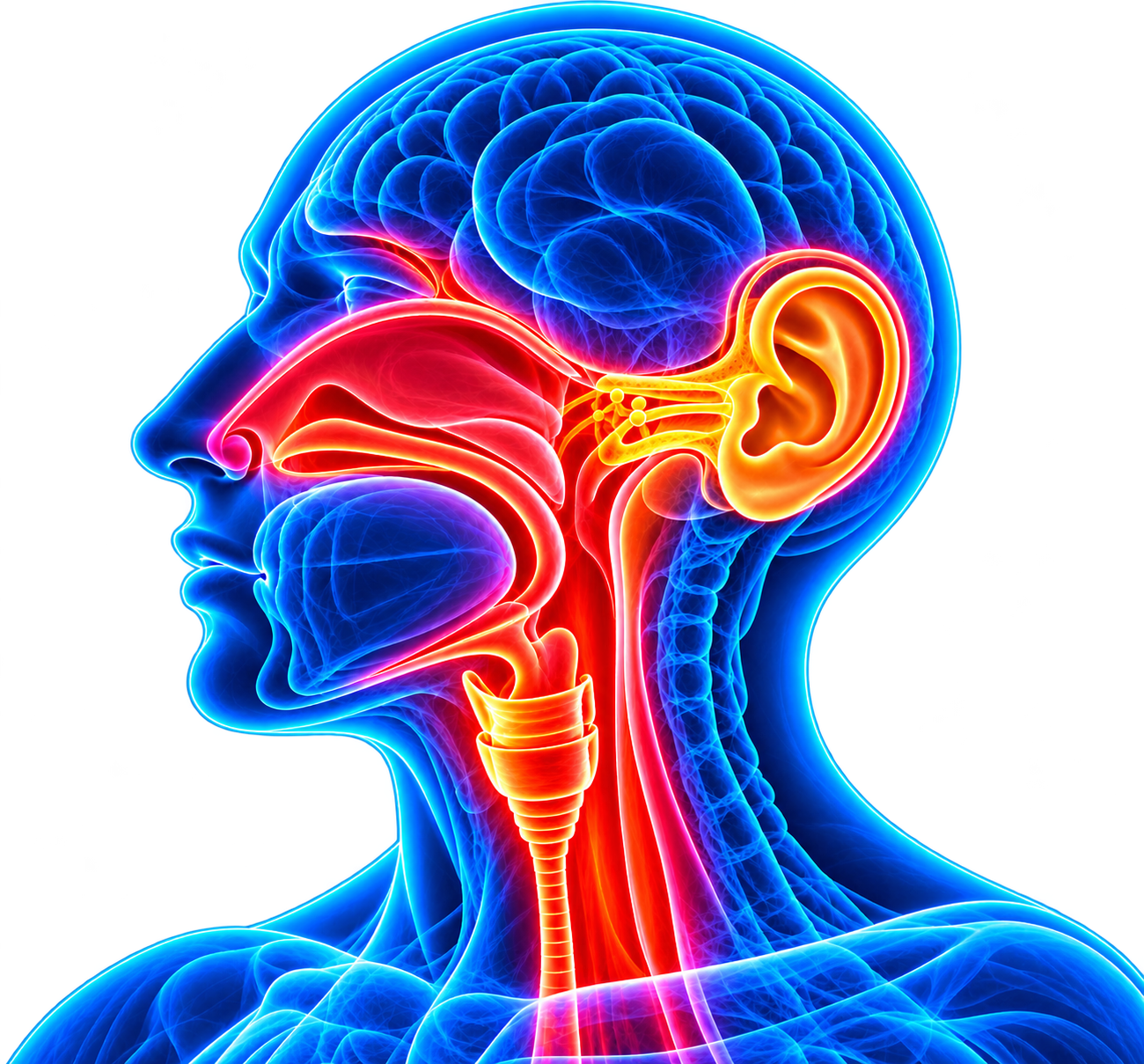
24 / 7 - ENT Emergency Response
Urgent evaluation of acute ear, nose and throat conditions
Airway · Breathing - Emergency Airway Assessment
Prompt management and escalation of serious upper-airway problems
Bleeding · Foreign Bodies - Urgent ENT Procedures
Emergency assessment of ENT bleeding and ear, nose or throat foreign bodies
ENT · Critical Care - Specialist & Emergency Support
Coordinated care for severe infections and complicated ENT emergencies
Emergency Signs
Seek immediate emergency care for difficulty breathing or stridor (noisy breathing), choking or a foreign object stuck in the airway/throat, severe throat swelling or inability to swallow saliva, severe nose or throat bleeding that does not stop, or sudden hearing loss. Sudden facial weakness may indicate a stroke—seek emergency care immediately. Call PACE Hospitals: 04048486868.
What Is an ENT Emergency?
An ENT emergency is a sudden problem affecting the ear, nose, throat, or upper airway that needs urgent medical care. These emergencies can include severe difficulty breathing or swallowing, choking or a feeling of food stuck in the throat, heavy or persistent nose bleeding, sudden hearing loss, a blocked airway, serious infections of the throat or neck, foreign objects stuck in the ear, nose, or throat, or injuries involving the head and neck.
PACE Hospitals provides 24/7 emergency care in Hyderabad for patients with urgent ENT problems. The emergency team first checks the patient’s condition and provides immediate treatment or stabilization. An ENT specialist and other medical teams may be involved depending on the severity and cause of the problem.
Some ENT emergencies can deteriorate rapidly, particularly if there are issues with breathing or the airway. Immediate medical treatment can stop bleeding, keep the airway open, manage serious infection, remove foreign bodies, including a suspected fish bone stuck in the throat, and prevent complications such as hearing loss or other serious problems.
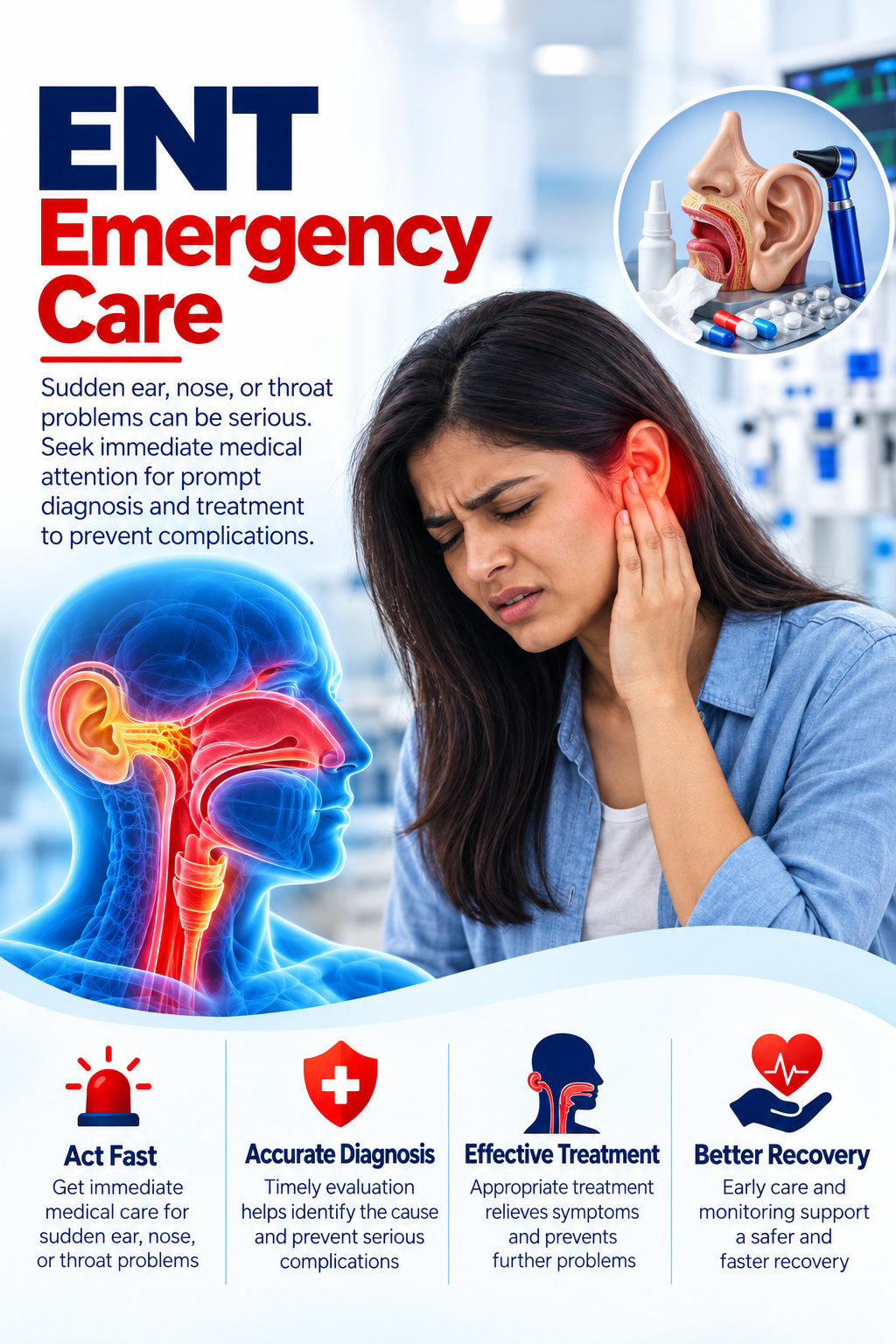
When to Seek Emergency Care for ENT Symptoms?
Immediate medical attention is needed if any of the following symptoms occur:
- Sudden difficulty breathing, noisy breathing, choking, or a feeling that the airway is blocked, which may indicate foreign body airway obstruction.
- Severe swelling of the throat, tongue, face, or neck, especially if it affects breathing or swallowing.
- Sudden inability to swallow, severe difficulty swallowing, or drooling because of throat obstruction.
- Heavy or uncontrolled bleeding from the nose, mouth, or throat.
- Sudden hearing loss, particularly when it develops in one ear without an obvious cause.
- Sudden severe dizziness or loss of balance, especially when associated with weakness, fainting, severe headache, or difficulty speaking.
- Severe throat or neck pain with difficulty breathing, swallowing, or opening the mouth.
- A foreign object lodged in the ear, nose, or throat, especially if it causes breathing difficulty, severe pain, or bleeding.
- Sudden facial weakness or drooping, especially with arm weakness, speech difficulty, confusion, vision changes, or loss of balance.
- Loss of consciousness, sudden collapse, or unresponsiveness following an ENT-related problem or injury.
ENT emergencies can involve the airway, throat, nose, ears, or surrounding structures and may worsen quickly. Airway obstruction, severe bleeding, sudden breathing difficulty, sudden hearing loss, or significant neurological symptoms should not be ignored and require prompt emergency assessment.
Do Not Ignore Severe ENT Symptoms
Not every ENT symptom is a medical emergency. Infections, allergies, minor injuries, or other less serious conditions can cause symptoms. However, certain sudden or severe ENT symptoms can indicate a serious problem and should not be ignored.
Treat ENT symptoms as an emergency when they are:
- New, sudden, or rapidly worsening.
- Associated with severe difficulty breathing or noisy breathing.
- Accompanied by difficulty swallowing, choking, or inability to swallow saliva.
- Associated with sudden hearing loss, especially in one ear.
- Accompanied by severe dizziness, loss of balance, fainting, or difficulty walking.
- Associated with heavy bleeding from the nose, mouth, or throat that does not stop.
- Accompanied by severe swelling of the face, tongue, throat, or neck.
- Associated with a high fever and severe throat or neck swelling, particularly when breathing or swallowing is affected.
- Following a serious injury to the head, face, neck, or ear.
If symptoms are severe or worsening quickly, seek emergency medical care without waiting for a routine ENT appointment. If there is breathing difficulty, heavy bleeding, loss of consciousness, or the person becomes seriously unwell, call an ambulance instead of driving to the hospital. This allows emergency care and support to begin during the journey if needed.
Not all chest pain is caused by heart disease. It may be related to the lungs, food pipe, stomach, muscles, ribs, or nerves. However, it is not safe to assume that chest pain is minor without medical evaluation.
Treat chest pain as an emergency when it is:
- New or unexplained.
- Severe or persistent.
- Associated with sweating, nausea, or breathlessness.
- Accompanied by fainting or severe dizziness.
- Spreading to the arm, jaw, neck, shoulder, back, or upper abdomen.
- Present in a person with diabetes, high blood pressure, high cholesterol, kidney disease, or known heart disease.
- For severe symptoms, ambulance transport is generally safer than driving to the hospital because emergency assessment and support can begin during transfer when needed.
Not all chest pain is caused by heart disease. It may be related to the lungs, food pipe, stomach, muscles, ribs, or nerves. However, it is not safe to assume that chest pain is minor without medical evaluation.
Treat chest pain as an emergency when it is:
- New or unexplained.
- Severe or persistent.
- Associated with sweating, nausea, or breathlessness.
- Accompanied by fainting or severe dizziness.
- Spreading to the arm, jaw, neck, shoulder, back, or upper abdomen.
- Present in a person with diabetes, high blood pressure, high cholesterol, kidney disease, or known heart disease.
- For severe symptoms, ambulance transport is generally safer than driving to the hospital because emergency assessment and support can begin during transfer when needed.
Common ENT Emergencies Treated at PACE Hospitals
Severe Nosebleed (Epistaxis)
Epistaxis is the medical term for a nosebleed. It occurs when blood vessels inside the nose rupture and bleed. Although many nosebleeds are not serious, severe or persistent bleeding needs urgent medical attention, particularly when it occurs after a nose injury or nose trauma, as nasal fracture treatment may be needed if a broken nose is suspected.
Emergency treatment may include nasal packing, cauterization of the bleeding vessel, medicines, blood tests, or procedures to control the bleeding, depending on its severity and cause.
Symptoms may include:
- Continuous or heavy bleeding from the nose.
- Blood flowing into the throat or mouth.
- Difficulty breathing because of heavy bleeding.
- Dizziness, weakness, or fainting due to significant blood loss.
- Bleeding that does not stop despite applying firm pressure.
Foreign Body in the Ear, Nose, or Throat
A foreign body occurs when an object becomes stuck in the ear, nose, or throat. This is more common in children, who may accidentally insert small objects into their ears or nose.
Do not attempt to remove a foreign body forcefully at home, as this may push it deeper, cause bleeding or injury, or worsen airway obstruction. In an emergency setting, treatment involves examination and removal with ENT equipment. Objects causing airway blockage require immediate emergency intervention.
Symptoms may include:
- Ear pain or sudden hearing difficulty.
- Severe nasal blockage or discharge, particularly from one side.
- Pain or difficulty while swallowing.
- Coughing, choking, or breathing difficulty.
- Bleeding or injury to the affected area.
Airway Obstruction and Breathing Emergencies
Upper airway obstruction can occur when swelling, infection, an allergic reaction, a foreign body, or another condition blocks normal airflow through the throat or upper airway.
An airway emergency can become life-threatening quickly. Immediate treatment focuses on keeping the airway open and supporting breathing. Depending on the cause, treatment may include medicines, removal of a foreign body, oxygen support, emergency airway procedures, or surgery.
Warning signs may include:
- Sudden or severe difficulty breathing.
- Noisy or high-pitched breathing.
- Difficulty speaking or swallowing.
- Drooling or inability to handle saliva.
- Swelling of the tongue, throat, or neck.
- Bluish lips or skin.
- Sudden choking or inability to breathe.
Severe Throat and Neck Infections
In some cases, an infection of the throat and deeper neck structures can spread quickly, leading to airway swelling. Deep neck infection, peritonsillar abscess, and epiglottitis require urgent evaluation by an ENT specialist.
Emergency treatment may include medicines to control infection and swelling, drainage of an abscess when required, airway support, and close monitoring. If breathing is affected, urgent airway management may be necessary.
Symptoms may include:
- Severe or rapidly worsening throat pain.
- Difficulty swallowing or inability to swallow saliva.
- Drooling.
- Change in voice or muffled speech.
- Difficulty opening the mouth.
- Neck swelling or severe neck pain.
- Fever with worsening symptoms.
- Breathing difficulty.
Sudden Hearing Loss and Ear Emergencies
Sudden hearing loss, particularly when it develops rapidly in one ear, requires immediate medical evaluation. Other ear conditions, including severe ear infections, ear bleeding, eardrum injury, or ear trauma may also need urgent assessment.
Treatment depends on the underlying cause and may include medication, removal of an obstruction, infection treatment, hearing assessment, or management of ear trauma. Sudden hearing loss should be assessed promptly because early evaluation may be important for treatment.
Warning signs may include:
- Sudden or rapidly developing hearing loss.
- Severe ear pain.
- Bleeding or fluid coming from the ear.
- Severe dizziness or loss of balance.
- Ringing in the ear associated with sudden hearing loss.
- Ear injury following a blow, accident, or loud noise.
Severe Vertigo and Balance Emergencies
Vertigo is a sensation that the person or surroundings are spinning or moving. Although many cases are related to inner-ear conditions, sudden severe vertigo can sometimes occur with a neurological emergency and should not be ignored when accompanied by other warning signs.
Fainting, reduced alertness, or loss of consciousness. When vertigo occurs with neurological symptoms, immediate emergency assessment is required to rule out serious conditions such as stroke. Treatment depends on the underlying cause and may include medicines, neurological assessment, imaging, balance evaluation, or other emergency care.
Warning signs may include:
- Sudden severe dizziness or spinning sensation.
- Difficulty walking or maintaining balance.
- Double vision or sudden vision changes.
- Slurred speech or difficulty speaking.
- Weakness or numbness of the face, arm, or leg.
- Severe headache.
ENT Emergency Assessment and Diagnosis
Patients with suspected ENT emergencies are assessed according to the urgency and severity of their condition. The first priority is to identify and manage problems that could affect breathing, swallowing, consciousness, or cause severe bleeding without delay.
01
Rapid Triage and Initial Stabilisation
The emergency team may immediately assess:
- Airway, breathing, circulation, and level of consciousness.
- Pulse, blood pressure, oxygen level, temperature, and severity of symptoms.
- Difficulty breathing, noisy breathing, choking, or inability to swallow.
- Location, severity, duration, and progression of pain, swelling, bleeding, or other symptoms.
- Presence of severe nosebleeding, throat bleeding, facial or neck swelling, or sudden hearing or neurological symptoms.
- Previous ENT problems, surgeries, injuries, infections, or other relevant medical conditions.
- Current medicines, particularly blood thinners and medicines that may affect bleeding.
- Medicine allergies.
- Need for oxygen, intravenous access, airway support, bleeding control, continuous monitoring, or emergency surgery.
02
ENT Examination
A focused ENT examination will be conducted to establish the cause and extent of the problem.
The physicians can conduct an examination of:
- The nose and its passages for any bleeding, obstruction, swelling or other problems.
- The mouth and throat for swelling, infection, bleeding, pus, or obstruction.
- The ears and ear canals for injury, infection, foreign bodies, bleeding, or other abnormalities.
- The neck and face for swelling, tenderness, infection, trauma, or signs of an expanding collection.
- Voice and swallowing ability, especially when throat or airway involvement is suspected.
- Hearing, balance, facial movements, and other neurological functions when indicated.
- Flexible nasendoscopy or laryngoscopy may be performed when a closer examination of the nose, throat, voice box, or upper airway is needed.
03
Blood Tests
Blood tests may be needed depending on the type and severity of the emergency.
This includes:
- A complete blood count for signs of an infection or blood loss.
- Blood clotting tests, especially with profuse bleeding, a suspected bleeding disorder, or anticoagulant use; the specific tests depend on the anticoagulant used.
- Blood glucose.
- Kidney function tests and electrolytes when clinically required.
- Blood group and cross-match when significant bleeding or a possible blood transfusion is suspected.
- Inflammatory markers or other infection-related tests when a severe infection is suspected.
04
Imaging and Additional Tests
Depending on the symptoms, examination findings, and suspected condition, further tests may include:
- X-ray of the neck or other affected area when appropriate.
- CT scan of the sinuses, face, neck, or temporal bone, depending on the suspected problem; contrast-enhanced CT is commonly used when a deep neck infection or abscess is suspected.
- MRI when detailed assessment of soft tissues, the inner ear, brain, or surrounding structures is required; routine CT of the head is not usually recommended for uncomplicated suspected sudden sensorineural hearing loss.
- Ultrasound of the neck for selected swellings or suspected collections.
- Hearing tests, such as audiometry, when sudden or severe hearing loss is suspected, and the patient's condition allows.
- Endoscopic examination of the nose, throat, or voice box.
- Swallowing assessment when there is significant difficulty swallowing or suspected aspiration.
These assessments and tests help doctors identify serious ENT conditions, including airway obstruction, severe throat or neck infections, deep neck infections, uncontrolled nosebleeds, foreign bodies, significant head and neck injuries, sudden hearing loss, and other conditions requiring urgent treatment.
ENT Emergency Treatment at PACE Hospitals
ENT emergency treatment depends on the condition's type and severity, the patient's symptoms, medical history, examination findings, and test results. The emergency team first focuses on stabilizing the patient, protecting the airway, controlling bleeding or infection when present, and then arranging specialist ENT treatment as required.
Emergency ENT Care May Include:
- Rapid assessment of the airway, breathing, circulation, and level of consciousness.
- Continuous monitoring of oxygen levels, pulse, blood pressure, and other vital signs when required.
- Oxygen support when clinically needed.
- Establishing intravenous (IV) access and administering fluids as needed.
- Pain relief and medicines to control symptoms based on the condition.
- Sudden hearing loss treatment, including urgent assessment to identify possible sudden sensorineural hearing loss, prompt hearing evaluation when feasible, and early ENT-directed treatment such as corticosteroids when clinically appropriate.
- Treatment for severe infections, including appropriate antimicrobial therapy when clinically indicated.
- Management of significant nosebleeds using measures such as nasal compression, topical treatment, cauterization, or nasal packing when required.
- Removal of foreign bodies from the nose, ear, or throat using appropriate ENT techniques.
- Emergency management of airway obstruction, including airway support or emergency airway procedures when necessary.
- Treatment of severe allergic reactions or swelling affecting the airway.
- Emergency assessment and management of throat, neck, or deep neck infections that may threaten the airway or spread to surrounding tissues.
- Management of ear, nose, throat, and facial injuries, including bleeding and soft-tissue injuries.
- Emergency procedures or surgery when required to control bleeding, remove an obstruction or foreign body, drain an infection, or manage serious injury.
- Imaging or other diagnostic tests when required to identify the cause and severity of the emergency.
- ICU admission or close monitoring for patients with severe airway, breathing, infection, bleeding, or other complications.
Severe Nosebleed Emergency Treatment
Severe nose bleeding treatment begins with an assessment of the patient’s airway, breathing, circulation, blood pressure, and the severity of bleeding.
Depending on the cause and severity, treatment may include:
- Nasal compression and appropriate positioning to help control bleeding.
- Local medicines or other measures to reduce bleeding.
- Nasal cauterization when the bleeding point can be identified and treatment is appropriate.
- Nasal packing when bleeding continues or cannot be controlled with initial measures.
- IV fluids or other supportive treatment when there has been significant blood loss.
- Blood tests to assess blood loss and clotting when clinically required.
- Further ENT procedures or surgery for bleeding that does not respond to initial treatment.
The ENT specialist will determine the most appropriate method based on the bleeding's location and severity and the patient’s overall condition.
Airway Obstruction Emergency Treatment
Airway obstruction is a potentially fatal ENT emergency that can result from oedema, bleeding, foreign objects, or severe infections.
Emergency management may include:
- Immediate assessment and continuous monitoring of the airway and oxygen levels.
- Oxygen support when required.
- Removal of an obstructing foreign body when appropriate.
- Medicines to reduce severe allergic or inflammatory swelling when indicated.
- Treatment of infections that are causing airway swelling.
- Emergency airway procedures, including endotracheal intubation or a surgical airway, when necessary to maintain breathing.
- ICU care and ventilator support for patients with severe airway or breathing problems.
If a person develops sudden, severe breathing difficulty, noisy breathing, choking, or rapidly increasing swelling of the throat or neck, seek emergency medical care immediately.
Foreign Body Emergency Treatment
Urgent evaluation may be necessary for foreign bodies in the ear, nose, throat, or airway, especially if they are causing severe pain, bleeding, breathing difficulties, or difficulty swallowing.
Treatment may include:
- Assessment of the location and type of foreign body.
- Removal using appropriate instruments or specialized ENT techniques.
- Endoscopic removal when the foreign body is difficult to reach or cannot be safely removed by routine methods.
- Emergency airway management when a foreign body is blocking breathing.
- Treatment of associated bleeding, infection, or tissue injury.
- Surgical removal when the foreign body cannot be safely removed through less invasive methods.
Do not repeatedly push, probe, or forcibly remove objects at home, as this may cause further injury or push the object deeper.
Severe ENT Infection Emergency Treatment
Some severe ENT infections, including severe tonsillitis, a tonsil abscess (peritonsillar abscess or quinsy), and infections involving the throat, deep neck tissues, or surrounding structures, can become serious and may affect breathing or swallowing.
Emergency treatment may include:
- Assessment of the airway and breathing.
- IV fluids when swallowing is severely affected, or dehydration is present.
- Appropriate antimicrobial treatment when a bacterial infection is suspected or confirmed.
- Medicines for pain, fever, and inflammation when appropriate.
- Imaging, such as CT scans, when needed to identify a deep infection or collection.
- Drainage of an abscess or infected collection when necessary.
- Emergency airway support if swelling threatens normal breathing.
- ICU admission and close monitoring for severe infections or complications.
Early treatment is important when an ENT infection is associated with breathing difficulty, inability to swallow, drooling, rapidly increasing neck swelling, or a significant deterioration in the patient’s condition.
What to Do During an ENT Emergency?
- Seek immediate emergency medical care if the person has severe breathing difficulty, uncontrolled bleeding, sudden loss of consciousness, or another rapidly worsening ENT symptom.
- Keep the person calm and in a comfortable position, especially if they are having difficulty breathing.
- Avoid unnecessary walking, physical exertion, or activities that may worsen the symptoms.
- If there is severe bleeding from the nose, mouth, or throat, keep the person upright and follow emergency medical instructions. Do not attempt to remove an object that is deeply lodged in the throat, nose, or ear.
- If an object is causing choking, follow appropriate first-aid measures and contact emergency medical services immediately.
- Do not give food, water, or medicines by mouth if the person has severe difficulty swallowing, is choking, or is becoming drowsy or unresponsive.
- Follow instructions from emergency medical professionals while arranging transport to the hospital.
The safest approach during a serious ENT emergency is to seek professional medical help without delay rather than waiting for the symptoms to improve on their own.
Why Timely ENT Emergency Care Matters?
Some ENT emergencies may be dangerous and need immediate care, such as choking, uncontrolled bleeding, severe infection, and sudden loss of hearing or balance. Prompt emergency ENT care helps healthcare providers identify the problem, stabilize the patient, preserve vital functions, and start treatment immediately.
Prompt emergency care will assist:
- Diagnosis of airway obstruction, infections, bleeding and other ENT emergencies.
- Control significant bleeding from the nose, throat, or other ENT structures.
- Treat severe infections that may affect the throat, neck, or airway.
- Assess sudden hearing loss, severe vertigo, or other symptoms that may require urgent evaluation.
- Arrange procedures, imaging, endoscopy, or surgery when required.
- Monitor patients who need close observation or critical care.
- Coordinate care among emergency medicine, ENT emergency specialists, critical care, radiology, anesthesia, and surgical teams.
Who Is at Higher Risk of ENT Emergencies?
ENT emergencies can occur in anyone, including people without a known history of ear, nose, or throat problems.
However, the risk of certain ENT emergencies may be higher in people with:
- Previous surgery or treatment involving the ear, nose, throat, or upper airway.
- Chronic ear, nose, or throat conditions, such as recurrent ear infections, chronic sinusitis, or severe allergies.
- Difficulty swallowing or a history of choking or aspiration.
- Conditions that can narrow or obstruct the airway.
- A history of severe allergic reactions or swelling of the face, throat, or tongue.
- Use of blood-thinning medicines, which may increase the risk of significant bleeding.
- Bleeding disorders or conditions that affect normal blood clotting.
- Head, neck, or facial injuries.
- A weakened immune system, which may increase the risk of severe infections.
- Young children, particularly those who may accidentally swallow or inhale small objects.
Sudden breathing difficulties, significant throat swelling, uncontrolled bleeding, choking, or a rapidly deteriorating ENT condition should all be evaluated as emergencies right away, even in the absence of these risk factors.
ENT Emergency Care at PACE Hospitals
In Hyderabad, PACE Hospitals offers emergency and trauma care around-the-clock for patients with severe throat or neck infections, severe bleeding in the ears or nose, foreign bodies in the ear, nose, or throat, facial injuries, airway obstruction, and other urgent ear, nose, and throat conditions. Depending on the patient's health and treatment requirements, the emergency department collaborates with the ENT, critical care, diagnostic, imaging, and surgical teams.
Emergency ENT Care Pathway
- Immediate triage: Quick evaluation of symptoms, breathing and airway, vital signs, bleeding, consciousness, and other emergency requirements.
- ENT assessment and monitoring: Examination of the ear, nose, throat, and neck in addition to blood pressure, blood oxygen levels, and other necessary evaluations.
- Rapid diagnosis: When necessary, appropriate imaging, endoscopic examination, blood testing, and evaluation by an ENT specialist.
- Stabilization and treatment: Airway support, bleeding control, medicines, removal of foreign bodies, treatment of infections or injuries, or emergency procedures based on the diagnosis.
- Ongoing care: Continued ENT management and follow-up as needed, or admission to the ICU, ward, or other specialty service.
Need urgent help? For severe breathing difficulty, uncontrolled bleeding from the nose, mouth, or throat, sudden airway obstruction, loss of consciousness, severe facial or neck injury, or a suspected ENT emergency, seek emergency medical care immediately. Call PACE Hospitals: 04048486868.
When Should You Call an Ambulance for an ENT Emergency?
Call emergency medical services immediately if someone has:
- Severe difficulty breathing or sudden airway obstruction
- Severe choking or inability to breathe properly
- Uncontrolled bleeding from the nose, mouth, or throat
- Sudden swelling of the tongue, throat, or neck causing breathing difficulty
- Loss of consciousness or sudden collapse
- Severe facial, neck, or throat injury with breathing or swallowing difficulty
- Sudden inability to swallow with drooling or signs of airway obstruction
- Severe allergic reaction with swelling of the lips, tongue, or throat and breathing difficulty
- Abnormal or noisy breathing, such as severe stridor
For serious ENT emergencies involving breathing difficulty, airway obstruction, significant bleeding, or altered consciousness, emergency medical transport is preferred because it allows the person to receive initial assessment and supportive care during transport when required.

Do not delay emergency care to arrange your own transport if the person is seriously unwell.
Frequently Asked Questions on ENT emergencies
What is an ENT emergency?
ENT emergencies include acute conditions involving the ears, nose, throat, voice box, or airway that may require prompt treatment. These conditions can include severe nosebleeds, difficulty breathing due to swelling of the throat, a foreign body in the ear/nose/ throat, a deep neck infection, sudden hearing loss, and nose/throat trauma.
When should I go to the emergency department for an ENT problem?
Go to the emergency department immediately if you have trouble breathing, noisy breathing (stridor), bluish lips, severe throat or neck swelling, drooling with difficulty swallowing, heavy or persistent bleeding, choking, a suspected inhaled foreign body, sudden severe hearing loss, or an injury affecting the face, nose, throat, or airway.
What should I do during a nosebleed?
Sit up straight with your head leaning forward slightly, and pinch the soft part of your nose firmly for about 10 to 15 minutes without repeatedly looking at it. Spit out any blood that comes into your mouth and do not swallow it. Do not lie down, tilt your head back, blow your nose, or insert tissues/cotton deep into your nostrils.
When is a nosebleed an emergency?
Immediate medical attention is necessary if the bleeding is severe, has occurred due to an injury to the head or face, makes one feel faint or dizzy, causes difficulty breathing, vomiting of swallowed blood, or continues even after applying pressure for about 20-30 minutes. Those who are on blood-thinning medications and have bleeding problems should consult a physician immediately if the bleeding does not stop.
Can a foreign object in the nose or ear be an emergency?
Yes. A button battery in the nose or ear is an emergency because it can rapidly cause chemical burns and tissue damage. Sharp objects, magnets, swelling, severe pain, bleeding, or a suspected object in a child’s nose also require urgent assessment. Do not attempt to remove the object using tweezers, cotton buds, pins, or other tools.
What should I do if a child puts something in their nose?
Keep the child calm and have a doctor check them right away, especially if the object is a button battery, magnets, a sharp object, or food, or if there is bleeding, pain, difficulty breathing, or an unpleasant smell from the nose. Do not try to remove the object with anything, and do not make the child inhale sharply, as this can push the object further back.
What should I do if someone is choking or may have inhaled an object?
If the victim is unable to talk, cough, or breathe, or swallow then it is definitely a medical emergency, and you should call for medical help immediately and initiate the required choking first aid if you are trained. If any of these symptoms persist, even if the condition improves, seek immediate consultation.
Is severe sore throat ever an emergency?
Yes. It is imperative to perform an urgent evaluation of any patient experiencing severe throat pain associated with trouble breathing or swallowing, drooling, hot-potato voice, inability to open the mouth, neck swelling, fever, or progressive symptoms. These symptoms may indicate a serious infection of the throat or deeper structures. It may threaten the airway.
Why are drooling and noisy breathing warning signs?
Drooling may indicate that a patient cannot swallow saliva, while stridor is high-pitched or noisy breathing that suggests an obstruction in the upper airway. Take these signs seriously if accompanied by difficulty swallowing, fever, throat swelling or distress; they require immediate emergency assessment.
What should I do if I have swelling of the tongue, lips, face, or throat?
Call for emergency help immediately, particularly if swelling is sudden or accompanied by breathing difficulty, wheezing, hoarseness, dizziness, widespread hives, or collapse. This may be a severe allergic reaction. Do not wait for symptoms to settle if there are signs of airway involvement.
Is sudden hearing loss an ENT emergency?
Yes. Sudden hearing loss in one or both ears—particularly when it develops over hours to a few days—needs urgent ENT or emergency evaluation. Prompt assessment is important because sudden sensorineural hearing loss may require time-sensitive treatment.
Should I visit the emergency department for severe ear pain or ear discharge?
Get urgent medical attention if you experience any of these ear pain problems: fever, swelling, redness behind the ear, weakness on one side of the face, headaches, dizziness, vomiting, decreased alertness, bleeding from the ear after trauma, or sudden hearing loss. These symptoms may indicate a serious infection, complication, or injury.
What should I do after an injury to the nose or face?
Apply a cloth-covered cold pack to relieve swelling, elevate the head, and see a doctor immediately if there is uncontrollable bleeding, breathing problems, unconsciousness, severe headaches, vision changes, clear liquid leaking from the nose, facial deformity, or suspected fractures. Do not attempt to straighten the nose yourself.
Can bleeding after tonsil or throat surgery be an emergency?
Yes. Consider any bleeding after tonsil, adenoid, or throat surgery an emergency. Visit the emergency room right away, especially if you are coughing up blood, vomiting blood, feeling faint, or having trouble breathing. Do not eat or drink anything until evaluated, unless the treating team instructs you otherwise.
What ENT emergencies can Pace Hospitals manage?
The emergency department at Pace Hospitals can quickly assess and stabilize a patient with ENT emergencies, such as major nosebleeds, upper airway problems, throat and neck infections, foreign body issues, ENT trauma, post-surgical bleeding, and sudden hearing problems. This may include emergency doctors, ENT specialists, anesthetists, diagnostics, medicines, and other procedures, as clinically required.
Conclusion
ENT emergencies require quick medical attention and timely treatment. Severe difficulty breathing, heavy or uncontrolled nosebleeds, sudden hearing loss, severe throat swelling, difficulty swallowing, or a foreign object stuck in the nose, ear, or throat can signal a serious problem. It should be evaluated by a medical professional immediately.
PACE Hospitals provides emergency ENT care in Hyderabad for patients with severe nose, ear, and throat conditions, breathing difficulties, uncontrolled bleeding, sudden hearing-related problems, foreign body emergencies, and other urgent ENT conditions. Prompt emergency treatment can help identify the cause, stabilize the patient, and begin appropriate care without delay.


