
Endocrine Emergency Care in Hyderabad
24/7 Emergency Assessment and Treatment for Endocrine Emergencies
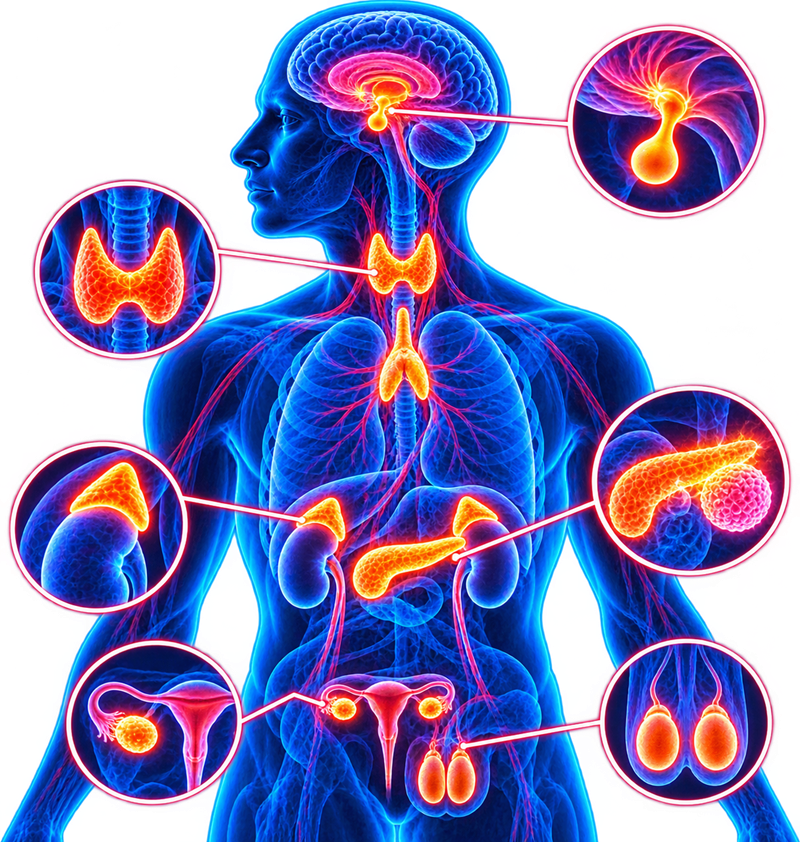
Rapid Assessment: Acute Endocrine Evaluation
Prompt assessment of severe glucose abnormalities, electrolyte disturbances and acute hormonal symptoms.
Metabolic Emergencies: Emergency Endocrine Management
Evaluation and treatment of serious conditions such as diabetic ketoacidosis and severe hypoglycaemia.
Hormonal Emergencies: Urgent Endocrine Treatment
Assessment and management of acute thyroid and adrenal emergencies when clinically required.
Critical Care: Support for Severe Emergencies
Continuous monitoring and coordinated care for patients with serious endocrine or metabolic complications.
Emergency Signs
Very low or high blood sugar, severe weakness, confusion, fainting, seizures, repeated vomiting, severe dehydration, difficulty breathing, abdominal pain, or loss of consciousness may indicate an endocrine or diabetic emergency. Seek immediate emergency care. Call PACE Hospitals: 04048486868.
What Is a Trauma and Accident Emergency?
What Is a Rheumatology Emergency?
What Is an Endocrine Emergency?
An endocrine emergency is a serious medical condition caused by a sudden change in hormone levels or problems with hormone-producing glands that requires urgent medical care. It may include adrenal crisis, thyroid storm, severe hypoglycemia (very low blood sugar), diabetic ketoacidosis (DKA), hyperosmolar hyperglycemic state (HHS), severe electrolyte imbalance, and other serious hormone-related conditions.
PACE Hospitals provides 24/7 emergency care in Hyderabad for patients with suspected endocrine and diabetic emergencies. The emergency team assesses the condition, begins immediate treatment and stabilization, and coordinates with endocrinologists, critical care specialists, diagnostic teams, and other specialists when required.
These emergencies can worsen quickly if left untreated. Early treatment helps correct abnormal blood sugar and hormone levels, restore fluid and electrolyte balance, address the underlying cause, and reduce the risk of complications affecting the brain, heart, kidneys, and other organs.
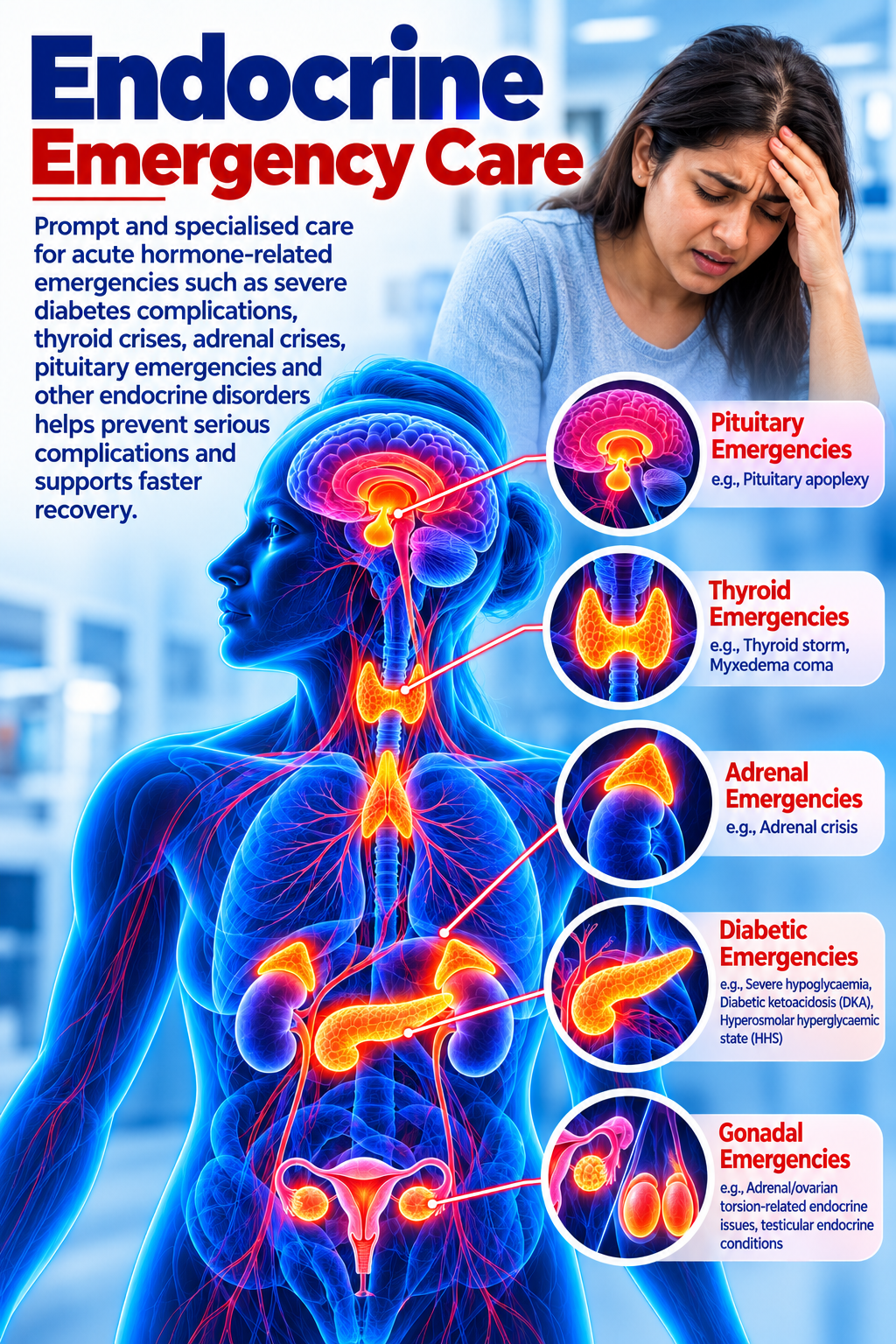
When to Seek Emergency Care for Endocrine Symptoms?
Immediate medical attention is needed if any of the following symptoms occur:
- Very low blood sugar with confusion, unusual behaviour, severe weakness, or loss of consciousness.
- Shaking, sweating, hunger, dizziness, or a fast heartbeat in a person taking diabetes medicines.
- Very high blood sugar with excessive thirst, frequent urination, severe weakness, or dehydration.
- Repeated vomiting, especially when accompanied by high blood sugar.
- Abdominal pain, deep or difficult breathing, or a fruity smell from the breath.
- Severe weakness, drowsiness, confusion, or difficulty staying awake.
- Seizures or sudden loss of consciousness.
- Severe dehydration with very little urine output.
- Sudden drop in blood pressure with severe dizziness, weakness, or fainting.
- High fever, rapid heartbeat, agitation, confusion, or severe weakness in a person with a thyroid disorder.
- Severe weakness, vomiting, abdominal pain, or fainting that may indicate an adrenal crisis.
- Serious symptoms during an infection or illness, particularly in people with diabetes or those taking long-term steroid medicines.
Endocrine and diabetic emergencies do not always cause obvious symptoms at the beginning. A person may initially experience weakness, dizziness, excessive thirst, or unusual tiredness before the condition becomes severe.
Do Not Ignore Severe Changes in Blood Sugar
Blood sugar can become dangerously low or high due to diabetes medicines, missed meals, infections, dehydration, or other medical conditions. Diabetic emergency symptoms may include confusion, severe weakness, vomiting, or difficulty breathing. Although not every abnormal blood sugar reading requires emergency care, severe symptoms need immediate medical attention.
- Treat blood sugar changes as an emergency when they are:
- Associated with confusion or unusual behaviour.
- Accompanied by fainting, seizures, or loss of consciousness.
- Associated with repeated vomiting or abdominal pain.
- Accompanied by deep, rapid, or difficult breathing.
- Associated with severe dehydration or very little urine output.
- Not improving after appropriate initial treatment.
- Present along with a severe infection, injury, or another serious illness.
If symptoms become severe, or the person has seizures, difficulty breathing, or loses consciousness, take them to the hospital immediately. Do not try to manage these situations at home. If the person is unconscious, do not give them anything to eat or drink, or any medicine by mouth.
Not all chest pain is caused by heart disease. It may be related to the lungs, food pipe, stomach, muscles, ribs, or nerves. However, it is not safe to assume that chest pain is minor without medical evaluation.
Treat chest pain as an emergency when it is:
- New or unexplained.
- Severe or persistent.
- Associated with sweating, nausea, or breathlessness.
- Accompanied by fainting or severe dizziness.
- Spreading to the arm, jaw, neck, shoulder, back, or upper abdomen.
- Present in a person with diabetes, high blood pressure, high cholesterol, kidney disease, or known heart disease.
- For severe symptoms, ambulance transport is generally safer than driving to the hospital because emergency assessment and support can begin during transfer when needed.
Sudden weakness or paralysis affecting one side of the face, arm, or leg is an important stroke warning sign. The weakness may appear suddenly and may occur with facial drooping, speech difficulty, vision changes, or loss of balance.
- Do not wait to see whether the weakness improves. Immediate emergency assessment is important because some stroke treatments are time-sensitive.
Sudden Paralysis or One-Sided Weakness
Sudden Vision Problems
A stroke can cause sudden changes in vision, including blurred or double vision or loss of vision in one or both eyes.
- Sudden unexplained vision problems, particularly when accompanied by other neurological symptoms, require urgent assessment.
Sudden Loss of Balance
A sudden loss of balance, coordination, or ability to walk normally can be a sign of stroke, particularly when it develops without an obvious explanation.
- Sudden dizziness with difficulty walking, weakness, vision changes, or speech problems should not be dismissed as a minor problem.
Sudden Severe Headache
A sudden, severe headache with no known cause can be a warning sign of a serious neurological emergency, including hemorrhagic stroke.
- When severe headache occurs with vomiting, weakness, speech difficulty, seizures, confusion, loss of consciousness, or other sudden neurological changes, emergency medical evaluation is required.
Common Endocrine Emergencies Treated at PACE Hospitals
Diabetic Ketoacidosis (DKA)
Diabetic ketoacidosis (DKA) develops when the body does not have enough insulin to use glucose for energy. It then starts breaking down fat instead, producing ketones that build up in the blood and make it too acidic.
DKA requires immediate medical treatment. Emergency care may include intravenous fluids, insulin, electrolyte replacement, blood glucose and ketone monitoring, and treatment of the underlying cause, such as an infection.
Symptoms may include:
- Very high blood sugar levels.
- Excessive thirst and frequent urination.
- Nausea and vomiting.
- Abdominal pain.
- Dehydration and severe weakness.
- Deep, rapid breathing.
- Fruity-smelling breath.
- Confusion or reduced alertness in severe cases.
Hyperosmolar Hyperglycaemic State (HHS)
Hyperosmolar hyperglycaemic state (HHS) is a serious complication of diabetes, usually associated with type 2 diabetes. It occurs when blood sugar levels become extremely high, leading to severe dehydration and increased concentration of the blood. It may develop gradually over several days.
HHS requires urgent hospital treatment. Management may include intravenous fluids, insulin when indicated, electrolyte correction, continuous monitoring, and treatment of the underlying cause.
Symptoms may include:
- Extremely high blood sugar levels.
- Excessive thirst and frequent urination in the early stages.
- Severe dehydration.
- Dry mouth and dry skin.
- Weakness and extreme tiredness.
- Blurred vision.
- Confusion or disorientation.
- Seizures or loss of consciousness in severe cases.
Severe Hypoglycaemia
Severe hypoglycaemia occurs when blood glucose falls to a level that prevents a person from treating it independently and requires assistance from another person. It may cause confusion, seizures, or loss of consciousness and needs immediate treatment.
It can happen in people taking insulin or certain diabetes medicines, particularly when they skip meals, eat less than usual, or do not adjust their medication according to their food intake and level of physical activity.
When blood sugar drops to a dangerously low level, treatment must be given quickly. If a person is unconscious or unable to swallow, glucose may be given through a vein or glucagon may be used to raise blood sugar. Once the person is stable, blood sugar levels are checked, and the reason for the drop is looked into to reduce the risk of another episode.
Symptoms may include:
- Shaking and sweating.
- Sudden hunger.
- Fast heartbeat.
- Dizziness or weakness.
- Confusion or unusual behaviour.
- Difficulty speaking or concentrating.
- Seizures.
- Loss of consciousness.
Adrenal Crisis
An adrenal crisis is a life-threatening condition that occurs when the body does not have enough cortisol to maintain normal blood pressure, blood sugar, and other essential functions. It may occur in people with adrenal insufficiency, particularly during infections, surgery, injury, or sudden interruption of prescribed steroid medicines.
Adrenal crisis requires immediate treatment with intravenous or intramuscular hydrocortisone, intravenous fluids, and correction of low blood sugar or electrolyte disturbances when needed. Treatment should not be delayed while waiting for test results if an adrenal crisis is suspected.
Symptoms may include:
- Severe weakness and fatigue.
- Sudden or severe abdominal pain.
- Nausea and vomiting.
- Diarrhoea.
- Very low blood pressure.
- Dizziness or fainting.
- Dehydration.
- Confusion or loss of consciousness.
Thyroid Storm
Thyroid storm is a rare but life-threatening complication of severe hyperthyroidism in which the effects of excess thyroid hormones become extreme. It may be triggered by infection, surgery, trauma, or untreated or poorly controlled hyperthyroidism.
Thyroid storm requires emergency hospital treatment, often in an intensive care unit. Treatment may include medicines to control heart rate and thyroid hormone production, corticosteroids, fluids, temperature control, and management of the triggering condition.
Symptoms may include:
- Very high body temperature.
- Rapid heartbeat or irregular heart rhythm.
- Severe sweating.
- Agitation, anxiety, or restlessness.
- Nausea, vomiting, or diarrhoea.
- Abdominal pain.
- Confusion or delirium.
- Heart failure or loss of consciousness in severe cases.
Myxoedema Coma
Myxoedema coma is a rare, life-threatening complication of severe, untreated or inadequately treated hypothyroidism. Despite its name, a person does not always develop a coma. The condition can cause a significant slowing of body functions and may be triggered by infection, cold exposure, certain medicines, or other serious illnesses.
Emergency treatment may include intravenous thyroid hormone replacement, corticosteroids until associated adrenal insufficiency is excluded or treated, breathing and circulation support, careful correction of metabolic abnormalities, and treatment of the underlying trigger.
Symptoms may include:
- Abnormally low body temperature.
- Extreme drowsiness or reduced alertness.
- Confusion or disorientation.
- Slow heart rate.
- Low blood pressure.
- Slow or shallow breathing.
- Low blood sugar.
- Low blood sodium levels.
Severe Electrolyte Imbalances Due to Endocrine Disorders
Certain endocrine disorders can cause dangerous changes in electrolyte levels, particularly sodium, potassium, and calcium. These imbalances may affect the brain, muscles, heart rhythm, and other vital functions.
Emergency treatment depends on the electrolyte involved, the severity of the imbalance, and its underlying cause. Management may include intravenous fluids, controlled electrolyte replacement or correction, cardiac monitoring, and treatment of the associated endocrine disorder.
Symptoms may include:
- Severe muscle weakness or cramps.
- Nausea and vomiting.
- Confusion or unusual behaviour.
- Severe headache.
- Irregular heartbeat or palpitations.
- Muscle spasms or tingling sensations.
- Seizures or loss of consciousness in severe cases.
Endocrine Emergency Assessment and Diagnosis
Patients with suspected endocrine emergencies are assessed according to the severity of their symptoms and the risk of complications. The first priority is to identify and treat life-threatening problems, such as severe blood sugar abnormalities, adrenal crisis, thyroid storm, and serious electrolyte imbalances, without delay.
01
Rapid Triage and Initial Stabilisation
The emergency team may immediately assess:
- Airway, breathing, circulation, and level of consciousness.
- Pulse, blood pressure, oxygen level, and body temperature.
- Blood glucose levels to identify severe hypoglycaemia or hyperglycaemia.
- Symptoms such as excessive thirst, vomiting, severe weakness, confusion, or seizures.
- Medical history, including diabetes, thyroid disorders, and adrenal or pituitary gland conditions.
- Current medicines, including insulin, diabetes medicines, thyroid medicines, and corticosteroids.
- Signs of dehydration, shock, or electrolyte disturbances.
- Need for intravenous fluids, glucose replacement, emergency medicines, or critical care support.
02
Blood Glucose and Ketone Tests
Blood glucose testing helps identify dangerously low or high blood sugar levels. Ketone testing is important when diabetic ketoacidosis (DKA) is suspected.
These tests may help doctors identify:
- Severe hypoglycaemia.
- Diabetic ketoacidosis (DKA).
- Hyperosmolar hyperglycaemic state (HHS).
- Abnormal ketone levels.
- Changes in blood glucose requiring immediate treatment.
Blood glucose and ketone levels may be checked repeatedly during treatment to monitor the patient's response and identify complications.
03
Endocrine Blood Tests
Blood tests help assess hormone levels, electrolyte balance, and organ function. The tests depend on the suspected endocrine emergency.
Investigations may include:
- Blood glucose and glycated haemoglobin (HbA1c), where appropriate.
- Electrolytes, including sodium, potassium, and calcium.
- Kidney function tests.
- Thyroid-stimulating hormone (TSH) and thyroid hormone levels.
- Serum cortisol and adrenocorticotropic hormone (ACTH), when adrenal insufficiency is suspected.
- Blood ketones and blood gas analysis for suspected DKA.
- Complete blood count and inflammatory markers, when infection is suspected.
- Serum and urine osmolality in selected cases of severe blood sugar or sodium abnormalities.
Treatment for a suspected adrenal crisis or another life-threatening endocrine emergency should not be delayed while waiting for test results.
03
Imaging and Additional Tests
Depending on the symptoms and initial test results, further investigations may include:
- Electrocardiogram (ECG) to identify abnormal heart rhythms caused by electrolyte disturbances or endocrine disorders.
- Chest X-ray if a respiratory complication or infection is suspected.
- CT scan or MRI of the brain when neurological symptoms or a pituitary emergency require further evaluation.
- Ultrasound or other imaging of endocrine glands when clinically indicated.
- Urine tests to assess ketones, glucose, and possible infection.
- Continuous monitoring of blood glucose, blood pressure, heart rate, and oxygen levels in critically ill patients.
These assessments help identify the cause and severity of endocrine emergencies, detect associated complications, and guide immediate treatment based on the patient's condition.
Endocrine Emergency Treatment at PACE Hospitals
Endocrine emergency treatment depends on the diagnosis, symptoms, medical history, test results, and overall clinical condition. The emergency team first stabilises the patient and then provides appropriate treatment to correct hormone imbalances, manage complications, and treat the underlying cause.
Emergency Endocrine Care May Include:
- Continuous monitoring of vital signs and level of consciousness.
- Blood glucose monitoring to identify and manage low or high blood sugar levels.
- Intravenous (IV) access and fluid management.
- Glucose administration for severe hypoglycaemia.
- Insulin management of diabetic ketoacidosis (DKA) and hyperosmolar hyperglycaemic state (HHS), when indicated.
- Electrolyte replacement or correction, depending on blood test results.
- Hydrocortisone administration for suspected adrenal crisis.
- Medicines to control thyroid hormone effects during thyroid storm.
- Thyroid hormone replacement for severe hypothyroidism and myxoedema coma.
- Oxygen support or ventilator support for severe breathing difficulties.
- ECG monitoring when electrolyte disturbances or abnormal heart rhythms are suspected.
- Treatment of underlying causes, such as infection or medication-related complications.
- ICU admission for life-threatening endocrine emergencies requiring close monitoring and specialised care.
Diabetic Emergency Treatment
Diabetes mellitus emergency management depends on whether blood sugar levels are dangerously low or high and whether complications such as DKA or HHS are present.
For severe hypoglycaemia, treatment may include oral glucose when the person is conscious and can swallow safely, or intravenous glucose or glucagon when necessary.
For DKA and HHS, treatment may include:
- Intravenous fluids to correct dehydration.
- Insulin therapy when indicated.
- Monitoring and correction of electrolyte imbalances, particularly potassium.
- Regular blood glucose and ketone measurements.
- Treatment of underlying triggers, such as infection or missed insulin doses.
- Close monitoring of vital signs, kidney function, and response to treatment.
Adrenal Crisis Emergency Treatment
Adrenal crisis requires immediate treatment because it can cause dangerously low blood pressure, dehydration, and shock.
Treatment may include:
- Immediate administration of intravenous or intramuscular hydrocortisone.
- Intravenous fluids to restore circulation and blood pressure.
- Glucose administration when blood sugar is low.
- Correction of electrolyte abnormalities.
- Treatment of underlying triggers, such as infection or interruption of steroid medicines.
- Continuous monitoring of blood pressure, blood glucose, and other vital signs.
Thyroid Storm and Myxoedema Coma Emergency Treatment
- Thyroid storm and myxoedema coma are serious conditions that need immediate treatment in a hospital. The treatment given depends on the type of thyroid emergency and how severe the patient's condition is.
- Treatment for thyroid storm may include medicines to control heart rate and thyroid hormone production, corticosteroids, fluid management, temperature control, and treatment of the triggering cause.
- Treatment for myxoedema coma may include intravenous thyroid hormone replacement, corticosteroids when indicated, breathing support, careful correction of electrolyte abnormalities, and management of the underlying cause.
- Both conditions may require intensive care unit (ICU) admission for continuous monitoring and specialised treatment.
What to Do During a Suspected Endocrine Emergency?
- Call emergency medical services immediately if the person has severe confusion, seizures, loss of consciousness, difficulty breathing, or signs of shock.
- Keep the person resting in a safe, comfortable position and avoid unnecessary physical exertion.
- If low blood sugar is suspected, give glucose or a sugary drink only if the person is fully conscious and can swallow safely.
- Never give food, drinks, or oral medicines to a person who is unconscious, having seizures, or unable to swallow safely.
- If the person with diabetes has a prescribed emergency glucagon kit, use it according to the instructions when severe hypoglycaemia is suspected.
- If adrenal crisis is suspected and the person has a prescribed emergency hydrocortisone injection, follow their emergency plan while arranging immediate medical assistance.
- Do not give insulin or change diabetes medicine doses without appropriate medical instructions.
- Keep a record of the person's symptoms, known medical conditions, medicines, and recent blood glucose readings, if available.
- If the person becomes unresponsive and is not breathing normally, begin CPR and use an automated external defibrillator (AED) if available.
The safest approach is to seek emergency medical care promptly rather than waiting for symptoms to improve, as endocrine emergencies can become life-threatening without timely treatment.
Why Timely Endocrine Emergency Care Matters?
Conditions such as diabetic ketoacidosis, severe hypoglycaemia, hyperosmolar hyperglycaemic state, adrenal crisis, and thyroid storm can become serious within a short time. Early medical care helps doctors find the cause, stabilise the patient's condition, and start the required treatment as soon as possible.
Prompt emergency care can help:
- Identify severe blood sugar abnormalities and hormone-related emergencies early.
- Correct dangerously low or high blood sugar levels.
- Manage dehydration, electrolyte imbalances, and low blood pressure.
- Treat adrenal crisis and severe thyroid emergencies promptly.
- Prevent or manage complications affecting the brain, heart, kidneys, and other organs.
- Provide breathing support and intensive care when required.
- Monitor the patient's response to treatment and reduce the risk of further complications.
- Coordinate care among emergency medicine, endocrinology, critical care, laboratory, and other specialist teams.
Who Is at Higher Risk of Endocrine Emergencies?
Endocrine emergencies can occur in anyone with an underlying hormonal or metabolic disorder. However, the risk may be higher in people with:
- Diabetes, particularly those taking insulin or certain blood sugar-lowering medicines.
- Previous episodes of diabetic ketoacidosis (DKA), hyperosmolar hyperglycaemic state (HHS), or severe hypoglycaemia.
- Thyroid disorders, including uncontrolled hyperthyroidism or severe hypothyroidism.
- Adrenal insufficiency or other adrenal gland disorders.
- Pituitary gland disorders affecting hormone production.
- Recent interruption or sudden withdrawal of prescribed corticosteroid medicines.
- Recent infection, surgery, injury, or severe physical illness.
- Kidney disease or conditions that affect fluid and electrolyte balance.
- Poorly controlled blood sugar levels or difficulty following prescribed treatment.
- Older age or multiple underlying medical conditions.
Even in the absence of these risk factors, sudden confusion, seizures, severe weakness, persistent vomiting, difficulty breathing, or loss of consciousness requires immediate medical assessment.
Endocrine Emergency Care at PACE Hospitals
PACE Hospitals provides 24/7 emergency care in Hyderabad for patients with severe blood sugar abnormalities, diabetic ketoacidosis (DKA), hyperosmolar hyperglycaemic state (HHS), adrenal crisis, thyroid storm, and other critical endocrine conditions. The emergency department coordinates with endocrinology, critical care, laboratory, diagnostic, and other specialist teams according to the patient's condition and treatment needs.
Emergency Endocrine Care Pathway
- Immediate triage: Rapid assessment of symptoms, vital signs, blood glucose levels, and emergency needs.
- Clinical assessment and diagnosis: Blood glucose testing, electrolyte analysis, hormone tests, and other investigations based on the suspected condition.
- Stabilisation and treatment: Intravenous fluids, glucose, insulin, hormone replacement, electrolyte correction, or other emergency treatment as clinically indicated.
- Specialist evaluation: Endocrinology and other specialist consultations, depending on the diagnosis and severity of the condition.
- Ongoing care: Continuous monitoring, ICU admission, or transfer to the appropriate speciality service when required.
Need urgent help? For severe confusion, seizures, loss of consciousness, difficulty breathing, or suspected diabetic ketoacidosis or adrenal crisis, seek emergency medical care immediately. Call PACE Hospitals: 04048486868.
Do not delay emergency care to arrange your own transport if the person is seriously injured or has signs of a potentially life-threatening condition.
When Should You Call an Ambulance for an Endocrine Emergency?
Call emergency medical services immediately if someone has:
- Severe hypoglycaemia with confusion, seizures, or loss of consciousness.
- Suspected diabetic ketoacidosis (DKA) with vomiting, abdominal pain, or deep, rapid breathing.
- Extremely high blood sugar with severe dehydration or altered mental status.
- Sudden confusion or disorientation in a person with diabetes or a known endocrine disorder.
- Suspected adrenal crisis with severe weakness, persistent vomiting, or very low blood pressure.
- Very high body temperature with a rapid heartbeat and confusion, suggesting thyroid storm.
- Abnormally low body temperature with extreme drowsiness, slow breathing, or reduced consciousness.
- Severe breathing difficulty, sudden collapse, or signs of shock.
- Loss of consciousness or abnormal breathing.
Endocrine emergencies can worsen rapidly and may require immediate treatment, including intravenous fluids, glucose, insulin, hormone replacement, or intensive care support.

Do not delay emergency care to arrange your own transport if the person is seriously unwell. Never give food or drinks to someone who is unconscious or unable to swallow safely.
Frequently Asked Questions on Endocrine Emergencies
What is an endocrine emergency?
An endocrine emergency occurs when a hormone-related problem seriously affects the body's normal functioning. It may happen due to very low or high blood sugar, a severe thyroid problem, or an adrenal crisis. These conditions can get worse in a short time and may become life-threatening if treatment is delayed. Anyone with severe symptoms needs immediate medical attention.
What are the common symptoms of an endocrine emergency?
The symptoms of an endocrine emergency depend on the condition causing it. Warning signs may include severe weakness, confusion, fainting, excessive thirst, frequent urination, or repeated vomiting. In serious cases, a person may also have seizures, a rapid heartbeat, or difficulty breathing. These symptoms need immediate medical attention, as some endocrine emergencies can become life-threatening.
When should someone seek emergency care for diabetes?
A person with diabetes needs emergency care if they develop severe confusion, seizures, lose consciousness, vomit repeatedly, or have difficulty breathing. These symptoms may be signs of very low blood sugar, diabetic ketoacidosis (DKA), or a hyperosmolar hyperglycaemic state (HHS). Severe dehydration or an infection can also cause serious complications. In such situations, it is important to get medical help immediately rather than wait for the symptoms to settle on their own.
What is diabetic ketoacidosis (DKA)?
Diabetic ketoacidosis (DKA) is a serious complication of diabetes that develops when the body does not have enough insulin. The body then starts using fat for energy, which leads to a build-up of ketones in the blood and makes it acidic. Symptoms may include vomiting, stomach pain, dehydration, and deep or rapid breathing. DKA can occur in people with both type 1 and type 2 diabetes and requires immediate hospital treatment.
What is severe hypoglycaemia, and how is it treated?
Severe hypoglycaemia occurs when blood sugar drops to a very low level and the person cannot manage it without help. Symptoms may include sweating, trembling, confusion, seizures, or fainting. If the person is awake and able to swallow, fast-acting glucose can help bring blood sugar up. If the person is unconscious or having a seizure, do not give food, drinks, or medicine by mouth. Get emergency medical help immediately.
What is a hyperosmolar hyperglycaemic state (HHS)?
A hyperosmolar hyperglycaemic state (HHS) is a serious complication of diabetes in which blood sugar rises to very high levels, leading to severe dehydration. It is more common in people with type 2 diabetes. Symptoms include excessive thirst, frequent urination, weakness, and confusion. In severe cases, the person may become less alert or lose consciousness. Treatment is given in the hospital and usually involves fluids through a vein, insulin when needed, and regular checks of blood sugar and electrolyte levels.
What is an adrenal crisis?
An adrenal crisis occurs when the body does not have enough cortisol to function properly. It can happen in people with adrenal insufficiency, especially during an infection or injury, or if long-term steroid medicines are stopped suddenly. The person may develop severe weakness, vomiting, abdominal pain, low blood pressure, or confusion. This is a medical emergency that needs immediate treatment with hydrocortisone injections and fluids given through a vein.
What is a thyroid storm?
A thyroid storm is a serious condition in which an overactive thyroid causes a sudden worsening of symptoms. A person may develop a high fever, a very fast heartbeat, restlessness, vomiting, diarrhoea, or confusion. It can happen in people with hyperthyroidism, especially during an infection or another serious illness. Thyroid storm is a medical emergency and needs immediate hospital treatment.
Can thyroid problems require emergency hospital treatment?
Yes, some thyroid problems need immediate hospital treatment. A thyroid storm can occur when thyroid hormone levels have severe effects on the body, while very severe hypothyroidism can lead to a rare condition called myxoedema coma. Symptoms may include confusion, extreme drowsiness, unusually high or low body temperature, and changes in breathing or heart rate. Both conditions are serious and need urgent medical care.
What tests are performed during an endocrine emergency?
The tests carried out during an endocrine emergency depend on the person's symptoms and the suspected problem. Doctors may check blood sugar, electrolyte levels, kidney function, ketones, blood gases, and hormone levels. Urine tests, an ECG, or imaging may also be needed to find the cause. If the person's condition is serious, treatment may start straight away without waiting for all the test results.
How are endocrine emergencies treated?
Treatment for an endocrine emergency depends on the condition and how serious it is. Doctors may give fluids through a vein, glucose, insulin, or hormone medicines, depending on what the body needs. They also check for possible causes, such as an infection or missed medication. During treatment, blood pressure, heart rate, breathing, and blood test results are checked regularly to see how the person is responding.
Who is at risk of an endocrine emergency?
People with diabetes, adrenal insufficiency, thyroid disorders, or other hormone-related conditions may be at risk. The risk can increase during infections, surgery, dehydration, or other physical stress. Missing prescribed medicines or changing steroid or insulin doses without medical advice may also contribute. However, some endocrine emergencies can occur in people whose condition has not previously been diagnosed.
Can an endocrine emergency occur in someone without diabetes?
Yes, endocrine emergencies are not limited to diabetes. Adrenal crisis, thyroid storm, and severe electrolyte disturbances can occur in people without diabetes. Some conditions may develop because of an underlying hormone disorder, infection, medication effects, or another serious illness. Unexplained severe weakness, confusion, fainting, or difficulty breathing should be assessed urgently.
How long does recovery from an endocrine emergency take?
Recovery time after an endocrine emergency varies from person to person. Some people get better within a few days, while others may need to stay in the hospital longer for treatment and monitoring. People with conditions such as adrenal insufficiency or thyroid disorders may need to take medicines and attend regular follow-up appointments. The doctor decides when the person is ready to go home based on their recovery and overall health.
Where can someone get endocrine emergency care in Hyderabad?
People experiencing severe symptoms of a possible endocrine emergency should seek immediate care at a hospital emergency department. At PACE Hospitals in Hyderabad, emergency assessment may help identify serious blood sugar changes and other acute endocrine conditions. The medical team can assess the person's condition and arrange appropriate investigations, stabilisation, and specialist care. In cases involving seizures, loss of consciousness, or difficulty breathing, emergency treatment should not be delayed.
Conclusion
Endocrine emergencies need immediate medical attention. Very high or low blood sugar, repeated vomiting, extreme weakness, confusion, seizures, breathing difficulties, or loss of consciousness may indicate a serious problem and should not be ignored. Seek emergency medical care without delay if any of these symptoms occur.
PACE Hospitals provides emergency care in Hyderabad for patients with diabetic ketoacidosis, severe hypoglycaemia, hyperosmolar hyperglycaemic state, adrenal crisis, thyroid storm, and other urgent endocrine conditions. Prompt emergency treatment can help identify the cause, stabilise the patient, manage complications, and begin appropriate care without delay.


