
Orthopedic Emergency Care in Hyderabad
24/7 Emergency Assessment and Treatment for Orthopaedic Emergencies
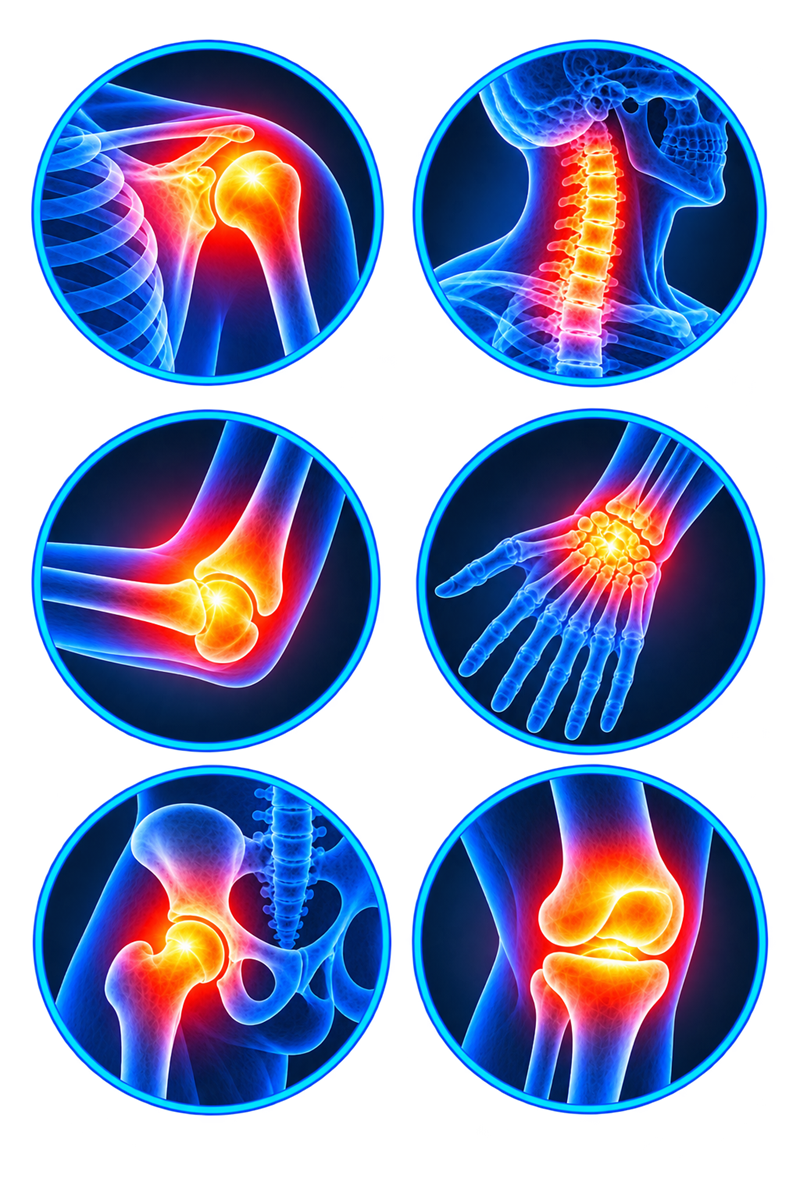
Rapid Recognition – Immediate Injury Assessment
Prompt evaluation of fractures, dislocations, severe pain, swelling, and other acute musculoskeletal injuries.
Rapid Evaluation – Imaging & Neurovascular Assessment
Clinical examination and appropriate imaging to assess bone, joint, soft-tissue, and neurovascular injuries.
Stabilisation – Pain Relief & Injury Management
Timely pain management, immobilisation, reduction when indicated, and initial treatment based on the injury
Emergency Surgery – Definitive Orthopaedic Care
Urgent surgical intervention when required for unstable fractures, dislocations, open injuries, or threatened limb function.
Emergency Signs
Severe pain after an injury, visible deformity, inability to move or sustain the weight, heavy bleeding, severe swelling, numbness or loss of sensation, or a cold, pale, or blue limb may be a medical emergency. Seek immediate emergency care. Call PACE Hospitals: 04048486868.
What Is a Trauma and Accident Emergency?
What Is a Rheumatology Emergency?
What Is an Orthopaedic Emergency?
An orthopaedic emergency is a sudden or serious injury or condition affecting the bones, joints, muscles, ligaments, tendons, or spine that needs immediate medical attention. It may involve a severe fracture, joint dislocation, spinal injury, major soft-tissue injury, severe limb swelling, or an injury affecting blood flow or nerve function.
PACE Hospitals provides 24/7 emergency orthopaedic care in Hyderabad for patients with suspected orthopaedic emergencies. The emergency team assesses the injury quickly, provides initial stabilisation and pain relief, and coordinates with orthopaedic surgeons, emergency physicians, radiology teams, and other specialists when required.
An orthopedic emergency can sometimes cause permanent damage if treatment is delayed, if there is severe tissue injury, nerve or blood vessel damage, an open fracture, or a spinal injury. Early treatment helps to control pain and swelling, protect affected bones and soft tissues, restore alignment and function, and reduce the risk of serious complications.
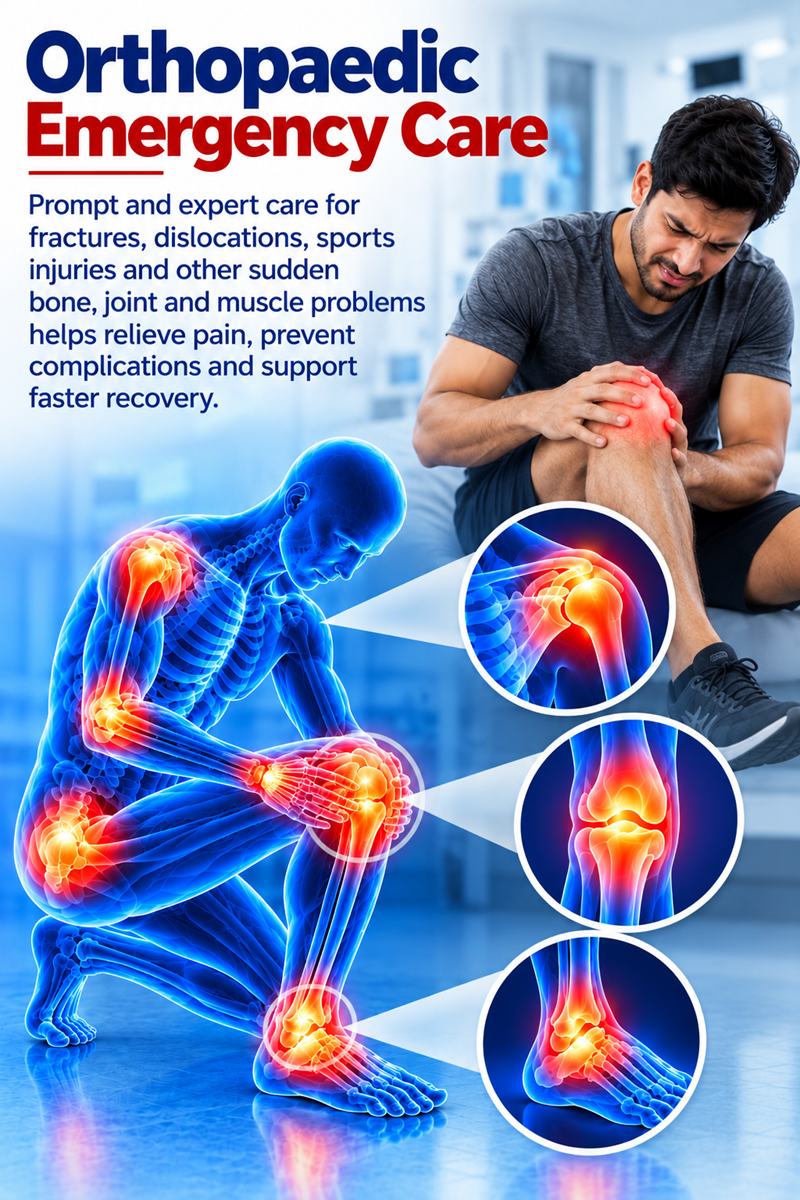
When to Seek Emergency Care for Orthopaedic Symptoms?
Immediate medical attention is needed if any of the following symptoms or situations occur:
- Severe pain following a fall, accident, sports injury, or other trauma.
- Visible deformity or an unusual position of a bone, joint, arm, or leg.
- Inability to move a limb or inability to stand or bear weight after an injury.
- Severe swelling, bruising, or rapidly increasing pain around an injured area.
- Open wounds with exposed bone or heavy bleeding.
- Numbness, tingling, weakness, or loss of sensation in an injured limb.
- A hand, foot, arm, or leg that becomes unusually pale, blue, cold, or weak after an injury.
- Sudden severe back or neck pain accompanied by weakness, numbness, or difficulty walking.
- Loss of bladder or bowel control along with severe back pain or numbness around the groin or inner thighs.
- Severe joint pain with redness, warmth, swelling, and fever, which may indicate a serious joint infection.
- Sudden inability to move a joint or limb without an obvious minor cause.
Do Not Ignore Severe Orthopaedic Injuries
Not every bone, joint, or muscle injury requires emergency treatment. However, it is important not to ignore an injury when there are signs of a fracture, dislocation, nerve or blood vessel injury, spinal cord involvement, or severe infection.
Treat an orthopaedic injury as an emergency when it is:
- Associated with a major fall, road accident, sports injury, or other significant trauma.
- Associated with severe or worsening pain and swelling.
- Causing visible deformity or inability to move the affected limb.
- Associated with numbness, tingling, weakness, or loss of sensation.
- Associated with a cold, pale, blue, or unusually weak limb.
- Associated with an open wound, exposed bone, or significant bleeding.
- Accompanied by severe back or neck pain with weakness, numbness, difficulty walking, or bladder or bowel problems.
- Associated with fever and a hot, swollen, painful joint.
For severe orthopaedic injuries, ambulance transport is a much safer option than driving to the hospital, particularly when there is major trauma, suspected spinal injury, severe bleeding, loss of consciousness, or inability to move safely. Emergency assessment and appropriate support can begin during transfer when needed.
Not all chest pain is caused by heart disease. It may be related to the lungs, food pipe, stomach, muscles, ribs, or nerves. However, it is not safe to assume that chest pain is minor without medical evaluation.
Treat chest pain as an emergency when it is:
- New or unexplained.
- Severe or persistent.
- Associated with sweating, nausea, or breathlessness.
- Accompanied by fainting or severe dizziness.
- Spreading to the arm, jaw, neck, shoulder, back, or upper abdomen.
- Present in a person with diabetes, high blood pressure, high cholesterol, kidney disease, or known heart disease.
- For severe symptoms, ambulance transport is generally safer than driving to the hospital because emergency assessment and support can begin during transfer when needed.
Sudden weakness or paralysis affecting one side of the face, arm, or leg is an important stroke warning sign. The weakness may appear suddenly and may occur with facial drooping, speech difficulty, vision changes, or loss of balance.
- Do not wait to see whether the weakness improves. Immediate emergency assessment is important because some stroke treatments are time-sensitive.
Sudden Paralysis or One-Sided Weakness
Sudden Vision Problems
A stroke can cause sudden changes in vision, including blurred or double vision or loss of vision in one or both eyes.
- Sudden unexplained vision problems, particularly when accompanied by other neurological symptoms, require urgent assessment.
Sudden Loss of Balance
A sudden loss of balance, coordination, or ability to walk normally can be a sign of stroke, particularly when it develops without an obvious explanation.
- Sudden dizziness with difficulty walking, weakness, vision changes, or speech problems should not be dismissed as a minor problem.
Sudden Severe Headache
A sudden, severe headache with no known cause can be a warning sign of a serious neurological emergency, including hemorrhagic stroke.
- When severe headache occurs with vomiting, weakness, speech difficulty, seizures, confusion, loss of consciousness, or other sudden neurological changes, emergency medical evaluation is required.
Common Ortho Emergency Conditions Treated at PACE Hospitals
Fractures and Severe Bone Injuries
A fracture occurs when a bone breaks or cracks, usually after a fall, road traffic accident, sports injury, or other significant trauma. Some fractures damages the nearby nerves, blood vessels, muscles, or other tissues and may require urgent treatment.
Severe or complicated fractures require immediate medical assessment. Treatment may include pain management, immobilisation, X-rays or other imaging, fracture reduction, casting or splinting, and surgery when required.
Possible warning signs may include:
- Severe pain at the site of injury.
- Swelling or bruising.
- Difficulty moving the affected limb.
- Inability to bear weight.
- Visible deformity or abnormal position of the limb.
- Tenderness around the injured area.
- Numbness or tingling.
- An open wound or bone visible through the skin.
Joint Dislocations
A joint dislocation occurs when the bones forming a joint are forced out of their normal position. It may occur following a fall, an accident, a sports injury, or some other trauma and might cause injury to nearby ligaments, nerves, or blood vessels.
Joint dislocations require prompt medical evaluation. Treatment may involve pain relief, imaging, gentle repositioning of the joint, immobilisation, and surgery if there is associated bone, ligament, nerve, or blood vessel damage.
Symptoms may include:
- Severe pain around the joint.
- Visible change in the shape of the joint.
- Swelling and bruising.
- Inability or difficulty moving the joint.
- Numbness or tingling in the affected limb.
- Weakness or reduced circulation.
Spinal and Back Emergencies
Serious injuries to the spine can affect the spinal cord or nerves and may lead to weakness, loss of sensation, or problems controlling the bladder or bowel. Spinal emergencies can occur after road traffic accidents, falls, sports injuries, or other major trauma.
Suspected spinal injuries require careful assessment and movement only when necessary, using appropriate spinal precautions to reduce the risk of further injury. Treatment may include spinal immobilisation, imaging such as CT or MRI, pain management, and emergency surgery when there is significant spinal cord or nerve compression.
Warning signs may include:
- Severe neck or back pain after an injury.
- Sudden weakness or paralysis.
- Numbness or loss of sensation.
- Difficulty walking or maintaining balance.
- Loss of bladder or bowel control.
- Severe pain spreading into the arms or legs.
- Numbness around the groin or inner thighs.
Open Fractures and Severe Limb Injuries
An open fracture occurs when a broken bone is associated with an open wound that exposes the fracture to the outside environment. These injuries have a higher risk of infection and may also involve damage to muscles, nerves, or blood vessels.
Open fractures and severe limb injuries require urgent treatment. Treatment mainly includes controlling the bleeding, administering antibiotics, preventing tetanus, cleaning the wound, stabilising the fracture, and surgery to repair damaged tissues and bone.
Symptoms may include:
- Open wound near a suspected fracture.
- Severe pain and swelling.
- Visible bone or deep tissue injury.
- Heavy bleeding.
- Abnormal movement or deformity.
- Numbness or weakness.
- A pale, cold, or blue-looking limb.
Sports and Soft-Tissue Injuries
Severe sports injuries can involve the muscles, ligaments, tendons, cartilage, or joints. While many sports injuries are not emergencies, immediate examination is needed when there is severe pain, significant swelling, deformity, or inability to use the affected limb.
Treatment depends on the injury and may include pain management, immobilisation, imaging, physiotherapy, or surgical repair when required.
Symptoms may include:
- Sudden severe pain.
- Rapid swelling or bruising.
- Inability to walk or use the affected limb.
- Joint instability.
- Visible deformity.
- A popping sensation followed by severe pain or loss of function.
Limb and Joint Infections
Certain bone, joint, and soft-tissue infections can progress rapidly and require urgent medical treatment. Septic arthritis, for example, is an infection inside a joint that can cause permanent joint damage if treatment is delayed.
Treatment may include blood tests, imaging, joint fluid testing, antibiotics, drainage of infected fluid, and surgery when required.
Symptoms may include:
- Sudden severe joint pain.
- Swelling, warmth, or redness around the joint.
- Fever or chills.
- Difficulty moving the affected joint.
- Inability to bear weight.
- Severe weakness or feeling very unwell.
Compartment Syndrome
Compartment syndrome occurs when pressure builds up inside a closed group of muscles, reducing blood flow and potentially damaging muscles and nerves. It can develop after fractures, crush injuries, severe swelling, or other trauma.
Compartment syndrome is a surgical emergency. Immediate assessment and pressure relief may be required to protect muscles, nerves, and circulation.
Warning symptoms may include:
- Severe pain that appears disproportionate to the injury.
- Increasing tightness or swelling of the affected limb.
- Pain that becomes worse with stretching the affected muscles.
- Numbness or tingling.
- Weakness or difficulty moving the limb.
Emergency Ortho Assessment and Diagnosis
Patients with suspected orthopedic emergencies are assessed according to the urgency and severity of their condition. The first priority is to identify and treat serious injuries, fractures, dislocations, nerve or blood vessel damage, and other conditions which may affect limb function or overall health without delay.
01
Rapid Triage and Initial Stabilisation
The emergency team may immediately assess:
- Airway, breathing, circulation, and level of consciousness, mainly after major trauma.
- Pulse, blood pressure, oxygen level, temperature, and pain severity.
- Nature, location, duration, and severity of pain.
- Mechanism of injury, including falls, road traffic accidents, sports injuries, crush injuries, or direct trauma.
- Presence of swelling, deformity, bruising, open wounds, bleeding, or inability to move the affected limb.
- Blood circulation, skin colour, temperature, sensation, and movement of the affected limb.
- Numbness, tingling, weakness, or loss of movement suggesting possible nerve injury.
- Previous fractures, joint problems, orthopaedic surgeries, or other relevant medical conditions.
- Current medicines, including blood thinners and pain medicines.
- Medicine allergies.
- Need for pain relief, wound care, splinting, immobilisation, intravenous access, or emergency surgery.
02
X-Ray and Orthopaedic Imaging
X-rays are commonly used to assess suspected fractures, dislocations, and other bone injuries. They can help doctors determine the location and severity of an injury and plan appropriate treatment.
Imaging may help identify:
- Fractures and bone displacement.
- Joint dislocations.
- Bone alignment and joint damage.
- Foreign bodies in open injuries.
- Other bone or joint abnormalities.
03
Advanced Imaging and Additional Tests
Depending on the injury and initial examination, further tests may include:
- Computed tomography (CT) scan
- Magnetic resonance imaging (MRI)
- Ultrasound
- CT angiography or Doppler ultrasound
- Blood tests, including complete blood count, blood glucose, kidney function, and blood clotting tests, when clinically required
- Electrolytes and other laboratory tests
- Continuous monitoring
04
Nerve and Circulation Assessment
A detailed examination of the affected limb is important in serious orthopaedic injuries.
Doctors may repeatedly check:
- Pulse and blood flow beyond the injured area.
- Skin colour and temperature.
- Sensation and presence of numbness or tingling.
- Ability to move the affected limb or fingers and toes.
- Increasing pain or swelling that may indicate a serious complication.
These assessments and investigations help identify fractures, dislocations, ligament or soft-tissue injuries, spinal injuries, nerve or blood vessel damage, compartment syndrome, and other serious orthopaedic emergencies, allowing appropriate treatment to begin as quickly as possible.
Orthopedic Emergency Treatment at PACE Hospitals
Orthopedic emergency treatment depends on the type and severity of the injury, affected body part, medical history, examination findings, imaging results, and overall clinical condition. The emergency team first stabilises the patient, controls pain, protects the injured area, and then coordinates specialist orthopaedic treatment when required.
Ortho emergency care may include:
- Rapid assessment of the injury and overall condition.
- Pain relief and medicines to control swelling and discomfort.
- Immobilisation of the injured limb or joint using splints, braces, or other supports.
- Wound cleaning, dressing, and bleeding control.
- Reduction of dislocated joints or displaced fractures when required.
- Fracture stabilisation using casts, splints, braces, or traction.
- Assessment of blood circulation, nerve function, and movement in the affected limb.
- Intravenous (IV) fluids when required, particularly in patients with trauma.
- Tetanus vaccination or prophylaxis for appropriate open injuries.
- Antibiotics when indicated, particularly for open fractures or suspected infections.
- Emergency surgical treatment for unstable fractures, open fractures, severe soft-tissue injuries, or other conditions requiring urgent intervention.
- External fixation or other temporary stabilisation for selected complex fractures.
- ICU or critical care support for patients with major trauma or associated life-threatening injuries.
Fracture and Dislocation Emergency Treatment
Treatment for fractures and dislocations begins with assessment of the injured area, pain control, and imaging when required.
Depending on the injury, treatment may include:
- Splinting or casting to protect and stabilise the fracture.
- Closed reduction to realign a displaced fracture or dislocated joint.
- Pain management and swelling control.
- Temporary or definitive fixation using plates, screws, rods, or other implants when surgery is required.
- External fixation for selected severe or unstable fractures.
- Assessment and treatment of associated nerve, blood vessel, or soft-tissue injuries.
The treating orthopaedic team will determine the appropriate treatment based on the type of injury, its severity, the affected body part, and the patient's overall condition.
Open Fracture Emergency Treatment
An open fracture takes place when a broken bone is accompanied by an open wound or when it comes into contact with the external environment.
It requires urgent medical assessment because there is a risk of infection and damage to nearby tissues.
Treatment may include:
- Control of bleeding and protection of the wound.
- Sterile dressing and immobilisation of the injured limb.
- Antibiotics when clinically indicated.
- Tetanus prophylaxis when required.
- Imaging to assess the fracture and associated injuries.
- Surgical cleaning and removal of contaminated or damaged tissue (debridement).
- Fracture stabilisation using appropriate fixation methods.
- Further wound or reconstructive procedures when required.
Head, Spine and Major Trauma Management
Serious trauma may involve the spine, pelvis, or multiple bones and may require coordinated emergency and orthopaedic care. Treatment may include:
- Spinal immobilisation and precautions when a spinal injury is suspected.
- Assessment of nerve function, sensation, and limb movement.
- Imaging such as X-ray, CT, or MRI based on the suspected injury.
- Stabilisation of spinal, pelvic, or other major fractures.
- Emergency surgery for selected spinal fractures, nerve compression, or unstable injuries.
- Management of associated bleeding and soft-tissue injuries.
- Multidisciplinary trauma and critical care support for patients with multiple injuries.
Tendon, Ligament and Muscle Injuries
Severe soft-tissue injuries may require urgent evaluation to determine the extent of damage.
Treatment may include:
- Pain relief and swelling control.
- Immobilisation or protective bracing.
- Assessment using ultrasound or MRI when appropriate.
- Repair of selected complete tendon or ligament injuries.
- Surgical treatment for severe muscle or soft-tissue injuries when indicated.
- Rehabilitation and physiotherapy after the acute injury has been managed.
Pelvic and Hip Trauma
Pelvic and hip injuries can be serious, particularly after high-energy trauma or in older adults with fractures.
Treatment may include:
- Pain management and immobilisation.
- Imaging to assess the fracture and surrounding structures.
- Blood and fluid management when significant bleeding is suspected.
- Reduction and fixation of unstable fractures.
- Surgical treatment of selected hip fractures.
- Monitoring for complications associated with major trauma.
What to Do During a Suspected Orthopaedic Emergency?
- Call emergency medical services immediately for a severe or potentially serious injury.
- Keep the injured person as still and comfortable as possible.
- Avoid moving the injured limb, joint, neck, or spine unnecessarily, especially after a major fall, road accident, or other significant trauma.
- Do not try to straighten a visibly deformed or fractured limb or force a dislocated joint back into position.
- If there is bleeding, apply gentle pressure with a clean cloth or dressing when it is safe to do so.
- Cover an open wound or exposed bone with a clean dressing without pushing the bone back into the wound.
- Do not give food or drink if emergency surgery may be required.
- Follow instructions provided by emergency medical professionals while waiting for help.
- If the injured limb becomes cold, pale, blue, numb, or loses movement, seek emergency medical attention immediately.
The safest approach is to obtain professional emergency help quickly rather than attempting to move, straighten, or treat a serious orthopaedic injury at home.
Who Is at Higher Risk of Orthopaedic Emergencies?
Orthopaedic emergencies can occur in anyone, particularly after an accident or sudden injury. However, the risk of serious orthopaedic problems may be higher in people with:
- Previous fractures, joint injuries, or orthopedic surgeries.
- Osteoporosis or reduced bone strength.
- Older age
- Muscle weakness, poor balance, or difficulty walking.
- Conditions affecting nerves, muscles, or movement.
- Regular participation in high-impact sports or activities.
- Jobs involving work at height, heavy lifting, machinery, construction, road travel, repetitive physical work, or exposure to workplace hazards.
- Poor coordination or conditions that increase the risk of falls.
- Long-term use of certain medicines.
- Previous joint replacement or other implanted orthopedic devices.
Even without all these risk factors, assess immediately for severe pain after an injury, visible deformity, inability to move or withstand weight, significant swelling, an open wound over a fracture, or numbness or loss of circulation in a limb.
Orthopedic Emergency Care at PACE Hospitals
PACE Hospitals offers 24 hour emergency and trauma care in Hyderabad for patients who have severe fractures, dislocations, major injuries, open wounds, sports injuries, spinal injuries, joint infections, and other urgent orthopedic conditions. The emergency department coordinates with orthopedic, trauma, critical care, diagnostic, imaging, and surgical teams according to the patient’s needs.
Emergency Orthopaedic Care Pathway
- Immediate triage: Rapid assessment of the injury, pain, vital signs, circulation, nerve function, and emergency needs.
- Injury assessment: Physical examination and appropriate imaging tests, including X-ray, CT, or MRI to detect fractures, dislocations, and soft-tissue injuries.
- Rapid diagnosis: Evaluation by orthopaedic and trauma specialists when required to identify the type and severity of the injury.
- Stabilisation and treatment: Pain management, wound care, splinting, casting, fracture or joint reduction, antibiotics for selected open injuries, and emergency procedures based on the diagnosis.
- Surgical treatment: When clinically necessary, perform emergency fracture fixation, debridement, joint operations, or other orthopaedic surgery.
- Ongoing care: Admission to the ward, ICU, or suitable specialist care, followed by rehabilitation and physiotherapy as needed.
Need urgent help? For severe pain after an injury, any visible deformity, inability to move the injured limb, stand, or sustain weight of the objects, heavy bleeding, numbness, loss of sensation, or if there is a cold, pale, or blue limb, seek emergency care immediately.
Call PACE Hospitals:
04048486868.
When Should You Call an Ambulance for an Orthopedic Emergency?
Call emergency medical services immediately if someone has:
- Severe pain following a major accident or injury.
- A visible deformity or bone protruding through the skin.
- Heavy or uncontrolled bleeding from an injury.
- Inability to move or bear weight on an injured limb.
- Sudden numbness, loss of sensation, or weakness in an injured limb.
- A limb that becomes pale, blue, cold, or unusually weak.
- Severe swelling or rapidly worsening pain after an injury.
- Suspected spinal injury with weakness, paralysis, numbness, or loss of bladder or bowel control.
- Loss of consciousness or confusion following a major injury.
- Severe pelvic, hip, or multiple injuries following a road accident, fall, or other major trauma.
Emergency medical transport should be used in the case of serious orthopaedic injuries since unnecessary movement might make certain fractures, spinal injuries, or damage to soft tissues worse. Emergency assessment, immobilization, pain management, and supportive care can begin during transfer when required.

Do not delay emergency care to arrange your own transport if the person is seriously injured or has signs of a potentially life-threatening condition.
Frequently Asked Questions on Orthopaedic Emergencies
When should I go to the emergency department for an orthopedic injury?
Go to the emergency department if an injury causes severe or worsening pain, significant swelling, visible deformity, inability to move the affected body part, or inability to stand or bear weight. Seek immediate medical attention if there is an open wound near a suspected fracture, heavy bleeding, numbness, loss of sensation, or if the affected limb becomes pale, blue, cold, or unusually weak.
What are the common orthopedic emergencies?
There are some common orthopedic emergencies, which include fractures, dislocated joints, open fractures, severe ligament or tendon injuries, spinal injuries, compartment syndrome, serious joint infections, and injuries involving blood vessels or nerves. Major accidents can also cause multiple bone and soft-tissue injuries that need urgent assessment and treatment.
Can a minor-looking injury cause serious bone or joint damage?
Yes, some fractures, ligament injuries, tendon injuries, or joint problems may not look severe from the outside. Symptoms like pain, swelling, difficulty moving, or symptoms that persist or worsen after an injury can indicate a more significant problem. A physical exam and, when needed, an X-ray, CT scan, MRI, or other test can help identify injuries that may look minor in the beginning.
What symptoms after an injury require immediate medical attention?
Seek immediate medical attention if there is any kind of severe or increasing pain, major swelling, visible deformity, inability to move or bear weight, heavy bleeding, an open wound, numbness or loss of sensation, or weakness in the injured limb. A limb that becomes pale, blue, cold, or difficult to move may indicate reduced blood flow and requires urgent evaluation. Loss of consciousness or other serious symptoms after major trauma also require emergency care.
Can a fracture occur without visible swelling or deformity?
Yes, not every fracture causes visible swelling or a change in the bone's shape. Some small or non-displaced fractures may mainly cause pain, tenderness, or pain when moving or putting weight on the affected area. If pain continues after an injury or makes normal movement difficult, medical assessment may be needed even when the injury does not appear serious.
Is an open fracture an emergency?
An open fracture, where a broken bone is associated with an open wound, requires immediate medical attention because bacteria can enter through the wound and cause a serious infection. Bleeding, tissue damage, and injury to nearby nerves or blood vessels may also occur. The wound should be covered with a clean dressing, and the injured limb should be kept still until medical help is available.
When is a sports injury an orthopedic emergency?
A sports injury may be an orthopaedic emergency if there is severe pain, an obvious deformity, inability to move or put weight on the injured area, rapidly increasing swelling, or suspected fracture or dislocation. Numbness, loss of sensation, weakness, or a cold, pale, or blue limb may indicate nerve or blood vessel injury and require immediate medical attention.
When does an ankle injury require immediate medical attention?
An ankle injury needs immediate medical attention if there is severe pain, significant swelling, a deformity, inability to stand or walk, an open wound, or suspected fracture or dislocation. Warning signs like numbness, tingling, loss of sensation, or a cold, pale, or blue foot may also indicate a circulation or nerve problem and should not be ignored.
Can severe swelling and pain after an injury indicate a serious problem?
Yes, severe, increasing pain and swelling after an injury may indicate a fracture, dislocation, major soft-tissue injury, or, in some cases, compartment syndrome. Pain that seems much worse than expected, increasing tightness or swelling, numbness, weakness, or changes in skin colour or temperature require urgent medical assessment.
What are the warning signs of a spinal cord injury?
Warning signs of a spinal cord injury can include severe neck or back pain after an accident, weakness or paralysis in the arms or legs, numbness or loss of sensation, difficulty walking or maintaining balance, and loss of bladder or bowel control. If a spinal injury is suspected, avoid unnecessary movement and seek emergency medical care immediately.
Is loss of bladder or bowel control with back pain an emergency?
Yes, new loss of bladder or bowel control along with back pain can be a warning sign of cauda equina syndrome, a rare but serious condition caused by pressure on the nerves at the lower end of the spine. New difficulty passing urine, inability to control urine or stools, numbness around the buttocks or genital area, or weakness in the legs should be assessed urgently in an emergency department. Early treatment may help reduce the risk of permanent nerve damage.
Why does compartment syndrome require urgent treatment?
Compartment syndrome occurs when pressure builds up inside a group of muscles and reduces blood flow to the tissues. It can develop after a serious injury or fracture and may cause severe, increasing pain, swelling, tightness, numbness, or weakness. If not treated quickly, reduced blood supply can permanently damage muscles and nerves. Acute compartment syndrome may require emergency surgery called a fasciotomy to release the pressure.
Can severe limb swelling after an accident affect blood circulation?
Yes, severe swelling after an accident, fracture, or crush injury can sometimes increase pressure around muscles and blood vessels, which can reduce circulation to the affected limb. Warning signs generally include increasing pain, tight or swollen skin, numbness or tingling, weakness, or a limb that becomes pale, cold, or bluish. These symptoms necessitate immediate medical attention since serious circulation issues can result in permanent tissue damage if treated late.
How are emergency fractures diagnosed?
Emergency fractures are usually diagnosed through a physical examination and imaging. Doctors assess pain, swelling, deformity, movement, and the affected limb's blood supply and nerve function. Imaging tests like X-rays commonly identify broken bones, while CT or MRI scans are needed for complex fractures or injuries involving joints, the spine, or surrounding soft tissues.
When does an orthopedic emergency require surgery?
Emergency orthopedic surgery may be needed when an injury cannot be safely treated with a cast, splint, or other non-surgical treatment. This can include some open or unstable fractures, severely displaced fractures, certain joint dislocations, injuries affecting blood vessels or nerves, acute compartment syndrome, and some severe tendon or soft-tissue injuries. The orthopedic team decides whether surgery is necessary based on the type and severity of the injury, imaging findings, circulation and nerve function, and the patient's overall condition.
Conclusion
Orthopedic emergencies require rapid assessment and timely treatment. Severe pain after an injury, visible deformity, inability to move or bear weight, heavy bleeding, severe swelling, numbness, loss of sensation, or a cold, pale, or blue limb should be treated as warning signs that need immediate medical attention.
PACE Hospitals provides emergency orthopaedic care in Hyderabad for patients with suspected fractures, dislocations, open fractures, severe joint or soft-tissue injuries, spinal injuries, compartment syndrome, and other urgent orthopedic conditions. Prompt emergency treatment can help identify the extent of the injury, control pain, protect affected bones and tissues, restore alignment and circulation when required, and begin appropriate treatment without delay.


