
Poisoning Emergency Care in Hyderabad
24/7 Emergency Assessment and Treatment for Poisoning and Toxic Exposure
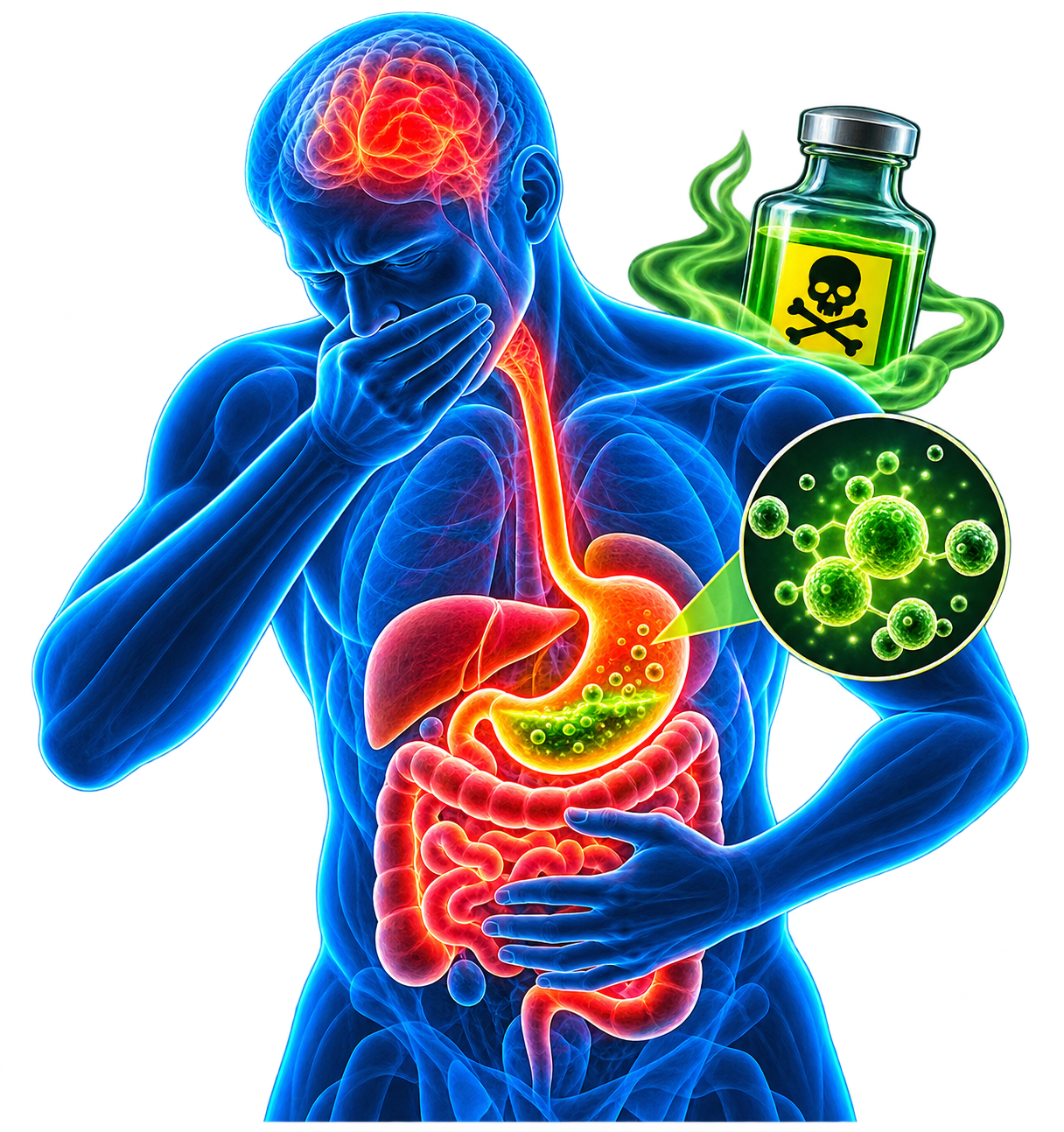
24 / 7 - Poisoning Emergency Response
Rapid care for suspected and confirmed poisoning emergencies
Rapid Stabilisation - Immediate Toxicity Assessment
Prompt evaluation and stabilisation of critically affected patients
Antidote · Decontamination - Poison-Specific Emergency Care
Appropriate antidotal and supportive treatment when indicated
ICU · Critical Care - Continuous Monitoring & Organ Support
Specialised care for severe or life-threatening poisoning
Emergency Signs
- Suspected poisoning
- medication overdose
- chemical ingestion
- toxic gas exposure
- pesticide exposure
- severe vomiting
- confusion
- seizures
- difficulty breathing
- fainting or collapse
Seek immediate emergency care. Call PACE Hospitals:
04048486868.
What Is a Poisoning Emergency?
A poisoning emergency occurs when a harmful substance enters the body through swallowing, inhalation, skin contact, eye contact, injection, or another route. Poisoning may result from medicines, alcohol, recreational drugs, household chemicals, cleaning products, pesticides, industrial chemicals, toxic gases, contaminated food, or unknown substances.
The severity of poisoning depends on the substance, amount, route of exposure, time since exposure, age, body weight, existing health conditions, and whether more than one substance was involved. Some poisonings can rapidly affect breathing, consciousness, heart rhythm, blood pressure, kidneys, liver, or other vital organs.
PACE Hospitals provides 24/7 poisoning emergency care in Hyderabad for suspected poisoning, drug overdose, chemical exposure, pesticide exposure, carbon monoxide exposure, and severe food poisoning. The emergency team assesses the person quickly, stabilises urgent problems, identifies the likely exposure, and plans emergency treatment based on the clinical condition.
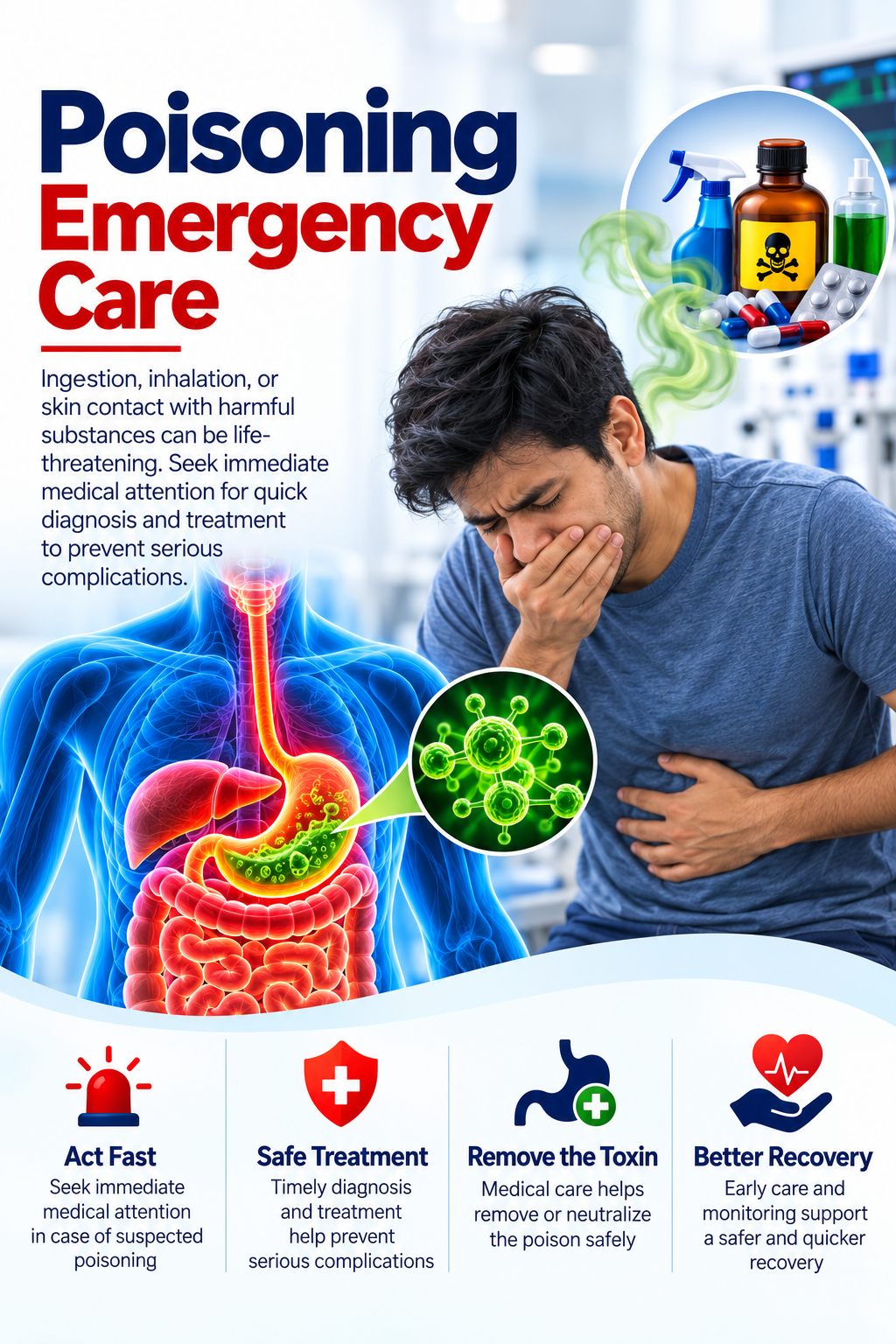
When to Seek Emergency Care for Poisoning?
Seek emergency medical care immediately when poisoning or toxic exposure is suspected, especially if any of the following signs are present:
- Loss of consciousness, confusion, unusual drowsiness, seizures, or unusual behaviour.
- Difficulty breathing, wheezing, choking, severe coughing, or bluish lips.
- Severe vomiting, persistent vomiting, blood in vomit, or severe abdominal pain.
- Chest pain, palpitations, severe weakness, fainting, or collapse.
- Burning of the mouth, throat, skin, or eyes after chemical exposure.
- Severe headache, dizziness, nausea, vomiting, confusion, or collapse after possible carbon monoxide exposure.
- Suspected overdose of medicines, alcohol, recreational drugs, or unknown substances.
- Accidental or intentional ingestion of pesticides, cleaning products, batteries, fuel, paint thinner, corrosive substances, or industrial chemicals.
- A child who may have swallowed medicine, chemicals, or an unknown substance.
- Any deliberate self-poisoning or overdose, even when the person appears well initially.
Do not wait for symptoms to appear. Serious poisoning can initially cause few symptoms and may worsen later.
Do Not Ignore Suspected Poisoning or Toxic Exposure
Not all poisonings cause immediate symptoms. A person may appear well at first but may develop serious complications later, especially after a medicine overdose, chemical ingestion, pesticide exposure, toxic-gas inhalation, or exposure to an unknown substance.
Treat suspected poisoning as an emergency when it involves:
- Medicines, alcohol, recreational drugs, or an unknown substance.
- Pesticides, herbicides, insecticides, or rodenticides.
- Household cleaners, acids, alkalis, bleach, fuel, paint thinner, batteries, or industrial chemicals.
- Carbon monoxide, smoke, fumes, or toxic gases.
- A child who may have swallowed a medicine, chemical, battery, or unknown substance.
- Intentional poisoning or overdose.
- Persistent vomiting, severe abdominal pain, blood in vomit or stool, confusion, seizures, breathing difficulty, fainting, or collapse.
For severe symptoms, ambulance transport is generally safer than driving to the hospital because emergency support can begin during transfer when needed.
Do not induce vomiting or give food, drink, milk, charcoal, or home remedies unless advised by a qualified healthcare professional.
Not all chest pain is caused by heart disease. It may be related to the lungs, food pipe, stomach, muscles, ribs, or nerves. However, it is not safe to assume that chest pain is minor without medical evaluation.
Treat chest pain as an emergency when it is:
- New or unexplained.
- Severe or persistent.
- Associated with sweating, nausea, or breathlessness.
- Accompanied by fainting or severe dizziness.
- Spreading to the arm, jaw, neck, shoulder, back, or upper abdomen.
- Present in a person with diabetes, high blood pressure, high cholesterol, kidney disease, or known heart disease.
- For severe symptoms, ambulance transport is generally safer than driving to the hospital because emergency assessment and support can begin during transfer when needed.
Not all chest pain is caused by heart disease. It may be related to the lungs, food pipe, stomach, muscles, ribs, or nerves. However, it is not safe to assume that chest pain is minor without medical evaluation.
Treat chest pain as an emergency when it is:
- New or unexplained.
- Severe or persistent.
- Associated with sweating, nausea, or breathlessness.
- Accompanied by fainting or severe dizziness.
- Spreading to the arm, jaw, neck, shoulder, back, or upper abdomen.
- Present in a person with diabetes, high blood pressure, high cholesterol, kidney disease, or known heart disease.
- For severe symptoms, ambulance transport is generally safer than driving to the hospital because emergency assessment and support can begin during transfer when needed.
Common Poisoning Emergencies Treated at PACE Hospitals
Medicine and Drug Overdose
Medicine and drug overdose can occur after taking too much of a prescribed medicine, over-the-counter medicine, alcohol, recreational drug, or a combination of substances.
Possible symptoms include drowsiness, confusion, slowed breathing, difficult breathing, vomiting, seizures, chest pain, abnormal heartbeat, severe agitation, or loss of consciousness.
Emergency treatment of poisoning may include monitoring of breathing and heart rhythm, blood tests, supportive treatment, and selected antidote or decontamination measures when clinically appropriate.
Pesticide and Agricultural Chemical Exposure
Pesticides, insecticides, herbicides, rodenticides, and other agricultural chemicals can cause serious poisoning after swallowing, inhalation, or skin exposure.
Symptoms vary according to the product but may include sweating, excessive saliva, vomiting, breathing difficulty, muscle weakness, confusion, seizures, abnormal heart rhythm, or collapse.
If readily available, bring the product container, label, or a clear photograph of the product. This may help the emergency team identify the toxic substance. Do not delay emergency transport to search for it.
Household and Industrial Chemical Exposure
Cleaning agents, acids, alkalis, bleach, detergents, solvents, fuels, paint thinners, batteries, and industrial chemicals may cause poisoning or burns after swallowing, inhalation, skin contact, or eye exposure.
Corrosive substances may damage the mouth, throat, food pipe, skin, stomach, or eyes. Inhaled chemicals can irritate the lungs and may cause coughing, wheezing, breathing difficulty, or delayed lung injury.
Carbon Monoxide Poisoning
Carbon monoxide is a colourless, odourless gas produced by burning fuels. Exposure may occur from vehicle exhaust, fires, generators, charcoal-burning devices, or poorly ventilated fuel-burning equipment.
Symptoms can resemble flu-like illness and may include headache, dizziness, weakness, nausea, vomiting, chest pain, and confusion. Severe carbon monoxide poisoning can cause difficulty in breathing, loss of consciousness, seizures, abnormal heart rhythms, coma, or death.
If carbon monoxide exposure is suspected, move away from the source and into fresh air only if this can be done safely. Seek emergency medical care immediately.
Food Poisoning With Severe Symptoms
Food poisoning commonly causes nausea, vomiting, diarrhoea, abdominal cramps, and fever. Emergency assessment is needed when symptoms are severe or when there are signs of dehydration, persistent vomiting, blood in vomit or stool, severe abdominal pain, high fever, confusion, fainting, reduced urine output, or suspected sepsis.
Emergency management of food poisoning focuses on assessing dehydration and complications. Treatment may include oral or intravenous fluids, observation, blood tests, stool tests in selected cases, and treatment for severe infection when clinically indicated.
Alcohol Poisoning
Alcohol poisoning can cause confusion, vomiting, poor coordination, slow or irregular breathing, low body temperature, seizures, unconsciousness, or coma.
It is a medical emergency, especially when the person is difficult to wake, has slow or irregular breathing, repeatedly vomits, has seizures, becomes unconscious, or has had a fall or head injury.
Depending on the symptoms and initial assessment, further tests may include:
- Chest X-ray.
- CT scan of the chest.
- CT pulmonary angiography when pulmonary embolism is suspected.
- Ultrasound of the lungs or heart.
- Electrocardiogram (ECG), particularly when chest pain or a heart-related cause is possible.
- Sputum or other infection-related tests, when appropriate.
- Pulmonary function testing in selected patients after the emergency has been stabilized.
- Continuous oxygen level and heart rhythm monitoring.
Imaging and Additional Tests
04
Poisoning Emergency Assessment and Diagnosis
Poisoning management in the emergency department begins with rapid assessment of the person’s airway, breathing, circulation, level of consciousness, and likely toxic exposure.
The emergency team will also consider the substance involved, estimated amount, route of exposure, time since exposure, current symptoms, medical history, current medicines, and possible exposure to multiple substances.
Rapid Triage and Stabilisation
The emergency team may assess:
- Airway, breathing, circulation, and level of consciousness.
- Pulse, blood pressure, oxygen level, temperature, and blood glucose.
- Type of substance, estimated amount, route of exposure, and time since exposure.
- Vomiting, burns, breathing difficulty, seizures, abnormal behaviour, or collapse.
- Current medicines, allergies, medical history, and possible co-exposures.
- Need for oxygen, intravenous access, heart monitoring, airway support, or critical care.
Tests That May Be Needed
Tests are selected according to the suspected poison and the person’s clinical condition. They may include:
- Blood glucose and blood tests to assess kidney function, liver function, electrolytes, blood count, and acid-base balance.
- Electrocardiogram (ECG) and continuous heart-rhythm monitoring.
- Arterial or venous blood gas analysis.
- Toxicology testing when clinically useful and available.
- Chest X-ray or other imaging for breathing problems, aspiration, injury, or suspected complications.
- Pregnancy test in women of reproductive age, when clinically appropriate.
- Specific tests, such as carboxyhaemoglobin measurement, for suspected carbon monoxide exposure.
Pulmonary embolism requires urgent medical assessment because a significant blood clot in the lungs can affect oxygen levels and circulation.
Treatment may include:
- Oxygen support when needed.
- Continuous monitoring of heart rate, blood pressure, and oxygen levels.
- Anticoagulant medicines to prevent the clot from growing and reduce the risk of further clots.
- Medicines or procedures to remove or break down the clot in selected severe cases.
- Treatment to support blood pressure and circulation when required.
- ICU monitoring for patients with severe or unstable pulmonary embolism.
The treatment approach depends on the size and location of the clot, its effect on the heart and lungs, and the patient's overall condition.
Pulmonary Embolism Emergency Treatment
Emergency Treatment of Poisoning at PACE Hospitals
Emergency treatment of poisoning depends on the substance involved and the person’s symptoms. The first priority is to protect the airway, support breathing and circulation, and manage life-threatening complications.
Poisoning Emergency Treatment May Include
- Continuous monitoring of breathing, oxygen level, blood pressure, heart rhythm, and consciousness.
- Oxygen support, airway management, or ventilator support when clinically required.
- Intravenous fluids and treatment for dehydration, low blood pressure, or shock.
- Treatment for seizures, abnormal heart rhythms, severe agitation, or other complications.
- Decontamination measures when clinically indicated and safe
- Activated charcoal only when selected by the emergency team for an appropriate substance and time window.
- Specific antidotes when indicated for the suspected toxin.
- Treatment of chemical burns affecting the skin, eyes, mouth, throat, or gastrointestinal tract.
Emergency dialysis or other advanced supportive treatment in selected severe poisonings.
ICU admission or specialist referral for severe or unstable cases.
Activated charcoal and antidotes are not suitable for every poisoning. Their use depends on the substance, time since exposure, airway safety, and the person’s clinical condition. They should only be given under medical supervision.
Emergency Management of Food Poisoning
For suspected carbon monoxide poisoning, the person should be removed from the source of exposure if this can be done safely and taken for emergency medical assessment.
Treatment may include high-concentration oxygen, heart monitoring, neurological assessment, blood testing, and consideration of hyperbaric oxygen therapy in selected severe cases.
What to Do During a Poisoning Emergency?
Immediate first aid depends on the type of exposure. The following are general safety steps and do not replace emergency medical assessment.
- Call PACE Hospitals Emergency at 04048486868 or arrange emergency medical transport immediately.
- Move away from the source of exposure if it is safe to do so. For suspected carbon monoxide or toxic-gas exposure, move to fresh air without putting others at risk.
- Do not induce vomiting unless specifically instructed by a qualified poison expert or emergency clinician.
- Do not give food, drink, milk, lemon juice, salt water, charcoal, or home remedies unless advised by a qualified healthcare professional.
- If a chemical is on the skin, remove contaminated clothing and rinse the affected area with running water.
- If a chemical enters the eyes, rinse the eyes with clean running water and seek urgent medical assessment.
- If the person is drowsy, unconscious, having seizures, or vomiting, do not give anything by mouth.
- Keep the medicine strip, bottle, product container, label, or a photograph available for the emergency team, if possible.
- If the person becomes unresponsive and is not breathing normally, start CPR if trained and continue until trained emergency professionals take over.
Important: Never try to make a person vomit after poisoning. Vomiting can increase the risk of choking and may worsen injury after corrosive chemical ingestion.
Why Timely Poisoning Emergency Care Matters?
Poisoning can progress quickly, particularly in children, older adults, pregnant women, and people with underlying heart, lung, kidney, or liver disease.
Delayed emergency treatment can increase the risk of breathing failure, seizures, abnormal heart rhythms, severe dehydration, organ injury, coma, or death.
Prompt emergency poisoning management can help:
- Identify the likely toxic substance and route of exposure.
- Support airway, breathing, circulation, and consciousness.
- Manage or prevent serious complications as early as possible.
- Provide appropriate decontamination or antidotal treatment when indicated.
- Monitor delayed effects of selected medicines and chemicals.
- Coordinate intensive care unit (ICU) treatment, dialysis, surgery, endoscopy, mental-health evaluation, or specialist referral when needed.
Who Is at Higher Risk of Poisoning Emergencies?
Poisoning can occur in anyone. However, the risk may be higher in people with:
- Young children, especially those who may accidentally swallow medicines, household chemicals, batteries, or cleaning products.
- Older adults who may take multiple medicines or have difficulty reading medicine labels.
- People taking several prescribed or over-the-counter medicines.
- People with poor vision, memory problems, confusion, or difficulty managing medicines safely.
- People with alcohol dependence or substance-use problems.
- People working with pesticides, agricultural chemicals, fuels, solvents, or industrial chemicals.
- People exposed to smoke, vehicle exhaust, generators, or poorly ventilated fuel-burning equipment.
- Individuals with heart, lung, liver, or kidney disease.
- Pregnant women exposed to medicines, chemicals, or pesticides.
- People experiencing emotional distress, self-harm thoughts, or intentional overdose risk.
Suspected poisoning, medication overdose, chemical ingestion, pesticide exposure, or hazardous gas exposure should be evaluated immediately, even in the absence of symptoms. Due to their smaller body size and exposure patterns, children are especially susceptible to poisoning from medications, household chemicals, and pesticides.
Poisoning Emergency Care at PACE Hospitals
PACE Hospitals provides 24/7 round-the-clock emergency and trauma care in Hyderabad for suspected poisoning, medicine overdose, chemical ingestion, pesticide exposure, toxic exposure, severe food poisoning, and carbon monoxide exposure.
The emergency team provides rapid assessment, stabilisation, diagnostic evaluation, and coordinated specialist support according to the person’s clinical needs.
Emergency Poisoning Care Pathway
- Immediate triage: Rapid assessment of symptoms, vital signs, consciousness, and the type of exposure.
- Stabilisation: Airway, breathing, circulation, heart-rhythm, and seizure management as required.
- Identification of exposure: Review of the product label, medicine strip, clinical history, container, and relevant tests.
- Targeted treatment: Supportive treatment, decontamination, antidotes, and specialist care when clinically indicated.
- Ongoing care: Observation, ICU care, admission, mental-health assessment after intentional poisoning, or referral to the appropriate speciality team when required.
Need urgent help? For suspected poisoning, overdose, chemical exposure, severe food poisoning, or carbon monoxide exposure, seek emergency care immediately.
Call PACE Hospitals:
04048486868.
When to Call an Ambulance for a Poisoning Emergency?
Call emergency medical services immediately if someone has:
- Suspected poisoning, medicine overdose, chemical ingestion, pesticide exposure, or toxic-gas exposure.
- Loss of consciousness, extreme drowsiness, or inability to wake up.
- Seizures or repeated convulsions.
- Difficulty breathing, wheezing, choking, severe coughing, or bluish lips.
- Severe vomiting, repeated vomiting, choking, or risk of inhaling vomit.
- Severe confusion, agitation, unusual behaviour, or sudden collapse.
- Burns to the mouth, throat, skin, or eyes after chemical exposure.
- Chest pain, severe weakness, palpitations, fainting, or low blood pressure.
- Suspected carbon monoxide exposure with headache, dizziness, nausea, confusion, or collapse.
- Intentional poisoning or overdose.
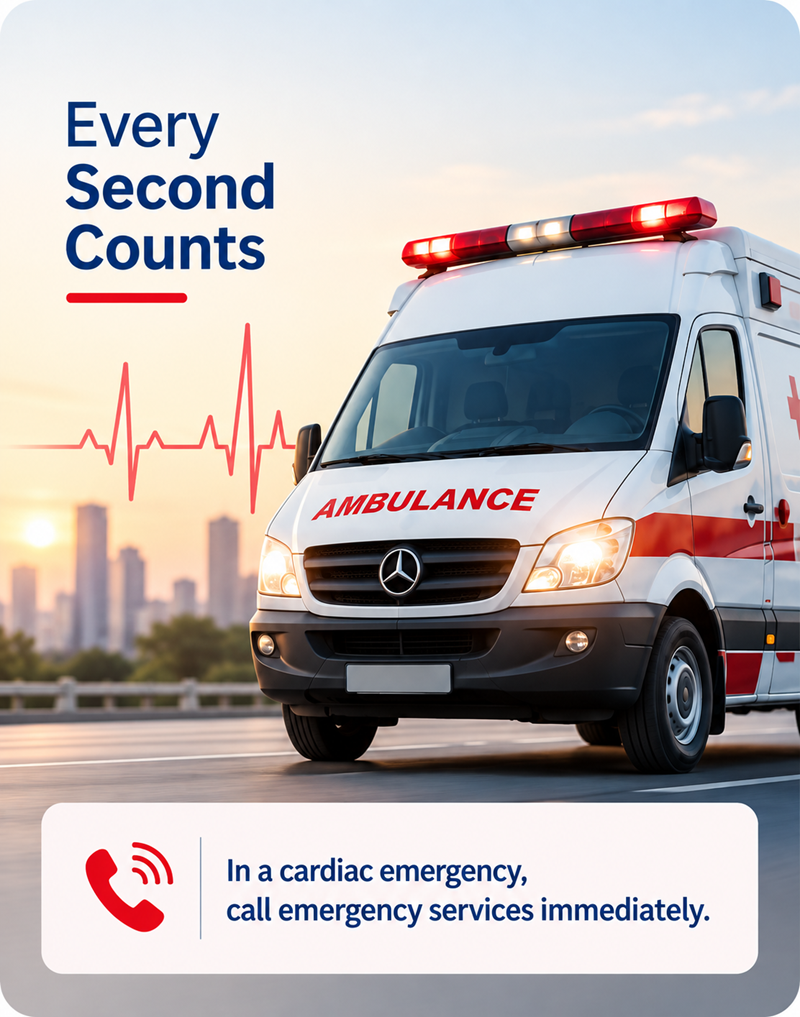
When a person is seriously unwell and suspected of poisoning, ambulance transport is recommended because emergency personnel can support breathing, circulation, seizures, and consciousness during transfer.
Do not delay emergency care to arrange private transport if the individual has trouble breathing, is unconscious, has seizures, repeatedly vomits, or collapses. Emergency guidance advises urgent hospital referral for suspected poisoning, particularly when there is reduced consciousness, convulsions, or breathing difficulty.
Frequently Asked Questions on Poisoning Emergencies
What is a poisoning emergency?
A poisoning emergency occurs when a harmful substance enters the body by swallowing, breathing, skin or eye contact, injection, or other routes. It can be medicines, alcohol, pesticides, household chemicals, gases, contaminated food or other toxic agents.
What should be done if poisoning is suspected?
Call for emergency medical help immediately. Don’t wait to develop symptoms. If it is safe, move away from the source, keep the container or medicine strip available, and do not induce vomiting or give home remedies unless directed by a qualified healthcare professional.
Should vomiting be induced after poisoning?
No. Do not induce vomiting unless instructed to do so by a qualified medical professional. Vomiting may lead to choking and may increase injury after ingestion of corrosive chemicals.
What information should be taken to the emergency department?
If available, take the medicine strip, bottle, product container, label or photo of the product. Information on what the likely substance is, how much was taken, when it was taken and what symptoms the person has can help the emergency team. Do not delay emergency care to pick up these items.
When is food poisoning an emergency?
If there is severe dehydration, recurrent vomiting, a high temperature, blood in the vomit or stool, severe abdominal pain, fainting, confusion, decreased urine output, or indications of a serious illness, food poisoning has to be evaluated immediately.
What are the warning signs of carbon monoxide poisoning?
Common symptoms include headache, dizziness, weakness, nausea, vomiting, chest pain and confusion. Severe exposures may cause difficulty breathing, loss of consciousness, seizures, coma or death. If it is safe to do so, move away from the source and get emergency medical help immediately.
Can poisoning occur through skin or eye contact?
Yes, Chemicals can be absorbed through the skin and eyes or cause burns. Remove any contaminated clothing, rinse the affected skin or eyes under running water, and get medical help right away.
Is activated charcoal used for every poisoning?
No, not all poisons or individuals can be treated with activated charcoal. Depending on the substance, the amount of time since exposure, and the safety of the airways, it is used only in specific conditions under medical supervision.
Is a suspected medicine overdose always an emergency?
Yes. Even if symptoms of the patient are mild or absent at first, a suspected overdose of prescription or over-the-counter (OTC) medications, alcohol, recreational drugs, or unknown substances requires immediate medical evaluation.
What happens after intentional poisoning or overdose?
The primary goal of emergency care is to stabilise patients' health as soon as possible. To address safety and continuing care needs, a mental health evaluation and supportive follow-up may be scheduled once it is medically appropriate.
What happens in the emergency department after a poisoning case?
The emergency team initially checks ABC (airway, breathing, circulation), level of patient consciousness, vital signs, and blood glucose. Doctors may ask about the substance involved, time of exposure, route of exposure, estimated amount, current symptoms, medicines, and medical history. Tests may include blood tests, electrocardiogram (ECG), blood-gas analysis, and imaging tests when clinically needed.
Can a person be poisoned without swallowing anything?
Yes. Poisoning can occur after inhaling toxic gases or fumes, through skin contact with chemicals or pesticides, through eye exposure, or after injection. Chemical exposure can cause local burns as well as effects on breathing, the nervous system, heart, or other organs, depending on the substance.
What should be done after chemical exposure to the skin or eyes?
Carefully remove any contaminated clothing, then use running water to cleanse the affected skin. If a chemical gets into the eyes, rinse them frequently under running water and get medical help right away. Applying lotions, oils, vinegar, lemon juice, or other homemade therapies should only be done as directed by a qualified healthcare professional.
Why should the poison container or medicine strip be taken to the hospital?
The product container, label, medicine strip, or a clear photograph can help doctors identify the substance and estimate the potential risk. Information about the amount involved, time of exposure, and route of exposure also helps guide poisoning emergency management. Do not delay emergency transport to collect these items.
Can poisoning symptoms appear later?
Yes. Certain poisonings may not show symptoms immediately. Depending on the substance and amount used, effects may appear or get worse over time. For this reason, even if the patient seems healthy at first, any suspected poisoning, medication overdose, chemical ingestion, pesticide exposure, or hazardous gas exposure should be evaluated immediately.
Conclusion
Life-threatening situations include exposure to chemicals, insecticides, carbon monoxide, poisoning, medicine overdoses, and severe food poisoning. Do not attempt home treatments or wait for symptoms to worsen. Early emergency evaluation helps protect breathing, circulation, consciousness, and vital organs while guiding the right treatment.
PACE Hospitals provides poisoning emergency care in Hyderabad for patients with suspected toxic exposure and poisoning-related emergencies. For urgent help, call PACE Hospitals at 04048486868.


