
Gynecomastia Surgery | Male Breast Reduction Surgery, Procedure and Cost
PACE Hospitals is recognized as the best hospitals for gynecomastia surgery in Hyderabad, India, offering advanced male breast reduction surgery with a strong focus on safety, cosmetic outcomes, and faster recovery. Our experienced plastic and cosmetic surgeons specialize in treating enlarged male breasts caused by hormonal imbalance, excess glandular tissue, or chest fat using advanced minimally invasive surgical techniques.
With modern operation theatres, personalized treatment plans, compression garment guidance, and dedicated post-surgical care, we provides comprehensive care tailored to each patient’s condition and aesthetic goals. From diagnosis and evaluation to surgery and recovery support, we continue to be a trusted choice for gynecomastia surgery in Hyderabad.
Book an Appointment for Gynecomastia Surgery
Gynecomastia Surgery Appointment
Why Choose PACE Hospitals for Gynecomastia Surgery?
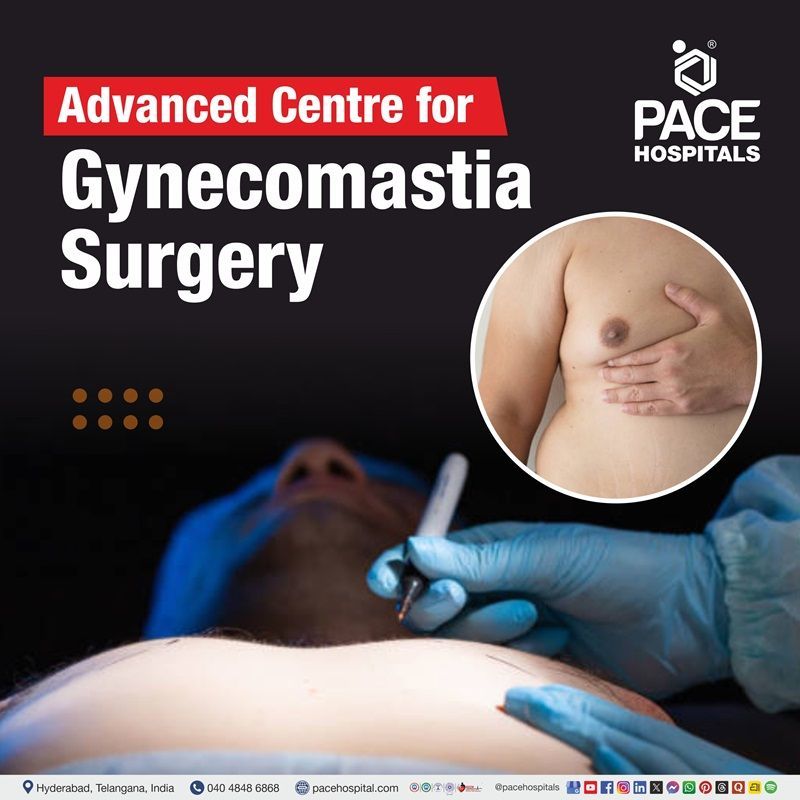
Expert Gynecomastia Specialists and Plastic Surgeons in Hyderabad
Precision Male Breast Reduction Surgery for Natural-Looking Chest Contours with Minimal Scarring
Hassle-Free Insurance Support and Cashless Hospitalization Facilities
Recognized for excellence in healthcare delivery with
NABH, NABL, NBE/DNB, NABH Nursing Excellence, and ISCCM accreditations.
What is Gynecomastia Surgery?
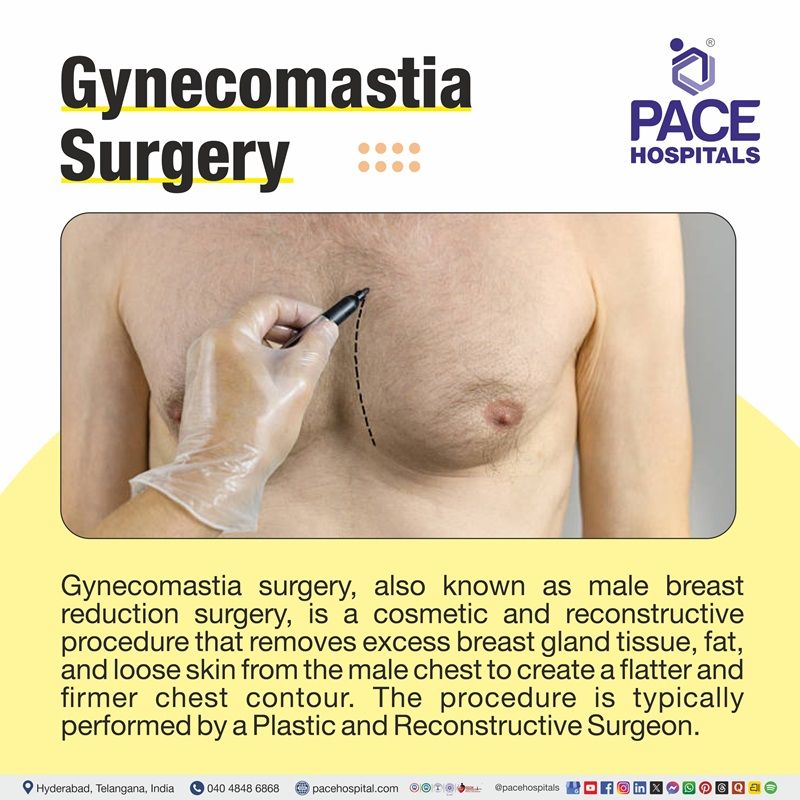
Gynecomastia surgery, also called male breast reduction surgery, is a cosmetic and reconstructive surgical procedure performed to remove excess breast gland tissue, fat, and sometimes loose skin from the male chest. The surgery is commonly recommended when enlarged male breasts do not improve with exercise, weight reduction, or medical treatment. The main aim of the procedure is to create a flatter, firmer, and more masculine chest appearance while improving physical comfort and self-confidence.
Gynecomastia surgery (also known as gyno surgery) is usually performed by a qualified plastic and reconstructive surgeon with experience in male breast reduction procedures.
Gynecomastia Surgery Types
The type of gynecomastia surgery is usually selected based on the amount of enlarged breast gland tissue, excess chest fat, skin looseness, and the overall contour of the chest. The choice of procedure may also depend on the severity or grade of gynecomastia and the patient’s individual clinical condition. Different types of gynecomastia surgery include:
- Liposuction-Assisted Gynecomastia Surgery
- Gland Excision Surgery
- Combination Gynecomastia Surgery
- Skin Reduction Surgery for Severe Gynecomastia
Liposuction-Assisted Gynecomastia Surgery
This procedure is commonly performed when excess fatty tissue is the main contributor to chest enlargement. Small incisions are made to remove fat deposits from the chest using a thin surgical tube. Gynecomastia liposuction surgery may help improve chest contour in patients with good skin elasticity and minimal gland enlargement.
Gland Excision Surgery
Gland excision surgery is performed when firm breast gland tissue is present and cannot be adequately removed through liposuction alone. The enlarged glandular tissue is carefully removed through small incisions, usually near the nipple or areola region. This technique is often required in moderate to severe gynecomastia.
Combination Gynecomastia Surgery
Combination surgery involves both liposuction and gland excision techniques. This approach is commonly applied by surgeons because many patients have both excess fat and enlarged gland tissue, which requires care simultaneously. The combined procedure may help achieve a flatter and more balanced chest appearance.
Skin Reduction Surgery for Severe Gynecomastia
In severe or long-standing gynecomastia, excess loose skin may remain after removal of fat and gland tissue. Skin reduction surgery may be performed to remove sagging skin and improve chest tightness and contour. This procedure is more commonly considered in patients with marked breast enlargement or major weight loss.
Gynecomastia Surgery Indications
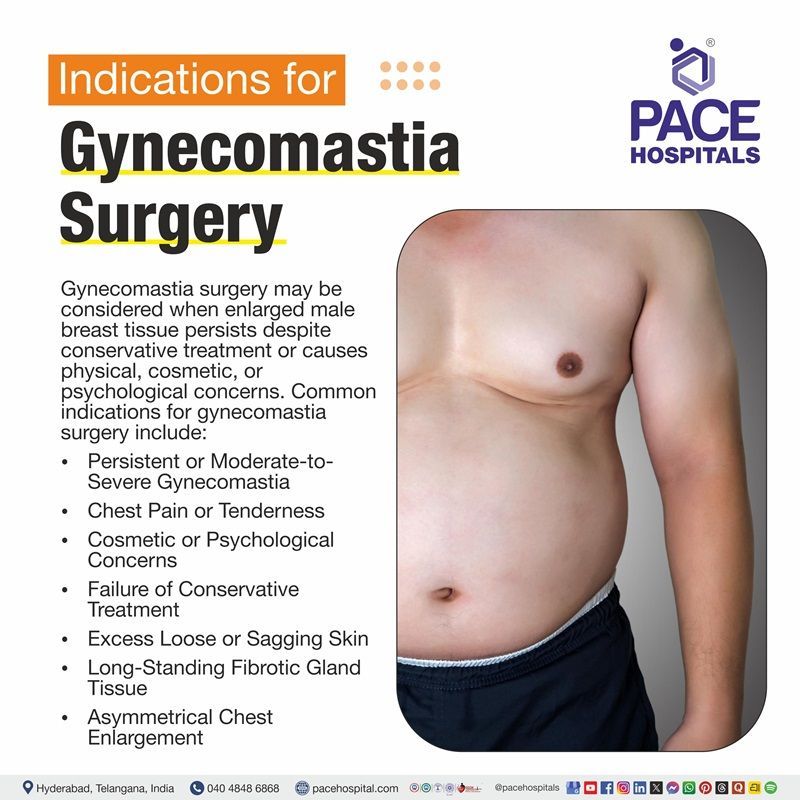
Gynecomastia surgery is indicated when enlarged male breast tissue exists despite following lifestyle modifications or medical management, or when the condition affects physical discomfort, cosmetic concerns, or psychological distress of individuals. The common indications for gynecomastia surgery are:
- Persistent or moderate-to-severe gynecomastia
- Pain or tenderness in the chest
- Psychological or cosmetic concerns
- Failure of medical or conservative treatment
- Excess loose or sagging chest skin
- Long-standing fibrotic glandular tissue
- Asymmetrical chest enlargement
Persistent or moderate-to-severe gynecomastia
Gynecomastia surgery may be considered when enlarged male breast tissue persists for a prolonged period or becomes noticeably prominent. Moderate and severe gynecomastia often causes visible chest fullness and is less likely to improve completely with exercise, weight reduction, or observation alone.
Pain or tenderness in the chest
Some individuals with gynecomastia experience pain, sensitivity, or discomfort around the nipple and chest region. Surgical removal of enlarged gland tissue may help relieve persistent pain or tenderness that interferes with normal daily routine activities, or during physical movement can be improved.
Psychological or cosmetic concerns
Gynecomastia can affect self-confidence and body image, particularly when chest enlargement becomes visibly noticeable. Feelings of embarrassment, social anxiety, or avoidance of certain activities such as swimming, sports, or wearing fitted clothing are common reasons for going ahead with gynecomastia surgery to have a better life.
Failure of medical or conservative treatment
Gynecomastia surgery may be recommended when an individuals' lifestyle changes, treatment of underlying medical conditions, or weight management do not reduce breast enlargement. Long-standing gynecomastia often contains dense gland tissue that responds poorly to non-surgical treatment.
Excess loose or sagging chest skin
In severe or long-standing gynecomastia, the chest skin may remain stretched even after reduction of fat or gland tissue. Surgical skin reduction may help improve chest tightness and restore a flatter chest contour.
Long-standing fibrotic glandular tissue
Chronic gynecomastia may lead to the development of firm fibrotic gland tissue that cannot be removed effectively through exercise or medical treatment. Surgical excision is often required in such cases to achieve chest flattening.
Asymmetrical chest enlargement
Gynecomastia may affect one side of the chest more prominently than the other, resulting in an uneven chest appearance. Gynecomastia Surgery may help correct chest asymmetry in individuals and improve overall appearance through chest balance and contour shaping.
Gynecomastia Surgery Contraindications
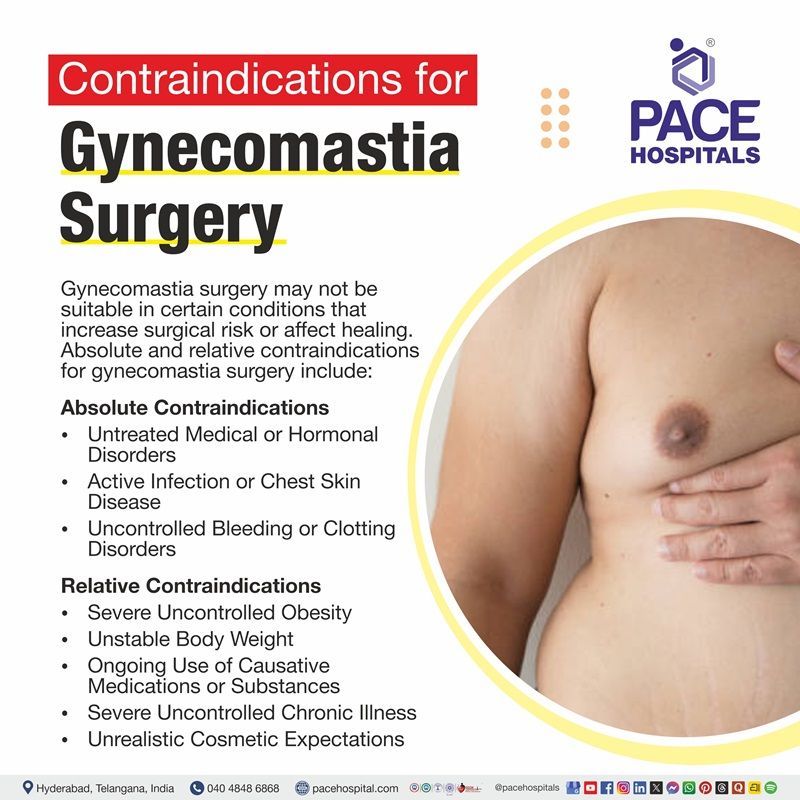
Gynecomastia surgery may not be appropriate or suitable for all persons in certain situations where the procedure could enhance surgical risks, affect healing, or result in poor cosmetic outcomes. The absolute contraindications and relative contraindications for gynecomastia surgery include:
- Absolute Contraindications
- Active untreated medical or hormonal disorders
- Active infection or chest skin disease
- Uncontrolled bleeding or clotting disorders
- Relative Contraindications
- Severe uncontrolled obesity
- Unstable body weight
- Ongoing use of causative medications or substances
- Severe uncontrolled chronic illness
- Unrealistic cosmetic expectations
Absolute Contraindications
These are conditions in which gynecomastia plastic surgery is usually avoided until the underlying issue is treated or stabilized.
Active, untreated medical or hormonal disorders
Untreated endocrine disorders, liver disease, kidney disease, or other medical conditions causing breast enlargement should be properly managed before surgery. Operating without treating the underlying cause may increase the risk of recurrence.
Active infection or chest skin disease
Surgery is generally postponed in those patients with active chest infections, inflammation, or skin lesions because these conditions may increase the risk of wound infection and delayed healing.
Uncontrolled bleeding or clotting disorders
Patients with severe coagulation abnormalities or uncontrolled bleeding disorders may have an increased risk of excessive bleeding, hematoma formation, and postoperative complications.
Relative Contraindications
These conditions do not completely prevent surgery but may require a proper counseling, correction, or careful evaluation before proceeding with the surgery.
Severe uncontrolled obesity
Excess body fat may affect chest contour and surgical outcomes. Weight reduction is often recommended before gynecomastia surgery for ensuring better cosmetic results.
Unstable body weight
Frequent weight fluctuations due to excessive fat deposition in the body may alter chest appearance after gynecomastia surgery and affect long-term outcomes.
Ongoing use of causative medications or substances
Continued and excessive use of anabolic steroids, alcohol, recreational drugs, or medications associated with gynecomastia may contribute to recurrence after surgery.
Severe uncontrolled chronic illness
Cardiovascular disease, poorly controlled diabetes, or improper respiratory conditions may increase anesthesia and surgical risks and may require stabilization before elective surgery related to gynecomastia surgery.
Unrealistic cosmetic expectations
Patients expecting completely scar-free or perfectly symmetrical results may require additional counseling before surgery.
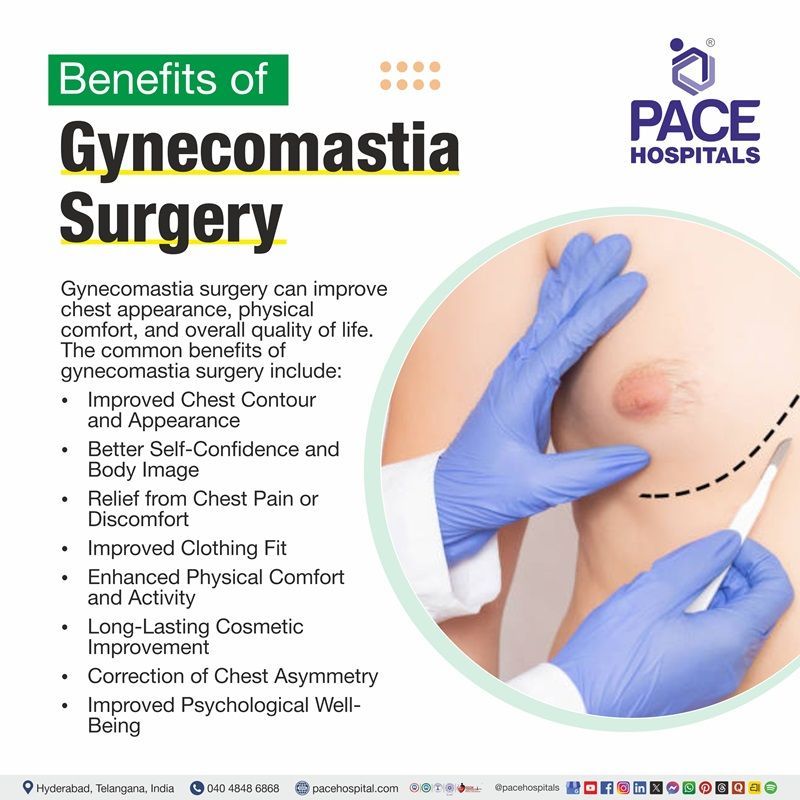
Benefits of Gynecomastia Surgery
Gynecomastia surgery may help improve chest contour and reduce the physical and emotional discomfort associated with enlarged male breast tissue. The common benefits of gynecomastia surgery include:
- Improved chest contour and appearance
- Better self-confidence and body image
- Relief from pain or chest discomfort
- Improved clothing fit
- Enhanced physical activity and comfort
- Long-lasting cosmetic improvement
- Correction of chest asymmetry
- Improved psychological well-being
Improved chest contour and appearance
Gynecomastia surgery helps reduce excess breast tissue and improve the overall shape of the chest of an individual. The procedure may create a flatter, firmer, and more masculine chest contour, particularly in individuals with moderate or severe breast enlargement.
Better self-confidence and body image
Visible chest enlargement can affect self-esteem and social confidence in some of the individuals. Surgical correction may help improve body image and reduce embarrassment related to chest appearance.
Relief from pain or chest discomfort
Some individuals usually have tenderness, heaviness, or discomfort due to enlarged glandular tissue. Removal of excess tissue during surgery may help relieve persistent chest pain and improve physical comfort.
Improved clothing fit
Enlarged male breasts may make certain clothing uncomfortable or difficult to wear confidently. Gynecomastia surgery may give benefits through clothing sense which becomes fitting more naturally by improving chest shape and reducing chest prominence.
Enhanced physical activity and comfort
Some individuals avoid daily routine exercise, sports, or outdoor activities because of chest discomfort or self-consciousness with a feeling of incompetent for doing so. Gynecomastia correction surgery may improve comfort during physical movement and encourage participation in routine activities.
Long-lasting cosmetic improvement
The results of gynecomastia surgery are generally long-lasting when body weight remains stable and contributing factors are controlled. Removal of glandular tissue may help reduce the likelihood of significant recurrence in the individuals who have borne it for several days.
Correction of chest asymmetry
Gynecomastia may affect one side of the chest more than the other, leading to uneven chest appearance. Surgery may help restore a more balanced and symmetrical chest contour while removing the unwanted growth affecting the individual.
Improved psychological well-being
Persistent gynecomastia can contribute to emotional stress, social withdrawal, or reduced confidence in some individuals. Improvement in chest appearance after gynecomastia surgery may have a positive influence on emotional well-being and a better quality of life.
Need more clarity on your condition?
Get a free second opinion from experienced gynecomastia specialists.
At PACE Hospitals, we are committed to providing our patients with the best possible care, and that includes offering second medical opinions with super specialists for treatment or surgery. We recommend everyone to get an expert advance medical second opinion, before taking decision for your treatment or surgery.
Gynecomastia Surgery Procedure
The procedure is commonly recommended for individuals with persistent or moderate-to-severe gynecomastia associated with chest enlargement, physical discomfort, or cosmetic concerns. The surgical approach is planned individually based on the severity of gynecomastia, amount of glandular tissue, fat accumulation, skin looseness, chest contour changes, and the plastic surgeon’s clinical evaluation. Depending on the patient’s condition, surgery may involve liposuction, gland excision, skin reduction techniques, or a combination of these procedures to achieve a flatter and firmer chest contour. The gynecomastia surgery procedure steps include the following:
Before the Procedure
- A detailed preoperative evaluation is performed to determine the major cause, severity, and duration of gynecomastia and to assess suitability for surgery.
- Medical history, existing health conditions, previous treatments, and factors contributing to breast enlargement are reviewed during the assessment.
- The chest is examined to evaluate glandular tissue enlargement, fat accumulation, skin elasticity, nipple position, chest symmetry, and the presence of excess or sagging skin.
- Blood tests, hormonal investigations, ultrasound, or other imaging studies may be advised when necessary to identify underlying medical conditions associated with gynecomastia.
- Current medications, nutritional supplements, and other substances that may affect surgery or recovery are reviewed before the procedure.
- Certain medications associated with an increased risk of bleeding may require temporary adjustment based on the surgeon’s and treating physician’s recommendations.
- Any history of allergies to medications, anesthesia, surgical dressings, or healthcare products is assessed before surgery.
- Underlying conditions such as hormonal disorders, thyroid disease, liver disease, kidney disease, or medication-induced gynecomastia are evaluated and managed when appropriate before surgical treatment.
- Smoking, alcohol consumption, anabolic steroid use, and recreational substance use are generally suggested to be discontinued before undergoing gynecomastia surgery to reduce the risk of complications and support wound healing.
- Long-standing gynecomastia may contain dense fibrotic gland tissue, which is less likely to respond to non-surgical treatment and may require surgical removal.
- After the evaluation is completed, the plastic surgeon determines the most appropriate surgical technique based on the patient’s clinical findings and chest characteristics.
- Preoperative markings are made on the chest to identify the areas planned for tissue removal and contour correction.
- Gynecomastia surgery is commonly performed under general anesthesia, although selected cases may be suitable for local anesthesia with sedation.
During the Procedure
- The chest area is cleaned and prepared under sterile surgical conditions after administration of anesthesia.
- Small surgical incisions are created based on the planned technique and severity of gynecomastia.
- In liposuction-assisted gynecomastia surgery, a thin cannula is inserted through small incisions to remove excess fatty tissue from the chest.
- When dense glandular tissue is present, gland excision is performed because firm breast tissue cannot be adequately removed with liposuction alone.
- Surgical incisions are commonly placed around the areola margin to help minimize visible postoperative scarring.
- Combination surgery involving liposuction and gland excision is frequently performed because excess fat and gland tissue often coexist in gynecomastia.
- Excess loose or sagging skin may be removed in severe gynecomastia with significant skin redundancy or chest ptosis (sagging or drooping breasts).
- Careful bleeding control is maintained throughout the procedure to reduce the risk of postoperative hematoma formation.
- After adequate chest contour correction, the surgical incisions are closed using sutures.
- Sterile dressings and compression garments are applied to support healing, reduce swelling, and maintain postoperative chest contour.
After the Procedure
- Continuous monitoring is performed in the recovery area until the effects of anesthesia gradually decrease.
- Mild swelling, bruising, chest tightness, and transient discomfort are frequent symptoms of the initial healing period.
- Compression garments are generally continued for several weeks to minimize swelling and support proper chest contour healing.
- Surgical drains may occasionally be placed in selected cases involving extensive tissue removal or skin reduction procedures.
- Different physical activities such as heavy lifting, strenuous exercise, and intense upper-body activities are usually restricted during the early postoperative period to reduce the risk of bleeding and wound complications.
- Routine walking and gradual physical movement are encouraged to support circulation and recovery.
- Follow-up visits are scheduled to monitor wound healing, chest contour improvement, scar maturation, and postoperative recovery progress.
- Final surgical results gradually become more noticeable over the following weeks and months as postoperative swelling subsides and chest tissues settle.
Gynecomastia Surgery Duration
The duration of gynecomastia surgery for a person usually depends on the severity of the condition and the surgical technique applied. In most cases, the procedure takes approximately 1 to 3 hours. Mild cases treated with liposuction alone may require less time, while moderate-to-severe gynecomastia requiring gland excision or skin reduction may take longer.
Gynecomastia Surgery Side Effects
Gynecomastia correction surgery is generally considered safe when performed by an experienced plastic and reconstructive surgeon. However, as with any other surgical procedure, temporary side effects may occur during the healing process. Most side effects improve gradually as recovery progresses with passage of time. The common expected side effects of gynecomastia surgery include:
- Swelling of the chest
- Bruising around the surgical area
- Pain or discomfort
- Temporary numbness or altered sensation
- Chest tightness
- Fluid accumulation (seroma)
- Scar formation
- Temporary asymmetry during healing
Swelling of the chest
Mild to moderate swelling is commonly observed after gynecomastia surgery due to tissue manipulation during the surgical procedure. Swelling usually takes time to reduce gradually over several weeks and continues to improve as healing progresses.
Bruising around the surgical area
Bruising may be noticed around the chest and incision sites following surgery. But it has been observed that the discoloration typically fades over time and resolves as the body reabsorbs the trapped blood beneath the skin.
Pain or discomfort
Mild pain, soreness, or discomfort may be experienced by individuals during the initial recovery period. These symptoms are generally temporary in nature and often resolve gradually as the surgical area heals with the passage of time (may take around some weeks or months).
Temporary numbness or altered sensation
Changes in sensation around the chest, nipple, or areola may occur after surgery because of temporary irritation of small nerves in nearby parts around the incision site. Sensation commonly improves slowly during recovery, although the time required may vary for each patient.
Chest tightness
A feeling of tightness across the chest may be noticed during the early healing phase after gynecomastia surgery. This sensation is often related to various unpleasant situations of postoperative swelling, tissue healing, and the use of compression garments.
Fluid accumulation (seroma)
A small collection of fluid may occasionally develop beneath the skin after gynecomastia surgery. In many cases, the fluid resolves naturally with the passage of time, although some individuals may require drainage if the collection becomes highly significant.
Scar formation
Surgical incisions heal by forming scars. The appearance of scars usually improves over time, although scar visibility may be different from person to person, which may depend on the skin type, surgical technique used, and healing process.
Temporary asymmetry during healing
Differences in swelling and tissue healing between the two sides of the chest may create temporary asymmetry during recovery after the surgery is done. Chest contour generally becomes more balanced as healing progresses and swelling subsides.
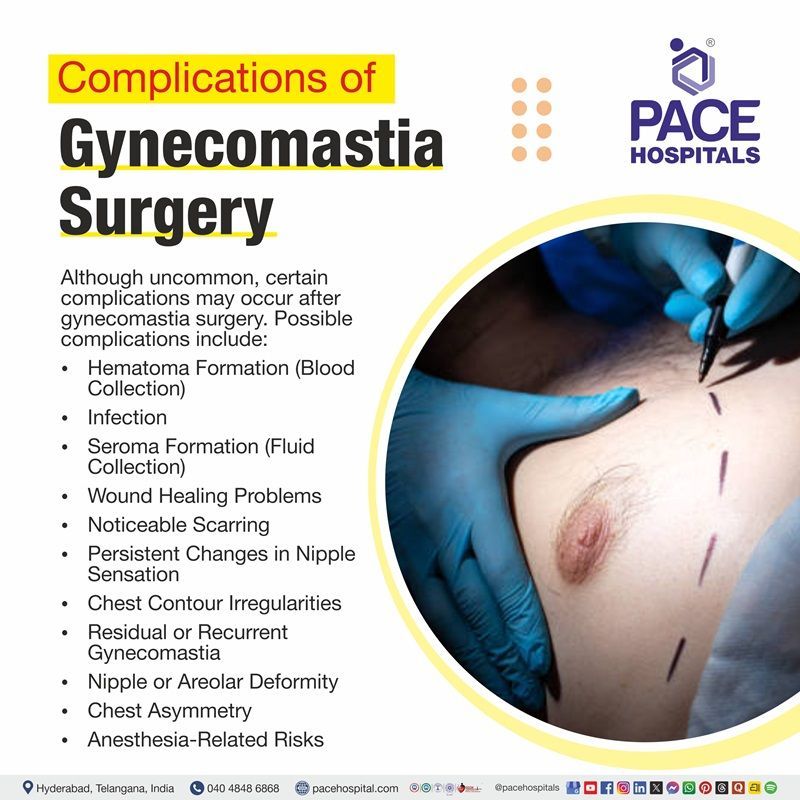
Complications of Gynecomastia Surgery
Gynecomastia surgery is generally considered a safe procedure when performed by an experienced plastic and reconstructive surgeon. However, as with any surgical intervention, complications can occasionally occur despite appropriate surgical technique and postoperative care. Although most people recover without serious complications, it is critical to understand the risks associated with gynaecomastia surgery. Below are the possible gynecomastia surgery complications:
- Hematoma formation (blood collection)
- Infection
- Seroma formation(fluid collection)
- Wound healing problems
- Noticeable scarring
- Persistent changes in nipple sensation
- Chest contour irregularities
- Residual or recurrent gynecomastia
- Nipple or areolar deformity
- Asymmetry of the chest
- Anesthesia-related risks
Hematoma formation (blood collection)
A hematoma occurs when blood accumulates beneath the skin after gynecomastia surgery. It may cause swelling, pain, bruising, or increased pressure in the surgical area. In some cases, additional treatment or drainage may be required.
Infection
Although uncommon, infection can develop at the surgical incision site during the recovery period after the surgery. The signs of infection may include increasing redness, swelling, warmth, pain, or discharge from the incision area. Early recognition and treatment help reduce the risk of further complications.
Seroma formation (fluid collection)
Seroma refers to the accumulation of clear fluid beneath the skin following surgery. Small collections may resolve naturally, while larger collections occasionally require drainage to support healing are some of the risky conditions.
Wound healing problems
Delayed wound healing may occur in some people, especially if infection, poor nutrition, smoking, or certain medical problems impair tissue repair throughout the recovery phase. Healing usually improves with proper wound care and follow-ups post-surgery.
Noticeable scarring
All surgical incisions recover with scar formation. While scars often become less visible over time, some individuals may develop more prominent or thickened scars depending on skin characteristics and the healing response, which can occasionally be cosmetically bothersome.
Persistent changes in nipple sensation
Altered sensation involving the nipple or areola may persist for a longer period in some patients. Although sensation often improves gradually, complete recovery may not occur in every case as expected.
Chest contour irregularities
Uneven chest contour, skin irregularities, or areas of fullness and depression may occasionally occur following surgery. The likelihood depends on the individuals' extent of tissue removal, body's healing characteristics, and the severity of gynecomastia before treatment.
Residual or recurrent gynecomastia
Some small amount of residual breast tissues may occasionally remain after surgery, or breast enlargement may recur if underlying causes such as weight gain, hormonal disorders, or anabolic steroid use persist in some patients.
Nipple or areolar deformity
Changes in the shape, position, or appearance of the nipple-areolar complex are uncommon after surgery.The risk is generally higher in severe gynecomastia cases requiring extensive tissue removal or skin reduction.
Asymmetry of the chest
Minor differences in the size, shape, or contour of the chest may remain after surgery despite careful correction. Some asymmetry may become less noticeable as swelling resolves and healing progresses with due course of time.
Anesthesia-related risks
Gynecomastia surgery is commonly performed under general anesthesia. As like any surgical procedure involving anesthesia use, there is a small risk of reactions related to use of anesthetic medicines, breathing difficulties, or heart-related complications. These complications are specifically seen in individuals with underlying medical conditions.
Gynecomastia Surgery Results
Improvement in chest contour is usually noticeable soon after gynecomastia surgery, although swelling may temporarily affect the appearance of the chest. Most patients experience significant improvement within a few weeks, while final results generally become apparent within 3 to 6 months. The time required to achieve final results may vary depending on the grade of gynecomastia, the amount of tissue removed, skin quality, and individual healing characteristics.
Gynecomastia Surgery Recovery time
Gynecomastia post-surgery recovery varies depending on the extent of tissue removal, the surgical technique used, and individual healing characteristics. Most patients can resume light daily activities within a few days and return to routine work within 1 to 2 weeks. Swelling, bruising, and mild discomfort gradually improve during the early recovery period.
More strenuous physical activities such as heavy lifting and chest-focused exercises, are generally restricted for about 4 to 6 weeks or as advised by the plastic surgeon. Recovery may take longer in individuals with Grade 3 or Grade 4 gynecomastia, particularly when skin reduction procedures are performed. Although healing continues over several months, most patients achieve substantial recovery within 4 to 8 weeks.
Success rate of gynecomastia surgery
Gynecomastia surgery is generally associated with a high rate of patient satisfaction and good cosmetic outcomes. In some of the scientific studies, it has been reported that satisfaction rates range from approximately 85% - 95%, with most of the patients reported a noticeable improvement in chest contour, looks, and overall quality of life following surgery. The success of the procedure depends on factors such as the severity of gynecomastia, surgical technique, skin quality, and adherence to postoperative care. Appropriate patient selection and careful surgical planning contribute significantly to successful outcomes.
What questions can patients ask the healthcare team about Gynecomastia Surgery?
- Is gynecomastia surgery the most suitable treatment option?
- Which type of gynecomastia surgery is recommended?
- How should preparation for the surgery be carried out?
- What tests are required before the procedure?
- What happens during gynecomastia surgery?
- How much time will the procedure take?
- What are the risks and complications associated with surgery?
- Will there be obvious scars following surgery?
- How long does healing take after surgery?
- When can normal activities and exercise be resumed?
- How long should compression garments be worn?
- When are the final results usually seen?
- Can gynaecomastia return after surgery?
- What type of anesthesia will be used in the procedure?
- Is there an alternative to gynaecomastia surgery?
- What can help to sustain long-term surgical outcomes?
- When should I seek medical attention following the procedure?
Understanding the Difference Between Gynecomastia and Chest Fat
Gynecomastia vs. chest fat
An increase in chest size in men may occur due to enlargement of breast gland tissue or excess fat deposition in the chest region. Although both conditions can appear similar externally, the underlying causes, tissue characteristics, and treatment approaches are somewhat different. Identifying whether the enlargement is caused by true gynecomastia or chest fat is important for selecting the most appropriate management plan. The following table highlights the key differences between gynecomastia and chest fat:
| Feature | Gynecomastia | Chest Fat (Pseudogynecomastia) |
|---|---|---|
| Cause | Enlargement of glandular breast tissue due to hormonal imbalance | Fat accumulation in the chest region, usually related to excess body weight |
| Tissue Feel | Firm, rubbery, or disc-like tissue beneath the nipple | Soft fatty tissue spread across the chest |
| Pain or Tenderness | Mild pain or nipple sensitivity may be present | Simple fat is generally not tender |
| Location | More noticeable around or directly beneath the nipple area | Distributed more evenly over the chest |
| Common Triggers | Hormonal changes, certain medicines, liver disease, steroid use, puberty, and ageing | Weight gain, obesity, sedentary lifestyle |
| Body Weight Relation | Can occur even in lean individuals | More common in overweight or obese individuals |
| Diagnosis | Clinical examination, hormone evaluation, and imaging when needed | Mainly identified through physical examination and body fat assessment |
| Treatment Approach | May require hormonal treatment or gynecomastia surgery in selected cases | Usually improves with weight reduction, exercise, and lifestyle changes |
Frequently Asked Questions (FAQs) on Gynecomastia Surgery
Is gynecomastia surgery safe?
Gynecomastia surgery is generally considered a safe medical procedure when performed by a qualified plastic and reconstructive surgeon. Most patients recover without major complications and experience satisfactory cosmetic outcomes when they perform the surgery under guidance of experienced surgeon. As with any other surgery, there are potential risks such as bleeding, infection, fluid collection, scarring, or changes in nipple sensation. Careful patient selection, proper surgical planning, and adherence to postoperative instructions help reduce these risks and improve recovery.
How can gynecomastia be treated without surgery?
Gynecomastia treatment without surgery depends on the underlying cause. In some cases, treating hormonal imbalances, discontinuing causative medications, managing medical conditions, or achieving weight reduction may help improve breast enlargement. Pubertal gynecomastia often resolves spontaneously over time. However, long-standing gynecomastia with dense glandular tissue is less likely to respond to conservative measures and may eventually require surgical correction.
What is the recovery time after gynecomastia surgery?
Initial recovery generally occurs within a few weeks, although complete healing takes longer time. Many patients usually resume routine activities within one to two weeks, while strenuous physical activity is usually restricted or avoided for several weeks. Swelling and tissue remodeling continue during the recovery period, and final results often become more apparent over three to six months as healing progresses.
How many days of rest are required after gynecomastia surgery?
The amount of rest required varies according to the extent of surgery and the nature of daily activities. Many individuals can resume to light work and routine life tasks within several days to one week which is usually provided to patients post surgery tips to follow. But strenuous activities involving vigorous exercise, heavy lifting, or significant upper-body strain generally require a longer recovery period to support proper healing and reduce the risk of complications.
Which Is the best Hospital for Gynecomastia Surgery in Hyderabad, India?
PACE Hospitals, Hyderabad, is a trusted centre for advanced cosmetic and reconstructive procedures, including gynecomastia surgery.
We have highly experienced plastic surgeons, cosmetic surgeons, endocrinologists, anesthesiologists, and rehabilitation teams who follow evidence-based protocols to provide safe and aesthetically balanced gynecomastia correction.
We have excellent facilities including state-of-the-art modular operation theatres, advanced liposuction systems, minimally invasive surgical techniques, and postoperative recovery support, PACE Hospitals ensures precise and patient-centred gynecomastia treatment.
What happens if gynecomastia surgery is delayed?
Delaying gynecomastia surgery does not usually create an emergency situation but it affects the personality of an individual. However, long-standing gynecomastia may become more fibrotic, making the breast tissue firmer and less likely to respond to non-surgical treatment. Some individuals may also continue to experience physical discomfort, cosmetic concerns, or psychological distress while the condition persists.
What Is the cost of Gynecomastia Surgery at PACE Hospitals, Hyderabad?
At PACE Hospitals, Hyderabad, the cost of gynecomastia surgery typically ranges from ₹40,000 to ₹2,20,000 and above (approx. US $480 – US $2,650), making it a cost-effective and competitive option for cosmetic and reconstructive surgery in Hyderabad. However, the final cost depends on:
- Grade and severity of gynecomastia
- Type of procedure (liposuction, gland excision, skin tightening)
- Requirement for bilateral or unilateral surgery
- Type of anesthesia used
- Hospital stay and postoperative care
- Compression garments and follow-up consultations
For mild gynecomastia, male breast reduction gynecomastia surgery costs remain toward the lower end, while advanced cases requiring extensive correction and skin tightening may fall toward the higher range.
After a detailed clinical evaluation and surgical assessment, our specialists provide a transparent cost estimate tailored to the patient’s condition and cosmetic goals.
What is the best age for gynecomastia surgery?
There is no single ideal age for gynecomastia surgery. The procedure is generally considered when breast enlargement has stabilized and is unlikely to resolve spontaneously. In adolescents, surgery is often deferred until pubertal breast changes have settled, whereas adults may undergo surgery once the condition has been appropriately evaluated and treated when necessary.
How successful is gynecomastia surgery?
Gynecomastia surgery is considered an effective treatment for persistent male breast enlargement and is associated with high patient satisfaction rates around 90-95% approximately. Studies have reported favorable cosmetic outcomes and improvement in body image following surgery, significantly enhancing self-confidence and giving better chest contours. The overall success depends on appropriate patient selection, surgical planning, underlying causes of gynecomastia, and adherence to postoperative care.
Looking for the best Gynecomastia Surgery Hospital Near Me?
If you’re searching for the top gynecomastia surgery hospital near me in areas like HITEC City, Madhapur, Kondapur, Gachibowli, Kukatpally, or KPHB, it is important to choose a hospital with experienced cosmetic surgeons and advanced surgical technology.
Effective gynecomastia treatment requires:
- Accurate assessment of glandular and fatty tissue
- Minimally invasive contouring techniques
- Safe anesthesia and postoperative care
- Proper follow-up for aesthetic recovery and chest shaping
At PACE Hospitals, Hyderabad, patients receive comprehensive care focused on achieving natural-looking results with minimal scarring and faster recovery.
Is gynecomastia surgery painful?
Gynecomastia surgery is performed under anesthesia, so pain is not felt during the procedure itself. After surgery, mild to moderate soreness, tightness, or discomfort in the chest area is common for several days. These symptoms are usually manageable with prescribed medications and gradually improve as healing progresses. Most patients report that postoperative discomfort becomes significantly less noticeable within the first few weeks.
Does gynecomastia surgery leave scars?
Gynecomastia surgery involves surgical incisions, so some degree of scarring is expected and cannot be completely denied. But plastic and cosmetic surgeons commonly place incisions around the areola or in less noticeable areas of the chest to reduce scar visibility. In most patients, scars gradually fade and become less prominent over time. The final appearance of scars depends on the surgical technique used, skin type, healing characteristics, and postoperative scar care.
Is gynecomastia surgery a major or minor surgery?
Gynecomastia surgery is generally considered an elective surgical procedure rather than a major life-saving operation. The complexity varies according to the severity of breast enlargement and the surgical technique required. However, mild cases may involve relatively limited tissue removal, while severe cases requiring gland excision and skin reduction can be more extensive. Despite this, the procedure is routinely performed with a favorable safety profile.
Who performs gynecomastia surgery?
Gynecomastia surgery is most commonly performed by plastic and reconstructive surgeons who have specific training in body contouring and aesthetic procedures. In some settings, surgeons with appropriate expertise and experience in breast and soft tissue surgery may also perform the procedure. The choice of surgeon should be based on training, experience, and familiarity with gynecomastia correction techniques.
How long does gynecomastia surgery take?
The duration of gynecomastia surgery depends on the severity of the condition and the surgical approach used for an individual. Most procedures are completed within one to three hours. Cases requiring liposuction alone are often shorter, while procedures involving gland excision, skin reduction, or correction of severe gynecomastia may take longer. Additional time may also be needed for anesthesia preparation and postoperative monitoring.
How long should a compression vest be worn after gynecomastia surgery?
Compression garments are commonly recommended after gynecomastia surgery to help reduce swelling, support healing tissues, and assist with chest contour formation. The duration varies depending on the surgical technique and individual recovery. In many cases, compression garments are worn continuously for several weeks, followed by a gradual reduction in use based on the surgeon’s assessment of healing progress.
When can exercise or gym activities be resumed after gynecomastia surgery?
Light walking is usually encouraged soon after gynecomastia surgery to support circulation and recovery. However, those physical activities involving heavy lifting, chest workouts, or intense exercise are generally postponed until adequate healing has occurred. The timing varies according to the extent of surgery and individual recovery. Resuming strenuous exercise too early may increase swelling, bleeding, or wound-related complications.
Can a person drive after gynecomastia surgery?
No, driving is generally avoided immediately after gynecomastia surgery because the effects of anesthesia, discomfort, and reduced upper-body mobility may affect reaction time and vehicle control which may affect an individual. Driving may be resumed once pain is minimal, arm movements are comfortable, and prescribed medications do not impair alertness. The timing varies among individuals and should be based on recovery progress.
How long does pain last after gynecomastia surgery?
Mild to moderate pain or soreness is commonly observed during the first few days after gynecomastia surgery. While discomfort usually improves slowly during the initial weeks as swelling decreases and tissues heal at the surgical site. Some individuals may experience temporary tightness or tenderness for a longer period, particularly after more extensive procedures performed due to extra tissue removal. However, most postoperative pain can be effectively managed with prescribed medications and supportive care along with guidance from an experienced plastic and reconstructive surgeon.
How can swelling be reduced after gynecomastia surgery?
Swelling is a normal phenomenon of the healing process after gynecomastia surgery. So, through wearing compression garments is advised, avoiding strenuous activities during recovery, and following postoperative care instructions may help reduce swelling. Swelling generally improves gradually over several weeks, although minor residual swelling can persist for a longer period before final results become visible.
How should sleeping be managed after gynecomastia surgery?
Sleeping in a slightly elevated position during the early recovery period after gynecomastia surgery may help reduce swelling and improve comfort. Pressure on the chest is generally minimized by avoiding sleeping directly on the stomach or side until adequate healing has occurred. The preferred sleeping position and duration of restrictions may vary depending on the extent of surgery and recovery progress.
Is gynecomastia surgery permanent?
Gynecomastia surgery removes excess glandular tissue and can provide long-lasting improvement in chest contour. In many cases, the results are permanent when body weight remains stable and factors contributing to breast enlargement are correctly addressed in consultation with an experienced plastic and reconstructive surgeon. However, future hormonal changes, significant weight gain, anabolic steroid use, or certain medications may affect long-term outcomes.
Can gynecomastia return after surgery?
Recurrence after gynecomastia surgery is mostly uncommon but can occur in certain situations when an individual neglects the guidelines provided after gynecomastia surgery. Factors such as untreated hormonal disorders, substantial weight gain, continued anabolic steroid use, or medications associated with breast enlargement may contribute to recurrence. Appropriate management of underlying causes and maintaining a healthy lifestyle can help reduce the likelihood of breast tissue enlargement returning.
Can obese individuals undergo gynecomastia surgery?
Yes, obese individuals may be eligible for gynecomastia surgery, but the decision depends solely on several parameters, including body mass index (BMI), overall health, body weight, and the exact cause of breast enlargement in the individual. In some cases, weight reduction or weight loss may be recommended before going for surgery to improve chest contour and optimize outcomes. A thorough step-by-step evaluation helps determine whether surgery should be performed immediately or after lifestyle modifications.
Does gynecomastia surgery cause loose skin?
Gynecomastia surgery is designed to improve chest contour, but the appearance of the skin after surgery depends on several factors such as skin elasticity, age, and the severity of breast enlargement. Mild cases often experience natural skin contraction after tissue removal. In more severe cases, additional skin reduction procedures may be required to address excess or sagging skin.
Is liposuction necessary for gynecomastia surgery?
Liposuction is not required in every case of gynecomastia surgery. The choice of procedure depends on the amount of fatty tissue, glandular enlargement, and skin excess present in the chest. Some patients may benefit from liposuction alone, while others require gland excision or a combination of techniques to achieve optimal chest contour correction.
Is weight loss after gynecomastia surgery safe?
Weight loss after gynecomastia surgery is generally safe when achieved gradually through a balanced diet and regular physical activity, but it needs guidance from an experienced plastic and reconstructive surgical expert. Maintaining a stable and healthy body weight may aid in preserving chest contour and supporting long-term surgery outcomes. However, large or quick weight loss following surgery can also cause skin tightening and alter the look of the chest.
What tests are required before gynecomastia surgery?
Preoperative evaluation before gynecomastia surgery usually includes blood tests, hormonal investigations, and imaging studies when clinically indicated and these tests are commonly advised by surgeons before a patient undergoes surgery. These tests help identify potential causes of gynecomastia, assess overall health, and determine fitness for surgery. The specific tests required depend on age, medical history, severity of breast enlargement, and associated symptoms.
What causes seroma after gynecomastia surgery?
A seroma is a collection of clear fluid that can develop beneath the skin after gynecomastia surgery. It may occur as part of the body's healing response when fluid accumulates in the space created during tissue removal, when surgery is performed. Although many seromas often resolve naturally, larger or persistent collections may occasionally require drainage to support recovery, which may need to be consulted with surgeons if any complications occur.
What foods should be eaten after gynecomastia surgery?
A balanced diet enriched in protein, fruits, vegetables, whole grains, and adequate fluids may support tissue repair and recovery after gynecomastia surgery. As proper nutrition helps the body heal and maintain overall health during the postoperative period so a balanced diet works very well. Limiting excessive alcohol intake and following any dietary recommendations provided by the healthcare team may also be beneficial.
What are the disadvantages or limitations of gynecomastia surgery?
Although gynecomastia surgery can provide significant improvement in chest contour, it has certain limitations. The disadvantages of gynecomastia surgery includes temporary swelling, bruising, discomfort, scars, and the extended recovery time are expected parts of the healing process. In some cases, minor asymmetry, contour irregularities, or changes in sensation may occur despite careful surgical planning and technique.
What type of anesthesia is used for gynecomastia surgery?
Gynecomastia surgery is commonly performed under general anesthesia, particularly when extensive tissue removal or combined procedures are planned. In selected cases involving limited correction, local anesthesia with sedation may be considered. The choice of anesthesia depends on the surgical approach, extent of treatment, and overall health status.
When are the final results of gynecomastia surgery visible?
Initial improvement is often noticeable soon after gynecomastia surgery; however, swelling and tissue healing continue for several weeks post-surgery. Most patients notice significant improvement during the first several months, with complete benefits appearing 3 to 6 months after surgery. However, the exact time may depends and varies according to the severity of gynecomastia, surgical technique, and individual healing characteristics.
Can gynecomastia affect one breast only?
Yes. Although gynecomastia commonly affects both breasts, it can sometimes involve only one side or be more prominent on one side than the other. Unilateral breast enlargement should be properly evaluated because several medical conditions can cause asymmetrical breast changes. Clinical examination and additional investigations may be required when necessary.
Will the nipples look normal after gynecomastia surgery?
The aim of gynecomastia surgery is to improve chest contour while preserving or enhancing the appearance of the nipple-areolar complex. Temporary swelling or changes in sensation may affect the appearance during recovery. As healing progresses, the nipples generally settle into a more natural position and appearance, although results vary among individuals.
Can gynecomastia surgery be performed on teenagers?
Yes, gynecomastia surgery may be considered in teenagers when breast enlargement persists, causes significant distress, or fails to improve after observation till at least 16 years of age completion. Since pubertal gynecomastia often resolves spontaneously, careful evaluation is usually recommended before any surgery is planned, along with guidance from an experienced plastic and reconstructive surgeon.
How much weight should be lost before gynecomastia surgery?
There is no specific amount of weight that must be lost before surgery. The goal is generally to achieve a stable body weight that can be maintained over time. In individuals with obesity or significant excess body fat, weight reduction may improve chest contour and help optimize surgical outcomes before proceeding with gynecomastia correction.
Can smoking affect recovery after gynecomastia surgery?
Yes. Smoking can interfere with blood flow, delay wound healing, and increase the risk of postoperative complications after gynecomastia surgery. It may also trigger poor scar quality and a longer recovery period. For these reasons, quitting smoking is frequently advised both before and after surgery in order to promote the best possible healing and surgical results.
Is Gynecomastia Surgery Covered by Insurance at PACE Hospitals?
Gynecomastia surgery may be partially or fully covered under certain health insurance policies at PACE Hospitals, depending on the underlying medical condition and policy terms. If gynecomastia is associated with hormonal imbalance, medication side effects, pain, or functional problems, insurance coverage may be considered medically necessary in selected cases.
At PACE Hospitals, patients can benefit from:
- Cashless hospitalization facilities with empaneled insurance providers
- Assistance from a dedicated insurance and TPA coordination team
- Pre-authorization support and documentation guidance
- Transparent cost estimates before surgery
- Support for government health schemes where applicable
Coverage depends on medical necessity clauses, cosmetic surgery exclusions, sum insured limits, and policy inclusions. Patients are encouraged to share insurance details in advance so the hospital’s insurance desk can verify eligibility and streamline approvals.
Why choose PACE Hospitals?
- A Multi-Super Speciality Hospital.
- NABH, NABL, NBE & NABH - Nursing Excellence accreditation.
- State-of-the-art Liver and Kidney transplant centre.
- Empanelled with all TPAs for smooth cashless benefits.
- Centralized HIMS (Hospital Information System).
- Computerized health records available via website.
- Minimum waiting time for Inpatient and Outpatient.
- Round-the-clock guidance from highly qualified super specialist doctors, surgeons and physicians.
- Standardization of ethical medical care.
- 24X7 Outpatient & Inpatient Pharmacy Services.
- State-of-the-art operation theaters.
- Intensive Care Units (Surgical and Medical) with ISO-9001 accreditation.


