
Epigastric Hernia Surgery - Types, Benefits & Procedure
PACE Hospitals offers advanced Epigastric Hernia Surgery in Hyderabad, India, providing effective treatment for epigastric hernias in men and women, including small and symptomatic hernias. Our specialists use accurate diagnosis and advanced surgical techniques to repair the weakened abdominal wall, including hernias that may develop or become noticeable after pregnancy.
With a focus on personalized treatment, safe epigastric hernia repair, and effective surgical care, we aim to reduce complications, support faster recovery, and help patients return to their daily activities with improved comfort and quality of life.
Book an Appointment for Epigastric Hernia Surgery
Epigastric Hernia Surgery Appointment
Why Choose PACE Hospitals for Epigastric Hernia Repair?
Expert Surgical Gastroenterologists Specializing in Personalized Treatment for Epigastric Hernias
Open & Laparoscopic Hernia Repair with Secure Mesh Placement, Precise Defect Closure & Faster Recovery
Transparent Epigastric Hernia Surgery with Insurance & Cashless Options
Recognized for excellence in healthcare delivery with
NABH, NABL, NBE/DNB, NABH Nursing Excellence, and ISCCM accreditations.
What is epigastric hernia surgery?
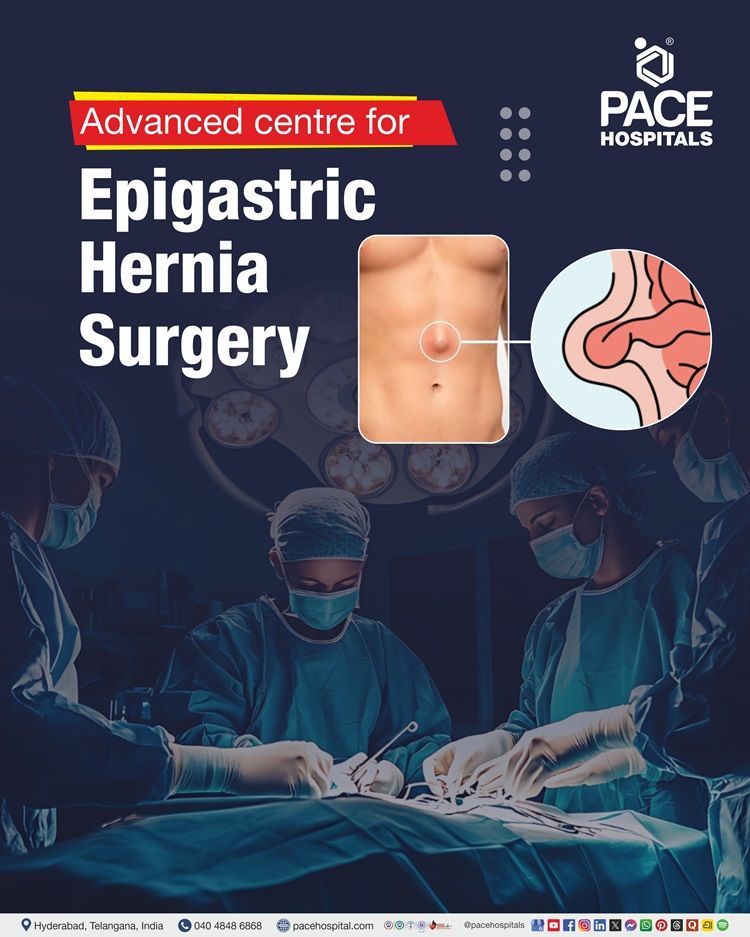
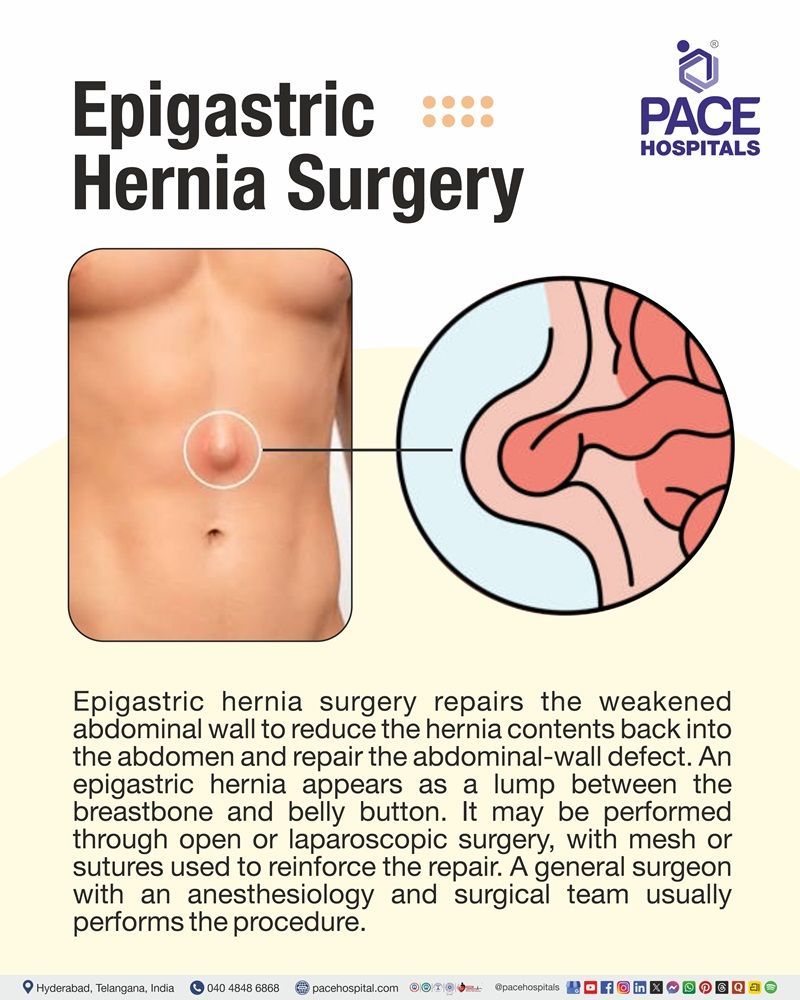
An epigastric hernia occurs when preperitoneal fat or, less commonly, a portion of the intestine protrudes through a weakness or defect in the linea alba (the midline abdominal wall) between the breastbone (sternum) and the umbilicus (belly button).
Epigastric hernia surgery, also called epigastric hernia repair, aims to reduce the hernia contents back into the abdomen and repair the abdominal-wall defect. The repair may be performed using an open or minimally invasive (laparoscopic) approach, depending on factors such as the hernia’s size, location, complexity, and the patient’s risk of wound complications.
Mesh reinforcement is recommended because it lowers the risk of recurrence. However, for very small defects—typically less than 1 cm—primary suture repair may be considered after shared decision-making.
Epigastric hernia surgery is usually performed by a general surgeon, often one with expertise in gastrointestinal, abdominal-wall, or minimally invasive surgery, with support from anesthesiologists, and surgical nurses.
Epigastric Hernia Meaning
The term epigastric hernia comes from a combination of Greek- and Latin-derived words:
- “Epigastric” — derived from the Greek epigastrios, meaning “above the stomach” or “over the belly.” It comes from epi (“upon, on, above”) and gastēr (“stomach” or “belly”).
- “Hernia” — derived from the Latin hernia, meaning “a rupture” or “protrusion.”
So, epigastric hernia refers to a hernia that occurs above the stomach region, specifically in the upper middle part of the abdomen between the breastbone and the belly button. In medical usage, it describes a condition in which fatty tissue, and less commonly part of the intestine, protrudes through a weak spot in the abdominal wall.
Epigastric Hernia Surgery Types
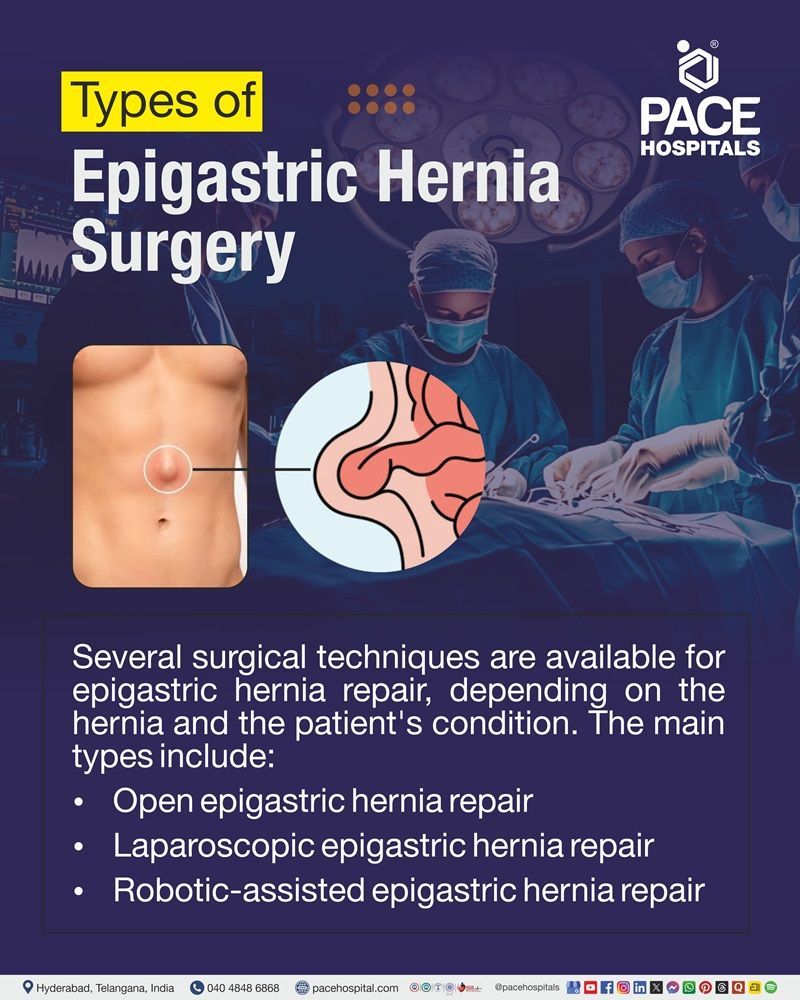
There are several surgical techniques available for epigastric hernia repair, depending on the associated symptoms, hernia size, the patient's general health, and the surgeon's recommendation. The main types include:
- Open epigastric hernia repair
- Laparoscopic epigastric hernia repair
- Robotic-assisted epigastric hernia repair
Open epigastric hernia repair
The open surgery technique is performed via one incision at the site of the epigastric hernia. The surgeon returns the protruding fatty tissue or abdominal contents to the abdomen and then closes the defect with sutures or surgical mesh. Open repair is preferred for patients with small or uncomplicated epigastric hernias. It can be done under local, regional or general anesthesia depending on the procedure and patient factors.
Laparoscopic epigastric hernia repair
During the laparoscopic procedure, the surgeon operates through several small incisions on the abdomen using a camera and specialized tools. Laparoscopic repair of an epigastric hernia is done from the inside of the abdominal cavity, and a mesh is often placed in the area. In appropriately selected patients, a minimally invasive approach may be associated with less postoperative pain; however, outcomes and suitability vary by hernia characteristics and patient factors.
Robotic-assisted epigastric hernia repair
A minimally invasive procedure known as "robotic-assisted repair" involves the surgeon operating from a console with robotic equipment. There is still little information related to epigastric hernias; however, it can help with some abdominal wall reconstruction and mesh placement procedures, especially in some ventral hernias. The features of the hernia, patient characteristics, surgeon skill, and robotic technology accessibility all influence its application.
Note: The choice of epigastric hernia repair technique depends on the hospital's available surgical facilities, the surgeon's recommendation, and the patient's clinical condition.
Indications for Epigastric Hernia Surgery
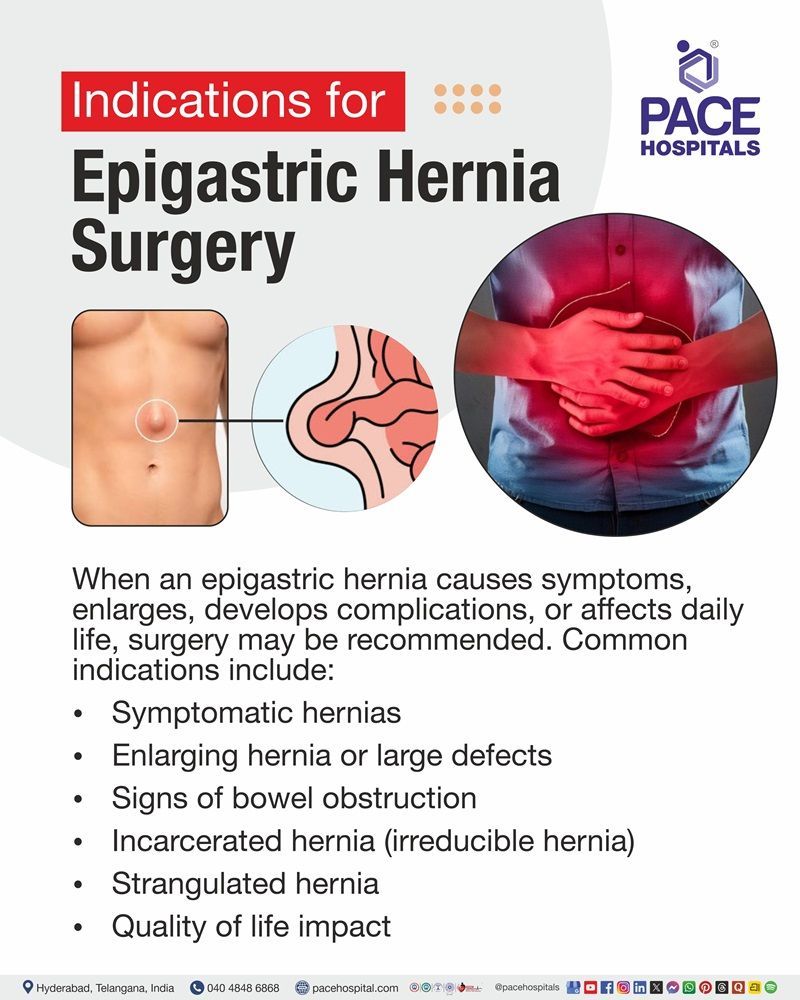
When an epigastric hernia produces symptoms, grows larger over time, leads to complications, or interferes with a person's everyday activities or quality of life, surgery is advised. The common epigastric hernia surgery indications are:
- Symptomatic hernias
- Enlarging hernia or large defects
- Signs of bowel obstruction
- Incarcerated hernia (irreducible hernia)
- Strangulated hernia
- Quality of life impact
Symptomatic hernias
A surgical procedure may be recommended for a hernia that causes severe pain, tenderness, or other symptoms. Symptoms interfering with routine activities are a good sign for performing surgery.
Enlarging hernia or large defects
A surgeon should evaluate a growing epigastric hernia, or one connected to a significant abdominal wall defect. Depending on the hernia's size, symptoms, patient characteristics, and risk of complications, elective repair might be advised.
Signs of bowel obstruction
Although fatty tissue is usually present in epigastric hernias, bowel may occasionally be present. Bowel obstruction can cause distension of the abdomen, vomiting, abdominal pain, and trouble passing gas or faeces. These symptoms require an urgent medical assessment.
Incarcerated hernia (irreducible hernia)
An irreducible hernia, or an incarcerated hernia, is a type of hernia where the contents of the hernia cannot be pushed back into the abdomen. An irreducible hernia can lead to bowel obstruction or strangulation and therefore requires urgent surgical evaluation, particularly when acute symptoms such as vomiting, skin changes over the swelling or systemic symptoms develop.
Strangulated hernia
Strangulation results from obstruction of the blood supply to the protruding organ, particularly the intestine. Strangulation is considered an emergency because if it is not surgically corrected, ischemia and necrosis of the intestine will ensue; hence, bowel resection may be necessary if the bowel involved is found to be non-viable.
Quality of life impact
This is the situation where the hernia causes pain and a visible bulge, which makes the patient uncomfortable to engage in any physical or occupational activity. Such conditions are a quality-of-life effect that should necessitate repair of the abdominal wall hernia, even when emergency complications are absent.
Epigastric Hernia Surgery Contraindications
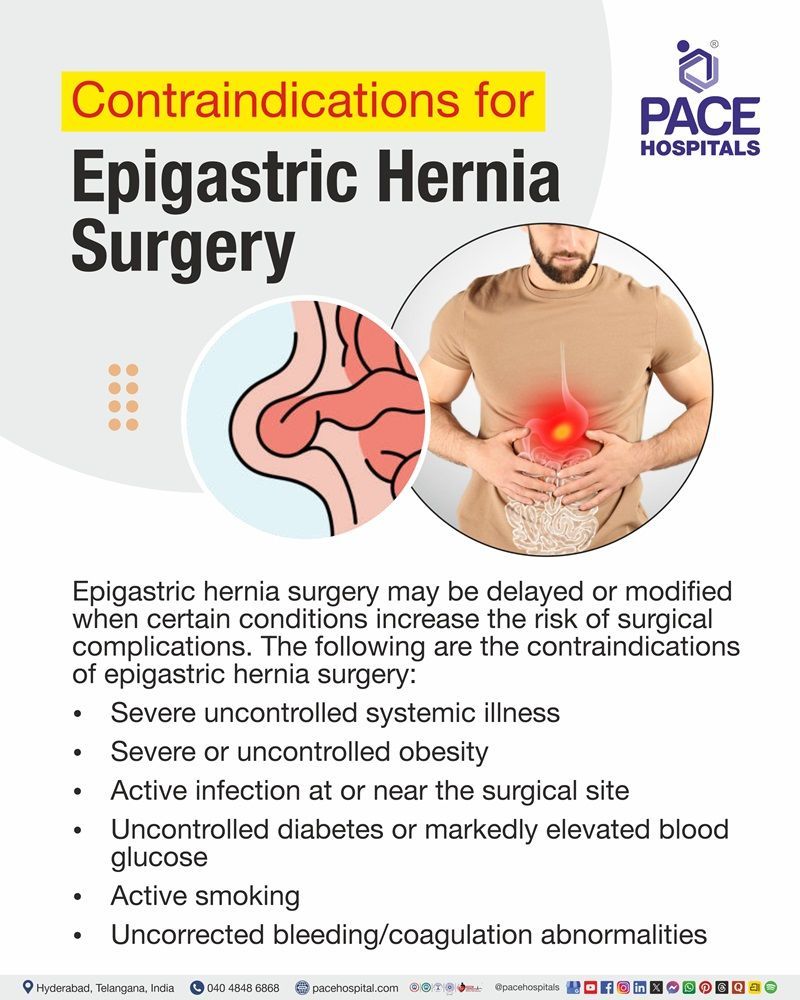
Epigastric hernia surgery may need to be delayed or modified in patients with certain conditions that increase the risk of complications.
The following are the contraindications of epigastric hernia surgery:
- Severe uncontrolled systemic illness
- Severe or uncontrolled obesity
- Active infection at or near the surgical site
- Uncontrolled diabetes or markedly elevated blood glucose
- Active smoking
- Uncorrected bleeding/coagulation abnormalities
- Inability to tolerate anaesthesia or surgery because of serious cardiopulmonary disease
- Asymptomatic or minimally symptomatic hernia
Severe uncontrolled systemic illness
Before elective hernia repair, serious uncontrolled medical conditions may need to be stabilized or treated to reduce perioperative morbidity. To decide whether surgery should be performed, altered, or postponed, it is advisable to perform a formal perioperative risk assessment.
Severe or uncontrolled obesity
Obesity can influence wound healing and postoperative complications, as well as raise the risk of surgery. Patients with a BMI >35 require special attention because the risks of intervention may outweigh the benefits, and weight-management support should be considered.
Active infection at or near the surgical site
Preoperative evaluation is meant to identify medical issues that require therapy before an operation; an active infection may need to be treated before elective surgery. Additionally, it is advisable to assess infections when their presence can affect the decision to operate.
Uncontrolled diabetes or markedly elevated blood glucose
Perioperative morbidity is linked to poorly managed diabetes. Diabetes is a significant issue in preoperative assessment, and it is advised that individuals with diabetes undergoing surgery examine their most recent HbA1c (3-month average blood sugar levels).
Active smoking
Smoking raises the risk of hernia recurrence during and after surgery, but it is not a complete contraindication. Smokers have a threefold increased risk of hernia recurrence, and they are advised to quit smoking before surgery. Additionally, patients having elective surgery are advised to stop smoking before the procedure.
Uncorrected bleeding/coagulation abnormalities
Perioperative bleeding may increase due to defective coagulation. Haemostasis assessment supports personalized therapy when anticoagulants need modification before surgery.
Inability to tolerate anaesthesia or surgery because of serious cardiopulmonary disease
Significant respiratory or cardiovascular conditions can raise perioperative risk and necessitate additional evaluation and optimization before surgery. Depending on the patient's condition and surgical risk, a suitable cardiac and respiratory examination may be performed.
Asymptomatic or minimally symptomatic hernia
This is not a real contraindication. If there is severe pain or discomfort, difficulty reducing the hernia, or progressive expansion, surgical treatment of umbilical or epigastric hernias may be considered. Therefore, rather than always requiring surgery, an asymptomatic or minimally symptomatic epigastric hernia may be treated conservatively based on clinical evaluation.
Epigastric Hernia Surgery Benefits
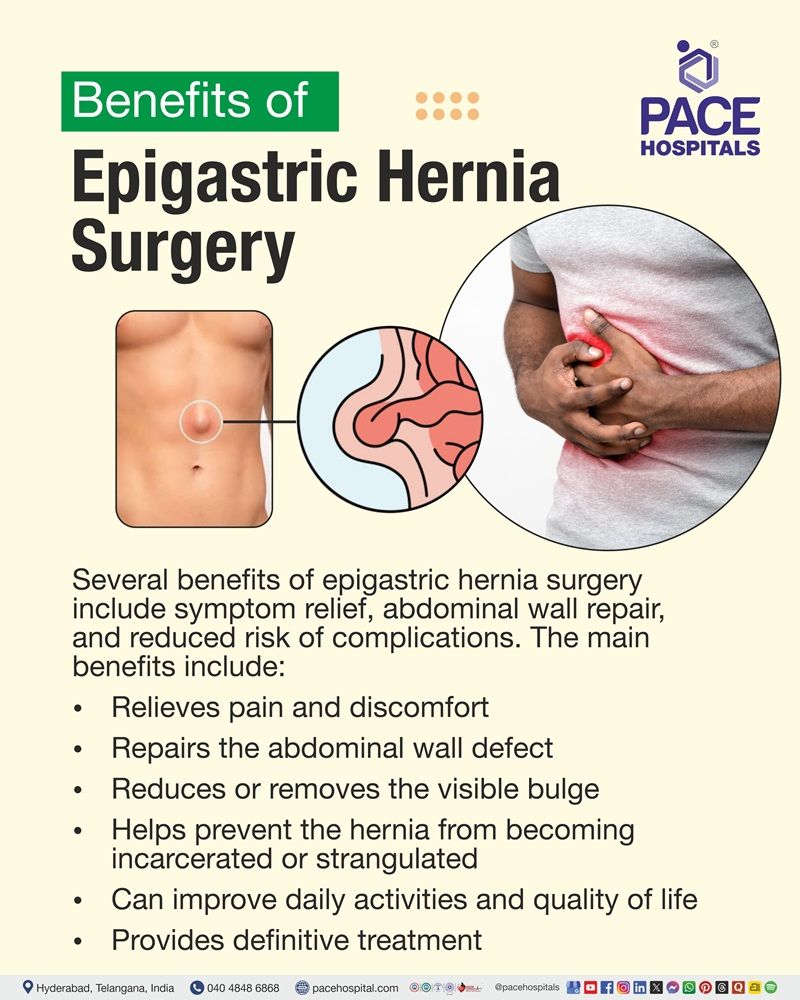
Several advantages can be derived from epigastric hernia surgery, including symptom relief, repair of the abdominal wall defect, and reduced risk of complications. The following are the advantages of epigastric hernia surgery:
- Relieves pain and discomfort
- Repairs the abdominal wall defect
- Reduces or removes the visible bulge
- Helps prevent the hernia from becoming incarcerated or strangulated
- Can improve daily activities and quality of life
- Provides definitive treatment
Relieves pain and discomfort
In addition to fixing the hernia, surgery can lessen any discomfort, pressure, pain, or tenderness related to the bulge. As a result, routine movements and physical activities may become more comfortable.
Repairs the abdominal wall defect
The process seals the gap or vulnerability in the abdominal wall that allows tissue to protrude. When properly healed, this restores the abdominal wall's structural integrity.
Reduces or removes the visible bulge
By repairing the hernia, the defect is closed, and the protruding tissue is returned to its proper location. Consequently, the bulge or visible swelling can be lessened or removed.
Helps prevent the hernia from becoming incarcerated or strangulated
Repair can decrease the possibility of abdominal tissue being stuck (incarcerated) inside the hernia. Additionally, this may lessen the possibility of strangulation, which necessitates immediate medical attention due to a compromised blood supply to trapped tissue.
Can improve daily activities and quality of life
Surgery may make daily tasks easier by easing pain, discomfort, and the physical restrictions caused by the epigastric hernia. During regular movements and physical exercises, patients may feel more confident and at ease.
Provides definitive treatment
Instead of only treating the symptoms, surgery treats the underlying abdominal wall problem. Although recurrence is still possible, a good repair can provide long-term relief of the hernia.
Get a Free Second Opinion for Epigastric hernia repair
At PACE Hospitals, we are committed to providing our patients with the best possible care, and that includes offering second medical opinions with super specialists for treatment or surgery. We recommend everyone to get an expert advance medical second opinion, before taking decision for your treatment or surgery.
Epigastric Hernia Surgery Steps
Procedure steps for epigastric hernia surgery include the following:
Before Epigastric Hernia Surgery
- Attend a preoperative assessment: Patients may be requested to undergo a preoperative assessment before their surgery. In this assessment, the surgical team evaluates the health status, past test results, and home environment. This helps the surgical team identify any health conditions that may need treatment before surgery.
- Complete any tests advised by the surgical team: Tests will vary depending on the procedure, health condition, and anesthetic. They may include blood tests, urine tests, infection screening and others. Have all these tests done and provide results of the past tests to the surgical team.
- Inform the doctor about all medicines, vitamins and herbal supplements: The surgeon should be aware of all the medications, vitamins, minerals, and herbal remedies. Some medications may need to be altered or discontinued before surgery. It is recommended not to discontinue any prescription drugs without consulting the healthcare team.
- Stop smoking before surgery: Quitting smoking before surgery can help avoid breathing issues as well as surgical wound problems. Guidelines for hernia repairs include quitting smoking before surgery and remaining smoke-free post-surgery.
- Follow fasting instructions: Follow hospital instructions on when to begin fasting in preparation for surgery. Fasting will ensure the stomach is empty during anesthesia and will minimize the chances of vomiting and aspiration. Never change the duration of fasting unless instructed to do so by the medical team.
- Maintain appropriate personal hygiene: Doctors may ask individuals to shower before admission to the hospital to ensure their skin is clean before surgery. Observe any other specific instructions regarding special cleaning products or soaps as recommended by the surgeons. Do not use any products like lotions or deodorants unless the hospital advises.
- Remove jewellery and body piercings: Jewellery and body piercings should be removed before surgery to reduce the chance of injury from the equipment used or interference with the procedure. The hospital will provide detailed guidance on removing any objects that can't be taken off.
- Arrange transportation and support after surgery: A responsible adult needs to come to the hospital to take the patient home, as they won't be able to drive. If they have general anesthesia, many hospitals require them to stay with an adult for the first 24 hours. Make arrangements for help with essential activities during the initial recovery period.
- Discuss the procedure and provide informed consent: Patients can ask questions and receive an explanation of the procedure from the surgeon and anesthesia staff before surgery. Before consenting to the procedure, they should be aware of what it includes. Individuals will typically be required to sign a permission document indicating their informed consent if they choose to move forward.
During Epigastric Hernia Surgery
- Anesthesia is administered: Appropriate anesthesia is administered to the patient so that the procedure can be carried out painlessly. Repairing an abdominal hernia frequently involves the use of general anesthesia.
- An incision is made over the hernia: In open repair, the surgeon makes an incision over or close to the epigastric hernia to access the weak spot of the abdominal wall.
- The hernia contents are identified and reduced: After locating the hernia, the surgeon carefully returns any protruding fatty tissue or other materials into the abdominal cavity.
- The weakened abdominal wall is repaired: Strong surgical stitches are used to seal the hole or weak spot where the hernia protruded.
- Mesh reinforcement may be placed when required: To strengthen the abdominal wall and lower the chance of recurrence, a surgical mesh may be inserted, depending on the size and features of the defect.
- The incision is closed: Depending on the surgical procedure, the skin incision is sealed with the proper sutures, clips, or surgical glue after the surgery is finished.
After Epigastric Hernia Surgery
- Monitor vital signs and recovery immediately after surgery: Following the procedure, the patient is kept under observation in the recovery area until they stabilize. Assessments of respiration, blood pressure, and pulse are made, and discomfort is treated as needed. When the surgical team deems the patient medically fit, they are discharged.
- Take prescribed pain-relief medicines: Following hernia surgery, the surgical site may experience mild pain, tenderness, and edema. Patients are advised to take prescription painkillers as directed, and report any severe, ongoing, or unrelieved pain.
- Care for the surgical wound: Patients need to observe the surgeon's recommendations for dressing and washing and keep the wound dry and clean. They should watch for signs of wound complications, such as increasing redness, oedema, warmth, bleeding, or discharge.
- Start gentle movement and walking: When the patient is ready, they need to start walking and moving slowly and progressively increase their physical activity. Walking several times a day can reduce the formation of blood clots and improve circulation.
- Avoid heavy lifting and strenuous activity: During the early stages of recovery, avoid heavy lifting and intense exercise. While the surgeon's specific recommendations should take precedence, guidelines usually recommend avoiding heavy lifting and intense exercise for around 4 weeks following open hernia surgery.
- Maintain adequate fluids and a high-fibre diet: To help avoid constipation, drink enough fluids and eat foods high in fiber, such as fruits, vegetables, and whole grains. Reducing discomfort and pressure on the mending abdominal wall can be achieved by not straining during bowel movements.
- Resume daily activities and work gradually: As recovery advances, individuals can typically gradually resume regular daily activities. Many patients resume their jobs in one to two weeks; however, individuals who perform physically demanding jobs may need more time to recover.
- Resume driving only when safe: Until the patient is pain-free and able to make an emergency stop with ease, driving should be avoided. This usually takes one to two weeks, although the precise time will depend on the patient's recovery and the surgeon's recommendation.
- Attend follow-up as advised: The patient's operation and recovery will determine the follow-up plans. Whether and when a surgical review is necessary should be specified in the discharge instructions.
- Seek medical attention for warning signs: Fever, persistent or worsening abdominal pain, redness or swelling of the incision, bleeding that doesn't stop, pus-like discharge, persistent vomiting, or trouble urinating should all be reported to the surgical team. These symptoms might need to be evaluated right away.
Epigastric Hernia Surgery Complications
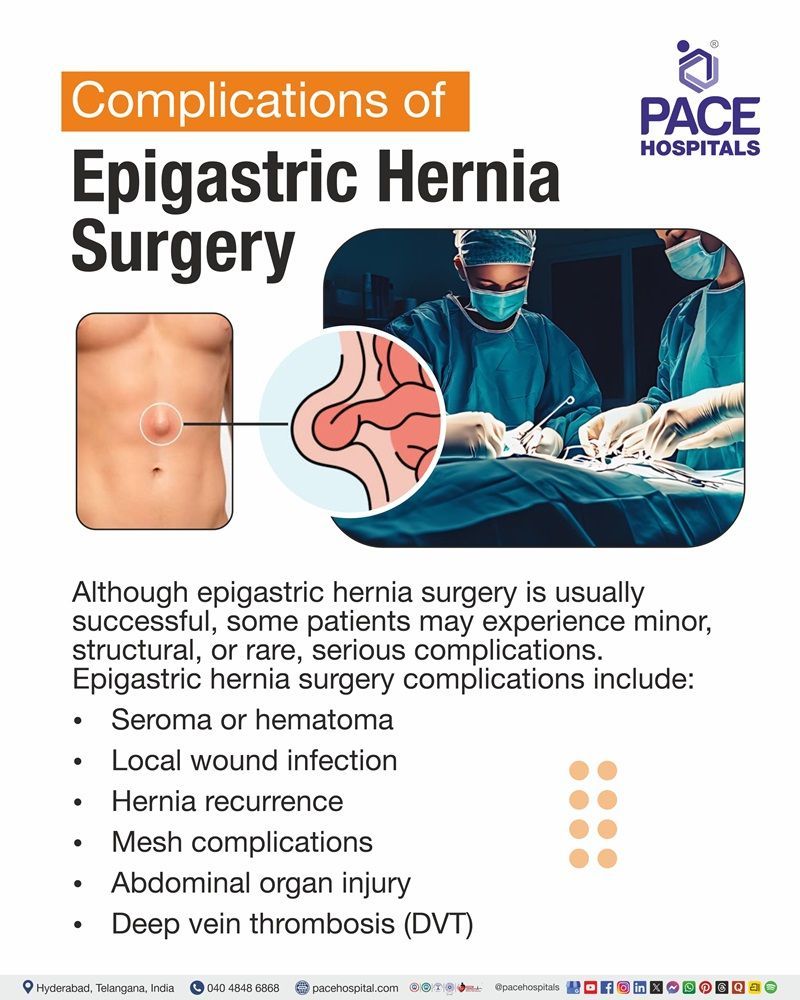
Although epigastric hernia surgery is usually successful, some patients may experience minor, structural, or rare, serious complications. Epigastric hernia surgery complications include:
- Common and minor complications
- Seroma or hematoma
- Local wound infection
- Temporary urinary retention
- Postoperative pain
- Long-term or structural complications
- Hernia recurrence
- Mesh complications
- Chronic pain
- Rare but severe complications
- Abdominal organ injury
- Deep vein thrombosis (DVT)
- General anesthesia risks
Common and minor complications
Seroma or hematoma
A seroma is a temporary collection of clear fluid that may develop under the skin or in the vicinity of the healed hernia site. Without therapy, it usually resolves on its own. A hematoma is a collection of blood beneath the incision or in nearby tissues. This can result in bruising, soreness, and swelling. Most hematomas go away on their own, although larger or persistent collections may sometimes need additional care.
Local wound infection
Redness, warmth, swelling, discomfort, or discharge may result from bacterial infection of the surgical site. Fever or feeling generally unwell may also occur. Medical evaluation and treatment, including antibiotics, may be necessary for wound infections.
Temporary urinary retention
Some patients may have difficulty urinating immediately after the operation. If the bladder becomes overly full and the patient cannot urinate, a temporary urinary catheter may be needed to drain the bladder. This is usually a short-term problem.
Postoperative pain
Following hernia repair, little pain or discomfort around the surgery site is normal and usually goes away as healing takes place. The surgical team should assess severe, worsening, or persistent pain, as it may need further evaluation.
Long-term or structural complications
Hernia recurrence
If the abdominal wall defect recurs, then the repaired hernia might come back. The recurrence may require another assessment and, at times, another repair.
Mesh complications
Mesh infection and other mesh-related issues are uncommon side effects of mesh use. Mesh infections may require additional care and, in rare severe cases, surgical mesh removal.
Chronic pain
Despite the improvement in the patient’s level of pain after the surgery, some patients may develop chronic pain after the surgery. Chronic pain generally refers to pain that continues for more than 3 months and may interfere with the normal activities of life and sometimes requires additional treatment.
Rare but severe complications
Abdominal organ injury
In rare cases, hernia repair may cause damage to the colon, bladder, blood vessels, or other abdominal organs. Surgery or further treatment may be necessary for such injuries.
Deep vein thrombosis (DVT)
After undergoing surgery, blood clots rarely develop deep within the veins, particularly those of the legs; such conditions are referred to as deep vein thrombosis (DVT). When a portion of the clot moves into the lungs, it leads to a pulmonary embolism, which needs immediate attention.
General anesthesia risks
Although anesthesia is usually relatively safe, it can occasionally result in major problems and side effects like nausea. Serious complications, such as breathing problems, severe allergic reactions, heart problems, or stroke, are rare. The patient's health and the type of anesthesia used are two factors that affect individual risk.
Epigastric Hernia Surgery Recovery Time
Recovery time after surgery for epigastric hernias will depend on the type of repair done and each individual's recovery. Recovery happens slowly within the first few weeks. The stages involved include:
Day of surgery
The patients will be observed following the procedure, and if they meet the discharge criteria, they can go home on the same day. It is normal to have some pain or discomfort around the area where the surgery was performed. If a general anesthetic was used, the patient will experience fatigue for 24 to 48 hours. A responsible adult should generally stay with them for the first 24 hours after general anesthesia.
Days 1-3
In the initial days, pain, swelling, bruising, and wound pain will be felt during the healing process. It is advised to take the pain medication prescribed by the physician, get proper rest, and walk around the house instead of staying in bed. Drinking fluids and eating high-fiber foods will prevent straining and constipation, which can place pressure on the repair.
Weeks 1-2
Pain and discomfort should ease slowly enough for most patients to do their usual daily activities as tolerated. Walking and other physical activities can gradually increase, and people can return to work without difficulty after about 1–2 weeks. Driving may be delayed until the patient feels comfortable enough without experiencing any pain and can make an emergency stop.
Weeks 4-6
The healing process will continue in this stage, and the patient can gradually engage in more difficult activities as directed by their surgery team. Lifting heavy objects and undertaking strenuous activities may need to wait until about 4 to 6 weeks, depending on whether the operation was an abdominal or open hernia operation. The precise restriction depends on the type of operation and the surgeon's advice.
Week 6 and beyond
Most patients recover significantly or completely within about 6 weeks and can return to normal activities once the injury has healed and they are not in pain. Complete recovery from an abdominal hernia repair surgery normally takes about 4-6 weeks, but some patients may require a longer time for recovery depending on the operation (open or laparoscopic) and individual healing.
What questions can patients ask the healthcare team about epigastric hernia surgery?
- Do I need surgery for my epigastric hernia?
- What type of epigastric hernia surgery is recommended for me?
- Will my surgery require mesh?
- What type of anesthesia will I receive?
- How should I prepare for the surgery?
- How long will the surgery take?
- Will I need to stay in the hospital after surgery?
- What pain or discomfort should I expect after surgery?
- When can I return to normal activities and work?
- When can I lift heavy objects after surgery?
- What complications or warning signs should I watch for?
- How can I reduce the risk of the hernia coming back?
Frequently Asked Questions (FAQs) on Epigastric Hernia surgery
When is surgery needed for an epigastric hernia?
When an epigastric hernia becomes difficult to push back into the abdomen, produces severe pain or discomfort, or keeps growing larger, surgery may be advised. The decision is based on the patient's general health, symptoms, and the size of the hernia.
Can an epigastric hernia heal without surgery?
In adults, an epigastric hernia does not heal on its own permanently, as the defect will still be present. The only way to treat it permanently is through surgery. However, not all epigastric hernias have to be operated on immediately. If it is small and painless, the patient can be observed and reassessed based on their condition.
What happens if an epigastric hernia is left untreated?
If the hernia is left untreated, it could get larger, more visible, and more uncomfortable with time. In some instances, the tissue that gets pushed out of the body in a hernia gets trapped and cannot be pushed back into the abdomen. When the blood flow to the trapped tissue is blocked, it is known as strangulation, which is a medical emergency.
What are the different types of epigastric hernia surgery?
An epigastric hernia can be corrected surgically using open or keyhole (laparoscopic) surgery. Open surgery is done by making an incision around the hernia area, pushing back any protruding tissue, and correcting the defect in the abdominal wall, using mesh if needed for reinforcement. The other surgical method, laparoscopy, involves making several incisions and using a camera to correct the hernia, with mesh reinforcement where necessary. The choice depends on the size and location of the hernia, the patient’s health and the surgeon’s assessment.
How long does it take to recover from epigastric hernia surgery?
Recovery varies depending on the patient and the type of repair. While full healing often takes several weeks, many patients can return to light daily activities within days. For abdominal hernia repairs, we typically recommend a recovery period of four to six weeks, although this can vary. During recovery, gentle walking and gradually increasing normal activities are generally encouraged. Strenuous exercise and heavy lifting should be avoided until the surgical team considers them safe.
Can an epigastric hernia come back after surgery?
Yes, although rare, there is always a possibility of an epigastric hernia recurring even after the repair procedure. This depends on various factors, such as the size of the hernia and other factors. Adhering to the doctor’s advice during the recovery period will aid in proper healing. If individuals feel a bulge forming again after surgery and it is painful, irreducible, discoloured, or accompanied by severe abdominal pain, vomiting, fever, or inability to pass stool or gas, seek immediate medical care.
What are the possible complications of epigastric hernia surgery?
Like any procedure, epigastric hernia surgery can involve complications. Some of the complications include bleeding, infections, formation of blood clots, pain, accumulation of fluids(seroma), or even recurrence of the hernia. Occasionally, the surrounding organs or tissues can be injured during surgery. The surgery team will provide information on the risks involved and warning signs to watch for during recovery.
What is epigastric hernia surgery?
Epigastric hernia surgery is the repair of a weakening or opening in the upper abdominal wall between the breastbone and the belly button. During surgery, the herniated tissue is returned to its normal position, and the damaged area is repaired, often with surgical mesh to strengthen the repair. In certain cases, a keyhole/laparoscopic method employing multiple tiny incisions may be used, or the procedure may be carried out as open surgery through a single incision. The most appropriate technique depends on the hernia and the patient's individual circumstances.
Is open or laparoscopic surgery better for an epigastric hernia?
There is no single approach that is best for every patient. This depends on factors like the size and position of the hernia, whether the patient has had any previous abdominal operations, the patient's overall health, and the surgeon's experience. Laparoscopic operation involves small incisions and may result in less postoperative pain for some patients. However, it is not appropriate for every hernia and can have different risks.
Is mesh used during epigastric hernia surgery?
Mesh can be considered but is not always required for epigastric hernia repair. Mesh is a surgical implant placed to reinforce a weakened area of the abdominal wall and may lower the risk of hernia recurrence in appropriate patients. The need for mesh is determined by several factors, such as the size and location of the defect, the surgical technique, and the patient's individual circumstances.
How long does epigastric hernia surgery take?
Surgery duration will depend on the size and complexity of the hernia, the type of surgical procedure needed, and whether an additional repair is needed. Thus, there is no set time for surgery for all epigastric hernias.
Is epigastric hernia surgery painful?
Some pain, soreness, bruising, or swelling around the affected region is normal after hernia surgery. The level of pain patients experience varies depending on the surgical technique. Patients should expect to experience relief from the pain slowly after surgery. Pain management drugs will be recommended by the medical team after surgery.
When can I return to work after epigastric hernia surgery?
Most patients can return to work within 1-2 weeks, depending on their recovery and the nature of their work. Individuals with physically demanding occupations or who lift heavy weights might require additional time away from work or temporary light duties. The surgeon will confirm when they are fit enough to return to work.
When can I exercise or lift weights after epigastric hernia surgery?
Moderate exercise such as walking is possible, but strenuous exercise is discouraged after surgery. After the hernia procedure, individuals are not encouraged to lift heavy weights for about 4-6 weeks. The exact period depends on the type of repair and the surgeon's advice.
What can I eat after epigastric hernia surgery?
Most patients can resume their normal diet after surgery. Fluid intake and consumption of fibre-containing foods, like fruits, vegetables, and other fibre foods, should be increased to prevent constipation. This is essential because strain during bowel movements increases abdominal wall pressure.
Why choose PACE Hospitals?
- A Multi-Super Speciality Hospital.
- NABH, NABL, NBE & NABH - Nursing Excellence accreditation.
- State-of-the-art Liver and Kidney transplant centre.
- Empanelled with all TPAs for smooth cashless benefits.
- Centralized HIMS (Hospital Information System).
- Computerized health records available via website.
- Minimum waiting time for Inpatient and Outpatient.
- Round-the-clock guidance from highly qualified super specialist doctors, surgeons and physicians.
- Standardization of ethical medical care.
- 24X7 Outpatient & Inpatient Pharmacy Services.
- State-of-the-art operation theaters.
- Intensive Care Units (Surgical and Medical) with ISO-9001 accreditation.


