
Craniectomy Surgery, Procedure and Cost
PACE Hospitals offers advanced craniectomy surgery in Hyderabad, India, providing life-saving treatment for conditions such as traumatic brain injury, brain swelling, stroke, intracranial hemorrhage, and brain tumors. Our expert neurosurgeons perform decompressive craniectomy and other specialized cranial procedures using advanced surgical techniques to relieve pressure on the brain and prevent further damage.
With a strong focus on accurate diagnosis, emergency response, and personalized care, we ensure safe surgical outcomes, faster recovery, and improved neurological function for better quality of life.
Book an Appointment for Craniectomy Surgery
Craniectomy Surgery Appointment
Why Choose PACE Hospitals for Craniectomy Procedure?
Expert Neurosurgeons in Hyderabad for complex brain surgeries
Precision Craniectomy Surgery with Advanced Neurosurgical Techniques for Effective Brain Decompression & Protection
Insurance support and cashless treatment options available
Recognized for excellence in healthcare delivery with
NABH, NABL, NBE/DNB, NABH Nursing Excellence, and ISCCM accreditations.
Craniectomy Meaning
A craniectomy is a crucial neurosurgical procedure where a portion of the skull is removed to relieve pressure on the brain, often performed in emergency situations such as severe brain injury or
stroke. This life-saving operation is typically necessary when a patient experiences significant brain swelling due to a
traumatic brain injury (TBI) or a large stroke (either hemorrhagic or ischemic), which can put life-threatening pressure on the brain. The portion of the skull removed during the craniectomy is not immediately replaced, but it is commonly reattached several months later as the brain heals. Craniectomy plays an important role in preventing further brain damage and improving recovery outcomes, making it a critical intervention for patients with serious brain conditions.
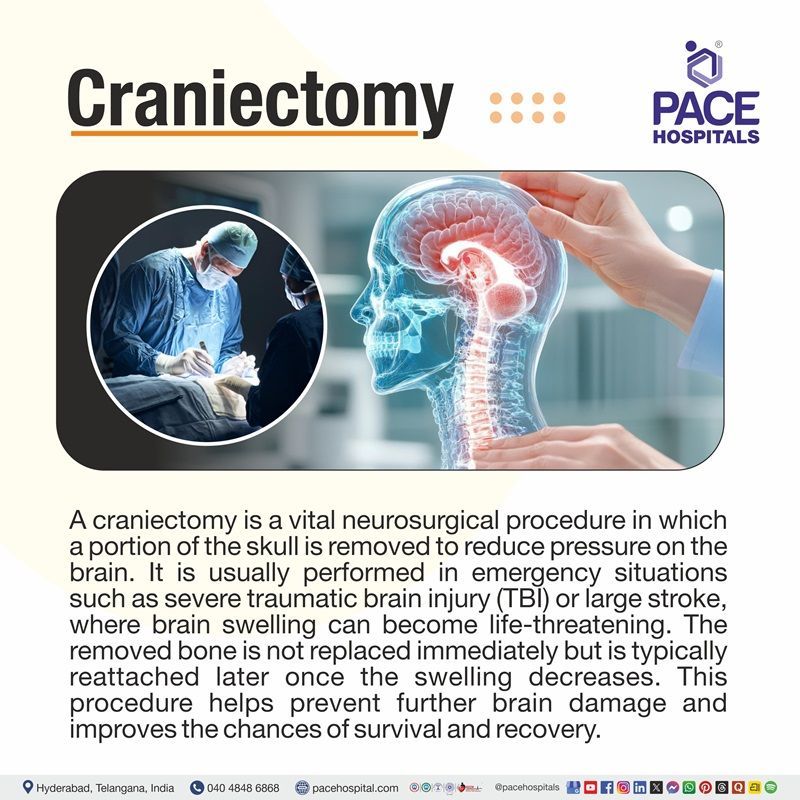
A neurosurgeon typically performs a craniectomy to remove part of the skull and relieve pressure on the brain, often due to severe brain injury, stroke, or brain tumors.
Types of Craniectomy
There are several types of craniectomy procedures, each tailored to address specific conditions and locations of brain injury. The main types of craniectomy include:
- Decompressive Craniectomy
- Unilateral Hemicraniectomy
- Bifrontal decompressive craniectomy
- Bilateral decompressive craniectomy
- Suboccipital Craniectomy
Decompressive Craniectomy
The most common type of craniectomy, decompressive craniectomy surgery, is used to treat increased intracranial pressure resulting from traumatic brain injury (TBI), stroke, or brain hemorrhage. In a decompressive craniectomy procedure a large portion of the skull is removed to allow the brain to expand and reduce the risk of further injury. The bone flap is typically not replaced immediately but may be reattached once swelling decreases. Different subtypes of Decompressive Craniectomy include:
- Unilateral Hemicraniectomy: This procedure involves the removal of part of the skull from one side of the brain. This type is typically used when swelling is localized to one hemisphere of the brain, often following a traumatic brain injury or ischemic stroke. By removing bone from one side, it allows the brain to expand and relieve pressure in the affected region.
- Bifrontal decompressive craniectomy: In this procedure of bifrontal craniectomy it involves removing sections of the skull from both frontal regions. This procedure is performed when swelling affects both frontal lobes, commonly seen in large strokes or severe brain trauma. By relieving pressure in the frontal areas, this surgery provides ample space for the brain to heal, enhancing recovery outcomes.
- Bilateral decompressive craniectomy: It involves removing sections of the skull from both hemispheres of the brain. This procedure of bilateral craniectomy is used when swelling affects both sides of the brain, often in cases of massive stroke or extensive traumatic brain injuries. This type of surgery helps to alleviate intracranial pressure across the entire brain, allowing for improved recovery and reduced risk of permanent damage.
Suboccipital Craniectomy
It is a surgical procedure that involves the removal of part of the skull at the lower back of the head, around the occipital region, to provide access to the cerebellum and brainstem. This type of craniectomy is often performed to treat conditions affecting the posterior fossa, such as hydrocephalus, brainstem compression, or cerebellar tumors and for Chiari 1 malformation. By relieving pressure in this region, the procedure helps improve brain function and supports recovery.
Based on Techniques
Based on techniques, a specialized, minimally invasive procedure used for precise brain decompression includes:
- Endoscopic Craniectomy: It is a minimally invasive procedure where a small incision is made, and an endoscope is used to guide the surgeon. It’s commonly used for smaller lesions or managing intracranial pressure, offering faster recovery and reduced infection risks compared to open surgery. Endoscopic strip craniectomy is used to treat the condition of craniosynostosis in infants, where fused skull sutures are removed through small incisions. A helmet is worn post-surgery to shape the head and allow normal brain growth. This less invasive technique is also called endoscopic release surgery.
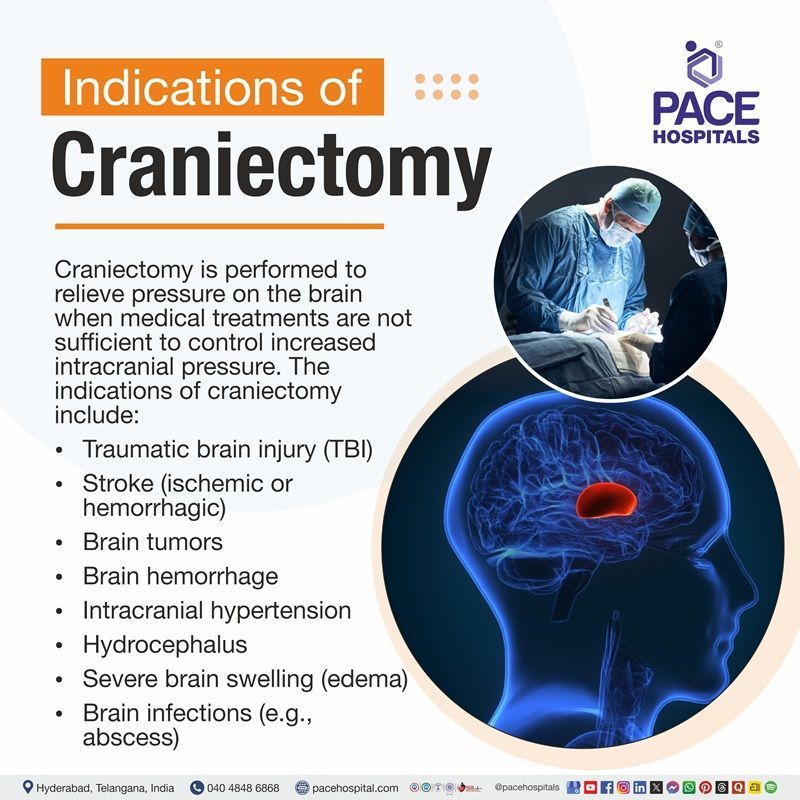
Craniectomy Indications
Craniectomy is performed to relieve pressure on the brain when other treatments are not sufficient to manage conditions causing increased intracranial pressure. The indications of craniectomy include:
- Traumatic brain injury (TBI)
- Stroke (ischemic or hemorrhagic)
- Brain tumors
- Brain hemorrhage
- Intracranial hypertension
- Hydrocephalus
- Severe brain swelling or edema
- Brain infections (e.g., abscess)
Traumatic Brain Injury (TBI)
Craniectomy is often performed following severe traumatic brain injury (TBI) to alleviate pressure caused by swelling or bleeding. The procedure removes part of the skull to prevent further damage and to give the brain space to expand. Early intervention improves the chances of recovery and helps reduce the risk of brain herniation, which is life-threatening.
Stroke (Ischemic or Hemorrhagic)
In the case of a stroke, especially a large hemorrhagic stroke, craniectomy is performed when brain swelling is severe and threatens to damage brain tissue further. The removal of the skull provides space for the brain to swell safely, reducing the risk of permanent neurological damage and improving recovery prospects.
Brain Tumors
Craniectomy may be needed when brain tumors cause significant pressure on surrounding tissues. By removing part of the skull, neurosurgeons can access the tumor more effectively and relieve pressure. This is typically followed by tumor removal or treatment to reduce the risk of recurrence and manage symptoms.
Brain Hemorrhage
A brain hemorrhage, especially when caused by trauma or ruptured blood vessels, can lead to swelling and increased pressure on the brain. Craniectomy is performed to remove a portion of the skull, relieving pressure and preventing further damage to the brain tissue caused by the hemorrhage.
Intracranial Hypertension
When intracranial pressure (ICP) rises to dangerous levels due to any of the conditions mentioned above, craniectomy is often indicated as a last resort. The procedure helps lower ICP by providing additional space for the brain to expand, reducing the likelihood of fatal complications like brain herniation.
Hydrocephalus
In cases of hydrocephalus, where cerebrospinal fluid (CSF) accumulates abnormally in the brain, a craniectomy may be performed alongside other interventions such as a shunt placement. The surgery helps relieve the pressure caused by fluid buildup and prevents further neurological damage.
Severe Brain Swelling or Edema
Severe brain swelling (cerebral edema), which can occur following trauma, stroke, or surgery, may lead to increased intracranial pressure. Craniectomy is performed to allow the brain more room to expand, preventing further damage. This procedure is often crucial when other medical treatments (like medications) fail to control swelling.
Brain Infections (Abscess)
When brain infections, such as an abscess, lead to significant swelling and pus accumulation, craniectomy may be performed to remove the infected tissue, relieve pressure, and prevent the infection from spreading. The procedure can help control the infection and improve recovery outcomes.
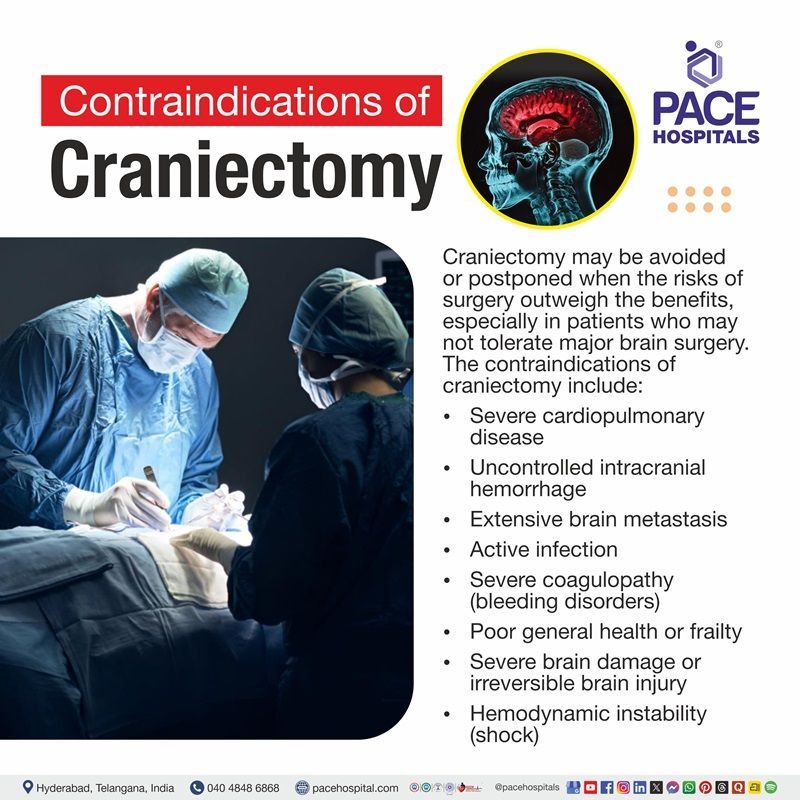
Craniectomy Contraindications
Craniectomy may be avoided or postponed in certain situations where the risks of surgery outweigh the potential benefits. These contraindications are mainly related to the patient’s overall health and their ability to tolerate major brain surgery. Contraindications for craniectomy include:
- Severe cardiopulmonary disease
- Uncontrolled intracranial hemorrhage
- Extensive brain metastasis
- Active infection
- Severe coagulopathy (bleeding disorders)
- Poor general health or frailty
- Severe brain damage or irreversible brain injury
- Hemodynamic instability (shock)
Severe Cardiopulmonary Disease
Patients with serious heart or lung conditions may not tolerate anesthesia or major brain surgery. There is a high risk of complications such as cardiac failure, respiratory distress, or arrhythmias during or after the procedure. These patients are at increased risk of mortality during surgery, and craniectomy may be avoided unless absolutely necessary.
Uncontrolled Intracranial Hemorrhage
If a patient has uncontrolled intracranial hemorrhage, craniectomy may not be immediately feasible. Continued bleeding increases the risk of additional brain damage and complications. Stabilizing the hemorrhage first with other medical interventions is necessary before surgery can proceed.
Extensive Brain Metastasis
When brain tumors or metastases have spread extensively throughout the brain, craniectomy may not improve survival or quality of life. In such cases, surgery may be avoided or replaced with palliative treatments aimed at symptom relief, such as tumor debulking or radiation therapy.
Active Infection
Active brain infections such as abscesses or meningitis pose a significant risk for spreading infection during surgery. Performing a craniectomy in an infected state increases the risk of sepsis and worsens recovery outcomes. Treatment with antibiotics and stabilization is needed before proceeding with surgery.
Severe Coagulopathy (Bleeding Disorders)
Conditions affecting blood clotting can lead to excessive bleeding during surgery. This significantly increases the risk of hemorrhage and postoperative complications. Coagulation status must be corrected before surgery, and craniectomy should be delayed until safe blood clotting levels are achieved.
Poor General Health or Frailty
Frail patients with poor physical status may not recover well after craniectomy. They are at a higher risk of postoperative infections, delayed healing, and poor outcomes. These patients may experience prolonged hospitalization and require careful assessment to determine if surgery is appropriate.
Severe Brain Damage or Irreversible Brain Injury
In cases where brain damage is severe and irreversible, craniectomy may not improve the patient’s neurological function or survival. For patients with non-survivable brain injuries or brain death, the risks of craniectomy outweigh the benefits. Palliative care may be more appropriate in these situations.
Hemodynamic Instability (Shock)
Patients who are in shock with unstable blood pressure or poor organ perfusion are at very high risk during anesthesia and surgery. Stabilization with fluids and medications is essential before proceeding with craniectomy. Surgery is usually delayed until the patient becomes hemodynamically stable.
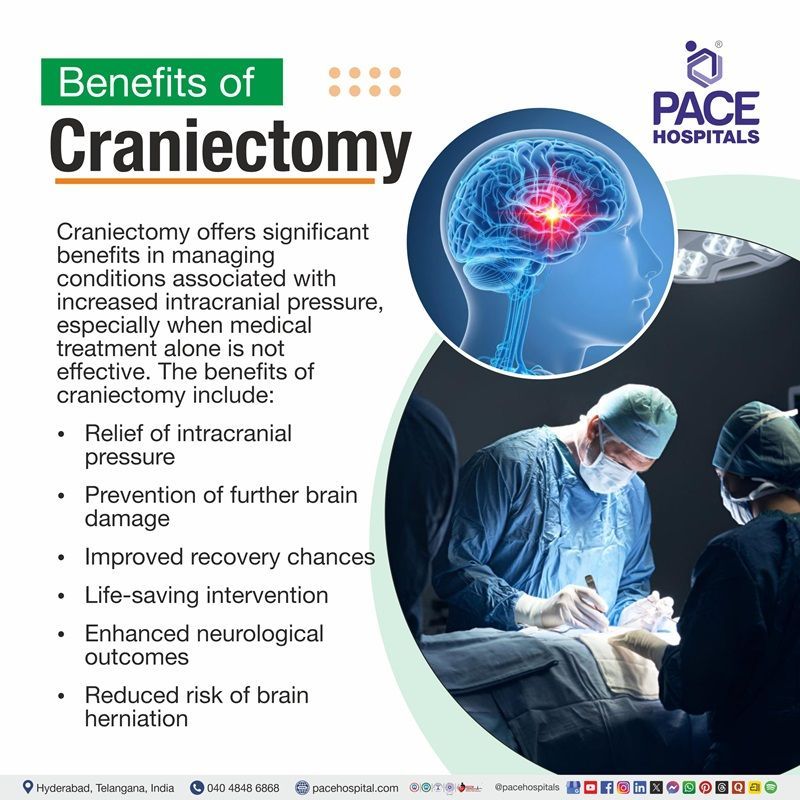
Craniectomy Benefits
Craniectomy offers significant benefits in managing conditions causing increased intracranial pressure, particularly in cases where non-surgical interventions are not sufficient. Below are the key benefits of craniectomy:
- Relief of Intracranial Pressure
- Prevention of Brain Damage
- Improved Recovery Chances
- Life-saving Intervention
- Enhanced Neurological Outcomes
- Reduced Risk of Brain Herniation
Relief of Intracranial Pressure
Craniectomy effectively reduces increased intracranial pressure (ICP), which can result from traumatic brain injury (TBI), stroke, or brain hemorrhage. By removing a portion or section of the skull, the brain is given greater room to expand, lowering the chance of lasting brain injury. This technique contributes to the prevention of problems linked with high blood pressure.
Prevention of Brain Damage
The procedure is crucial in preventing secondary brain damage due to swelling or ischemic conditions. In cases of severe trauma or stroke, craniectomy is performed to avoid brain tissue destruction by giving the brain space to expand and recover, thus minimizing long-term neurological impairment.
Improved Recovery Chances
Early craniectomy intervention increases the chances of neurological recovery after a traumatic event or stroke. By alleviating pressure and preventing further complications, patients often experience better outcomes and can make a quicker recovery, especially in cases where traditional medical treatments fail to reduce pressure.
Life-saving Intervention
Craniectomy is often a life-saving procedure in cases of severe brain injury, intracranial hemorrhage, or stroke where the risk of death from pressure-induced brain damage is high. The procedure is essential in acute care, preventing brain herniation and other life-threatening complications, stabilizing the patient, and improving their chances of survival.
Enhanced Neurological Outcomes
By relieving the pressure on the brain, craniectomy helps improve neurological outcomes. Patients are less likely to suffer from cognitive impairments, motor deficits, or speech difficulties associated with uncontrolled intracranial pressure. The procedure contributes to better overall brain function in the long term.
Reduced Risk of Brain Herniation
One of the most critical benefits of craniectomy is its ability to prevent brain herniation, a life-threatening condition where swollen brain tissue moves across structures in the skull, which can lead to brain death. By reducing the pressure within the skull, craniectomy lowers the risk of this fatal complication.
Need more clarity on a brain condition?
Get a free second opinion from experienced neurospecialists.
At PACE Hospitals, we are committed to providing our patients with the best possible care, and that includes offering second medical opinions with super specialists for treatment or surgery. We recommend everyone to get an expert advance medical second opinion, before taking decision for your treatment or surgery.
Craniectomy Procedure
A craniectomy may be performed using two different approaches:
- Open Craniectomy
- Minimally Invasive Craniectomy
Open Craniectomy
In this method, the surgeon makes a single, large incision in the scalp to access the skull. The affected portion of the skull is then removed to relieve pressure on the brain. This method allows direct access and is typically utilized for severe brain injuries or conditions requiring extensive decompression.
Minimally Invasive Craniectomy
This procedure includes creating tiny incisions in the scalp and skull. The surgeon uses an endoscope (a miniature camera) for viewing, allowing him to do the craniectomy with little tissue injury. This approach typically results in quicker recovery times, less discomfort, and smaller scars compared to open craniectomy.
Craniectomy Procedure Steps are as follows:
Before Craniectomy Surgery
- Before the surgery, the neurosurgeon and medical team conduct a thorough preoperative assessment to ensure the patient is fit for surgery. This includes a physical examination, medical history review, and diagnostic tests such as CT scans, MRI, or angiography to assess the brain and the location of swelling, hemorrhage, or tumors.
- Patients must inform their doctor about any allergies (including to anesthesia) and provide a complete list of medications, including prescribed drugs, over-the-counter medications, and supplements. Certain medications, such as blood thinners, may need to be stopped prior to surgery.
- Patients are typically instructed to fast for a period before surgery. In certain cases, bowel preparation may also be necessary if the craniectomy involves approaching the brain from the abdominal region.
- Lifestyle changes, such as stopping smoking and limiting alcohol intake, may be recommended before surgery to reduce surgical risks and aid recovery.
- Before surgery, patients are informed about the procedure, including its benefits, risks, and expected outcomes. Informed consent is obtained, and patients should arrange for postoperative care.
During Craniectomy Surgery
- Anesthesia Administration: General anesthesia is administered, ensuring the patient is unconscious and free of pain throughout the surgery. Vital signs are closely monitored to ensure the patient's safety.
- Incision and Access: Depending on the type of craniectomy, the surgeon makes either a single large incision (open craniectomy) or several small incisions (minimally invasive craniectomy). Surgical instruments are used to access the skull and the affected brain tissue.
- Identification of Affected Area: The affected portion of the brain or skull is carefully located. In cases of brain hemorrhage or swelling, the neurosurgeon will identify the source of pressure or injury. Blood supply to the affected region is controlled before the bone is removed.
- Resection of Bone: The neurosurgeon removes the bone flap, providing space for the brain to expand. The procedure also helps in reducing the risk of further damage caused by high intracranial pressure.
- Stabilization of Brain: If necessary, additional treatments such as tumor removal, clot evacuation, or tissue repair may be performed. The goal is to alleviate pressure and allow the brain to recover.
- Replacement of Bone Flap: The removed bone flap is stored and replaced later by performing cranioplasty surgery.
- Closure of Incision: After the procedure, the incision is carefully closed using sutures or staples. The patient is then moved to the recovery area for monitoring.
After Craniectomy Surgery
- After the surgery, the patient is closely monitored in the intensive care unit (ICU) for vital signs and proper neurological function. A hospital stay of several days is typically required for recovery, depending on the type of surgery performed and the patient's condition.
- Pain is managed using certain medications, and the patient may have tubes (IV line for fluids, urinary catheter, or nasogastric tube) to support recovery.
- Initially, patients may not be allowed to eat or drink. Fluids are gradually reintroduced, followed by soft foods, as bowel function returns. Passing gas is a sign that normal digestion is resuming.
- Patients are encouraged to move early to prevent complications like blood clots. Physical therapy may be recommended to improve mobility and reduce the risk of pneumonia or deep vein thrombosis (DVT).
- Before discharge, patients receive instructions on wound care, diet, and physical activity. They are advised to follow up with their neurosurgeon and to contact the medical team if they experience any signs of infection or complications.
Craniectomy Complications
Craniectomy is a major neurosurgical procedure associated with some potential postoperative complications. The following are the complications of craniectomy:
- Infection
- Hemorrhage
- Seizures
- Hydrocephalus
- Cranial Nerve Damage
- Wound Dehiscence
- Deep Vein Thrombosis (DVT) / Pulmonary Embolism (PE)
- Pneumonia
- Urinary Tract Infection (UTI)
- Ischemic Brain Injury
Infection
Infection is a significant risk after craniectomy, especially since it involves opening the skull and brain. Surgical site infection (SSI) can occur, resulting in symptoms such as redness, swelling, and discharge from the wound. The infection can spread, leading to meningitis or a brain abscess. Treatment typically involves antibiotics and, in some cases, surgical drainage.
Hemorrhage
Bleeding may occur during or after craniectomy, either from the surgical site or within the brain. Postoperative hemorrhage is a major complication and may be caused by injury to blood vessels during surgery or reoperation. Signs include tachycardia, hypotension, and a decrease in hemoglobin levels. Management includes blood transfusions and, if necessary, further surgery.
Seizures
Postoperative seizures may occur due to brain irritation or injury from surgery. Seizures can lead to neurological deficits and prolonged recovery. Antiepileptic medications are commonly used for management, and in some cases, further brain imaging may be needed to assess the cause.
Hydrocephalus
Hydrocephalus (buildup of fluid in the brain) may occur after craniectomy due to changes in the cerebrospinal fluid (CSF) circulation. This condition is commonly managed with a ventriculoperitoneal shunt to divert excess fluid from the brain and restore normal pressure.
Cranial Nerve Damage
Craniectomy can cause cranial nerve damage, especially if the surgery involves locations near nerve systems. This can cause symptoms such as visual issues, facial paralysis, and difficulty swallowing. Early identification and rehabilitation can improve outcomes.
Wound Dehiscence
Wound dehiscence occurs when the surgical incision reopens due to infection, poor healing, or increased pressure from brain swelling. This requires immediate attention and may need surgical revision and proper wound care to promote healing.
Deep Vein Thrombosis (DVT) / Pulmonary Embolism (PE)
Deep vein thrombosis (DVT) and pulmonary embolism (PE) are major complications due to immobility after craniectomy. Clot formation in the legs can travel to the lungs, causing chest pain and difficulty breathing. Anticoagulation therapy and early mobilization are key in preventing these conditions.
Pneumonia
Pneumonia is a post-operative lung infection caused by decreased movement and weak breathing. It is especially common in older people or after lengthy surgery. Antibiotics and respiratory assistance are used to enhance lung function and prevent problems.
Urinary Tract Infection (UTI)
UTIs can occur after craniectomy due to catheterization during surgery. Symptoms include fever, painful urination, and cloudy urine. Early catheter removal and antibiotics are essential for preventing UTI-related complications.
Ischemic Brain Injury
Ischemic brain injury occurs when the blood supply to certain areas of the brain is restricted during surgery. This can lead to further neurological deficits or death. Early detection and intervention with neuroprotective measures can help prevent lasting damage.
Craniectomy Surgery Recovery Time
Craniectomy recovery time primarily depends on the type of surgery performed and the patient's overall health. Recovery can vary based on the severity of the brain condition, surgical approach, and whether additional procedures are performed. In general, recovery can be broken down as follows:
In open craniectomy, the surgeon makes a larger incision in the scalp and skull. This approach generally requires a longer recovery time. The hospital stay is typically 5-7 days, depending on the patient’s condition. Full recovery can take 6–8 weeks or longer, with ongoing monitoring for potential complications such as brain swelling or infection. Cognitive and motor function recovery may take longer and often requires rehabilitation and physical therapy.
In minimally invasive craniectomy (or endoscopic craniectomy), smaller incisions are used, which often result in a quicker recovery. The hospital stay is usually 3–5 days, and most patients can return to routine daily activities within 4–6 weeks. Since the procedure is less traumatic, patients typically experience less pain and discomfort and recover more rapidly.
What questions can patients ask the healthcare team about Craniectomy?
- When can I be discharged from the hospital?
- When is my next follow-up visit?
- What pain or discomfort is normal, and how will it be managed?
- When can I resume normal activities like walking, driving, or working?
- What is the typical recovery time after craniectomy?
- What precautions should I take during recovery?
- What complications or warning signs should I look for?
- Will my cognitive or motor function change, and when will it improve?
- What signs should prompt me to seek immediate medical attention?
- Are there any long-term effects after surgery?
- What diet should I follow during recovery?
- How should I care for any drains or monitoring devices?
- Is further treatment or surgery needed after craniectomy?
Frequently Asked Questions (FAQs) on Craniectomy
What is decompressive craniectomy?
Decompressive craniectomy (DC) is a type of craniectomy that is performed to alleviate intracranial pressure (ICP) caused by brain swelling, brain damage, or stroke. It includes removing a portion of the skull to allow the brain to expand and relieve pressure on brain tissue. The aim of the procedure is to prevent further damage to the brain, improve survival, and improve neurological outcomes. It is commonly performed in emergency situations when medical treatments fail to control the swelling.
How long will it take for craniectomy patient for recovery?
The recovery time for craniectomy patients usually depends on the extent of the brain injury and the type of craniectomy performed. Open craniectomy generally requires 6-8 weeks for full recovery, while patients undergoing minimally invasive craniectomy may recover in 4-6 weeks. During the recovery period, patients may need physical and cognitive rehabilitation to regain motor skills and cognitive function. Recovery time is also influenced by other factors such as the patient’s age and overall health.
What are the risks of a craniectomy?
The potential risks of a craniectomy include infection and haemorrhage. Other associated risks may include seizures, cognitive deficits, and neurological impairment. Additionally, craniectomy patients may face several complications related to wound healing, such as wound dehiscence or the need for further surgeries.
Which Is the Best Hospital for Craniectomy Surgery in Hyderabad, Telangana, India?
PACE Hospitals, Hyderabad, is a trusted centre for neurosurgery and brain trauma care, offering advanced treatment for conditions requiring craniectomy surgery.
We have highly experienced neurosurgeons, anesthesiologists, intensivists, and rehabilitation specialists who follow evidence-based protocols to perform craniectomy safely, focusing on relieving intracranial pressure, preserving brain function, and promoting recovery.
We provide excellent facilities including state-of-the-art modular operation theatres, advanced neuroimaging systems (CT, MRI), and neuro-monitoring technology, PACE Hospitals ensures precision and excellent outcomes in craniectomy surgeries.
What are the chances of survival after craniectomy?
The chances of survival after craniectomy surgery depend on various factors, including the severity of the brain injury, the timing of the procedure, and the patient’s overall health. In emergency cases where brain swelling is life-threatening, craniectomy can improve survival rates by relieving pressure. However, the outcome varies based on individual conditions, such as the presence of other complications.
Will hair grow back after craniectomy?
Hair generally does not grow back in the area of the incision after craniectomy. The incision site may experience temporary hair loss, but it usually regrows once the wound heals. The regrowth of hair depends on the location of the incision and the healing process.
What Is the Cost of Craniectomy Surgery at PACE Hospitals, Hyderabad?
At PACE Hospitals, Hyderabad, the cost of craniectomy surgery typically ranges from ₹1,80,000 to ₹6,50,000 and above (approx. US $2,170 – US $7,830), making it a cost-effective and competitive option for advanced neurosurgical care in Hyderabad. However, the final cost depends on:
- Type of brain condition (trauma, stroke, tumor, swelling)
- Complexity of surgery (simple craniectomy vs. reconstructive procedures)
- Need for ICU care and postoperative monitoring
- Use of advanced imaging (CT, MRI, angiography)
- Duration of hospital stay and rehabilitation
- Specialist consultations and follow-up care
For emergency craniectomy procedures, costs remain toward the lower end, while complex surgeries requiring reconstruction or multiple interventions may fall toward the higher range.
After a detailed neurological evaluation, imaging review, and surgical planning, our specialists provide a transparent cost estimate based on the patient’s condition and surgical requirements.
Looking for the Best Craniectomy Surgery Hospital Near Me?
If you’re searching for the top craniectomy surgery hospital near me in areas like HITEC City, Madhapur, Kondapur, Gachibowli, Kukatpally, or KPHB, it is important to choose a hospital with experienced neurosurgeons, modern surgical equipment, and a strong rehabilitation program.
Effective craniectomy surgery requires:
- Precise diagnosis with imaging (CT, MRI)
- Advanced surgical techniques and neuro-monitoring
- Postoperative ICU care and neurological monitoring
- Comprehensive rehabilitation for functional recovery
At PACE Hospitals, Hyderabad, patients receive comprehensive neurosurgical care with a focus on brain health, optimal recovery, and improved quality of life.
What is the craniotomy and craniectomy difference?
A craniotomy is a brain surgery in which a part of the skull is temporarily removed and then put back in the same operation, while a craniectomy removes the skull bone without replacing it immediately, usually so the brain can swell safely.
What is a craniectomy?
A craniectomy is an emergency based neurosurgery procedure that involves removing a part of the skull to relieve pressure on the brain. This is typically done in cases of traumatic brain injury (TBI), stroke, or severe brain swelling. By removing part of the skull, the brain has more space to expand, which helps prevent further brain damage and protects against life-threatening complications such as brain herniation. This procedure is considered critical and performed in emergency when other treatments, such as medication, fail to alleviate pressure.
Can tooth be extracted after suboccipital craniectomy?
While there is no specific contraindication against tooth extraction after suboccipital craniectomy, it's important for patients to wait until they have fully recovered from the craniectomy and have clearance from their healthcare provider. Since suboccipital craniectomy involves accessing the posterior part of the skull, allowing the brain to heal properly is essential before undergoing any other procedures, including dental extractions. It is recommended to consult with a neurosurgeon and dentist for personalized advice.
What is a strip craniectomy?
A strip craniectomy is a less common type of craniectomy, often performed in infants with craniosynostosis, a condition where the skull sutures close prematurely. In this procedure, a small strip of bone from the skull is removed to correct the deformity and allow the brain to expand. After the surgery, the child typically wears a helmet for several months to help reshape the skull. This procedure is less invasive compared to traditional cranial surgery.
Why is sedation induced after craniectomy?
Sedation is often induced after craniectomy to ensure that the patient remains calm and still during the critical early recovery period. This is important for monitoring brain function and preventing agitation, which could increase intracranial pressure or disrupt healing. Sedation also helps manage pain and reduce the stress response after surgery. In some cases, medically induced coma may be used temporarily to allow the brain to rest and recover.
What is ftp decompressive craniectomy?
Frontotemporal decompressive craniectomy (FTP decompressive craniectomy) is a variation of decompressive craniectomy that targets the frontal and temporal lobes of the brain. This type of surgery is performed when swelling or pressure affects these specific areas, commonly seen in cases of traumatic brain injury or large strokes. By removing part of the skull from the affected regions, the procedure helps to reduce pressure and protect brain tissue.
Can the skull be replaced after craniectomy?
Yes, after a craniectomy, the removed section of the skull can be reinstalled once the brain swelling subsides. This is frequently done in a second procedure called cranioplasty. The skull flap that was removed during the craniectomy is either reattached or replaced with a prosthetic material, depending on the patient's condition and surgical preferences.
How many hours does a craniectomy take?
A craniectomy procedure normally takes between 2 and 4 hours, depending on the complexity of the case. The surgery entails opening the skull, removing a portion of it to relieve pressure on the brain, and possibly undertaking further surgeries such as clot removal or tumour excision. The exact duration is determined by factors such as the patient's condition, the scope of the surgery, and the type of craniectomy performed.
How successful is craniectomy?
The outcome of craniectomy is heavily dependent on the underlying ailment being treated and the timing of the treatment. In cases of severe traumatic brain injury (TBI) or stroke, early decompression can significantly improve survival rate and neurological outcomes. However, the craniectomy success rate varies, and some patients may experience long-term cognitive or motor function deficits even after the pressure is relieved.
Where is the skull stored after craniectomy?
The skull flap removed during craniectomy is typically stored in a sterile container. In many cases, the bone is preserved for reattachment once the brain swelling subsides, in a procedure known as cranioplasty. If reattachment is not possible, synthetic materials may be used to reconstruct the skull.
Is Craniectomy Surgery Covered by Insurance at PACE Hospitals?
Yes, craniectomy surgery is generally covered under most health insurance policies at PACE Hospitals, subject to policy terms and approval. Since craniectomy is a life-saving, medically necessary procedure for conditions like brain trauma, stroke, or brain tumors, it is typically included under private insurance and corporate health plans.
At PACE Hospitals, patients can benefit from:
- Cashless hospitalization facilities with empaneled insurance providers
- Assistance from a dedicated insurance and TPA coordination team
- Pre-authorization support and documentation guidance
- Transparent cost estimates before admission
- Support for government health schemes where applicable
Coverage depends on ICU care clauses, surgical procedure limits, sum insured caps, and policy inclusions. Patients are encouraged to share insurance details in advance so the hospital’s insurance desk can verify eligibility and streamline approvals.
Why choose PACE Hospitals?
- A Multi-Super Speciality Hospital.
- NABH, NABL, NBE & NABH - Nursing Excellence accreditation.
- State-of-the-art Liver and Kidney transplant centre.
- Empanelled with all TPAs for smooth cashless benefits.
- Centralized HIMS (Hospital Information System).
- Computerized health records available via website.
- Minimum waiting time for Inpatient and Outpatient.
- Round-the-clock guidance from highly qualified super specialist doctors, surgeons and physicians.
- Standardization of ethical medical care.
- 24X7 Outpatient & Inpatient Pharmacy Services.
- State-of-the-art operation theaters.
- Intensive Care Units (Surgical and Medical) with ISO-9001 accreditation.


