
Trauma & Accident Emergency Care in Hyderabad
24/7 Emergency Assessment and Treatment for Trauma and Accident-Related Injuries
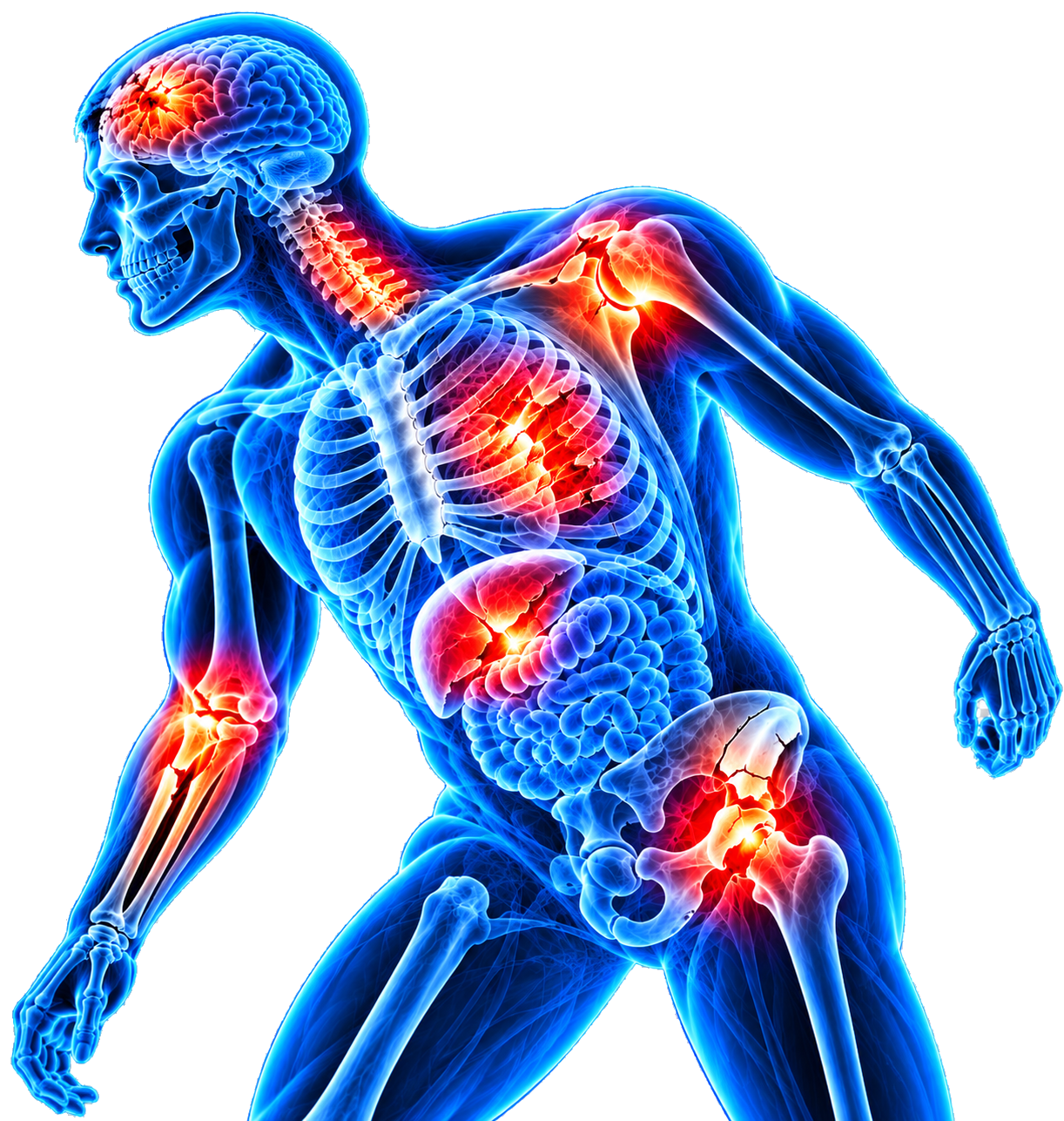
24 / 7 - Trauma & Accident Response
Emergency assessment and stabilisation following accidents and serious injuries
Rapid Assessment - Emergency Trauma Evaluation
Prompt evaluation of head injuries, fractures and suspected internal injuries
Surgery · Orthopaedics - Emergency Surgical Support
Timely surgical and orthopaedic management when clinically required
ICU · Critical Care - Advanced Trauma Support
Continuous monitoring and critical care for patients with severe injuries
Emergency Signs
Severe bleeding, loss of consciousness, difficulty breathing, severe head injury, suspected spinal injury, chest or abdominal trauma, major fractures, severe burns, sudden confusion, or collapse after an accident may be a medical emergency. Seek immediate emergency care. Call PACE Hospitals: 04048486868.
What Is a Trauma and Accident Emergency?
What Is a Trauma and Accident Emergency?
A trauma and accident emergency is an injury or group of injuries caused by an external force that requires immediate medical assessment and treatment. Trauma may occur due to road traffic accidents, falls, workplace or industrial accidents, sports injuries, burns, violence, or other unexpected incidents.
Trauma can range from minor injuries to serious, life-threatening conditions. Depending on the type and severity of the accident, injuries may affect different parts of the body, including:
- Brain and head.
- Spine and spinal cord.
- Chest and lungs.
- Abdomen and internal organs.
- Bones, joints, and muscles.
- Blood vessels and circulation.
- Skin and soft tissues.
- Multiple organs or body systems in cases of major trauma.
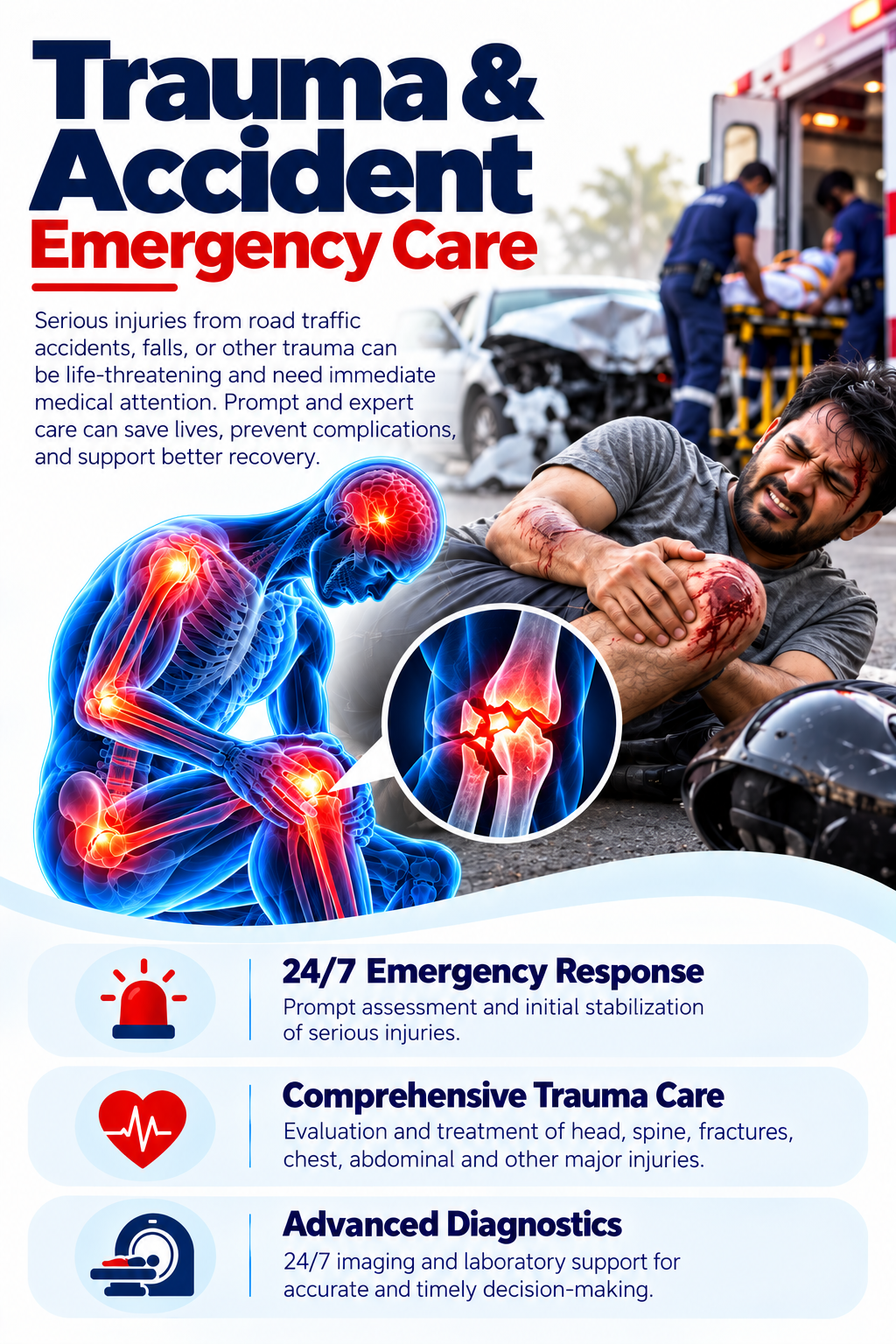
Some trauma injuries are easy to see, such as heavy bleeding, open wounds, deformities, or fractures. However, serious injuries can also happen inside the body without any clear external signs. Internal bleeding, brain injuries, chest injuries, or damage to abdominal organs may show very few symptoms at first but can become worse over time.
PACE Hospitals provides 24/7 emergency trauma and accident care in Hyderabad for patients with sudden or serious injuries. The emergency team checks the patient’s condition, looks for any life-threatening injuries, provides immediate stabilization, and arranges the necessary tests and specialist treatment based on the type and severity of the injury.
Getting medical attention quickly after a serious accident is important because problems like bleeding, breathing difficulties, head or spinal injuries, shock, or damage to internal organs can get worse in a short time. Early treatment can help keep the person stable, find injuries that may not be obvious at first, and reduce the risk of complications. It also makes sure the person gets the right emergency care as soon as possible.
When to Seek Emergency Care After an Accident?
After an accident, some injuries may be obvious, while others can be difficult to notice at first. Immediate medical attention is needed if any of the following signs or symptoms are present:
- Severe or uncontrolled bleeding.
- Loss of consciousness (LOC) or difficulty waking up.
- Confusion, unusual behaviour, or reduced alertness.
- Severe headache or repeated vomiting after a head injury.
- Seizures following an injury.
- Difficulty breathing or severe chest pain.
- Suspected neck or spinal injury.
- Severe abdominal or pelvic pain.
- Vomiting blood or coughing up blood.
- Blood in the urine after significant trauma.
- Major fractures, deformity, or inability to use a limb.
- Severe burns or extensive skin injuries.
- Crush injuries.
- Sudden weakness, numbness, or difficulty moving a limb.
- Pale, cold, clammy skin along with weakness or dizziness.
- Collapse or signs of shock.
- Multiple injuries following a major accident.
Some serious injuries may not cause clear symptoms immediately. Internal bleeding, head injuries, or damage to internal organs can sometimes develop gradually. Therefore, medical assessment may be important even if a person appears relatively well after a significant accident.
Do Not Ignore Injuries After an Accident
Some injuries may not be obvious immediately after an accident. Even when a person feels relatively well, certain symptoms can indicate a more serious problem. Pay attention to the following warning signs:
Seek emergency assessment when an injury is:
- Significant or caused by a high-impact accident.
- Associated with loss of consciousness(LOC).
- Causing persistent or worsening pain.
- Associated with bleeding or swelling.
- Causing difficulty breathing.
- Associated with weakness, numbness, or loss of movement.
- Associated with confusion, drowsiness, or repeated vomiting.
- Associated with a suspected fracture or dislocation.
- Associated with a possible neck or spinal injury.
Do not try to move someone unnecessarily if a neck or spinal injury is suspected. Some injuries, particularly to the head, chest, abdomen, or spine, may require further examination or scans even when there are no obvious external signs. If symptoms appear or worsen after an accident, seek medical attention promptly.
Not all chest pain is caused by heart disease. It may be related to the lungs, food pipe, stomach, muscles, ribs, or nerves. However, it is not safe to assume that chest pain is minor without medical evaluation.
Treat chest pain as an emergency when it is:
- New or unexplained.
- Severe or persistent.
- Associated with sweating, nausea, or breathlessness.
- Accompanied by fainting or severe dizziness.
- Spreading to the arm, jaw, neck, shoulder, back, or upper abdomen.
- Present in a person with diabetes, high blood pressure, high cholesterol, kidney disease, or known heart disease.
- For severe symptoms, ambulance transport is generally safer than driving to the hospital because emergency assessment and support can begin during transfer when needed.
Not all chest pain is caused by heart disease. It may be related to the lungs, food pipe, stomach, muscles, ribs, or nerves. However, it is not safe to assume that chest pain is minor without medical evaluation.
Treat chest pain as an emergency when it is:
- New or unexplained.
- Severe or persistent.
- Associated with sweating, nausea, or breathlessness.
- Accompanied by fainting or severe dizziness.
- Spreading to the arm, jaw, neck, shoulder, back, or upper abdomen.
- Present in a person with diabetes, high blood pressure, high cholesterol, kidney disease, or known heart disease.
- For severe symptoms, ambulance transport is generally safer than driving to the hospital because emergency assessment and support can begin during transfer when needed.
Sudden weakness or paralysis affecting one side of the face, arm, or leg is an important stroke warning sign. The weakness may appear suddenly and may occur with facial drooping, speech difficulty, vision changes, or loss of balance.
- Do not wait to see whether the weakness improves. Immediate emergency assessment is important because some stroke treatments are time-sensitive.
Sudden Paralysis or One-Sided Weakness
Sudden Vision Problems
A stroke can cause sudden changes in vision, including blurred or double vision or loss of vision in one or both eyes.
- Sudden unexplained vision problems, particularly when accompanied by other neurological symptoms, require urgent assessment.
Sudden Loss of Balance
A sudden loss of balance, coordination, or ability to walk normally can be a sign of stroke, particularly when it develops without an obvious explanation.
- Sudden dizziness with difficulty walking, weakness, vision changes, or speech problems should not be dismissed as a minor problem.
Sudden Severe Headache
A sudden, severe headache with no known cause can be a warning sign of a serious neurological emergency, including hemorrhagic stroke.
- When severe headache occurs with vomiting, weakness, speech difficulty, seizures, confusion, loss of consciousness, or other sudden neurological changes, emergency medical evaluation is required.
Common Trauma and Accident Emergencies Treated at PACE Hospitals
Accidents can cause different types of injuries, ranging from minor wounds to serious injuries involving the head, spine, chest, abdomen, or multiple parts of the body. At PACE Hospitals, treatment is planned according to the type and severity of the injury. Depending on the condition, care may include emergency stabilization, imaging tests, surgery, intensive care, or treatment by a specialist team.
Road Traffic Accident Injuries
Road traffic accidents involving cars, motorcycles, and other vehicles can result in injuries ranging from minor cuts and bruises to serious or multiple injuries. Pedestrians may also suffer significant trauma after being hit by a vehicle.
Treatment depends on the severity of the injuries. Some patients may need immediate stabilization and imaging, while others may need surgery, intensive care, or specialist care.
Common injuries include:
- Head injuries
- Fractures and dislocations
- Chest injuries
- Abdominal injuries
- Soft-tissue injuries
- Multiple injuries involving different parts of the body
Head Injury and Traumatic Brain Injury
Head injuries can range from mild injuries and concussion to skull fractures and bleeding inside the brain. Some brain injuries may not be obvious immediately after an accident.
Emergency assessment may include a neurological examination, monitoring, and CT imaging when required. Serious injuries may need treatment by a neurosurgical team.
Warning symptoms may include:
- Loss of consciousness
- Persistent or worsening headache
- Repeated vomiting
- Confusion
- Drowsiness
- Seizures
- Weakness or numbness
- Unequal pupils
- Difficulty speaking or walking
Spinal and Neck Injuries
Neck or spinal injuries can happen after road accidents, falls, or other high-impact trauma. These injuries may affect the cervical spine, spinal bones, or spinal cord.
If a spinal injury is suspected, unnecessary movement should be avoided because it may make the injury worse. The patient should be assessed carefully and stabilised before further movement or treatment.
Possible symptoms include:
- Sudden facial weakness or drooping.
- Slurred speech or difficulty understanding speech.
- Sudden weakness or numbness of an arm or leg.
- Sudden vision changes.
- Sudden dizziness or loss of balance.
Fractures and Dislocations
Fractures and dislocations are common following falls, road accidents, and other types of trauma. They can affect the arms, legs, pelvis, shoulders, and other bones or joints.
Treatment depends on the type and location of the injury and may include immobilisation, splinting, pain management, reduction of a dislocation, or casting. Some fractures and dislocations may require surgical fixation.
Common signs include:
- Pain
- Swelling
- Deformity
- Restricted movement
- Inability to bear weight
Chest Trauma
Chest injuries can involve the ribs, the chest wall, or the lungs. They can also affect other areas inside the chest. Common examples include broken ribs, lung damage, a collapsed lung (pneumothorax), and bleeding around the lung (hemothorax).
Chest trauma may sometimes cause internal injuries without any visible signs on the outside. Prompt medical assessment is important, especially if there is difficulty breathing or severe chest pain.
Emergency symptoms may include:
- Difficulty breathing
- Chest pain
- Rapid breathing
- Low oxygen levels
- Coughing up blood
- Bluish lips or skin
Abdominal and Pelvic Trauma
Injuries to the abdomen and pelvis can result from blunt trauma, penetrating injuries, or high-impact accidents. They may affect organs such as the liver, spleen, or kidneys, as well as the pelvic bones.
Serious internal bleeding may occur even when there is little or no bleeding on the outside of the body. Further assessment and imaging may be needed to identify internal injuries.
These injuries may include:
- Blunt abdominal trauma
- Penetrating injuries
- Liver or spleen injuries
- Kidney injuries
- Pelvic fractures
- Internal bleeding
Severe Bleeding and Shock
Severe trauma can cause heavy blood loss and traumatic shock. The bleeding may be visible or may occur inside the body without any obvious external signs.
Emergency treatment focuses on controlling bleeding, stabilising the patient, and treating the effects of blood loss. Blood or transfusion support may be provided when medically required and where available.
Warning signs may include:
- Heavy bleeding
- Pale or clammy skin
- Rapid pulse
- Weakness
- Dizziness
- Confusion
- Fainting
- Low blood pressure
Trauma Emergency Assessment and Diagnosis
Trauma patients are assessed based on the urgency and severity of their injuries. The first priority is to identify and treat any life-threatening problems, followed by a detailed examination and the necessary tests to understand the extent of the injuries.
01
Rapid Triage and Initial Stabilisation
The emergency team quickly checks the patient's overall condition and looks for injuries that need immediate treatment. The initial assessment may include:
- Airway
- Breathing
- Circulation
- Disability or neurological status
- Exposure and identification of other injuries
- Level of consciousness
- Blood pressure
- Pulse
- Oxygen saturation
- Temperature
- Pain
- Visible bleeding
- Cervical spine protection is also considered when a neck or spinal injury is suspected.
02
Imaging and Diagnostic Tests
The tests required depend on the patient's condition, the type of accident, and the suspected injuries. Doctors may use imaging and blood tests to identify fractures, internal bleeding, organ damage, and other injuries.
X-Ray
X-rays may be used to check for:
- Fractures
- Dislocations
- Chest injuries
CT Scan
A CT scan may be recommended for selected patients with suspected:
- Head injuries
- Spine injuries
- Chest injuries
- Abdominal injuries
- Pelvic injuries
- Complex trauma
Ultrasound / FAST
FAST (Focused Assessment with Sonography in Trauma) may be used in selected trauma patients to quickly check for signs of internal bleeding.
03
Blood Tests
Depending on the patient's condition, blood tests may include:
- Complete blood count
- Blood grouping and crossmatching
- Kidney function tests
- Electrolytes
- Blood glucose
- Coagulation tests
- Blood gas analysis
- Other tests as required by the clinical condition
The specific tests performed are based on the patient's injuries and overall condition.
Trauma & Accident Emergency Treatment at PACE Hospitals
Treatment after an accident depends on the type of injury and how serious it is. The emergency team first works to stabilise the patient and deal with any immediate threats to life. Once the patient is stable, further treatment is decided based on the injuries found during the examination and tests.
Emergency Trauma Care May Include:
- Depending on the patient's condition, treatment may include:
- Airway management
- Oxygen and breathing support
- Control of bleeding
- Intravenous access
- Fluid management
- Pain relief
- Wound care
- Splinting and immobilisation
- Fracture treatment
- Treatment of dislocations
- Blood or blood-product transfusion when needed
- Emergency surgery
- Neurosurgical treatment when required
- Orthopedic procedures
- Chest procedures for certain injuries
- Ventilator support
- ICU admission
- Continuous monitoring
The treatment given will depend on the patient's condition and the specialist services and facilities available at the hospital.
Head Injury Emergency Treatment
Treatment for a head injury depends on the type and severity of the injury. Some patients may need observation and regular checks, while others may require more intensive treatment or surgery.
Treatment may include:
- Neurological monitoring
- CT imaging
- Observation
- Medicines when needed
- Treatment for raised pressure inside the skull
- Neurosurgical procedures when required
- ICU care for severe injuries
Fracture and Orthopedic Trauma Treatment
Treatment for a fracture depends on where the injury occurred, how severe it is, and whether the bone has moved out of its normal position. Treatment may include:
- Immobilisation
- Splinting
- Closed reduction
- Casting
- Pain relief
- Surgical fixation
- External fixation for some severe injuries
- Rehabilitation after treatment
Bleeding and Shock Emergency Treatment
In cases of severe bleeding or shock, the main aim is to control the bleeding and maintain adequate blood flow to the body's vital organs.
Treatment may include:
- Control of bleeding
- Intravenous access
- Fluid resuscitation when appropriate
- Blood transfusion when required
- Emergency surgery or other procedures
- Monitoring of blood pressure and circulation
- ICU support for severe cases
The treatment required depends on the amount and source of bleeding and the patient's overall condition.
What to Do Immediately After a Serious Accident?
The first few minutes after a serious accident can be important. Stay calm, make sure the area is safe, and get emergency medical help as soon as possible.
If Someone Is Seriously Injured
- Move the person to a safe place only if staying there puts them in immediate danger.
- Call emergency medical services.
- Avoid moving the person unnecessarily, especially if a neck or spinal injury is suspected.
- Check whether the person is responsive and breathing.
- Follow the instructions given by emergency medical professionals.
- If there is severe external bleeding, apply firm pressure to the wound if it is safe to do so.
- Do not give food or drink to a seriously injured person.
- Stay with the injured person and wait for trained emergency professionals to arrive.
What Not to Do
- Do not move the injured person unless necessary for safety.
- Do not try to straighten a deformed limb.
- Do not remove an object that is stuck in the body.
- Do not give food or drink to a seriously injured person.
- Do not delay medical care by trying to assess or treat serious injuries yourself.
Why Timely Trauma Emergency Care Matters?
Serious injuries, major bleeding, head injuries, spinal injuries, and multiple trauma can worsen quickly after an accident. Timely emergency trauma care helps doctors identify potentially life-threatening injuries, begin stabilization, and arrange the appropriate treatment without delay.
Prompt emergency care can help:
- Identify life-threatening injuries and complications early.
- Control severe bleeding and support circulation.
- Protect the airway and support breathing when required.
- Detect internal bleeding and other hidden injuries.
- Identify serious head, brain, neck, and spinal injuries.
- Stabilize patients with shock or other critical conditions.
- Assess and manage fractures, dislocations, wounds, and other traumatic injuries.
- Arrange emergency procedures or surgery when needed.
- Monitor patients who require ICU or critical care support.
- Coordinate care among emergency medicine, trauma surgery, orthopedics, neurosurgery, critical care, imaging, and other specialist teams.
Who Is at Higher Risk of Serious Complications After Trauma?
Not everyone responds to an injury in the same way. Certain people may need closer observation or further medical assessment after an accident. This may include:
- Older adults: Injuries may be more serious than they first appear, and recovery may take longer.
- Young children: They may have difficulty explaining their symptoms, which can make some injuries harder to recognize.
- People taking blood-thinning medicines: These medicines can increase the risk of bleeding, including internal bleeding.
- People with bleeding disorders: They may be at greater risk of prolonged or serious bleeding after an injury.
- People with significant heart, lung, kidney, or other chronic conditions: Existing health conditions may affect how the body responds to trauma.
- People with multiple injuries: Injuries involving different parts of the body may require closer monitoring and coordinated treatment.
- People with head injuries: Some brain injuries may not cause obvious symptoms at first and can become more serious over time.
- People with suspected spinal injuries: These injuries need careful assessment and handling to reduce the risk of further damage.
- People involved in high-impact accidents: The force involved can cause serious internal injuries even when there are few visible signs.
If there is concern about the severity of an injury, medical assessment should not be delayed simply because the person appears well initially.
Trauma & Accident Emergency Care at PACE Hospitals
PACE Hospitals provides 24/7 emergency and trauma care in Hyderabad for patients with road traffic accident injuries, falls, workplace injuries, fractures, head injuries, spinal injuries, severe bleeding, burns, multiple trauma, and other serious accident-related conditions. The emergency department provides rapid assessment and stabilization and coordinates with trauma surgery, orthopedics, neurosurgery, critical care, diagnostic, imaging, and other specialist teams according to the patient’s needs.
Emergency Trauma Care Pathway
- Immediate triage: Rapid assessment of airway, breathing, circulation, level of consciousness, bleeding, vital signs, and overall injury severity.
- Initial stabilization: Immediate measures to support breathing and circulation, control bleeding, manage pain, protect the airway, and stabilize other life-threatening problems when required.
- Rapid diagnosis: X-rays, CT scans, ultrasound, blood tests, and specialist evaluation based on the type and severity of the injury.
- Stabilization and treatment: Wound care, fracture management, immobilization, medicines, emergency procedures, surgery, breathing support, or other treatment based on the diagnosis and clinical condition.
- Ongoing care: Admission to ICU or the ward, observation, surgery, rehabilitation, specialist follow-up, or transfer to the appropriate specialty service when required.
Need urgent help? If you or someone around you has suffered a serious accident, severe bleeding, loss of consciousness, difficulty breathing, suspected head or spinal injury, or another serious injury, seek emergency care immediately. Call PACE Hospitals: 04048486868.
When Should You Call an Ambulance for a Trauma Emergency?
Call emergency medical services immediately if someone has:
- Severe or uncontrolled bleeding.
- Loss of consciousness or reduced responsiveness.
- Severe difficulty breathing.
- Suspected head, neck, or spinal injury.
- Severe head injury or repeated vomiting after a head injury.
- Multiple serious injuries after an accident.
- Major fractures, severe deformity, or inability to move a limb.
- Severe burns or extensive injuries.
- Signs of shock, like pale or clammy skin, severe weakness, dizziness, or confusion.
- Sudden confusion or worsening alertness after an injury.
- Collapse following an accident.
- Any serious injury where safe transport to the hospital is uncertain.
For serious trauma, emergency medical transport is preferred because it allows the patient to be assessed, monitored, and stabilised during transfer when required. The emergency team can also provide initial care if the patient's condition worsens before reaching the hospital.
Do not delay emergency care to arrange your own transport if the person is seriously injured or unstable.
Frequently Asked Questions on Trauma & Accident Emergencies
What is a trauma emergency?
A trauma emergency is a serious injury that needs medical attention without delay. It can happen after a road accident, fall, workplace injury, sports injury, burn, or other incident. The injury may involve the head, spine, chest, abdomen, bones, or other parts of the body. In some cases, serious internal injuries may not be obvious at first.
What injuries require immediate emergency care after an accident?
Some injuries need emergency medical attention, such as heavy bleeding, trouble breathing, fainting, serious head injuries, possible spinal injuries, major fractures, or severe burns. Severe pain in the chest or stomach, confusion, extreme weakness, or signs of shock should also be taken seriously. If someone has several injuries after a serious accident, they should be checked by a medical professional as soon as possible. It is better to get help early rather than wait for the symptoms to get worse.
What should I do immediately after a road traffic accident?
Move away from immediate danger if it is safe to do so and call emergency medical services. Avoid moving an injured person unless there is a serious risk at the scene, especially if a neck or spinal injury is possible. For heavy external bleeding, apply firm pressure with a clean cloth or dressing if you can do so safely. Stay with the injured person and follow the instructions given by the emergency team.
Should I go to the emergency department if I feel fine after an accident?
It depends on what happened and how hard the person was hit. Some injuries, especially those affecting the head, chest, or abdomen, may not show obvious signs at first. It is a good idea to get checked after a serious accident or a strong impact. If symptoms such as pain, dizziness, vomiting, confusion, or anything unusual develop later, seek medical help as soon as possible.
What are the warning signs of a serious head injury?
A worsening headache, repeated vomiting, confusion, unusual sleepiness, seizures, or loss of consciousness can indicate a serious head injury. Weakness, numbness, trouble speaking, or difficulty walking are also concerning symptoms. Blood or clear fluid coming from the nose or ears after a head injury needs medical attention. Anyone who becomes difficult to wake or shows a change in behaviour should be taken for emergency care.
What should I do if I suspect a spinal injury?
Keep the person as still as possible and call emergency medical services. Do not ask them to sit up, stand, or walk if a neck or back injury is suspected. Neck or back pain, numbness, weakness, or difficulty moving the arms or legs can be signs of spinal injury. If there is an immediate danger at the accident site, follow emergency responders' instructions about moving the person safely.
How is a traumatic brain injury diagnosed?
The doctor will first ask about the accident and check the person's alertness, memory, movement, sensation, and other neurological functions. A CT scan may be done when there is concern about bleeding, swelling, or a skull injury. Depending on the symptoms, the patient may also need observation or other tests. The type of assessment depends on the severity and nature of the injury.
What tests are performed for accident-related injuries?
There is no single test used for every accident injury. X-rays may be used to check for broken bones, while CT scans can provide detailed images of the head, spine, chest, abdomen, or pelvis. Ultrasound may be used in some trauma cases to look for internal bleeding. Blood tests and other investigations are chosen according to the person's symptoms and examination findings.
When does a fracture require emergency treatment?
A fracture needs medical attention if there is severe pain, a lot of swelling, an unusual shape, an open wound, or trouble moving the injured area. Numbness, weakness, heavy bleeding, or a change in the colour or temperature of the limb can also be signs of a serious injury. Some fractures can damage nearby nerves or blood vessels. Treatment depends on the injury and may include a splint, cast, realigning the bone, or surgery.
What are the signs of internal bleeding after an accident?
Internal bleeding is not always easy to notice because there may be no blood on the outside. A person may feel dizzy, weak, or faint, and their skin may look pale or feel cold and sweaty. Other signs can include a fast heartbeat, confusion, or pain that keeps getting worse. They may also have pain or swelling in the chest or stomach area, depending on the injury. If you think someone may have internal bleeding, get medical help right away because losing a lot of blood can quickly become dangerous.
What are the signs of shock after an injury?
A person who is in shock may look pale and feel cold or sweaty. They might feel weak, dizzy, or confused, and their breathing and heartbeat may become faster than normal. In serious cases, they may lose consciousness. Shock can happen after heavy blood loss or a serious injury and needs immediate medical attention. Call emergency services and stay with the injured person until help arrives.
When does an accident injury require surgery?
Surgery is considered when an injury is too severe to be treated safely with medicines, immobilization, wound care, or other non-surgical methods. It may be needed for some serious fractures, internal bleeding, damaged blood vessels, or injuries to the brain or internal organs. The decision depends on the location and extent of the injury and the patient's condition. Not every serious injury following an accident requires an operation.
Should I move someone who has been injured in an accident?
Do not move an injured person unnecessarily, particularly if there may be an injury to the head, neck, or spine. Moving them without proper support could make certain injuries worse. If the area is unsafe because of traffic, fire, or another immediate threat, getting the person to safety may be necessary. Otherwise, call emergency services and follow their instructions until help arrives.
When should I call an ambulance after an accident?
Call an ambulance if someone is bleeding heavily, has lost consciousness, is having trouble breathing, or has suffered a serious head or spinal injury. An ambulance is also needed for major fractures, severe burns, multiple injuries, or if the person has collapsed, seems confused, or is showing signs of shock. Emergency medical teams can assess the person and provide immediate care on the way to the hospital. If the injury is serious, do not waste time arranging private transport, as getting medical help quickly is important.
Can serious injuries occur even when there is no visible bleeding?
Yes. A person can have a serious injury without having any bleeding that can be seen from the outside. Injuries to the brain, chest, abdomen, or internal organs can sometimes remain hidden initially. Increasing pain, dizziness, weakness, confusion, breathing difficulty, or fainting after an accident should be taken seriously. Medical assessment is important after a significant accident, even when there are no obvious external wounds.
Title or Question
Describe the item or answer the question so that site visitors who are interested get more information. You can emphasize this text with bullets, italics or bold, and add links.
Conclusion
Trauma and accidents can require immediate medical care. Heavy bleeding, fainting or loss of consciousness, trouble breathing, a possible head or spinal injury, collapse, or a serious injury after an accident should be treated as an emergency and checked by a doctor without delay.
PACE Hospitals provides emergency trauma and accident care in Hyderabad for patients with road traffic injuries, head injuries, spinal injuries, fractures, severe bleeding, burns, multiple injuries, and other accident-related emergencies. Timely treatment helps doctors identify the injury, stabilize the patient, and start the required care without delay.


