
Rotator Cuff Repair Surgery - Types, Benefits & Procedure
PACE Hospitals offers
advanced rotator cuff repair surgery in Hyderabad, India, providing personalized treatment based on the extent of the tendon tear, symptoms, and shoulder function. Our experienced orthopaedic surgeons perform arthroscopic and other appropriate surgical techniques to repair damaged tendons, relieve pain, and restore shoulder mobility.
Treatment is tailored for patients with partial or complete rotator cuff tears, including traumatic and persistent injuries. Patients receive personalized guidance on recovery, physiotherapy, and activity restrictions to support safe healing and a gradual return to daily activities.
Book an Appointment for Rotator Cuff Surgery
Rotator Cuff Repair Surgery Appointment
Why Choose PACE Hospitals for Rotator Cuff Repair Surgery?
Expert Orthopaedic Surgeons Specializing in Arthroscopic & Open Rotator Cuff Repair
Minimally Invasive Arthroscopic Rotator Cuff Repair with Precision Anchor Placement, Tissue Preservation & Faster Recovery
Comprehensive Rotator Cuff Repair with Personalized Treatment Plans, Insurance & Cashless Options
Recognized for excellence in healthcare delivery with
NABH, NABL, NBE/DNB, NABH Nursing Excellence, and ISCCM accreditations.
What is rotator cuff repair surgery?
Rotator cuff repair is a surgical technique that repairs a torn tendon in the shoulder's rotator cuff, a combination of muscles and tendons that stabilize the shoulder joint and allow the arm to move smoothly. During surgery, the torn tendon is reattached to the upper arm bone (humerus), often using specialized sutures and small anchors. Depending on the size and complexity of the tear, the operation can be performed using arthroscopic surgery (tiny incisions and a camera), open surgery, or a mini-open approach.
Rotator cuff surgery is usually suggested for individuals who have severe pain, weakness, loss of shoulder function, or tears that do not respond to non-surgical treatments like physiotherapy. The major goals of surgery are to alleviate pain, regain shoulder strength and mobility, and improve arm function.
Rotator cuff surgery is performed collaboratively by a skilled medical team comprising an orthopedic surgeon, an anesthesiologist or nurse anesthetist, surgical nurses, and surgical technicians.
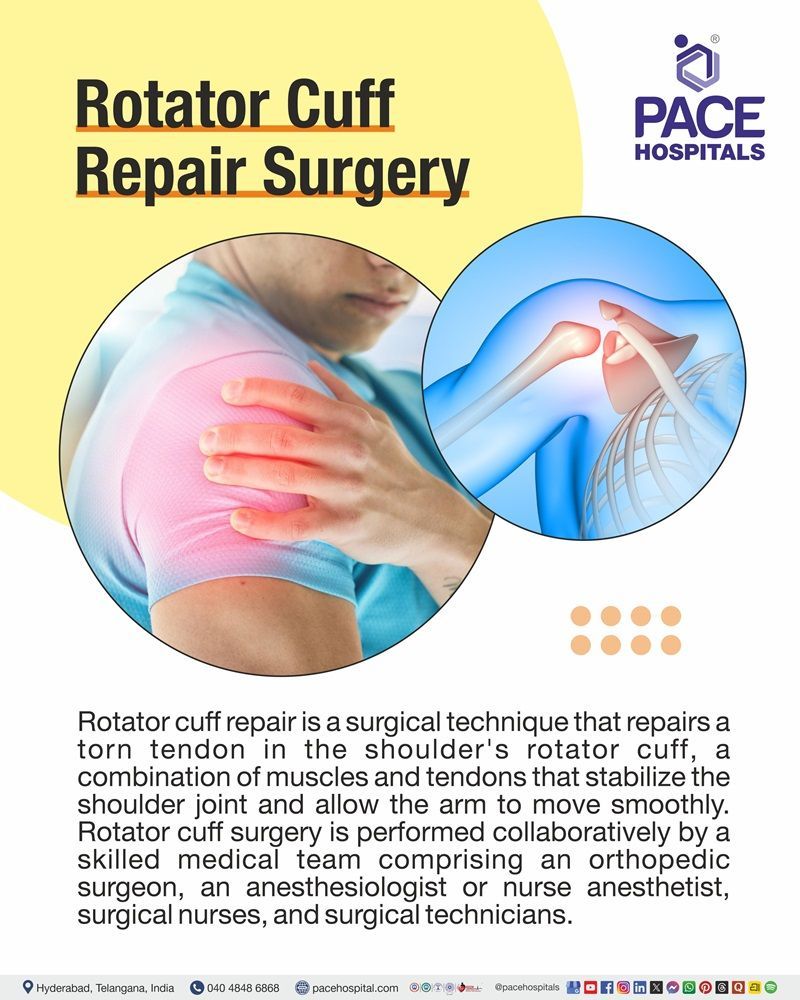
Rotator cuff repair surgery meanin
The word "rotator cuff" is derived from two ideas:
- "Rotator" refers to muscles that turn a bodily part around its axis.
- "cuff" refers to a soft tissue structure that surrounds a joint.
In medical terminology, the rotator cuff is a group of four muscles and their tendons that form a cuff around the shoulder (glenohumeral) joint. It stabilizes the joint and enables movements such as lifting and rotating the arm.
Types of rotator cuff repair surgery
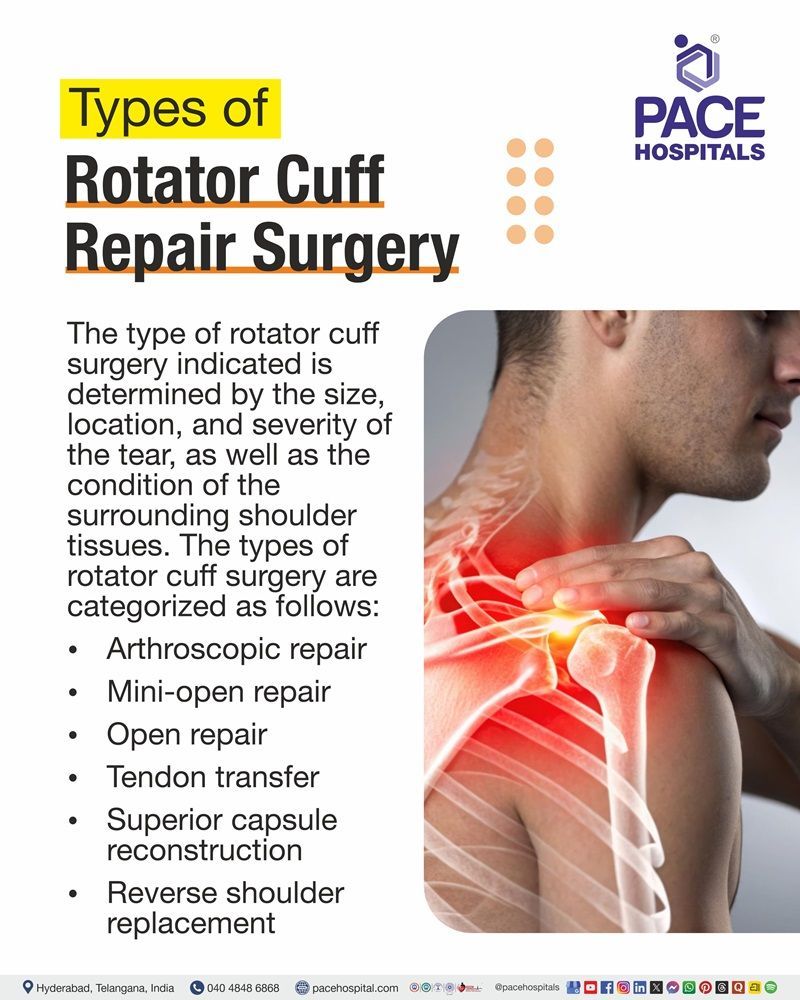
The type of rotator cuff surgery indicated is determined by the size, location, and severity of the tear, as well as the condition of the surrounding shoulder tissues.
The types of rotator cuff surgery are categorized as follows:
Surgical repair techniques
- Arthroscopic repair
- Mini-open repair
- Open repair
Procedures for massive or irreparable tears
- Tendon transfer
- Superior capsule reconstruction
- Reverse shoulder replacement
Surgical repair techniques
Arthroscopic repair
In a minimally invasive procedure known as arthroscopic repair, the surgeon makes a tiny incision to insert a tiny camera (arthroscope) and then uses specialized tools to make other tiny incisions to repair the torn rotator cuff tendon. This technique prevents tissue damage while allowing sight of the inside of the shoulder.
Mini-open repair
The mini-open repair combines arthroscopic and open surgery. The surgeon uses an arthroscope to remove damaged tissue or bone spurs before making a minor incision (approximately 2-3 inches) to repair the torn rotator cuff tendon directly. This method attempts to strike a balance between minimally invasive and traditional open procedures.
Open repair
Making a larger surgical incision and gently shifting the deltoid muscle aside provides direct access to the damaged tendon for repair. This technique is often performed for severe, complex, or large rotator cuff injuries that would be difficult to treat with less-invasive approaches.
Procedures for massive or irreparable tears
Tendon transfer
This treatment involves moving and attaching a neighboring tendon to replace the function of a severely injured rotator cuff tendon. It is primarily recommended for younger, active individuals with irreparable injuries to help regain shoulder movement and strength.
Superior capsule reconstruction
If a large tear cannot be repaired immediately, then SCR repairs the upper capsule of the shoulder using a graft. The goal of this procedure is to restore shoulder function, reduce pain, and preserve joint integrity.
Reverse shoulder replacement
This procedure involves replacing the affected joint in the shoulder with the reverse type of prosthesis, thus enabling the muscle in the deltoid area to compensate for the weakness of the rotator cuff. This procedure is normally recommended for elderly patients with severe rotator cuff injury.
Rotator cuff repair surgery indications
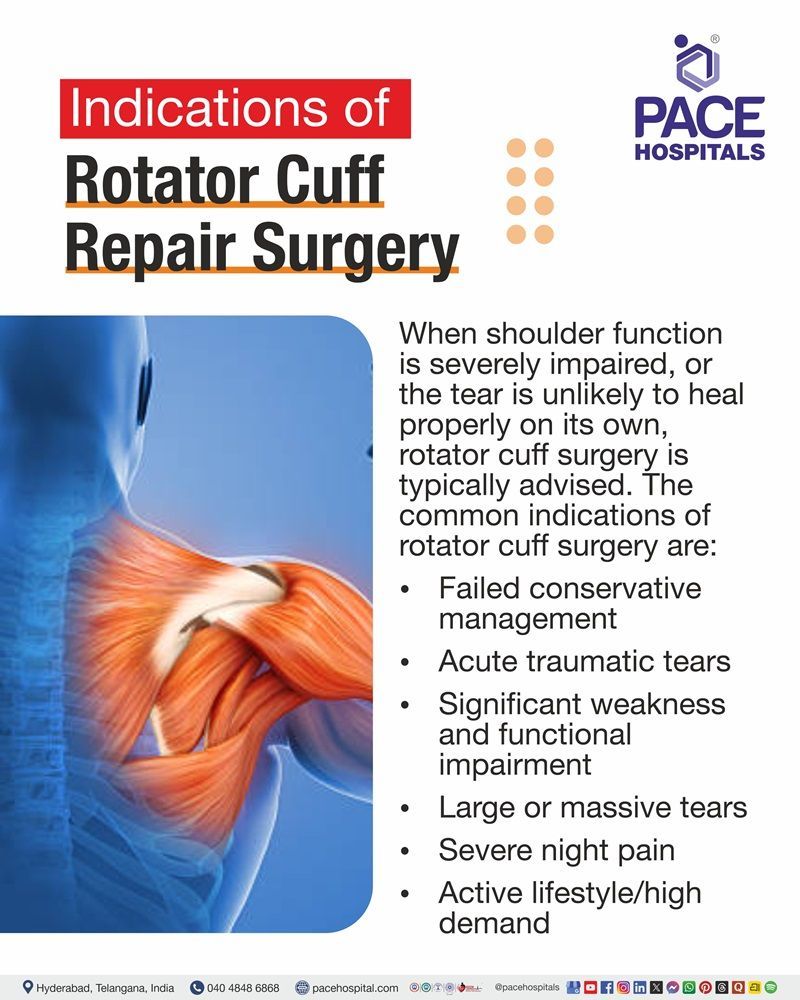
When shoulder function is severely impaired, or the tear is unlikely to heal properly on its own, rotator cuff surgery is typically advised. The common indications of rotator cuff surgery are:
- Failed conservative management
- Acute traumatic tears
- Significant weakness and functional impairment
- Large or massive tears
- Severe night pain
- Active lifestyle/high demand
Failed conservative management
When symptoms do not improve with appropriate non-surgical treatment, such as rest, painkillers, physical therapy, and corticosteroid injections, rotator cuff surgery is frequently recommended. After around 3 months of conservative therapy, persistent pain, weakness, and trouble carrying out everyday tasks are common causes for surgery.
Acute traumatic tears
In the case of unexpected trauma leading to tears of the rotator cuff, surgery may be recommended, especially for more active or young people. Immediate intervention may assist with regaining strength and improving healing ability since complete-thickness tears can lead to a significant reduction in shoulder movement ability.
Significant weakness and functional impairment
Symptoms that are indicative of surgery include observable muscle weakness, difficulty carrying out activities such as dressing, grasping or lifting objects, or lifting the arm up properly. Surgery is often suggested when there is no improvement in the impairment despite undergoing treatment.
Large or massive tears
Large or severe rotator cuff tears may gradually enlarge and are less likely to heal on their own. Surgical surgery is more suitable since these tears can result in significant loss of strength, altered shoulder mechanics, and an increased risk of irreversible muscle degeneration.
Severe night pain
Rotator cuff surgery is frequently indicated for persistent nighttime pain that interferes with sleep. One of the main reasons surgery is considered is when pain is severe enough to prevent rest or sleep despite conservative treatment.
Active lifestyle/high demand
Surgery to restore shoulder strength and function may be beneficial for people with physically demanding jobs, athletes, or those with extremely active lifestyles. To enable active patients with repairable tears to resume their desired level of activity, early surgical care is often considered.
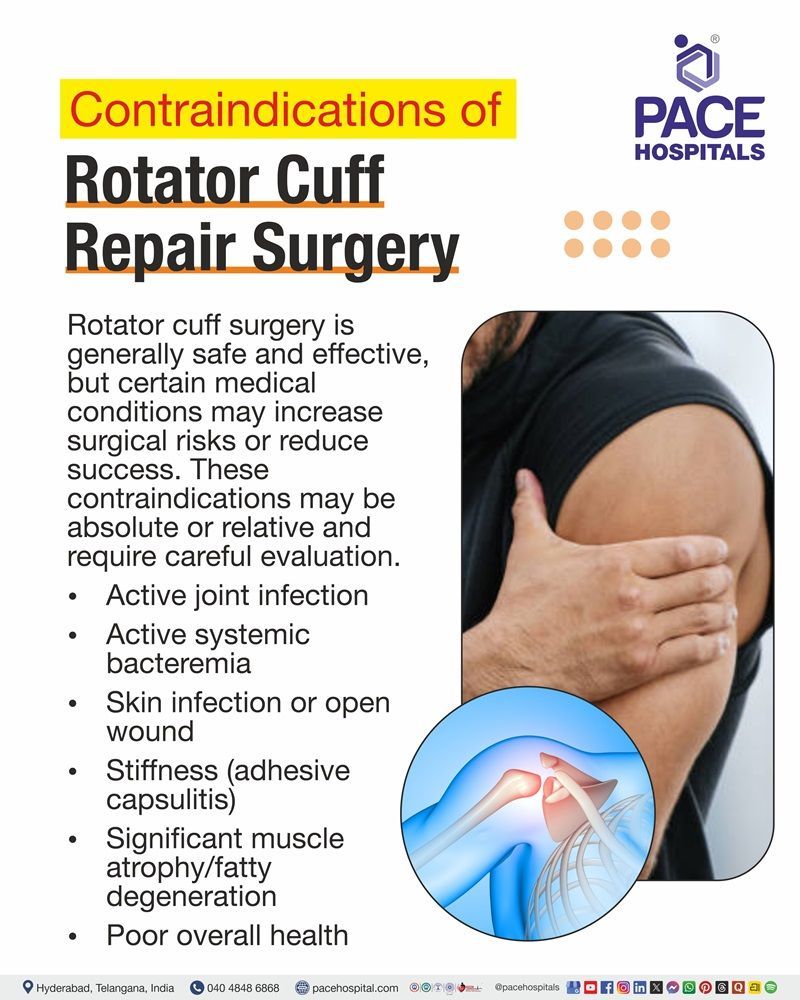
Rotator cuff repair surgery contraindications
Rotator cuff surgeries are very effective and safe for many patients; there are, however, some medical factors that could lead to increased risks of failure during surgery or the success of the procedure, rendering surgery inappropriate or requiring careful evaluation. Contraindications may be absolute or relative.
Absolute contraindications
- Active joint infection
- Active systemic bacteremia
- Skin infection or open wound
- Severe glenohumeral arthritis
Relative contraindications
- Stiffness (adhesive capsulitis)
- Significant muscle atrophy/fatty degeneration
- Poor overall health
- Smoking
- Inability to comply with rehabilitation
- Neurological deficits
Absolute contraindications
Active joint infection
When there is an active infection in the shoulder joint, rotator cuff repair should not be done since surgery can spread the infection and hinder healing. Before considering surgery, the infection must be treated and cleared up.
Active systemic bacteremia
The risk of infection of the surgical site and repaired tissues is increased when germs are present in the bloodstream. In most cases, surgery is delayed until the bloodstream infection has been effectively treated.
Skin infection or open wound
Postoperative infection risk is increased by skin infections or open wounds surrounding the shoulder. Before rotator cuff surgery, these issues should be completely resolved.
Severe glenohumeral arthritis
Rotator cuff restoration may be less successful if advanced shoulder arthritis is the primary cause of pain and dysfunction. Alternative treatments, such as shoulder replacement, might be more suitable in some situations.
Relative contraindications
Stiffness (adhesive capsulitis)
The outcome after shoulder stiffness surgery can be affected by the severity of the shoulder stiffness. For optimal results, pre-surgery improvement in shoulder motion is often recommended.
Significant muscle atrophy/fatty degeneration
Long-term rotator cuff tears can result in fatty infiltration and muscular atrophy, which lowers tendon quality and the chance of effective healing following treatment.
Poor overall health
Rotator cuff repair may be less appropriate in patients with general health issues that increase anaesthesia or surgical risks. When choosing a course of treatment, general health is a crucial consideration.
Smoking
Smoking has been related to poorer tendon healing, lower functional improvement, and less favourable outcomes after rotator cuff restoration. Before surgery, quitting smoking is frequently advised.
Inability to comply with rehabilitation
A successful recovery depends on postoperative rehabilitation. Patients who are unable to follow activity restrictions or participate in therapy may have a poorer surgical success rate.
Neurological deficits
Shoulder function and rehabilitation can be affected by nerve weakness or dysfunction, which can compromise the benefit of rotator cuff surgery. Therefore, a complete pre-operative evaluation is required.
Rotator cuff repair surgery benefits
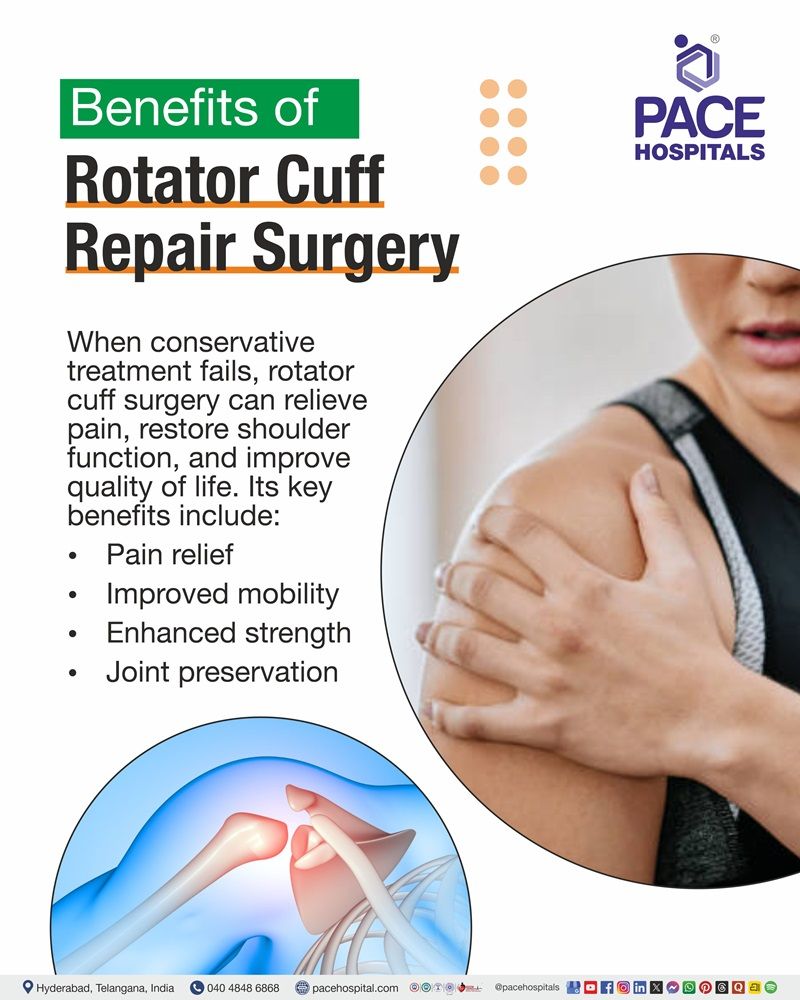
When conservative measures fail, surgery can help many patients with rotator cuff tears regain shoulder function, reduce pain, and improve their overall quality of life. The following are the advantages of rotator cuff surgery:
- Pain relief
- Improved mobility
- Enhanced strength
- Joint preservation
Pain relief
Surgery to repair the rotator cuff is quite effective for alleviating shoulder pain, especially if conservative treatments do not relieve it. Reconnecting the torn tendon will relieve pain from irritation and improve shoulder comfort during daily activities and while sleeping.
Improved mobility
A procedure aimed at restoring the torn rotator cuff tendon can help patients regain greater function and movement by restoring normal shoulder joint mechanics. Many people find that after surgery and rehabilitation, their mobility improves significantly.
Enhanced strength
Rotator cuff surgery, combined with postoperative physical therapy, can help rehabilitate shoulder joint strength by allowing the damaged tendon to heal properly. Strengthening muscles can improve performance at work and during recreational activities.
Joint preservation
The surgical procedure of treating a torn rotator cuff can help avoid further degeneration of the tendons due to their healing and restoration, along with fixing the shoulder joint's structure. This is why prompt repair can help maintain proper functioning of the joint.
Get a Free Second Opinion for Rotator Cuff Repair
At PACE Hospitals, we are committed to providing our patients with the best possible care, and that includes offering second medical opinions with super specialists for treatment or surgery. We recommend everyone to get an expert advance medical second opinion, before taking decision for your treatment or surgery.
Rotator cuff repair surgery steps
Procedure steps for rotator cuff tear repair include the following:
Before rotator cuff repair surgery
- Medical evaluation and physical examination: To ensure an individual is fit for surgery and anaesthesia, a doctor will examine the individual and review their medical history and may request blood tests or other investigations before rotator cuff surgery.
- Discuss medications and allergies: To ensure proper safety measures are taken, let the surgeon know about all prescription medications, over-the-counter medications, vitamins, herbal supplements, and any sensitivities to medications or anaesthetic agents.
- Adjust blood-thinning medications if advised: To lower the risk of bleeding, patients may be advised to temporarily stop taking blood thinners or some prescription anticoagulants before surgery.
- Following fasting instructions: Before surgery, an individual must strictly adhere to the instructions on when to stop eating and drinking. If not followed, the treatment may be postponed or cancelled, and the risks associated with anaesthesia may increase.
- Complete informed consent: The provider explains the Surgery method in detail, then asks the patient to sign a consent form, indicating that the patient is aware and consents to the procedure.
- Attend a preoperative physical therapy consultation: Before surgery, some patients consult with a physical therapist to review recovery expectations, postoperative exercises, rehabilitation, and methods to regain shoulder function.
- Arrange transportation and postoperative support: Individuals should plan for a competent adult to transport them home and help them during the early stages of recovery because anaesthesia and drowsiness can make it difficult for them to drive and carry out everyday tasks.
- Prepare appropriate clothing: Since the shoulder will likely be supported in a sling during the early stages of rehabilitation, patients need to choose loose, comfortable clothes that are easy to put on and take off after surgery.
During rotator cuff repair surgery
- Administration of anaesthesia: To keep the patient unconscious and pain-free during surgery, general anaesthesia is frequently administered. In addition to sedation, regional anaesthesia can also be utilized to numb the arm and shoulder.
- Positioning and preparation: The patient is placed in either the lateral decubitus (side-lying) or beach-chair (semi-seated) position. Before the operation starts, the shoulder area is cleaned and prepared with an antiseptic solution.
- Making the incision(s): For arthroscopic repair, the surgeon makes multiple small incisions (portals) or a larger incision for open repair. The surgical method being employed determines the number and size of incisions.
- Insertion of the arthroscope (if arthroscopic repair is performed): An arthroscope, a tiny camera attached to a video display, is inserted through a small incision to view the inside of the shoulder joint. More microscopic incisions are constructed for surgical instruments.
- Assessment and treatment of damaged tissue: Examining the rotator cuff tear and adjacent tissues, the surgeon removes injured tissue, inflamed bursa, or bone spurs as needed. This contributes to a favourable environment for tendon healing.
- Repair of the torn tendon: Sutures and suture anchors are used to reconnect the damaged rotator cuff tendon to the humeral bone. To properly anchor the tendon, various repair techniques may be used depending on the tear pattern.
- Closure of the incision(s): Sutures or surgical staples are used to seal the wounds after the repair is finished. Proper wound closure and healing are ensured.
- Application of dressings: Sterile dressings are then applied to the wound after suturing the incisions. For postoperative immobilization, a sling is usually used to support the shoulder.
After rotator cuff repair surgery
- Follow discharge and self-care instructions: Following rotator cuff repair, closely follow the surgeon's discharge and at-home care recommendations. These guidelines help in preserving the repair, minimizing problems, and promoting appropriate healing throughout the healing process.
- Wear a sling or shoulder immobilizer: After surgery, a sling or shoulder immobilizer is typically used to prevent shoulder movement and promote healing of the repaired tendon. The type of repair and the surgeon's advice determine how long it will be used.
- Manage postoperative pain: Prescription drugs are typically used to manage pain following surgery. During the healing process, medical staff might also suggest ways to lessen pain and swelling.
- Begin physical therapy as directed: It is an integral part of recovery, helping restore range of motion and strength in the shoulder. Physical therapy should be determined by the type of surgery the patient underwent and the doctor's recommendation regarding the recovery period.
- Perform prescribed shoulder exercises: It is crucial to perform the recommended shoulder exercises on their own. This will help ensure proper recovery without risking another injury.
- Allow adequate time for recovery: Recovery from rotator cuff surgery is not instantaneous, and the process usually takes 4-6 months and may extend longer depending on tear size, surgical technique, and rehabilitation progress.
Rotator cuff repair surgery complications
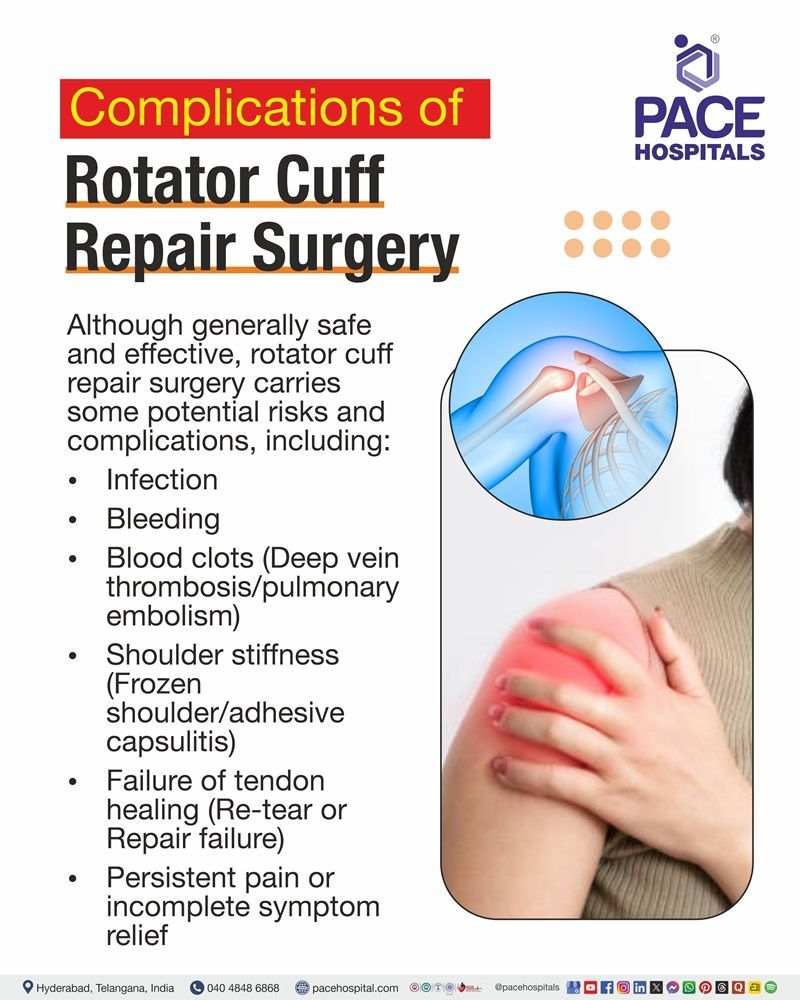
Like any surgical procedure, rotator cuff repair surgery has potential risks and complications that patients should be aware of before undergoing surgery, even though it is normally safe and effective. Rotator cuff repair surgery complications include:
- Infection
- Bleeding
- Blood clots (Deep vein thrombosis/pulmonary embolism)
- Shoulder stiffness (Frozen shoulder/adhesive capsulitis)
- Failure of tendon healing (Re-tear or Repair failure)
- Persistent pain or incomplete symptom relief
- Nerve injury
- Blood vessel injury
- Weakness or loss of shoulder function
- Shoulder dislocation
- Complex regional pain syndrome (CRPS)
Infection
After rotator cuff repair, infection may develop at the surgical site or spread beyond it into the shoulder joint. Redness, swelling, warmth, discharge, and fever are possible symptoms. Rotator cuff surgery carries a known risk of infection, which may require antibiotics or other treatments.
Bleeding
Bleeding may occur during or after surgery due to dissection of surgical tissue or damage to blood vessels. Most bleeding is moderate; on rare occasions, excessive bleeding may require medical intervention. Bleeding is a common complication of rotator cuff repair surgery.
Blood clots (Deep vein thrombosis/pulmonary embolism)
Following surgery, blood clots may develop in the deep veins of the legs (DVT), which could then spread to the lungs and result in a pulmonary embolism. Although rare, these issues can be dangerous and require immediate treatment.
Shoulder stiffness (Frozen shoulder/adhesive capsulitis)
Postoperative stiffness might limit a patient's range of motion and shoulder function. This could be caused by inflammation during the healing process, the formation of scar tissue, or prolonged immobility.
Failure of tendon healing (Re-tear or Repair failure)
After surgery, the repaired tendon might not heal properly or might rip again. Healing can be affected by factors such as postoperative activity, tear size, and tendon quality.
Persistent pain or incomplete symptom relief
Some people continue to experience shoulder pain, paralysis, or functional impairments after surgery. Complete symptom alleviation is not guaranteed, and recovery results differ from person to person.
Nerve injury
A nerve injury can occur near the shoulder area due to surgical procedures. Numbness, weakness, tingling, or other sensations can result from nerve injuries. It is not a frequent occurrence, but the patient may have difficulty using the shoulder or arm.
Blood vessel injury
The blood vessels in the area where the operation takes place may be injured, leading to bleeding or circulation problems. While such injuries are rare, additional treatment may be required. Injuries to blood vessels may be considered a risk factor in rotator cuff surgery.
Weakness or loss of shoulder function
Another risk is inadequate restoration of the shoulder joint's strength or function. This happens because, despite the operation being successful, the patient may continue to suffer from weakness due to poor healing or muscle degeneration.
Shoulder dislocation
While rare, shoulder joint instability can occur following a rotator cuff operation, leading to partial or complete dislocation. These dislocations bring about shoulder pain and other medical complications requiring further care.
Complex regional pain syndrome (CRPS)
CRPS is a rare but painful medical condition that can result from surgery or injury. Symptoms include long-term pain, swollen joints, limited range of motion, and skin changes in colour and temperature.
Rotator cuff repair surgery recovery timeline
The recovery period after surgery to repair a rotator cuff injury is gradual and takes several months. Patients use slings for 4-6 weeks after surgery and begin therapy to help regain mobility and strengthen their shoulder muscles. The time it takes to recover from rotator cuff surgery ranges from 4-6 months, but it could take longer than 6-9 months.
What questions can patients ask the healthcare team about rotator cuff repair surgery?
- Why is surgery necessary if I have a torn rotator cuff?
- Are there any non-surgical therapy alternatives available for my illness?
- What type of surgery will be performed to repair the rotator cuff?
- What are the potential benefits of rotator cuff repair surgery for my shoulder?
- What risks and complications can arise from the procedure?
- How can I prepare for surgery?
- What type of anaesthesia will be used during the procedure?
- How long will the procedure take, and will I need to stay in the hospital afterwards?
- What may I expect throughout my recovery?
- How long will I need to wear a sling following surgery?
- When will I be able to resume driving, playing sports, and working as usual?
- Will I need physical therapy, and how long will rehabilitation take?
Difference between rotator cuff repair surgery and shoulder replacement surgery
While both procedures can help with shoulder pain, shoulder replacement replaces a severely damaged joint, whereas rotator cuff repair repairs torn tendons. The table below shows the key differences between these surgeries:
| Characteristics | Rotator cuff repair surgery | Shoulder replacement surgery |
|---|---|---|
| Primary target | The tendons that support the shoulder are examples of soft tissues. | Hard tissues (the ball and socket of the shoulder joint). |
| Indication | Rotator cuff injuries are caused by trauma or degeneration. | Complicated fractures, rheumatoid arthritis, or advanced osteoarthritis. |
| Procedure | Uses sutures and anchors to reattach the damaged tendon to the bone; this is typically performed arthroscopically (via small incisions). | Replaces injured cartilage or bone with artificial prosthetic parts, either completely or partially. |
| Invasiveness | Less invasive; preserves the native joint. | More invasive; alters joint mechanics. |
| Early recovery | Slower: for 4 to 6 weeks, the arm must be immobilized in a sling with rigorous lifting restrictions (no more than 1 to 2 pounds). | Faster; Patients may move their arms in all directions sooner since the implant is instantly secure in the bone. |
| Rehabilitation program | Over several months, the passive range of motion will give way to active strengthening. | Regaining range of motion and progressively building strength under the supervision of a physiotherapist. |
| Outcome goal | Eliminate pain caused by the tear and restore natural strength and mobility. | Profound pain relief and functional restoration where the joint is chronically degenerated. |
Frequently Asked Questions (FAQs) on Rotator Cuff Repair Surgery
What is rotator cuff repair surgery?
Rotator cuff repair is a surgical procedure performed on the rotator cuff to repair a torn tendon. Rotator cuff repairs can be performed through an open surgical approach, arthroscopically, or a combination of the two. In this process, the torn tendon is anchored to the bone using small sutures and anchors to help restore shoulder function and reduce pain.
Why might I need rotator cuff repair surgery?
If nonsurgical treatments, including rest, medication, or physical therapy, do not alleviate shoulder pain, rotator cuff repair surgery may be advised. Additionally, if a major tear is present, the tear was caused by a recent acute injury, there is significant weakening or loss of shoulder function, or the symptoms have persisted for 6 to 12 months, surgery may be recommended.
How do I know if I have a rotator cuff tear?
Shoulder pain (particularly at night or when lying on the injured shoulder), weakness when lifting or rotating the arm, trouble raising the arm overhead, and a clicking or popping feeling during movement are all possible indicators of a rotator cuff rupture. While chronic tears may develop gradually with increasing pain, stiffness, and loss of mobility over time, sudden tears can result in severe pain and rapid weakening following an incident.
What are the different types of rotator cuff repair surgery?
Arthroscopic repair, mini-open repair, and open repair are the three primary forms of rotator cuff repair surgery. While mini-open repair combines arthroscopy with a small incision to repair the tendon, arthroscopic repair uses a tiny camera and equipment inserted through small incisions. Large or complicated rotator cuff injuries may be treated with open repair, which requires a larger incision.
Is rotator cuff repair surgery painful?
Yes. It is very common to have some pain after rotator cuff surgery, even though there will be no pain while the procedure takes place, since anesthesia will be administered. Pain may occur after the procedure due to shoulder repairs. It worsens once the nerve-blocking effect fades.
How long does rotator cuff repair surgery take?
Rotator cuff repair surgery often takes around 1 to 2 hours. However, this may vary depending on the size of the tear, the complexity of the repair, and whether the surgery is performed openly or arthroscopically (keyhole surgery). Larger or more complex tears may take longer to repair.
What happens during rotator cuff repair surgery?
General or regional anesthesia is administered during rotator cuff repair surgery. Depending on the extent and complexity of the tear, the surgeon may use a mini-open approach, arthroscopy (small incisions with a camera), or an open incision to repair the torn tendon. After utilizing sutures and tiny suture anchors to repair the severed tendon to the bone, the incisions are sealed and covered with a dressing.
What are the risks and complications of rotator cuff repair surgery?
Rotator cuff repair is relatively low-risk, though it still carries potential complications. These can include complications such as infections, bleeding, blood clots, shoulder stiffness, ongoing pain and damage to adjacent blood vessels or nerves. Other complications may arise when the procedure fails to alleviate symptoms or results in re-tearing of the tendon and muscle weakness.
How long will I need to wear a sling after surgery?
In cases of rotator cuff repair, most patients will need to use a sling for 4 to 6 weeks after surgery to protect the tendon during healing. The sling should always be used, except when performing the allowed exercises.
Can physiotherapy heal a rotator cuff tear without surgery?
Yes. Some individuals do not require surgery to manage the condition. Some individuals can alleviate their symptoms and regain shoulder function through physiotherapy. For partial tears, a patient can consider rest and physical therapy, whereas surgery is often recommended for larger or complete tears, especially if symptoms are severe or do not improve with physiotherapy.
What happens if a rotator cuff tear is left untreated?
If a rotator cuff tear is left untreated, symptoms such as shoulder pain, weakness, stiffness, and reduced motion may worsen as the tear enlarges. In addition to making daily tasks more challenging, untreated tears may result in decreased shoulder function. Additionally, if rotator cuff tears are not addressed, they may worsen over time.
Is arthroscopic rotator cuff repair better than open surgery?
Arthroscopic rotator cuff repair is not necessarily better than traditional surgery. Research indicates that both surgeries offer comparable long-term outcomes, including reduced pain, improved function, and other benefits. However, an arthroscopic procedure can be considered less traumatic with faster rehabilitation concerning strength and mobility, and lower post-operative pain for some patients. The decision will depend on the size of the tear, the quality of the tissue, and the surgeon's skills.
What activities should I avoid after rotator cuff repair surgery?
Following surgery to repair the rotator cuff tendons, the patient is asked to refrain from lifting heavy weights, pushing or pulling, and from activities that require lifting the arm above shoulder level or reaching behind the back. All of these will place pressure on the newly repaired tissue, increasing the risk of repair failure. In addition, the patient should also not bear any weight with the operated arm.
When can I resume sports after rotator cuff repair surgery?
Most patients can only resume sports gradually after sufficient recovery, rehabilitation, and approval from their physiotherapist or surgeon. After rotator cuff surgery, sport-specific activities are often started three to six months later. Depending on recovery, strength, and type of sport, a complete return to more strenuous or contact sports may take 6 to 12 months.
How long does shoulder stiffness last after rotator cuff repair surgery?
Following rotator cuff repair surgery, shoulder stiffness is frequently experienced during the healing process. Because movement is restricted and the shoulder is covered with a sling, it is frequently most apparent in the initial months following surgery. With rehabilitation, most patients progressively regain their range of motion, although residual stiffness may persist for several months. Most patients' postoperative stiffness resolves within 5 years of surgery.
Will I regain full shoulder strength after rotator cuff repair surgery?
Rotator cuff repair is highly effective in alleviating shoulder pain and improving function; however, shoulder joint strength is not always restored after such an operation, particularly after a large tear. The recovery period is 4-6 months, sometimes longer, and physical therapy is important for regaining motion and strength.
How long do the results of rotator cuff repair surgery last?
The effects of rotator cuff surgery are durable for many years. In most cases, patients notice substantial improvement in shoulder function and a sustained reduction in pain for 5 years, and in some cases even for 10 years following surgery. It should be noted that tear size, tendon healing, age, and rehabilitation compliance determine the duration of the effects.
What factors affect the success of rotator cuff repair surgery?
Many factors contribute to successful outcomes after rotator cuff repair surgery. Among them are the patient's age, the extent of damage, the condition of the tissues, and the patient's general health. Such risk factors as smoking, diabetes, osteoporosis, and high cholesterol levels hinder tendon healing, while adherence to the exercise routine will help.
How many days of hospital stay are required after rotator cuff repair surgery?
Most patients who undergo rotator cuff repair surgery are discharged on the same day. This is termed a day-case procedure. Nevertheless, some patients have to spend at least one night in the hospital, or even 24 hours, depending on their progress and overall condition. The medical team will determine the timing of discharge based on the patient's needs and safety.
Do all rotator cuff tears require surgery?
No. Most rotator cuff tears don't need surgery and can be treated with treatments such as physical therapy, medications to reduce swelling and inflammation, or steroid injections. Surgery is usually needed only if nonsurgical treatments fail to relieve symptoms, for large tears, or in active individuals(athletes).
Why choose PACE Hospitals?
- A Multi-Super Speciality Hospital.
- NABH, NABL, NBE & NABH - Nursing Excellence accreditation.
- State-of-the-art Liver and Kidney transplant centre.
- Empanelled with all TPAs for smooth cashless benefits.
- Centralized HIMS (Hospital Information System).
- Computerized health records available via website.
- Minimum waiting time for Inpatient and Outpatient.
- Round-the-clock guidance from highly qualified super specialist doctors, surgeons and physicians.
- Standardization of ethical medical care.
- 24X7 Outpatient & Inpatient Pharmacy Services.
- State-of-the-art operation theaters.
- Intensive Care Units (Surgical and Medical) with ISO-9001 accreditation.


