
Thyroid Surgery - Indications, Benefits & Procedure Steps
PACE Hospitals provides thyroid surgery in Hyderabad, India, with the choice of procedure determined by the extent of thyroid tissue involved and the planned surgical management. Surgical options include thyroid lobectomy, hemithyroidectomy, and total thyroidectomy.
The operation is generally performed through an incision at the lower part of the neck, allowing the surgeon to access and remove the required thyroid tissue. During the procedure, surrounding anatomical structures are carefully identified, with particular attention to the recurrent laryngeal nerves and parathyroid glands.
Book an Appointment for Thyroid Surgery
Thyroid Surgery Appointment Query
Why Choose PACE Hospitals for Thyroid Surgery?
Expert Endocrine & Head and Neck Surgeons for Comprehensive Surgical Management of Thyroid Conditions
Personalized Thyroid Surgery with Lobectomy, Total Thyroidectomy & Lymph Node Surgery Based on Clinical Evaluation
Comprehensive Thyroid Care with Transparent Treatment Plans, Insurance & Cashless Options
Recognized for excellence in healthcare delivery with
NABH, NABL, NBE/DNB, NABH Nursing Excellence, and ISCCM accreditations.
What is Thyroid Surgery?
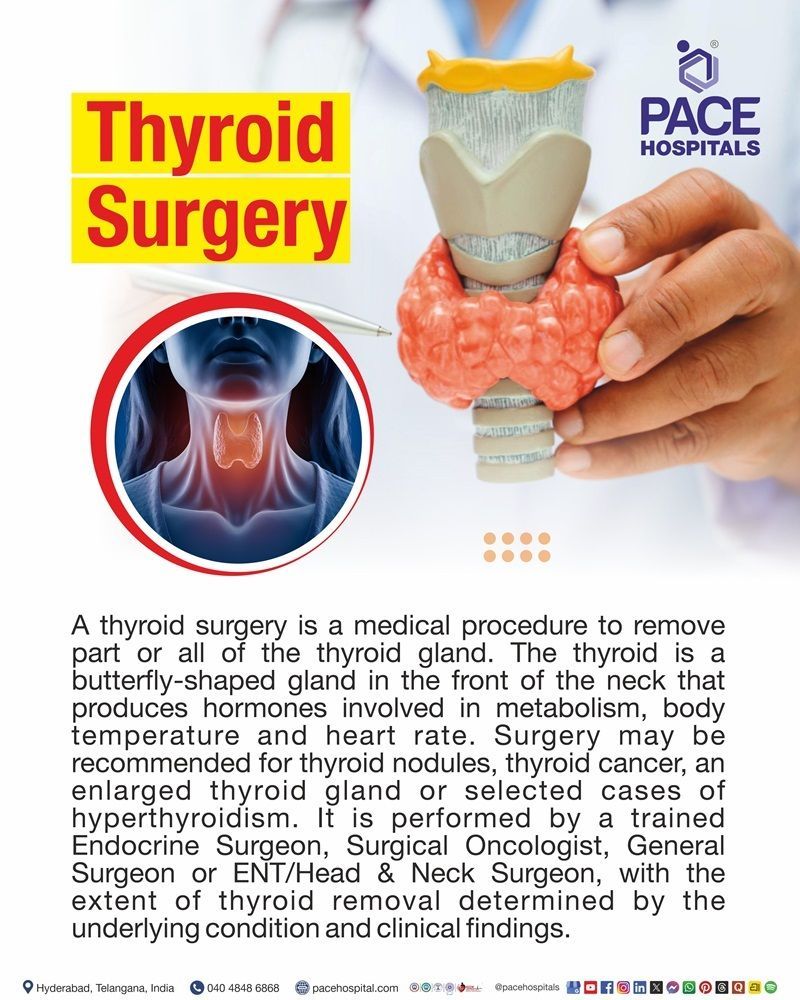
Thyroid surgery is a medical procedure to remove part or all the thyroid gland. The thyroid is a butterfly-shaped gland located at the front of the neck that produces hormones involved in metabolism, body temperature, heart rate and other essential functions. Surgery may be recommended for certain thyroid nodules, thyroid cancer, an enlarged thyroid gland or an overactive thyroid that requires surgical treatment.
Thyroid surgery is performed by an experienced endocrine surgeon, surgical oncologist, general surgeon with expertise in thyroid surgery, or an otolaryngologist (ENT surgeon) trained in thyroid and head-and-neck procedures. The amount of thyroid tissue removed depends on the underlying condition and the findings of the clinical evaluation.
Types of Thyroid Surgery
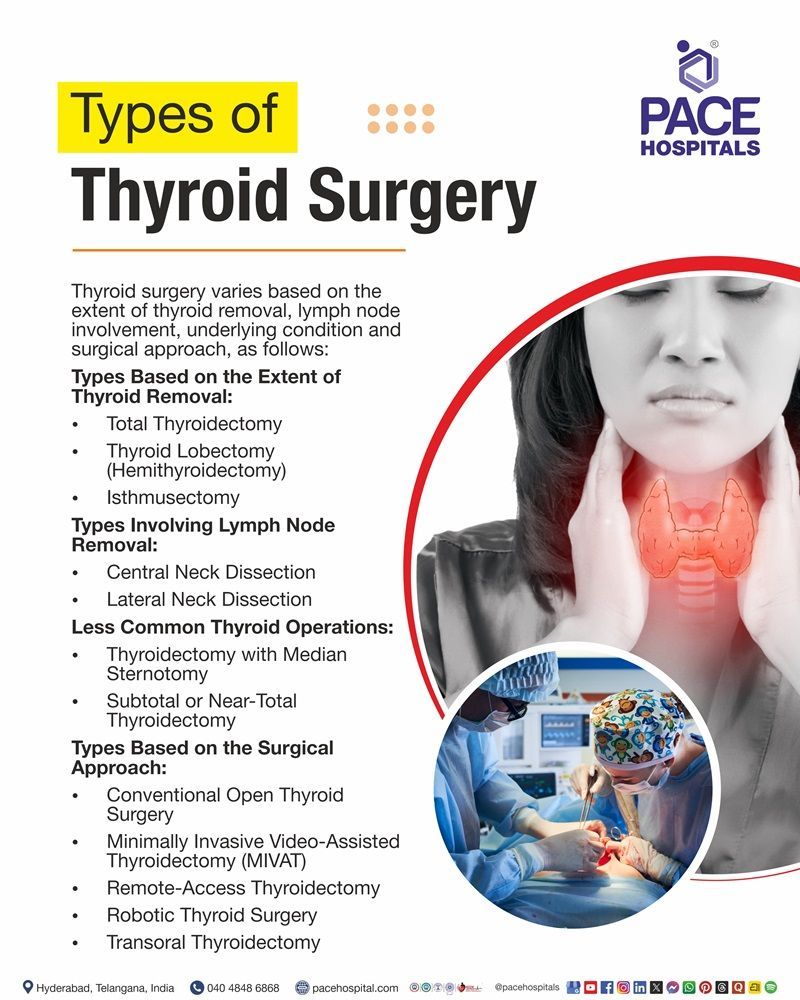
Thyroid surgery types can vary in extent and technique depending on the underlying thyroid condition, the size and location of the abnormality, biopsy findings, and whether nearby lymph nodes or other structures are involved. Thyroid surgery may involve certain approaches such as removing part or all of the thyroid gland, removing affected lymph nodes, or using a specific surgical approach to access the thyroid. Based on these factors, thyroid surgery can be broadly described according to the extent of thyroid removal, associated lymph node surgery, less commonly performed operations, and the surgical approach used:
- Common Types of Thyroid Surgery
- Total Thyroidectomy
- Thyroid Lobectomy (Hemithyroidectomy)
- Isthmusectomy
- Thyroid Operations That May Include Lymph Node Removal
- Central Neck Dissection
- Lateral Neck Dissection
- Less Common Thyroid Operations
- Thyroidectomy with Median Sternotomy
- Subtotal or Near-Total Thyroidectomy
- Surgical Approaches for Thyroid Surgery
- Conventional Open Thyroid Surgery
- Minimally Invasive Video-Assisted Thyroidectomy (MIVAT)
- Remote-Access Thyroidectomy
- Robotic Thyroid Surgery
- Transoral Thyroidectomy
Common Types of Thyroid Surgery
Total Thyroidectomy
Total thyroidectomy involves removing the entire thyroid gland. It may be recommended for certain thyroid cancers, Graves' disease, large goitres and other conditions affecting both sides of the gland. Since the thyroid is completely removed, lifelong thyroid hormone replacement is required.
Thyroid Lobectomy (Hemithyroidectomy)
Thyroid lobectomy involves removing one lobe of the thyroid gland. It may be considered for selected thyroid nodules, certain thyroid cancers and other conditions limited to one side of the gland. The remaining thyroid lobe may produce enough thyroid hormone, although some patients may require hormone replacement.
Isthmusectomy
Isthmusectomy involves removing the thyroid isthmus, the narrow band of tissue connecting the right and left thyroid lobes. This mode of treatment may be considered when a thyroid nodule or other abnormality is limited to isthmus.
Thyroid Operations That May Include Lymph Node Removal
Central Neck Dissection
Central neck dissection involves removing lymph nodes from the central compartment of the neck, located around the thyroid gland. It may be performed along with thyroid surgery when thyroid cancer has spread to these lymph nodes. In selected cases, it may also be considered when the risk of central lymph node involvement is sufficiently high.
Lateral Neck Dissection
Lateral neck dissection involves removing groups of lymph nodes from the affected compartments on the side of the neck. It is generally performed when thyroid cancer has spread to lymph nodes in the lateral neck. The extent of the procedure depends on the location and extent of lymph node involvement.
Less Common Thyroid Operations
Thyroidectomy with Median Sternotomy
A median sternotomy involves opening the breastbone to provide access to thyroid tissue that extends into the chest. It may be required in selected patients with a large substernal or retrosternal goitre when the thyroid cannot be safely removed through a neck incision alone.
Subtotal or Near-Total Thyroidectomy
Subtotal thyroidectomy removes most of the thyroid gland while leaving some thyroid tissue behind. Near-total thyroidectomy removes almost all of the gland, leaving only a small amount of tissue. These surgical approaches are used selectively, depending on the underlying thyroid condition and the surgical plan.
Surgical Approaches for Thyroid Surgery
Thyroid surgery can be performed through different surgical approaches. The choice depends on the thyroid condition, size and location of the thyroid abnormality, the patient's anatomy and the surgeon's assessment.
Conventional Open Thyroid Surgery
This is the traditional approach to thyroid surgery. The surgeon makes a horizontal incision in the lower front of the neck to access the thyroid gland and remove the required portion or the entire gland.
Minimally Invasive Video-Assisted Thyroidectomy (MIVAT)
MIVAT uses a smaller neck incision along with specialised instruments and video assistance to perform selected thyroid operations. It is suitable only for appropriately selected patients based on the size and nature of the thyroid abnormality.
Remote-Access Thyroidectomy
Remote-access techniques allow the surgeon to reach the thyroid through an incision away from the front of the neck. Depending on the technique, access may be obtained through areas such as the armpit or chest. These approaches are considered in selected patients and may involve additional technical considerations.
Robotic Thyroid Surgery
Robotic thyroid surgery uses robotic surgical instruments controlled by the surgeon to perform thyroid removal through a selected access route. It may be considered for certain patients when the clinical and anatomical factors are appropriate.
Transoral Thyroidectomy
Transoral thyroidectomy is performed through small incisions inside the mouth to reach the thyroid gland. Since the access is through the oral cavity rather than the front of the neck, there is no conventional visible neck incision. This method of surgical approach is appropriate only for selected patients and has specific risks and limitations.
Indications for Thyroid Surgery
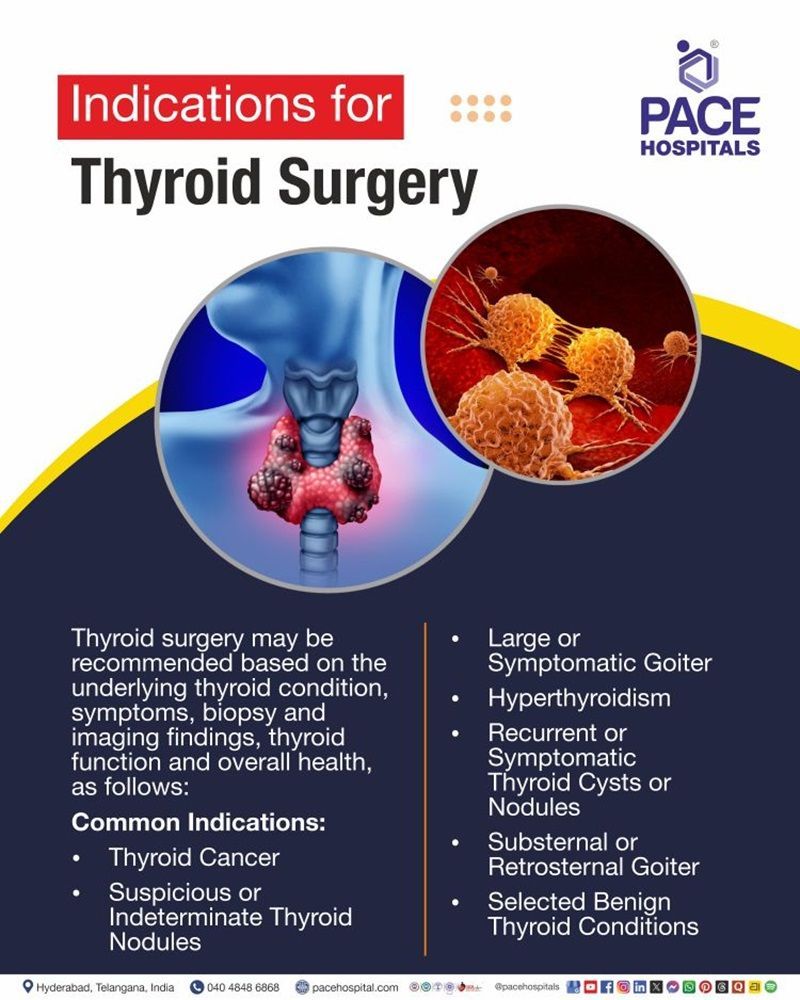
Thyroid surgery may be recommended when a thyroid condition cannot be adequately managed with observation or other treatments, or when surgery is needed to treat or establish a definitive diagnosis. The decision to undergo thyroid operation usually depends on the nature of the thyroid disorder, biopsy and imaging findings, symptoms, thyroid function, and the patient's overall health. Common indications include:
- Thyroid Cancer
- Suspicious or Indeterminate Thyroid Nodules
- Large or Symptomatic Goiter
- Hyperthyroidism
- Recurrent or Symptomatic Thyroid Cysts or Nodules
- Substernal or Retrosternal Goiter
- Selected Benign Thyroid Conditions
Thyroid Cancer
Surgery is a primary treatment for many thyroid cancers. The extent of surgery depends on the type, size and stage of the cancer, involvement of nearby tissues or lymph nodes, and other risk factors.
Suspicious or Indeterminate Thyroid Nodules
A thyroid nodule may require surgery when biopsy findings are malignant or suspicious for cancer. Surgery may also be considered for selected nodules with indeterminate cytology when the clinical, ultrasound or molecular findings indicate a significant risk of malignancy or when a definitive diagnosis cannot otherwise be established.
Large or Symptomatic Goiter
Surgery may be recommended for a significantly enlarged thyroid gland that causes difficulty swallowing, breathing problems, persistent pressure or other compressive symptoms. Goiters extending behind the breastbone into the chest may also require surgery, particularly when they cause compression of the trachea or oesophagus.
Hyperthyroidism
Thyroid surgery may be considered for certain causes of hyperthyroidism, including Graves' disease, toxic multinodular goiter and toxic thyroid nodules. Surgery may be appropriate when antithyroid medicines or radioactive iodine are unsuitable, ineffective, not tolerated, or when there are additional reasons to favour surgery, such as a large goiter or suspicion of thyroid cancer.
Recurrent or Symptomatic Thyroid Cysts or Nodules
Some thyroid cysts or nodules may require surgical treatment when they repeatedly recur after aspiration, cause significant symptoms, or have other clinical or imaging features that warrant removal.
Substernal or Retrosternal Goiter
A goiter that extends from the neck into the chest may require surgical removal when it causes compression of nearby structures or has other concerning features. The surgical approach depends on the extent and location of the thyroid tissue within the chest.
Selected Benign Thyroid Conditions
Some benign thyroid disorders or conditions may require surgery when they cause significant symptoms, structural problems, persistent enlargement, or other concerns that cannot be adequately managed with non-surgical treatment.
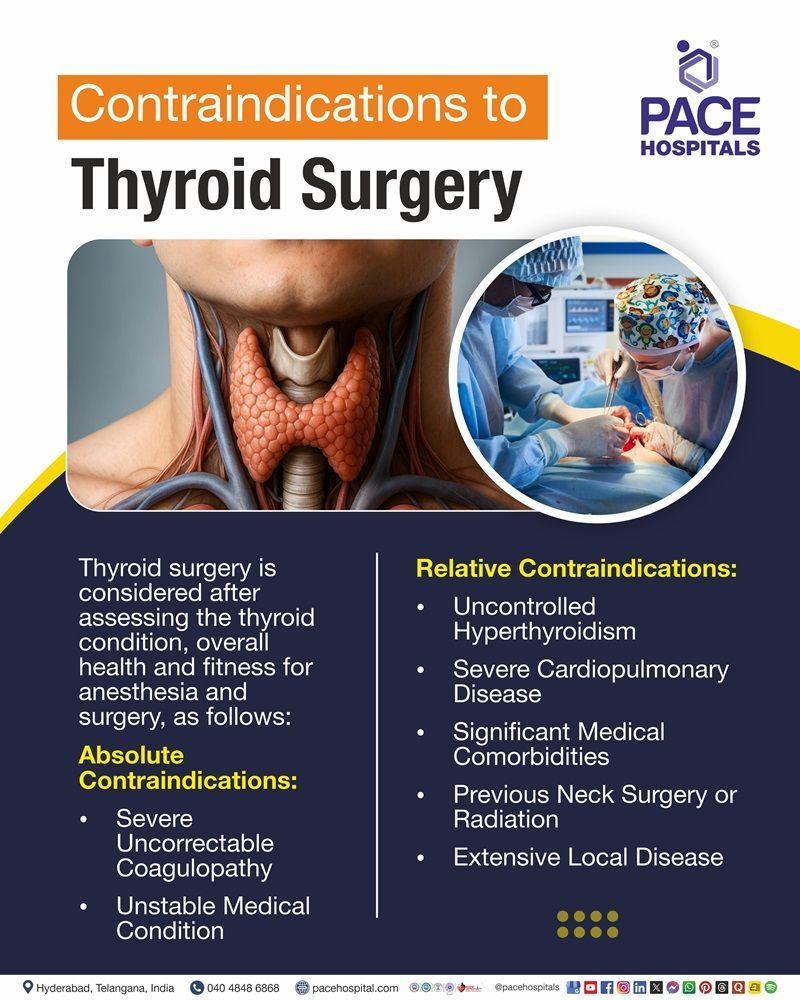
Contraindications to Thyroid Surgery
Thyroid surgery is usually considered after assessing the patient's thyroid condition, general health and ability to undergo anesthesia and surgery. Absolute contraindications are uncommon, while some conditions may require medical treatment or optimization before an elective procedure. Contraindications may be broadly classified as follows:
- Absolute Contraindications
- Severe Uncorrectable Coagulopathy
- Unstable Medical Condition
- Relative Contraindications
- Uncontrolled Hyperthyroidism
- Severe Cardiopulmonary Disease
- Significant Medical Comorbidities
- Previous Neck Surgery or Radiation
- Extensive Local Disease
Absolute Contraindications
Severe Uncorrectable Coagulopathy
A severe bleeding or clotting disorder that cannot be corrected may create an unacceptable risk of bleeding during or after thyroid surgery.
Unstable Medical Condition
A severe or unstable medical condition that makes general anesthesia or surgery unsafe may preclude thyroid surgery until the patient's condition can be adequately managed.
Relative Contraindications
Uncontrolled Hyperthyroidism
Markedly uncontrolled hyperthyroidism can increase the risk of cardiovascular and other complications during surgery. Elective thyroid surgery is generally performed after appropriate medical preparation and control of thyroid function when possible.
Severe Cardiopulmonary Disease
The presence of significant heart or lung disease in the patient may increase the risks associated with general anesthesia and thyroid surgery. Medical optimization and anaesthetic assessment may be required before proceeding.
Significant Medical Comorbidities
Serious underlying medical conditions may increase perioperative risk and may need to be stabilized before elective thyroid surgery.
Previous Neck Surgery or Radiation
Previous operations or radiation treatment involving the neck can alter normal tissue planes and make thyroid surgery technically more challenging, requiring careful preoperative and surgical planning.
Extensive Local Disease
Thyroid disease involving major surrounding structures may require detailed imaging, multidisciplinary assessment and careful planning before surgery. Such disease does not necessarily make surgery impossible but may substantially increase its complexity and risk.
The decision to proceed with thyroid surgery is individualized according to the urgency of treatment, underlying thyroid disorder, extent of disease, anaesthetic risk and the patient's overall health.
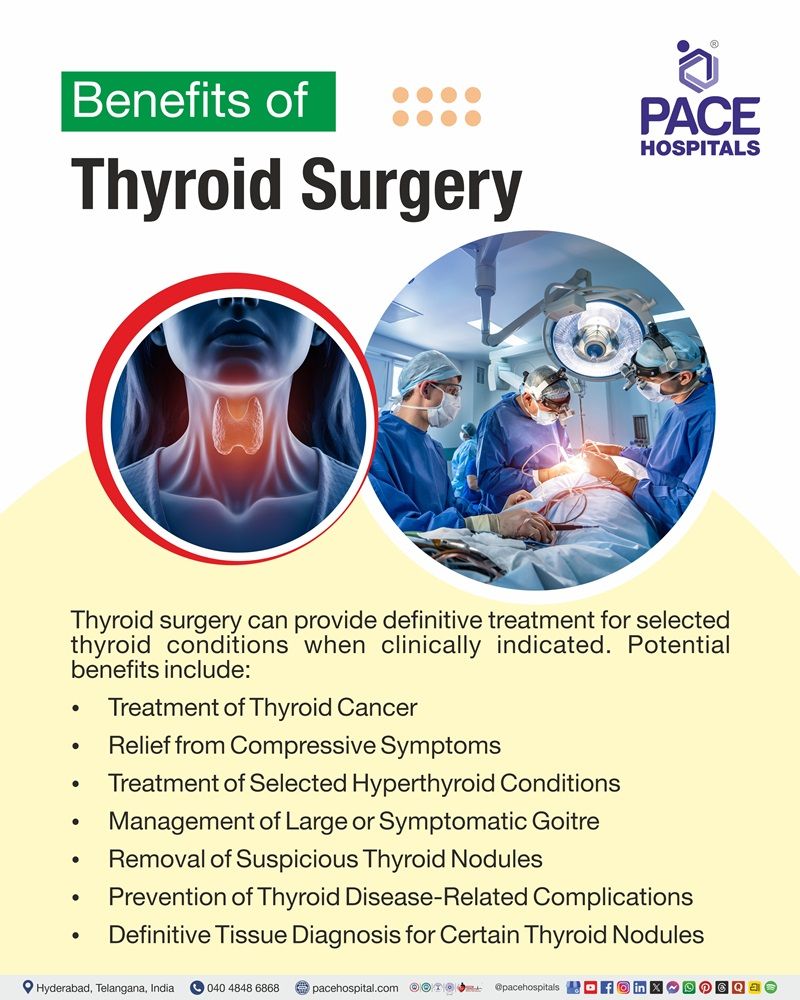
Benefits of Thyroid Surgery
Thyroid surgery can provide definitive treatment for selected thyroid conditions when surgery is clinically indicated. The benefits depend on the underlying disease, the amount of thyroid tissue removed and the patient's individual circumstances. Potential benefits include:
- Treatment of Thyroid Cancer
- Relief from Compressive Symptoms
- Treatment of Selected Hyperthyroid Conditions
- Management of Large or Symptomatic Goiter
- Removal of Suspicious Thyroid Nodules
- Prevention of Thyroid Disease-Related Complications
- Definitive Tissue Diagnosis for Certain Thyroid Nodules
Treatment of Thyroid Cancer
Removal of the thyroid gland, with or without removal of involved lymph nodes, is an important part of treatment for many thyroid cancers. Surgery can remove the known primary tumour and affected thyroid tissue.
Relief from Compressive Symptoms
Removing an enlarged thyroid or a large thyroid nodule may relieve pressure on nearby structures. This can help improve symptoms such as difficulty swallowing, breathing difficulty or a sensation of pressure in the neck when these symptoms are caused by the thyroid condition.
Treatment of Selected Hyperthyroid Conditions
Thyroidectomy can provide definitive control of excess thyroid hormone production in appropriately selected patients with conditions such as Graves' disease, toxic multinodular goitre or a toxic thyroid nodule.
Management of Large or Symptomatic Goiter
Surgery can reduce the size of an enlarged thyroid when a goiter causes significant symptoms, structural problems or compression of nearby structures.
Removal of Suspicious Thyroid Nodules
Surgery can remove thyroid nodules that are confirmed or strongly suspected to be malignant. In selected cases with indeterminate biopsy findings, surgery may also provide a definitive tissue diagnosis.
Prevention of Thyroid Disease-Related Complications
For selected thyroid conditions, removing the affected thyroid tissue may prevent or reduce complications related to progressive enlargement, local compression or malignant disease.
Definitive Tissue Diagnosis for Certain Thyroid Nodules
When a thyroid nodule cannot be clearly classified as benign or malignant through clinical assessment, ultrasound and fine-needle aspiration, surgery may be recommended in selected cases. Examination of the removed thyroid tissue under a microscope can establish a more definitive diagnosis and help determine whether further treatment is needed.
The expected benefits of thyroid surgery vary between patients and should be weighed against potential risks and the need for thyroid hormone replacement after surgery.
Get a Free Second Opinion for Thyroid Surgery
At PACE Hospitals, we are committed to providing our patients with the best possible care, and that includes offering second medical opinions with super specialists for treatment or surgery. We recommend everyone to get an expert advance medical second opinion, before taking decision for your treatment or surgery.
Thyroid Surgery Procedure
The thyroid surgery procedure varies according to the type and extent of surgery, the underlying thyroid condition, the size and location of the thyroid abnormality, and whether nearby lymph nodes or other structures are involved. The surgical plan may be modified according to the patient's anatomy and findings during the operation.
Thyroid surgery steps generally include the following:
Before the Procedure
- A detailed medical history and physical examination are performed to assess the patient's overall health, thyroid condition and suitability for surgery. Depending on the clinical situation, investigations may include thyroid function tests, neck ultrasound, fine-needle aspiration cytology and additional imaging such as computed tomography (CT) when required to assess the extent of disease.
- The patient's voice and, when clinically indicated, vocal cord function are assessed before surgery. Laryngoscopy may be recommended for patients with voice abnormalities or a history of previous neck or thyroid surgery to identify any pre-existing vocal cord dysfunction that may be relevant to surgical planning.
- Depending on the patient's age, medical history and overall health, additional preoperative tests such as an electrocardiogram (ECG), chest imaging or other cardiac and respiratory assessments may be advised to evaluate fitness for surgery and anesthesia.
- The surgeon explains the planned procedure, its potential risks, expected outcomes and available treatment alternatives. Written informed consent is obtained before surgery.
- A review of current medications is performed. The surgical team provides specific instructions about medicines that should be continued, adjusted or temporarily withheld before surgery, particularly medicines that may increase the risk of bleeding.
- Patients with hyperthyroidism are generally medically prepared before elective thyroid surgery, with treatment aimed at achieving an euthyroid state and reducing the risk of perioperative complications.
- A pre-anesthetic assessment is performed to evaluate the airway, general health and suitability for general anesthesia.
- Patients receive instructions regarding fasting before surgery according to the anesthetist’s protocol. The exact fasting period may vary depending on the type of food or drink and the patient's individual circumstances.
- Before entering the operating room, the patient changes into a hospital gown and removes items such as jewellery, dentures and contact lenses as instructed.
- An intravenous (IV) line is usually established to administer fluids and medications during the perioperative period.
- Before surgery, patients are informed about the expected postoperative course, including the likely hospital stay, wound care, activity restrictions and arrangements for follow-up after discharge.
- Patients are also advised that thyroid hormone replacement may be required after thyroidectomy. The possibility of postoperative calcium monitoring or supplementation is discussed when appropriate, particularly when there is a risk of temporary or permanent impairment of parathyroid function.
During the Procedure
- Thyroid surgery is usually performed under general anesthesia, with continuous monitoring of vital parameters such as heart rate, blood pressure and oxygen saturation.
- The patient is positioned on the operating table, usually lying on the back with the neck appropriately extended to provide adequate exposure of the thyroid region. Excessive neck extension is avoided in patients with limited neck mobility.
- In conventional open thyroid surgery, a transverse incision is made in a natural skin crease in the lower part of the neck. The length and exact thyroid surgery position of the incision depend on the size of the thyroid gland and the extent of surgery required.
- The tissues beneath the skin are carefully separated to expose the thyroid gland. The muscles in front of the thyroid are gently separated or retracted to provide access to the gland.
- The thyroid gland is carefully mobilised, and the surrounding blood vessels are controlled as required. The recurrent laryngeal nerves and parathyroid glands are identified and preserved whenever possible because of their importance in vocal cord function and calcium regulation.
- Depending on the clinical indication, the surgeon performs the planned procedure, such as a thyroid lobectomy, total thyroidectomy or isthmusectomy. When indicated, central or lateral neck lymph-node dissection may be performed along with thyroid surgery.
- The thyroid tissue is removed carefully while maintaining control of bleeding and protecting nearby structures.
- The removed tissue is sent for histopathological examination to establish or confirm the diagnosis and provide information that may guide further treatment.
- The surgical field is carefully checked for bleeding before closure. A drain may be placed in selected patients when considered necessary, although drains are not routinely required in every thyroid operation.
- The incision is closed in layers using appropriate sutures or other closure techniques, and a dressing may be applied.
After the Procedure
- After thyroid surgery, the patient is monitored in the recovery area, with particular attention to vital signs, breathing, neck swelling and the surgical site.
- Early monitoring helps identify complications such as postoperative bleeding, airway compromise, voice changes or symptoms related to low calcium levels.
- Serum calcium, and sometimes parathyroid hormone (PTH), may be monitored after surgery, particularly when there is a risk of temporary or permanent impairment of parathyroid function.
- Pain or discomfort around the neck is managed with appropriate pain-relieving medicines.
- Oral fluids and food are usually resumed gradually once the patient is fully awake and able to swallow safely.
- Patients are encouraged to move around as advised after surgery to support normal recovery and reduce complications associated with prolonged inactivity.
- Following total thyroidectomy, thyroid hormone replacement is required because the body can no longer produce sufficient thyroid hormone. After a thyroid lobectomy, hormone replacement may or may not be necessary depending on the function of the remaining thyroid tissue.
- Patients are given instructions regarding wound care, medicines, physical activity and symptoms that require medical attention after discharge.
- Most patients can resume a normal diet as tolerated. Some may initially prefer softer foods if there is mild throat or neck discomfort. Adequate hydration and a balanced diet support general recovery.
- Calcium and vitamin D supplementation may be prescribed when postoperative calcium levels are low or when there is evidence of impaired parathyroid function.
- Follow-up appointments are arranged to assess wound healing, review the pathology report and monitor thyroid hormone levels. Patients treated for thyroid cancer may require additional surveillance and treatment depending on the final pathology and risk assessment.
Thyroid Surgery Complications
When properly planned, thyroid surgery is normally conducted safely; but like with any other surgical restorative mode of treatment, problems are possible. The risk varies based on the type and scope of surgery, the underlying thyroid problem, and the patient's overall health. Possible complications include:
- Bleeding or Neck Hematoma
- Infection
- Voice Changes
- Low Calcium Levels
- Thyroid Hormone Deficiency
- Injury to Nearby Structures
- Scar Formation
Bleeding or Neck Hematoma
Bleeding after thyroid surgery can sometimes cause a collection of blood in the neck, known as hematoma. A significant hematoma may put pressure on the airway and require prompt medical attention.
Infection
Infection at the surgical site is uncommon but may occur after thyroid surgery. Symptoms can include increasing redness, swelling, warmth, tenderness or discharge from the incision.
Voice Changes
Temporary or, less commonly, persistent changes in the voice may occur if the recurrent laryngeal nerve or other nerves involved in voice function are affected during surgery. Voice changes may include hoarseness, a weak voice or difficulty producing certain sounds.
Low Calcium Levels
The parathyroid glands help regulate calcium levels in the body and may be temporarily affected during thyroid surgery. Reduced parathyroid function can lead to low calcium levels, which may cause tingling around the mouth or in the hands and muscle cramps. Calcium and vitamin D supplementation may be required in some patients.
Thyroid Hormone Deficiency
After a total thyroidectomy, the body can no longer produce sufficient thyroid hormone, so lifelong thyroid hormone replacement with levothyroxine is required. Some patients may also develop hypothyroidism after a thyroid lobectomy and require treatment depending on the function of the remaining thyroid tissue.
Injury to Nearby Structures
Because the thyroid is located close to important nerves, blood vessels, the parathyroid glands and the windpipe, these structures can be affected during surgery. Such complications are uncommon but may require additional treatment depending on the extent of injury.
Scar Formation
A surgical scar remains at the incision site after thyroid surgery. Its appearance can vary between individuals and may change gradually as the wound heals.
Thyroid Surgery Time
Thyroid surgery (thyroidectomy) generally takes around 1 to 3 hours. The operating time can vary depending on the type of thyroid surgery, the extent of tissue that needs to be removed, and whether lymph nodes or nearby structures also need to be addressed.
Thyroid Surgery Recovery
Recovery after thyroid surgery usually takes a few days to weeks, depending on the type of surgery and the patient's health. Mild neck discomfort, swelling or throat irritation may occur initially after surgery. Most patients can gradually resume normal activities while avoiding heavy lifting until healing is adequate. After total thyroidectomy, lifelong thyroid hormone replacement is required, while some patients who undergo lobectomy may not need it. Follow-up is important to monitor healing, thyroid function, calcium levels when needed, and pathology results.
Questions that patients can ask the healthcare team about Thyroid Surgery?
- What type of thyroid surgery is recommended for my condition?
- How should I prepare for thyroid surgery?
- How long will the surgery take?
- How long will I need to stay in the hospital after surgery?
- What complications can occur after thyroid surgery?
- What type of pain or discomfort should I expect after surgery?
- When can I return to my normal daily activities and work?
- Are there any activities or movements I should avoid during recovery?
- Will I need thyroid hormone replacement after surgery?
- Will my calcium levels need to be monitored after surgery?
- When should I return for follow-up after surgery?
- Will I need any additional treatment or long-term monitoring after thyroid surgery?
Understanding the Difference Between Thyroid Surgery and Thyroid Ablation
Thyroid Surgery vs Thyroid Ablation
Thyroid surgery and thyroid ablation are two different treatment approaches used for certain thyroid conditions. While thyroid surgery removes part or all of the gland, ablation treats the affected tissue without surgically removing it. The choice depends on the thyroid condition, size and characteristics of the nodule, symptoms, test results and the patient's overall health. The key differences between these two approaches are outlined in the table below:
| Parameters | Thyroid Surgery | Thyroid Ablation |
|---|---|---|
| Definition | A surgical procedure in which part or all of the thyroid gland is removed. | A minimally invasive treatment that destroys or reduces targeted thyroid tissue without removing the thyroid gland. |
| Common uses | Used for thyroid cancer, suspicious or selected thyroid nodules, large or symptomatic goitre, and certain causes of hyperthyroidism. | Used in selected benign thyroid nodules and certain other thyroid conditions, depending on the ablation technique and clinical situation. |
| Tissue removal | The affected thyroid tissue is physically removed. | The targeted tissue is treated in place and gradually shrinks or loses its function. |
| Anaesthesia | Usually performed under general anaesthesia, depending on the procedure. | Many ablation procedures can be performed using local anaesthesia, sometimes with additional sedation. |
| Incision | Requires a surgical incision, with the approach depending on the type of surgery. | Usually performed through a needle or probe inserted through the skin, without a conventional surgical incision. |
| Thyroid function | Depending on the extent of surgery, thyroid hormone production may be reduced or eliminated. | The remaining untreated thyroid tissue is preserved, so thyroid function may be maintained. |
| Recovery | Recovery depends on the extent of surgery and whether additional procedures are performed. | Recovery is generally shorter, with most patients able to return to routine activities relatively soon after treatment. |
| Role in thyroid cancer | Surgery is an established treatment for many thyroid cancers. | Ablation is not a replacement for surgery in most thyroid cancers and is considered only in selected situations. |
| Main consideration | Provides removal of the affected thyroid tissue and allows the removed tissue to undergo histopathological examination. | Preserves the thyroid gland and may reduce the size or activity of the targeted tissue without surgical removal. |
Frequently Asked Questions (FAQs) on Thyroid Surgery
Can thyroid surgery cause voice changes?
Temporary hoarseness or other voice changes may occur after thyroid surgery. The recurrent laryngeal nerves are located close to the thyroid and can occasionally be affected during surgery, which may result in persistent voice changes in some cases.
What conditions can be treated with thyroid surgery?
Thyroid surgery may be recommended for thyroid cancer, suspicious thyroid nodules, large or symptomatic goiters, and selected cases of hyperthyroidism. The need for surgery depends on the underlying thyroid condition, symptoms, investigation findings and overall health.
How is the type of thyroid surgery selected?
The type and extent of thyroid surgery depend on the underlying condition, the amount of thyroid tissue affected, biopsy and imaging findings, and whether nearby lymph nodes or other structures are involved. The surgical approach is planned according to the individual clinical situation.
Is thyroid surgery required for every thyroid nodule?
No, it is not possible for all cases. Many thyroid nodules are benign and can be monitored without surgery. However, thyroid surgery may be considered if a nodule is confirmed or suspected to be malignant, causes significant symptoms, shows concerning features, or requires removal for a definitive diagnosis, as directed by an experienced ENT specialist or otolaryngologist.
When is thyroid surgery recommended for thyroid cancer?
Surgery is an important treatment for many thyroid cancers. Depending on the type, size and extent of the cancer, surgery may involve removal of part or all of the thyroid gland, with lymph-node removal when indicated.
Can thyroid surgery be used to treat hyperthyroidism?
Thyroid surgery can provide definitive treatment for selected patients with hyperthyroidism caused by conditions such as Graves' disease, toxic multinodular goiter or a toxic thyroid nodule. The suitability of surgery depends on the underlying cause and the patient's clinical circumstances.
What tests are performed before thyroid surgery?
Preoperative evaluation may include thyroid function tests, neck ultrasound and fine-needle aspiration when indicated. Additional blood tests, imaging, cardiac or respiratory assessments and vocal cord evaluation may be recommended depending on the patient's medical history and planned surgery.
Why does hyperthyroidism need to be controlled before thyroid surgery?
Significantly uncontrolled hyperthyroidism can increase the risk of cardiovascular and other complications during surgery. Therefore, patients undergoing elective thyroid surgery are generally medically prepared beforehand, with treatment aimed at controlling thyroid hormone levels.
Is thyroid surgery performed under general anesthesia?
Most thyroid operations are performed under general anesthesia. A pre-anaesthetic assessment is carried out beforehand to evaluate the patient's general health, airway and suitability for anesthesia.
How soon can physical activity resume after thyroid surgery?
Light activity and walking can normally continue soon after thyroid surgery, if advised by the healthcare team and otolaryngologist (ENT specialist). Strenuous exercise and heavy lifting are generally avoided until adequate healing has occurred, with the timing varying according to the extent of thyroid surgery and individual recovery.
Is a drain always required after thyroid surgery?
No. A drain is not routinely required after every thyroid operation. It may be considered in selected cases depending on the extent of thyroid surgery and the risk of fluid or blood collection.
When can eating resume after thyroid surgery?
Fluids and food are often resumed once the patient is completely awake and capable of swallowing comfortably. A normal diet can normally be resumed once tolerated, though softer foods may be more comfortable during the early recovery period.
Can only part of the thyroid be removed?
Yes. Depending on the condition, surgery may involve removal of one thyroid lobe, the isthmus or the entire gland. Partial thyroid surgery preserves some thyroid tissue and may allow continued thyroid hormone production in selected patients.
Why are calcium levels monitored after thyroid surgery?
The parathyroid glands, which help regulate calcium levels, are located close to the thyroid gland and may be temporarily or permanently affected during surgery. Calcium and, when appropriate, parathyroid hormone levels may therefore be monitored after surgery.
What follow-up is needed for post thyroid surgery?
Follow-up may include assessment of wound healing, review of the final pathology report and monitoring of thyroid hormone levels. Calcium or parathyroid hormone levels may also be checked when indicated. Patients treated for thyroid cancer may require additional surveillance or treatment based on the final diagnosis and risk assessment.
Why choose PACE Hospitals?
- A Multi-Super Speciality Hospital.
- NABH, NABL, NBE & NABH - Nursing Excellence accreditation.
- State-of-the-art Liver and Kidney transplant centre.
- Empanelled with all TPAs for smooth cashless benefits.
- Centralized HIMS (Hospital Information System).
- Computerized health records available via website.
- Minimum waiting time for Inpatient and Outpatient.
- Round-the-clock guidance from highly qualified super specialist doctors, surgeons and physicians.
- Standardization of ethical medical care.
- 24X7 Outpatient & Inpatient Pharmacy Services.
- State-of-the-art operation theaters.
- Intensive Care Units (Surgical and Medical) with ISO-9001 accreditation.


