
Thyroidectomy Surgery - Procedure, Indications & Benefits
PACE Hospitals provides thyroidectomy surgery in Hyderabad, India, for patients requiring partial or complete removal of the thyroid gland. Our surgical team evaluates thyroid conditions such as thyroid cancer, enlarged thyroid, thyroid nodules, and certain thyroid disorders to determine the appropriate treatment.
Depending on the condition, thyroidectomy procedure may involve total, subtotal, near-total, or partial thyroidectomy. Patients receive guidance about the thyroidectomy steps, possible complications, thyroidectomy incision, recovery after thyroidectomy, and factors affecting surgery cost, helping them understand the procedure and make informed treatment decisions.
Book an Appointment for Thyroidectomy
Thyroidectomy Surgery Appointment Query
Why Choose PACE Hospitals for Thyroidectomy?
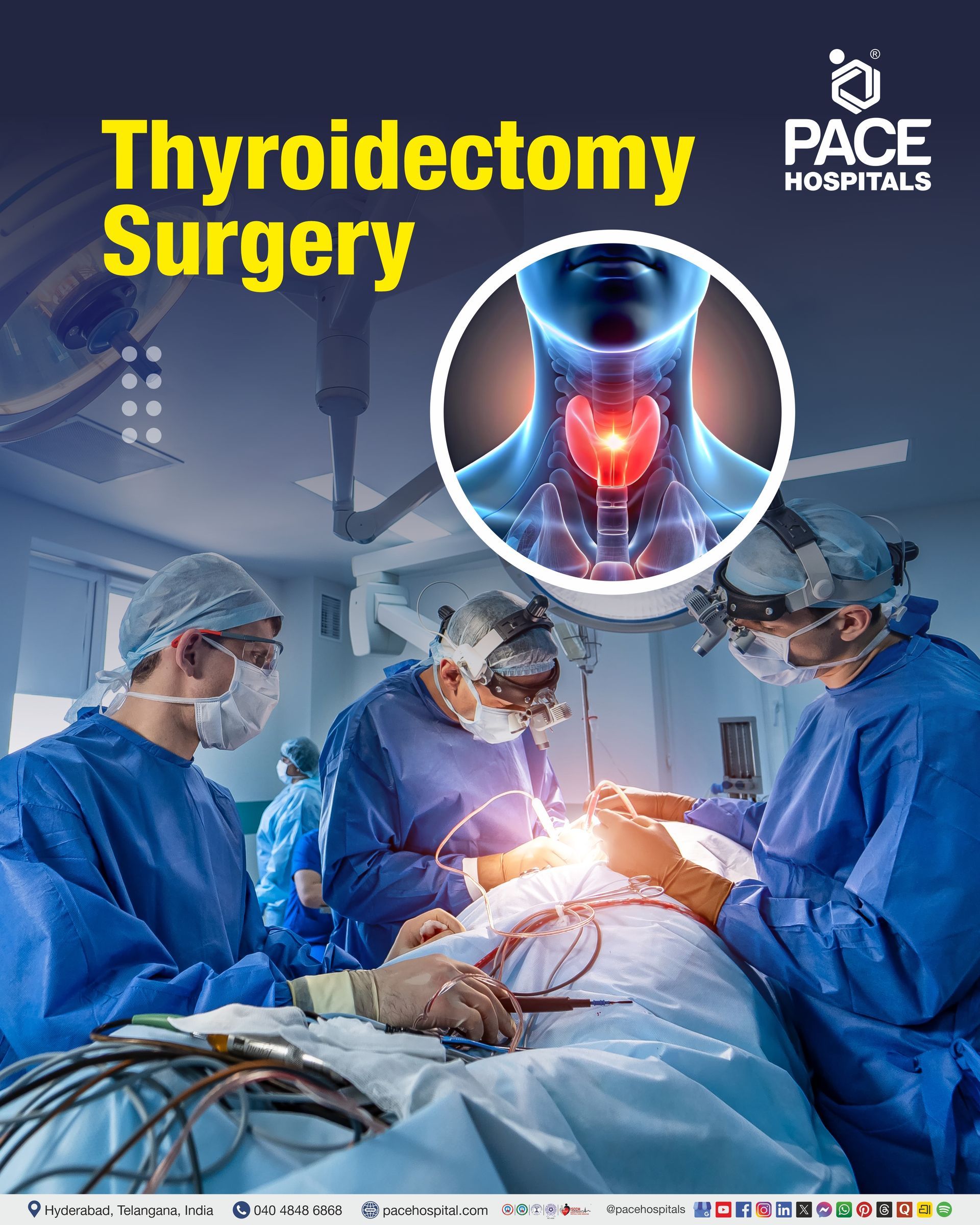
Expert ENT Surgeons for Comprehensive Surgical Management of Thyroid Conditions
Personalized Thyroidectomy Options, Including Lobectomy & Total Thyroidectomy, Based on Clinical Evaluation
Comprehensive Thyroid Care with Transparent Treatment Plans, Insurance & Cashless Option
Recognized for excellence in healthcare delivery with
NABH, NABL, NBE/DNB, NABH Nursing Excellence, and ISCCM accreditations.
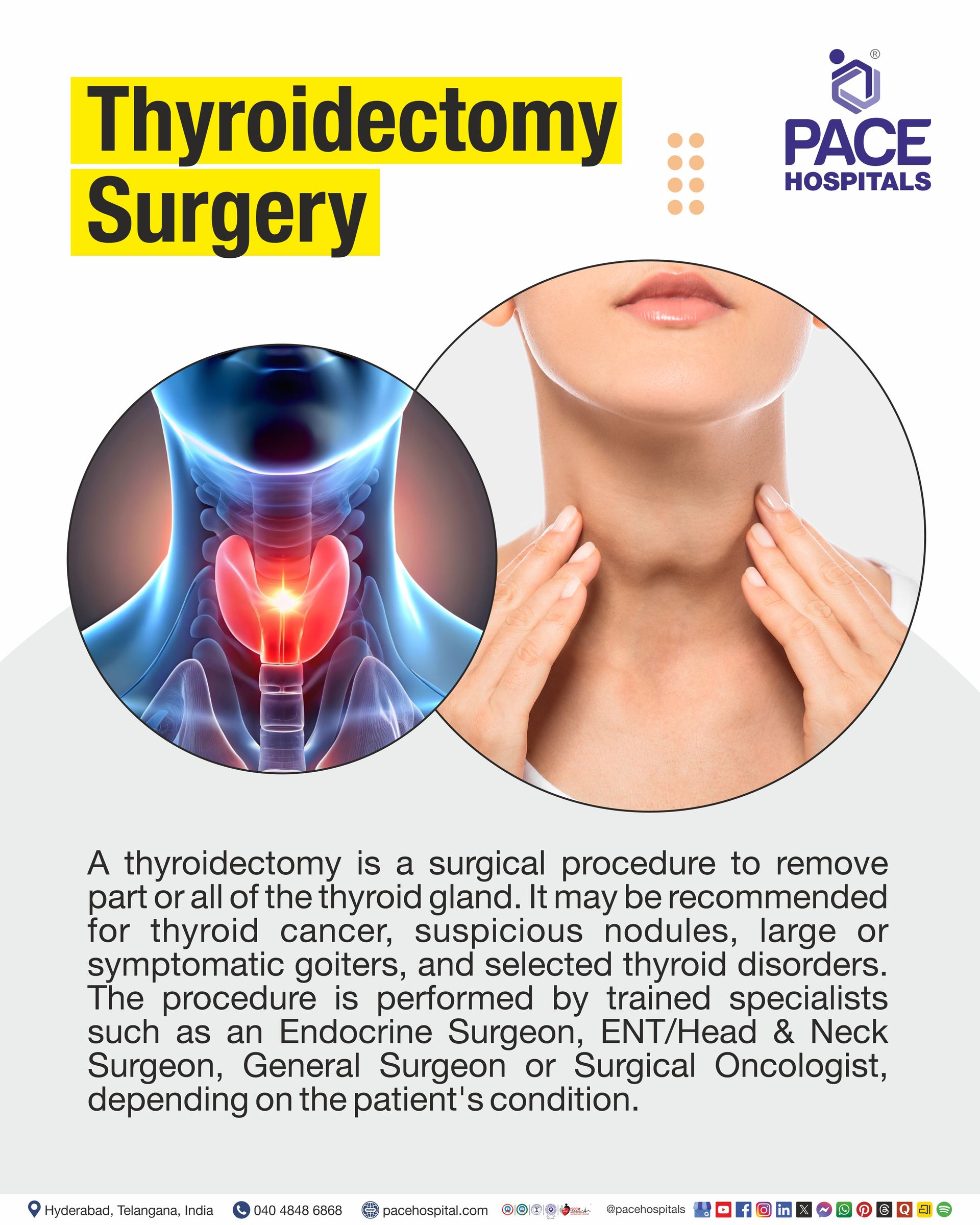
Thyroidectomy definition
A thyroidectomy is a surgical procedure in which all or part of the thyroid gland is removed. The thyroid is a butterfly shaped endocrine gland located in the front of the neck. It is responsible for producing the hormones that regulate heart rate, metabolism, temperature, and many vital biological functions. When disease, nodules, cancer, or symptomatic enlargement of the thyroid occurs, surgical removal may be recommended after thorough clinical evaluation.
Thyroidectomy is performed by a specialized surgeon, typically an Endocrine Surgeon, an Otolaryngologist (ENT/Head and Neck Surgeon), a general surgeon or a surgical oncologist.
Thyroidectomy Types
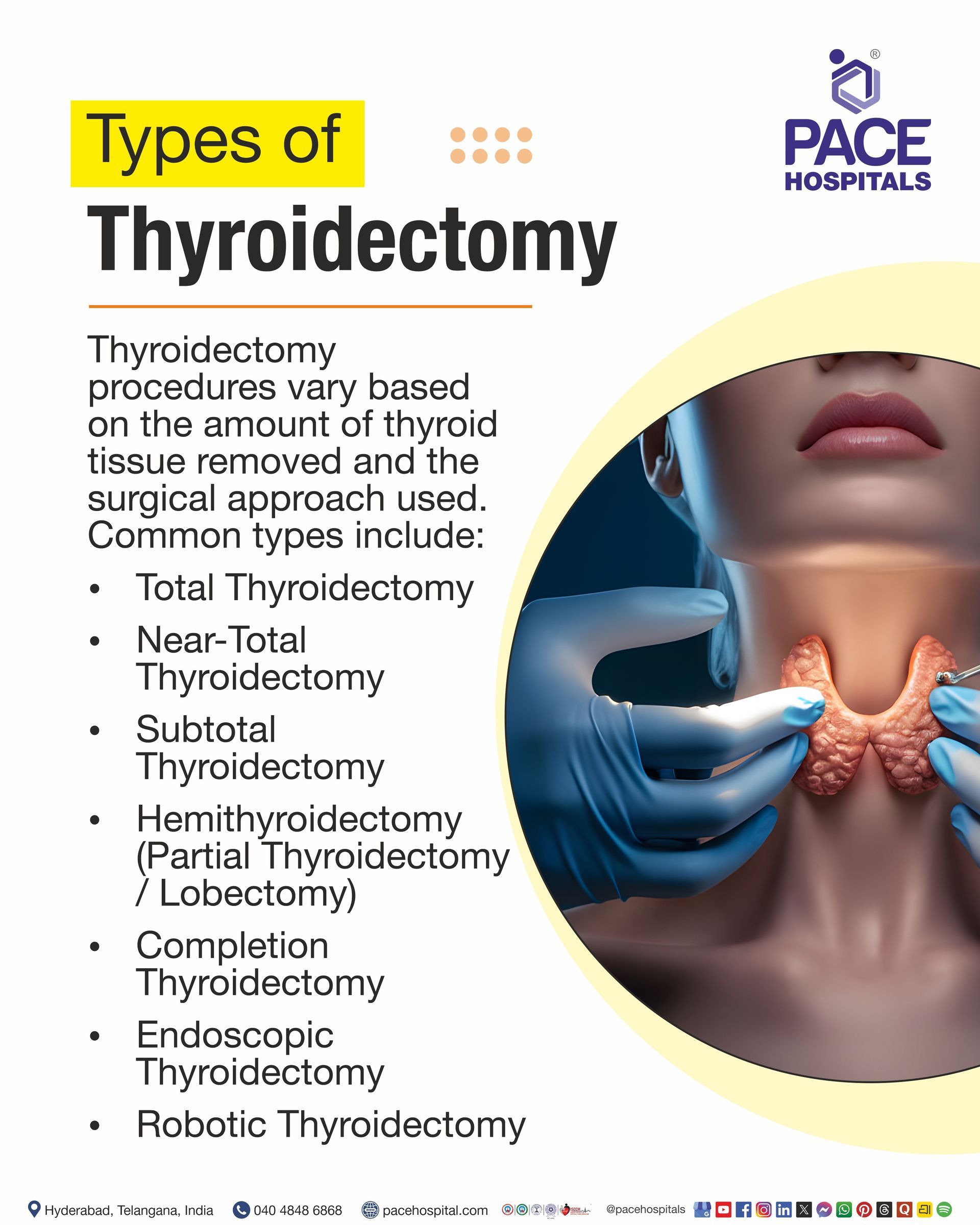
Thyroidectomy surgeries are broadly classified based on the extent of thyroid tissue removed and the surgical approach used, enabling tailored management according to the underlying thyroid condition. Different types of thyroidectomy(s) include:
- Types Based on the Extent of Thyroid Tissue Removed
- Total Thyroidectomy
- Near-Total Thyroidectomy
- Subtotal Thyroidectomy
- Hemithyroidectomy (Partial Thyroidectomy / Lobectomy)
- Completion Thyroidectomy
- Types Based on the Surgical Approach
- Conventional Open Thyroidectomy
- Endoscopic Thyroidectomy
- Robotic-Assisted Thyroidectomy
Types Based on the Extent of Thyroid Tissue Removed
Total Thyroidectomy
This surgical procedure involves complete excision of both lobes and the isthmus of the thyroid gland. It is commonly indicated in extensive multinodular goiter, bilateral thyroid malignancies (thyroid cancer), and certain cases of hyperthyroidism where definitive treatment is required. Lifelong thyroid hormone replacement is necessary following complete removal of the thyroid gland.
Near-Total Thyroidectomy
In this type, almost all thyroid tissue is removed, leaving only a minimal remnant or those parts which are adjacent to critical structures such as the recurrent laryngeal nerve or parathyroid glands. This technique is mainly used to reduce the risk of complications while still achieving effective disease control.
Subtotal Thyroidectomy
This method eliminates a major amount of the thyroid gland, leaving bigger bilateral remains. Although it was once used to treat illnesses such as Graves' disease, it is now less widely used and preferred because of the risk of thyroid dysfunction recurring.
Hemithyroidectomy (Partial Thyroidectomy / Lobectomy)
This surgical procedure involves removing one thyroid lobe, with or without the isthmus. It is often used for unclear cytology structure of thyroid gland, isolated nodules, or low-risk tumors on one side, with the goal of preserving some endogenous thyroid function.
Completion Thyroidectomy
It is performed as a second-stage surgery to remove remaining thyroid tissue after an initial partial procedure already performed, particularly when malignancy is identified on postoperative histopathological evaluation. Some low-risk cancers need no further surgery.
Types Based on the Surgical Approach
Conventional Open Thyroidectomy
Conventional open thyroidectomy is performed through an incision at the front of the neck. This approach allows the surgeon to remove part or all of the thyroid gland, depending on the treatment required.
Endoscopic Thyroidectomy
This minimally invasive surgical technique uses small incisions and endoscopic visualization to access the thyroid gland, often through remote entry points such as the axilla or chest wall. It is highly advanced, with reduced visible scarring, and is suitable for selected patients. Transoral endoscopic thyroidectomy vestibular approach (TOETVA) is a scarless technique performed through the oral vestibule, providing access to the thyroid without external incisions. It is considered as scarless thyroidectomy as it is done carefully for selected patients with small, benign or low-risk lesions.
Robotic Thyroidectomy
Robotic-assisted thyroidectomy uses surgeon-controlled robotic systems to perform remote-access surgery, providing enhanced visualization and precise instrument movement. The procedure is performed by a trained surgeon supported by a surgical team. It can avoid an incision at the front of the neck through approaches such as transaxillary (through the armpit) or retroauricular (behind the ear) routes in selected patients.
Thyroidectomy Indications
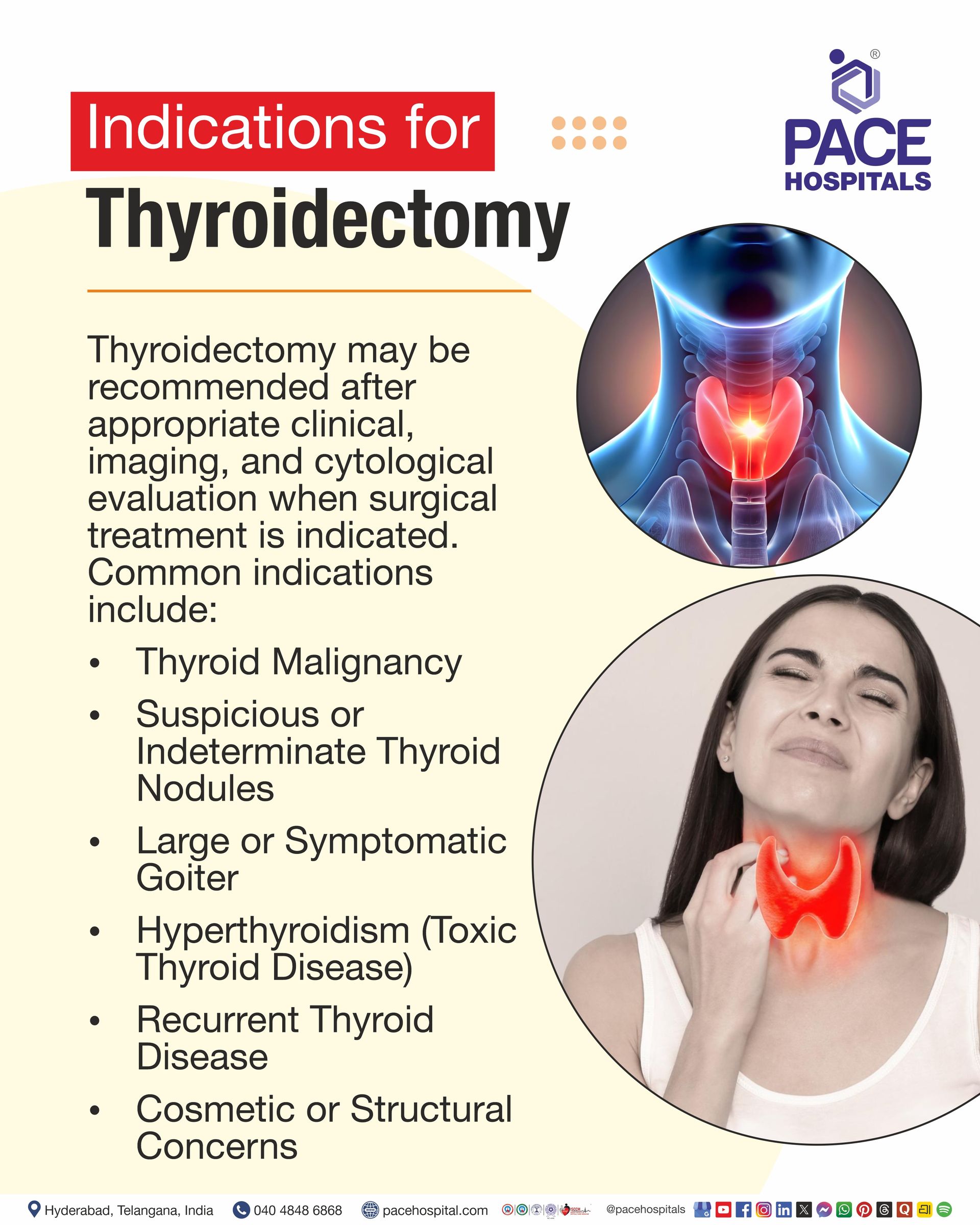
Thyroidectomy surgery is often recommended after careful clinical observation, radiological, and cytological evaluation when surgical management is necessary for effective treatment of patients. The common indications for thyroidectomy include the following:
- Thyroid Malignancy
- Suspicious or Indeterminate Thyroid Nodules
- Large or Symptomatic Goiter
- Hyperthyroidism (Toxic Thyroid Disease)
- Recurrent Thyroid Disease
- Cosmetic and Structural Concerns
Thyroid Malignancy
Surgical removal of the thyroid gland is the primary treatment for most forms of thyroid cancer, including papillary, follicular, and medullary carcinoma. The extent of surgery depends on tumor size, spread, and risk stratification, with the goal of complete disease clearance and prevention of recurrence.
Suspicious or Indeterminate Thyroid Nodules
When fine-needle aspiration (FNA) cytology results are unclear or suspicious and cancer cannot be ruled out, thyroidectomy surgery may be necessary. The final histological diagnosis needed for treatment is made possible via surgical excision.
Large or Symptomatic Goiter
Enlargement of the thyroid gland causes compressive symptoms such as breathing discomfort, dysphagia (difficulty swallowing), or voice changes, which may require surgical intervention, especially when the goiter extends retrosternally (behind the breastbone into the chest), so it can compress vital structures in a very confined space.
Hyperthyroidism (Toxic Thyroid Disease)
Thyroidectomy is considered in patients with hyperthyroidism who do not respond to antithyroid medications or radioactive iodine therapy, or when rapid and definitive control is required, such as in Graves’ disease or toxic multinodular goiter.
Recurrent Thyroid Disease
Surgery may be indicated in cases of recurrent nodular goiter or persistent disease following previous treatment, particularly when symptoms or suspicion of malignancy persists, with the need for early treatment to be addressed.
Cosmetic and Structural Concerns
After a comprehensive clinical evaluation, noticeably enlarged thyroid glands or nodules causing neck deformity may be surgically addressed in certain patients if they have an influence on quality of life or patient choice.
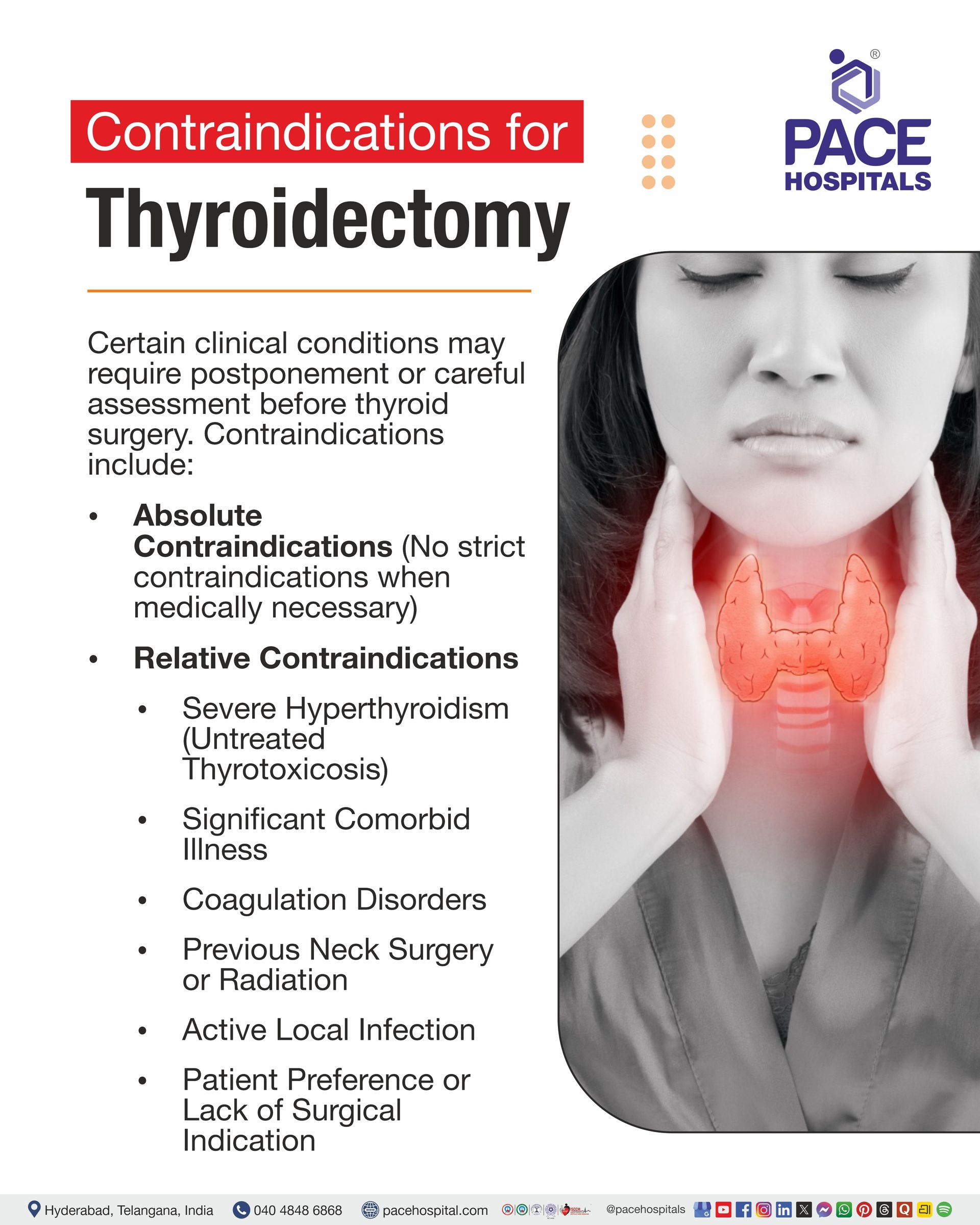
Contraindications of Thyroidectomy
Thyroidectomy surgery is typically regarded as a safe treatment when performed with careful patient selection and preoperative preparation. However, in some clinical situations or illnesses, a thyroidectomy may need to be postponed or carefully considered before being performed. Based on clinical guidance, contraindications can be categorized as mentioned below:
- Absolute Contraindications
- Relative Contraindications
- Severe Hyperthyroidism (Untreated Thyrotoxicosis)
- Significant Comorbid Illness
- Coagulation Disorders
- Previous Neck Surgery or Radiation
- Active Local Infection
- Patient Preference or Lack of Surgical Indication
Absolute Contraindications
There are no such strict absolute contraindications to thyroidectomy when the procedure is required for life-threatening or malignant conditions in patients. In such situations, surgery may still be undertaken with appropriate risk assessment and perioperative support.
Relative Contraindications
These are conditions where thyroidectomy may be delayed, modified, or performed with caution after optimization:
Severe Hyperthyroidism (Untreated Thyrotoxicosis)
Thyroidectomy is usually postponed in individuals with uncontrolled thyrotoxicosis due to the risk of a thyroid storm during or after operation. These patients must be stabilized with antithyroid drugs before starting, which necessitates specialist assistance from an endocrine surgeon.
Significant Comorbid Illness
Severe cardiac, pulmonary, or systemic disorders may increase surgical and anesthetic risk. Optimization of the patient’s condition is essential prior to intervention.
Coagulation Disorders
Bleeding abnormalities or uncorrected anticoagulation increase the risk of postoperative hematoma, which can be critical in neck surgeries or thyroidectomy.
Previous Neck Surgery or Radiation
Prior surgical intervention or radiation therapy can alter anatomy, increasing the complexity and risk of complications during thyroidectomy.
Active Local Infection
Infections in the neck region may predispose to wound complications and should be treated before elective surgery.
Patient Preference or Lack of Surgical Indication
If the thyroid condition can be effectively managed with non-surgical options and the patient prefers conservative treatment, thyroidectomy may not be pursued unless clinically necessary.
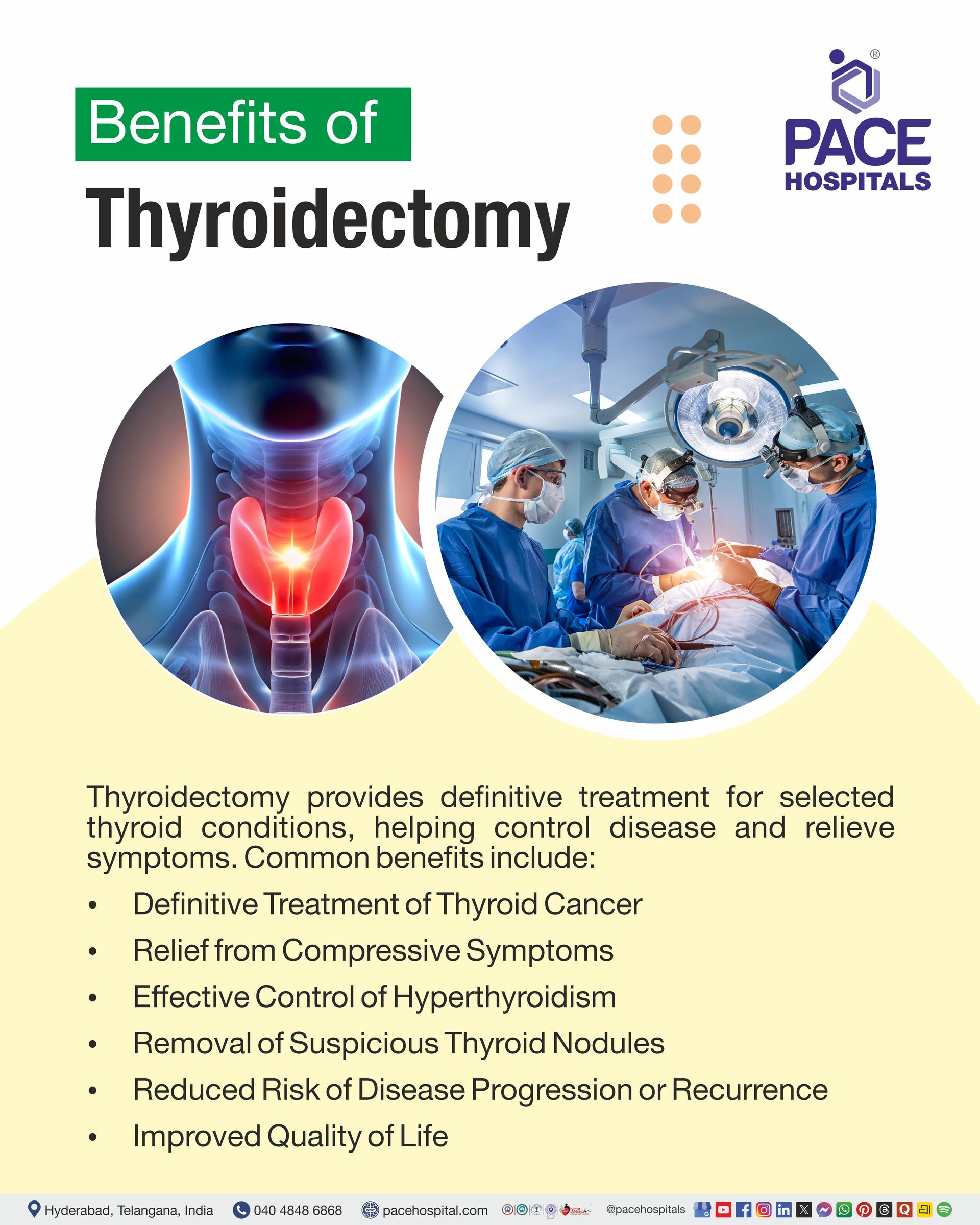
Benefits of Thyroidectomy
Thyroidectomy is used to provide effective and permanent treatment for a variety of thyroid problems when necessary. It contributes to the resolution of underlying disease, the prevention of complications, and the improvement of patient outcomes. Common benefits of thyroidectomy include:
- Definitive Treatment of Thyroid Cancer
- Relief from Compressive Symptoms
- Effective Control of Hyperthyroidism
- Elimination of Suspicious Thyroid Nodules
- Prevention of Disease Progression and Recurrence
- Improved Quality of Life in Symptomatic Patients
Definitive Treatment of Thyroid Cancer
Surgical removal of the thyroid gland allows for thorough excision of malignant tissue or thyroid carcinoma cells, lowering the risk of local dissemination and recurrence. It also makes other treatments possible, such as radioactive iodine therapy and long-term surveillance with tumor markers.
Relief from Compressive Symptoms
In patients with large goiters, thyroidectomy provides relief from pressure on nearby structures, improving the unwanted conditions such as breathing discomfort, difficulty swallowing, and voice changes caused by tracheal or esophageal compression.
Effective Control of Hyperthyroidism
Thyroidectomy provides rapid and definitive control of hormone overproduction in thyroid related disease conditions like Graves' disease or toxic multinodular goiter, especially when medical therapy is ineffective or contraindicated.
Elimination of Suspicious Thyroid Nodules
Thyroidectomy surgery allows for the complete removal and precise histological evaluation of thyroid nodules with unclear or inconclusive cytology, guaranteeing the correct, proper diagnosis and necessary additional treatment.
Prevention of Disease Progression and Recurrence
In selected patients, especially those with malignant or high-risk thyroid disease, thyroidectomy reduces the likelihood of disease progression and recurrence when compared to conservative management.
Improved Quality of Life in Symptomatic Patients
When necessary, thyroidectomy can help to enhance functional status and patient well-being by resolving hormonal imbalance, apparent neck swelling, and compressive discomfort.
Get a Free Second Opinion for TThyroidectomy
At PACE Hospitals, we are committed to providing our patients with the best possible care, and that includes offering second medical opinions with super specialists for treatment or surgery. We recommend everyone to get an expert advance medical second opinion, before taking decision for your treatment or surgery.
Thyroidectomy Procedure
To achieve the best possible results, surgeons customise the order and strategy based on the particular patient anatomy, underlying pathology, and intraoperative findings.
Thyroidectomy steps include the following:
Before the Procedure
- A detailed medical history is obtained, and a comprehensive physical examination is performed to evaluate the patient’s overall health and surgical fitness. Investigations such as thyroid function tests, ultrasound imaging, computed tomography (CT) or magnetic resonance imaging (MRI), and, when indicated, fine-needle aspiration cytology are carried out to assess the nature and extent of thyroid disease.
- In some selected cases, preoperative evaluation of vocal cord function is performed using an instrument known as a laryngoscope. This process helps assess baseline mobility of the vocal cords and detect any pre-existing nerve involvement, which is important for thyroid surgical planning beforehand and postoperative comparison.
- Patients are advised regarding the procedure, potential risks, expected outcomes, and alternative treatment options. Written informed consent is obtained from the patient prior to surgery.
- A review of medications is conducted. Anticoagulants, antiplatelet agents, and certain supplements may be temporarily discontinued to reduce the risk of bleeding.
- In patients with hyperthyroidism, appropriate medical therapy is initiated to achieve a euthyroid state before surgery, thereby minimizing perioperative complications.
- Pre-anesthetic evaluation is performed to assess airway status and overall suitability for general anesthesia.
- Patients are instructed to fast for at least 6–8 hours before surgery to reduce the risk of aspiration.
- Personal items such as jewellery, dentures, or contact lenses are removed prior to the procedure, and the patient is prepared in a hospital gown.
- An intravenous (IV) line is established for administration of fluids, medications, and anesthesia.
During the Procedure
- Thyroidectomy is performed under general anesthesia with continuous monitoring of vital parameters, including heart rate, blood pressure, and oxygen saturation.
- The patient is positioned supine with the neck extended to optimize exposure of the thyroid region.
- A transverse incision is made in the lower neck, typically placed within a natural skin crease to have cosmetic improvement.
- The thyroidectomy incision is typically placed as a horizontal cut in the lower part of the neck (1 to 3-inch horizontal "collar" incision)- just above the collarbones, usually along a natural skin crease to improve cosmetic appearance after healing. The length of the incision depends on the size of the thyroid gland and the extent of surgery required.
- The underlying tissues are carefully dissected, and the thyroid gland is exposed. Critical structures, including the recurrent laryngeal nerves and parathyroid glands, are meticulously identified and preserved.
- Depending on the clinical indication, the surgeon performs a lobectomy, near-total, or total thyroidectomy.
- Hemostasis is achieved with precision to prevent postoperative bleeding, which is particularly important due to the confined neck space.
- In selected cases, a drain may be placed to prevent fluid accumulation.
- The incision is closed in layers using sutures or surgical clips, and a sterile dressing is applied.
After the Procedure
- After thyroidectomy surgery, patients are shifted to the recovery area, where vital signs, airway status, and neurological responses are closely monitored until stabilization.
- Monitoring focuses on early identification of complications such as neck swelling, bleeding, airway compromise, or changes in voice.
- Serum calcium levels may be assessed to detect hypocalcemia resulting from temporary or permanent parathyroid dysfunction.
- Pain is typically mild to moderate and is managed with appropriate analgesics.
- Oral intake of food is gradually resumed once the patient is fully conscious, fit, and able to swallow without difficulty.
- Patients are encouraged to begin gentle movement early to promote circulation and faster recovery.
- In cases of total thyroidectomy, thyroid hormone replacement therapy is initiated to maintain normal metabolic function of thyroid hormone release. Thyroidectomy and menopause are distinct physiological conditions in humans, but they may influence each other due to the role of thyroid hormones involved in metabolism and hormonal balance in women. After thyroidectomy, especially total removal, thyroid hormone replacement therapy is required to maintain normal endocrine function.
- In menopausal women, changes such as fatigue, weight variation, and mood alterations may overlap with symptoms of thyroid hormone imbalance, making careful monitoring important.
- Most patients are discharged within a short hospital stay once stable, with instructions for wound care and activity restrictions.
- The thyroidectomy diet focuses on supporting recovery and maintaining normal body function with a diet plan after thyroidectomy. Soft and easily swallowable foods are preferred as the best diet after thyroidectomy in the initial phase, followed by a gradual transition to a balanced diet. Adequate intake of protein helps in tissue healing, while calcium-rich foods support normal levels if temporarily affected after surgery.
- Maintaining hydration and following proper timing of thyroid hormone medication are important for effective recovery and metabolic stability.
- Follow-up visits are scheduled to monitor healing, evaluate thyroid hormone levels, and assess long-term outcomes, particularly in patients treated for thyroid malignancy.
Thyroidectomy Complications
Thyroidectomy is routinely performed with a high level of safety; however, due to the anatomical location of the thyroid gland and its proximity to vital structures, certain complications may occur in the perioperative or postoperative period which requires proper attention. These complications are uncommon but require timely recognition and management. Common complications after thyroidectomy include:
- Injury to the Recurrent Laryngeal Nerve
- Disturbance in Calcium Levels (Hypocalcemia)
- Postoperative Bleeding (Neck Hematoma) and Neck Swelling
- Surgical Site Infection
- Fluid Collection at the Surgical Site (Seroma)
- Scar-related Changes
- Requirement for Lifelong Hormone Replacement
Injury to the Recurrent Laryngeal Nerve
The recurrent laryngeal nerve plays an important role in vocal cord movement. Any intraoperative disturbance to this nerve may lead to altered voice quality, including hoarseness. In most cases, this change is temporary, although persistent dysfunction can occur in rare situations.
Disturbance in Calcium Levels (Hypocalcemia)
The parathyroid glands, located close to the thyroid, play an active role in the regulation of calcium levels in the blood. Temporary reduction in their function after surgery may result in low calcium levels, presenting as numbness, tingling sensations, or muscle spasms. This health condition is usually transient but may occasionally require supplementation.
Postoperative Bleeding (Neck Hematoma) and Neck Swelling
Bleeding within the surgical site may lead to accumulation of blood (hematoma), which can lead to neck swelling and, in severe cases, pressure on the airway. This is an uncommon but important complication requiring prompt attention.
Surgical Site Infection
Infection following thyroidectomy is relatively rare due to the vascular nature of the neck region, but it may occur and present with local redness, pain, or discharge from the incision site, which are problematic complications.
Fluid Collection at the Surgical Site (Seroma)
Accumulation of clear fluid in the operated area or incision region may develop during the recovery period after the thyroidectomy surgery. While often mild, it may require drainage if it causes discomfort or persists.
Scar-related Changes
Healing of the surgical incision may result in a visible scar. In most cases, the incision is placed along natural skin lines, leading to a cosmetically acceptable outcome.
Requirement for Lifelong Hormone Replacement
Following complete removal of the thyroid gland, the body is no longer able to produce thyroid hormones, necessitating long-term hormone replacement therapy to maintain normal physiological function.
Thyroidectomy Side Effects
Thyroidectomy is a commonly performed surgical procedure with a favorable safety profile; however, some side effects may be observed and may not be ignored during the recovery period as the body adapts to surgical changes. Common side effects post-thyroidectomy include:
- Neck Pain and Discomfort
- Hoarseness or Voice Changes
- Dysphagia (Difficulty Swallowing)
- Hypocalcemia after thyroidectomy (Temporary Low Calcium Symptoms)
- Fatigue
- Scar Sensitivity or Tightness
Neck Pain and Discomfort
Mild to moderate pain around the incision site is common after surgery. This may also be associated with stiffness or discomfort during neck movements, particularly in the initial recovery period.
Hoarseness or Voice Changes
Temporary alteration in voice quality may occur due to irritation or manipulation of the vocal cords during surgery. This typically improves over time as healing progresses.
Dysphagia (Difficulty Swallowing)
A sensation of discomfort or difficulty while swallowing may be experienced in the early postoperative period due to local tissue swelling and surgical manipulation.
Hypocalcemia after thyroidectomy (Temporary Low Calcium Symptoms)
Following thyroidectomy surgery, some patients may have tingling feelings in their fingers or around their lips as a result of transient changes in blood calcium levels.
Fatigue
A general feeling of tiredness and uneasiness may occur post-thyroidectomy, which gradually improves as the body recovers and normal routine activities are resumed.
Scar Sensitivity or Tightness
The surgical scar may feel tight or sensitive during the healing phase. Over time, the scar typically softens and becomes less noticeable.
Thyroidectomy Procedure Time
The duration of a thyroidectomy varies depending on the extent of surgery that needs to be performed and the underlying thyroid pathology. In general, thyroidectomy surgery time typically takes about 1 to 3 hours, with longer operative time required for total thyroidectomy, large goiters, or cases involving lymph node dissection.
Thyroidectomy Surgery Recovery
Thyroidectomy recovery time depends on the individual, the extent of surgery, and the patient's overall health status. In most cases, initial recovery occurs within a span of 1 to 2 weeks, during which routine daily activities can be gradually resumed. Fatigue, neck stiffness, or slight discomfort may occur during this period, but these usually go away with time. However, it may take two to four weeks or more to fully recover, including resuming demanding activities, especially following major surgical procedures. For long-term healing and metabolic balance following a complete thyroidectomy, continuous monitoring and thyroid hormone replacement treatment are crucial.
Thyroidectomy Success Rate
Thyroidectomy has consistently positive outcomes when performed with proper surgical planning and experience. In most cases, the surgery effectively removes damaged thyroid tissue, with reported success rates ranging from 92% to 95% for benign nodules, hyperthyroidism, and some initial stages of thyroid cancers.
But long-term outcomes for patients with localised thyroid cancer are particularly promising, with 5-year survival rates exceeding 98%, highlighting the efficacy of early surgical resection followed by adequate follow-up care post-thyroidectomy. However, disease stage, surgical technique, postoperative treatment, and surveillance all have an impact on overall outcome.
Questions that the patients can ask the healthcare team about Thyroidectomy?
- When is discharge from the hospital expected after the procedure?
- When should follow-up visits be scheduled after surgery?
- What is the usual recovery timeline after thyroidectomy?
- What possible complications can occur post-thyroidectomy?
- What type of discomfort or pain may be experienced after thyroidectomy?
- When can normal daily activities be safely resumed after thyroidectomy surgery??
- What precautions should be considered during the recovery period?
- Will thyroid hormone replacement be required, and how long will it be needed?
- How will recovery progress over time, and what changes can be expected?
- How long does complete recovery take, and is assistance needed during this period?
- Are there any specific physical activities or movements that should be avoided after surgery?
- Is additional treatment or long-term monitoring required after thyroidectomy?
Understanding the difference between Subtotal thyroidectomy and Total thyroidectomy
Subtotal thyroidectomy vs Total thyroidectomy
Both Subtotal thyroidectomy and Total thyroidectomy are surgical procedures used to treat thyroid problems, although they differ in their clinical use, extent of gland removal, and long-term prognosis. The decision between these two surgeries is influenced by criteria such as the underlying thyroid problem, risk of recurrence, and the necessity for ongoing hormonal care. Below table represents the key parameters that differentiate subtotal thyroidectomy and total thyroidectomy:
| Parameters | Subtotal Thyroidectomy | Total Thyroidectomy |
|---|---|---|
| Definition | Removal of most of the thyroid gland while leaving a small portion of functioning tissue. | Complete removal of the entire thyroid gland, including both lobes and the isthmus. |
| Common indications | Selected cases of hyperthyroidism or benign thyroid disorders where partial gland function may be preserved or retained. | Thyroid cancer, large multinodular goiter, or conditions requiring complete disease clearance. |
| Procedure | The majority of thyroid tissue is excised, with a small remnant intentionally retained. | Entire thyroid gland is surgically removed to eliminate all thyroid tissue. |
| Goal | To reduce disease activity while maintaining some natural thyroid hormone production. | To achieve definitive treatment by removing all diseased thyroid tissue. |
| Function | Residual thyroid tissue may continue to produce hormones, sometimes reducing the need for replacement therapy. | No natural hormone production remains, requiring lifelong hormone replacement. |
| Mobility outcome | Normal function is generally preserved, though recurrence may affect long-term outcomes. | Normal activity is restored after recovery, with stable outcomes supported by hormone therapy. |
| Long-term outcomes | Higher likelihood of recurrence due to remaining thyroid tissue. | Lower recurrence rates, especially in malignant or extensive disease. |
| Risk of complications | Risk of disease persistence or recurrence due to incomplete removal. | Increased dependence on hormone therapy; similar surgical risks related to nerves and calcium balance. |
| Preferred for | Patients with benign disease where preservation of thyroid function is considered beneficial. | Patients requiring complete removal for malignancy (cancerous stage) or widespread thyroid gland involvement. |
| Surgical approach | Typically performed using open surgery with careful preservation of residual tissue. | Performed using open or advanced surgical techniques depending on the case. |
Frequently Asked Questions (FAQs) on Thyroidectomy Surgery
What is total thyroidectomy?
Total thyroidectomy is a type of thyroidectomy that involves the removal of the entire thyroid gland, including both lobes and the isthmus. It is typically used to treat thyroid cancer, bilateral thyroid disease, or big multinodular goiter. After this procedure, an individual will need to take thyroid hormone replacement for the rest of life.
How long does it take to recover from thyroidectomy?
Initial thyroidectomy recovery usually takes about 1 to 2 weeks. Most routine activities can be resumed gradually, depending on healing and medical advice. But for full recovery it may take longer duration for some months after extensive surgery.
Can thyroid cancer come back after total thyroidectomy?
Yes, thyroid cancer recurrence can occur even after total thyroidectomy, although the risk depends on tumor type, stage, and treatment response. Follow-up may include thyroglobulin testing, ultrasound, imaging tests and risk-based surveillance. But it should be remembered that early detection improves long-term management.
Can a woman get pregnant after thyroidectomy?
Yes, pregnancy is still possible after thyroidectomy surgery when thyroid hormone levels are well controlled. Women requiring thyroid medication need close monitoring under the guidance of an endocrinologist before and during pregnancy. Proper dose adjustment supports maternal health and also fetal development.
When to start thyroxine after total thyroidectomy?
After total thyroidectomy, thyroxine replacement is usually started soon after surgery, based on the treating doctor’s advice (an Endocrinologist or a Thyroid/Endocrine Surgeon provides guidance). It replaces the hormone that the thyroid can no longer produce. Dose adjustment is guided by follow-up thyroid function tests.
How long does hypocalcemia last after thyroidectomy?
Hypocalcemia after thyroidectomy surgery is often temporary and may improve within certain days to weeks. It occurs when the parathyroid glands are irritated or temporarily underactive after thyroidectomy surgery. However, persistent hypocalcemia is less common and may require long-term calcium and vitamin D support.
What is thyroidectomy?
Thyroidectomy is a surgical procedure in which part or all of the thyroid gland is removed. It is performed for conditions such as thyroid cancer, large goiter, suspicious nodules, or uncontrolled hyperthyroidism. The extent of surgery depends on the diagnosis and clinical evaluation.
What to do after thyroidectomy?
After thyroidectomy, follow-up care includes neck wound care with proper cleaning at incision area, pain control, calcium monitoring, and voice assessment. Thyroid hormone tablets may be prescribed, especially after total thyroidectomy. However, it is generally advised for regular follow-up that can help monitoring recovery and hormone levels.
How long does a thyroidectomy take?
A thyroidectomy surgery commonly takes around 1 to 3 hours. The time may vary depending on the size of the thyroid, extent of removal, and whether lymph nodes are involved. Complex or revision surgeries may take longer.
Is thyroidectomy major surgery?
Yes, thyroidectomy is considered a major surgical procedure as it involves operating near important neck structures. These neck structures include the recurrent laryngeal nerves, blood vessels, parathyroid glands, and airway. However, it is commonly performed safely with proper expertise.
What is normal TSH level after thyroidectomy?
The target TSH level after thyroidectomy depends on the reason for surgery. For benign disease, levels are usually maintained within the normal laboratory range (typically 0.5 to 2.0 mIU/L or the standard laboratory reference range). After thyroid cancer, lower TSH targets (with targets ranging from <0.1 to 0.5 mIU/L) may be advised depending on recurrence risk.
What is subtotal thyroidectomy?
Subtotal thyroidectomy is a type of thyroidectomy that involves removal of most of the thyroid gland while leaving a small amount of thyroid tissue. It was historically used for some hyperthyroid conditions. Residual tissue may reduce hormone deficiency but can increase recurrence risk.
Who performs thyroidectomy?
Thyroidectomy procedures are commonly performed by skilled surgeons who specialize in thyroid and neck operations. This might involve endocrine surgeons, general surgeons skilled in thyroid procedures, or ENT/head and neck specialists. The decision relies on the setup of the hospital and the complexity of the illness.
Why do individuals have breathing difficulty after thyroidectomy?
Breathing difficulty after thyroidectomy may result from neck swelling, bleeding, airway irritation, or rarely bilateral vocal cord dysfunction. Neck hematoma is an urgent concern because it can compress the airway. Immediate medical evaluation is required if breathing difficulty occurs.
Can thyroid grow back after thyroidectomy?
After total thyroidectomy, the thyroid gland does not normally grow back. However, small residual thyroid tissue may remain in some cases and can be seen on follow-up testing. After partial or subtotal surgery, remaining thyroid tissue may enlarge over time.
Why choose PACE Hospitals?
- A Multi-Super Speciality Hospital.
- NABH, NABL, NBE & NABH - Nursing Excellence accreditation.
- State-of-the-art Liver and Kidney transplant centre.
- Empanelled with all TPAs for smooth cashless benefits.
- Centralized HIMS (Hospital Information System).
- Computerized health records available via website.
- Minimum waiting time for Inpatient and Outpatient.
- Round-the-clock guidance from highly qualified super specialist doctors, surgeons and physicians.
- Standardization of ethical medical care.
- 24X7 Outpatient & Inpatient Pharmacy Services.
- State-of-the-art operation theaters.
- Intensive Care Units (Surgical and Medical) with ISO-9001 accreditation.


