AV Fistula Surgery Cost in Hyderabad, India – 2026 Guide
Get a Cost Estimate for AV Fistula Surgery
Procedure & Surgery Cost Pages
All You Need To Know About AV Fistula Surgery
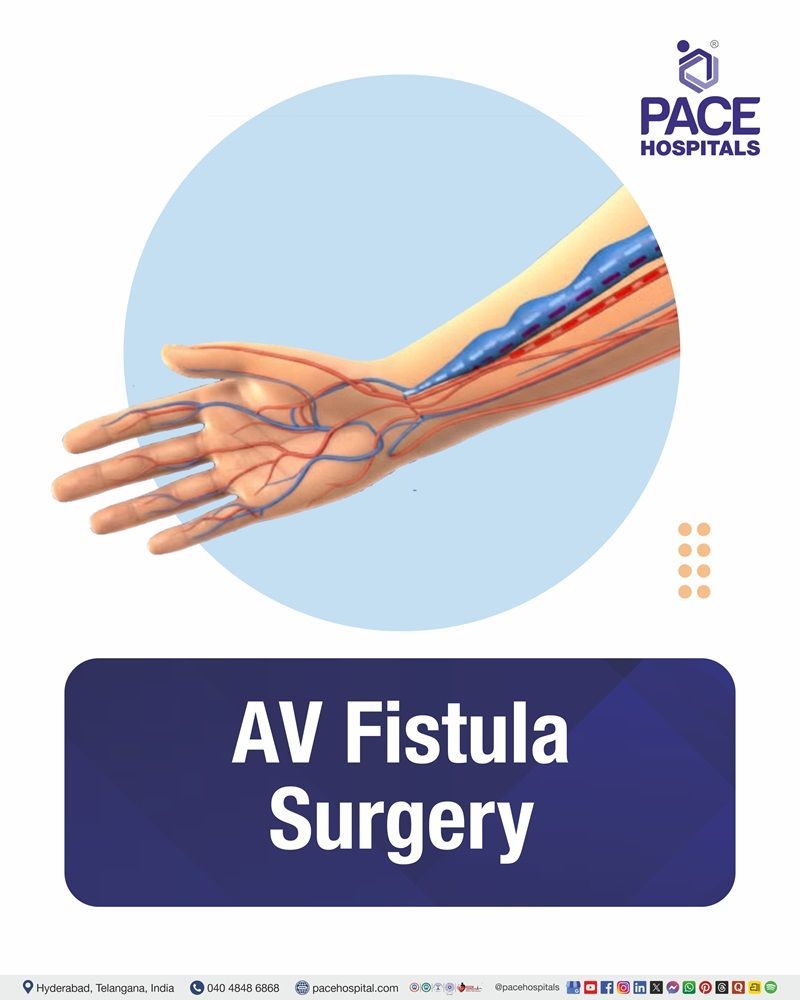
AV (Arteriovenous) Fistula Surgery is a vascular access procedure that creates a long-term access point for hemodialysis in patients with advanced chronic kidney disease (CKD) or kidney failure.
- It involves surgically joining an artery to a neighbouring vein, typically in the upper arm or forearm, so that the vein can grow and become more resilient to repeated dialysis needle insertions.
- The increased blood flow through the vein provides reliable, efficient vascular access, enabling adequate blood filtration during hemodialysis.
- An AV fistula is the gold standard for long-term dialysis access because it carries a lower risk of infection, clotting, and other complications than alternative vascular access options, such as AV grafts or central venous catheters.
- AV Fistula Surgery is commonly performed as a day-care or short-stay procedure under local or regional anesthesia. The fistula usually requires 6 to 12 weeks to mature before it is ready for regular hemodialysis.
AV Fistula Surgery Cost in India
On average, AV Fistula Surgery cost in India ranges from ₹25,000 to ₹1,10,000 and above (approximately US $262 to US $1,151). However, the actual cost may vary depending on several factors, including:
Type of AV fistula surgery (radio-cephalic, brachio-cephalic, brachiobasilic with transposition, or revision surgery)
- Type of complexity of the patient’s vasculature and requirement for reconstructive surgery
- Age and general condition of the patient along with comorbidities like diabetes, hypertension, or peripheral vascular disease
- Type of hospital (Private, Corporate, or Trust hospitals)
- Costs at the hospital (including Room Category and inpatient facilities, if required)
- Type of Anesthesia to be administered (Local, Regional, or General) and the skill level of the Vascular Surgeon
- Pre-surgery investigations (Blood tests, Doppler ultrasound mapping, Cardiac work-up, if necessary)
- Post-operative care, medications, follow-up, and handling of complications
- Coverage from insurance, health scheme from the government, or corporate approval for cashless treatment
AV Fistula Surgery Cost in Hyderabad, Telangana
On average, AV Fistula Surgery cost in Hyderabad ranges from ₹50,000 to ₹85,000 and above (approximately US $523 to US $890). These rates offer a competitive and cost effective option compared to other top hospitals in the city, with advanced surgical care and personalized treatment planning readily available.
However, the cost of AV Fistula Surgery in Hyderabad is influenced by several factors, such as:
- Type and level of complexity of the AV fistula surgery (primary surgery or revision surgery)
- Condition of the blood vessels of the patient
- Facility of the hospital being used
- Expertise of the vascular surgeon and other healthcare professionals involved
- Necessity of conducting investigations, mapping of blood vessels and diagnostic imaging
- Type of anesthesia and time required for conducting the surgery
- Hospitalization period and post-operative observation
- Insurance coverage or corporate approvals for cashless surgery
- Any complication leading to additional treatment or intervention
Cost Breakdown According to Type of AV Fistula Surgery
- Radiocephalic (Wrist) AV Fistula – ₹25,000 – ₹45,000 (US $291– US $523) (approx.)
- Brachiocephalic (Elbow) AV Fistula – ₹35,000 – ₹65,000 (US $407– US $756) (approx.)
- Brachiobasilic AV Fistula with Transposition – ₹55,000 – ₹85,000 (US $640 – US $988) (approx.)
- Temporary Access (Tunnelled Catheter) if required – ₹18,000 – ₹35,000 (US $209– US $407) (approx.)
- Revision / Secondary AV Fistula Surgery – ₹40,000 – ₹1,10,000+ (US $465– US $1,279+) (approx.)
Note: Based on established clinical practice, these are approximate costs that may vary between hospitals. The exact cost for each patient is determined by the vascular surgery team's comprehensive vascular evaluation, which includes an assessment of vein and artery quality, duplex ultrasound vein mapping, fistula location, the need for vein transposition or revision surgery, anesthesia requirements, and anticipated hospital stay.
Additional Information: The type of AV fistula created (radiocephalic, brachiocephalic, or brachiobasilic), the size and condition of the patient's blood vessels, the necessity of vein transposition or revision of a prior fistula, preoperative vascular mapping, the type of anesthesia used, the length of hospital stay, any additional procedures (like dialysis catheter insertion), and the experience and skill of the vascular surgeon are some of the factors that may affect the cost of AV fistula surgery. These elements help ensure that each patient receives a transparent cost estimate that is customized to meet their unique clinical needs as well as a personalized treatment plan.
Breakdown of AV Fistula Surgery Costs
The type of fistula (radiocephalic, brachiocephalic, or brachiobasilic), the patient's venous and arterial condition, underlying renal disease, length of hospital stay, and general health status all affect the cost of AV fistula surgery. The costs usually related to AV fistula surgery are broken down in detail below:
Pre-Surgery Costs
- Consultation Fees: Depending on the hospital and the specialist's level of experience, consultation fees with a nephrologist or vascular surgeon may differ.
- Diagnostic Tests: Blood tests, renal function tests, coagulation profiles, and imaging investigations such as Doppler ultrasound or vascular mapping to assess the arteries and veins and identify the best location for fistula creation are examples of diagnostic tests.
- Routine Pre-Operative Evaluation (for Anesthesia): To ensure the patient is fit for surgery, a thorough pre-anesthesia evaluation is performed. This includes a complete blood count (CBC), a kidney function test (KFT), a liver function test (LFT), an electrolyte profile, blood sugar levels, a coagulation profile (PT/INR, aPTT), an electrocardiogram (ECG), and, if necessary, a chest X-ray.
- Pre-Surgical Screening Including Medical History and Physical Examination: Pre-operative screening, which includes a physical examination and medical history, is required to determine appropriate blood vessels for AV fistula development. A thorough assessment of the patient's medical history, dialysis status, prior vascular access surgeries, medications (particularly blood thinners), allergies, cardiovascular health, and upper limb physical examination is required.
AV Fistula Surgery Costs
- Hospitalization Charges: Pre-operative preparation, admission costs, nursing care, day care or inpatient stays, and hospitalization charges are all included in hospitalization expenses. Intensive care unit (ICU) costs may be included if high-risk patients need close observation.
- Surgical Procedure: Expenses related to the creation of an arteriovenous fistula, including the vascular surgeon, the operating room, surgical supplies, and specialized tools.
- Anesthesia and Surgical Team Fees: Fees for the surgical support team, operating room personnel, anesthesiologists, and local, regional, or general anesthesia (based on the patient's condition).
Post-Surgery Care Costs
- Post-Operative Monitoring: Fees for pain management, wound care, early complication assessment, blood circulation monitoring through the fistula, and immediate post-operative observation.
- Hospital Stay: Costs associated with recovering from surgery, which is typically a same-day discharge or an overnight stay for straightforward situations. Longer hospital stays may be necessary for patients with additional medical issues or complications.
- Follow-Up Visits: Regular follow-up appointments to monitor wound healing, fistula maturation, blood flow via clinical assessment or Doppler ultrasound (if needed), and detect complications such as infection or thrombosis.
The costing structure is transparent, which will assist the patients in planning their budgets for the AV Fistula Surgery procedure. At PACE Hospitals, Hyderabad, we offer customized and accurate cost estimates to patients based on their individual vascular health condition, dialysis requirements, and overall medical needs, ensuring affordable, high-quality care with advanced vascular surgery expertise.
Who Needs AV Fistula Surgery?
AV Fistula surgery does not need to be performed in all patients with kidney disease. The surgery is done for patients suffering from advanced cases of CKD or kidney failure that require long-term hemodialysis. The surgery creates an access point through which blood can be circulated easily, reducing the risk of infection or clotting compared to other access methods.
Common Conditions Indicating the Need for AV Fistula Surgery:
- End-Stage Kidney Disease (ESKD): Individuals with end-stage kidney disease (ESKD) need regular, long-term hemodialysis because they have permanent kidney failure.
- Advanced Chronic Kidney Disease (CKD Stage 4 or 5): It is recommended that patients who anticipate starting hemodialysis in the coming months have an AV fistula placed in advance, so it has time to grow.
- Need for Long-Term Hemodialysis: An AV fistula is the recommended vascular access for people expected to require dialysis over the long term.
- Unsuitable or Recurrent Problems with Dialysis Catheters: For safer and more efficient dialysis, patients who frequently experience catheter-related infections, clotting, or poor blood flow may need an AV fistula.
- Good Blood Vessel Health: AV fistula development is most suited for patients whose arm veins and arteries are suitable, as assessed by vascular examination.
- Preparation for Future Dialysis: Before dialysis becomes essential, those with progressive renal disease who are on the verge of kidney failure may have AV fistula surgery to make sure the access is ready when treatment starts.
Who is Not Eligible for AV Fistula Surgery?
Even though AV fistula surgery is thought to be the best long-term vascular access for hemodialysis, not everyone may benefit from it. In the following circumstances, the procedure may be postponed, modified, or avoided:
- Active Infection: As surgery may increase the risk of spreading infection and poor wound healing, patients with active skin infections, bloodstream infections (sepsis), or infections at the intended surgical site are typically not suited for rapid AV fistula formation.
- Unsuitable Blood Vessels: People may not be good candidates for an AV fistula if they have very small, severely restricted, obstructed, or damaged veins and arteries because of prior surgeries, frequent intravenous cannulations, vascular illness, or trauma. Alternative dialysis access options, including an AV graft or a tunnelled dialysis catheter, might be considered in these situations.
- Uncontrolled Medical Conditions: Before having AV fistula surgery, patients with uncontrolled diabetes, severe heart failure, uncontrolled hypertension, bleeding problems, or other major medical illnesses may need to be stabilized. Individuals with poor blood circulation in the arm or severe peripheral artery disease might not be good candidates.
- Poor General Health or Limited Life Expectancy: Because the fistula needs time to mature before it can be used, AV fistula surgery may not be advised for individuals with severe illness, extremely short life expectancy, or those unlikely to require long-term hemodialysis.
- Severe Vascular Disease or Previous Access Failure: Following a specialist evaluation, patients with severe vascular disease, numerous unsuccessful vascular access procedures, or severe arm vein scarring may not be eligible for a standard AV fistula and may need alternative vascular access options.
To decide whether AV fistula surgery is necessary and to choose the safest and most efficient dialysis access for each patient, a thorough evaluation by a Vascular Surgeon or Nephrologist is necessary. This evaluation should include a physical examination and vascular imaging (such as Doppler ultrasound).
AV Fistula Surgery – How is the Procedure Done?
Arteriovenous fistula (AV fistula) surgery is typically carried out as a planned (elective) procedure under local or regional anesthesia. To create a long-lasting vascular access for hemodialysis, the procedure involves joining an artery to a nearby vein, usually in the forearm or upper arm. Usually, the process steps consist of:
- Preoperative Evaluation: Physical examination, medical consultation, and Doppler ultrasound vascular mapping to determine the location, size, and quality of appropriate veins and arteries.
- Surgical Planning: Choosing the best AV fistula type and location (such as radiocephalic, brachiocephalic, or brachiobasilic fistula) in accordance with the patient's vascular anatomy, general health, and dialysis needs.
- Artery-to-Vein Connection: To improve blood flow through the vein and enable it to grow and strengthen over the following few weeks, a small incision is made over the chosen blood vessels, and the artery is surgically attached to the vein (anastomosis).
- Closure and Monitoring: Fistula Closure and Follow-up: Once it has been verified that there is sufficient blood flow through the fistula by observing a thrill or bruit, the incision is sutured up, and the fistula is monitored for proper function and early complications.
- Recovery and Maturation: Depending on their overall health, most patients are released the same day or within a day. Before an AV fistula can be safely utilized for hemodialysis, it usually takes 4–12 weeks to mature.
The procedure is carried out by a multi-speciality team that includes vascular surgeons, nephrologists, anesthesiologists, and nursing staff at PACE Hospitals using standardized surgical procedures to create vascular access and postoperative care for patients requiring long-term hemodialysis therapy.
Types of AV Fistula Surgery
Depending on the patient's vascular status, overall health, and the optimal location for long-term hemodialysis access, several AV fistula surgeries are performed. The complexity of the surgery, the time it takes for the fistula to mature, and the total cost of therapy are all influenced by the type of fistula created.
- Radiocephalic AV Fistula (Wrist AV Fistula): The radial artery is connected to the cephalic vein at the wrist to create a radiocephalic AV fistula, also known as a wrist AV fistula. Despite the need for healthy blood vessels, it is the recommended first-choice access because of the decreased incidence of complications.
- Brachiocephalic AV Fistula (Elbow AV Fistula): The formation occurs by connecting the brachial artery to the cephalic vein through the elbow joint. This type is preferred in situations where the wrist veins are not suitable and generally provides higher blood flow for effective dialysis.
- Brachiobasilic AV Fistula with Vein Transposition: This procedure involves connecting the brachial artery to the basilic vein and repositioning the vein closer to the skin to facilitate access for a dialysis needle. When other veins are unsuitable, this more complex surgery is frequently performed.
- Upper Arm AV Fistula: When the forearm vessels are unable to sustain the development of a fistula, an upper arm AV fistula is made using the appropriate arteries and veins in the upper arm. Although more extensive surgery could be necessary, it provides reliable dialysis access.
- Revision or AV Fistula Reconstruction Surgery: An existing AV fistula that has narrowed, failed to mature, developed an aneurysm, or experienced recurrent blockage can be repaired or reconstructed by revision or AV fistula reconstruction surgery. If required, the procedure may involve thrombectomy, vascular reconstruction, or the formation of a new fistula.
Note: The type of fistula formed, blood vessel quality, necessity for vein transposition or revision surgery, preoperative vascular mapping, anesthesia, surgeon skills, hospital facilities, and postoperative care all affect the cost of AV fistula surgery. Standard radiocephalic AV fistula development is typically less expensive than more complicated procedures like revision surgery or brachiobasilic fistula with vein transposition.
Post-AV Fistula Surgery Care Tips
To support fistula maturation, encourage appropriate healing, and ensure long-term dialysis access following AV fistula surgery, meticulous attention is necessary:
- The individual should endeavour to attend all follow-up consultations for monitoring and evaluation of wound healing and AV fistula maturation.
- The individual should maintain the surgical site's cleanliness while following the dressing care instructions provided by health professionals.
- The individual should avoid heavy lifting and strenuous arm exercises involving the fistula for about 2–4 weeks, or as directed by the surgeon.
- The individual should avoid measuring blood pressure, drawing blood samples, performing intravenous cannulation, or receiving any injections through the arm with the AV fistula.
- The individual should always check the "thrill” (vibration) over the fistula and report immediately if no vibration is felt.
- If medications like antibiotics and painkillers are prescribed after discharge, one should take them exactly as prescribed for the full course of treatment.
- The best advice in this regard is to avoid sleeping on the arm with the fistula, wearing tight clothes or jewellery, and putting pressure on the access arm.
- The most important thing is to consult the doctor immediately if there are any signs of infection, profuse bleeding, increased pain, swelling, numbness, a cold hand, or any other changes in the fistula's condition.
Adhering to these guidelines ensures reliable long-term vascular access for hemodialysis, facilitates appropriate healing, and supports good AV fistula maturation.
Key Factors Influencing AV Fistula Surgery Cost
Several factors can affect the total cost of AV fistula surgery. Understanding these essential components facilitates patient’s efficient planning:
Pre-Surgery Evaluation
Thorough evaluation before surgery, such as consultation with a vascular surgeon or nephrologist, lab tests, vein mapping with Doppler ultrasound, and other diagnostic investigations, contributes to the overall cost of surgery.
Insurance Coverage
The patient's out-of-pocket costs for AV fistula surgery may be significantly affected by the scope of health insurance coverage, government healthcare programs, or corporate cashless approvals.
Hospital and Location
The cost of AV fistula surgery will depend on the hospital's infrastructure and accreditation, as well as its location. Prestigious multi-speciality hospitals in big cities like Hyderabad may charge higher rates than smaller hospitals.
Post-Surgery Care
Subsequent consultations, medications, wound care(dressings), Doppler study (if needed), fistula maturation monitoring, and management of early complications will be included in the total cost of treatment.
Complications During or After Surgery
In the event of unexpected complications, including bleeding, infection, thrombosis (formation of a blood clot), inadequate fistula maturation, or the need for surgical revision or further vascular procedures, there may be additional costs associated with the overall treatment process.
Surgeon Expertise
A surgeon who is highly experienced in vascular or transplantation surgery will likely charge higher professional fees due to their specialized skills and better clinical outcomes.
Type and Complexity of AV Fistula Procedure
The type of vascular access surgery carried out, whether radiocephalic, brachiocephalic, brachiobasilic AV fistula with vein transposition, and the patients’ vascular anatomy will affect the level of complexity and cost involved in the surgery.
Travel and Accommodation
Patients coming from other towns and states for their surgery should also factor in the costs of travel, food, and accommodation for themselves and their families.
Patient's Overall Health
Age, vascular status, severity of chronic kidney disease, the presence of diabetes, high blood pressure, peripheral vascular disease, obesity, history of vascular access surgery, and other medical conditions may all affect the complexity of the procedure, recovery, and overall treatment cost.
Why Choose PACE Hospitals for AV Fistula Surgery in Hyderabad, India?
A trusted center for AV fistula surgery, PACE Hospitals in Hyderabad, provides patients with chronic kidney disease who need hemodialysis with complete vascular access care.
- Trained vascular surgeons, nephrologists, anesthesiologists, and specialized nurses
- State-of-the-art imaging, advanced operating rooms, and microsurgical procedures for AV fistula creation
- Preoperative patient assessment and postoperative monitoring to evaluate the growth and function of the fistula
- Personalized patient care with customized plans, detailed cost estimation, and dialysis services
For patients searching for the Best AV Fistula Surgery Hospital in Hyderabad, Telangana, India, PACE Hospitals provides expert vascular care, competitive treatment costs, and safe surgical outcomes with a focus on creating durable and functional dialysis access.
Financial Assistance and Payment Plans at PACE Hospitals
For individuals who need long-term hemodialysis, AV fistula surgery is a necessary technique. By offering thorough financial advice and insurance help, we at PACE Hospitals strive to make treatment accessible.
- Cashless admission using empanelled insurers and TPAs as per the policy terms and its approval.
- Help with pre-approval, insurance, and admission formalities to make the process of treatment easier.
- Reimbursements for cases where insurance policies do not offer cashless hospitalization.
- Pre-admission cost estimations based on the type of AV Fistula surgery, the patient's condition, and the expected hospital stay.
- Facilities for eligible corporate health insurance, government health insurance, and insurance programs provided by the employers to minimize your expenses.
Success Rate of AV Fistula Surgery
When performed on carefully selected individuals, AV fistula surgery is considered the most effective and preferred method of vascular access for hemodialysis, with a high rate of long-term patency and functional maturation. The patient's blood vessel quality, age, underlying medical conditions, surgical technique, and adherence to postoperative care are several factors that affect overall success rates. About 60% to 80% of patients in many skilled vascular clinics have effective fistula creation and maturation.
Following successful AV fistula surgery, patients may experience:
- An access that functions well and is appropriate for long-term hemodialysis.
- Improved blood flow during dialysis, thereby making the therapy more effective.
- Fewer chances of infections and blood clots than other alternatives for dialysis access, like central venous catheters.
- Better Long-term sustainability with fewer access-related complications and interventions.
Adequate postoperative care, protecting the fistula arm against any injuries, performing recommended fistula exercises as prescribed by the surgeon, attending for follow-up appointments to monitor the growth and functioning of the fistula, and seeking medical help immediately if there is any change in thrill, bruit, and blood flow are all essential for long-term benefits. The performance of dialysis and the lifespan of the fistula will be greatly enhanced through early detection and prompt management.
Request a Personalized Treatment Cost Estimate
Every patient's medical condition and treatment plans are unique, which means the overall cost can vary. To receive an accurate estimate, our specialists evaluate your diagnosis, medical history, recommended treatment, and any necessary investigations before providing a detailed cost breakdown.
Whether you are planning a diagnostic test, treatment, or surgery, our team is here to help you understand the expected expenses and guide you through every step of the process.
Get in touch with us today to request a personalized treatment cost estimate.