ERCP Procedure Cost in Hyderabad, India – 2026 Guide
Get a Cost Estimate for ERCP Procedure
Procedure & Surgery Cost Pages
All You Need To Know About ERCP Procedure
A specialized endoscopic procedure called endoscopic retrograde cholangiopancreatography (ERCP) is used to diagnose and treat conditions affecting the pancreas, gallbladder, bile ducts, and pancreatic ducts. To detect and treat obstructions or other abnormalities in the biliary and pancreatic ductal systems, it combines X-ray imaging with an endoscope, a flexible tube equipped with a camera.
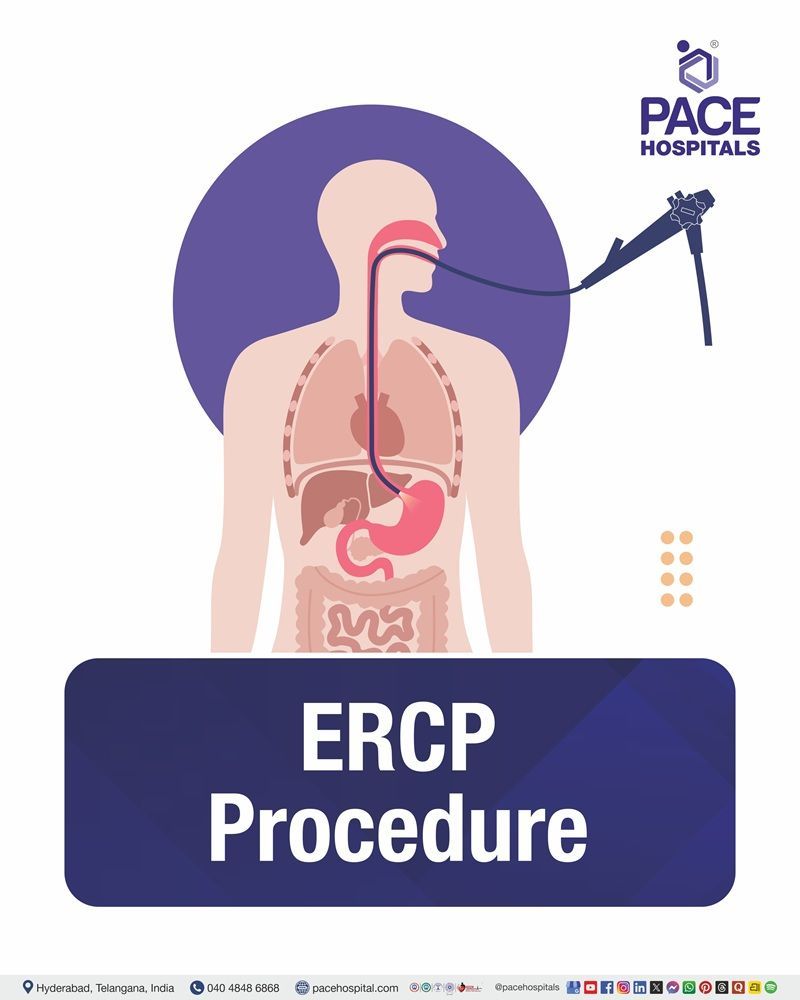
- It involves inserting a thin, flexible endoscope through the mouth, oesophagus, and stomach into the duodenum, the first segment of the small intestine. There, a contrast dye is injected into the pancreatic and bile ducts so that X-rays can see them.
- Doctors can perform therapeutic procedures, such as the removal of bile duct stones, the implantation of pancreatic or biliary stents, the dilation of constricted ducts (strictures), the treatment of bile leaks, or the collection of tissue samples (biopsy) when needed, in a single session.
- ERCP is mainly a therapeutic method rather than a diagnostic test. It is generally indicated for various diseases, including bile duct stones (choledocholithiasis), obstructive jaundice, bile duct stricture, pancreatic duct disease, bile duct injury, and cancers of the pancreas or bile ducts.
ERCP Procedure Cost in India
On average, the ERCP Procedure cost in India ranges from ₹15,000 to ₹80,000 and above (approximately US $180 to US $960). However, the actual cost may vary depending on several factors, including:
- The underlying condition being treated (bile duct stones, bile duct strictures, pancreatic duct problems, bile leakage, or tumor)
- Diagnostic or therapeutic nature of the procedure (stone removal, stent insertion, sphincterotomy, or dilation)
- Duration and complexity of the procedure
- Age of the patient, underlying medical conditions and overall health status
- Type of hospitals (private, corporate, or trust hospitals)
- Charges in hospitals (room category and other facilities)
- Use of anesthesia or sedation and experience level of the gastroenterologist, anesthesiologist, and endoscopy team
- Pre-procedural investigations (lab tests, imaging studies, and fitness of the patient)
- Requirement of any special equipment or accessories (biliary/pancreatic stents, balloons, guidewires, baskets, or lithotripsy equipment)
- Post-procedural care, including medicines, complications management (if any), and length of stay in the hospital
- Insurance or corporate approval for cashless treatment
ERCP Procedure Cost in Hyderabad, Telangana
On average, the cost of an ERCP procedure in Hyderabad ranges from ₹20,000 to ₹40,000 and above (approximately US $209 to US $418). These rates offer a competitive and cost effective option compared to other top hospitals in the city, with advanced surgical care and personalized treatment planning readily available.
However, the cost of an ERCP Procedure in Hyderabad is influenced by several factors, such as:
- The underlying procedure being treated (diagnosis/therapy ERCP)
- The complexity of the procedure (removal of stones, stent insertion, dilation of strictures, biopsy, etc.)
- The selected hospital site, endoscopy suite, and related facilities
- The experience of the gastroenterologist, endoscopist, anesthetist, and the multidisciplinary care team
- The anesthesia requirement
- The requirement for any other equipment or disposable items, including bile duct or pancreatic stents, balloons, baskets, or guidewires
- Insurance coverage or corporate approvals for cashless procedures
- The extent of investigations before the procedure, hospital admission, and investigations after the procedure
- Any procedural or post-procedural complications requiring further intervention or extended hospital stay
Cost Breakdown According to Type of ERCP Procedure
- Diagnostic ERCP (No Stent / No Stone Removal) – ₹15,000 – ₹30,000 (US $180 – US $360) (approx.)
- ERCP with Stone Removal / Standard Stent Placement – ₹30,000 – ₹55,000 (US $360 – US $670) (approx.)
- ERCP with Multiple Stents / Complex Interventions – ₹55,000 – ₹80,000 (US $670 – US $960) (approx.)
- Emergency or Severe Pancreatitis-Related ERCP – ₹60,000 – ₹80,000+ (US $730 – US $960+) (approx.)
Note: These are estimated costs based on standard clinical procedures and may differ. After a thorough assessment by the gastroenterology team, which considers the underlying condition being treated, the complexity of the procedure, the type and quantity of stents or accessories needed, the need for anesthesia, and the expected length of hospital stay, the precise cost for each patient is determined.
Additional Information: The complexity of bile duct or pancreatic duct disease, the need for sphincterotomy, stone extraction, stent placement or replacement, stricture dilatation, biopsy or tissue sampling, the type of anesthesia used, hospitalization requirements, disposable accessories used during the procedure, and the skill of the gastroenterologist and endoscopy team are some of the factors that can affect the cost of an ERCP procedure. This ensures that each patient receives a transparent cost estimate based on their medical condition and a customized treatment plan.
Breakdown of ERCP Procedure Costs
The complexity of the condition, the type of intervention (therapeutic or diagnostic ERCP), the patient's general health, and the length of hospital stay all affect the cost of an Endoscopic Retrograde Cholangiopancreatography (ERCP) procedure. The costs usually included during an ERCP procedure are broken down in detail below:
Pre-Procedure Costs
- Consultation Fees: Consultation costs with a gastroenterologist or therapeutic endoscopist to assess symptoms and review past investigations to determine whether ERCP is the appropriate treatment approach.
- Diagnostic Tests: This includes abdominal ultrasound, CT scan, magnetic resonance cholangiopancreatography (MRCP) when necessary to evaluate the pancreas and bile ducts, and blood investigations (Complete Blood Count, Liver Function Tests, Kidney Function Tests, Serum Amylase/Lipase, Coagulation Profile).
- Routine Pre-Anesthesia Evaluation: To make sure the patient is suitable for sedation or anesthesia, pre-procedure tests like an ECG, a chest X-ray (if necessary), a complete blood count (CBC), a kidney function test (KFT), a liver function test (LFT), an electrolyte profile, blood sugar levels, and coagulation studies are performed.
- Pre-Procedure Medical Assessment: A thorough examination of the patient's past medical history, current medications (particularly blood thinners), allergies, past surgeries, and present illnesses, such as liver, kidney, lung, or heart disease. In addition, the gastroenterologist obtains informed consent and describes the process, risks, and benefits.
ERCP Procedure Costs
- Hospitalization Charges: Depending on the patient's condition and the complexity of the surgery, there may be fees for admission, day care observation, or an inpatient stay. If intense monitoring is needed, there may be ICU fees.
- ERCP Procedure Charges: Expenses related to carrying out the ERCP, such as using the endoscopy suite, fluoroscopy (real-time X-ray imaging), specialist endoscopic equipment, and therapeutic interventions such as removal of pancreatic or bile duct stones, placement of pancreatic or biliary stents, balloon dilatation and sphincterotomy and brush cytology or tissue biopsy.
- Anesthesia and Endoscopy Team Fees: Fees for the anesthesiologist's services, gastroenterologist/endoscopist fees, nursing staff, endoscopy technicians, and sedation or general anesthesia (if necessary) are all included in the anesthesia and endoscopy team fees.
- Medical Consumables and Accessories: Expenses for disposable ERCP attachments, including guidewires, balloons, extraction baskets, stents, sphincterotomes, biopsy forceps, contrast agents, and other specialty equipment when needed.
Post-Procedure Care Costs
- Post-Procedure Monitoring: Fees for monitoring patients in the recovery area until the sedative's effects wear off and for monitoring for early complications, including pancreatitis, bleeding, infection, or perforation.
- Hospital Stay: Post-procedure hospitalization costs can range from same-day discharge to 1 to 3 days, depending on the patient's recovery, underlying condition, and intervention complexity.
- Medications: Cost of anti-nausea medications, intravenous fluids, antibiotics (if required), pain killers, and other medications for recovery.
- Follow-Up Visits: Follow-up appointments for assessing the functioning of the stent or the schedule for removal, recovery status, any problems that occur later, biopsy reports (if done), and the resolution of symptoms.
This transparent cost structure makes it easier for patients to understand the various expenses associated with an ERCP procedure. At PACE Hospitals, Hyderabad, we promise top-notch care with transparent, affordable cost by providing comprehensive, individualized cost estimates based on each patient's diagnosis, the complexity of the procedure, and their clinical needs.
Who Needs ERCP Procedure?
ERCP (Endoscopic Retrograde Cholangiopancreatography) is not required for everyone with digestive or liver-related symptoms. It is advised that patients undergo imaging tests or clinical evaluation when imaging tests or clinical results indicate a pancreatic or bile duct issue that must be diagnosed and, more crucially, treated. ERCP is mainly a therapeutic technique used to treat specific problems of the pancreatic and biliary ducts, remove stones, relieve obstructions, and implant stents.
Common Conditions Indicating the Need for ERCP Procedure:
- Common Bile Duct (CBD) Stones: Bile duct stones that need to be removed because they are causing pain, jaundice, infection, or pancreatitis.
- Blocked or Narrowed Bile Ducts (Biliary Strictures): Biliary strictures, also known as blocked or narrowed bile ducts, are caused by benign scarring, inflammation, or tumors that may require stent implantation or dilatation.
- Obstructive Jaundice: When the bile ducts are blocked, the skin and eyes turn yellow. ERCP is needed to locate and remove the obstruction.
- Bile Duct or Pancreatic Duct Leaks: When bile or pancreatic fluid leaks after surgery, trauma, or damage, endoscopic therapy may be necessary.
- Acute Cholangitis: Acute cholangitis is a serious infection of the bile ducts caused by a blockage; to drain the contaminated bile, an ERCP is often performed immediately.
- Pancreatic Duct Disorders: Endoscopic intervention is necessary for conditions including pancreatic duct strictures, pancreatic duct stones, or chronic pancreatitis.
- Bile Duct or Pancreatic Tumors: ERCP can assist in obtaining tissue samples (biopsies/brushings) and placing stents to relieve blockage in cases of suspected or confirmed tumors causing ductal obstruction.
- Sphincter of Oddi Dysfunction (Selected Patients): Following a thorough evaluation, some patients with aberrant sphincter function regulating the flow of bile and pancreatic juice may benefit from ERCP with sphincterotomy.
Who is Not Eligible for ERCP Procedure?
For many patients with biliary or pancreatic problems, Endoscopic Retrograde Cholangiopancreatography (ERCP) is a safe and useful technique; however, it might not be appropriate in other circumstances.
- Unstable Medical Condition: Because ERCP and sedation might raise the risk of complications, patients with uncontrolled cardiac disease, acute respiratory failure, shock, or other serious illnesses may not be candidates for the procedure until their conditions have stabilized.
- Uncorrected Bleeding Disorders: People who take blood thinners that cannot be safely stopped or who have significant clotting irregularities may be more susceptible to bleeding, particularly if therapeutic operations like sphincterotomy are scheduled.
- Acute Gastrointestinal Perforation or Severe Bowel Obstruction: ERCP may exacerbate certain severe bowel blockages or suspected gastrointestinal perforations; it is normally avoided in these patients.
- Anatomical Changes Preventing Endoscope Access: Patients who have undergone certain upper gastrointestinal surgeries (such as Roux-en-Y gastric bypass or complex gastric reconstruction) or have severe narrowing of the oesophagus, stomach, or duodenum may not be suitable candidates for conventional ERCP. Alternative endoscopic or radiological techniques may be considered.
- Active Severe Infection Without Stabilization: Unless immediate biliary drainage is required, patients with severe sepsis or uncontrolled infections may need to be stabilized with antibiotics and supportive treatment before ERCP.
- Contrast Allergy or Sedation-Related Risks: Patients with severe allergic reactions to iodinated contrast media or who are at high risk for problems related to sedation or anesthesia need to be carefully assessed. In some instances, precautions or other diagnostic methods may be advised.
- Pregnancy (Relative Contraindication): The ERCP procedure is usually not done when the patient is pregnant unless the procedure is absolutely needed, like in cases of severe bile duct obstruction and acute cholangitis. When required, special precautions are taken to minimize fetal radiation exposure.
To decide whether ERCP is appropriate, a Gastroenterologist must perform a comprehensive evaluation. To ensure the surgery is performed properly and only when the anticipated benefits outweigh the potential risks, the doctor will evaluate the patient's symptoms, medical history, imaging findings, laboratory results, and overall health.
ERCP Procedure– How is the Procedure Done?
Depending on the patient's condition and the complexity of the surgery, either general anesthesia or sedation is typically used for ERCP (Endoscopic Retrograde Cholangiopancreatography). Usually, the process steps consist of:
- Pre-Procedure Evaluation: To determine the location and cause of bile or pancreatic duct obstruction, a medical history review, physical examination, blood tests, and imaging procedures (such as ultrasound, CT scan, or MRI/MRCP) are carried out.
- Sedation and Endoscope Insertion: Either general anesthesia or intravenous sedation is administered to the patient. The opening of the bile and pancreatic ducts (major duodenal papilla) is reached by carefully passing a flexible endoscope via the mouth, oesophagus, and stomach into the duodenum.
- Contrast Injection and Duct Imaging: An endoscope is used to place a narrow catheter into the pancreatic or biliary duct, through which a contrast dye is administered. To visualize the ducts and detect abnormalities such as stones, strictures, leaks, or tumors, X-ray (fluoroscopy) images are obtained.
- Therapeutic Intervention: Depending on the results, the gastroenterologist may carry out one or more procedures, such as a sphincterotomy (small incision to widen the duct opening), the removal of bile duct stones, the dilatation of narrowed ducts, the implantation or replacement of pancreatic or biliary stents, or the collection of tissue samples (biopsy or brush cytology) for additional assessment.
- Recovery and Observation: Following the procedure, the patient is observed until the sedative effects subside. While patients undergoing difficult therapeutic ERCP or those requiring close observation may remain in the hospital for 1 to 2 days, the majority are discharged the same day.
Experienced gastroenterologists and therapeutic endoscopy specialists perform ERCP procedure at PACE Hospitals in Hyderabad, with assistance from skilled anesthesiologists, radiologists, and committed nursing staff. This ensures safe diagnosis, efficient treatment, and thorough post-procedure care.
Types of ERCP Procedure
Depending on the underlying problem affecting pancreatic or bile ducts, different ERCP procedures are used. The type of surgery needed affects both the precise cost and the overall treatment plan.
- Diagnostic ERCP (Limited Indications): When other imaging tests are inconclusive, diagnostic ERCP (Limited Indications) is used in specific circumstances to assess abnormalities of the pancreatic or biliary ducts. X-ray imaging and contrast dye injection are typically used, either with or without tissue biopsy.
- Therapeutic ERCP with Stone Removal: This procedure is used to treat choledocholithiasis, or stones in the common bile duct. Sphincterotomy and stone extraction with balloons or baskets may be part of the procedure.
- ERCP with Biliary or Pancreatic Stent Placement: It is used to relieve obstruction brought on by bile leaks, pancreatic duct constriction, benign or malignant strictures, or other disorders. To restore regular drainage, stents made of metal or plastic may be inserted.
- ERCP with Sphincterotomy: To enhance bile or pancreatic juice flow, a small incision is made in the sphincter of Oddi. It is frequently used to treat sphincter dysfunction or to facilitate stone removal.
- ERCP with Stricture Dilatation: Before or after stent implantation, balloons or dilators are used to expand constricted bile or pancreatic ducts. It is frequently recommended for ductal strictures, whether they are benign or malignant.
- Advanced or Complex ERCP: Performed for recurrent biliary obstruction, numerous strictures, pancreatic duct problems, problematic bile duct stones, or changed gastrointestinal anatomy. Specialized equipment, sophisticated endoscopic techniques, longer procedure times, or additional sessions may be needed for certain treatments.
Note: The type and complexity of the procedure, the underlying condition being treated, the need for additional interventions (like sphincterotomy, stone removal, stent placement, or biopsy), the type of anesthesia used, the requirement for specialized equipment or implants (like metal stents), and the length of hospital stay all affect the cost of an ERCP procedure. Standard diagnostic or basic therapeutic ERCP procedures are often less expensive than advanced therapeutic ERCP procedures.
Post-ERCP Procedure Care Tips
Careful post-operative care is necessary following ERCP surgery to promote recovery, minimize complications, and attain the best possible result:
The patient is advised to remain under observation for some time after the procedure, depending on how long the sedative effect lasts and when the physician deems it safe for you to return home.
- It is recommended not to drive, operate heavy machinery, drink alcohol, or make any crucial decisions within 24 hours following administration of sedation.
- It is advisable to begin with clear fluids or light foods as per the physician's instructions, and gradually resume regular food intake, depending on personal recovery and the disease being treated.
- It is recommended to drink enough fluids, unless otherwise stated, to help maintain hydration after the procedure.
- When you have been prescribed medication, including but not limited to antibiotics, analgesics, or even pancreatic stents, it is strongly recommended that you take them as prescribed and complete your dosage as needed.
- Avoid physical strain and heavy lifting for 24-48 hours or as advised by the treating physician.
- It is recommended that you attend all follow-up appointments to evaluate your progress, review any tests or biopsies, if performed, and determine whether you need further treatment or whether the stent needs to be removed.
Seek immediate medical help if you develop any of these signs, such as severe abdominal pain, difficulty swallowing(dysphagia), persistent vomiting, fever, chills, black or bloody stools, chest pain, or jaundice.
Adhering to these instructions facilitates a seamless recovery, reduces the risk of complications, and enhances the long-term success of the ERCP procedure.
Key Factors Influencing ERCP Procedure Cost
Several medical and non-medical factors affect the cost of an Endoscopic Retrograde Cholangiopancreatography (ERCP) procedure. Patients can estimate the total cost of treatment and make appropriate plans by considering these factors.
Pre-Procedure Evaluation
The total cost of the ERCP operation includes pre-anesthesia evaluation, imaging tests (such as ultrasound, CT scan, or MRI/MRCP), blood tests, liver function tests, and initial consultations.
Insurance Coverage
The level of health insurance coverage, corporate health benefits, or cashless hospitalization can significantly reduce the patient's out-of-pocket costs.
Hospital and Location
Due to their sophisticated infrastructure and specialities, ERCP treatments performed at multispecialty or tertiary care hospitals in large cities like Hyderabad may be more expensive than those performed at smaller hospitals.
Post-Procedure Care
Costs associated with recovery room observation, follow-up visits, medication, lab tests, and managing any temporary dietary limitations add up to make the total cost of treatment.
Complications During or After the Procedure
Although ERCP is generally a safe procedure, there are risks associated with it, such as pancreatitis, bleeding, infection (cholangitis), and perforation. In the event of these complications, an urgent surgical operation would be required, or the patient would have to stay in the hospital, leading to high costs.
Gastroenterologist's Expertise
Due to their expertise in handling complex biliary and pancreatic disorders, gastroenterologists or advanced endoscopy specialists may charge relatively higher professional fees for ERCP.
Type and Complexity of the ERCP Procedure
The procedure's complexity affects the total cost. In general, diagnostic ERCP is less costly than therapeutic ERCP, which may include treatments such as tissue biopsy, sphincterotomy, stricture dilatation, biliary or pancreatic stent placement or replacement, or stone removal.
Hospital Stay and Additional Procedures
Treatment expenses may be higher for patients who need to be admitted either before or after ERCP, require intense monitoring, require anesthesia support, require repeat ERCP, or need further endoscopic or surgical treatments.
Patient's Overall Health
Previous biliary or pancreatic surgeries, liver disease, pancreatitis, bleeding disorders, heart disease, diabetes, or other medical conditions can make the procedure more complicated and necessitate further testing, specialized or longer hospital stays, all of which raise the overall cost.
Why Choose PACE Hospitals for ERCP Procedure in Hyderabad, India?
PACE Hospitals, Hyderabad, is a highly trusted center for Endoscopic Retrograde Cholangiopancreatography (ERCP), which involves diagnosis and treatment of pancreaticobiliary conditions:
- Highly experienced gastroenterologists, therapeutic endoscopists, anesthesiologists, and nursing staff with special training in endoscopic procedures
- Modern endoscopy units fitted with the latest ERCP devices and fluoroscopic imaging systems
- Full range of diagnostic and therapeutic procedures with ERCP, including removal of stones, stenting of bile and pancreatic ducts, dilation of strictures, biopsy, and treatment of bile and pancreatic duct problems
- Specialized recovery areas for close observation after the procedure to prevent any complications
- Individualized care with customized treatment programs, cost estimation, and multidisciplinary support for the treatment of complicated pancreatitis and biliary disorders
For patients looking for the Best ERCP Hospital in Hyderabad, Telangana, India, PACE Hospitals provides expert care, state-of-the-art endoscopic equipment, affordable treatment costs, and safe, evidence-based outcomes.
Financial Assistance and Payment Plans at PACE Hospitals
ERCP should be accessible without financial burden. Our staff assists patients with insurance-related procedures and provides accurate advice on treatment costs.
- Cashless hospitalization with insurers empanelled, subject to Third Party Administrators (TPAs), depending upon the policy terms
- Helping with pre-authorization and other insurance requirements to make the admission process easier.
- Facilitating reimbursement through medical and billing documents in case a cashless facility is not available.
- Pre-procedure cost estimation based on the patient's clinical status, the complexity of ERCP, and any other procedures needed.
- Enabling corporate health insurance schemes and government healthcare schemes to reduce out-of-pocket costs.
Success Rate of ERCP Procedure
A very effective method for identifying and treating problems with the bile and pancreatic ducts is endoscopic retrograde cholangiopancreatography, or ERCP. Depending on the patient's anatomy, the underlying disease, and the procedure's complexity, the overall success rate ranges from 85% to 95%. Bile duct cannulation is successful in 90%-95% of cases at experienced centres.
Following a successful ERCP procedure, patients may experience:
- Removal of obstructions of bile or pancreatic ducts
- Treatment for symptoms such as itching, jaundice, stomach pain or recurring infections
- Restoration of normal bile or pancreatic juice flow
- Avoiding complications resulting from obstructed ducts, for example, cholangitis or pancreatitis
The underlying disease, prompt treatment, following post-procedure instructions, attending planned follow-up appointments, and controlling any underlying disorders that may contribute to recurring bile or pancreatic duct issues are all necessary for long-term success. If stones recur, stents need to be replaced, or the underlying condition worsens, some patients may need additional ERCP operations or other therapies.
Request a Personalized Treatment Cost Estimate
Every patient's medical condition and treatment plans are unique, which means the overall cost can vary. To receive an accurate estimate, our specialists evaluate your diagnosis, medical history, recommended treatment, and any necessary investigations before providing a detailed cost breakdown.
Whether you are planning a diagnostic test, treatment, or surgery, our team is here to help you understand the expected expenses and guide you through every step of the process.
Get in touch with us today to request a personalized treatment cost estimate.