Fundoplication Surgery Cost in Hyderabad, India – 2026 Guide
Get a Cost Estimate for Fundoplication Surgery
Procedure & Surgery Cost Pages
All You Need To Know About Fundoplication Surgery
Fundoplication surgery is a surgical procedure for some types of hiatal hernia and chronic acid reflux (also known as gastroesophageal reflux disease, or GERD) when medicine or lifestyle modifications fail to improve symptoms.
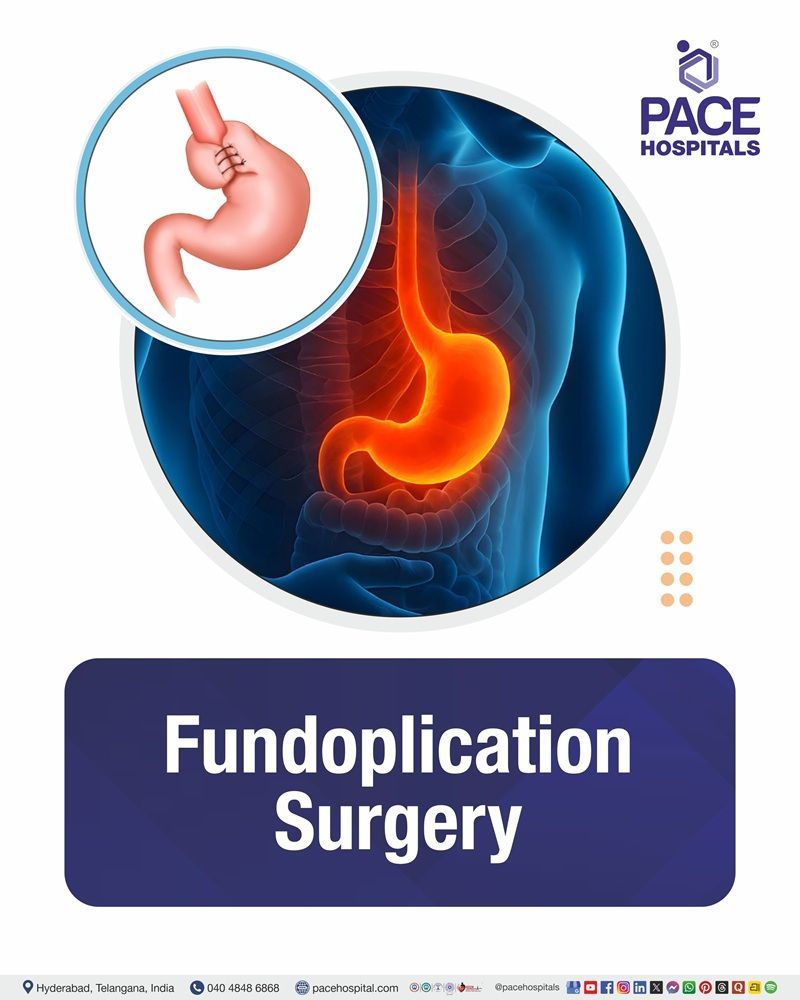
To strengthen the lower oesophageal sphincter (LES) and prevent stomach acid from returning to the oesophagus, the upper portion of the stomach (fundus) is wrapped around the lower end of the oesophagus.
Acid reflux symptoms, including chronic heartburn, acid regurgitation, chest pain, hoarseness, and difficulty swallowing, are all relieved by the procedure.
Additionally, fundoplication accelerates the recovery of reflux-related damage, reduces or eliminates the need for long-term acid-suppressive drugs in appropriate individuals, and helps minimize oesophageal inflammation.
Fundoplication Surgery is most commonly performed using a laparoscopic (minimally invasive) technique, resulting in smaller incisions, less pain following surgery, a shorter hospital stay, and a faster recovery.
Fundoplication Surgery Cost in India
On average, Fundoplication Surgery cost in India ranges from ₹80,000 to ₹2,75,000 and above (approximately US $841 to US $2,892). However, the actual cost may vary depending on several factors, including:
- Type of Fundoplication operation performed (Nissen, Toupet, Dor, or other partial Fundoplication)
- The underlying condition being treated, e.g., severe gastroesophageal reflux disease (GERD) or hiatal hernia
- Surgical technique – laparoscopy, robot-assisted or open
- Age of the patient, general health status, body weight and medical problems
- Size and complexity of the hiatal hernia
- Category of hospital – private, corporate or trust hospitals
- Hospital fees that include room fees, ICU needs, availability of facilities
- Anesthesia technique and skill of the operating surgeon and their surgical team
- Preoperative investigations, hospitalization, medicines and postoperative follow-up
- Health insurance coverage or corporate approval for cashless admission
Fundoplication Surgery Cost in Hyderabad, Telangana
On average, Fundoplication Surgery cost in Hyderabad ranges from ₹1,00,000 to ₹2,50,000 and above (approximately US $1,051 to US $2,628). These rates offer a competitive and cost effective option compared to other top hospitals in the city, with advanced surgical care and personalized treatment planning readily available.
However, the cost of Fundoplication Surgery in Hyderabad is influenced by several factors, such as:
- Type of fundoplication procedure performed (Nissen, Toupet, Dor or Redo fundoplication)
- Severity of the underlying disease and complexity of the surgery
- Type of surgery done (laparoscopy, robotics-assisted laparoscopy or open surgery)
- Hospital facility, infrastructure and room chosen
- Surgeon’s skills, anesthesia and multi-disciplinary approach
- Extent of investigation prior to the surgery and post-surgery care
- Period of hospitalization and Intensive care unit care requirements
- Possible complications related to the surgery
- Health insurance or corporate approval for cashless facilities
Cost Breakdown According to Type of Fundoplication Surgery/Anti Reflex Surgery Cost
- Laparoscopic Nissen Fundoplication (360° Total Wrap) – ₹1,05,000 – ₹1,60,000 (US $1,200 – US $1,830) (approx.)
- Laparoscopic Toupet / Dor Fundoplication (Partial Wrap) – ₹1,15,000 – ₹1,75,000 (US $1,315 – US $2,000) (approx.)
- Laparoscopic Fundoplication with Large Hiatal Hernia Repair (Mesh Reinforcement) – ₹1,40,000 – ₹2,10,000 (US $1,600 – US $2,400) (approx.)
- Robotic-Assisted Nissen / Toupet Fundoplication (Advanced Precision) – ₹1,70,000 – ₹2,40,000 (US $1,940 – US $2,740) (approx.)
- Open Nissen Fundoplication (Conventional Open Surgery) – ₹80,000 – ₹1,30,000 (US $915 – US $1,485) (approx.)
- Revision Fundoplication Surgery – ₹1,60,000 – ₹2,75,000+ (US $1,830 – US $3,145+) (approx.)
Note: These are approximate costs and may vary depending on standard practice. The cost for an individual patient can only be determined after a complete evaluation by the surgical gastroenterology team, which will include the size of the hiatal defect, oesophageal motility, type of anaesthesia, and length of hospital stay.
Additional Information: The cost of fundoplication surgery may vary based on several factors, such as the surgical technique (robotic, laparoscopic, vs. open), the size of the hernia or the severity of GERD, the type of anesthesia, the length of hospital stay, the need for any additional procedures (such as mesh placement for hernia repair), and the experience and skill of the surgical team. This ensures that every patient receives a transparent cost estimate based on their medical needs and a customized treatment plan.
Breakdown of Fundoplication Surgery Costs
The hospital, the type of fundoplication procedure (Nissen, Toupet, Dor, or robotic-assisted), the surgical technique (laparoscopic or open), the patient's general health, and the complexity of the case all affect the cost of fundoplication surgery. The costs usually related to fundoplication surgery are broken down in detail below:
Pre-Surgery Costs
- Consultation Fees: The cost of consultations with upper gastrointestinal (GI) or gastrointestinal surgeons, as well as any necessary gastroenterology evaluations when required.
- Diagnostic Tests: Upper gastrointestinal endoscopy, barium swallow (esophagogram), oesophageal manometry, 24-hour pH monitoring, chest X-ray, ECG, and other tests necessary to diagnose GERD or a hiatal hernia, and to schedule surgery are examples of diagnostic tests.
- Routine Pre-Operative Panel (for Anesthesia): Extensive pre-anesthesia tests to determine the patient's suitability for general anesthesia, such as Complete Blood Count (CBC), Liver Function Test (LFT), Kidney Function Test (KFT), Blood Sugar Tests, Electrolyte Profile, Blood Grouping, and Coagulation Profile (PT/INR, aPTT).
- Pre-Surgical Screening Including Medical History and Physical Examination: To determine overall surgical fitness and reduce operating risks, a thorough evaluation of the patient's medical history, current medications, allergies, prior abdominal surgeries, current medical problems, nutritional status, and physical examination is required.
Fundoplication Surgery Costs
- Hospitalization Charges: Hospitalization fees are the costs associated with being admitted to the hospital, staying in a private or shared room, receiving nursing care, and using inpatient services during surgery. If intense monitoring is needed, there may be ICU fees.
- Surgical Procedure: Expenses related to open, robotic-assisted, or laparoscopic fundoplication surgery, such as operating room costs, surgeon fees, surgical supplies, and consumables.
- Anesthesia and Surgical Team Fees: Fees for general anesthesia, anesthesiologist services, anesthesia drugs, and the surgical team performing the procedure are included in the anesthesia and surgical team fees.
Post-Surgery Care Costs
- Post-Operative Monitoring: Costs associated with pain management, vital sign monitoring, early post-operative complication assessment, and immediate recovery room observation.
- Hospital Stay: Expenses for inpatient recovery after a straightforward laparoscopic fundoplication, which usually takes 1 to 3 days. Patients with medical issues or those undergoing open surgery may need longer stays.
- Follow-Up Visits: Regular appointments following surgery to monitor wound healing, swallowing ability, reflux symptom reduction, dietary advancement, and, if needed, management of any complications or recurrence, if necessary.
Patients can successfully arrange their finances for Fundoplication Surgery with this transparent cost structure. At PACE Hospitals, Hyderabad, we ensure excellent, reasonably priced, and patient-centered care by providing thorough, customized cost estimates based on each patient's diagnosis, surgical technique, and overall medical condition.
Who Needs Fundoplication Surgery?
Fundoplication surgery is not necessary for everyone with acid reflux or gastroesophageal reflux disease (GERD). It is generally recommended for patients whose symptoms persist despite lifestyle changes and medications, or for those who develop complications related to chronic acid reflux.
Common Conditions Indicating the Need for Fundoplication Surgery:
- Severe or Persistent GERD: Frequent acid reflux symptoms that do not improve with medicine or lifestyle changes are indicative of severe or persistent GERD.
- Hiatal Hernia: A moderate to large hiatal hernia that results in serious reflux symptoms or consequences.
- Chronic Heartburn or Regurgitation: Persistent heartburn, acid regurgitation, or sour-tasting oral fluid that interferes with day-to-day activities.
- GERD-Related Complications: Complications associated with GERD include oesophagitis, Barrett's oesophagus, oesophageal ulcers, and oesophageal constriction (stricture).
- Medication Dependence or Intolerance: Individuals who need acid-suppressive drugs for an extended period or who are unable to tolerate their side effects.
- Extra-Esophageal Symptoms of GERD: This includes a persistent cough, hoarseness, symptoms like asthma, or frequent aspiration brought on by acid reflux.
- Poor Quality of Life: Despite receiving appropriate medical care, reflux symptoms persist, making it difficult to eat, sleep, work, or carry out everyday tasks.
Who is Not Eligible for Fundoplication Surgery?
While fundoplication surgery is a safe and effective treatment for hiatal hernias and chronic gastroesophageal reflux disease (GERD) in carefully chosen patients, it may not be appropriate for everyone. In the following circumstances, surgery may be postponed, modified, or avoided:
- Severe Uncontrolled Medical Conditions: Patients may be more susceptible to anesthesia and surgical complications if they have severe lung disease, advanced liver failure, uncontrolled diabetes, heart disease, or other major medical diseases. Before considering surgery, these problems should be stabilized.
- Untreated Oesophageal Motility Disorders: Standard fundoplication may not be appropriate for people with severe swallowing impairments or significant oesophageal motility issues (such as achalasia or severely impaired oesophageal motility), as the procedure may exacerbate swallowing difficulties. Alternative surgical techniques and further assessment may be necessary.
- Active Oesophageal or Stomach Infections or Inflammation: Until these illnesses are properly treated, patients with severe oesophagitis, gastric ulcers, active infections, or other untreated inflammatory conditions typically do not undergo surgery.
- Obesity Without Appropriate Surgical Planning: Fundoplication alone may not provide the greatest long-term results for patients with severe obesity, especially those with a very high Body Mass Index [BMI]. After a specialist review, bariatric surgery or a combination of treatments might be more suited in these situations.
- Poor Surgical Fitness or Inability to Tolerate General Anesthesia: As the risks of surgery may outweigh its benefits, patients who are medically unfit for general anesthesia because of advanced frailty or several major medical disorders may not be good candidates.
- Unconfirmed GERD or Unrealistic Expectations: When GERD has not been verified by appropriate diagnostic testing or when symptoms are caused by illnesses unrelated to acid reflux, fundoplication is not advised. Additionally, individuals with unreasonable expectations about long-term results or symptom reduction should not have surgery.
To determine whether Fundoplication surgery is the safest and most efficient course of treatment, a thorough evaluation by a Gastrointestinal or Upper Gastrointestinal (GI) Surgeon is necessary, along with diagnostic tests such as upper gastrointestinal endoscopy, oesophageal manometry, and 24-hour pH monitoring.
Fundoplication Surgery – How is the Procedure Done?
Although an open procedure might be necessary in some complicated cases, fundoplication surgery is often carried out under general anesthesia using a minimally invasive (laparoscopic) technique. Usually, the process steps consist of:
- Preoperative Evaluation: This includes a review of the patient's medical history, a physical examination, and diagnostic tests to confirm the diagnosis and plan the surgery, such as upper gastrointestinal (GI) endoscopy, oesophageal manometry, a barium swallow, and 24-hour pH monitoring.
- Surgical Plan: Choosing the best type of fundoplication procedure (full or partial wrap) depending on the patient's general health, oesophageal function, the degree of gastroesophageal reflux disease (GERD), and the existence of a hiatal hernia.
- Hiatal Hernia Repair and Fundoplication: To strengthen the lower oesophageal sphincter (LES) and stop acid reflux, the surgeon replaces the stomach into the abdomen if there is a hiatal hernia, repairs the enlarged diaphragmatic opening (hiatus), and wraps the upper portion of the stomach (fundus) around the lower end of the oesophagus.
- Closure and Monitoring: To ensure stable vital signs and an early recovery from anesthesia, the surgical instruments are removed, the minor incisions are sealed, and the patient is closely monitored in the recovery room.
- Recovery: Following laparoscopic fundoplication, most patients are discharged within 1 to 3 days; however, recovery after open surgery may take longer. During the recovery phase, patients are encouraged to adhere to a graded diet progression and activity limits.
A multidisciplinary team of gastrointestinal surgeons, anesthesiologists, gastroenterologists, and skilled nurses at PACE Hospitals, Hyderabad, ensures safe fundoplication surgery and provides thorough perioperative and postoperative care to achieve the best possible treatment outcomes.
Types of Fundoplication Surgery
Depending on the patient's overall health, oesophageal function, concomitant hiatal hernia, and the severity of gastroesophageal reflux disease (GERD), various fundoplication procedures are performed. The choice of procedure can affect the cost and overall course of therapy.
- Nissen Fundoplication (360° Wrap): The most popular procedure, Nissen Fundoplication (360° Wrap), involves completely encircling the lower oesophagus with the fundus, the top portion of the stomach. It provides excellent long-term control of reflux and is recommended for patients with severe GERD and normal oesophageal motility.
- Toupet Fundoplication (270° Partial Posterior Wrap): A partial wrap across the back of the oesophagus is known as a Toupet fundoplication (270° partial posterior wrap). Because it effectively controls reflux and lowers the risk of swallowing difficulties (dysphagia), it is recommended for patients with limited oesophageal motility.
- Dor Fundoplication (180°–200° Partial Anterior Wrap): A partial wrap positioned over the oesophageal front. It is frequently used in conjunction with surgeries like Heller myotomy for achalasia and may also be chosen in some GERD situations when a less restrictive wrap is more suitable.
- Laparoscopic Fundoplication: A minimally invasive procedure that uses a laparoscope to make tiny abdominal incisions. Compared to open surgery, it provides less postoperative pain, shorter hospital stays, faster recovery, and fewer scars for Nissen, Toupet, or Dor fundoplications.
- Open Fundoplication: When laparoscopic surgery is not appropriate, such as in difficult instances, prior abdominal surgeries, or large recurring hiatal hernias, open fundoplication is performed through a wider abdominal or chest incision. It usually necessitates a longer recovery period and a longer hospital stay.
Note: The complexity of the condition (such as the presence of a large hiatal hernia or recurrent GERD), the type of anesthesia used, the surgeon's experience, the length of hospital stays, and the type of procedure performed can all affect the cost of fundoplication surgery. While sophisticated or open surgeries may result in higher overall treatment costs, minimally invasive laparoscopic procedures are typically associated with quicker recovery.
Post-Fundoplication Surgery Care Tips
To encourage healing, avoid problems, and achieve the greatest long-term result following fundoplication surgery, close attention to post-operative care is crucial:
- Attend all follow-up appointments to monitor the progress of your healing and assess swallowing and symptom improvement.
- Follow the recommended dietary plan by gradually progressing from liquids to soft foods, then to regular foods, as directed by the doctor.
- Try to eat small, frequent meals, chew food well, and eat slowly to minimize pressure on the surgical site and help with swallowing.
- It is recommended not to lift heavy things or do strenuous exercise for at least 4–6 weeks, or as advised by your doctor.
- It is advisable not to consume carbonated drinks, eat too much, or consume food that might lead to too much air in the stomach during the first few days of recovery.
- It is recommended to take prescribed drugs such as painkillers, antibiotics, or acid-suppressing medication; you should take them according to instructions and finish the whole course of treatment, if applicable.
- It is advisable to maintain proper hydration while avoiding smoking and alcohol consumption to aid your recovery process and avoid irritation of the gastrointestinal tract.
Where symptoms such as difficulty swallowing, abdominal pain, fever, vomiting, chest pains or signs of infection arise, you should contact your doctor immediately.
Adhering to these instructions facilitates a smooth recovery, lowers the possibility of complications, and enhances the long-term efficacy of fundoplication surgery.
Key Factors Influencing Fundoplication Surgery Cost
The total cost of treatment for fundoplication surgery depends on several factors. Patients can plan their therapy more efficiently and estimate costs when they are aware of these factors.
Pre-Surgery Evaluation
Extensive preoperative evaluations, such as expert consultations, physical examinations, blood tests, upper gastrointestinal (GI) endoscopies, imaging investigations, oesophageal manometry, and 24-hour pH monitoring, affect the overall cost of surgery.
Insurance Coverage
The scope of health insurance coverage or corporate permissions for cashless treatment can greatly decrease out-of-pocket costs for fundoplication surgery. The insurance policy, hospital, and medical necessity all affect coverage.
Hospital and Location
The selection of the hospital and location will affect the total costs involved. Hospitals with a good reputation that offer multiple specializations in big cities like Hyderabad may have relatively high charges compared with small hospitals in suburban locations.
Post-Surgery Care
Post-surgical consultation, medication, diet, wound healing, and post-surgical observation all contribute to the cost of treatment. People who need prolonged hospital stays or follow-up consultations will incur higher expenses.
Complications During or After Surgery
Even though fundoplication surgery is usually safe, unexpected complications such as bleeding, infection, dysphagia, gas-bloat syndrome, problems with anesthesia, or the necessity for revision surgery could raise the overall cost of therapy.
Surgeon Expertise
The cost of the surgery may vary depending on the surgeon's experience and skill. Because of their advanced expertise and strong results, surgeons with extensive experience and specialized training may charge higher professional fees.
Surgical Technique
Depending on the complexity of the treatment and technology employed, the type of fundoplication—complete (Nissen), partial (Toupet or Dor), laparoscopic, robotic-assisted, or revision—affects the total cost.
Travel and Accommodation
Transportation, lodging, meals, and other additional costs for themselves and any accompanying family members should be considered by patients travelling from other cities or states.
Patient's Health Condition
The degree of gastroesophageal reflux disease (GERD), the patient's age, general health, body weight, the existence of a hiatal hernia, prior abdominal surgeries, and related medical conditions can all have an impact on surgical complexity, hospital stay, and postoperative recovery, all of which can affect the overall cost of treatment.
Why Choose PACE Hospitals for Fundoplication Surgery in Hyderabad, India?
PACE Hospitals, Hyderabad, is a trusted center for Fundoplication Surgery, providing comprehensive treatment for patients with GERD and hiatal hernia.
- Skilled GI surgeons, laparoscopic surgeons, anesthesiologists, and nursing staff trained specifically in these procedures
- Modern surgical theaters with modern laparoscopic surgery technology
- Advanced diagnostic services along with post-surgical care in dedicated monitoring centers
- Patient-oriented treatment with customized surgical plans, transparent cost estimates, and comprehensive support from experts for optimal outcomes
- For patients searching for the Best Fundoplication Surgery Hospital in Hyderabad, Telangana, India, PACE Hospitals offers expert surgical care, advanced minimally invasive techniques, competitive treatment costs, and a strong commitment to patient safety and successful long-term outcomes.
Financial Assistance and Payment Plans at PACE Hospitals
Fundoplication surgery should be affordable and free of financial stress. Our staff provides cashless assistance and insurance support to patients.
- Cashless admission services with empanelled insurers and Third-Party Administrators (TPAs).
- Pre-authorization and documentation services to facilitate hospitals admission.
- Reimbursement assistance for patients who have insurance plans that do not offer cashless hospitalization services.
- Transparent estimation of costs before admission according to the type of fundoplication surgery required, whether laparoscopic or robotic, and the requirements of the patient.
- Help in obtaining corporate health insurance as well as government health care plans to help minimize out-of-pocket expenses.
Success Rate of Fundoplication Surgery
With long-term success rates of approximately 85%–90% in carefully selected individuals, fundoplication surgery is a highly effective procedure for chronic gastroesophageal reflux disease (GERD). Most of the patients report increased quality of life, less reliance on acid-suppressive drugs, and substantial alleviation from acid reflux symptoms. When skilled gastrointestinal surgeons execute the surgery, patient satisfaction rates are also high.
After Fundoplication Surgery, patients commonly experience:
- Reduction or even elimination of chronic heartburn (acid reflux)
- Control of regurgitation and other symptoms of GERD
- Quality of life improvement with better sleep, better eating, and easier activities
- Elimination of the requirement for taking medicines to reduce stomach acid production (for many patients)
Long-term success depends on several factors, including selecting the right patient, using the appropriate surgical technique, adhering to postoperative dietary and lifestyle recommendations, visiting scheduled follow-up appointments, and treating underlying conditions that can affect the durability of the repair.
Request a Personalized Treatment Cost Estimate
Every patient's medical condition and treatment plans are unique, which means the overall cost can vary. To receive an accurate estimate, our specialists evaluate your diagnosis, medical history, recommended treatment, and any necessary investigations before providing a detailed cost breakdown.
Whether you are planning a diagnostic test, treatment, or surgery, our team is here to help you understand the expected expenses and guide you through every step of the process.
Get in touch with us today to request a personalized treatment cost estimate.