Varicocele Surgery Cost in Hyderabad, India – 2026 Guide
Get a Cost Estimate for Varicocele Surgery
Procedure & Surgery Cost Pages
All You Need To Know About Varicocele (Varicocelectomy) Surgery
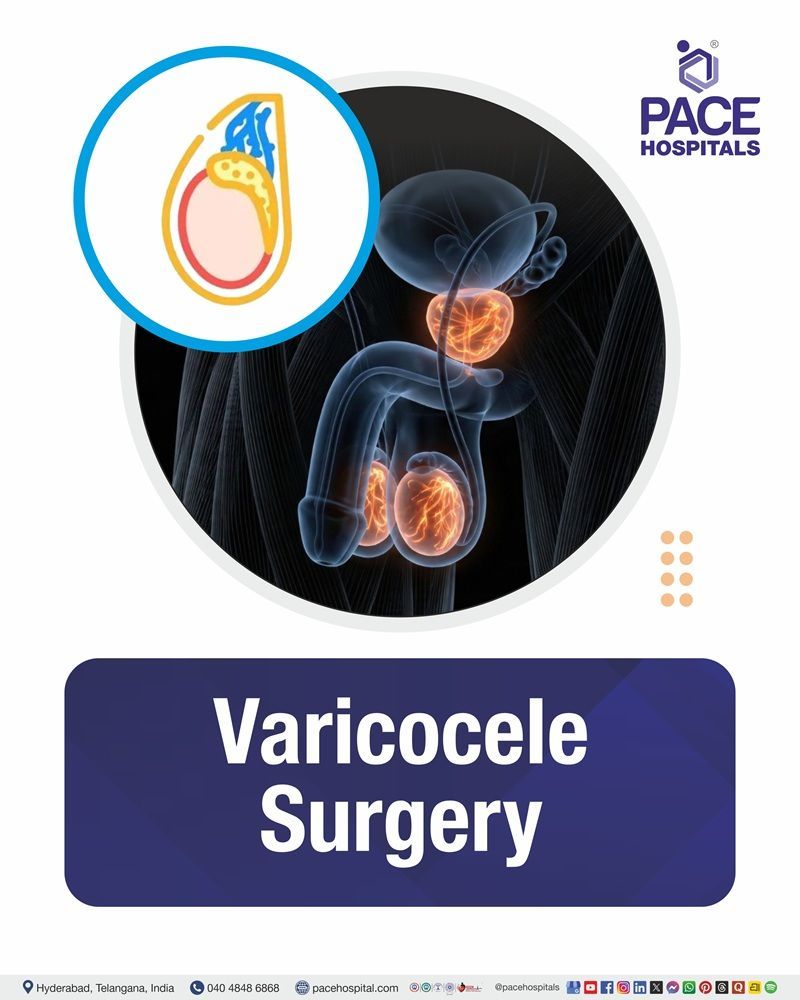
Varicocele surgery is a medical procedure performed in males to treat varicoceles, which are abnormal enlargements of the veins within the scrotum (pampiniform plexus). These enlarged veins can cause discomfort, swelling, reduced fertility, or testicular atrophy in some men.
- Varicocele surgery, also known as varicocelectomy, is performed to treat varicose veins in the scrotum by blocking abnormal blood flow in these enlarged veins and redirecting circulation to healthy veins.
- Varicoceles are most commonly observed in adolescent and young adult males, often during puberty.
- Left-sided varicoceles are more common (about 85–90% of cases) due to anatomical differences in vein drainage, while right-sided or bilateral varicoceles are less common but do occur.
Varicocele Surgery Cost in India
On average, the cost of Varicocele Surgery in India ranges from ₹30,000 to ₹2,50,000 and above (approximately US $313 – US $2,627). However, the actual cost may vary depending on several factors, including:
- Severity and grade of varicocele – mild, moderate, or severe varicoceles may require different surgical approaches
- Type of varicocele procedure – open surgery, laparoscopic varicocelectomy, microsurgical varicocelectomy, or percutaneous embolization
- Patient’s age, overall health, and fertility considerations
- Type of hospital – private, corporate, or trust hospitals
- Hospital charges, including room category, operation theatre, and facilities
- Anesthesia type – local, regional, or general, and expertise of the anesthesiology team
- Pre-operative evaluations – lab tests, imaging, semen analysis, and post-operative care requirements
- Insurance coverage or corporate approvals for cashless treatment
Varicocele Surgery Cost in Hyderabad, Telangana
On average, the cost of Varicocele Surgery in Hyderabad ranges from ₹40,000 to ₹1,50,000 and above (approximately US $420 – US $1,576). These rates provide a better understanding of competitive and cost-effective option compared to other top hospitals in the city, with advanced urology care and personalized treatment planning readily available.
However, the cost of Varicocele Surgery in Hyderabad is influenced by several factors, such as:
- Severity and grade of varicocele – mild, moderate, or severe varicoceles may require different surgical approaches
- Type of surgical procedure – microsurgical varicocelectomy, laparoscopic varicocelectomy, open surgery, or percutaneous embolization
- Consumables and surgical instruments used during the procedure
- Hospital facility and infrastructure chosen
- Surgeon expertise, diagnostic tests (Scrotal color doppler ultrasound) and multidisciplinary urology care
- Insurance or corporate approvals for cashless services
- Extent of pre-operative evaluations and post-operative care requirements
- Potential complications during or after the procedure
Cost Breakdown According to Type of Varicocele Surgery
- Open Varicocelectomy (Conventional / Scalpel use/ Inguinal or Subinguinal Approach) – ₹30,000 – ₹70,000 (US $315 – US $735) (approx.)
- Microsurgical Varicocelectomy (Gold-Standard Technique) – ₹35,000 – ₹1,60,000 (US $368 – US $1,681) (approx.)
- Percutaneous Varicocele Embolization Technique (Radiologic / Catheter-Based) – ₹50,000 – ₹1,60,000 (US $525 – US $1,681) (approx.)
- Laparoscopic Varicocelectomy (Bilateral or Complex Cases) – ₹70,000 – ₹1,70,000 (US $735 – US $1,786) (approx.)
- Robotic-Assisted Varicocele Surgery – ₹1,10,000 – ₹2,00,000 (US $1,156 – US $2,101) (approx.)
- Varicocele Surgery with Postoperative ICU / Extended Monitoring – ₹1,20,000 – ₹2,10,000+ (US $1,261 – US $2,206+) (approx.)
- Complex or Revision Varicocelectomy – ₹1,50,000 – ₹2,50,000+ (US $1,575 – US $2,627+) (approx.)
Note: These cost estimates are based on commonly performed varicocele surgery using various techniques, including open surgical procedures and minimally invasive methods. The exact cost for an individual patient is determined after a thorough evaluation by the urology surgical team and anesthesiologist, including assessment of varicocele severity with its grade, anatomical considerations, anesthesia requirements, and any additional interventions. In some cases, interventional radiologists may perform percutaneous embolization procedures, while other approaches are managed by laparoscopic surgeons or urology specialists depending on patient needs.
Additional Information: The total cost of varicocele surgery (varicocelectomy) may be altered depending on the procedure selected, such as microsurgical varicocelectomy, laparoscopic varicocelectomy, open surgery (Conventional open varicocelectomy), percutaneous varicocele embolization technique by an interventional radiologist, or robotic-assisted varicocele surgery. Other influencing factors include whether the varicocele is unilateral or bilateral, case complexity, revision procedures, use of specialized instruments, post-operative monitoring, and the experience of the urology surgical team. This ensures that each patient receives a personalized, transparent cost estimate tailored to their specific medical requirements before the procedure.
Breakdown of Varicocele Surgery Costs
The cost of Varicocele Surgery can vary based on the hospital, type of procedure, and the patient’s overall health, including factors such as age, whether the patient is a young adult or an older adult above 65 years. Below is a detailed breakdown of the components of expenditure related to varicocelectomy typically involved:
Pre-Surgery Costs
- Consultation Fees: Charges for initial consultations with experienced urologists, andrologists, or interventional radiologists may vary depending on the specialist’s expertise and the hospital of choice.
- Diagnostic Tests: Includes urine tests, blood tests for hormone panel, semen analysis, and imaging studies (scrotal ultrasound, Doppler studies) to assess varicocele severity and testicular function.
- Routine Pre-Op Panel (for Anesthesia / Sedation): Comprehensive evaluation including Complete Blood Count (CBC), Liver Function Test (LFT), Kidney Function Test (KFT), and Coagulation profile (PT/PTT) to ensure anesthesia or sedation safety.
- Cardiac and Pulmonary Evaluation: Electrocardiogram (ECG) and chest X-ray for patients with pre-existing cardiac or pulmonary conditions undergoing general anesthesia or sedation.
- Pre-Surgical Screening including Medical History and Physical Exam: Assessment of overall health, comorbidities, and scrotal examination to confirm suitability for surgery.
Varicocele Surgery Costs
- Hospitalization Charges: Private room fees and semi-private room fees during pre-surgery preparation and post-operative recovery. Extended monitoring charges may increase expenditure for complex cases or patients with pre-existing conditions, such as bleeding risk or critical care needs (e.g., ICU, if required in rare cases); they may also entail additional nursing care charges.
- Surgical Procedure: Costs associated with microsurgical varicocelectomy, laparoscopic varicocelectomy, open surgery, or interventional radiology procedures (embolization). Fees include the surgeon’s or interventional radiologist’s charges and operating room costs.
- Anesthesia and Surgical Team Fees: Charges for local, regional, or general anesthesia, anesthesiologists, and surgical staff involved in the procedure.
- Disposables & Implants: Includes surgical instruments, sutures, embolization coils (if used), and other consumables required during the procedure.
Post-Surgery Care Costs
- Post-Operative Monitoring: Charges for observation, initial follow-up during recovery, and post-surgery bandage or dressing evaluation.
- Hospital Stay: The cost of postoperative rehab varies based on surgical procedures, minimally invasive surgical techniques; the length of hospital stay is very short. Daycare, same-day operations, and outpatient surgery are typically less expensive, whereas complex cases requiring additional surgical intervention, depending on varicocele severity, may necessitate longer hospital stays and greater costs.
- Post-Operative Medications: These include anti-inflammatory drugs, antibiotics, or pain-relief medications, as prescribed by the surgical team, and specialist to ensure a safe and smooth recovery.
- Follow-Up Visits: Routine follow-ups to monitor scrotal healing, assess testicular function, and detect any early complications.
This cost structure gives clarity and enables patients to better arrange their budgets for varicocele surgery. PACE Hospitals in Hyderabad offers precise, personalised estimates depending on the patient's condition, surgery type, and complexity, assuring safe, high-quality urological care and best outcomes.
Who Needs Varicocele Surgery?
Varicocele Surgery (Varicocelectomy) is recommended for male patients when varicoceles—dilated, twisted veins within the scrotum—cause persistent symptoms, discomfort, or potential fertility issues that are not resolved with conservative management. Surgery is indicated when varicoceles result in: pain, testicular atrophy, infertility, or progressive enlargement affecting testicular function.
Varicocele surgery is generally recommended for specific urological conditions affecting male patients:
- Significant Testicular Pain or Discomfort: When varicoceles cause persistent aching or heaviness in the scrotum, affecting daily activities.
- Infertility or Abnormal Semen Parameters: For patients with varicoceles associated with abnormal sperm count, motility, or morphology, varicocelectomy may improve fertility outcomes.
- Testicular Atrophy: Shrinking or underdevelopment of the testicle due to impaired blood flow may necessitate surgery.
- Recurrent or Progressive Varicocele with Unmanageable Pain: When the varicocele enlarges over time, progressively worsening with a lot of pain or persists despite non-surgical measures.
- Post-Failed Treatment: For patients who have had prior conservative management (e.g., scrotal support, medications) without symptom relief or fertility improvement.
Surgical intervention is typically tailored to the patient’s age, severity of varicocele, symptoms, and fertility goals, and is performed under the guidance of experienced urologists, interventional radiologists and urology surgical teams.
Who is Not Eligible for Varicocele Surgery?
Varicocelectomy may not be suitable for all male patients. Certain medical conditions or risk factors can make the procedure unsafe or less effective:
- Active Scrotal or Urinary Tract Infection: Patients with ongoing infections are at higher risk of post-operative complications and should have infections treated before surgery.
- Severe or Uncontrolled Medical Conditions: Conditions such as uncontrolled diabetes, cardiovascular or pulmonary disease, or advanced kidney dysfunction may require stabilization prior to surgery.
- Anesthesia Intolerance: Patients unable to safely undergo general or regional anesthesia due to systemic conditions are not suitable candidates.
- Coagulation Disorders: Patients with bleeding or clotting abnormalities face increased surgical risks.
- Previous Extensive Scrotal or Abdominal Surgeries: Prior surgery in the inguinal or retroperitoneal area may complicate surgical access.
- Severe Anatomical Abnormalities: Unusual scrotal or venous anatomy that prevents safe surgical exposure may contraindicate surgery.
- No Symptoms or Infertility: If the varicocele is discovered incidentally in a male who is fertile and experiences no pain or discomfort, surgical intervention is generally not required.
- Primary Testicular Failure: Patients whose infertility is due to primary testicular failure or irreversible conditions, such as Sertoli-cell-only syndrome or maturation arrest, are unlikely to benefit from varicocele surgery.
- Partner-Related Fertility Factors: When a female partner is over 35 years of age or has significant fertility issues, assisted reproductive technologies (ART) like in vitro fertilization (IVF) or intracytoplasmic sperm injection (ICSI) may be recommended instead of varicocele repair.
- Subclinical Varicoceles: Varicoceles that cannot be palpated during a physical examination and are only detected through imaging studies (e.g., Doppler ultrasound) typically do not require surgery.
A thorough evaluation by an experienced urologist, interventional radiologist and urology surgical team, including physical examination, imaging, and review of overall health and comorbidities, is essential to determine eligibility, ensure safe anesthesia, and optimize long-term outcomes.
Varicocele Surgery – How is the Procedure Done?
Varicocele surgery, also known as Varicocelectomy, is a minimally invasive procedure aimed at correcting abnormally dilated veins (varicose veins) in the scrotum to improve blood flow, relieve discomfort, and enhance testicular function. The surgery is usually performed under general, regional, or local anesthesia depending on patient age, health condition, and the surgical approach selected.
The Varicocele Surgery procedure generally involves the following steps:
- Preoperative Evaluation: The urology surgical team reviews the patient’s medical history, performs a physical examination, and evaluates imaging studies (ultrasound Doppler of the scrotal veins) to determine the location, size, and severity of the varicocele. Laboratory tests and assessment of overall health are also conducted to ensure the patient is fit for anesthesia and surgery.
- Patient Preparation Guidelines: Before surgery, the medical team should be provided with a complete list of all medications, including prescription drugs, over-the-counter medicines, and supplements, especially anticoagulants or blood thinner being used by the patients. Patients are generally instructed to fast for at least 8 hours prior to the procedure, with only small sips of water permitted if necessary. The surgical area should be cleaned as directed by the hospital, which may include shaving or clipping pubic hair on the morning of surgery to ensure proper hygiene and reduce the risk of infection.
- Surgical Approach Selection: The appropriate surgical approach is determined by varicocele grade, laterality (unilateral or bilateral), and patient characteristics. Varicocelectomy surgery can be open varicocelectomy, laparoscopic varicocelectomy, microsurgical varicocelectomy, or robotic-assisted technique. The surgical team intends to identify the affected vessel, ligate it, and protect the adjacent structures.
- Vein Ligation / Correction: Through the chosen approach, the surgeon isolates and ligates the dilated veins. Blood flow is redirected to healthy veins, relieving venous congestion in the testicle. In microsurgical or robotic-assisted procedures, magnification or robotic precision is used to preserve arteries and lymphatics.
- Postoperative Drainage and Hemostasis: After the surgeon has closed the incisions, the surgical sites are meticulously treated. A tiny surgical drain may be temporarily implanted during various open or laparoscopic procedures to remove excess fluid and prevent the formation of hematomas (painful collections of blood). Hemostasis is checked to confirm that bleeding has stopped, hence reducing postoperative oedema, bruising, and discomfort in the scrotal area.
Monitoring and Recovery
- After surgery, patients are observed for early complications. Pain is managed with prescribed medications, and instructions are given regarding scrotal support, activity restriction, and hygiene. Most patients are discharged the same day or within 24 hours if the surgery is performed on an outpatient basis.
- Follow-up visits are scheduled to monitor healing (long-term monitoring may be recommended by a urologist for semen analysis at the 3- to 6-month mark), testicular size, and improvement in symptoms. Recovery after varicocele surgery is generally rapid.
- Strenuous activity and heavy lifting should be avoided for at least 1–2 weeks, while full return to all normal daily activities, including sports, may take up to 4 weeks.
- Strict adherence to post-operative instructions, such as wearing an athletic supporter (jockstrap) or snug briefs, helps ensure safety after surgery, supports optimal healing, reduces the risk of recurrence, and supports long-term improvement in testicular function and comfort.
Types of Varicocele Surgery
Varicocele repair can be performed using several techniques, depending on the severity of the varicocele, laterality, patient age, and surgeon expertise:
- Open Varicocelectomy (Retroperitoneal high ligation, Inguinal, Sub-inguinal ligation) – Traditional surgery performed via a small incision, usually in the groin or lower abdomen, to ligate the enlarged varicose veins.
- Laparoscopic Varicocelectomy – Minimally invasive surgery using small abdominal incisions and a camera, allowing for ligation of veins under direct visualization.
- Microsurgical Varicocelectomy – Uses an operating microscope for precise ligation of veins, minimizing damage to surrounding arteries and lymphatics. This technique has a lower risk of recurrence and hydrocele formation.
- Percutaneous / Interventional Radiology (Varicocele Embolization) – A catheter-based procedure performed by an interventional radiologist, where coils or sclerosants are used to block abnormal veins, avoiding surgical incisions, minimally invasive and non-surgical procedure.
- Robotic-Assisted Varicocelectomy – Uses robotic instruments to perform precise dissection and ligation, often reserved for complex or recurrent cases when available.
Note: The cost, duration, and recovery for Varicocele Surgery may vary depending on the type of procedure performed (open, laparoscopic, microsurgical, embolization, or robotic-assisted), the severity and laterality of the varicocele, patient health, age, and whether additional techniques or monitoring are required.
Post-Varicocele Surgery Care Tips
After Varicocele Surgery, careful attention is required to ensure proper healing and restoration of testicular function:
- It is advised to attend all scheduled follow-up appointments with the urologist or endourology specialist to monitor scrotal healing, testicular function, and any post-operative complications.
- Adequate hydration should be maintained to support circulation and reduce the risk of blood clot formation.
- A scrotal support or tight-fitting underwear may be recommended to minimize swelling and provide comfort.
- It is advised to avoid smoking or alcohol consumption during recovery, as these can delay healing and increase infection risk.
- Strenuous activity, heavy lifting, running, or vigorous exercise should be avoided for approximately 2–4 weeks or as directed by the surgeon.
- Avoid submerging the surgical area in pools, hot tubs, or baths for the first 2–3 weeks to reduce the risk of infection.
- Follow a light diet and adhere to any dietary instructions provided by the surgical team to promote overall recovery.
- Patients taking anticoagulants or blood-thinning medications should follow the surgeon’s instructions carefully. Temporary adjustments may be needed to minimize bleeding risk.
- If prescribed, complete the full course of medications, including antibiotics, anti-inflammatories, or painkillers.
- Monitor for any unexpected sudden swelling, severe pain, fever, or signs of infection, and report promptly to the surgical team.
- Follow all post-operative instructions carefully to ensure normal recovery, avoid problems, and promote long-term fertility and testicular health.
Key Factors Influencing Varicocele Surgery Cost
Varicocele Surgery (Varicocelectomy) involves several factors that can affect the actual cost. Understanding these elements helps patients plan their treatment more effectively:
- Pre-Surgery Evaluation: Comprehensive assessments, including initial consultations with experienced urologists or interventional radiologists, physical examination, and preoperative diagnostic tests such as semen analysis, scrotal color Doppler ultrasound, blood tests, Pre-Anesthesia Check-up (PAC) assessment test and other imaging studies, contribute to the overall cost of varicocele surgery.
- Insurance Coverage: The extent of insurance coverage or corporate approvals for cashless treatment can significantly affect out-of-pocket expenses for varicocele repair.
- Hospital and Location: Reputed hospitals in major cities may charge higher fees compared to smaller hospitals or suburban facilities.
- Post-Surgery Care: Follow-up appointments, scrotal care, medications, pain management, and monitoring of testicular function or potential complications contribute to ongoing expenses after surgery.
- Complications During Surgery: Unforeseen complications such as bleeding, infection, injury to surrounding structures, or recurrence may increase the total cost.
- Surgeon Expertise: Highly experienced urologists, anesthesiologists, or interventional radiologists, urology surgical teams often charge premium fees for their skill, specialized techniques, and proven outcomes in varicocele repair.
- Surgical Technique and Complexity: The type of procedure performed—microsurgical varicocelectomy, laparoscopic varicocelectomy, open varicocelectomy, or robotic-assisted varicocele surgery—affects overall cost. Simpler unilateral cases are less resource-intensive and comparatively less expensive, whereas complex or bilateral cases with a high recurrence risk increase procedural complexity and the cost of varicocelectomy.
- Disposables and Implants: Costs related to surgical instruments, suture materials, microclips, or any other consumables required during the procedure may vary.
- Travel and Accommodation: Expenses related to travel and lodging for patients and accompanying family members add to the overall financial considerations.
- Patient Health: The patient’s overall health, comorbidities (such as diabetes, hypertension, or clotting disorders), testicular condition, and anatomical variations influence the complexity of varicocele surgery and post-operative care, thereby affecting the total cost of testicular varicocele surgery for an individual.
Why Choose PACE Hospitals for Varicocele Surgery in Hyderabad, India?
PACE Hospitals, Hyderabad is a trusted centre for Varicocele Surgery (Varicocelectomy) and male reproductive health care:
- Highly experienced urologists, andrologists, interventional radiologists, surgeons, anesthesiologists, and trained nursing staff
- State-of-the-art operating theatres with advanced instruments (like high-resolution Doppler ultrasounds) and a supportive Critical Care Unit
- Dedicated post-operative monitoring units for early detection of complications, ensuring patient safety and comfort
- Patient-centred care with comprehensive personalized treatment plans and transparent cost estimates
For patients looking for the Best Hospital for Varicocele Surgery in Hyderabad, Telangana, PACE Hospitals provides expert surgical care, affordable treatment options, and safe, effective results.
Financial Assistance and Payment Plans at PACE Hospitals
Varicocele Surgery is made accessible without financial stress. Our team supports patients with insurance and cashless facilities:
- Cashless hospitalization with empaneled insurers and TPAs
- Guidance for pre-authorization and documentation to simplify hospital admission
- Reimbursement assistance if cashless facility is unavailable
- Transparent pre-admission cost estimates tailored to the surgical procedure
- Support for corporate and government health schemes to help reduce out-of-pocket expenses
Varicocele Surgery Success Rate
Varicocele Surgery is a highly effective treatment for men with symptomatic varicocele, particularly in cases of pain, infertility, or testicular atrophy. Clinical studies report that after varicocelectomy, most patients experience considerable improvements in symptoms and testicular function, with success rates exceeding 85% for pain relief, sperm parameters and enhanced quality of life.
Patients after undergoing Varicocele Surgery typically experience:
- Significant relief from scrotal pain or discomfort, heaviness, and swelling.
- Improved testicular function, including better sperm count and quality in patients with fertility concerns.
Request a Personalized Treatment Cost Estimate
Every patient's medical condition and treatment plans are unique, which means the overall cost can vary. To receive an accurate estimate, our specialists evaluate your diagnosis, medical history, recommended treatment, and any necessary investigations before providing a detailed cost breakdown.
Whether you are planning a diagnostic test, treatment, or surgery, our team is here to help you understand the expected expenses and guide you through every step of the process.
Get in touch with us today to request a personalized treatment cost estimate.