World Sight Day, 8th October 2026 - Theme, Importance & History
PACE Hospitals
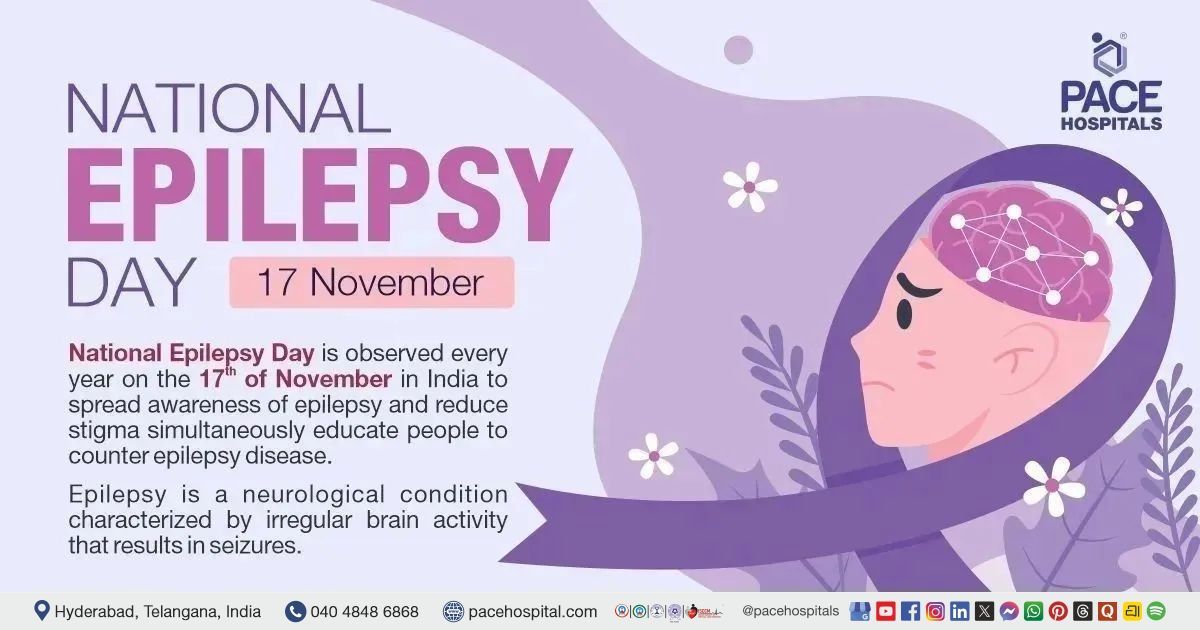
World Sight Day is a global healthcare event celebrated on the 2nd Thursday of every October to emphasise public awareness with respect to shedding light on the prioritising of vision and eye health.
This year 2026, World Sight Day is celebrated on the 8th of October (Thursday). On this day, non-governmental organizations (NGOs), eye care professionals, concerned individuals, national and international organisations from various countries come together to organise awareness campaigns, host eye screenings, and advocate for policies that improve eye care services.
Importance of World Sight Day
Visual impairments have physical, emotional, social, and economic ramifications, and they play an essential role in determining one's quality of life. Globally, nearly 220 crore individuals worldwide are visually impaired, and 10 crore people suffer from a vision disability that could have been avoided or is still unaddressed.
In coming years, the ageing population and the rising prevalence of non-communicable diseases (NCDs) such as diabetes may exacerbate eye health difficulties. Reduced vision can be caused by a variety of reasons, including diabetes and trachoma, ocular damage, or conditions such as refractive error, cataracts, glaucoma or age-related macular degeneration. People of all ages are affected by vision loss, but those over 50 are most vulnerable. Women, rural communities, and ethnic minority groups are more likely to have vision impairment than other groups and are less likely to receive care. To avert this outcome, the World Health Organization (WHO) continues to support in achieving global access to quality eye care services, as well as advocating for the “4 Ps" of life-long eye health - Prevent, Protect, Preserve, and Prioritise.
According to the International Labour Organisation (ILO) and International Agency for the Prevention of Blindness (IAPB), more than 1.3 crores of people worldwide have vision impairment related to their work, with an estimated 350 lakh eye injuries happening in the workplace each year. Among all cases of blindness, 90% of them can be avoided or treated if identified early. Therefore, awareness plays a vital role in preventing and delaying the progression of eye diseases. So, the World Sight Day creates a platform to emphasize awareness about eye health, advocate for better eye care services, and promote measures for preventing blindness and vision impairment.
World Sight Day 2026 Theme
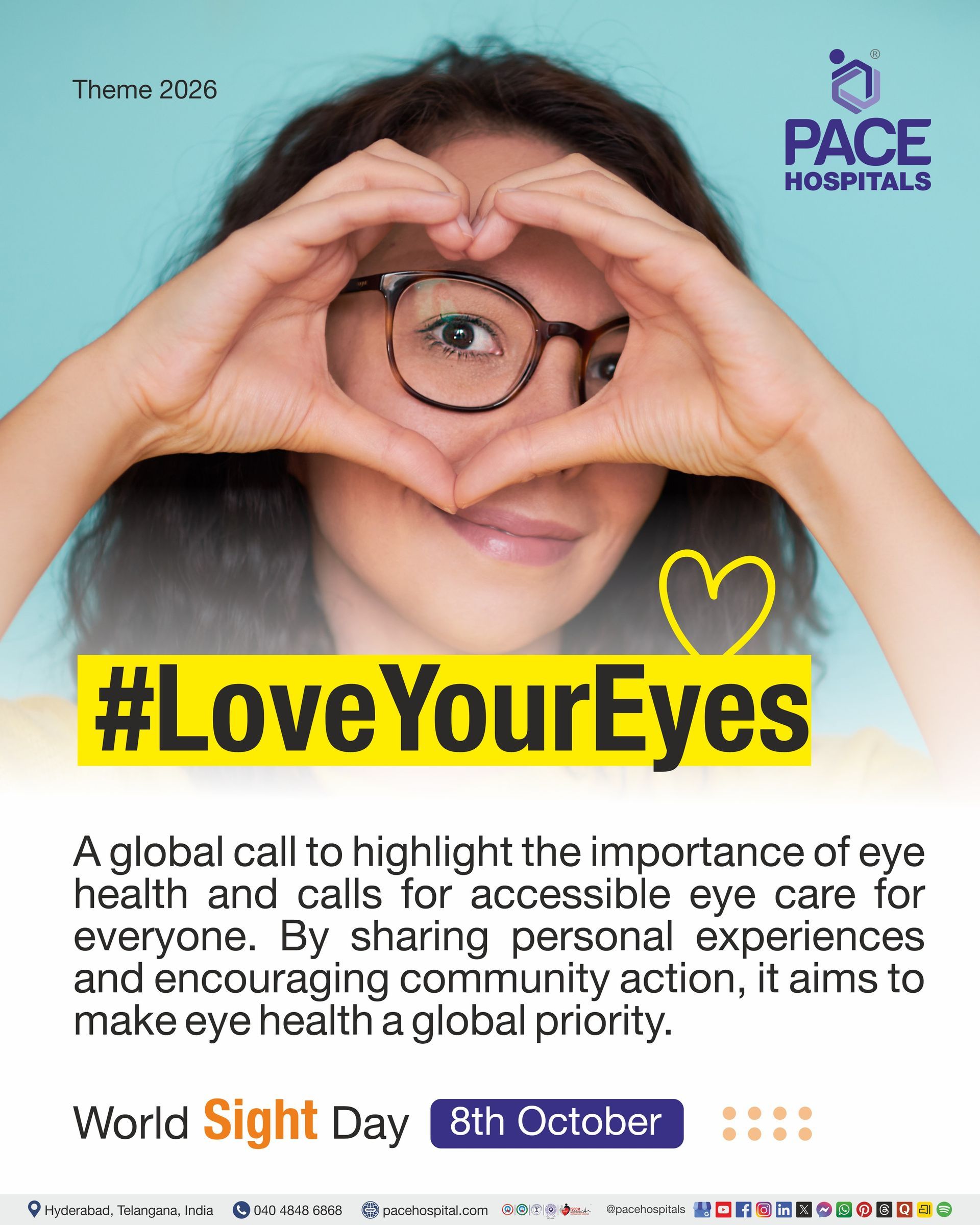
This year, 2026, the World Sight Day Theme is "Love Your Eyes". This theme highlight the importance of eye health and calls for accessible eye care for everyone. By sharing personal experiences and encouraging community action, it aims to make eye health a global priority.
Year by year, the themes for World Sight Day are:
- World Sight Day 2025 theme (9th October): Love Your Eyes
- World Sight Day 2024 theme (10th October): Children, love your eyes
- World Sight Day 2023 theme (12th October): Love your eyes at work
- World Sight Day 2022 theme (13th October): Love your eyes
- World Sight Day 2021 theme (14th October): Love your eyes
- World Sight Day 2020 theme (8th October): Hope in Sight
- World Sight Day 2019 theme (10th October): Vision First
- World Sight Day 2018 theme (11th October): Eye Care Everywhere
History of World Sight Day
In 1998, Lions Clubs International collaborated with blindness presentation organizations all around the world to launch the first World Sight Day. This event was eventually incorporated into VISION 2020, a global project led by the International Agency for the Prevention of Blindness (IAPB).
Supporting Independence for People with Vision Loss
World Sight Day is not only about preventing blindness—it is also about supporting people already living with vision loss. For those whose eyesight cannot be fully corrected with glasses, contact lenses, medicines or surgery, vision rehabilitation can help make everyday activities more manageable and support independence.
Depending on a person’s needs, this support may include:
- Reading assistance: Magnifiers, large-print materials and text-to-speech tools can help people access books, messages and other information.
- Home adaptations: Suitable lighting, improved contrast and changes to the home environment can make daily tasks easier.
- Mobility training: Specialist guidance can help people learn techniques to move around their surroundings more confidently and independently.
- Workplace support: Assistive technology and job-related training can help people adapt to work tasks affected by sight loss.
- Emotional support: Counselling and support groups can help individuals adjust to the challenges of living with reduced vision.
- People who struggle with everyday activities despite treatment or prescribed glasses can ask their eye specialist about a low-vision assessment. Rehabilitation does not restore lost sight, but it can help people make better use of their remaining vision and learn alternative ways to carry out daily tasks.
Tips to Prevent Vision Loss
The following steps can aid a person in overcoming vision loss:
- Following the 20/20/20 rule to give screen breaks to the eyes.
- Spending time outside (for 2 hours at least) for eyes to avoid developing near-sightedness in children.
- Wearing sunglasses outside.
- Wearing prescription glasses if in need.
- Checking cosmetics that are prone to cause eye infections.
- Exercising regularly.
- Eating a healthy diet for healthy eyes.
- Quitting smoking to help avoid sight loss.
- Having regular eye check-up to detect problems before they arise.
Share on
Request an appointment
Fill in the appointment form or call us instantly to book a confirmed appointment with our super specialist at 04048486868
Appointment request - health articles
Recent Articles