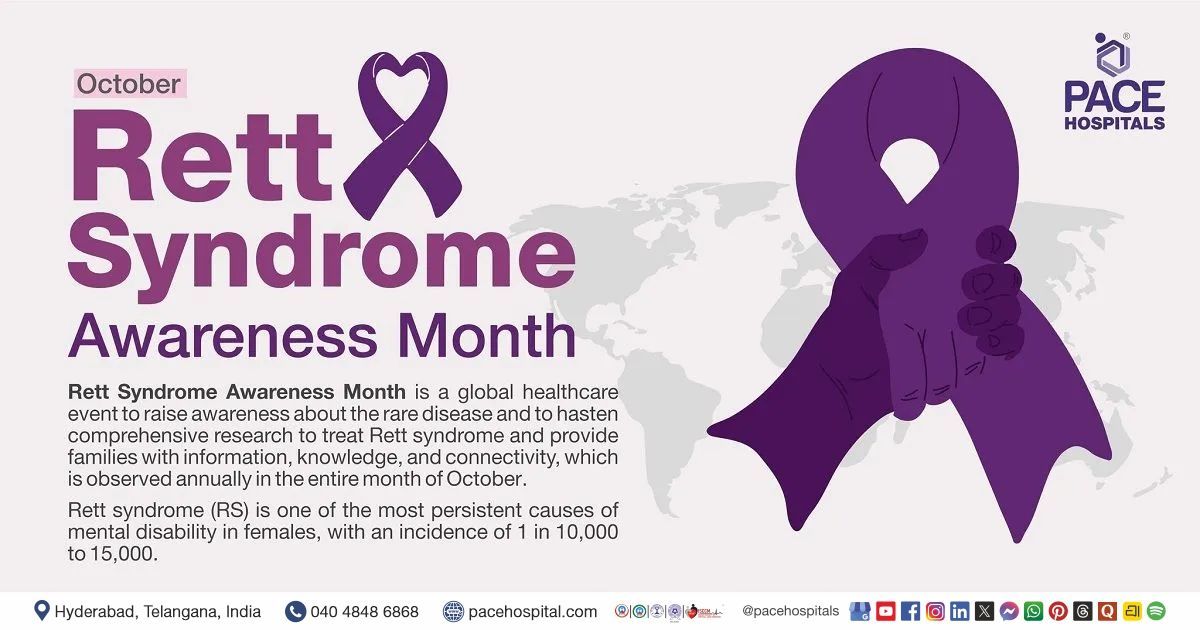
Successful EVLT & Sclerotherapy for Chronic Right Lower Limb Varicose Veins
PACE Hospitals
PACE Hospitals’ expert Interventional Radiology team successfully performed Endovenous Laser Therapy (EVLT) along with Sclerotherapy on a 51-year-old male patient with varicose veins of the right lower limb. The aim of the procedure was to close the diseased veins, relieve pain and swelling, improve blood circulation, and prevent complications associated with varicose veins, thereby enhancing the patient’s overall quality of life.
Chief Complaints
A 51-year-old male with a body mass index (BMI) of 24 presented to the Interventional Radiology Department at PACE Hospitals, Hitech City, Hyderabad, with complaints of dilated veins, swelling, and skin pigmentation in the right lower limb.
Past Medical History
The patient had a history of varicose veins involving the left lower limb and had previously undergone laser ablation for the same.
On Examination
On examination, the patient was conscious, coherent, afebrile, and hemodynamically stable with stable vital signs. Local examination of the right lower limb revealed prominent dilated varicose veins with associated swelling and skin pigmentation changes.
Diagnosis
Following the clinical examination, the Interventional Radiology team conducted a comprehensive assessment, which included a detailed review of the patient’s medical history and a focused clinical evaluation. A Colour Doppler ultrasound was performed to assess venous reflux, valve competence, and the extent of venous dilation in the right lower limb.
Imaging studies revealed varicosities of the right lower limb veins with incompetent perforator veins. Considering the patient’s clinical symptoms, physical examination findings, and Colour Doppler ultrasound results, a diagnosis of varicose veins of the right lower limb was established.
Based on the confirmed diagnosis, the patient was advised to undergo
Varicose Veins Treatment in Hyderabad, India, under the care of the Interventional Radiology Department, to ensure comprehensive management of his condition.
Medical Decision Making (MDM)
After consultation with Dr. Lakshmi Kumar Chalamarla, Senior Interventional Radiologist, a thorough evaluation was undertaken to determine the most appropriate diagnostic and therapeutic approach for the patient’s venous condition. This included a detailed clinical assessment along with correlation of Colour Doppler findings.
Following evaluation, it was concluded that conservative management alone would not be sufficient due to the extent of venous reflux and symptomatic varicosities in the right lower limb. It was determined that the patient had varicose veins, causing dilated veins, swelling, and skin pigmentation changes.
It was determined that Endovenous Laser Therapy (EVLT), along with foam sclerotherapy, was the most suitable intervention to ablate the incompetent veins, alleviate symptoms, and improve venous circulation.
The patient and his family members were counselled in detail regarding the nature of the disease, the planned endovenous procedure, associated risks and benefits, and the importance of intervention for definitive management of the condition.
Surgical Procedure
Following the decision, the patient was scheduled to undergo Endovenous laser therapy (EVLT) and Sclerotherapy surgery in Hyderabad at PACE Hospitals under the supervision of the expert Interventional Radiology Department.
The following steps were carried out during the procedure:
- Anaesthesia and Patient Preparation: The procedure was performed under spinal anaesthesia with tumescent anaesthesia to ensure adequate analgesia and perivenous tumescence. The patient was positioned appropriately, and the right lower limb was prepared and draped under strict aseptic precautions.
- Venous Access and Mapping: Under ultrasound guidance, the great saphenous vein (GSV), anterior accessory saphenous vein (AASV), and small saphenous vein (SSV) of the right lower limb were identified and mapped. Venous access was obtained at appropriate entry points to facilitate catheter and laser fibre insertion.
- Laser Fiber Placement and Positioning: A radial laser fibre was advanced into the targeted venous segments, including the GSV (from above ankle to 5 cm proximal to saphenofemoral junction), AASV (upper thigh), and SSV (from apex of calf to 6 cm proximal to popliteal fossa). Correct positioning was confirmed prior to energy delivery.
- Laser Ablation and Sclerotherapy: Endovenous laser ablation was performed along the diseased venous segments to achieve vein closure. Additionally, residual superficial varicosities in the right lower limb were treated with ultrasound-guided foam sclerotherapy using 1% sodium tetradecyl sulfate (STS).
- Hemostasis and Compression Dressing: Following completion of the procedure, hemostasis was achieved. A compression dressing was applied using crepe bandages to support venous closure and reduce postoperative complications. The procedure was completed uneventfully.
Postoperative Care
Postoperatively, the patient was managed with medications to prevent infection, control pain, reduce gastric protectant, and prevent thromboembolic complications. Compression therapy was continued to support venous closure and reduce edema. The patient was advised to elevate the limb, ambulate early, and avoid prolonged standing or sitting to promote optimal venous return and recovery. Regular monitoring was performed for signs of bleeding, infection, or thrombotic complications. The postoperative course remained uneventful.
Discharge Medications
Upon discharge, the patient was prescribed medications for the prevention of post-procedural infection, gastric protection, prevention of thromboembolic complications, and control of post-procedural pain.
Advice on discharge
The patient was instructed to avoid prolonged standing or sitting, avoid cross-legged sitting, and refrain from lifting heavy weights for 1 week to reduce venous pressure and promote healing. He was also advised to wear above-knee class II compression stockings during the daytime for two months to support venous return and optimize treatment outcomes.
Emergency Care
The patient was informed to contact the emergency ward at PACE Hospitals in case of any emergency or development of symptoms such as fever, swelling of the operated limb, severe leg pain, chest pain, or breathlessness.
Review and Follow-up Notes
The patient was advised to return for a follow-up visit with the Interventional Radiologist in Hyderabad at PACE Hospitals, after 14 days.
Conclusion
This case highlights the successful management of symptomatic varicose veins of the right lower limb using Endovenous Laser Therapy (EVLT) with foam sclerotherapy. The procedure effectively ablated the incompetent venous segments, resulting in symptom relief and improved venous drainage. The intervention was uneventful, and the patient recovered well. He was discharged in stable condition with appropriate advice and follow-up care.
Role of Endovenous Techniques in Varicose Vein Management
Endovenous techniques have transformed the management of varicose veins by offering minimally invasive alternatives to conventional surgery under the expertise of an interventional radiologist / interventional radiology doctor. Procedures such as endovenous laser therapy and foam sclerotherapy allow targeted treatment of incompetent veins with reduced postoperative pain, minimal tissue trauma, and faster recovery. Accurate duplex ultrasound mapping performed by the interventional radiology team is essential for identifying refluxing venous segments and planning appropriate treatment. The combination of thermal ablation and sclerotherapy can improve both clinical and cosmetic outcomes, particularly in patients with multilevel venous disease.
Early ambulation and compression therapy remain important components of postoperative care, helping to support recovery, reduce complications, and improve long-term outcomes. These techniques have significantly improved patient comfort, safety, cosmetic results, and long-term effectiveness in the management of varicose veins and chronic venous insufficiency.
Frequently Asked Questions (FAQs)
Is endovenous laser therapy a permanent treatment for varicose veins?
Endovenous laser therapy closes the affected vein, allowing blood to be redirected through healthy veins. In most cases, the treated vein remains permanently sealed. However, varicose veins can develop in other veins over time due to the underlying tendency for vein disease. Regular follow-up, maintaining a healthy weight, staying physically active, and following medical advice can help support long-term results.
Why was sclerotherapy performed along with laser treatment?
Laser treatment is effective for larger faulty veins, while sclerotherapy helps treat smaller varicose veins and visible vein branches. Combining these treatments allows more comprehensive management of the affected veins, helping to improve symptom relief, reduce residual varicosities, and enhance the cosmetic appearance of the leg.
How soon can normal activities be resumed after endovenous laser therapy?
Most people are able to walk on the same day and return to routine activities within a day or two. Light movement is encouraged because it supports healthy blood flow. Activities that involve heavy lifting, intense exercise, or long periods of standing may need to be avoided for a short time.
Why are compression stockings important after varicose vein treatment?
After varicose vein treatment compression stockings provide gentle support to the veins and help improve blood flow in the legs. They can reduce swelling, increase comfort, and aid the healing process. Wearing them as advised by the specialist helps support recovery and improves overall treatment outcomes.
Can varicose veins come back after successful treatment?
The veins treated during the procedure are usually closed permanently. However, varicose veins can appear in other veins over time. Factors such as age, family history, occupation, and prolonged standing may increase the chance of developing new varicose veins in the future.
What precautions should be followed during recovery?
Regular walking, avoiding prolonged sitting or standing, and wearing compression stockings are commonly advised after treatment. Heavy lifting and strenuous activities may need to be avoided for a short period. Following the recovery instructions carefully can help reduce discomfort and support healing.
How is recovery monitored after endovenous laser therapy?
Recovery is usually checked during follow-up appointments. The treated leg is examined to see whether swelling, pain, and other symptoms have improved. If needed, a Colour Doppler ultrasound may be done to ensure that the treated veins remain closed and blood flow is moving properly through the healthy veins.
When should medical attention be sought after the procedure?
Medical attention should be sought if there is increasing leg swelling, severe leg pain, fever, chest pain, breathing difficulty, or any sudden worsening of symptoms after the procedure. Prompt medical evaluation can help identify potential complications and ensure appropriate treatment when necessary.
Why is walking encouraged after varicose vein treatment?
Walking is an important part of recovery after varicose vein treatment. Regular short walks help maintain healthy blood flow in the legs, reduce stiffness, and may help minimise swelling and heaviness. Most patients are encouraged to walk several times a day after the procedure to support recovery and improve circulation.
What are the benefits of endovenous laser therapy compared with conventional surgery?
Endovenous laser therapy is carried out through a small needle puncture instead of large surgical incisions. It generally causes less post-procedure discomfort and allows patients to resume their usual activities earlier compared to conventional surgery. The treatment typically results in minimal or no visible scarring and is associated with a shorter recovery time.
Share on
Request an appointment
Fill in the appointment form or call us instantly to book a confirmed appointment with our super specialist at 04048486868
Appointment request - health articles
Recent Articles