
Ovarian Cancer Diagnosis, Treatment & Cost
PACE Hospitals provides
advanced ovarian cancer treatment in Hyderabad, India, offering comprehensive care across all ovarian cancer stages. Our oncologists and ovarian cancer specialists provide evidence-based ovarian cancer treatment, including surgery, chemotherapy, and targeted therapies customized to each patient’s condition.
Diagnosis includes advanced tests, imaging, tumor markers, and biopsy to ensure accurate diagnosis and staging. Early detection and the right treatment approach improve outcomes, and while a complete cure depends on the stage, timely care supports better recovery and long-term management.
Book an Appointment for Ovarian Cancer Treatment
Ovarian Cancer Treatment Appointment
Why Choose PACE Hospitals for Ovarian Cancer Treatment?
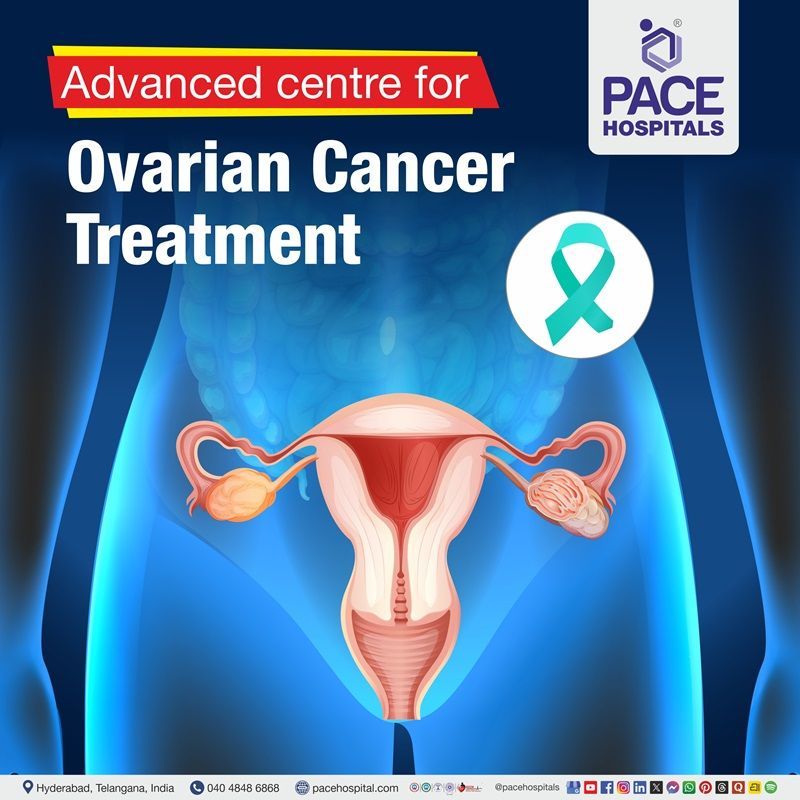
Advanced Diagnostic Facilities: Pelvic Ultrasound, CT/MRI Scan, Tumor Markers (CA-125) & Image-Guided Biopsy
Expert Oncologists in Hyderabad for Comprehensive Ovarian Cancer Care
Personalized Ovarian Cancer Management with Cytoreductive Surgery, Chemotherapy, Targeted Therapy & Advanced Oncology Care
Transparent Ovarian Cancer Treatment with Insurance & Cashless Options
Recognized for excellence in healthcare delivery with
NABH, NABL, NBE/DNB, NABH Nursing Excellence, and ISCCM accreditations.
Ovarian Cancer Diagnosis
Ovarian cancer is difficult to identify since it often grows silently and causes non-specific symptoms such as abdominal bloating, pelvic discomfort, or digestive abnormalities. These subtle symptoms are often confused with common gastrointestinal or urinary disorders, necessitating a thorough clinical evaluation. Physicians rely on thorough evaluations, including a detailed medical history and physical examination, to raise suspicion for the disease before confirming it through specialized investigations.
The diagnosis of ovarian cancer is mainly handled by gynecologic oncologists or oncologists, who assess clinical signs, interpret imaging, and determine the cancer’s stage and type to ensure accurate and timely diagnosis for effective treatment planning.
The doctor considers the following before selecting the appropriate steps to diagnose ovarian cancer:
- Medical history
- Physical Examination
Medical history
A detailed medical history is important in evaluating ovarian cancer, as it helps identify risk factors and early warning signs. This information guides doctors in deciding the next steps for proper diagnosis.
- Age at menarche and menopause, menstrual abnormalities, pregnancy, and fertility treatments: Early or late menstruation, irregular cycles, and pregnancy history can all have an impact on ovarian cancer risk, and infertility therapies may further enhance vulnerability.
- Previous ovarian cysts, endometriosis, pelvic operations, or pelvic inflammatory illness: Past ovarian or pelvic disorders can damage ovarian tissue and mask or mimic early cancer signs, therefore a thorough history is essential.
- Family history of ovarian, breast, or colorectal cancer: A strong family history may indicate inherited genetic mutations, such as BRCA1 or BRCA2, which significantly raise the risk of ovarian cancer.
- History of cancer or known genetic diseases (for example, BRCA mutations) in the past: People who have had cancer or known genetic diseases are more likely to get them again. This history helps prioritize screening and diagnostic strategies.
- Symptoms such as abdominal bloating, pelvic pain, early satiety, urinary changes, or unexplained weight loss: Persistent, vague abdominal or pelvic symptoms may be early signs of ovarian cancer and should prompt further evaluation.
- Lifestyle factors including smoking, diet, and
obesity: Some habits, like smoking, dieting, and being overweight, can raise the general risk of cancer. For example, being overweight and smoking are linked to a higher risk of getting ovarian and other gynecologic cancers.
Physical examination
Physical examination is vital in evaluating ovarian cancer, as early symptoms are often subtle (mild) and non-specific. It helps to detect masses, tenderness, or fluid build-up, guiding further diagnostic tests and determining the urgency of care.
- Abdominal examination: The doctor examines the abdomen for distention, visible tumors, and skin abnormalities. Palpation detects discomfort, hard lumps, and organ enlargement, all of which can indicate ovarian involvement or ascites. Gentle percussion can help in detecting fluid in the abdomen.
- Pelvic examination: The ovaries and uterus are checked for size, shape, consistency, and mobility by using a bimanual approach. Fixed, uneven, or swollen ovaries may be signs of cancer, and pain may help doctors make a diagnosis.
- Rectovaginal examination: This enables evaluation of the posterior pelvic and adnexal regions that may not be completely accessible via the vaginal method. It is useful for detecting masses or nodules along the uterosacral ligaments and rectovaginal septum.
- Assessment of ascites: The presence of fluid in the abdominal cavity is determined by palpation, percussion (tapping the abdomen to detect a dull sound from fluid), and distension. Ascites is frequently connected with advanced ovarian cancer and can help determine the urgency of further investigations.
- Lymph node assessment: Lymph nodes that are swollen in the axilla, supraclavicular, or in the groin area may be signs of metastases. As part of the test, these areas are probed to find hard, fixed, or irregular nodes.
- General examination: The clinician observes systemic signs such as unexplained weight loss, pallor (pale skin), cachexia (severe, irreversible muscle wasting and weight loss), or abdominal swelling. These findings can indicate disease progression or associated complications like anemia or malnutrition.
A thorough physical examination, together with a detailed history, aids in the prioritization of imaging and other diagnostic testing, resulting in the timely and accurate diagnosis of ovarian cancer.
✅Ovarian Cancer Tests
Based on the above information, a gynecologic oncologist may recommend specific diagnostic tests to confirm the presence of ovarian cancer and rule out other conditions. The following tests might be suggested to diagnose ovarian cancer:
- Laboratory Investigations
- Tumor Markers (CA-125, HE4, CEA)
- General Labs (CBC, LFT, RFT)
- Imaging Studies
- Transvaginal Ultrasound (TVUS)
- CT Scan Abdomen & Pelvis
- Magnetic resonance imaging (MRI)
- Positron Emission Tomography and Computed Tomography (PET-CT)
- Risk Assessment
- Risk of Malignancy Index (RMI)
- Definitive Diagnosis
- Surgical Exploration (Laparoscopy/Laparotomy)
- Biopsy & Histopathology
- Cytology (Ascitic Fluid/Peritoneal Washings)
- Genetic Counseling & Testing
- BRCA1/BRCA2
- Lynch Syndrome Testing
Laboratory Investigations
Tumor Markers (CA-125, HE4, CEA)
Cancer antigen 125 is the most frequently used marker, and it is elevated in many epithelial ovarian cancers, as well as in benign cases. Human epididymis protein 4 improves specificity and is usually combined with CA-125 (as in the ROMA score). Carcinoembryonic antigen separates ovarian cancer from gastrointestinal malignancies and metastatic diseases.
Complete Blood Count (CBC)
CBC is a broad screening tool that evaluates the overall blood health and can reveal subtle changes caused by cancer or its systemic effects. It measures hemoglobin, hematocrit, red blood cells (RBCs), white blood cells (WBCs), and platelets.
- Hemoglobin/RBCs: A drop may indicate anemia, which can be caused by a long-term illness, nutritional deficiencies, or loss of blood because of a tumor growing. Monitoring trends helps guide supportive care, like transfusions or iron supplementation.
- White blood cells (WBCs): Abnormal fluctuations in WBC counts may signal infection, inflammation, or possible bone marrow involvement, which is important to assess before initiating chemotherapy.
- Platelets: An unusually high platelet count (thrombocytosis) may reflect tumor-driven inflammation and has been linked to more aggressive or advanced ovarian cancer.
Liver Function Tests (LFT)
LFTs assess the liver's ability to process and clear substances from the blood, which is important because ovarian cancer can metastasize to the liver or cause secondary effects on hepatic metabolism. LFTs include bilirubin, aspartate aminotransferase (AST), alanine aminotransferase (ALT), alkaline phosphatase (ALP), albumin, and total protein.
- AST/ALT: Elevations generally suggest liver cell injury, which may be due to metastases or systemic disease impact.
- ALP: Raised levels may indicate liver or bone metastasis. It can also help differentiate obstructive from non-obstructive liver conditions.
- Bilirubin: High bilirubin may reflect bile duct obstruction caused by tumor mass or liver dysfunction.
- Albumin: A low albumin is a marker of poor nutrition, chronic illness, or advanced malignancy, affecting drug metabolism and prognosis.
Renal Function Tests (RFT)
RFTs assess kidney health, which is essential before imaging with contrast or beginning nephrotoxic chemotherapeutic treatments. They primarily consist of serum creatinine, blood urea nitrogen (BUN), and electrolytes.
- Creatinine & BUN: Increased levels imply reduced renal function, necessitating dose modifications or different imaging techniques.
- Electrolytes (Na⁺, K⁺, Cl⁻, HCO₃⁻): Vomiting, dehydration, and tumor-related metabolic abnormalities can all cause bodily electrolyte imbalances. Maintaining correct fluid levels and acid-base balance during treatment is so critical. Good kidney function helps reduce additional stress on organs and ensures that chemotherapy drugs and imaging contrast agents can be administered safely.
Imaging Studies
These are important in evaluating ovarian masses, determining their nature, and assessing disease spread. Different modalities guide diagnosis, staging, and treatment planning.
- Transvaginal Ultrasound (TVUS): TVUS is the first-line imaging modality for suspected ovarian masses. It evaluates size, morphology (solid/cystic), septations, papillary projections, and blood flow. It helps distinguish benign from suspicious masses.
- CT Scan Abdomen & Pelvis: CT scan assesses tumor spread to lymph nodes, omentum, liver, and peritoneum. It helps in staging and preoperative planning. It is particularly useful for detecting metastasis and ascites.
- Magnetic Resonance Imaging (MRI): MRI provides superior soft tissue contrast and better characterization of indeterminate adnexal masses. It is helpful when ultrasound findings are inconclusive. It can differentiate benign from malignant lesions more accurately.
- Positron Emission Tomography – Computed Tomography (PET-CT): It detects metabolically active malignant lesions using fluorodeoxyglucose (FDG) uptake. It is useful for detecting distant metastasis or recurrent disease. It complements CT in complex staging scenarios.
Risk of Malignancy Index (RMI)
RMI estimates the likelihood that an ovarian mass is malignant by combining three factors:
- Ultrasound Score (U): Assesses features such as solid areas, papillary projections, multiloculated cysts, bilateral masses, or ascites (scored 0-3 points).
- Menopausal Status (M): Postmenopausal women are at higher risk (M=1 premenopausal, M=3 postmenopausal).
- CA-125 Level: CA-125 ovarian cancer range elevation is seen in many ovarian cancers. Elevated levels multiply into the formula RMI = U × M × CA-125
Interpretation:
- Low Risk: Usually managed conservatively.
- High Risk: Referral to a gynecologic oncologist is recommended.
RMI helps guide surgical planning and prioritizes high-risk patients while avoiding unnecessary procedures for benign cases.
Definitive Diagnosis
Surgical Exploration (Laparoscopy/Laparotomy)
Direct visualisation of the ovaries and peritoneal cavity enables assessment of tumour size. It permits tumor staging and debulking. Diagnostic laparoscopy evaluates resectability; laparotomy is preferred for comprehensive surgical staging and cytoreduction when malignancy is suspected.
Biopsy & Histopathology
Histopathological examination confirms the diagnosis and identifies the tumor type (such as serous or mucinous, endometrioid) and determines the grade. This information is essential for planning appropriate treatment and assessing the patient's prognosis. Tissue diagnosis is essential before definitive therapy.
Cytology (Ascitic Fluid/Peritoneal Washings)
Malignant cells are detected through an examination of malignant cells in ascites or saline peritoneal washings obtained during surgery. Positive cytology points to peritoneal spread and contributes to final surgical staging.
Genetic counseling & testing
BRCA1 / BRCA2 Testing
Checks for inherited gene changes that increase the risk of ovarian and breast cancer. Results can help guide treatment and inform family members about their risk.
Lynch Syndrome Testing
Look for specific gene changes (MLH1, MSH2, MSH6, PMS2) that raise the risk of ovarian and other cancers. Identifying these changes helps with early screening, prevention, and family counseling.
✅Ovarian cancer stages– FIGO Staging System
The FIGO (International Federation of Gynecology and Obstetrics) staging system is the standard way to group ovarian cancer by how far the tumor has spread. It guides prognosis, treatment planning, and comparing results across studies. Below are the different stages of ovarian cancer:
Stage 1 ovarian cancer – Tumor confined to the ovaries or fallopian tubes
- Stage 1A ovarian cancer: Tumor limited to one ovary or tube; no ascites; capsule intact; negative washings.
- Stage 1B ovarian cancer: Tumor involves both ovaries or tubes; no ascites; capsule intact; negative washings.
- Stage 1C ovarian cancer: Tumor limited to one or both ovaries or tubes with any of the following: capsule rupture, tumor on surface, or positive peritoneal washings.
Stage 2 ovarian cancer – Tumor involves one or both ovaries with pelvic extension
- Stage 2 A ovarian cancer: Extension or implants on the uterus and/or fallopian tubes.
- Stage 2 B ovarian cancer: Extension to other pelvic tissues (e.g., bladder, rectum).
Stage 3 ovarian cancer – Tumor involves one or both ovaries with peritoneal implants outside the pelvis and/or regional lymph node metastasis
- Stage 3A ovarian cancer: Microscopic peritoneal metastasis beyond the pelvis.
- Stage 3B ovarian cancer: Macroscopic peritoneal metastasis ≤2 cm.
- Stage 3C ovarian cancer: Macroscopic peritoneal metastasis >2 cm and/or regional lymph node involvement.
Stage 4 ovarian cancer– Distant metastasis
- Stage 4 A ovarian cancer: Pleural effusion with positive cytology.
- Stage 4B ovarian cancer: Parenchymal liver or splenic metastases, extra-abdominal organs, or inguinal/mediastinal lymph nodes.
✅Ovarian Cancer Differential Diagnosis
Ovarian cancer can present with nonspecific symptoms and pelvic masses that resemble several gynecological and non-gynecological conditions. Therefore, careful evaluation is essential to distinguish ovarian cancer from disorders with similar features. Common differential diagnoses include:
- Benign ovarian cysts
- Endometriosis / Endometriomas
- Benign ovarian tumors (e.g., cystadenoma, teratoma)
- Ectopic pregnancy
- Pelvic inflammatory disease / Tubo-ovarian abscess
- Uterine fibroids (leiomyomas)
- Metastatic tumors to the ovary (Krukenberg tumors)
- Non-gynecologic pelvic masses
Benign Ovarian Cysts
Functional cysts, such as follicular or corpus luteum cysts, are common and often resolve spontaneously. These cysts may produce pelvic pain or an adnexal mass that can mimic ovarian cancer on initial evaluation, especially on imaging tests.
Endometriosis / Endometriomas
On MRI and
ultrasound, endometriotic cysts might show up as complicated adnexal masses that occasionally closely resemble cancerous tumors. Without histology, distinction can be difficult because of the overlap between clinical and imaging.
Benign Ovarian Tumors
Benign (non-cancerous) epithelial tumors (e.g., serous or mucinous cystadenomas), dermoid cysts (mature teratomas), and other benign neoplasms may present as adnexal masses with features overlapping malignancy. Tumor marker panels may be helpful, but are not definitive alone.
Ectopic Pregnancy
This can manifest as an adnexal mass; it should be ruled out in women of reproductive age who experience pelvic pain or bleeding. Ultrasound and early pregnancy testing aid in distinguishing this from ovarian cancer.
Pelvic Inflammatory Disease / Tubo-ovarian Abscess
Infectious adnexal inflammation can lead to tubo-ovarian abscesses, which present as complicated masses and cause symptoms all over the body. The patient's medical background, signs of infection, and how well the antibiotics work are all things that help tell them apart.
Uterine Fibroids (Leiomyomas)
These large uterine fibroids may extend toward the adnexal region and mimic ovarian masses on physical exam or imaging. Differentiating features on ultrasound and MRI, along with clinical presentation, guide diagnosis.
Metastatic Tumors to the Ovary
These are secondary tumors that start in the GI tract, like the stomach or colon. They can grow in the ovaries and cause symptoms that are similar to those of ovarian cancer. For diagnosis, a detailed history and targeted imaging are very helpful.
Non Gynecologic Pelvic Masses
These lumps that come from the bowel, the urinary tract, or the mesenteric region (for example, omental cysts and diverticular abscesses) could be mistaken for ovarian cancers at first glance and need a lot of imaging and clinical testing to be sure.
✅Treatment Goals for Ovarian Cancer
Ovarian cancer treatment aims to control tumor growth, improve survival, and maintain quality of life, based on the disease stage and the patient’s condition. The following are the treatment goals of ovarian cancer:
- To achieve complete surgical removal of the tumor through optimal debulking surgery whenever possible, targeting no gross residual disease to maximize outcomes.
- To eradicate or control microscopic residual disease using systemic chemotherapy, most commonly platinum-based regimens, in order to reduce recurrence risk.
- To prevent disease progression and recurrence through appropriate adjuvant or maintenance therapies such as targeted therapy or PARP inhibitors when indicated.
- To manage complications and symptoms associated with the disease, including ascites, pain, nutritional problems, and bowel obstruction, thereby improving patient comfort.
- To preserve and improve the patient’s quality of life by balancing effective treatment with supportive and palliative care measures.
- To perform regular imaging tests (such as CT scans, MRIs, or ultrasounds) and tumor marker evaluations (e.g., CA-125) are used to monitor the response to treatment and detect early recurrence of the disease.
- To provide individualized treatment based on tumor biology and genetic factors, such as BRCA mutation status, to optimize therapeutic outcomes.
Get Medical Second Opinion for Ovarian Cancer Treatment for Better Clarification
At PACE Hospitals, we are committed to providing our patients with the best possible care, and that includes offering second medical opinions with super specialists for treatment or surgery. We recommend everyone to get an expert advance medical second opinion, before taking decision for your treatment or surgery.
Treatment of ovarian cancer is tailored according to the stage of disease, tumor subtype, and genetic factors. The treatment consists of surgery and platinum-based chemotherapy, with targeted medicines added in some patients. Management of ovarian cancer is coordinated by a gynecologic oncologist to ensure the most effective treatment and optimal outcomes for the patient.
The following are the ovarian cancer treatment options:
Surgical Management (Primary Treatment)
Surgery is the mainstay of treatment for most ovarian cancers.
- Early-stage disease (Stage I–II)
- Total hysterectomy
- Bilateral salpingo-oophorectomy
- Omentectomy
- Lymph node sampling
- Fertility-sparing surgery (in selected young patients)
- Advanced-stage disease (Stage III–IV)
- Cytoreductive (debulking) surgery
- Primary debulking surgery
- Interval debulking surgery (after neoadjuvant chemotherapy)
- Chemotherapy (Systemic Therapy) Usually platinum-based chemotherapy.
- Adjuvant chemotherapy (after surgery)
- Neoadjuvant chemotherapy (before surgery)
- Palliative chemotherapy
- Intraperitoneal chemotherapy (in selected patients)
- Targeted Therapy Used increasingly in modern management.
- Poly (ADP-ribose) polymerase inhibitor – especially in BRCA-mutated cancers
- Anti-angiogenic therapy
- Other molecular-targeted agents
- Hormonal therapy
- Radiation Therapy
- Immunotherapy
Surgical Management (Primary Treatment)
Surgery remains the cornerstone of treatment for most ovarian cancers. The goal is to remove as much tumor tissue as possible while staging the disease accurately.
Early-stage disease (Stage I–II)
For early-stage ovarian cancer, surgery aims both to remove the tumor and to assess the extent of disease. Procedures may include:
- Total Hysterectomy – Surgical removal of the uterus to prevent local tumor spread. It helps reduce the risk of cancer recurrence in the pelvic region.
- Bilateral Salpingo-Oophorectomy – Removal of both ovaries and fallopian tubes. This procedure minimizes the chance of cancer spreading through the reproductive organs.
- Omentectomy – Excision of the omentum, a fatty layer in the abdomen. It is often removed because it is a common site for ovarian cancer metastasis.
- Lymph Node Sampling – Collection of pelvic and para-aortic lymph nodes. This allows the detection of microscopic tumor spread beyond the ovaries.
- Fertility-Sparing Surgery – In selected young patients with early-stage cancer who wish to preserve fertility, one ovary and the uterus may be preserved. This option allows the removal of the cancer while maintaining the ability to conceive in the future.
Advanced-stage disease (Stage III–IV)
For advanced-stage ovarian cancer, the focus is maximal tumor removal (cytoreduction), which improves outcomes with chemotherapy. Procedures include:
- Cytoreductive (Debulking) Surgery – Surgical removal of as much visible tumor as possible. It aims to reduce tumor burden and improve the effectiveness of subsequent treatments.
- Primary Debulking Surgery – This is performed upfront, before chemotherapy. The goal is to remove the tumors as early as possible to achieve maximal cytoreduction. This surgery is done when it is deemed safe to remove a large amount of tumor before starting chemotherapy.
- Interval Debulking Surgery – Surgery performed after initial cycles of neoadjuvant chemotherapy. The goal is to shrink tumors, making them easier to remove during surgery. This approach is often used when the tumors are too extensive or when the patient's condition is not optimal for upfront surgery.
Chemotherapy (systemic therapy)
Chemotherapy is a important part of treatment, used at different stages to target cancer cells, reduce recurrence, and improve outcomes. This includes:
- Adjuvant chemotherapy: It is given after surgical removal of the tumor to eliminate any remaining cancer cells and reduce the risk of recurrence. It is commonly used in both early and advanced stages to improve long-term survival.
- Neoadjuvant chemotherapy: It is administered before surgery to shrink large tumors, making them easier to remove. This approach is often used in advanced-stage ovarian cancer when immediate surgery is not feasible.
- Palliative chemotherapy: It is used when ovarian cancer is advanced or recurrent and not curable. Its main goal is to relieve symptoms, slow disease progression, and improve the patient's quality of life.
- Intraperitoneal chemotherapy: It involves administering chemotherapy medications straight into the abdominal cavity, where ovarian cancer frequently spreads. This approach raises drug concentration at the tumor location, which can enhance outcomes in certain individuals.
Targeted Therapy
In ovarian cancer, targeted therapies are increasingly used to directly attack cancer cells without harming normal cells.
- Poly (ADP-ribose) polymerase inhibitor: Particularly effective in ovarian cancers with BRCA mutations. These drugs work by blocking the action of PARP, a protein involved in DNA repair. In cancer cells with BRCA mutations, the repair mechanisms are already compromised, and by inhibiting PARP, DNA damage accumulates, leading to cell death.
- Anti-angiogenic therapy: This therapy targets the blood vessels that supply oxygen and nutrients to tumors. By preventing the formation of new blood vessels (angiogenesis), anti-angiogenic therapies effectively starve the tumor, and slow its growth.
- Other molecular-targeted agents: These treatments focus on specific cancer-driving proteins or pathways in ovarian cancer cells, offering a personalized approach based on the molecular characteristics of the tumor.
Hormonal Therapy
Hormonal therapy is mainly used for certain subtypes of ovarian cancer, especially if the tumor cells have hormone receptors. This treatment works by blocking the hormones that encourage the growth of the tumor or by lowering hormone levels.
Radiation Therapy
Radiation therapy is mostly used for localised treatment, such as shrinking tumors before surgery or treating small areas of spread. It can be used in advanced stages when the cancer has spread to other regions or for palliative care to relieve symptoms like pain. Radiation is usually not a first-line treatment for ovarian cancer but may be considered in select cases.
Immunotherapy
Immunotherapy is a treatment that helps the body’s immune system recognise and destroy cancer cells in ovarian cancer. This treatment may be recommended by a gynecologic oncologist depending on the tumor characteristics, especially if the cancer returns or does not respond well to other treatments.
Ovarian Cancer Prognosis
The prognosis of ovarian cancer is mostly determined by the stage at which it is diagnosed, the type of tumor, and treatment response. Overall, the 5-year survival rate is less than 50%, owing mostly to the fact that many patients are diagnosed at severe stages. Early-stage disease (stages I-II) has a substantially better prognosis, with survival rates of 90%, compared to stage III survival rates of 40-45% and stage IV survival rates of 20-25%. The quantity of residual tumor after debulking surgery is an important prognostic indicator, as patients with no apparent residual disease have a much higher survival rate. Other factors that influence prognosis include histologic subtype, tumor grade, responsiveness to platinum-based treatment, and genetic abnormalities like BRCA.
Ovarian Cancer Treatment Cost in Hyderabad, India
The cost of Ovarian Cancer Treatment in Hyderabad generally ranges from ₹1,50,000 to ₹12,00,000 and above (approx. US $1,805 – US $14,460).
The exact cost of ovarian cancer treatment varies depending on the stage of cancer, type of tumour, need for surgery (debulking surgery), chemotherapy cycles, targeted therapy, and overall patient condition. Additional factors such as diagnostic investigations (ultrasound, CT scan, MRI, tumour markers like CA-125), duration of hospital stay, ICU care, and multidisciplinary consultations also influence the total cost. Availability of cashless treatment options, TPA corporate tie-ups, and assistance with insurance approvals may further affect the overall expenses.
Cost Breakdown According to Type of Ovarian Cancer Treatment
- Early-Stage Ovarian Cancer Surgery – ₹1,50,000 – ₹3,50,000 (US $1,805 – US $4,210)
- Advanced Ovarian Cancer Debulking Surgery – ₹3,00,000 – ₹6,00,000 (US $3,615 – US $7,230)
- Chemotherapy (Per Cycle) – ₹40,000 – ₹1,50,000 (US $480 – US $1,805)
- Targeted Therapy / Immunotherapy – ₹1,00,000 – ₹4,00,000+ (US $1,205 – US $4,820+)
- Complete Treatment Package (Surgery + Chemotherapy) – ₹5,00,000 – ₹12,00,000+ (US $6,020 – US $14,460+)
Frequently Asked Questions (FAQs) on Ovarian Cancer
Is ovarian cancer curable?
Ovarian cancer can be curable when it is diagnosed at an early stage, particularly when the disease is limited to the ovary. Early-stage ovarian cancer is usually treated with surgery to remove the tumor, often followed by chemotherapy to eliminate any remaining cancer cells.
However, many cases have been identified later because the initial symptoms are minor or nonspecific. In advanced disease, surgery, chemotherapy, and targeted medicines are used to decrease tumor development, reduce symptoms, and improve survival.
Which Is the Best Hospital for Ovarian Cancer Treatment in Hyderabad, India?
PACE Hospitals, Hyderabad, is a trusted centre for the diagnosis and comprehensive management of gynecologic cancers, including ovarian cancer.
We have highly experienced gynecologic oncologists, medical oncologists, surgical oncologists, radiologists, pathologists, and critical care teams who follow evidence-based cancer treatment protocols focused on early detection, complete tumour removal, and effective systemic therapy.
We provide excellent services including advanced cancer diagnostics, modular operation theatres, chemotherapy day care units, ICU facilities, and multidisciplinary tumour board discussions, PACE Hospitals ensures personalised and coordinated cancer care for better outcomes.
Is ovarian cancer hereditary?
Some ovarian cancers are hereditary and occur due to inherited genetic mutations. Mutations in genes such as BRCA1 and BRCA2 significantly increase the risk of developing ovarian cancer during a woman’s lifetime.
Women with a strong family history of ovarian or breast cancer may benefit from genetic counseling and testing. Identifying these genetic risks allows for earlier monitoring and preventive strategies.
What is the life expectancy for advanced ovarian cancer?
Survival in advanced ovarian cancer varies depending on the stage at diagnosis, response to treatment, and the patient’s overall health. Treatment approaches including surgery and chemotherapy have significantly improved survival in many patients.
Some people with advanced ovarian cancer can live several years after diagnosis, particularly with modern targeted therapies and maintenance treatments. Prognosis varies widely between patients.
What Is the Cost of Ovarian Cancer Treatment at PACE Hospitals, Hyderabad?
At PACE Hospitals, Hyderabad, the cost of Ovarian Cancer Treatment typically ranges from ₹1,40,000 to ₹10,50,000 and above (approx. US $1,685 – US $12,650), making it a competitive option for advanced oncology care in Hyderabad. However, the final cost depends on:
- Stage and spread of cancer
- Type of surgery required
- Number of chemotherapy cycles
- Need for targeted therapy or immunotherapy
- Diagnostic tests and imaging
- Duration of hospital stay and ICU care
- Specialist consultations and follow-up
For early-stage cancers, costs remain toward the lower end, while advanced-stage cancers requiring multimodal treatment may fall toward the higher range.
After a detailed oncology evaluation and staging workup, our specialists provide a transparent cost estimate tailored to the treatment plan and patient condition.
How to avoid getting ovarian cancer?
Although ovarian cancer cannot always be prevented, certain factors may reduce the risk. These include long-term use of oral contraceptives, pregnancy, breastfeeding, and surgical procedures such as the removal of the fallopian tubes in high-risk women.
Women with inherited genetic mutations may benefit from preventive strategies such as risk-reducing surgery and regular medical monitoring. Lifestyle factors and routine health checkups may also contribute to early detection.
Is ovarian cancer life-threatening?
Ovarian cancer can be life threatening, particularly in its advanced stages. It is one of the most common causes of mortality from gynecologic cancers globally.
Early detection and timely treatment significantly improve survival outcomes. Advances in surgical techniques, chemotherapy, and targeted therapies have improved prognosis for many patients.
Looking for the Best Ovarian Cancer Treatment Hospital Near Me?
If you’re searching for the top ovarian cancer treatment hospital near me in areas like HITEC City, Madhapur, Kondapur, Gachibowli, Kukatpally, or KPHB, it is essential to choose a hospital with experienced oncology specialists and advanced cancer care facilities.
Effective ovarian cancer treatment requires:
- Accurate diagnosis and staging
- Multidisciplinary treatment planning
- Advanced surgical expertise
- Chemotherapy and targeted therapy access
- Long-term follow-up and monitoring
At PACE Hospitals, Hyderabad, patients receive comprehensive cancer care with a multidisciplinary approach aimed at improving survival and quality of life.
Can ovarian cysts cause cancer?
Most ovarian cysts are benign and do not develop into cancer. However, functional cysts, which are related to the menstrual cycle, commonly occur in reproductive-age women and usually disappear on their own without treatment. However, some complex or persistent cysts may require further evaluation because certain ovarian tumors can appear as cystic masses. Imaging tests and clinical evaluation help determine whether a cyst is benign or potentially malignant.
Can ovarian cancer be seen on ultrasound?
Yes, ultrasound is often the first imaging test used to evaluate suspected ovarian abnormalities. It helps detect ovarian masses and identify features such as solid components, irregular walls, or septations that may suggest malignancy. Although ultrasound (USG) can identify suspicious masses, it cannot always confirm whether the tumor is cancerous. Additional tests, such as CT scans, tumour markers, or biopsy, are often needed for a definitive diagnosis.
How to detect ovarian cancer?
Ovarian cancer is usually detected through a combination of clinical evaluation, imaging studies, and laboratory tests. Doctors may perform a pelvic examination and imaging tests such as ultrasound or CT scans to identify abnormal ovarian growths. Blood tests that measure tumor markers such as CA-125 may also help in diagnosis and monitoring. In many cases, definitive diagnosis is confirmed through surgery and pathological examination of tissue samples.
Can ovarian cancer be cured by removing the ovary?
In early-stage ovarian cancer confined to one ovary, surgical removal of the affected ovary and surrounding tissues can sometimes result in a cure. This procedure is usually part of a comprehensive surgical staging process. However, most patients also require additional treatments such as chemotherapy to reduce the risk of recurrence. Treatment decisions depend on the cancer stage, tumor type, and the patient’s overall health.
Does PCOS lead to ovarian cancer?
No, polycystic ovary syndrome (PCOS) is a hormonal disorder affecting reproductive-age women. Most studies indicate that PCOS does not significantly increase the risk of ovarian cancer. However, PCOS may influence hormonal balance and metabolic factors that are associated with certain other reproductive cancers. Ongoing research continues to evaluate the relationship between PCOS and long-term cancer risk.
Is ovarian cancer painful?
Ovarian cancer may cause symptoms such as pelvic pain, abdominal discomfort, bloating, or pressure in the lower abdomen. These symptoms may develop gradually and sometimes resemble common digestive problems.
In early stages, ovarian cancer may cause little or no pain, which contributes to delayed diagnosis. Pain and other symptoms usually become more noticeable as the tumor grows or spreads.
What organ does ovarian cancer spread to first?
Ovarian cancer most commonly spreads within the abdominal cavity. The disease often spreads first to the peritoneum (lining of the abdomen) and the omentum, which is a fatty tissue covering abdominal organs. As the cancer progresses, it may involve nearby organs such as the uterus, fallopian tubes, intestines, and lymph nodes. In later stages, distant spread to organs such as the liver or lungs may occur.
At what age do people get ovarian cancer?
Ovarian cancer most frequently occurs in women over the age of 50 and is more common after menopause. The risk increases with age, particularly in women in their 60s and 70s. However, certain types of ovarian tumors can occur in younger women. Age distribution also varies depending on the specific type of ovarian cancer.
Is CA-125 only for ovarian cancer?
No, CA-125 is a tumor marker elevated in ovarian cancer but also in benign conditions like endometriosis, fibroids, or other cancers. It's not specific or reliable for screening alone. Used mainly for monitoring treatment.
What factors influence the ovarian cancer survival rate?
It is well established that multiple factors influence the ovarian cancer survival rate. It shows that the stage at diagnosis is the most important factor, with early-stage disease having much higher survival than advanced-stage disease. It is also influenced by the success of tumour excision, with less or no residual disease improving prognosis. It is also affected by the type and grade of the tumour, the patient's overall health, and age. It emphasizes that these factors together determine the diversity in survival among ovarian cancer patients.
Is Ovarian Cancer Treatment Covered by Insurance at PACE Hospitals?
Yes, Ovarian Cancer Treatment is generally covered under most health insurance policies at PACE Hospitals, subject to policy terms and approval. Since cancer treatment is classified as a critical illness requiring surgery, chemotherapy, and hospitalisation, it is typically included under private insurance and corporate health plans.
At PACE Hospitals, patients can benefit from:
- Cashless hospitalization facilities with empaneled insurance providers
- Assistance from a dedicated insurance and TPA coordination team
- Pre-authorization support and documentation guidance
- Transparent cost estimates before admission
- Support for government health schemes where applicable
Coverage depends on waiting periods, sum insured limits, critical illness coverage, and policy inclusions. Patients are encouraged to share their insurance details in advance so the hospital’s insurance desk can verify eligibility and streamline approvals.


