Ovarian Cancer: Symptoms, Causes & Treatment
PACE Hospitals
Written by: Editorial Team
Medically reviewed by: Dr. Ramesh Parimi, Senior Consultant – Surgical Oncology, Specialist in Cancer Surgery
Ovarian cancer definition
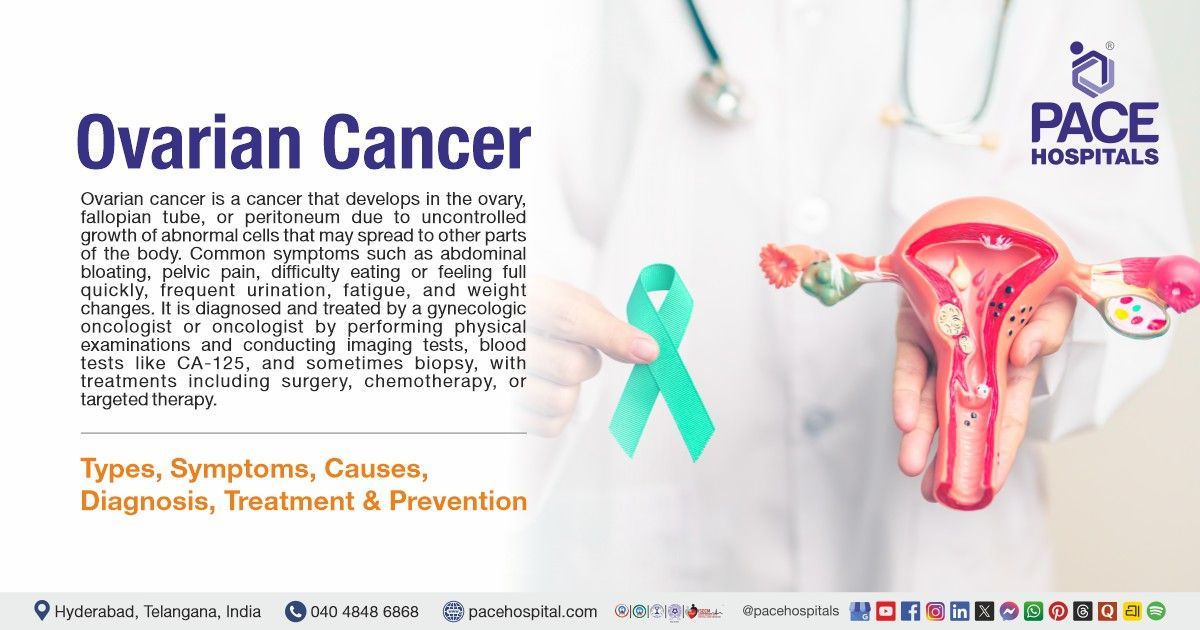
Ovarian cancer refers to cancers originating in the ovary, fallopian tube, or peritoneum, where abnormal cells grow and divide uncontrollably, forming malignant tumors. It may originate from the ovary itself or from surrounding tissues and can spread to other parts of the body if untreated.
Some signs of ovarian cancer are bloating in the stomach, pelvic or abdominal pain, trouble eating or feeling full quickly, urinary urgency or frequency, being tired, and unexplained weight fluctuations. Age, genetic changes (like BRCA1 or BRCA2), a history of ovarian or breast cancer in the family, and some hormonal or reproductive factors can all increase the risk.
Even though ovarian cancer can spread quickly, results can be better if it is found early and treated with surgery,
chemotherapy, targeted therapy, or a mix of these. A doctor, usually a gynecologic oncologist or
oncologist, diagnoses and treats cancer by using physical exams, imaging studies,
blood tests (including CA-125), and sometimes a biopsy to prove that cancer is present and what type it is.
Ovarian cancer meaning
The term ovarian cancer is derived from Latin and English medical terminology.
- “Ovarian”: meaning relating to the ovary, the female reproductive organ that produces eggs and hormones.
- “Cancer”: derived from the Latin word cancer, meaning “crab,” a term used by ancient physicians to describe malignant tumors because their spreading veins resembled a crab’s shape.
Therefore, ovarian cancer refers to the uncontrolled growth of abnormal cells that originate in the ovaries.
Ovarian Cancer Prevalence
Ovarian cancer prevalence in the world
Ovarian cancer is one of the most common gynecological cancers, with an estimated 5-year prevalence of approximately 13 lakh women worldwide. The burden of the disease is higher in developed regions such as Europe and North America, largely due to improved diagnostic capabilities and longer life expectancy. However, prevalence rates can differ significantly across different countries, and global data typically focus more on incidence and mortality rather than specific prevalence figures.
Ovarian cancer prevalence in India
Ovarian cancer is still a big health problem in India; it's responsible for about 6.6% of all cancers in women. National figures don't usually show how common ovarian cancer is in women aged 5 to 24 years, and it's hard to get an appropriate choice of how many women are living with the disease. Modeling or registry data are often used to get prevalence-like numbers, but there are still not many specific, nationally representative data on 5-year prevalence.
Types of Ovarian Cancer
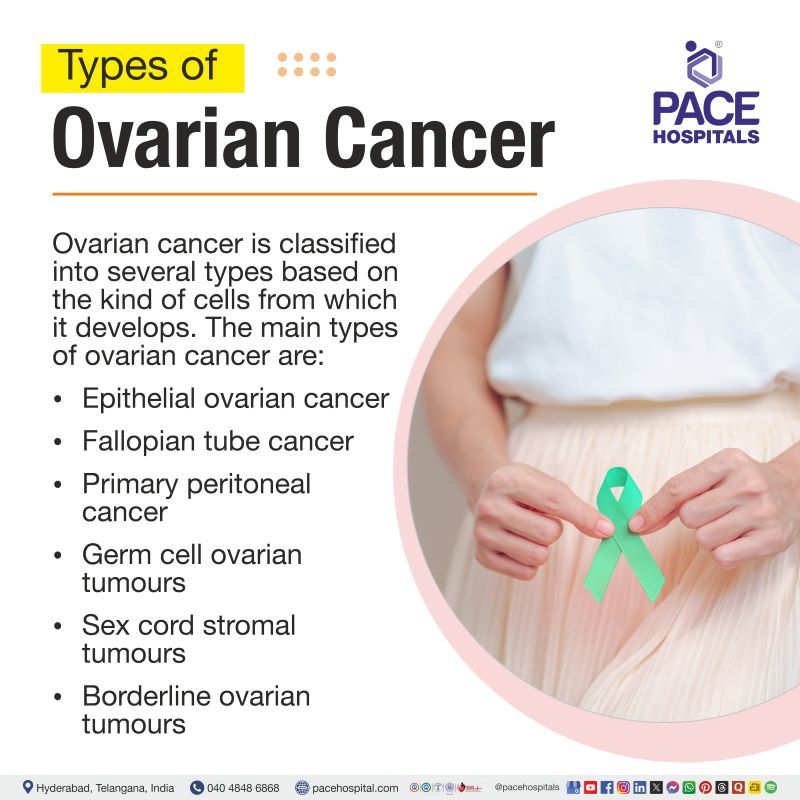
Ovarian cancer is classified into several types based on the kind of cells from which it develops. The main types of ovarian cancer are:
- Epithelial ovarian cancer
- Fallopian tube cancer
- Primary peritoneal cancer
- Germ cell ovarian tumours
- Sex cord stromal tumours
- Borderline ovarian tumours
Epithelial ovarian cancer: This is the most common type of ovarian cancer and begins in the cells covering the surface of the ovary. It often spreads within the abdomen and is usually diagnosed at an advanced stage.
Fallopian tube cancer: This cancer starts in the fallopian tubes and closely resembles epithelial ovarian cancer in symptoms and behavior. Many high-grade serous ovarian cancers are now believed to originate in the fallopian tube.
Primary peritoneal cancer: This cancer develops in the peritoneum, the lining of the abdomen, and behaves like epithelial ovarian cancer. It can occur even when the ovaries appear normal or have been removed.
Germ cell ovarian tumours: These tumors arise from the egg-producing cells of the ovary and mostly affect younger women. They tend to grow quickly but are often highly responsive to treatment.
Sex cord stromal tumours: These tumors develop from hormone-producing tissues of the ovary and may secrete hormones. They are usually diagnosed early and have a better prognosis.
Borderline ovarian tumours: These tumors show abnormal cell growth but lack invasive cancer features. They grow slowly and generally have a favorable outcome compared to invasive ovarian cancers.
Ovarian Cancer Symptoms
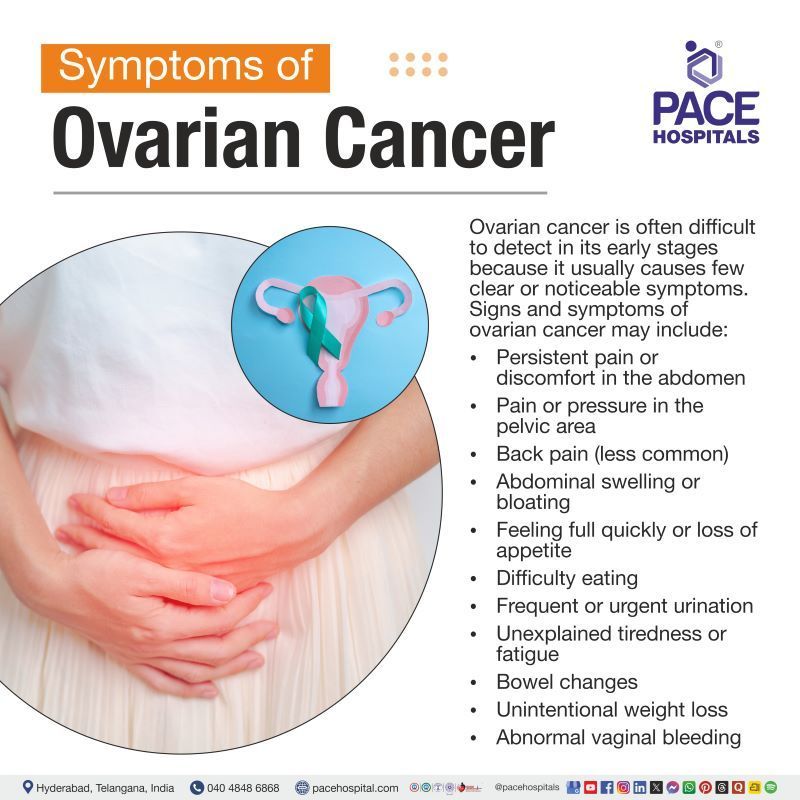
Ovarian cancer is often difficult to detect in its early stages because it usually causes few clear or noticeable symptoms. Many of the symptoms are vague, nonspecific, and easily mistaken for common, less serious conditions. Signs and symptoms of ovarian cancer may include:
- Persistent pain or discomfort in the abdomen
- Pain or pressure in the pelvic area
- Back pain (less common)
- Abdominal swelling or bloating
- Feeling full quickly or loss of appetite
- Difficulty eating
- Frequent or urgent urination
- Unexplained tiredness or fatigue
- Bowel changes
- Unintentional weight loss
- Abnormal vaginal bleeding
Persistent pain or discomfort in the abdomen: Ovarian tumors can press on surrounding organs and tissues, causing a dull or sharp pain that may be constant or come and go. This discomfort is often in the lower or central abdomen and may worsen over time.
Pain or pressure in the pelvic area: Tumors pressing on the intestines can change normal bowel movements. This can lead to constipation, diarrhea, or the sensation of not completely emptying the bowels.
Back pain (less common): Some women may experience lower back pain when tumors press on nerves or pelvic structures. This pain may be persistent and unexplained by muscle strain or other common causes.
Abdominal swelling or bloating: Ovarian cancer can cause fluid accumulation (ascites) or enlarged ovaries, leading to noticeable swelling or bloating. Unlike regular bloating from food or gas, this swelling tends to be persistent and progressive.
Feeling full quickly or loss of appetite: Tumors can press against the stomach or intestines, making a person feel full after eating only a small amount. This early satiety can reduce overall food intake and contribute to weight loss.
Difficulty eating: Persistent bloating, nausea, or abdominal discomfort caused by tumors may make eating uncomfortable or unappealing. This can lead to changes in diet, poor nutrition, and unintended weight loss.
Frequent or urgent urination: Ovarian tumors may press on the bladder, causing a constant feeling of needing to urinate. Some women may also experience sudden urges or have to wake up at night to urinate.
Unexplained tiredness or fatigue: Fatigue may result from the cancer itself, anemia caused by the tumor, or the body’s ongoing inflammatory response. This exhaustion is often persistent and not relieved by rest or sleep.
Bowel changes: Tumors pressing on the intestines can change normal bowel movements. This can cause constipation, diarrhea, or the sensation of not completely emptying the bowels. These bowel alterations may last for weeks or months.
Unintentional weight loss: Weight loss can occur even without changes in diet or activity, which can be due to decreased appetite, digestive issues, or metabolic effects of the tumor. Rapid or unexplained weight loss needs to be evaluated.
Abnormal vaginal bleeding: Tumors affecting hormone-producing cells or reproductive tissues can cause irregular bleeding. Postmenopausal bleeding is particularly concerning and warrants immediate medical attention.
Ovarian Cancer Causes
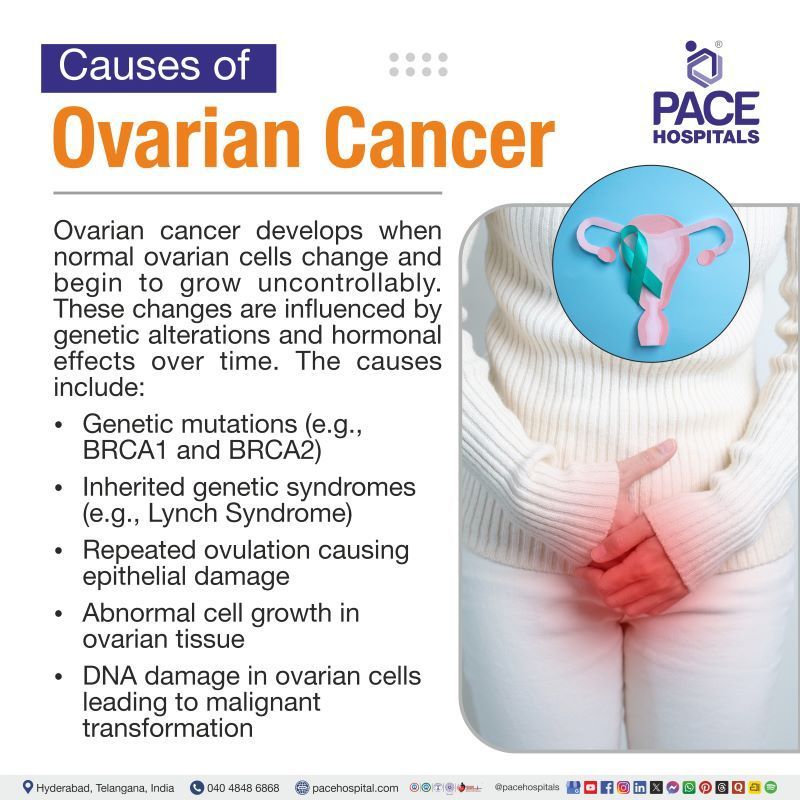
Ovarian cancer develops when normal ovarian cells change and begin to grow uncontrollably. These changes are influenced by genetic alterations and hormonal effects over time. The causes include:
- Genetic mutations (e.g., BRCA1 and BRCA2)
- Inherited genetic syndromes (e.g., Lynch Syndrome)
- Repeated ovulation causing epithelial damage
- Abnormal cell growth in ovarian tissue
- DNA damage in ovarian cells leading to malignant transformation
Genetic Mutations (e.g., BRCA1 and BRCA2): When these genes get changed, they make it harder for cells to fix their DNA normally. Damage to DNA that is not repaired properly can cause abnormal ovarian cells to multiply out of control and grow into tumors.
Inherited Genetic Syndromes (e.g., Lynch Syndrome): Certain hereditary conditions cause defects in genes responsible for DNA repair. These inherited mutations can lead to abnormal cell growth in the ovaries and increase the chance of cancer development.
Repeated Ovulation Causing Epithelial Damage: Every ovulation produces modest damage to the ovarian surface epithelium. Continuous cycles of damage and repair may cause genetic changes in these cells, eventually resulting in cancer.
Abnormal Cell Growth in Ovarian Tissue: Ovarian cancer can arise from epithelial, germ, or stromal cells of the ovary. When these cells grow and divide abnormally without control, they may form malignant tumors.
DNA Damage in Ovarian Cells Leading to Malignant Transformation: Accumulation of DNA damage in ovarian cells disrupts normal cell regulation. This leads to uncontrolled cell division and transformation of normal cells into cancerous cells.
Ovarian Cancer Risk Factors
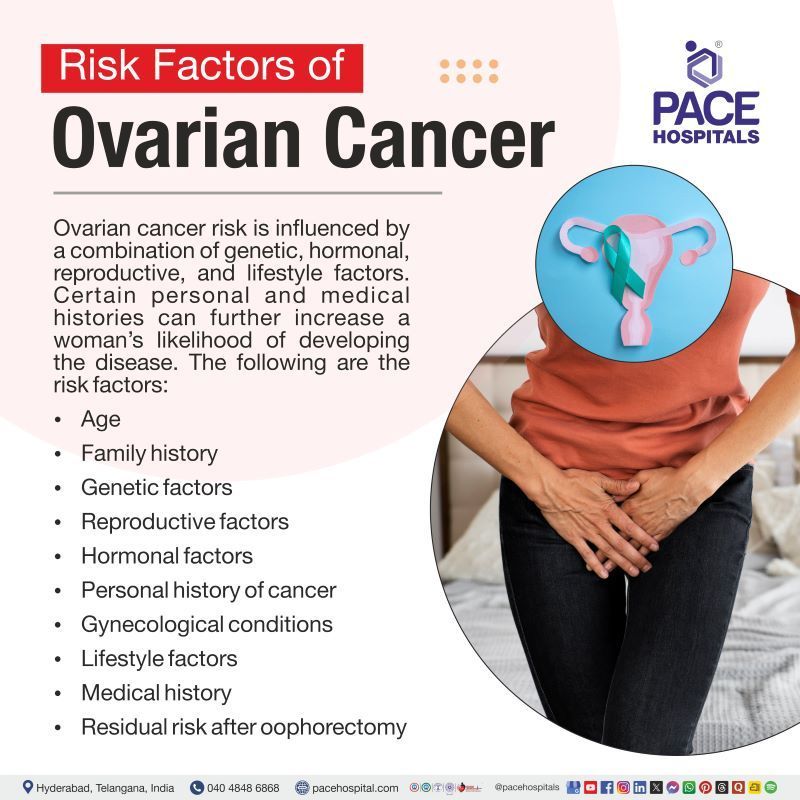
Ovarian cancer risk is influenced by a combination of genetic, hormonal, reproductive, and lifestyle factors. Certain personal and medical histories can further increase a woman’s likelihood of developing the disease. The following are the risk factors:
- Age
- Family history
- Genetic factors
- Reproductive factors
- Hormonal factors
- Personal history of cancer
- Gynecological conditions
- Lifestyle factors
- Medical history
- Residual risk after oophorectomy
Age: The risk of ovarian cancer increases as women get older, especially after the age of 50. Ageing cells are more likely to accumulate genetic mutations that can cause cancer.
Family History: Having first-degree relatives with ovarian, breast, or colorectal cancer increases risk. This is often due to inherited genetic mutations that make cells more susceptible to becoming cancerous.
Genetic factors: Inherited gene mutations, such as BRCA1, BRCA2, and Lynch Syndrome, along with a strong family history of ovarian or breast cancer, increase the risk of ovarian Cancer.
Reproductive Factors: Women who have never had children (nulliparity), gone through early menarche, late menopause, or infertility are at higher risk. These factors make the total number of eggs higher, which could damage ovarian cells over and over again.
Hormonal Factors: Hormonal influences may play a role in the development of ovarian cancer. Variations in hormone levels over time can affect the growth and multiplication of ovarian cells. Prolonged hormonal exposure may increase the risk in some cases, while certain hormonal conditions may offer a protective effect.
Personal History of Cancer: A history of breast or colorectal (bowel) cancer increases the likelihood of developing ovarian cancer. This may indicate an underlying genetic susceptibility or shared risk factors.
Gynecological Conditions: Endometriosis is associated with an increased risk of ovarian cancer, particularly endometrioid and clear cell subtypes. Chronic inflammation in the ovaries may contribute to malignant changes.
Lifestyle Factors: Obesity, high body mass index (BMI), and smoking can increase ovarian cancer risk. These factors may affect hormone levels or cause chronic inflammation, promoting cancer development.
Medical History: A higher risk of getting ovarian cancer is linked to having treatment for diabetes or cancer in the past. Radiation can damage ovarian cells, and diabetes can change the way hormones and metabolism work.
Residual Risk after Oophorectomy: Ovarian cancer can still develop in the fallopian tubes or peritoneum even after ovary removal. While risk is reduced, it is not completely eliminated.
Complications of Ovarian Cancer
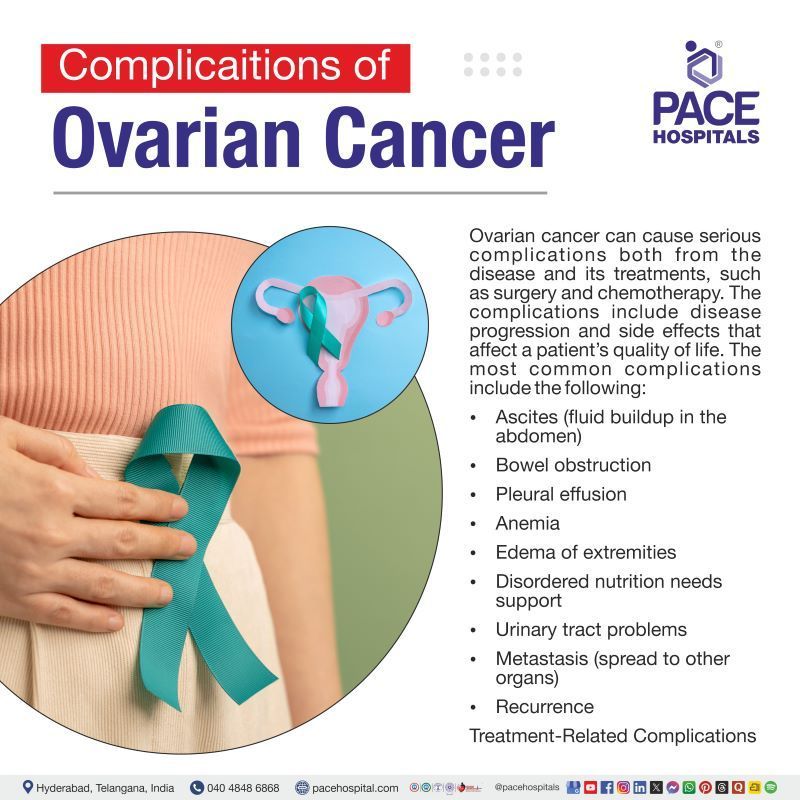
Ovarian cancer can cause serious complications both from the disease and its treatments, such as surgery and chemotherapy. The complications include disease progression and side effects that affect a patient’s quality of life. The most common complications include the following:
- Ascites (fluid buildup in the abdomen)
- Bowel obstruction
- Pleural effusion
- Anemia
- Edema of extremities
- Disordered nutrition needs support
- Urinary tract problems
- Metastasis (spread to other organs)
- Recurrence
- Treatment-Related Complications
Ascites (fluid buildup in the abdomen): Cancer cells can spread to the lining of the abdomen (peritoneum), causing irritation and increased fluid production. This leads to fluid accumulation in the abdominal cavity, resulting in abdominal swelling, discomfort, breathing difficulty, and a feeling of fullness.
Bowel obstruction: Ovarian cancer can spread to or press against the intestines. Tumor growth or cancer deposits in the abdominal cavity may block the normal movement of food and waste through the intestines.
Pleural effusion: In ovarian cancer, malignant cells may spread to the pleura or cause fluid leakage due to inflammation. This fluid buildup can suppress the lungs and lead to symptoms like breathlessness, chest discomfort, and cough.
Anemia: Anemia may develop in ovarian cancer due to chronic disease, internal bleeding, poor nutrition, or side effects of chemotherapy.
Edema of extremities: Swelling of the legs or arms may occur when ovarian tumors compress blood vessels or lymphatic channels. This blockage interferes with normal fluid drainage, leading to fluid accumulation in the tissues of the extremities.
Disordered nutrition needs support: Ovarian cancer and its treatments can reduce appetite and interfere with digestion and nutrient absorption. Symptoms such as nausea, abdominal fullness, and bowel disturbances may lead to weight loss and malnutrition.
Urinary tract problems: Large ovarian tumors or cancer spread in the pelvic region may press on the bladder or ureters. This can lead to urinary frequency, difficulty passing urine, infections, or even obstruction of urine flow.
Metastasis (spread to other organs): Ovarian cancer can migrate beyond the ovaries to nearby and distant organs such as the liver, lungs, lymph nodes, and peritoneum. Metastasis can impair the function of these organs and significantly worsen the overall condition of the patient.
Recurrence: Even after successful treatment, ovarian cancer may return months or years later. Recurrence occurs because microscopic cancer cells may remain in the body after treatment and start growing again. Recurrence can be prevented by early detection.
Treatment-related complications: Treatments for ovarian cancer, including surgery, chemotherapy, and targeted therapy, can cause complications. These may include infections, fatigue, nerve damage (neuropathy), gastrointestinal problems, hormonal changes, and weakened immunity, which can affect overall recovery and quality of life.
Ovarian Cancer Diagnosis
The diagnosis of ovarian cancer is made in a systematic and step-by-step manner, beginning with clinical assessment and continuing to confirmation and staging to ensure accurate diagnosis and suitable treatment.
The following are the ovarian cancer diagnostic steps involved:
- Medical history
- Physical Examination
- Laboratory Investigations
- Tumor Markers (CA-125 with HE4, CEA)
- General Labs
- Complete Blood Count (CBC)
- Liver Function Tests (LFT)
- Renal Function Tests (RFT)
- Imaging Studies
- Transvaginal Ultrasound (TVUS)
- CT Scan Abdomen & Pelvis
- Magnetic resonance imaging (MRI)
- Positron Emission Tomography and Computed Tomography (PET-CT)
- Risk Assessment
- Risk of Malignancy Index (RMI)
- Definitive Diagnosis
- Surgical Exploration (Laparoscopy/Laparotomy)
- Biopsy & Histopathology
- Cytology (Ascitic Fluid/Peritoneal Washings)
- Staging
- FIGO Staging
- Genetic Counseling & Testing
- BRCA1/BRCA2
- Lynch Syndrome Testing
Ovarian Cancer Treatment
Ovarian cancer is a serious gynecological malignancy often detected late. The management requires a multidisciplinary approach, and treatment options depend on disease stage, tumor type, patient condition, and fertility considerations. The following are the treatment options for ovarian cancer:
Surgical Management (Primary Treatment)
Surgery is the mainstay of treatment for most ovarian cancers.
- Early-stage disease (Stage I–II)
- Total hysterectomy
- Bilateral salpingo-oophorectomy
- Omentectomy
- Lymph node sampling
- Fertility-sparing surgery (in selected young patients)
- Advanced-stage disease (Stage III–IV)
- Cytoreductive (debulking) surgery
- Primary debulking surgery
- Interval debulking surgery (after neoadjuvant chemotherapy)
Chemotherapy (Systemic Therapy)
Usually platinum-based chemotherapy.
- Adjuvant chemotherapy (after surgery)
- Neoadjuvant chemotherapy (before surgery)
- Palliative chemotherapy
- Intraperitoneal chemotherapy (in selected patients)
Targeted Therapy
Used increasingly in modern management.
- Poly ADP-ribose polymerase (PARP inhibitors)– especially in BRCA-mutated cancers
- Anti-angiogenic therapy
- Other molecular-targeted agents
Hormonal Therapy
Hormonal therapy for ovarian cancer targets hormone receptor-positive tumors by blocking hormone-driven growth or reducing hormone levels.
Radiation Therapy
Radiation therapy in ovarian cancer is primarily used for localized tumor control, pre-surgical shrinkage, or palliative symptom relief in select cases.
Immunotherapy
Immunotherapy for ovarian cancer helps the immune system target and destroy cancer cells, especially in recurrent or treatment-resistant cases.
Why Choose PACE Hospitals?
Expert Super Specialist Doctors
Advanced Diagnostics & Treatment
Affordable & Transparent Care
24x7 Emergency & ICU Support
Ovarian Cancer Prevention
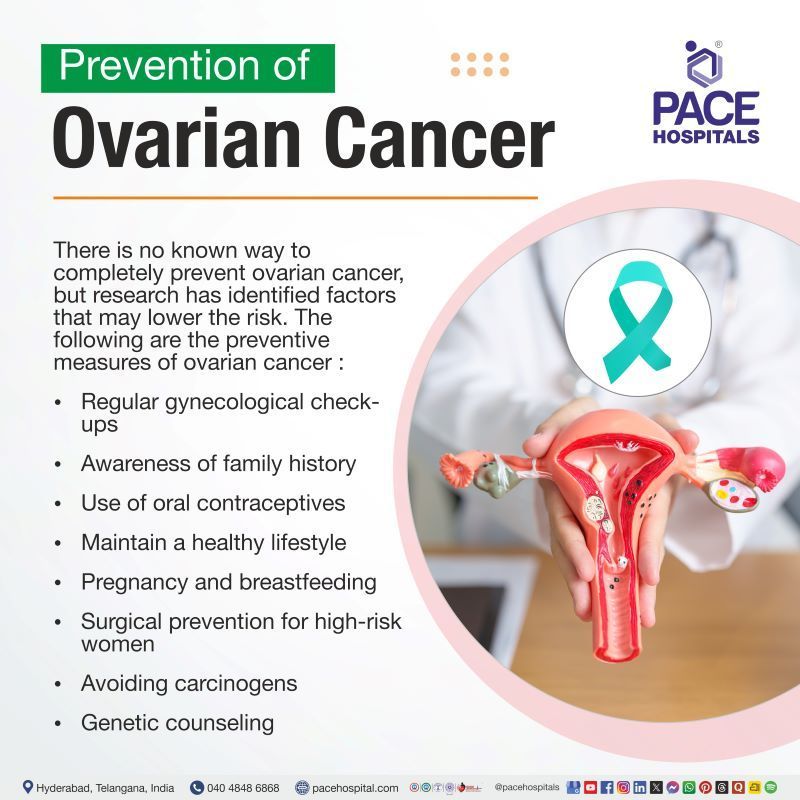
There is no known way to completely prevent ovarian cancer, but research has identified factors that may lower the risk. The following are the preventive measures of ovarian cancer:
- Regular gynecological check-ups
- Awareness of family history
- Use of oral contraceptives
- Maintain a healthy lifestyle
- Pregnancy and breastfeeding
- Surgical prevention for high-risk women
- Avoiding carcinogens
- Genetic counseling
Regular gynecological check-ups: Regular pelvic exams and screenings help detect ovarian changes early, which can lead to timely intervention and better outcomes.
Awareness of family history: Knowing if close relatives have had ovarian or breast cancer helps identify higher risk individuals who may need additional monitoring or testing.
Use of oral contraceptives: Long-term use of oral contraceptives has been shown to reduce the risk of ovarian cancer by lowering ovulation-related cellular changes.
Maintain a healthy lifestyle: A balanced diet, regular exercise, and maintaining a healthy body mass index (BMI) can lower cancer risk by reducing inflammation and hormonal imbalance.
Pregnancy and breastfeeding: Pregnancy and breastfeeding reduce the number of lifetime ovulations, which can lower the risk of developing ovarian cancer.
Surgical prevention for high-risk women: Women with BRCA gene mutations or a strong family history may consider the removal of the ovaries and fallopian tubes to significantly reduce cancer risk.
Avoiding carcinogens: Limiting exposure to harmful chemicals, smoking, and environmental toxins can reduce the chance of DNA damage that may lead to cancer.
Genetic counseling: Counseling and genetic testing for high-risk women help identify inherited mutations, guide preventive strategies, and inform family planning.
Difference between Cervical and Ovarian Cancer
Cervical vs Ovarian cancer
Cervical cancer and ovarian cancer are two common malignancies affecting the female reproductive system. Although both occur in reproductive organs, they differ in their origin, etiology, clinical manifestations, diagnostic methods, and treatment options. The following table highlights the key differences between ovarian cancer and cervical cancer:
| Aspect | Cervical Cancer | Ovarian Cancer |
|---|---|---|
| Origin | Starts in the cells lining the cervix, the lower part of the uterus that connects to the vagina. | Begins in the ovaries, the reproductive glands responsible for producing eggs and hormones. |
| Common Cause | Primarily caused by long-term infection with high-risk types of Human Papillomavirus (HPV). | Causes are less clear, but risk factors include age, family history, and reproductive factors. |
| Symptoms | Early signs include abnormal vaginal bleeding, unusual discharge, and pelvic pain. | Abdominal swelling, pain, and urine abnormalities are common symptoms that develop late. |
| Screening | Regular Pap smears and HPV tests effectively detect precancerous changes early. | No standard screening exists; diagnosis usually occurs after symptoms arise or during advanced stages. |
| Treatment | Treatment often involves surgery or radiation for early stages and chemotherapy/radiation for advanced cases. | Typically treated with surgery to remove tumors followed by chemotherapy; advanced stages have a poorer prognosis. |
Difference between Endometriosis and Ovarian Cancer
Endometriosis Vs Ovarian Cancer
Endometriosis is a benign condition in which endometrial tissue grows outside the uterus, whereas ovarian cancer is a malignant tumor of the ovary that can spread to other organs. The following table highlights the key differences between endometriosis and ovarian cancer:
| Feature | Endometriosis | Ovarian Cancer |
|---|---|---|
| Nature | Benign gynecological condition with endometrial tissue outside the uterus | Malignant tumor of the ovary (epithelial, germ cell, or stromal origin) |
| Symptoms | Pelvic pain, painful periods, infertility | Abdominal bloating, pain, early satiety, urinary symptoms |
| Age group | Common in younger, reproductive-age women | Most common in postmenopausal women, but can occur at any age |
| Risk | Non-cancerous; rarely may increase ovarian cancer risk | Life-threatening; can metastasize if untreated |
| Diagnosis & Treatment | Ultrasound, MRI, laparoscopy; treated with hormonal therapy, pain management, or surgery | Imaging, tumor markers (CA-125), histopathology; treated with surgery and chemotherapy |
Frequently Asked Questions (FAQs) on Ovarian Cancer
What is ovarian cancer?
Ovarian cancer is a type of cancer that begins in the ovaries, the female reproductive organs that produce eggs and hormones. It often develops silently, with few early symptoms, which can make it hard to detect until it has progressed. Common signs may include bloating, pelvic pain, changes in appetite, or urinary issues. Early detection is challenging but crucial for effective treatment and better outcomes.
What causes ovarian cancer?
Ovarian cancer is caused by genetic changes in ovarian cells that result in uncontrolled growth, which is commonly impacted by age, family history, and hormonal exposure. Repeated ovulation can harm ovarian surfaces over time, accelerating these changes. In the majority of cases, the exact causes are unknown.
Can ovarian cysts be cancerous?
Yes, some ovarian cysts can be cancerous, though most are benign. Simple, thin-walled cysts detected on ultrasound carry near-zero malignancy risk in pre- and postmenopausal women. Complex cysts with solid components, septations, or ascites in women over 50, significantly raise cancer odds (likelihood ratios up to 74). Risk scoring integrates age, symptoms, and imaging for accurate assessment.
Is ovarian cancer genetic?
Yes, ovarian cancer can sometimes be caused by genes. Ten to twenty percentage of cases are caused by abnormalities passed down through families, most often in the BRCA1 and BRCA2 genes. It may also be linked to Lynch syndrome, which is a type of inherited nonpolyposis colorectal cancer. It is more likely for women who have a strong family history of ovarian, breast, colorectal, or cancers linked to these to get it. But most ovarian cancers happen randomly and don't have a clear genetic cause.
Can PCOS lead to ovarian cancer?
Polycystic ovary syndrome (PCOS) does not directly cause ovarian cancer. Current evidence suggests that women with PCOS do not have a clearly increased risk of ovarian cancer, although they may have a slightly higher risk of endometrial (uterine) cancer due to prolonged unopposed estrogen exposure.
Use of oral contraceptive pills in PCOS actually reduces ovarian cancer risk. Maintaining a healthy weight and managing hormonal imbalance further lowers overall cancer risk. Overall, PCOS alone is not considered a strong risk factor for ovarian cancer.
Can an ovarian cancer patient get pregnant?
Yes, women with early-stage ovarian cancer may be able to conceive if their ovarian tissue is saved following surgery. However, serious disease or specific therapies, such as chemotherapy, frequently diminish fertility. Before beginning therapy, options such as egg or embryo freezing can be considered, and it is strongly advised to visit a fertility doctor to discuss individual possibilities.
How to prevent ovarian cancer?
Ovarian cancer can't be always preventable, but risk can be reduced through genetic counseling for highly-risk women, long-term use of oral contraceptives, maintaining a healthy lifestyle, and, in some cases, preventive surgery. Regular gynecological check-ups and awareness of early symptoms help with early detection, which improves outcomes.
How much time does ovarian cancer take to develop?
The development of ovarian cancer varies and depends on the type and individual factors. In many cases, ovarian cancer grows slowly over several years before it causes noticeable signs. This is why it is detected at an advanced stage. Some aggressive types may progress more rapidly, within months instead of years.
Is ovarian cancer contagious?
No, ovarian cancer is not contagious. It cannot be spread from one person to another through contact, air, or body fluids. It occurs due to genetic mutations and cellular alterations within the body, not from infectious organisms. While some viruses such as human papillomavirus (HPV), can raise cancer risks, they do not cause ovarian cancer or transmit it.
Can ovarian cancer cause infertility?
Yes, ovarian cancer and its treatments can make it hard to get pregnant. During surgery, one or both ovaries are often removed. The uterus or fallopian tubes may also be damaged, which stops the production of eggs. Chemotherapy damages the ovarian reserve, which could lead to early menopause or lifelong ovarian failure. Radiation to the pelvis destroys eggs and scars reproductive organs. Hormone therapies further disrupt fertility hormones.
Is ovarian cancer fatal?
Ovarian cancer is often fatal when diagnosed late, with a 5-year survival rate of ~50% overall but only 30-32% for advanced (stage III/IV) cases, which comprise 75% of diagnoses. Early-stage detection improves 90-93% of the survival rate. Improved treatments have raised rates, but recurrence remains common.
Is there a vaccine that can prevent ovarian cancer?
Currently, there is no approved vaccine that can fully prevent ovarian cancer. Most ovarian cancer vaccines are still in research or clinical trials and are designed to help the immune system fight existing cancer or reduce the risk of recurrence, rather than prevent the initial development of the disease.
What are the early warning signs of ovarian cancer?
Early indications of ovarian cancer are frequently subtle and might be mistaken for daily problems. Bloating, pelvic or abdominal pain, feelings of being full rapidly, frequent urination, and changes in bowel habits, exhaustion, and unexplained back pain are all common symptoms. If these symptoms persist or are uncommon, see a doctor right away for an assessment.
When to consult a doctor for ovarian cancer?
Consult a doctor for ovarian cancer if you notice persistent or unusual symptoms that do not improve over time. Signs that need attention include:
- Abdominal bloating or swelling that lasts for weeks
- Persistent pelvic or abdominal pain
- Difficulty eating or feeling full quickly
- Unexplained weight loss or fatigue
- Changes in urinary or bowel habits
If these symptoms persist, it is important to see an ovarian cancer specialist who can do tests such as a pelvic examination, imaging tests, or blood markers and prescribe the best treatment option. If you have severe abdominal discomfort, sudden bloating, or evidence of internal bleeding, seek medical assistance right once. A gynecologist or oncology specialist can provide the best ovarian cancer treatment and perform the necessary tests to discover the disease early, hence improving results.
Share on
Request an appointment
Fill in the appointment form or call us instantly to book a confirmed appointment with our super specialist at 04048486868
Appointment request - health articles
Recent Articles