Congenital Heart Disease (CHD): Symptoms, Causes & Treatment
PACE Hospitals
Written by: Editorial Team
Medically reviewed by: Dr. Seshi Vardhan Janjirala - Consultant Interventional Cardiologist
Overview | Epidemiology | Types | Symptoms | Causes | Risk Factors | Complications | Diagnosis | Management | Prevention | Cyanotic vs Acyanotic Congenital Heart Disease | FAQs | When to consult a Doctor
Congenital heart disease definition
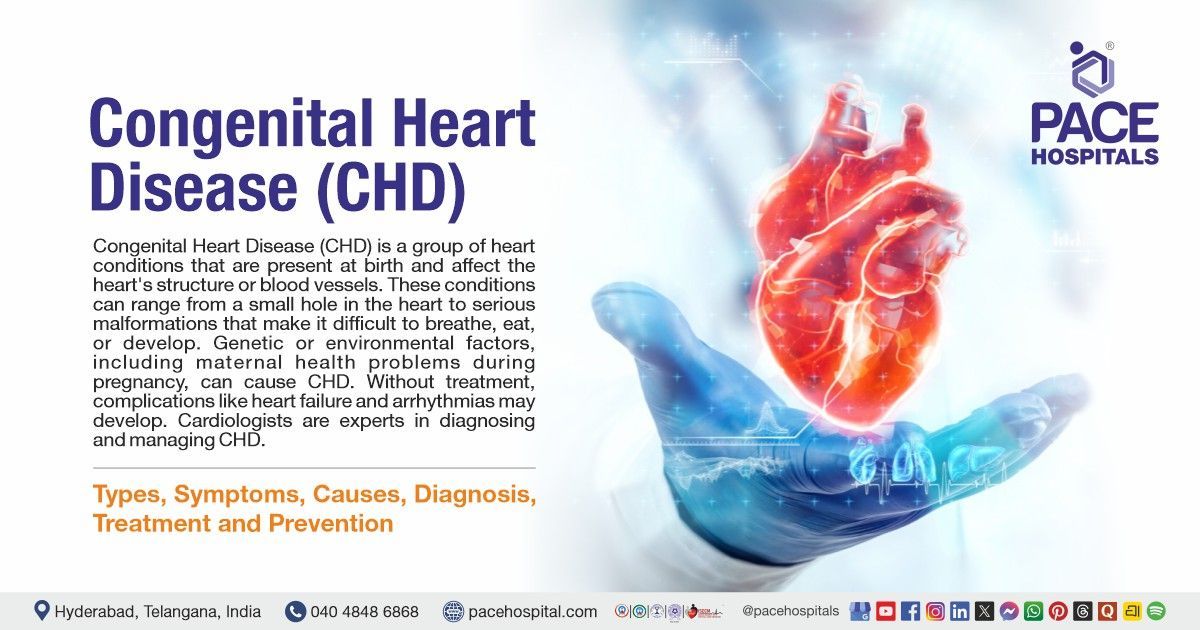
Congenital Heart Disease (CHD) refers to a group of heart conditions present at birth, involving abnormalities in the structure of the heart or blood vessels. These defects may affect the walls, valves, or blood vessels of the heart, causing disruptions in normal blood flow. CHD can range from mild conditions, such as a small hole in the heart, to more severe defects, like a missing valve or complex heart malformations. Symptoms depend on the type and severity of the defect but may include difficulty breathing, poor feeding, frequent respiratory infections, and growth delays in infants and children.
Genetic and environmental factors, as well as maternal health conditions during pregnancy, can cause congenital heart disease. Conditions like rubella, maternal diabetes, or alcohol exposure and specific medications during pregnancy all increase the risk. Genetic conditions, like Down syndrome, are also related to congenital heart defects. In some cases, the cause remains unknown. Complications like heart failure, arrhythmias, and lung or circulatory issues occur if untreated.
Congenital heart disease is treated by cardiologists specializing in congenital heart defects, with pediatric cardiologists for children and adult congenital heart disease specialists for adults.
Congenital heart disease meaning
Congenital Heart Disease (CHD) is derived from the following terms:
- "Congenital" is derived from the Latin word "congenitus," meaning "born with" or "from birth."
- "Heart" comes from the Old English word "heorte," which means "heart," and refers to the main organ that pumps blood through the body.
- "Disease" is derived from the Latin word "diseas," meaning "discomfort" or "illness."
Thus, congenital heart disease refers to a condition in which an abnormality or defect in the heart is present from birth, affecting its structure and/or function.
Epidemiology of Congenital Heart Disease
Epidemiology of congenital heart disease worldwide
Congenital heart disease (CHD) is still the most common birth defect in the world, affecting about 8–10 out of every 1,000 live births. Recent research shows that the birth rate is relatively stable, but the total number of people living with CHD has increased because medical and surgical care have improved, which has made people live longer. Even with these improvements, there are still significant differences, such as a higher burden and less access to specialized care in low- and middle-income countries.
Epidemiology of congenital heart disease in India
About 8 to 10 out of every 1,000 live births in India have congenital heart disease (CHD), which is similar to estimates from around the world. Every year, there are about 200,000 to 250,000 new cases because of the high birth rate. It is still a major cause of illness and death in babies, especially when it is difficult to detect early on. Although advances in pediatric cardiac care have improved survival, challenges like delayed diagnosis and unequal access to specialised treatment continue to affect outcomes.
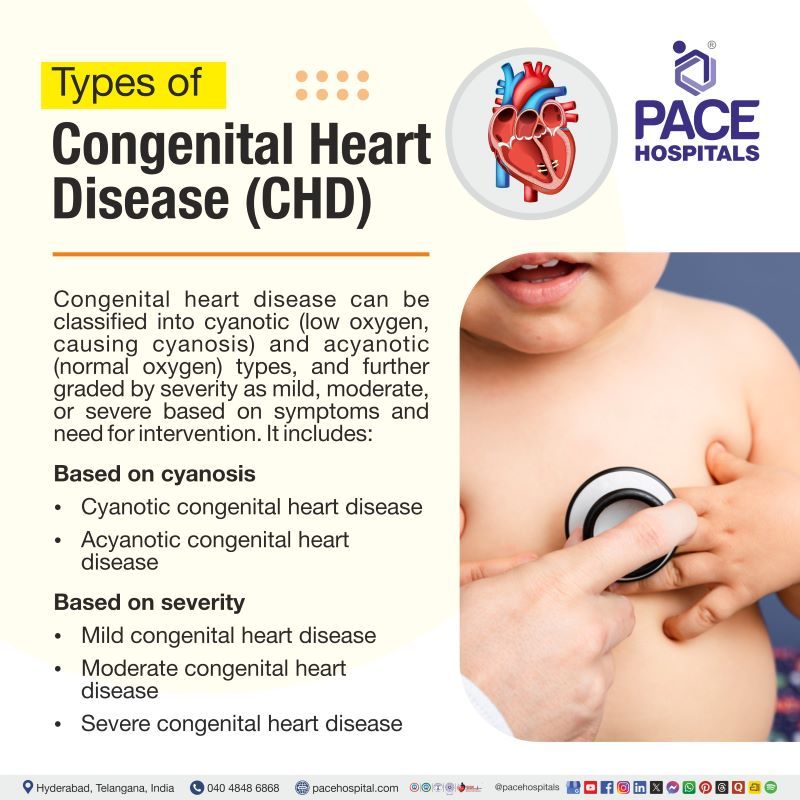
Types of Congenital Heart Disease
Congenital heart disease can be classified into cyanotic (low oxygen, causing cyanosis) and acyanotic (normal oxygen) types, and further graded by severity as mild, moderate, or severe based on symptoms and need for intervention.
Based on cyanosis:
Based on cyanosis, there are two different types of congenital heart disease. The following are the most common types of congenital heart disease:
- Cyanotic congenital heart disease
- Acyanotic congenital heart disease
Cyanotic congenital heart disease
Cyanotic heart disease involves defects that cause a decrease in the oxygen levels of the blood, leading to cyanosis (bluish discolouration of the skin). The types of cyanotic congenital heart disease include:
- Tetralogy of Fallot (TOF)
- Transposition of the Great Arteries (TGA)
- Tricuspid Atresia
- Total Anomalous Pulmonary Venous Return (TAPVR)
- Hypoplastic Left Heart Syndrome (HLHS)
Tetralogy of Fallot (TOF): Tetralogy of Fallot includes four heart defects, such as a ventricular septal defect, pulmonary stenosis, right ventricular hypertrophy, and an overriding aorta. This condition decreases blood flow to the lungs and causes oxygen-poor blood to combine with oxygen-rich blood, causing cyanosis. It is one of the most common congenital cyanotic defects and often requires surgical correction.
Transposition of the Great Arteries (TGA): When the great arteries are separated, the pulmonary artery and aorta switch positions. This means that blood that doesn't have enough oxygen goes to the body instead of the lungs. This condition needs to be treated immediately, and surgery to reattach the vessels is often part of that treatment. If untreated, it leads to severe cyanosis and life-threatening complications.
Tricuspid Atresia: Tricuspid Atresia is a condition where the tricuspid valve, which controls blood flow between the right atrium and ventricle of the heart, is either missing or not formed properly. This prevents blood from flowing to the lungs to get oxygen. As a result, oxygen-poor blood mixes with oxygen-rich blood, turning the skin blue (cyanosis). Surgery is needed to fix the blood flow, usually requiring multiple surgeries over time.
Total Anomalous Pulmonary Venous Return (TAPVR): TAPVR is a rare condition in which the pulmonary veins, which bring oxygen-rich blood from the lungs, connect to the right side of the heart instead of the left. This causes blood that is rich in oxygen to mix with blood that is low in oxygen, which causes cyanosis. Surgery is usually necessary to correct the abnormal venous return and get the blood flow back to normal.
Hypoplastic Left Heart Syndrome (HLHS): Hypoplastic left heart syndrome is a major congenital disability in which the left side of the heart does not grow properly, making it unable to pump blood to the body. This causes cyanosis because there isn't enough oxygenated blood flowing through the body. To restore the heart's function, surgery is done immediately, and it is often done in multiple stages.
Acyanotic congenital heart disease
Acyanotic heart defects do not significantly reduce oxygen levels in the blood. These include defects where blood flows abnormally but does not cause cyanosis. The types of congenital acyanotic heart disease include:
- Atrial Septal Defect (ASD)
- Ventricular Septal Defect (VSD)
- Patent Ductus Arteriosus (PDA)
- Pulmonary Stenosis
- Coarctation of the Aorta
- Aortic Stenosis
- Mitral Valve Prolapse
Atrial Septal Defect (ASD): A hole in the wall (septum) that separates the heart's two upper chambers (atria) is called an atrial septal defect (ASD), a type of congenital heart disease. This allows blood rich in oxygen from the left atrium to combine with oxygen-poor blood in the right atrium, but it does not usually cause cyanosis. Over time, the defect may lead to increased blood flow to the lungs, potentially causing symptoms such as shortness of breath.
Ventricular Septal Defect (VSD): Ventricular Septal Defect (VSD) is a congenital heart disease that occurs when there is a hole in the wall that separates the two lower chambers of the heart (ventricles). This allows oxygen-rich blood to pass from the left side to the right side, increasing blood flow to the lungs. Symptoms like heart murmur, tiredness, or delayed growth can be seen, but do not cause cyanosis.
Patent Ductus Arteriosus (PDA): A blood vessel called the ductus arteriosus, which connects the aorta and the pulmonary artery during fetal development, does not close after birth, leading to a patent ductus arteriosus. This leads to oxygen-rich blood from the aorta to flow back into the pulmonary artery. While it does not usually cause cyanosis, it can increase blood flow to the lungs, leading to symptoms such as breathlessness or frequent respiratory infections.
Pulmonary Stenosis: Pulmonary stenosis is a disease in which the pulmonary valve, which controls blood flow from the right ventricle to the lungs, becomes narrower. Because of this blockage, blood finds it more difficult to move to the lungs to get oxygen. In mild cases, it may cause symptoms like tiredness or shortness of breath, but it does not cause cyanosis.
Coarctation of the Aorta: Coarctation of the aorta occurs when the aorta gets narrower, which can make it more difficult for blood to flow to the lower parts of the body. This defect can cause high blood pressure in the upper body and less blood flow to the lower body. Leg weakness or cold feet are possible symptoms, but cyanosis is not usually present.
Aortic Stenosis: Aortic stenosis is called the narrowing of the aortic valve, which restricts blood flow from the heart to the body. Chest pain, dizziness, or fainting are the symptoms, but they do not lead to cyanosis. It may lead to heart failure if left untreated, due to increased pressure in the heart.
Mitral Valve Prolapse: When the valve between the left atrium and left ventricle doesn't close properly, it causes a part of the valve to bulge back into the atrium. This is called mitral valve prolapse. It might not cause cyanosis, but it can make a heart murmur and sometimes cause symptoms like palpitations or chest pain. Most of the time, it can be controlled with monitoring and sometimes medicine
Based on severity
Congenital heart disease is classified by severity, ranging from mild to severe, which helps guide treatment decisions and management. Congenital heart disease classification includes:
- Mild congenital heart disease
- Moderate congenital heart disease
- Severe congenital heart disease
Mild congenital heart disease
Mild defects cause few or no symptoms and may require minimal treatment. Some defects may resolve naturally over time. Regular monitoring is often sufficient to manage the condition.
Moderate congenital heart disease
Moderate defects lead to noticeable symptoms like breathlessness or fatigue. Treatment may include medications or non-invasive procedures. Surgery may be required if symptoms worsen over time.
Severe congenital heart disease
Severe defects cause symptoms like cyanosis or heart failure. These conditions require immediate surgery or intensive treatment. Ongoing care and monitoring are critical for long-term health.
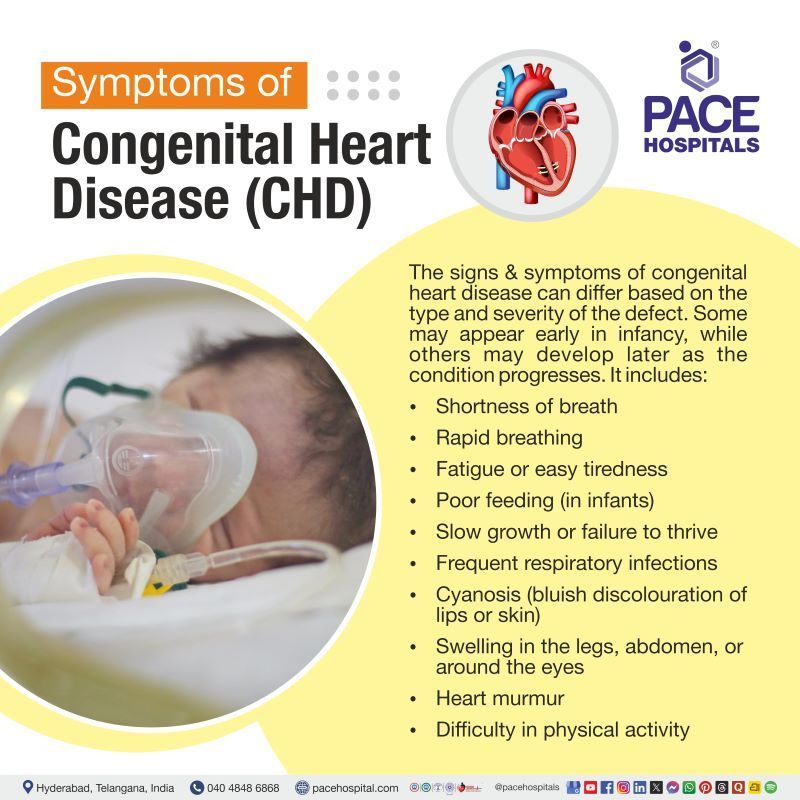
Congenital Heart Disease Symptoms
The signs and symptoms of congenital heart disease can differ based on the type and severity of the defect. Some may appear early in infancy, while others may develop later as the condition progresses. It includes:
- Shortness of breath
- Rapid breathing
- Fatigue or easy tiredness
- Poor feeding (in infants)
- Slow growth or failure to thrive
- Frequent respiratory infections
- Cyanosis (bluish discolouration of lips or skin)
- Swelling in the legs, abdomen, or around the eyes
- Heart murmur
- Difficulty in physical activity
Shortness of breath: Shortness of breath occurs when the heart is unable to pump adequate oxygen-rich blood to meet the body’s needs. This can make breathing feel difficult, especially during activity. It is a common symptom in both children and adults with heart defects.
Rapid breathing: Rapid breathing happens as the body tries to compensate for low oxygen levels. The lungs work more to bring in more oxygen and remove carbon dioxide. It is commonly seen in infants during feeding or rest.
Fatigue or easy tiredness: Fatigue occurs because the body is not receiving enough oxygenated blood. Everyday activities may feel exhausting, even with minimal effort. This is commonly seen in older children and adults.
Poor feeding (in infants): Infants with heart defects have difficulty feeding due to weakness and breathlessness. Feeding requires energy; because of this, they stop while feeding. This can lead to inadequate nutrition.
Slow growth or failure to thrive: Children with these heart defects may not gain weight due to poor feeding and increased energy demands. The body prioritizes vital functions over growth. This is a key sign in infants with significant heart defects.
Frequent respiratory infections: Increased blood flow to the lungs can make them more prone to infections. Children may experience repeated coughs, colds, or pneumonia. This can further affect breathing and overall health.
Cyanosis (bluish discolouration of lips or skin): Cyanosis occurs when oxygen levels in the blood are low. It appears as a bluish tint on the lips, skin, or fingernails. This is more common in severe forms like cyanotic congenital heart disease.
Swelling in the legs, abdomen, or around the eyes: Swelling (edema) happens when the heart is unable to pump blood effectively. Fluid builds up in tissues, particularly in the lower body and around the eyes. It may indicate heart failure in advanced cases.
Heart murmur: A heart murmur is an unusual sound heard during a heartbeat caused by abnormal blood flow. It is often detected during a routine examination. While not always serious, it may indicate an underlying heart defect.
Difficulty in physical activity: People with congenital heart disease may find it hard to perform physical activities. They may become tired quickly or feel breathless. This is due to reduced oxygen supply to muscles during exertion.
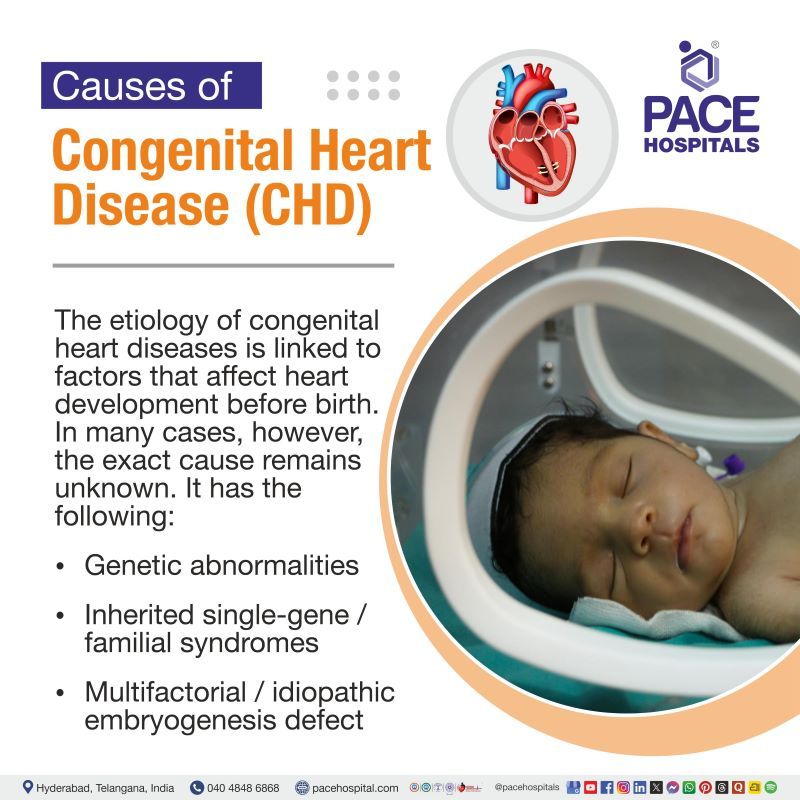
Congenital Heart Disease Causes
The etiology of congenital heart diseases is linked to factors that affect heart development before birth. In many cases, however, the exact cause remains unknown. It has the following:
- Genetic abnormalities
- Inherited single-gene/familial syndromes
- Multifactorial/idiopathic embryogenesis defect
Genetic abnormalities: Genetic abnormalities are one of the most common causes of congenital heart disease. Any changes in chromosomes or genes can affect how the heart forms during fetal development. Conditions like Down syndrome are often associated with heart defects. These abnormalities can occur spontaneously or be inherited.
Inherited single-gene/familial syndromes: Some heart defects that are present at birth are due to changes in a single gene that can be inherited from parents to children. These inherited conditions can cause syndromes that affect multiple organs, like the heart. A family history of CHD makes it more prone because of shared genetic patterns. But inheritance doesn't always guarantee occurrence in every pregnancy.
Multifactorial/idiopathic embryogenesis defect: In many cases, congenital heart disease results from a combination of genetic susceptibility and environmental influences during early fetal development. This is a multifactorial cause, in which no single factor is solely responsible. When no clear reason is identified, it is termed idiopathic. These defects usually occur during the first few weeks of pregnancy when the heart is forming.
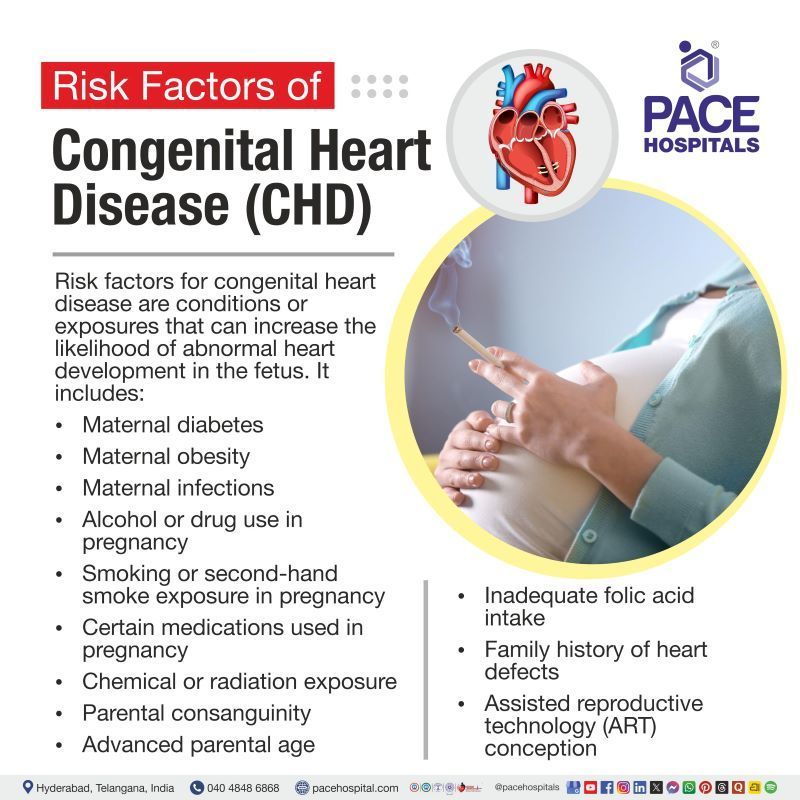
Congenital Heart Disease Risk Factors
Risk factors for congenital heart disease are conditions or exposures that can increase the likelihood of abnormal heart development in the fetus. Identifying these factors helps in early prevention, proper prenatal care, and timely screening during pregnancy. It includes:
- Maternal diabetes
- Maternal obesity
- Maternal infections
- Alcohol or drug use in pregnancy
- Smoking or second-hand smoke exposure in pregnancy
- Certain medications used in pregnancy
- Chemical or radiation exposure
- Parental consanguinity
- Advanced parental age
- Inadequate folic acid intake
- Family history of heart defects
- Assisted reproductive technology (ART) conception
Maternal diabetes: Uncontrolled diabetes during pregnancy can affect fetal development, including the heart. High blood sugar levels may interfere with normal organ formation. This increases the risk of congenital heart defects. Proper blood sugar control during pregnancy can help reduce this risk.
Maternal obesity: Maternal obesity is related to a higher chance of congenital anomalies, including heart defects. It may affect fetal development through metabolic and hormonal changes. Maintaining a healthy body mass index (BMI) before pregnancy can help reduce complications.
Maternal infections: Infections during pregnancy, especially rubella, can interfere with normal heart development in the fetus. These infections can affect organ formation in early pregnancy. This may result in structural heart defects. Vaccination and preventive care can reduce this risk.
Alcohol or drug use during pregnancy: Exposure to alcohol or certain drugs during pregnancy can affect fetal development. These can interrupt the formation of the heart and other organs. This may lead to structural abnormalities. Avoiding such exposures is important for a healthy pregnancy.
Smoking or second-hand smoke exposure in pregnancy: Smoking during pregnancy reduces oxygen supply to the fetus and affects normal development. Second-hand smoke exposure can also raise the risk of congenital heart defects. Avoiding tobacco exposure is important for fetal health.
Certain medications used in pregnancy: Some medications, especially if taken during early pregnancy, can affect heart development in the fetus. These may include certain anti-seizure drugs, acne medications, or others. It is important to use medications only under medical supervision. Doctors usually evaluate risks before prescribing.
Chemicals or radiation exposure: Exposure to chemicals or high levels of radiation during pregnancy can impact fetal growth. These environmental factors may interfere with normal heart formation. Occupational or environmental exposure increases the risk. Proper precautions can help minimize such risks.
Parental consanguinity: Marriage between close relatives increases the likelihood of shared genetic traits. This raises the risk of inherited disorders, including congenital heart defects. Genetic counselling may be helpful in such cases.
Advanced parental age: Maternal age (≥35 years) is related to an increased risk of chromosomal conditions like Down syndrome, which are linked to heart defects. Increasing paternal age may also contribute to genetic mutations.
Inadequate folic acid intake: Folic acid is essential in early fetal development. Deficiency during pregnancy is linked to congenital anomalies, including some heart defects. Supplementation before and during early pregnancy is recommended.
Family history of heart defects: A family history of congenital heart disease increases the risk in future pregnancies. If a person in a family has a heart defect, the risk of recurrence may be higher. This suggests a possible genetic link. However, not all cases are inherited.
Assisted reproductive technology (ART) conception: Pregnancies achieved through assisted techniques (e.g., IVF) may have a slightly higher risk of congenital heart defects. This may be related to underlying infertility factors or multiple pregnancies. Close prenatal monitoring is usually recommended.
Complications of Congenital Heart Disease
Complications may arise over time based on the nature and severity of the heart defect. Early identification of these complications helps ensure appropriate management and improves long-term health outcomes. The following are the possible complications of congenital heart disease:
- Heart failure
- Pulmonary hypertension
- Arrhythmias
- Cyanosis
- Stroke
- Infective endocarditis
- Eisenmenger syndrome
- Blood clots (thromboembolism)
- Growth and developmental problems in children
- Exercise intolerance and fatigue
- Valve-related complications
- Sudden cardiac death
Heart failure: When the heart is not able to pump enough blood to the body, it is called as heart failure. In congenital heart disease, abnormal heart structure or long-term strain can weaken its function over time. This can cause symptoms like breathlessness, swelling, and persistent tiredness.
Pulmonary hypertension: Pulmonary hypertension is defined as increased pressure in the blood vessels of the lungs. Certain heart defects cause excess blood flow to the lungs, damaging the vessels over time. This causes difficulty in breathing and strains the right side of the heart.
Arrhythmias: Arrhythmias are irregular heart rhythms that may develop due to abnormal heart structure or previous heart surgeries. They can cause palpitations, dizziness, or fainting episodes. Some arrhythmias may be serious and require medical management.
Cyanosis: Cyanosis occurs when there is reduced oxygen in the blood, causing bluish discolouration of the skin and lips. It is seen in certain congenital defects where oxygen-poor and oxygen-rich blood mix. Persistent cyanosis can affect organ function.
Stroke: Stroke can occur if blood clots form in the heart and travel to the brain. Some congenital heart defects increase the risk of clot formation or abnormal blood flow. This can block blood supply to the brain and cause sudden neurological symptoms.
Infective endocarditis: Infective endocarditis is an infection of the inner lining of the heart or valves. People with congenital heart defects are more vulnerable due to abnormal blood flow patterns. It can be serious and requires prompt antibiotic treatment.
Eisenmenger syndrome: Eisenmenger syndrome develops when long-standing heart defects cause irreversible lung vessel damage. This leads to reversal of blood flow and severe cyanosis. It is a serious condition that limits treatment options.
Blood clots (thromboembolism): Abnormal heart structure or blood flow can increase the risk of clot formation. These clots may travel to other parts of the body, causing complications like stroke or organ damage. Preventive measures may be required in high-risk cases.
Growth and developmental problems in children: Children with congenital heart disease may have delayed growth and reduced physical development. Reduced oxygen supply and increased energy demands can affect weight gain and milestones. Early treatment can improve outcomes.
Exercise intolerance and fatigue: If the heart doesn't work as well, the body may not be able to handle physical activity. This leads to early fatigue and shortness of breath during exertion. The severity depends on the type of heart defect and on how well the heart functions overall.
Valve-related complications: Heart valve defects that are present at birth can cause the valve to narrow (stenosis) or leak (regurgitation). These conditions may worsen over time and affect blood flow through the heart. In certain cases, surgical repair or replacement may be required.
Sudden cardiac death: In very rare cases, congenital heart disease can cause sudden cardiac death due to severe arrhythmias or heart failure. This risk is higher in severe or untreated conditions. Regular monitoring helps in early detection and prevention.
Congenital Heart Disease Diagnosis
Congenital heart disease is detected through clinical evaluation and specialized tests that assess heart structure and function. Diagnosing it early provides appropriate care and better outcomes. It includes:
During Pregnancy (Prenatal Diagnosis)
- Medical history during pregnancy
- Physical examination during pregnancy
- Routine ultrasound
- Fetal echocardiography
- Genetic testing
- Maternal blood screening tests
In Children and Adults (Postnatal Diagnosis)
- Medical history
- Physical examination
- Screening / Bedside Tests
- Pulse oximetry
- Imaging Tests
- Chest X-ray
- Echocardiogram
- Cardiac MRI
- Cardiac CT scan
- Electrocardiogram (ECG)
- Cardiac catheterization
- Exercise stress test (mainly in older children and adults)
Congenital Heart Disease Management
Congenital heart disease treatment aims to correct heart defects and manage symptoms. It may include medical, interventional, or surgical approaches based on severity. It has the following:
Non-pharmacological management
- Regular monitoring and follow-up
- Lifestyle modifications
- Oxygen therapy
- Infection prevention
Pharmacological management
- Diuretics
- Angiotensin-Converting Enzyme (ACE) inhibitors / Angiotensin II Receptor Blockers (ARBs)
- Beta-blockers
- Antiarrhythmic drugs
- Anticoagulants
Interventional / minimally invasive procedures
- Balloon valvuloplasty/angioplasty
- Device closure (e.g., ASD, VSD, PDA devices)
Surgical management
- Open-heart surgery
- Heart valve repair & replacement surgery
- Pacemaker implantation
- Implantable cardioverter-defibrillator (ICD)
- Heart transplant
Why Choose PACE Hospitals?
Expert Super Specialist Doctors
Advanced Diagnostics & Treatment
Affordable & Transparent Care
24x7 Emergency & ICU Support
Congenital Heart Disease Prevention
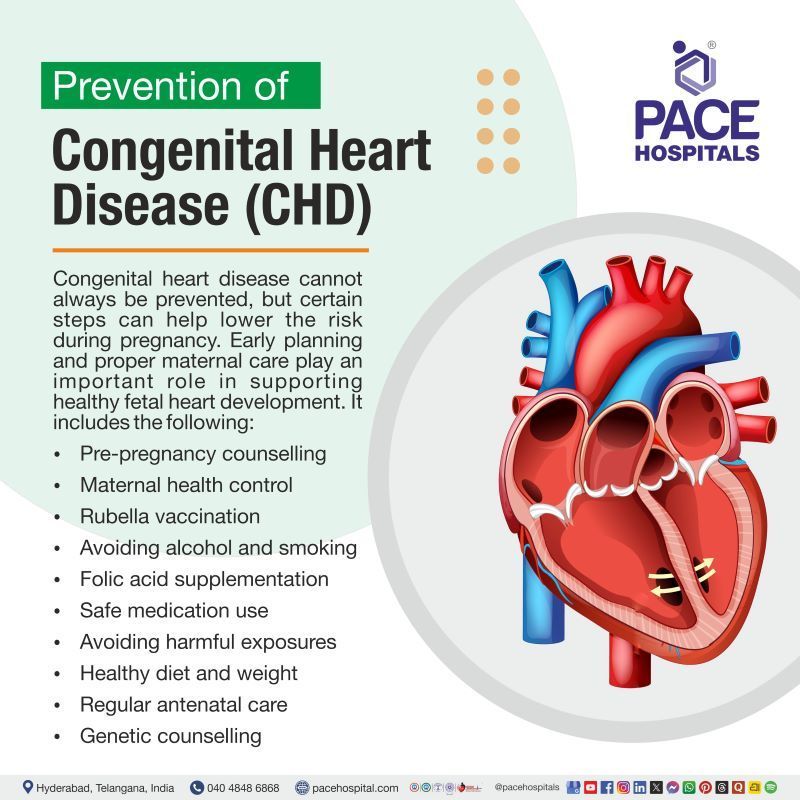
Congenital heart disease cannot always be prevented, but certain steps can help lower the risk during pregnancy. Early planning and proper maternal care play an important role in supporting healthy fetal heart development. It includes the following:
- Pre-pregnancy counselling
- Maternal health control
- Rubella vaccination
- Avoiding alcohol and smoking
- Folic acid supplementation
- Safe medication use
- Avoiding harmful exposures
- Healthy diet and weight
- Regular antenatal care
- Genetic counselling
Pre-pregnancy counselling: Pre-pregnancy counselling helps identify potential risks before conception. It involves reviewing medical history, medications, and lifestyle factors that may affect fetal development. Early planning allows for the precautions to reduce the risk of congenital anomalies.
Maternal health control: Proper control of maternal conditions like Diabetes Mellitus is important during pregnancy. Poorly controlled health conditions can interfere with fetal organ development, including the heart. Regular monitoring and treatment help improve outcomes.
Rubella vaccination: Vaccination against rubella before pregnancy helps prevent infection during early fetal development. Rubella infection in pregnancy is strongly linked to congenital heart defects. Immunization is a key preventive measure.
Avoiding alcohol and smoking: Alcohol and tobacco exposure during pregnancy can disrupt fetal development. These substances reduce oxygen supply and interfere with normal organ formation. Avoiding them lowers the risk of congenital abnormalities.
Folic acid supplementation: Folic acid is important for early fetal development, including the heart. Deficiency during pregnancy increases the risk of birth defects. Supplementation before and during early pregnancy is recommended.
Safe medication use: Some medications can harm fetal development if taken during pregnancy. It is important to consult a doctor before using any drugs, including over-the-counter medicines. Safe prescribing reduces the risk of congenital heart defects.
Avoiding harmful exposures: Exposure to harmful chemicals, toxins, or radiation can affect fetal growth. These environmental factors may interfere with normal heart development. Minimizing exposure is important, especially in early pregnancy.
Healthy diet and weight: Maintaining a balanced diet and healthy weight supports proper fetal growth. Nutritional deficiencies and obesity can increase the risk of complications. Good nutrition contributes to overall maternal and fetal health.
Regular antenatal care: Routine antenatal visits help monitor the health of both mother and baby. Early detection of problems allows timely intervention. Regular check-ups improve pregnancy outcomes.
Genetic counselling: Genetic counselling is done for families with a history of congenital conditions. It helps assess the risk of recurrence in future pregnancies. This provides information for decision-making and early screening.
Difference between Cyanotic and Acyanotic Congenital Heart Disease
Cyanotic vs acyanotic congenital heart disease
Cyanotic and acyanotic congenital heart diseases are classified based on oxygen levels in the blood and the pattern of blood flow. Recognizing these differences helps guide diagnosis and management. The following are the differences between acyanotic and cyanotic congenital heart disease:
| Parameters | Cyanotic congenital heart disease | Acyanotic congenital heart disease |
|---|---|---|
| Definition | Heart defects that cause low oxygen levels in the blood, leading to bluish discolouration | Heart defects where oxygen levels are usually normal, and no bluish discolouration occurs. |
| Oxygen levels | Reduced (deoxygenated blood enters systemic circulation) | Normal |
| Blood flow | Right-to-left shunt | Left-to-right shunt (most common) |
| Skin colour | Bluish (cyanosis) of lips, nails, and skin. Bluish (cyanosis) of lips, nails, and skin | Normal skin colour |
| Common symptoms | Cyanosis, breathlessness, fatigue, clubbing of fingers | Breathlessness, poor feeding, recurrent infections |
| Complications | Higher risk of severe hypoxia and stroke. | Heart failure, pulmonary hypertension |
| Diagnosis | Echocardiogram, pulse oximetry, cardiac imaging | Echocardiogram, ECG, chest X-ray |
| Treatment | Often requires early surgery or intervention | May be monitored or treated with medications/interventions |
Frequently Asked Questions (FAQs) on Congenital Heart Disease
What is a congenital heart disease?
Congenital heart disease (CHD) is a condition that has a group of heart abnormalities that are present at birth. These problems happen because the heart doesn't grow properly during the early stages of fetal development. They could change the normal flow of blood by affecting the walls, valves, or blood vessels of the heart. The severity can range from mild conditions that don't require treatment to complicated defects that need medical or surgical care.
What causes congenital heart disease?
Congenital heart disease is caused by abnormal development of the heart during early pregnancy. The exact cause is not known in many cases, but genetic factors and chromosomal conditions such as Down syndrome play a major role. Uncontrolled diabetes and exposure to harmful substances are some of the maternal factors that can also affect heart formation. Often, it results from a combination of genetic and environmental influences.
Is congenital heart disease hereditary?
Yes, congenital heart disease can be hereditary in some cases, but not all heart defects are inherited. Some genetic disorders, like Down syndrome, are linked to a higher chance of heart defects and may be passed down through families. But many cases happen without a clear family history and are caused by a combination of genetic and environmental factors. The overall risk of passing it on to future generations is low, but it may be higher if there is an existing family history.
How to prevent congenital heart disease?
Congenital heart disease cannot always be prevented, but certain steps can help reduce the risk. Maintaining good maternal health, including proper control of conditions like diabetes, and taking folic acid supplements before and during pregnancy, are essential. Avoiding smoking, alcohol, toxic medications, and infections like rubella also plays a major role. Proper antenatal check-ups and early screening help in early detection and better outcomes.
Can congenital heart disease cause death?
Yes, congenital heart disease (CHD) can cause death in severe or untreated cases. It may affect the heart’s ability to pump blood properly or reduce oxygen supply to the body, leading to serious complications. However, early diagnosis and appropriate treatment have significantly improved survival rates. With proper care, many individuals can live longer and healthier lives.
Is congenital heart disease curable?
No, congenital heart disease is not always completely cured because it is a structural condition present from birth. However, many defects can be treated through medications, minimally invasive procedures, or surgery. In some cases, treatment can restore heart function. With regular medical care and follow-up, many individuals can lead healthy, active lives.
How long can a person live with congenital heart disease?
A person with congenital heart disease can live long and healthy lives, based on the type and severity of the condition. Mild defects may need little or no treatment, while more complex cases require medical or surgical care. Advances in diagnosis and treatment have improved survival.
What is cyanotic congenital heart disease?
Cyanotic congenital heart disease is a type of congenital heart defect in which the blood has lower-than-normal oxygen levels. This happens when oxygen-poor blood mixes with oxygen-rich blood or bypasses the lungs due to an abnormal heart structure. It leads to a bluish discolouration of the skin, lips, and nails, known as cyanosis.
What are the symptoms of congenital heart disease?
The symptoms of congenital heart disease depend on the type and severity of the condition. Some common signs are shortness of breath, fast breathing, tiredness, and poor feeding or weight gain in babies. Some people may get a bluish tint to their lips or skin (cyanosis), have chest infections often, or have swelling in their legs and abdomen. In milder cases, symptoms may manifest later in childhood or adulthood.
Can congenital heart disease go away?
No, congenital heart disease usually doesn't go away on its own because it involves structural problems that are there from birth. But some small defects, like small holes in the heart, may heal on their own over time. In many cases, the condition needs to be treated or monitored. Most people can live healthy lives if they get appropriate care.
Can congenital heart disease be detected immediately after birth?
Yes, congenital heart disease can be detected immediately after birth, particularly in severe cases. Physical examination, pulse oximetry screening, or symptoms like bluish skin (cyanosis), breathing difficulty, or poor feeding help identify the disease. In a few cases, tests like an echocardiogram are necessary to confirm the diagnosis. However, mild defects may not be detected right away and can be diagnosed later.
How common is congenital heart disease?
Congenital heart disease is one of the most common congenital disabilities worldwide. It affects about 8–10 out of every 1,000 newborns, which is roughly 1% of all births. Due to advances in diagnosis and treatment, more children with congenital heart disease are surviving into adulthood.
What increases the risk of congenital heart defects in pregnancy?
Several factors can increase the risk of congenital heart defects during pregnancy. Some of these are conditions that affect the mother, such as infections like rubella, uncontrolled diabetes, and obesity. Exposure to alcohol, smoking, certain medications, or harmful chemicals can also affect fetal heart development. In addition, genetic factors and a family history of heart defects may increase the risk.
Who treats congenital heart defects?
A team of specialists led by a cardiologist treats congenital heart defects. In children, a Pediatric cardiology specialist manages diagnosis and treatment, while a cardiac surgeon performs necessary procedures. Cardiologists usually treat adults with congenital heart disease with expertise in adult congenital heart conditions. Care often involves a multidisciplinary team to ensure comprehensive management.
When to Consult a Doctor for Congenital Heart Disease?
Consult a doctor for congenital heart disease if you notice symptoms such as difficulty breathing, fatigue, or a bluish tint to the skin or lips (cyanosis). Signs that indicate a need for medical attention include:
- Rapid breathing or shortness of breath
- Poor feeding or trouble gaining weight (in infants)
- Swelling in the legs, abdomen, or eyes
- Fatigue or excessive sweating during activity
- Fainting or dizziness
If these symptoms continue, it is important to see a congenital heart disease doctor for a proper diagnosis and treatment. Seek medical emergency if there are any symptoms like chest pain, difficulty breathing, or sudden loss of consciousness, as these could indicate severe complications. A cardiologist or pediatric cardiologist can provide the appropriate congenital heart disease treatment to manage and minimize long-term effects.
Share on
Request an appointment
Fill in the appointment form or call us instantly to book a confirmed appointment with our super specialist at 04048486868
Appointment request - health articles
Recent Articles