Polyendocrine Metabolic Ovarian Syndrome (PMOS) Awareness Month - September 2026 | Importance, Theme and History
PACE Hospitals
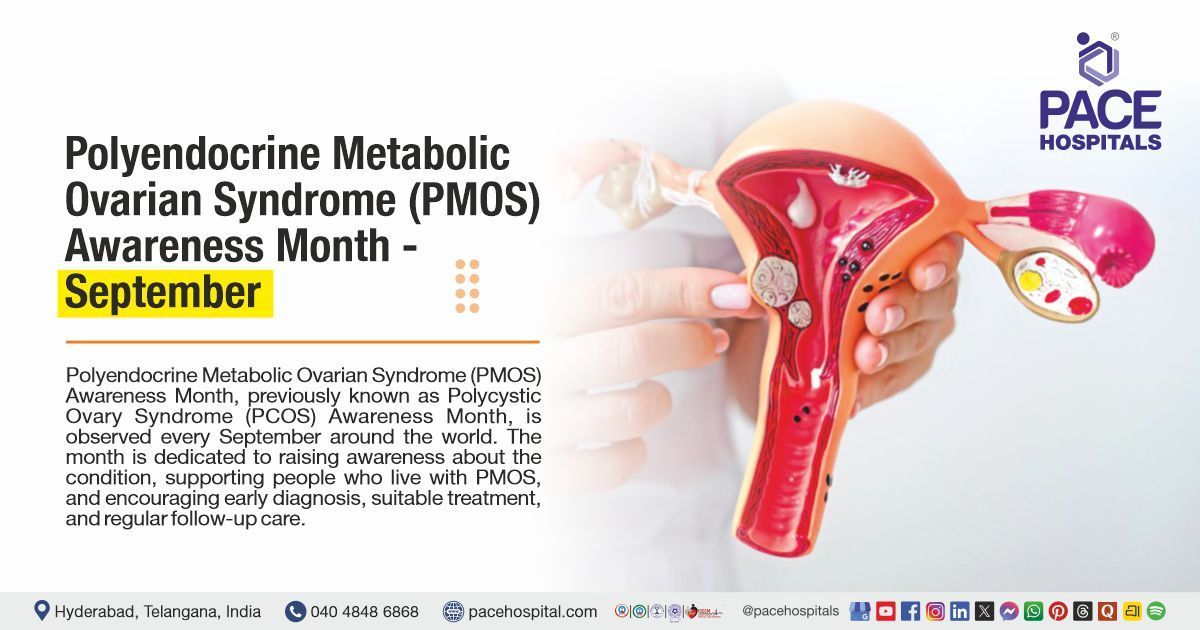
Polyendocrine Metabolic Ovarian Syndrome (PMOS) Awareness Month, previously known as Polycystic Ovary Syndrome (PCOS) Awareness Month, is observed every September around the world. The month is dedicated to raising awareness about the condition, supporting people who live with PMOS, and encouraging early diagnosis, suitable treatment, and regular follow-up care.
PMOS Awareness Month also highlights the broader health issues that may be associated with the condition. These may include impaired glucose tolerance, type 2 diabetes, cardiovascular risk factors, metabolic dysfunction-associated steatotic liver disease (MASLD), formerly called non-alcoholic fatty liver disease, and endometrial hyperplasia or endometrial cancer.
During September, hospitals, doctors, support groups, researchers, and community organisations often run different activities to raise awareness about PMOS. These may include health talks, workshops, social media campaigns, and screening programmes. Such efforts can help people recognise the signs of PMOS, talk about the condition without hesitation, seek medical help at the right time, and get the care and support they need.
Importance of Polyendocrine Metabolic Ovarian Syndrome (PMOS) Awareness Month
Polyendocrine Metabolic Ovarian Syndrome is a common hormonal, metabolic, and reproductive condition that can affect women and girls. It is a major cause of ovulatory infertility and may be associated with an increased risk of weight-related concerns, impaired glucose tolerance, type 2 diabetes, cardiovascular risk factors, and endometrial hyperplasia or endometrial cancer.
The symptoms of PMOS can vary widely. Some people may experience irregular, infrequent, or absent periods, problems with ovulation, increased androgen levels, acne, excess facial or body hair, thinning hair on the scalp, weight-related concerns, or difficulty becoming pregnant. An ultrasound may sometimes show polycystic ovarian morphology. However, this finding is not required for a diagnosis. The small fluid-filled structures seen on the ovaries are follicles rather than actual ovarian cysts.
PMOS is a long-term condition, and the way it is treated depends on each person’s symptoms and needs. There is no single cure, but symptoms and related health problems can be managed with lifestyle changes, medicines, and fertility treatment when necessary. Eating well, staying physically active, and getting proper support can improve overall health and wellbeing, even when weight loss is not a major result.
PMOS is an important public-health concern and is among the most common hormonal conditions affecting women of reproductive age. It is estimated to affect around 10–13% of women worldwide, although many people may remain undiagnosed for several years.
The symptoms and health effects of PMOS are not the same for everyone and can vary between individuals and populations. Some ethnic groups may have a greater risk of insulin resistance, type 2 diabetes, and other metabolic problems at a lower body mass index (BMI). PMOS can also affect emotional wellbeing. Issues such as acne, unwanted hair growth, weight concerns, changes in body image, irregular periods, and difficulties with fertility may contribute to anxiety, depression, low self-esteem, or feelings of social stigma.
For these reasons, PMOS Awareness Month plays an important role in helping people understand the condition, recognise possible symptoms, seek medical advice early, manage their health effectively, and receive appropriate long-term care for reproductive, metabolic, cardiovascular, and mental wellbeing.
History of Polyendocrine Metabolic Ovarian Syndrome (PMOS) Awareness Month
September 1 marks the beginning of Polyendocrine Metabolic Ovarian Syndrome Awareness Month, which was previously observed as PCOS Awareness Month. The awareness campaign has received support from PCOS Challenge: The National Polycystic Ovary Syndrome Association, as well as other patient-advocacy organisations, healthcare groups, and medical professionals.
In the United States, September is recognised as PCOS Awareness Month through congressional resolutions. The month is intended to spread awareness about the condition, support research, improve access to proper care, and help people living with PMOS get the support they need.
Managing PMOS and Reducing Health Risks
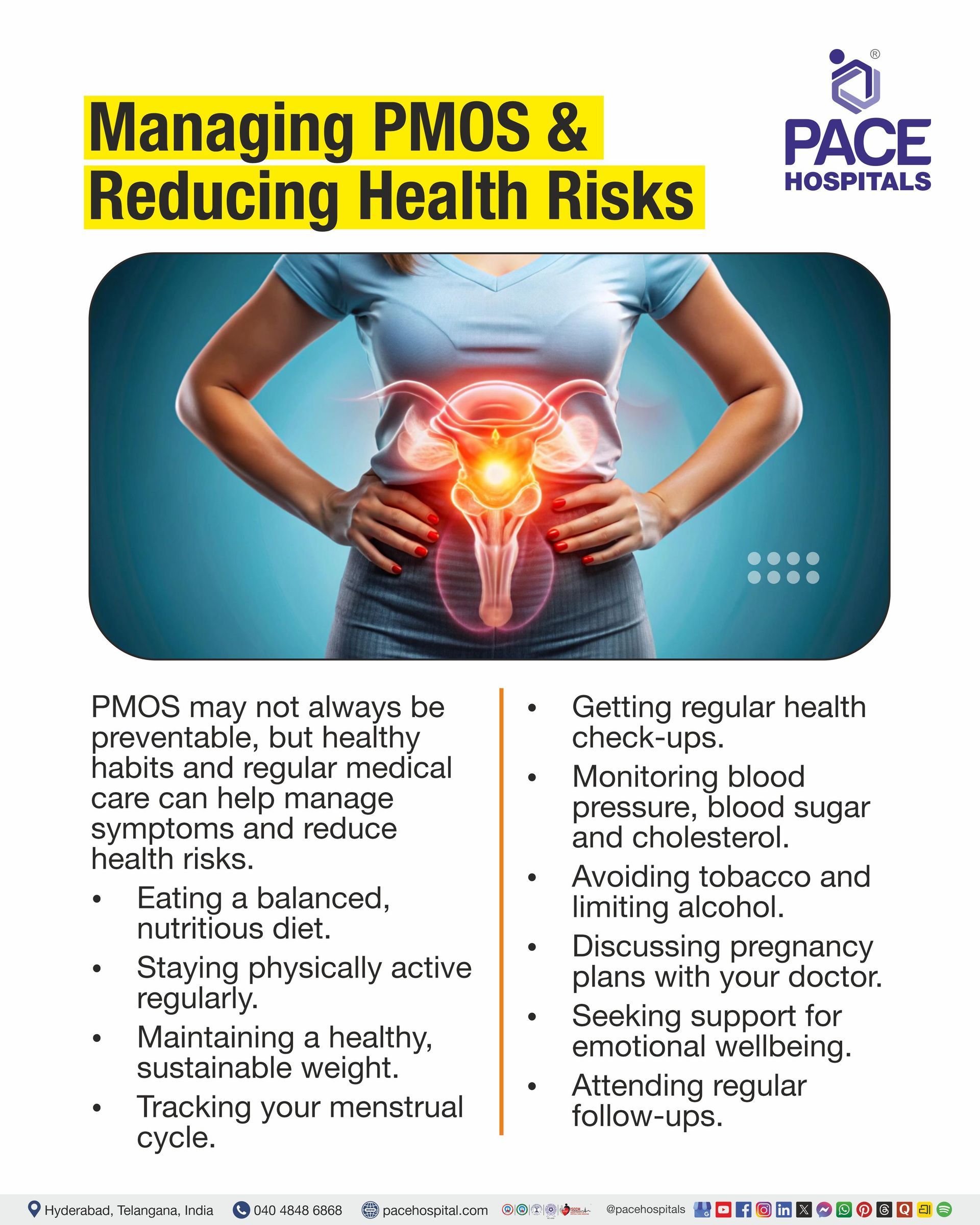
PMOS cannot always be prevented because its development may involve a combination of genetic, hormonal, and environmental factors. However, identifying the condition early, attending regular health checks, and following an appropriate treatment plan can help control symptoms and reduce the risk of some long-term complications.
- Follow a balanced and nutritious eating pattern that supports good overall health and metabolic wellbeing.
- Stay physically active through activities you enjoy, such as walking, cycling, swimming, strength training, or other forms of regular exercise.
- Aim for sustainable weight management when appropriate and avoid unrealistic or stigmatising expectations. Healthy lifestyle changes can improve health even when there is little or no weight loss.
- Keep a record of menstrual periods and talk to a healthcare professional if periods become irregular, very infrequent, or stop altogether.
- Attend routine health assessments that may include blood pressure checks, blood glucose or diabetes-risk testing, cholesterol assessment, and discussions about emotional wellbeing.
- Avoid tobacco use and limit alcohol consumption to support overall and cardiovascular health.
- If you are planning a pregnancy, discuss your plans with a gynaecologist, endocrinologist, or fertility specialist, particularly if your periods are irregular or conception is taking longer than expected.
- Seek professional help if you experience anxiety, depression, body-image concerns, fertility-related stress, or other emotional difficulties associated with PMOS.
People living with PMOS can benefit from care that addresses more than reproductive symptoms alone. A comprehensive approach may include reproductive health, metabolic health, cardiovascular risk, skin and hair concerns, sleep, and emotional wellbeing. Regular follow-up with a healthcare professional can help ensure that treatment and support are adjusted according to individual symptoms, risks, and personal health goals.
Share on
Request an appointment
Fill in the appointment form or call us instantly to book a confirmed appointment with our super specialist at 04048486868
Appointment request - health articles
Recent Articles