Affordable Myomectomy Surgery Cost in Hyderabad, India
PACE Hospitals
All You Need To Know About Myomectomy Surgery
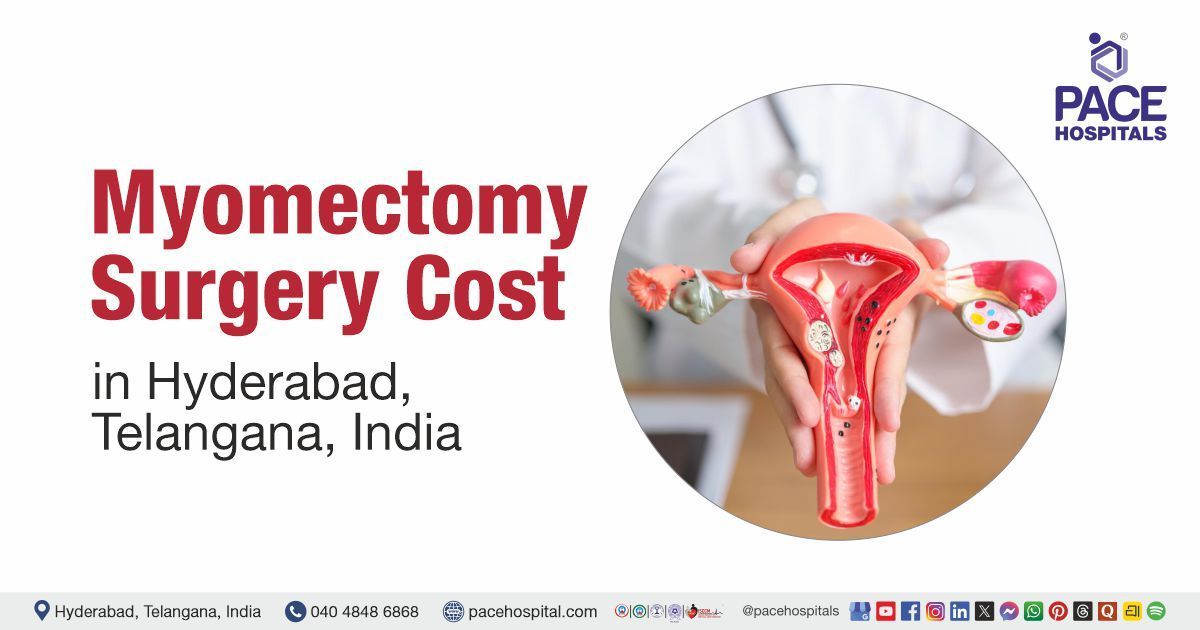
Uterine myomectomy is a gynecological surgical procedure performed to remove uterine fibroids (leiomyomas) while preserving the uterus. Uterine fibroids are the most common benign tumors (non-cancerous growths) affecting women. They typically develop during the reproductive years but can occur at any age.
Uterine fibroids can significantly impact a woman's quality of life and reproductive health. Common symptoms include heavy menstrual bleeding (menorrhagia), pelvic pain or pressure, frequent urination, and fertility-related problems. However, many women with fibroids may remain asymptomatic and experience no noticeable symptoms.
While hysterectomy (surgical removal of the uterus, either partially or completely) is often used as a final treatment for uterine fibroids, myomectomy is usually chosen for women who want to keep their uterus and have children in the future. In myomectomy, only the fibroids (leiomyomas) are removed and the uterus is preserved. This helps improve symptoms like heavy menstrual bleeding and pelvic pain, while still keeping the possibility of pregnancy.
Get a Cost Estimate for Myomectomy Surgery
Myomectomy Surgery Cost Query
Myomectomy Surgery Cost in India
On average, Myomectomy Surgery Cost in India ranges between ₹40,000 and ₹2,50,000 (approximately US $420 to US $2626). However, the actual cost may vary depending on several factors, including:
- The patient’s age, overall health, and medical condition.
- Size, number, and location of uterine fibroids (leiomyomas).
- Type of myomectomy procedure (open, laparoscopic, hysteroscopic, or robotic).
- The type of hospital (private, government, or trust hospitals).
- Hospital charges, including room category and facilities.
- Insurance coverage or corporate approvals for cashless treatment.
- Pre-operative investigations and post-operative care requirements.
- Any complications that may arise during or after the surgery.
Myomectomy Surgery Cost in Hyderabad, Telangana
On average, Myomectomy Surgery Cost in Hyderabad ranges from ₹40,000 and ₹2,30,000 (approximately US $420 to US $2416). The cost may vary depending on the hospital and the specific treatment requirements. Compared to other hospitals in the city, it also provides advanced gynecological and surgical care for myomectomy procedures.
However, the cost of myomectomy surgery in Hyderabad is influenced by several factors, such as:
- The patient’s age, overall health, and medical condition.
- The size, number, and location of uterine fibroids (leiomyomas).
- The type of myomectomy procedure performed (open, laparoscopic, hysteroscopic, or robotic-assisted).
- The hospital chosen and its infrastructure and facilities.
- Insurance coverage or corporate approvals for cashless treatment.
- The extent of pre-operative investigations and post-operative care required.
- Any complications that may arise during or after the surgery.
Cost Breakdown According to Type of Myomectomy
- Abdominal (Open) Myomectomy: ₹60,000 – ₹1,10,000(approximately US $630 - US $1156)
- Hysteroscopic Myomectomy: ₹40,000 – ₹90,000(approximately US $ 420 - US $ 946)
- Laparoscopic Myomectomy: ₹70,000 – ₹1,80,000(approximately US $735- US $1892)
- Robotic Myomectomy: ₹1,40,000 – ₹2,20,000 (approximately US $ 1471- US $2313)
Note: These are estimated costs. The exact cost for an individual patient is determined after a thorough evaluation by the gynecology and surgical team.
Additional Information: The cost of myomectomy surgery varies depending on several factors, such as the type, size, number, and location of uterine fibroids, as well as the surgical method used, which may be open, laparoscopic, hysteroscopic, or robotic-assisted. The duration of hospital stay, any additional procedures required, and the experience and skill of the gynecological surgical team also influence the total cost. Other factors such as the type of hospital, room category, pre-operative tests, post-operative care, and insurance coverage also affect the final cost. Because of these differences, each patient receives a treatment plan and cost estimate based on their specific medical condition and needs.
Breakdown of Myomectomy Surgery Costs
The cost of myomectomy surgery includes several medical and hospital expenses. The total amount may vary from patient to patient depending on factors such as the type of surgery performed, the size and number of fibroids removed, the duration of hospital stay, and the patient's overall health condition. Knowing these factors can help patients plan their treatment more easily. Below is a simple breakdown of the common expenses involved in myomectomy surgery:
Pre-Surgery Costs
- Consultation Fees: Fees charged for consultations with a gynecologist or surgeon before the procedure.
- Diagnostic Tests: Costs associated with blood tests, pelvic ultrasound, MRI scans, and other tests carried out before surgery.
- Pre-Operative Assessment: Charges for routine health evaluations and medical examinations conducted before surgery.
Myomectomy Surgery Costs
- Hospitalization Charges: Expenses related to hospital admission, room accommodation, nursing care, and other inpatient services.
- Surgical Procedure: Costs associated with the operation, including surgeon fees, operation theatre charges, and surgical equipment used during the procedure.
- Anesthesia and Surgical Team Fees: Charges for anesthesia services, anesthesiologist fees, and assistance provided by the surgical team.
Post-Surgery Care Costs
- Post-Operative Monitoring: Expenses related to medical observation, pain management, nursing support, and recovery care provided immediately after the surgery to ensure a safe and comfortable healing process.
- Hospital Stay: Costs of staying in the hospital until discharge, which may vary depending on the type of surgery and recovery period.
- Follow-Up Visits: Includes follow-up appointments with the doctor to monitor recovery and address any concerns after surgery.
This cost structure gives patients a clear understanding of the expenses involved in Myomectomy Surgery, helping them make informed decisions about their treatment. At PACE Hospitals, Hyderabad, cost estimates are prepared according to each patient's individual treatment plan and medical requirements.
Who Needs Myomectomy Surgery?
Myomectomy is not required for every woman who has uterine fibroids. It is recommended only when fibroids cause clear symptoms, disturb normal daily life, affect fertility, or when medicines and other non-surgical treatments are not effective in controlling the condition.
Common Conditions Indicating Need for Myomectomy
- Heavy Menstrual Bleeding: When fibroids lead to heavy or long-lasting menstrual bleeding (menorrhagia) that causes anemia, tiredness, or weakness, and the symptoms do not improve with medication.
- Pelvic Pain or Pressure: Fibroids that grow large or multiple in number may cause persistent pelvic pain, heaviness, bloating, or pressure on surrounding organs.
- Infertility or Difficulty Conceiving: Fibroids that distort the uterine cavity or block fallopian tubes can affect fertility and may require removal to improve chances of pregnancy.
- Recurrent Pregnancy Loss: In some cases, fibroids may interfere with implantation or fetal development, leading to repeated miscarriages.
- Rapidly Growing Fibroids: Fibroids that increase in size quickly or cause significant uterine enlargement may need surgical removal to rule out complications.
- Pressure Symptoms on Bladder or Bowel: Large fibroids can press on nearby organs, causing frequent urination, constipation, or difficulty emptying the bladder.
- Failed Medical Management: When medications or non-surgical treatments do not provide relief from symptoms, myomectomy may be recommended as a definitive treatment option.
Who is Not Eligible for Myomectomy Surgery?
Myomectomy is a safe and effective surgery for many women, but it is not suitable for everyone. In some cases, the surgery may need to be postponed or avoided depending on the patient’s health condition, existing medical problems, and the risks involved in the procedure.
- Severe Medical Conditions: Patients with serious uncontrolled health conditions such as severe heart disease, advanced kidney disease, or poorly controlled diabetes may not be suitable for surgery until their condition is brought under control.
- Active Infections: Women with ongoing pelvic infections or any active infection in the body are generally not advised to undergo myomectomy until the infection is completely treated.
- Very Large or Multiple Fibroids Not Suitable for Surgery: In some cases, fibroids may be too extensive, deeply located, or widely spread in the uterus, making myomectomy technically difficult or unsafe, and other treatment options may be considered.
- Poor General Health or Surgical Risk: Patients who are medically unfit for anesthesia or major surgery due to weak overall health may not be eligible for the procedure.
- Near Menopause with Mild Symptoms: Women who are close to menopause and have mild or manageable symptoms may not require surgery, as fibroids often shrink after menopause.
- Suspected or Confirmed Uterine Cancer: If there is a suspicion of uterine malignancy, myomectomy may not be appropriate, and alternative surgical management may be recommended.
Careful evaluation by a gynecologist is essential before deciding on myomectomy. A complete medical assessment, including imaging and blood tests, helps ensure that the procedure is safe and appropriate for the patient.
How is Myomectomy Surgery Done?
Myomectomy surgery is a procedure used to remove uterine fibroids while preserving the uterus. It can be done through open surgery, laparoscopic surgery, robotic-assisted surgery, or hysteroscopic surgery, depending on the size, number, and location of the fibroids. The steps include:
- Pre-procedure evaluation: Tests and evaluations such as pelvic ultrasound, MRI scan (if required), blood tests, and a complete medical check-up are done to assess the fibroids and the patient’s overall health condition.
- Procedure selection: Selecting the appropriate type of myomectomy—open, laparoscopic, robotic-assisted, or hysteroscopic—depending on the size, number, and location of fibroids, as well as the patient’s overall condition.
- Surgical procedure: Fibroids are gently removed from the uterine wall while keeping the healthy uterine tissue intact. In minimally invasive surgery, small cuts and specialized instruments are used, whereas in open surgery, a larger cut is made in the abdomen.
- Uterine repair: The uterus is stitched and reconstructed properly to maintain its normal structure and function
- Recovery: Most patients are monitored after surgery and are usually discharged within 1–3 days, depending on the type of procedure and how quickly they recover.
Types of Myomectomy Surgery
Different types of myomectomy surgery are used based on the size, number, and location of fibroids, and each type is chosen according to the patient’s condition:
- Open Myomectomy (Laparotomy): A larger cut is made in the lower abdomen to remove fibroids. It is used for large, multiple, or deep fibroids.
- Laparoscopic Myomectomy (Keyhole Surgery): Small cuts are made in the abdomen, and fibroids are removed using a camera and special instruments. It usually involves less pain and quicker recovery.
- Robotic-Assisted Myomectomy: A minimally invasive method where the surgeon uses robotic instruments for better precision, especially in complex cases.
- Hysteroscopic Myomectomy: No external cuts are needed. Fibroids inside the uterine cavity are removed through the vagina and cervix using a hysteroscope.
Post Myomectomy Surgery Care Tips
After Myomectomy Surgery, proper care is important for smooth recovery, healing of the uterus, and prevention of complications.
- It is advised to attend all follow-up visits as scheduled to monitor healing and recovery progress.
- It is suggested to keep the surgical wound clean and dry, and to follow the doctor’s instructions for dressing changes and hygiene.
- It is recommended to avoid heavy lifting, strenuous exercise, and sudden body movements for about 4–6 weeks to allow proper healing of the uterus and abdominal muscles.
- It is advised to avoid sexual intercourse for at least 4–6 weeks or until the doctor confirms complete recovery.
- If prescribed, it is suggested to take antibiotics, pain medications, and other medicines exactly as directed and complete the full course.
- It is recommended to maintain a light, healthy diet and stay hydrated to support faster recovery and prevent constipation after surgery.
- It is advised to seek immediate medical attention if there is heavy vaginal bleeding, severe abdominal pain, fever, or unusual discharge.
- Following these instructions helps ensure safe recovery, proper healing of the uterus, and reduces the risk of complications after Myomectomy Surgery.
Key Factors Influencing Myomectomy Surgery Cost
Myomectomy surgery cost is different for each patient. The total expense depends on factors such as the type of procedure performed (for example, open myomectomy or laparoscopic myomectomy), the size and number of uterine fibroids, the hospital where the treatment is taken, and the level of care needed during recovery. Since every patient's condition is unique, the overall cost can vary from case to case.
Pre-Surgery Evaluation
Costs include doctor consultations and tests like blood tests, pelvic ultrasound, MRI scans, and other investigations needed to check the size, number, and location of fibroids.
Insurance Coverage
Health insurance coverage or cashless approval can reduce the amount a patient needs to pay directly for the surgery.
Hospital and Location
The overall cost of treatment can vary based on the hospital, the services provided, and its location. Hospitals with advanced facilities and specialized care, particularly in larger cities, often charge more than those in smaller towns or regions.
Type of Surgery
Cost varies based on the procedure—open myomectomy, laparoscopic myomectomy, robotic-assisted myomectomy, or hysteroscopic myomectomy.
Surgeon Expertise
Fees may be higher for experienced gynecologists and surgeons who have advanced skills in performing myomectomy surgery.
Post-Surgery Care
Costs include hospital stay, medicines, follow-up visits, and recovery monitoring after surgery.
Complications During Surgery
If complications like heavy bleeding, infection, or extended hospital stay occur, the overall cost may increase.
Patient Health Condition
The patient’s age, overall health, size and number of fibroids, and other medical conditions can affect how complex the surgery is and the total cost.
Travel and Accommodation
Additional expenses like travel, food, and accommodation for the patient and family may also add to the total treatment cost depending on the hospital location.
Why Choose PACE Hospitals for Myomectomy Surgery in Hyderabad, India?
PACE Hospitals, Hyderabad, is a trusted centre for myomectomy surgery and complete care for uterine fibroids.
- We have experienced gynecologists, laparoscopic and robotic surgeons, anesthesiologists, and trained nursing staff who follow standard medical protocols for safe and effective treatment.
- We have modern operation theatres with advanced tools for laparoscopic surgery (keyhole surgery) and robotic surgery. We also have well-equipped recovery rooms to support patients after surgery.
- Our care is focused on patients, with an emphasis on safety, reducing complications, and creating treatment plans based on each patient’s medical condition.
For patients looking for the Best Hospital for Myomectomy Surgery in Hyderabad, Telangana, India, PACE Hospitals offers advanced gynecological care, affordable treatment options, and clear and transparent cost planning.
Financial Assistance and Payment Plans at PACE Hospitals
Women’s healthcare should be accessible without financial stress. Our team helps patients with insurance and cashless support for Myomectomy surgery.
- Cashless hospitalisation with empanelled insurers and TPAs
- Pre-authorization and documentation support for insurance approval
- Reimbursement assistance if cashless facility is not available
- Transparent pre-admission cost estimates based on treatment plan
- Support for corporate and government health schemes
Myomectomy Surgery Success Rate
Myomectomy surgery has a high success rate of about 85%–95% in treating uterine fibroids.
Patients experience:
- Relief from heavy menstrual bleeding
- Reduction in pelvic pain and pressure symptoms
- Improved chances of fertility in some cases
- Better quality of life and daily comfort
Long-term results depend on regular follow-ups and proper post-surgery care.
Frequently Asked Questions (FAQs) on Myomectomy Surgery
How long does it take to recover from an open myomectomy?
Recovery from an open myomectomy usually takes around 4 to 6 weeks. A short hospital stay may be needed after surgery. Healing inside the body continues for several weeks. During this time, heavy work and strain should be avoided.
What are the long-term effects of myomectomy?
Many women notice a significant improvement in symptoms such as heavy menstrual bleeding, pelvic pressure, and pain after a myomectomy. Menstrual periods often become more manageable and less uncomfortable. While the procedure removes existing fibroids, new fibroids may develop in the future. Regular check-ups with a healthcare provider can help monitor uterine health and identify any recurrence at an early stage.
What are the common body changes after a myomectomy?
After a myomectomy, many women notice less bloating and reduced pressure in the lower abdomen. Periods may become lighter and less painful. Some women also feel more energetic as the symptoms caused by fibroids improve. However, results are different for each person and depend on healing and the size of the fibroids removed.
Can I get pregnant naturally after myomectomy?
Yes, many women are able to conceive naturally after a myomectomy. The surgery is often done to improve fertility by removing fibroids that may affect pregnancy. The chances of getting pregnant depend on proper healing of the uterus, the size and location of the fibroids, and overall reproductive health. Doctors usually recommend waiting for some time after surgery before trying to conceive.
Does myomectomy affect fertility permanently?
Myomectomy is usually done to improve fertility, not harm it. Most women do not face permanent fertility problems after surgery. Results depend on fibroid type and how well the uterus heals.
How much does a myomectomy cost?
The cost of a myomectomy is different for each person. It depends on the type of surgery (open, laparoscopic, robotic-assisted, or hysteroscopic), the hospital, the city, and the patient’s health condition. Advanced surgical methods and hospital facilities can also affect the price. The exact cost is known only after medical tests and consultation with the doctor.
Will my stomach be flat after fibroid removal?
After fibroid removal, many women notice less bloating and reduced pressure in the lower abdomen. Because of this, the stomach may look flatter than before. However, the final shape of the abdomen depends on the size of the fibroids, body weight, and muscle tone. The body takes time to heal after surgery, so these changes usually happen gradually over a few weeks.
What happens after fibroid removal?
After surgery, symptoms such as heavy periods and pelvic pressure usually get better. In the first few days, mild pain, cramping, and tiredness are normal. Doctors keep track of recovery through follow-up visits to make sure healing is going well. Most women notice gradual improvement over a few weeks as the body continues to recover.
What are the disadvantages of myomectomy surgery?
Myomectomy, like any major surgery, has some risks such as bleeding, infection, and scar tissue formation. Fibroids can return in some women after a few years. Recovery time is also needed depending on the type of surgery. Fertility results may differ from person to person.
What is the best age to have a myomectomy?
There is no fixed best age for myomectomy. It is usually done in reproductive age when symptoms are severe or when fertility needs to be preserved. The decision is based more on symptoms than age.
When to walk after myomectomy?
In most cases, patients are encouraged to begin walking within a day after a myomectomy. Gentle movement helps improve blood flow and lowers the chance of developing blood clots. Walking should start at a comfortable pace and can be gradually increased as strength and recovery improve.
Is myomectomy a high-risk surgery?
Myomectomy is generally safe, but it is still considered a major surgery because it involves the uterus. Risks include bleeding, infection, and effects of anesthesia. These risks are lower when the surgery is done by experienced doctors.
Why is the first period after myomectomy heavy?
After surgery, the uterus needs time to heal. Because of this, the first period may be heavier or irregular. This is usually temporary and improves in the next cycles. If bleeding is very heavy, a doctor should be consulted.
How do I prepare for a myomectomy?
Preparation for a myomectomy usually involves blood tests, imaging tests such as ultrasound or MRI, and a general health check-up. The doctor may also ask the patient to fast for a few hours before surgery and stop certain medicines if required. Carefully following all pre-operative instructions helps reduce risks and makes the surgery safer.
How many hours does a myomectomy surgery take?
A myomectomy usually takes about 1 to 3 hours. The time depends on the number, size, and location of fibroids. In complex cases, it may take longer. Minimally invasive surgeries can sometimes be quicker.
What to wear after myomectomy surgery?
Loose and soft cotton clothes are best after surgery. They reduce pressure on the abdomen and make movement easier. Tight clothing should be avoided until healing is complete.
Is myomectomy a major or minor surgery?
Myomectomy is a major surgery because it involves the uterus. However, laparoscopic and hysteroscopic procedures are minimally invasive. Recovery time depends on the type of surgery done.
Will periods become normal after fibroid removal?
In most cases, periods become lighter and more regular after fibroid removal. Heavy bleeding usually reduces. The body may take a few cycles to settle.
Will I have scars after laparoscopic myomectomy?
Laparoscopic myomectomy uses small cuts, so scars are very small. These usually fade over time and become barely noticeable. Compared to open surgery, scarring is minimal.
Share on
Request an appointment
Fill in the appointment form or call us instantly to book a confirmed appointment with our super specialist at 04048486868
Appointment request - health articles
Recent Articles