Pesticide Poisoning: Symptoms, Causes & Treatment
PACE Hospitals
Written by: Editorial Team
Medically reviewed by: Dr. Manasa Gaddam - Consultant Critical Care Specialist
Overview | Statistics | Types | Symptoms | Causes | Risk Factors | Complications | Diagnosis | Treatment | Prevention | FAQs | When to consult a Doctor
Pesticide poisoning definition
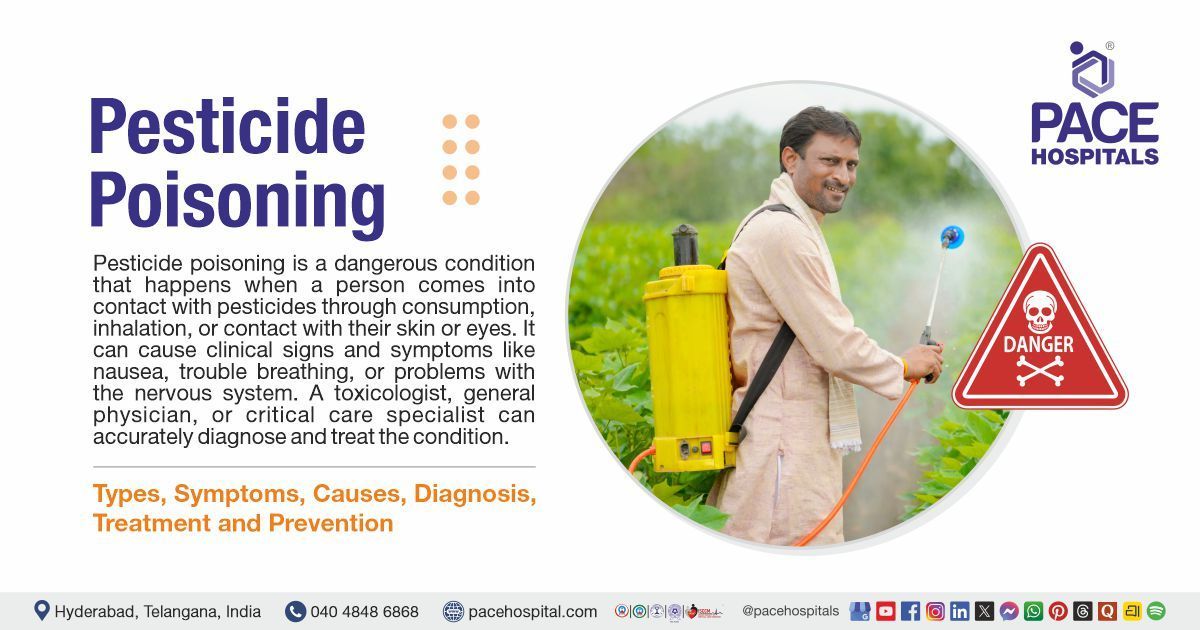
Pesticide poisoning is a dangerous condition that happens when a person comes into contact with pesticides through consumption, inhalation, or contact with their skin or eyes. Pesticide chemicals are toxic to the body. Depending on the amount and frequency of exposure, it can be acute or chronic. It can cause clinical signs and symptoms like nausea, trouble breathing, or problems with the nervous system.
It can happen if someone swallows a pesticide by mistake or on purpose. It may also occur when people spray or handle pesticides without wearing proper protection. Breathing in the spray or getting it on the skin or in the eyes can also cause poisoning. Keeping pesticides carelessly at home or on farms can increase the risk, especially for children.
A Critical care specialist, general physician or toxicologist, a doctor specialised in treating poisoning and chemical exposures, can accurately diagnose and provide the correct treatment for pesticide poisoning.
Meaning of pesticide poisoning
The term pesticide poisoning is derived from the Latin word "pestis", meaning plague or pest, and "caedere", meaning to kill or cut down, referring to nothing but chemicals designed to destroy pests. "Poisoning" is coined from the Latin word "potio" (potion or drink), later "poison" (toxic substance), indicating harmful bodily effects from these pest-killing agents.
Pesticide Poisoning Statistics
Pesticide poisoning statistics Worldwide
Pesticide poisoning remains a major global health issue, with approximately 38.5 crore acute pesticide poisonings occurring annually worldwide, leading to around 11,000 deaths. Most of these cases are in low- and middle-income countries, where self-poisoning through pesticides leads to 14-20% of global suicides. Underreporting of cases is usually high. Additionally, chronic pesticide exposure poses long-term health risks, including neurological and reproductive issues, particularly for agricultural workers.
Pesticide poisoning statistics in India
In India, pesticide poisoning is a significant health problem. About 63% of all poisoning cases involve pesticides. A lot of these cases originate from farming areas where pesticides are used frequently, which causes a high number of suicides every year. Exposure to pesticides, whether short-term or long-term, can cause problems like brain damage and damage to the reproductive organs. The situation is worse in areas with poor safety practices and inadequate regulations. Efforts to improve safety and awareness are urgently needed.
Types of Pesticides Poisoning
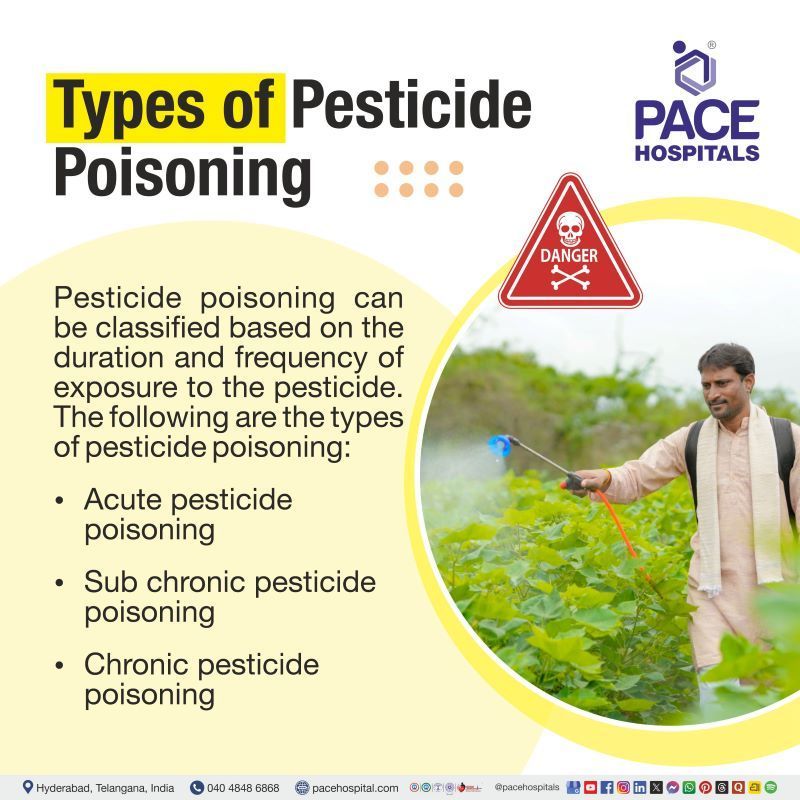
Pesticide poisoning can be classified based on the duration and frequency of exposure to the pesticide. The following are the types of pesticide poisoning:
- Acute pesticide poisoning
- Subchronic pesticide poisoning
- Chronic pesticide poisoning
Acute pesticide poisoning
Acute pesticide poisoning occurs after a single exposure or multiple exposures within a short time (usually within 24 hours) to a pesticide. The symptoms appear rapidly, often within minutes or hours. Common symptoms include nausea, vomiting, headache, dizziness, breathing difficulty, and skin or eye irritation. It usually occurs from accidental ingestion, inhalation, or skin contact with a high dose of pesticide.
Subchronic pesticide poisoning
Sub-chronic poisoning occurs when a person is repeatedly exposed to pesticides for a short to medium period, usually from several weeks to a few months. The exposure level is generally lower than that of acute poisoning, but repeated frequently. Symptoms may develop gradually and include fatigue, mild neurological symptoms, irritation, or organ stress. It often occurs in agricultural workers with repeated exposure during spraying seasons.
Chronic pesticide poisoning
Chronic pesticide poisoning happens when one is exposed to small amounts of pesticides for a long time, like months or years. The symptoms begin gradually and can lead to long-term health problems like nerve damage, cancer, or problems with organs. People who work with pesticides for a long time or live near treated fields often get this.
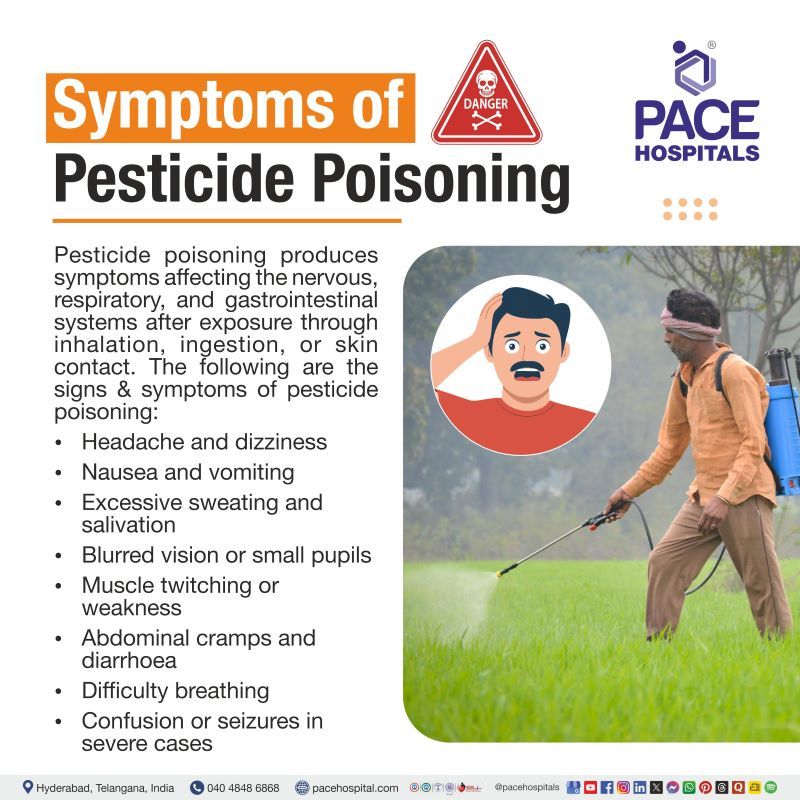
Pesticide Poisoning Symptoms
Pesticide poisoning produces symptoms affecting the nervous, respiratory, and gastrointestinal systems after exposure through inhalation, ingestion, or skin contact. The following are the signs and symptoms of pesticide poisoning:
- Headache and dizziness
- Nausea and vomiting
- Excessive sweating and salivation
- Blurred vision or small pupils
- Muscle twitching or weakness
- Abdominal cramps and diarrhoea
- Difficulty breathing
- Confusion or seizures in severe cases
Headache and dizziness: Early signs of neurological problems due to pesticide exposure include headaches and dizziness. These happen because some pesticides affect the nervous system and make it more difficult for nerves to send signals to each other. People may feel dizzy, weak, or have trouble focusing. Persistent dizziness may also lead to imbalance and fatigue.
Nausea and vomiting: Nausea and vomiting occur due to discomfort in the gastrointestinal system after ingestion or inhalation of pesticides. The body attempts to eliminate the toxic substance, leading to repeated vomiting. If this occurs for a long time, it can lead to dehydration and weakness. These signs are common when someone is poisoned by pesticides.
Excessive sweating and salivation: Certain pesticides stimulate the nervous system and increase secretions from glands in the body. As a result, affected individuals may experience excessive sweating and increased saliva production. This can cause drooling and discomfort. These symptoms are commonly associated with organophosphate pesticide exposure.
Blurred vision or small pupils: Pesticides can affect the muscles that control the eyes, which can make vision blurry and pupils constrict (pinpoint). This occurs due to the overactivation of nerve signals that regulate the eye muscles. People can also experience eye pain or difficulty focusing. Visual disturbances are commonly reported in acute pesticide poisoning.
Muscle twitching or weakness: Muscle twitching occurs when toxic chemicals overstimulate the neuromuscular junctions. People may get tremors, involuntary muscle movements, and weakness in different parts of their bodies. Severe poisoning can cause muscle paralysis. These effects occur because pesticides interfere with acetylcholinesterase activity in nerves.
Abdominal cramps and diarrhoea: Pesticides may irritate the digestive tract and increase intestinal activity. This can cause abdominal cramps, diarrhoea, and gastrointestinal discomfort. These symptoms often occur along with nausea and vomiting after ingestion of pesticides. Fluid loss from diarrhoea may worsen weakness and dehydration.
Difficulty breathing: Pesticides can cause breathing problems by affecting the muscles that control breathing or by irritating the airways. People may have symptoms like shortness of breath, chest tightness, or wheezing. Severe poisoning can cause paralysis of the muscles that control breathing, which can cause respiratory failure. In these cases, immediate medical attention is required.
Confusion or seizures in severe cases: In severe poisoning, toxic chemicals affect brain function and may cause confusion, agitation, or seizures. These symptoms are caused by the disruption of normal nervous system activity. Patients may lose consciousness or develop convulsions if exposure is severe. Such signs indicate life-threatening pesticide poisoning.
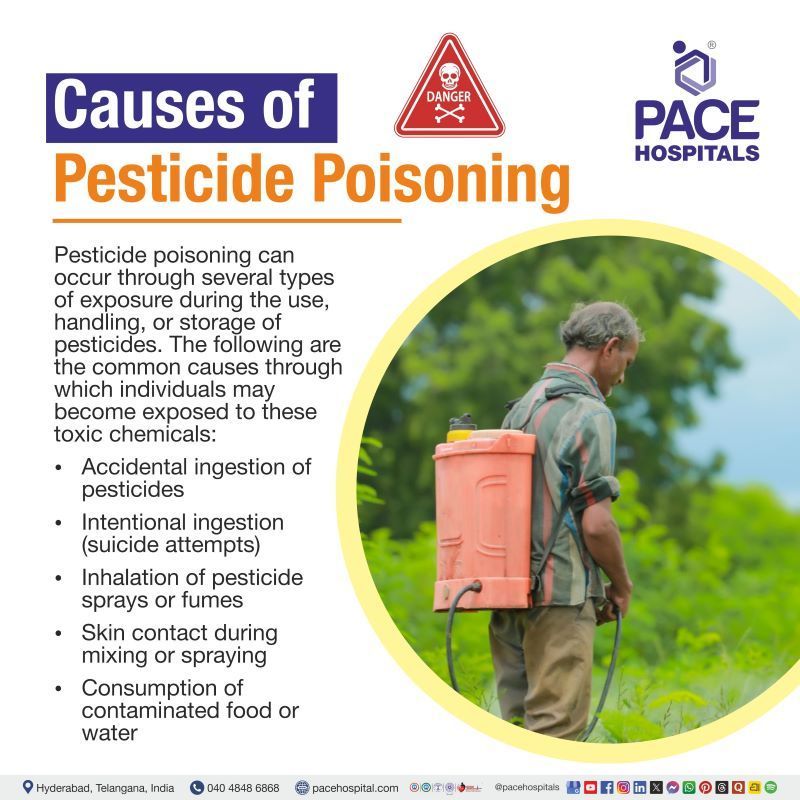
Pesticide Poisoning Causes
Pesticide poisoning can occur through several types of exposure during the use, handling, or storage of pesticides. The following are the common causes through which individuals may become exposed to these toxic chemicals:
- Accidental ingestion of pesticides
- Intentional ingestion (suicide attempts)
- Inhalation of pesticide sprays or fumes
- Skin contact during mixing or spraying
- Consumption of contaminated food or water
Accidental ingestion of pesticides: When someone eats or drinks pesticides by mistake, it is called accidental ingestion, which usually happens when food or water is contaminated or stored in an unsafe way. When contaminated food, water, soil, or residues on hands are ingested, chemicals may enter the body. Children are at greater risk due to hand-to-mouth activities.
Intentional ingestion (suicide attempts): Intentional ingestion means purposefully taking pesticides, which is often linked to suicide attempts. Pesticides are easy to find and store at home in many farming areas, which raises the risk of poisoning on purpose. This way allows poisonous chemicals to get into the bloodstream very quickly.
Inhalation of pesticide sprays or fumes: When people spray, mix, or apply pesticides, they breathe in air that has pesticide droplets, dust, or vapours in it. These particles in the air can get into the lungs and airways, where the chemicals can enter the body. People working in agriculture, pesticide applicators, or those living near treated areas are more likely to experience this type of exposure.
Skin contact during mixing or spraying: When mixing, spraying, or touching surfaces that are contaminated, pesticides can get on the skin or in the eyes. This is called dermal exposure. A lot of pesticides can get into the blood through the skin. This kind of exposure is especially dangerous for farm workers who aren't wearing protective clothing.
Consumption of contaminated food or water: Pesticide residues may remain on crops or contaminate water sources after agricultural application. When contaminated food or water is consumed, pesticides can enter the body through the digestive system. Continuous exposure through residues can contribute to poisoning and other health effects.
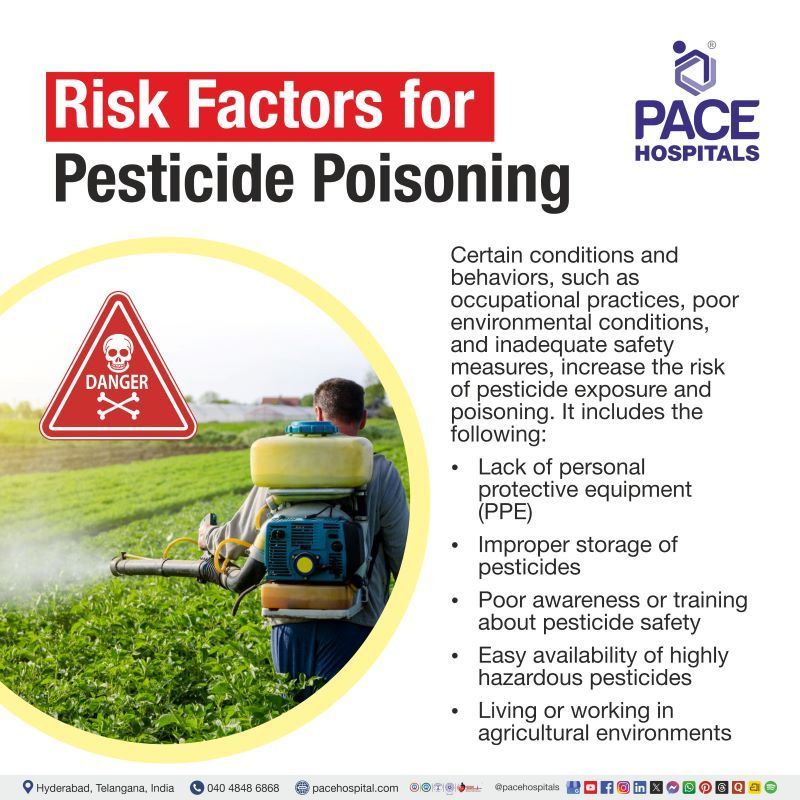
Risk Factors for Pesticides Poisoning
Certain conditions and behaviours can increase the likelihood of pesticide exposure and poisoning. These factors are commonly related to occupational practices, environmental conditions, and lack of safety measures during pesticide use. It includes the following:
- Lack of personal protective equipment (PPE)
- Improper storage of pesticides
- Poor awareness or training about pesticide safety
- Easy availability of highly hazardous pesticides
- Living or working in agricultural environments
Lack of personal protective equipment (PPE): Failure to use protective equipment such as gloves, masks, goggles, and protective clothing increases the risk of pesticide exposure. During mixing and spraying, pesticides can easily come into contact with the skin or be inhaled. Without protective barriers, these chemicals may enter the body through the skin or respiratory tract. Agricultural workers who do not use PPE are therefore at a higher risk of poisoning.
Improper storage of pesticides: Storing pesticides in the home or in containers for food and drinks can lead to accidental exposure. Kids and other individuals in the house might accidentally eat these poisonous things. Poor labelling and unsafe storage practices increase the chances of accidental poisoning. To avoid exposure, it is important to store things properly in containers that are clearly labelled and locked.
Poor awareness or training about pesticide safety: Poor awareness about the safe handling and use of pesticides can increase the risk of poisoning. Farmers who aren't trained might use the wrong amounts of pesticides or use them without taking the right safety measures. They may also be unaware of the health issues associated with these chemicals. Education and training programs are necessary to promote safe pesticide use.
Easy availability of highly hazardous pesticides: In many farming areas, it is easy to purchase and use highly toxic pesticides. Easy access raises the risk of both accidental exposure and intentional ingestion. Having very dangerous pesticides in homes also raises the risk of poisoning. Restricting and controlling these kinds of chemicals can help lower the number of poisoning cases.
Living or working in agricultural environments: People who live or work in farming areas are more likely to come into contact with pesticides because they are sprayed on fields on a regular basis. Drift from sprayed pesticides can make the air, soil, and water polluted. People who work with pesticides as part of their occupation are especially at risk. Continuous exposure to these environments increases the risk of both acute and chronic health effects.
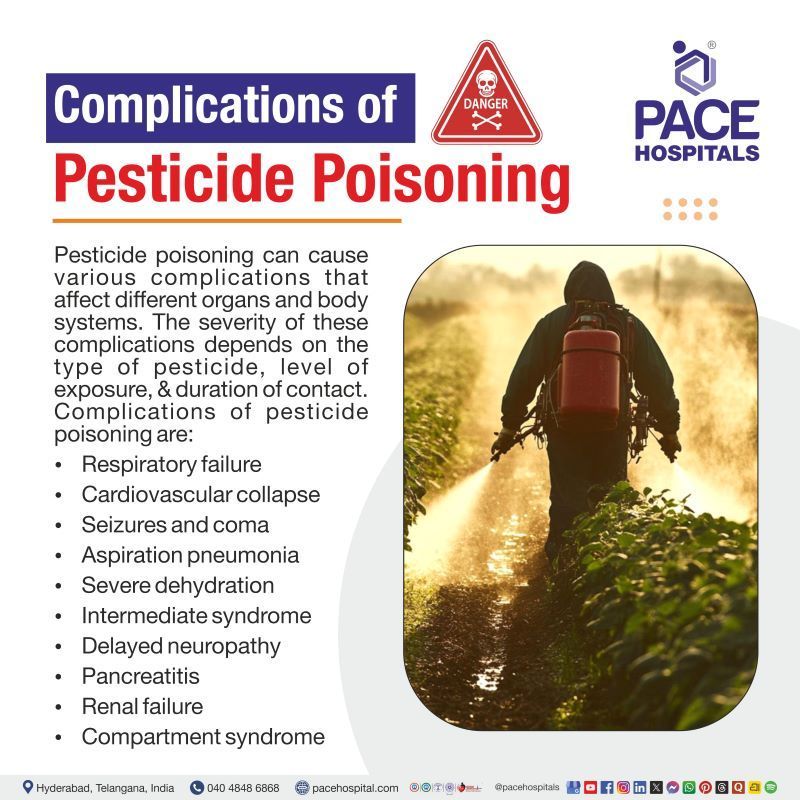
Pesticide Poisoning Complications
Pesticide poisoning can cause various complications that affect different organs and body systems. The severity of these complications depends on the type of pesticide, level of exposure, and duration of contact. Complications of pesticide poisoning are:
- Respiratory failure
- Cardiovascular collapse
- Seizures and coma
- Aspiration pneumonia
- Severe dehydration
- Intermediate syndrome
- Delayed neuropathy
- Pancreatitis
- Renal failure
- Compartment syndrome
Respiratory failure: Respiratory failure is a life-threatening complication of severe pesticide poisoning. Certain pesticides affect the muscles involved in breathing and depress the respiratory centre in the brain. Excess secretions in the airways can also obstruct normal breathing. If untreated, this condition may require mechanical ventilation.
Cardiovascular collapse: Pesticide toxicity can interfere with normal heart function and blood circulation. This may lead to severe hypotension, abnormal heart rhythms, and reduced blood flow to vital organs. In severe cases, cardiovascular collapse can occur, resulting in shock and organ failure.
Seizures and coma: Some pesticides strongly affect the central nervous system and cause seizures due to overstimulation of nerve cells. Long-term seizures can lead to loss of consciousness and coma. These neurological complications indicate severe poisoning and require urgent medical management.
Aspiration pneumonia: Vomiting is common in pesticide poisoning, and inhalation of vomit into the lungs causes aspiration pneumonia. This condition leads to infection and inflammation in the lungs. Patients may develop coughing, fever, breathing difficulty, and chest discomfort.
Severe dehydration: Frequent vomiting, diarrhoea, and excessive sweating caused by pesticide toxicity can lead to significant fluid loss. This may result in severe dehydration and electrolyte imbalance. Dehydration can worsen the patient’s overall condition and may lead to weakness and shock.
Intermediate syndrome: Intermediate syndrome is a complication that occurs subsequently, usually 1 to 4 days after acute organophosphate poisoning. It is characterized by weakness in the muscles of the neck, lungs, and limbs. Patients may have trouble breathing because their respiratory muscles are weak. During this time, close monitoring is necessary.
Delayed neuropathy: Certain pesticides can damage peripheral nerves after exposure. Symptoms of delayed neuropathy may appear weeks after poisoning and include numbness, tingling, and weakness in the limbs. In severe cases, it may cause difficulty in walking or paralysis.
Pancreatitis: Pesticide poisoning can cause inflammation of the pancreas, known as pancreatitis. This may result in severe abdominal pain, nausea, vomiting, and digestive disturbances. The inflammation occurs due to the toxic effects of pesticides on pancreatic tissue.
Renal failure: Severe pesticide poisoning may damage the kidneys and make it more difficult for them to filter waste from the blood. Dehydration, chemicals that are bad for the body, or less blood flow to the kidneys can all cause kidney damage. This condition could cause harmful substances to accumulate in the body.
Compartment syndrome: Pesticide poisoning can cause severe swelling of the muscles and damage to the tissues in very rare cases. Higher pressure in muscle compartments can reduce blood flow to the tissues. If left untreated, this condition, called compartment syndrome, can cause pain, nerve damage, and permanent muscle injury.
Pesticide Poisoning Diagnosis
Diagnosis of pesticide poisoning is made by evaluating the patient's history of exposure, clinical signs and symptoms, and appropriate laboratory investigations. Additional diagnostic tests may be used to confirm the poisoning and assess the severity of organ involvement. The following are the diagnostic tests:
- Medical history
- Physical examination
- Blood tests
- Plasma/RBC cholinesterase levels
- Arterial blood gas (ABG) analysis
- Blood toxicology screening
- Complete blood count (CBC)
- Electrolytes
- Liver function tests (LFT)
- Renal function tests (RFT)
- Urine test
- Urine toxicology analysis
- ECG
- Imaging tests
- Chest X-ray
- CT scan of the brain and abdomen
- Abdominal ultrasound (USG)
Pesticide Poisoning Treatment
Treatment of pesticide poisoning focuses on removing the toxic exposure, stabilising the patient, and preventing further absorption of the pesticide. Management also includes supportive care and specific antidotes depending on the type and severity of poisoning. The following are the management of pesticide poisoning:
- Non-pharmacological management
- Pharmacological management
- Procedural or critical care management
- Surgical management
Non-Pharmacological Management
- Removal from the contaminated area
- Removal of contaminated clothing
- Skin and eye decontamination
- Gastric decontamination (activated charcoal)
- Airway management
- Oxygen therapy
- Monitoring and supportive care
Pharmacological management
- Anticholinergic agents
- Cholinesterase reactivators
- Anticonvulsants
- Antiemetics
- Antibiotics
- Fluid resuscitation
Procedural or critical care management
- Endotracheal intubation
- Mechanical ventilation
- Gastric lavage
- Hemodialysis
- Bronchoscopy
Surgical management
- Fasciotomy
Why Choose PACE Hospitals?
Expert Super Specialist Doctors
Advanced Diagnostics & Treatment
Affordable & Transparent Care
24x7 Emergency & ICU Support
Prevention of Pesticide Poisoning
Prevention of pesticide poisoning mainly involves safe handling, proper storage, and controlled use of pesticides. To lower exposure and health risks, public health agencies stress protective measures and education. Preventing pesticide poisoning includes:
- Use of Personal Protective Equipment (PPE)
- Proper Storage of Pesticides
- Training and Education on Safe Pesticide Use
- Following the Recommended Instructions for Use
- Safe Disposal of Pesticide Containers
- Washing Fruits and Vegetables before Consumption
- Regulation and Monitoring of Hazardous Pesticides
Use of Personal Protective Equipment (PPE): People who work with pesticides should wear gloves, masks, boots, goggles, and other safety equipment. PPE helps lower the risk of skin contact or breathing in chemicals while mixing and spraying. Using protective clothing correctly greatly reduces the risk of agricultural workers becoming sick from pesticides.
Proper Storage of Pesticides: Pesticides should be stored in clearly labelled containers and kept in secure places away from children and food items. Improper storage may lead to accidental ingestion or contamination of food and water. Safe storage practices help prevent accidental poisoning in households and farming areas.
Training and Education on Safe Pesticide Use: Farmers and people who use pesticides should get the right training on how to safely handle, mix, and apply them. Awareness programs guide workers about the health risks and safety measures related to using pesticides. Education also encourages the correct use of protective equipment and adherence to safety guidelines.
Following the Recommended Instructions for Use: Pesticides should always be used according to the manufacturer's instructions and recommended dosage. Overuse or misuse can increase toxic exposure and environmental contamination. Reading labels carefully and using pesticides properly helps reduce health issues.
Safe Disposal of Pesticide Containers: It is safe to keep empty pesticide containers away, and they should not be used again for storing food or water. Improper disposal can pollute soil, water sources, and the surrounding environment. Proper waste management practices help protect both human health and the ecosystem.
Washing Fruits and Vegetables before Consumption: Wash fruits and vegetables with clean water to remove pesticide residues. This practice reduces the amount of pesticide that may enter the body through food. Proper food washing is an important preventive step for consumers.
Regulation and Monitoring of Hazardous Pesticides: Government regulations help control the manufacture, sale, and use of highly dangerous pesticides. Monitoring and restricting certain toxic chemicals can decrease the cases of pesticide poisoning. Effective policies and enforcement are essential for protecting public health.
Frequently Asked Questions (FAQs) on pesticide poisoning
What is pesticide poisoning?
Pesticide poisoning is a health condition that happens when harmful chemicals used to kill pests enter the human body. These substances may get into the body through breathing, swallowing, or contact with the skin. The effects vary based on the type of pesticide and the amount of exposure. It can cause symptoms like headache, nausea, dizziness, or other serious health complications.
What are the symptoms of pesticide poisoning?
The symptoms of pesticide poisoning can be different depending on the kind and amount of pesticide exposure. Headaches, dizziness, nausea, vomiting, sweating, and irritated eyes or skin are all common early signs. Some people may also have excessive salivation, difficulty breathing, or stomach cramps. In severe cases, pesticide poisoning can cause muscle twitching, confusion, or loss of consciousness. Early medical attention is important to prevent serious health complications.
How long does pesticide poisoning last?
The duration of pesticide poisoning depends on the type of pesticide, the amount of exposure, and how quickly treatment is given. In many acute cases, symptoms can last anywhere from a few hours to a few days. With the right medical care, some people get better in 2 to 3 weeks. However, severe poisoning can have health effects that last for weeks or even months. In certain cases, delayed complications may appear after the initial exposure.
How to avoid pesticide poisoning?
Pesticide poisoning can be avoided by carefully handling pesticides and using them as instructed on the label. To reduce their exposure, people should wear gloves, masks, and protective clothing when using pesticides. Avoiding the spray and preventing the chemical from contacting the skin or eyes. Pesticides should be kept in properly labelled containers and stored away from food, water, and children. Proper hand washing and cleaning after use also helps reduce the risk of poisoning.
Do pesticides cause permanent damage?
Yes, pesticides can sometimes cause permanent health damage, particularly when exposure is high or occurs over a long period. These chemicals could hurt the liver, kidneys, lungs, and nervous system, which could lead to health problems that last a long time. Long-term exposure can lead to long-term illnesses like cancer, infertility, and neurological disorders. The risk of permanent damage depends on the type of pesticide, amount of exposure, and duration of contact.
Who is most at risk of pesticide poisoning?
People working closely with pesticides, like farmers, agricultural labourers, and pesticide applicators, are at greater risk of pesticide poisoning. People who mix, spray, or handle pesticides without proper protective equipment are exposed to pesticide poisoning. Children and people living near agricultural fields are also at higher risk because of accidental exposure. In addition, workers in pesticide manufacturing or storage areas can be vulnerable if safety measures are not followed.
Why are children more prone to pesticide poisoning?
Children are more likely to be affected by pesticide poisoning because their bodies and organs are still developing, which makes them more sensitive to harmful chemicals. They also eat, drink, and breathe more in proportion to their body weight, which can increase exposure. Young children often play on the ground and put their hands or objects in their mouths, which increases contact with pesticide residues. Even small amounts of pesticides can therefore have stronger effects on children than on adults.
What body organs are affected by pesticide poisoning?
Pesticide poisoning can affect several organs and body systems, depending on the type and level of exposure. Many pesticides can damage the nervous system, leading to symptoms such as confusion, tremors, or seizures. They may also irritate the skin and eyes and affect the respiratory system, causing breathing problems. In some cases, pesticides can harm internal organs such as the liver and kidneys, which help remove toxins from the body.
What is the most common cause of pesticide poisoning?
The most common cause of pesticide poisoning is intentional ingestion of pesticides for self-harm or suicide. Many highly toxic pesticides are easily available in agricultural areas, which increases the risk of intentional poisoning. According to public-health reports, pesticide self-poisoning accounts for a large proportion of poisoning deaths globally. In addition to intentional ingestion, poisoning may also occur through accidental exposure during handling or spraying of pesticides.
How common is pesticide poisoning?
Pesticide poisoning is a major global public-health problem. A global study estimated that about 38.5 crore cases of acute unintentional pesticide poisoning occur every year worldwide, including around 11,000 deaths annually. These incidents occur mainly in agricultural regions where pesticides are widely used. Farmers, farm workers, and people living near treated fields are often more exposed to these chemicals. Proper handling and safety measures are important to reduce these cases.
Can pesticide poisoning cause seizures?
Yes, pesticide poisoning can cause seizures in severe cases, especially with certain pesticides. These chemicals affect the nervous system by disrupting normal nerve signal transmission. As a result, symptoms may include muscle twitching, convulsions, and seizures. Severe poisoning can also lead to confusion, coma, or other serious neurological complications, requiring immediate medical attention.
What are the main types of pesticide poisoning?
Pesticide poisoning is classified into acute, sub-chronic, and chronic types based on how long and how often they were exposed. Acute poisoning happens after one exposure or exposure over a short time. Repeated exposure over a few weeks or months can cause sub-chronic poisoning. Long-term exposure to small amounts of pesticides over months or years can cause chronic poisoning, which can have long-term effects on health.
Can pesticide poisoning happen from contaminated food?
Yes, pesticide poisoning can happen if people consume food that contains high levels of pesticide residues. This could happen if pesticides are not used correctly or if the amount of pesticide residue on fruits and vegetables is too high. Cleaning and cooking food the right way can help get rid of pesticide residues. Following safe farming methods also helps keep food from getting contaminated with high levels of harmful pesticides.
Can pesticides cause respiratory problems?
Yes, pesticide poisoning can irritate the respiratory system and cause breathing problems. People with exposure to pesticides may have symptoms like coughing, throat irritation, chest tightness, wheezing, or shortness of breath after inhaling. Some pesticides can also worsen conditions like asthma. Continuous or severe exposure may lead to more serious lung problems over time.
Can pesticide poisoning cause cancer?
Yes, Pesticide poisoning may raise the risk of certain cancers, usually due to long-term exposure. Some pesticide chemicals have been associated with cancers such as lymphoma and prostate cancer. In contrast, small pesticide residues on food are generally not considered to be linked to cancer.
Can pesticide poisoning affect pregnancy?
Yes, Pesticide poisoning can affect pregnancy, causing increased risk of miscarriages, birth defects, and preterm deliveries. Some pesticides may pass through the placenta and damage the development of the fetus, especially in the early pregnancy. It's important to avoid pesticides during pregnancy. To protect the health of both the mother and the baby, the proper precautions should be taken.
What is the difference between pesticide poisoning and food poisoning?
Pesticide poisoning occurs when toxic chemicals enter the body through skin, inhalation, or ingestion, affecting multiple body systems. Food poisoning is caused by consuming contaminated food, which affects the digestive system. It causes gastrointestinal symptoms like nausea and diarrhoea, whereas pesticide poisoning can lead to long-term organ and nervous system damage
When to consult a doctor for pesticide poisoning?
Consult a doctor for pesticide poisoning if there are symptoms such as nausea, dizziness, breathing difficulty, or unusual sweating after exposure to pesticides. Signs that indicate a need for medical assistance include:
- Persistent vomiting, headache, or stomach cramps
- Excessive sweating, salivation, or blurred vision
- Skin or eye irritation after contact with pesticides
- Difficulty breathing, chest tightness, or wheezing
- Weakness, confusion, or muscle twitching
If these symptoms appear after contact with pesticides, it is important to see a pesticide poisoning doctor promptly for proper evaluation and management. Seek emergency medical attention if there are symptoms like seizures, severe breathing problems, loss of consciousness, or vomiting, as these may lead to severe poisoning. A general physician or toxicology specialist can provide appropriate pesticide poisoning treatment to prevent complications and ensure recovery.
Share on
Request an appointment
Fill in the appointment form or call us instantly to book a confirmed appointment with our super specialist at 04048486868
Appointment request - health articles
Recent Articles