Safe Outdoor Work Tips During Extreme Heat
PACE Hospitals
Written by: Editorial Team
Medically reviewed by: Dr. Mounika Jetti - General Physician and Diabetologist
Outdoor work safety is extremely critical in extreme heat, as it places significant strain on the body. Individuals who work outside and remain out there for prolonged periods will end up experiencing various medical complications like dehydration, heat stroke, heat exhaustion, and even heat cramps. In addition, extreme heat can lead to exhaustion, fatigue, dizziness, and poor concentration among workers, increasing the risk of workplace accidents.
Taking care of oneself regarding heat safety measures ensures that workers do not suffer from any heat illnesses and remain productive. For instance, drinking plenty of water, resting in cool places, wearing light clothing, and avoiding direct sun exposure during extreme heat hours of summer can significantly help you stay healthy and safe. Heat stress signs should be detected early to avoid medical emergencies.
The article provides 7 essential tips for staying safe during outdoor work in extreme heat in the summer season.
Understanding the Risks of Working in Extreme Heat
Working in extreme heat poses health risks, including dehydration, heat exhaustion, and heatstroke. Such knowledge of the risks of working in extreme heat waves enables people to take the necessary precautions to protect their health.
Heat exhaustion: It results from excessive water and sodium loss from the body due to extreme sweating. Symptoms may include excessive sweating, weakness, lightheadedness, headache, vomiting, and muscle cramps. If not controlled within the shortest possible time, it may escalate into heat stroke.
Heat stroke: Heat stroke is a fatal condition that occurs after prolonged exposure to very high temperatures. It may be characterized by symptoms such as extremely high body temperature, mental disturbance, quickened heart rate, parched skin, and unconsciousness.
Dehydration: Working in intense heat can cause individuals to lose fluids through sweating, leading to dehydration. Symptoms of dehydration may include thirst, dry lips, tiredness, dark-colored urine, and lightheadedness. Severe dehydration can affect physical strength, concentration and overall health.
Reduced physical performance: Very hot conditions can impair an individual's physical capabilities. Workers can feel weak, slow down their movements, have low energy, and be unable to concentrate properly. The result could be lower efficiency and an increased risk of errors.
Increased risk of workplace injuries: When it is too hot, people may suffer from exhaustion, vertigo, and reduced concentration, leading to workplace accidents and injuries. People may slip, trip, or fall, or sustain injuries due to sweaty palms, blurred vision from fogged-up safety goggles, and poor awareness. Outside workers are more prone to work injuries.
Vulnerable groups at higher risk: Some individuals are at increased risk of heat-related disorders. This group may consist of older adults, pregnant women, children, and individuals suffering from pre-existing conditions. The newly hired individuals exposed to very high temperatures and involved in strenuous activities may also belong to such a group.
Importance of preventive measures: Preventive measures play an important role in protecting people against heat illness. Staying hydrated, taking frequent breaks, dressing appropriately, and avoiding the sun will keep you safe. Employers should ensure their employees have a place to relax out of the sun. Employers should also provide shaded rest areas and educate workers about heat-related symptoms.
Heat illness is defined as the onset of symptoms due to exposure to very extreme heat waves that exceed the body's capability to maintain its temperature. Heat illness may include minor problems such as heat cramps or more serious problems, such as heat stroke, especially during summer.
Heat exhaustion
The condition is associated with dehydration from excessive sweating in hot conditions. The signs of heat exhaustion include excessive sweating, dizziness, fatigue, headaches, nausea, and muscle spasm.
Heat stroke
It refers to an urgent health condition resulting from overheating in which the body fails to control its temperature. Signs of heat stroke include very high body temperature, dizziness, confusion, rapid heart rate, lack of sweating, dry skin, and even unconsciousness, all requiring prompt management.
Heat cramps
Cramps caused by heat are very painful muscle spasms that usually happen in one’s legs, arms, or stomach after exercising in very hot conditions. Heat cramps occur when one loses body fluids and electrolytes through sweating.
Heat rash
Heat rash, also called prickly heat, is a common skin problem. The rash occurs when sweat ducts are blocked by sweat, preventing them from excreting excess body fluid in very hot, humid conditions. It appears as small red bumps and causes an itching sensation, especially in skin folds.
Dehydration
Dehydration occurs when the amount of fluid lost exceeds the amount of fluid intake. Common symptoms of dehydration include increased thirst, dry mouth, dark-coloured urine, dizziness, and fatigue.
Sunburn
Sunburn is the skin reaction to excessive exposure to the sun's harmful UV rays. The symptoms include redness, pain, inflammation, and skin peeling. Sunburn also increases the likelihood of developing skin cancer.
Heat syncope(fainting)
Fainting results from an abrupt sensation of lightheadedness or fainting due to prolonged standing or quick rising on a hot day. The condition arises when the body's blood supply to the brain becomes insufficient.
Warning Signs of Heat Exhaustion and Heat Stroke
Heat exhaustion and heat stroke are serious forms of heat illnesses that occur when people are in extremely hot temperatures and do not drink enough water. It is crucial to recognize symptoms of these medical problems at an early stage to avoid serious consequences.
Signs of heat exhaustion
- Heavy sweating - Sweating too much is the body’s response to cooling itself down in very hot conditions. It can result in the loss of water and electrolytes, leading to dehydration.
- Dizziness or fainting - Low blood circulation and dehydration will make people feel dizzy and faint. Fainting is most likely to happen when one has been standing for a prolonged period under the sun.
- Weakness or fatigue - Individuals feel weak because they work hard to maintain normal body temperature. Even light exercise can become very tiring in the heat.
- Headaches - Excessive exposure to heat can cause either throbbing or lingering headaches. This can be made worse by the individual staying in a heated atmosphere.
- Nausea or vomiting - It can result from high temperature, leading to greater water loss through vomiting.
- Muscle cramps - Severe muscle pain due to the loss of salt and fluid through sweating is common. It normally affects the muscles of the body, such as the legs, arms, or abdominal muscles, during strenuous activity.
- Cool, clammy skin - In such a warm setting, the skin may be cool, pale, and damp due to heat exhaustion. This is an important warning sign that immediate cooling is needed.
Signs of heat stroke
- Very high body temperature - Any temperature above 104°F (40°C) is a sign of heat stroke and needs immediate medical attention.
- Hot, red, or dry skin- Skin may feel hot to the touch and appear reddened, with little or no sweating despite exposure to extremely hot conditions.
- Confusion or altered mental state - Heat stroke may affect brain function, leading to confusion, irritability, disorientation, or unusual behavior.
- Rapid pulse - The heartbeat speeds up in an attempt by the body to regulate temperature and maintain the flow of blood.
- Difficulty breathing - Shortness of breath occurs due to high body temperature and physical strain.
- Loss of consciousness - The victim may experience unconsciousness or even fainting because of severe heat stroke.
- Seizures - In extreme cases, overheating can disrupt brain function and trigger seizures or convulsions.
Importance of Hydration and Rest Breaks
Water and proper rest are essential for people who work in hot conditions and also for those who take part in vigorous exercises, as they play a major role in preventing people from being dehydrated and heat-induced illnesses, thus helping save energy and keep workers both productive and safe:
Prevents dehydration: By drinking adequate amounts of water, you will ensure your body replaces fluid loss from sweating when working in extreme heat or performing physically strenuous tasks. Proper hydration will make sure your body functions normally without exhibiting signs such as dehydration, thirst, and exhaustion.
Reduces the risk of heat exhaustion and heat stroke: By drinking water often and taking enough breaks, you can prevent your body from overheating during excessive exposure to high temperatures. Taking breaks and resting in a cool place helps your body cool down, which minimizes the risk of heat stroke and exhaustion.
Helps the body cool down: The body uses sweat to reduce heat. It is essential to maintain adequate fluid intake to ensure this mechanism operates smoothly. The body gets enough time to cool down during breaks. Fluid intake and breaks help keep the body safe from heat exhaustion.
Maintains energy and productivity: Dehydration and extreme exhaustion can lead to rapid fatigue and reduced efficiency. Water consumption and short breaks help keep employees energized and physically active.
Improves concentration and reduces accidents: The intense heat and dehydration may impact the ability to concentrate, stay awake, and make sound judgments. The right amount of fluid intake and breaks ensures that the employees remain focused and aware while carrying out their duties. This reduces the likelihood of workplace errors, injuries, and accidents.
Prevents muscle cramps, dizziness, and fatigue: Sweating heavily leads to the loss of essential fluids and electrolytes required by the body to perform muscular activity. Consuming water and getting adequate rest help prevent muscle cramps, dizziness, and exhaustion.
Best Hours for Outdoor Work
The most appropriate times to carry out outdoor activities in case of extreme heat include early morning and late afternoon, because the temperatures are comparatively low at those times. This will help prevent dehydration and heatstroke. While improving comfort and productivity.
Physical exertion should be avoided at noon because temperatures and the sun are at their peak, which can cause rapid increases in body temperature and lead to illness. It is safer for employees to do strenuous activities at other times when it is cool and rest in the shade from time to time to conserve energy, and this can help workers stay safe.
How to Manage the Heat?
Proper management of heat when working outdoors is important for preventing heat-induced illnesses and ensuring health and efficiency. Workers need to drink plenty of water, even when they are not thirsty, to stay hydrated. Taking frequent breaks in a shaded or cool place can help their bodies recover from the effects of the heat waves. Light-coloured, heat- and moisture-resistant clothing can be worn, while a hat, sunglasses, and sunscreen offer further protection against the sun's rays.
It is also necessary to perform strenuous tasks at cooler times of day, such as mornings or evenings, to limit exposure to extremely hot conditions as much as possible acclimatization (gradually increasing work time in heat over several days) helps reduce risk. Employers and workers should be aware of the weather, identify early signs of heat stress, and use the buddy system to respond quickly if heat symptoms occur.
Creating a Heat Safety Plan
Heat safety plans are important for safeguarding outdoor workers from heat-related illnesses during extreme weather. This is because a heat safety plan guarantees that the necessary precautions, emergency procedures and safety measures are in place to keep workers healthy and productive:
1. Monitor weather conditions regularly
Frequent monitoring of weather forecasts and the heat index will aid employers in planning for heat conditions and scheduling work accordingly.
2. Schedule work during cooler hours
Outdoor activities that require strenuous effort should be scheduled at cooler times of day, such as in the morning and late evenings, when temperatures are relatively low.
3. Provide easy access to drinking water
Access to cool drinking water should always be available to the workers. Hydration helps maintain normal body temperature and prevents dehydration caused by excessive sweating.
4. Implement regular rest breaks
Allowing workers to take breaks in shady or cooler areas helps the body recover from heat stress. Rest breaks will lead to reduced fatigue, improved worker productivity, and greater worker safety.
5. Train workers about heat-related illnesses
It is important to educate workers about heat-related illnesses, as employees should be aware of the early signs and preventive measures.
6. Encourage appropriate clothing and protective gear
Wearing light-coloured, loose-fitting clothes makes workers more comfortable. Hats, sunglasses, and other sun-protective accessories are equally important in reducing heat stress and heat exposure.
7. Use a buddy system
In a buddy system, colleagues look out for one another for signs of heat-induced health problems, helping minimize the risk of a health crisis developing from these symptoms.
8. Develop emergency response procedures
Emergency plans must be established to address heat-induced illnesses. It is essential to know whom to call and how to respond if a colleague begins to experience heat exhaustion or heat stroke.
9. Acclimatize new or returning workers
Those new to the job or those who have taken a break and are now resuming work should gradually acclimate to the hot environment. Acclimatization allows the body to adapt to heat safely and reduces the risk of illness.
10. Adjust workloads when the temperature rises
If extreme temperatures occur, the workload should be reduced or distributed among employees. The slower pace of work and lighter workload will help prevent excessive effort and overheating.
What to do if Heat Stress occurs?
If a worker shows signs of heat stress, immediate action is important to prevent the condition from becoming serious. The following steps can help protect the person and reduce health risks:
1. Move the person to a cool or shaded area
The person should be moved quickly from hot surroundings and out of the sun. The individual must be placed in a cool, shaded, or air-conditioned area to facilitate cooling and prevent further complications.
2. Provide cool drinking water
Provide the person with cool water to help replace fluid loss. Cool water replaces fluids and supports the body's natural cooling. Avoid extremely cold, alcoholic or caffeinated beverages as they can cause the body to experience shock.
3. Loosen or remove excess clothing
It would be helpful if you loosened or removed any clothing the affected individual is wearing, as it can hinder the body's cooling mechanisms.
4. Use cooling methods
Cooling techniques like wet rags, cooled towels, a fan, or even ice packs may be placed on the neck, underarms, and wrists to aid quick cooling. This is done because the area has blood vessels that are near the surface of the skin. This will help lower the body's temperature.
5. Allow the person to rest
The individual must stop all forms of physical activity and lie down in a relaxed position. The individual must be allowed to rest so the body can regain strength from the stress of heat exposure. Continued activity can increase the risk of heat exhaustion or heat stroke.
6. Monitor symptoms carefully
Monitor symptoms such as dizziness, confusion, nausea, a fast heart rate, or difficulty breathing. This will help determine whether the situation is improving or worsening. It is important to take immediate action if the symptoms become severe.
7. Seek medical help if symptoms become severe
Seek immediate medical assistance if the patient suffers from serious symptoms such as fainting, seizures, unconsciousness, or an abnormally elevated body temperature. Heat stroke is a serious illness that must be treated immediately by a professional healthcare provider.
8. Do not leave the person alone
Ensure that you remain with the affected person until they either recover or receive professional assistance. Heat stress is an unpredictable condition that may worsen at any time despite early improvements.
9. Report the incident to supervisors
It is important to notify the supervisors or employers of the occurrence of heat stress on the job. Reporting will help the employer determine the workplace hazards and provide appropriate medical care for the employee.
10. Review and improve heat safety practices
Following the event, analyze the current workplace heat safety measures to prevent recurrence. Improving heat safety measures. May include improving access to hydration, rest schedules, shade availability, or worker training. It will greatly ensure the protection of workers when exposed to high temperatures.
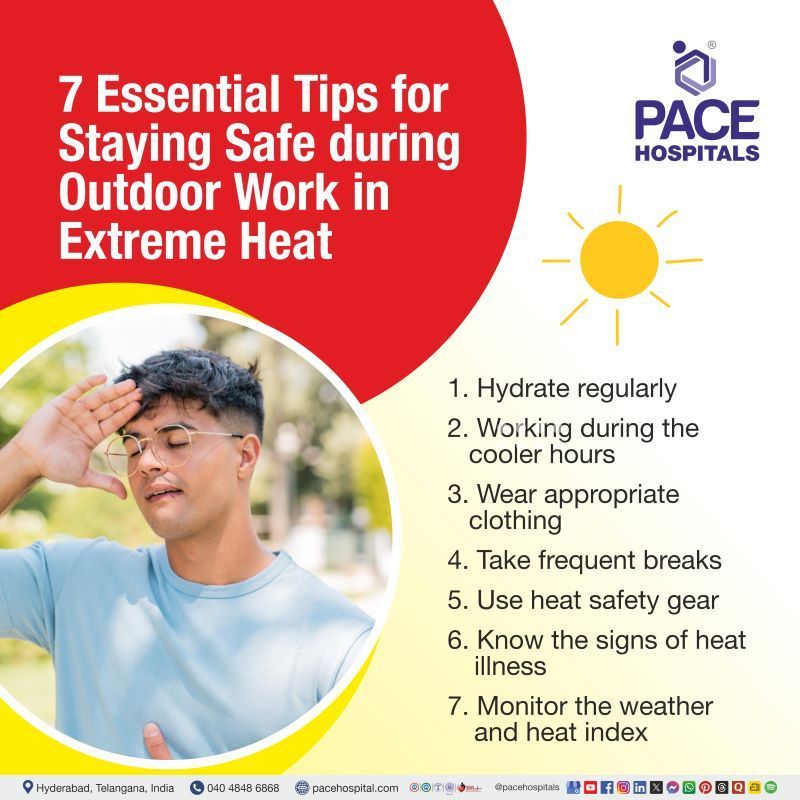
7 Essential Tips for Staying Safe during Outdoor Work in Extreme Heat
Outdoor labour in extreme temperatures increases the risk of dehydration, heat exhaustion, heat stroke, and other related ailments. It is important to take appropriate safety measures to stay healthy, energetic, and able to carry out tasks safely. The following safety tips for extreme heat can help reduce heat-related risks and improve overall safety during outdoor work.
1. Hydrate regularly
Consuming water often helps keep the body cool and prevents dehydration, which is likely to occur due to sweating. Employees need to drink water often throughout the day, regardless of their thirst level. Individuals should avoid taking beverages such as alcohol and drinks containing lots of sugar and caffeine. Keeping a water bottle nearby encourages regular fluid intake during work hours.
2. Working during the cooler hours
Outdoor jobs must be planned for early mornings and evenings, as it will be cooler. This prevents the individual from being subjected to extreme heat during the summer days. It increases a person's comfort, boosts their concentration, and makes them more productive.
3. Wear appropriate clothing
Light-coloured, airy, and permeable attire facilitates the easy release of heat from the body. Materials like cotton and moisture-wicking clothes keep the workers cool. Wearing wide-brimmed hats and clothing that can protect them from harmful ultraviolet rays is also essential to staying safe. Proper clothing helps prevent overheating and sun-related skin damage.
4. Take frequent breaks
The body will be given time to cool down after being exposed to heat through regular breaks. The best way for workers to have a break is in shaded or air-conditioned places. It helps prevent fatigue, heat stress and dizziness while enhancing work efficiency. Resting regularly also helps maintain focus and work performance.
5. Use heat safety gear
Equipment that provides heat protection, such as cooling towels, neck coolers, ventilated helmets, and sunscreens, may be used to prevent heat injuries. Eye protection and other safety equipment protect workers from dangerous UV rays. It is important to wear appropriate heat safety equipment to avoid heat injuries.
6. Know the signs of heat illness
Employees must understand the signs of heat exhaustion and heat stroke, which may include heavy sweating, dizziness, headaches, nausea, confusion, and high body temperature. Knowing the early warning signs means taking early action before the situation becomes critical. It is important to report symptoms promptly to avoid any serious health problems. Awareness and training are important for maintaining workplace safety.
7. Monitor the weather and heat index
By monitoring weather reports and heat index levels, employees can estimate the intensity of hot working conditions in advance. If high heat indices are expected, the risk of danger will increase because humidity intensifies the heat. Scheduling and protective practices should be adjusted based on the weather.
Conclusion
In summary, working in hot weather requires careful planning, adequate preparation, and appropriate precautionary measures to enhance worker safety and health. Ensuring adequate fluid intake, adequate rest periods, using protective clothing, working at the coolest times of day, and recognizing the symptoms of heat-related illnesses are some of the measures that can significantly reduce health hazards. Working together to implement heat safety guidelines will help establish a healthy work environment. By taking the right precautions, outdoor work can be carried out more safely, comfortably, and productively even during high temperatures.
FAQs on Safe Outdoor Work Tips during Extreme Heat
How to deal with extreme heat when working outside?
It is recommended to drink enough water, wear light clothing, and stay in shaded areas as much as possible. Never strain your body when the temperature outside is at its peak. Make sure to recognize any signs your body is struggling in the heat.
What is the first aid for heat-related emergencies?
Take the individual to a cooler environment, provide them with cool drinks, and use a fan or cool towels to bring down body temperature. Extra clothing should be removed to let the individual rest. Call emergency services if symptoms are severe or do not improve.
How can I cool my body down during extreme heat?
Drink lots of cold water, remain in the shade or an air-conditioned room, and apply cool towels or take showers. Dress in loose clothes. This will help your body regain balance after overheating.
How can I prevent heat exhaustion in hot weather?
Make sure you drink plenty of fluids, protect yourself from direct sun exposure, and take frequent breaks. Make sure your clothing is light and that your physical activities do not exhaust you. Eating balanced meals will also help you stay hydrated and energetic.
What are the best foods to eat when it's extremely hot outside?
Consume water-based foodstuffs, such as fruits, vegetables, salads, and yoghurt. This way, the body will be hydrated. Light foods are digested faster in hot weather conditions. Foods that may raise the body temperature should be avoided, such as spices.
What drinks are most effective for cooling down the body in hot weather?
The best way to stay cool and hydrated is by drinking lots of water. Electrolytes can be consumed in drinks to replenish lost minerals. Fruits, fruit juices, and coconut water also work to keep you hydrated.
What are the risks of overexertion in extreme heat?
Overexertion results in dehydration, heat exhaustion, heat stroke, cramping muscles, and extreme fatigue. Overexertion raises body temperature very quickly during hot weather. Rest is important to prevent these health problems.
What are the best ways to reduce sun exposure while working outdoors?
Wear lightweight, light-coloured clothing, a broad-brimmed hat, sunglasses, and sunscreen. Try to work in shady areas and avoid direct sunlight, especially during the hottest parts of the day.
What are the 7 action steps for treating heat exhaustion?
The victim should be moved to a cooler environment, provided with fluids, clothes loosened, cold compresses applied, allowed to rest, symptoms monitored, and a medical doctor consulted if symptoms persist. Early intervention prevents heat stroke and do not ignore weakness, dizziness or confusion.
What are 5 symptoms of heat exhaustion?
Symptoms of heat exhaustion include excessive sweating, dizziness, tiredness, headaches, and muscle pains. Other signs could be nausea and weakness. Early recognition is important to prevent serious complications.
What are the 7 signs of heat exhaustion?
Symptoms include profuse sweating, fatigue, lightheadedness, headaches, nausea, increased heart rate, and cool skin. The individual may experience fainting or extreme exhaustion. Cooling down and rehydration become essential right away.
How can I protect myself from extreme heat when working outside?
Ensure you are adequately hydrated, dress properly, and take frequent breaks in the shade. Ensure that you have sunhats, shades, and sunscreen with you. Do not strain yourself too hard.
What should I do if I or someone else shows symptoms of heat stroke?
Contact medical emergency personnel immediately, as heat stroke is very serious. Cool down the individual by taking him to a cool location and using cold compresses or even cold water. Do not leave the person alone while waiting for help.
How do I recognize heat-related illnesses before they become serious?
The individual must be monitored for symptoms such as profuse sweating, dizziness, thirst, headaches, weakness, and nausea. These symptoms always precede the development of more severe illnesses. Quick rest and hydration can help prevent dangerous conditions.
What should I wear to stay safe during a heat wave?
Wearing light-colored and loose clothing allows for better cooling of the body. It is recommended to wear a wide-brimmed hat and sunglasses for additional sun protection. Fabrics like cotton are best suited for hot weather.
How can I stay hydrated during extreme heat?
Drink water often, despite feeling well hydrated; more fluids should be consumed while working out or performing any physical activities outdoors. Caffeine and alcohol should be consumed in moderation, as these drinks may lead to dehydration.
How can I tell if I’m becoming dehydrated during a heat wave?
Dehydration symptoms include dry mouth, dark-colored urine, excessive thirst, headache and dizziness. Fatigue and reduced sweating are other indicators of dehydration. Drinking liquids can help restore water levels.
How do I recognize heatstroke symptoms and know when to seek medical help?
Heatstroke signs are high body temperature, disorientation, dry skin, unconsciousness, and a rapid pulse. It’s essential to seek immediate treatment since heatstroke may lead to death. Contact emergency services right away.
How does humidity affect the risk of heat-related illnesses?
High humidity prevents sweat from evaporating properly, making it harder for the body to cool down. This increases the risk of dehydration, heat exhaustion, and heat stroke. Hot and humid weather can feel much more dangerous than dry heat.
Why is taking regular breaks important during extreme heat?
Frequent rests allow the body to cool off, decrease body heat, and protect against heat illnesses like heat exhaustion, heat cramps and heat stroke. These breaks also enhance employee safety, concentration, and productivity.
Share on
Request an appointment
Fill in the appointment form or call us instantly to book a confirmed appointment with our super specialist at 04048486868
Appointment request - health articles
Recent Articles