Ecospirin: Uses, Side Effects & Dosage
PACE Hospitals
Manufactured by: USV Private Limited
Classes: Antiplatelet Agents, Antiplatelet Agents, Cardiovascular; Hematologic; NSAIDs; Salicylates
Overview
Ecospirin is a brand name for aspirin (acetylsalicylic acid), commonly used as an antiplatelet agent. It is primarily prescribed to prevent blood clots and reduce the risk of heart attack, stroke, and other cardiovascular events. Ecospirin is often used in the long-term management of patients with a history of coronary artery disease, myocardial infarction, or ischemic stroke.
It remains one of the most widely used and researched medications in clinical practice, especially in the prevention and management of atherothrombotic events.
In addition to its antiplatelet effects, aspirin also exhibits anti-inflammatory, analgesic (pain-relieving), and antipyretic (fever-reducing) properties. However, in cardiovascular care, the focus is mainly on its antithrombotic (anti-clotting) benefits.
Ecospirin Tablet Uses
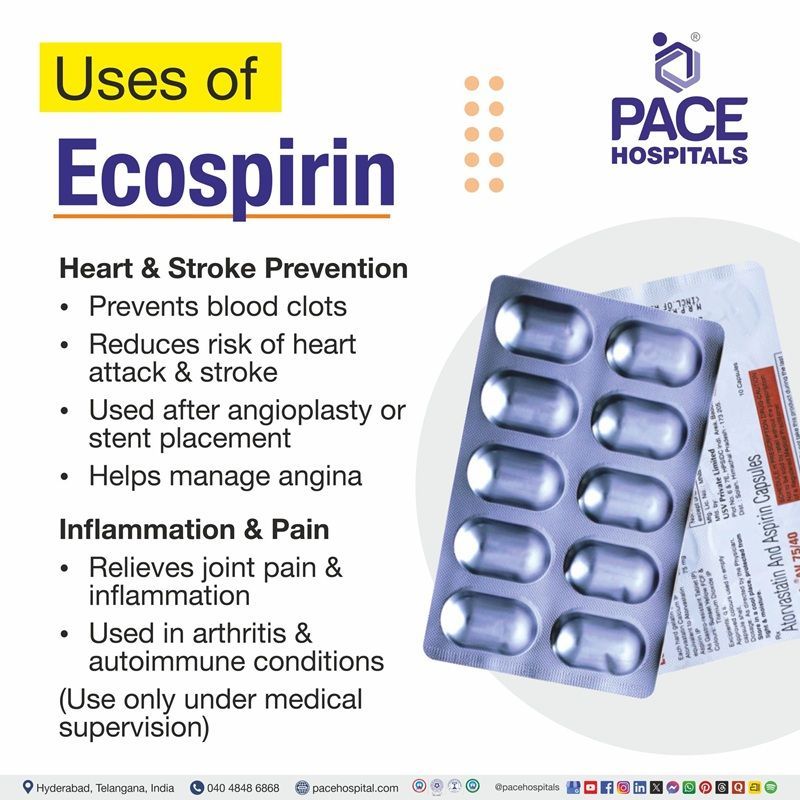
Tab Ecospirin is one of the most commonly prescribed antiplatelet medications, often used as a preventive measure in cardiovascular conditions or as an adjunct to other drugs. Ecospirin tablet uses include the following:
Cardiovascular Conditions and Prevention
- Cardiovascular protection (Cardiovascular risk reduction): Helps lower the risk of heart attack or stroke in high-risk individuals.
- Post-myocardial infarction management: Used to prevent recurrence after a heart attack.
- Myocardial infarction prophylaxis: Helps prevent a first heart attack in high-risk patients.
- Angina pectoris: Relieves chest pain caused by reduced blood flow to the heart.
- Angina pectoris prophylaxis: Prevents chest pain episodes in patients with coronary artery disease.
- Stroke prevention: Reduces the risk of stroke in patients with a history of TIAs or ischemic stroke.
- Ischemic stroke prophylaxis: Prevents further strokes caused by blood clots.
- Revascularization procedures prophylaxis: Prevents blood clot formation after angioplasty or stent placement.
Inflammatory and Autoimmune Conditions
- Rheumatoid arthritis: Reduces joint inflammation and pain in autoimmune arthritis.
- Ankylosing spondylitis: Treats inflammation in the spine and large joints.
- Systemic lupus erythematosus: Manages inflammation in this autoimmune condition.
- Osteoarthritis: Relieves pain and stiffness due to joint wear and tear.
General Use
- Pain relief: Treats mild to moderate pain from various causes.
- Fever reduction: Lowers body temperature during fever.
- Colorectal cancer prevention: May reduce the long-term risk of colon or rectal cancer in some people.
Guidelines to Follow While Taking the Ecospirin Tablet
Ecospirin medicine is usually taken once daily, preferably at the same time each day, and preferably after food to reduce the risk of gastric irritation. However, taking it with food or after meals may help reduce the risk of gastrointestinal irritation.
- Ecopirin can be administered via the oral, rectal, and intravenous (IV) route. It is commonly available in tablet form, with strengths of 75 mg, 150 mg, and 325 mg.
- For cardiovascular protection, a low-dose aspirin (75–150 mg once daily) is typically prescribed, as higher doses are associated with increased gastrointestinal side effects, including gastritis, ulcers, and bleeding.
- In acute conditions such as myocardial infarction, higher initial doses (150–325 mg) may be used under medical supervision.
- It is essential to take Ecospirin strictly as prescribed by the physician, within the recommended dosage and duration.
In case of a missed dose, the patient should skip the missed tablet and take the next scheduled dose. Doubling the dose to compensate for a missed one should be avoided, as it may increase the risk of side effects, including gastric bleeding or irritation.
Ecospirin Mechanism of Action
Ecospirin contains aspirin (acetylsalicylic acid), which functions primarily as an antiplatelet agent by inhibiting the enzyme cyclooxygenase (COX-1 and COX-2). This inhibition blocks the conversion of arachidonic acid into thromboxane A2, a chemical that promotes platelet aggregation and vasoconstriction.
By irreversibly inhibiting thromboxane A2 production, aspirin reduces the ability of platelets to clump together, thereby lowering the risk of clot formation within blood vessels.
This antiplatelet effect is especially crucial in the prevention of myocardial infarction, ischemic stroke, and other atherothrombotic events, as it helps maintain blood flow in arteries prone to plaque buildup and narrowing.
At low doses, ecospirin selectively targets COX-1 in platelets without significantly affecting COX-2 in vascular endothelial cells, preserving some beneficial prostaglandin effects while minimizing clot risk.
Once taken, aspirin's effect on platelets lasts for the lifespan of the platelet (about 7–10 days), as the enzyme inhibition is irreversible, making regular dosing essential for sustained cardiovascular protection.
Ecospirin Side Effects
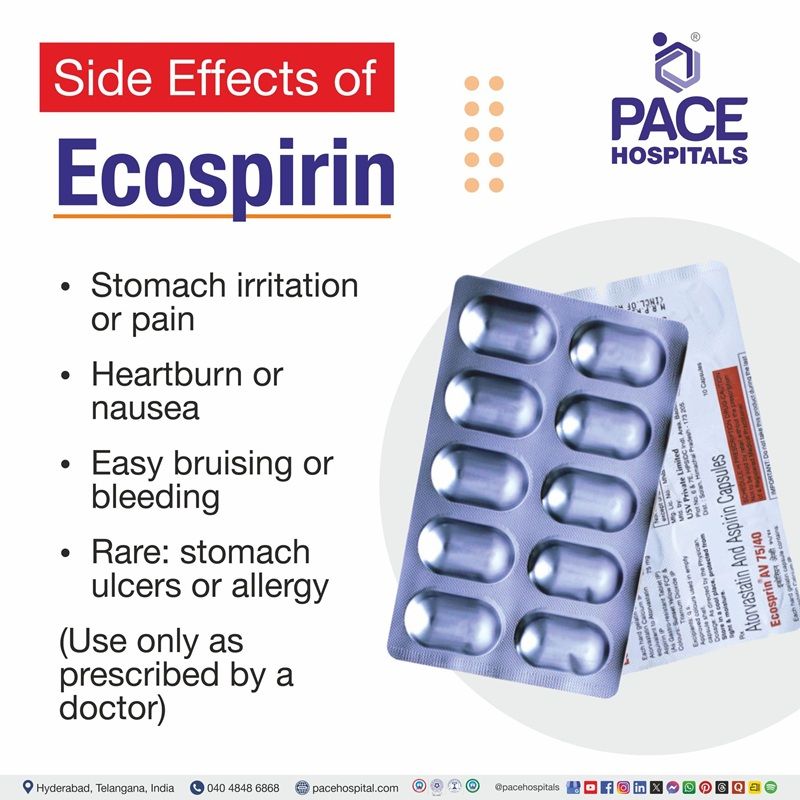
Ecospirin, containing aspirin, is generally well-tolerated when taken at low doses for cardiovascular protection. However, like all medications, it may cause certain side effects, especially with prolonged or high-dose use. Some of the common side effects associated with Ecospirin include:
- Gastric irritation
- Heartburn
- Nausea
- Vomiting
- Abdominal discomfort
- Indigestion (dyspepsia)
- Dizziness
- Easy bruising
- Increased bleeding tendency (e.g., nosebleeds, gum bleeding)
Though rare, some serious side effects may occur, particularly in patients with underlying conditions or due to long-term, high-dose use. These severe side effects include:
- Ringing in the ears
- Unusual bleeding
- Inflammation of the stomach lining
- Cramps in the lower respiratory tract, asthma attack
Ecospirin Dosage
Ecospirin dosage is determined by the prescribing physician based on the patient’s medical condition, age, risk factors, and therapeutic goals, particularly in the management or prevention of cardiovascular diseases. The exact ecospirin dose and frequency (once or twice daily) vary depending on the specific condition being treated and should always follow the doctor's instructions.
Analgesic and antipyretic:
- Adults: 325mg to 650mg / 1-2 tablets /orally/every 4 – 6 hours.
- Children under 12: 10 to 15mg/kg every 6 hours, not to exceed a total daily dose of 2.4g
- It is advisable to consult a physician if the fever persists for more than 3 days, if the pain lasts longer than 5 days, if new symptoms develop, or if redness or swelling is present.
Migraine pain and associated symptoms:
- Adults: 1000mg/ 2 x 500mg tablets at onset of pain and associated symptoms.
- Children: Clinical studies evaluating the effectiveness of acetylsalicylic acid for migraine relief in children have not been conducted.
Anti-inflammatory:
- Adults: 975mg/ 3 tablets 4 to 6 times a day/ up to 30 tablets daily, may be necessary to achieve optimal anti-inflammatory effects. A blood level between 15 to 30 mg per 100 mL is considered within the desirable therapeutic range.
- Children: 60 to 125mg/kg daily in 4 to 6 divided doses.
Platelet aggregation inhibitor
- Suspected Acute Myocardial Infarction: An initial dose of at least 162 mg should be chewed to ensure rapid absorption as soon as a myocardial infarction is suspected. The same dosage should be continued as maintenance therapy for the following 30 days. Further treatment should be considered after this period based on the patient’s clinical condition.
- Prevention of a first non-fatal myocardial infarction: A dosage of 81 to 325 mg once daily should be administered based on the individual needs of the patient, as determined by the physician.
- Prior Myocardial Infarction or Unstable Angina Pectoris: A daily dose of 81 to 325 mg may be prescribed based on the patient’s individual needs, as assessed by the physician.
- Transient Ischemic Attack and Secondary Prevention of Atherothrombotic Cerebral Infarction: A daily dosage of 81 to 325 mg should be tailored to the patient's individual needs, as determined by the physician.
- Prophylaxis of Venous Thromboembolism after total hip replacement: A daily dosage of 162 to 325 mg should be individualized based on the patient’s specific needs, as assessed by the physician.
Ecospirin in Pregnancy
- Low-dose aspirin (81 mg/day) is commonly used during pregnancy to prevent or delay the onset of preeclampsia, a condition marked by high blood pressure and signs of liver or kidney damage after 20 weeks of gestation.
- It is recommended for women at high risk and should be started between 12 and 28 weeks (ideally before 16 weeks), continuing daily until delivery.
- It may also be considered for those with multiple moderate risk factors. While low doses are generally safe, chronic or high-dose use during pregnancy should be avoided due to risks such as maternal and neonatal bleeding, intrauterine growth restriction, and potential teratogenic effects.
- Additional suggested benefits of low-dose aspirin include reducing the risk of stillbirth, foetal growth restriction, preterm birth, and early pregnancy loss.
- Taking low-dose aspirin during pregnancy is not helpful for problems like stillbirth, poor baby growth, early delivery, or miscarriage — unless the mother has a risk of high blood pressure-related problems (preeclampsia)
Overdosage
- Mild Overdose or Early Poisoning: Mild overdose may present with symptoms such as a burning sensation in the mouth, lethargy, nausea, vomiting, tinnitus, sweating, thirst, tachycardia, or dizziness.
- Moderate Overdose: Moderate overdose includes all symptoms of a mild overdose, along with tachypnea, hyperpyrexia, excessive sweating, dehydration, loss of coordination, restlessness, and mental confusion.
- Severe Overdose: Severe overdose involves all symptoms of a moderate overdose, in addition to hypotension, hallucinations, stupor, hypoglycaemia, convulsions, cerebral oedema, oliguria, renal failure, cardiovascular collapse, coma, haemorrhage, metabolic acidosis, and respiratory alkalosis and/or failure.
Contraindications of Ecospirin
Aspirin is contraindicated in patients who have or are:
- Hypersensitive to acetylsalicylic acid (ASA), salicylates, non-steroidal anti-inflammatory drugs (NSAIDs), analgesics, antipyretics, or any other ingredients in the product or components of the container
- Suffering from acute gastrointestinal ulcers or with a history of gastrointestinal ulceration
- Diagnosed with haemorrhagic diathesis
- Experiencing active or severe hepatic failure, renal failure, or congestive heart failure
- With a history of asthma triggered by salicylates or substances with similar pharmacological action, especially NSAIDs
- Undergoing concomitant treatment with methotrexate at doses of 15 mg/week or more
Warnings and Precautions
Acetylsalicylic acid (ASA) is among the most common causes of accidental poisoning in toddlers and infants; therefore, tablets must be stored securely and kept out of children’s reach.
ASA should be used with caution in patients with:
- Uncontrolled hypertension, Impaired hepatic or renal function, or compromised cardiovascular circulation—such as in cases of renal vascular disease, congestive heart failure, volume depletion, major surgery, sepsis, or significant hemorrhagic events.
- Caution is also advised in individuals with a history of bleeding disorders, significant anaemia, or hypoprothrombinemia.
- Additionally, ASA should be administered carefully in patients receiving concomitant treatment with anticoagulants or other NSAIDs, such as ibuprofen or naproxen, especially when on an established ASA regimen.
- Always follow the dosage instructions provided by the healthcare professional and avoid self-medication with aspirin, especially in sensitive populations such as pregnant or lactating women, and children.
Children
- Aspirin is generally not recommended in children, especially for viral illnesses, particularly influenza A, influenza B, and varicella, due to the risk of Reye’s syndrome, a rare but potentially fatal condition that requires immediate medical attention. Ongoing vomiting during these illnesses may be an early indicator of Reye’s syndrome.
- While the risk may be heightened with the concurrent use of ASA, a direct causal relationship has not been confirmed.
- Aspirin use in children is limited to very specific indications and should only be prescribed under close paediatric supervision.
Pregnancy
- Routine use of ecospirin during pregnancy is not advised, caution is advised when taking aspirin during the first and second trimesters of pregnancy. The use of NSAIDs around 20 weeks of gestation or later may lead to oligohydramnios and renal dysfunction, including renal failure.
- ASPIRIN is contraindicated during the third trimester due to the risk of complications such as uterine inertia (prolonged labour) and premature closure of the ductus arteriosus (a blood vessel in foetal circulation that connects the pulmonary artery to the aorta, allowing blood to bypass the lungs before birth).
Breastfeeding
- ASA and its metabolites are excreted into breast milk in small amounts. Although low doses may be considered acceptable, prolonged use or high doses are usually avoided due to the potential risk of bleeding or Reye’s syndrome in the nursing infant. However, in cases of regular use or high-dose intake, early cessation of breastfeeding is recommended.
- Consultation with a physician is essential to assess the risk-benefit ratio before using Ecospirin while breastfeeding.
Geriatrics
- Clinical studies and the experience of many physicians suggest that the use of ASA in the geriatric population may differ in terms of safety and effectiveness. In general, ASA should be used cautiously in elderly patients (aged 60 years and older), as they may be more prone to experiencing adverse reactions.
Hematologic
- Because ASA affects platelet aggregation, it may raise the risk of bleeding. When salicylates are used alongside anticoagulants, caution is advised, as salicylates can lower plasma prothrombin levels.
Immune
- ASA may trigger bronchospasm, asthma attacks, or other hypersensitivity reactions. Risk factors include existing bronchial asthma, hay fever, nasal polyps, or chronic respiratory conditions. This also applies to patients with known allergic reactions—such as skin rashes, itching, or hives—to other substances.
Peri-Operative Considerations
- ASA’s inhibitory effect on platelet aggregation can last for several days after use, potentially increasing the risk of bleeding during and after surgical procedures, including minor ones like dental extractions.
Special Populations
- Low-Dose Uric Acid Retention: At low doses, ASA decreases uric acid excretion, which may provoke gout in individuals predisposed to reduced uric acid elimination.
Glucose-6-phosphate dehydrogenase (G6PD) Deficiency
- In patients with glucose-6-phosphate dehydrogenase (G6PD) deficiency, ASA may cause haemolysis or haemolytic anaemia. The risk increases with high doses, fever, or acute infections.
Ecospirin Drug Interactions with Foods, Drugs, and Diseases
Drug interactions occur when two or more drugs react with each other. When a drug reacts with a certain food, it’s referred to as a food-drug interaction. Similarly, when a drug affects or is affected by a specific medical condition, it's known as a disease-drug interaction.
Food Interactions
- Ecospirin should not be taken with alcohol, as it increases the risk of gastrointestinal bleeding and ulcers.
- Caffeinated beverages may enhance the side effects of aspirin, such as restlessness or dizziness.
- Taking Ecospirin with food or after meals may help reduce stomach irritation or discomfort.
- Avoid using other NSAIDs or over-the-counter pain relievers alongside Ecospirin unless advised by a physician.
Drug Interactions
Ecospirin may interact with several medications, increasing the risk of side effects or reducing effectiveness. Close medical supervision is recommended if the patient is using the following:
- Anticoagulants and antiplatelets (e.g., warfarin, clopidogrel) – increased risk of bleeding
- NSAIDs (e.g., ibuprofen, naproxen) – increased risk of ulcers or bleeding
- Methotrexate – increased toxicity
- Corticosteroids – increased risk of gastrointestinal side effects
- ACE inhibitors/ARBs and diuretics – reduced efficacy in blood pressure control and increased kidney risk
- SSRIs (e.g., fluoxetine) – may increase bleeding risk
- Lithium – aspirin may increase serum lithium levels Always inform your healthcare provider about all medications you are taking before starting Ecospirin.
Disease Interactions
Ecospirin should be used with caution in individuals with the following conditions:
- Peptic ulcer disease or gastritis
- Bleeding disorders (e.g., haemophilia, thrombocytopenia)
- Liver disease
- Kidney dysfunction
- Asthma (especially aspirin-sensitive asthma)
- Gout (as aspirin may affect uric acid levels)
Ecospirin Storage
- Ecospirin should be stored at room temperature, ideally below 25°C, away from moisture and direct sunlight.
- Keep the tablets in their original packaging to maintain their efficacy.
- Store out of reach of children and pets.
- Do not crush or chew the tablets unless instructed, as it may affect the drug’s release and absorption profile. Improper storage (exposure to air, heat, or light) may degrade the medication and reduce its shelf life or effectiveness.
Frequently asked questions (FAQs) on Ecospirin
Is Aspirin and Ecospirin the same?
Yes, Ecospirin is a brand name for low-dose aspirin (acetylsalicylic acid). Both contain the same active ingredient and are used mainly for their antiplatelet (blood-thinning) effect to prevent heart attacks and strokes.
Is Ecospirin safe in pregnancy?
Ecospirin may be prescribed in low doses (usually 75–150 mg) during pregnancy for specific conditions like preeclampsia prevention or antiphospholipid syndrome, but only under medical supervision. Routine use is not advised, especially in the third trimester.
Can I take Ecospirin at night?
Yes, Ecospirin can be taken at night. In fact, some studies suggest nighttime dosing may offer better cardiovascular protection, but the patient should follow the timing recommended by their doctor for consistency and optimal effect.
Can Ecospirin prevent heart attack?
Yes, Ecospirin is widely used for primary or secondary prevention of heart attacks. It works by preventing blood clots in arteries, thereby reducing the risk of myocardial infarction and stroke.
When to stop Ecospirin before surgery?
Ecospirin is typically discontinued 5 to 10 days before surgery to minimize the risk of excessive bleeding. However, the specific timing may vary based on the type of surgery and the individual patient's risk factors. Therefore, it is essential to consult with a surgeon or cardiologist before deciding to stop taking aspirin.
What is the Ecospirin classification?
Ecospirin is classified as an antiplatelet agent and nonsteroidal anti-inflammatory drug (NSAID). Its primary role is to inhibit platelet aggregation, reducing the risk of clot formation in blood vessels, which helps in the prevention of heart attacks and strokes.
When to take Ecospirin 75?
Ecospirin 75 is typically taken once daily, after meals, to reduce the risk of stomach irritation. It's important to take it at the same time each day for consistent blood-thinning effect and best cardiovascular protection. It is advisable to consult a healthcare professional to ensure safety.
What is the Ecospirin composition?
Ecospirin contains acetylsalicylic acid (aspirin) as its active ingredient, usually in a low dose of 75 mg per tablet. Some variants may also include clopidogrel (e.g., Ecospirin-AV), which is an additional antiplatelet agent used in cardiac care.
Share on
Request an appointment
Fill in the appointment form or call us instantly to book a confirmed appointment with our super specialist at 04048486868
Appointment request - health articles
Recent Articles