Meningitis: Symptoms, Causes & Treatment
PACE Hospitals
Written by: Editorial Team
Medically reviewed by: Dr. S Pramod Kumar - Consultant Neurophysician & Neuromuscular Specialist
Overview
|
Epidemiology
|
Types
|
Symptoms
|
Causes
|
Risk Factors
|
Complications
|
Diagnosis
|
Treatment
|
Prevention
|
Viral meningitis vs Bacterial meningitis
|
FAQs
|
When to consult a Doctor
Meningitis definition
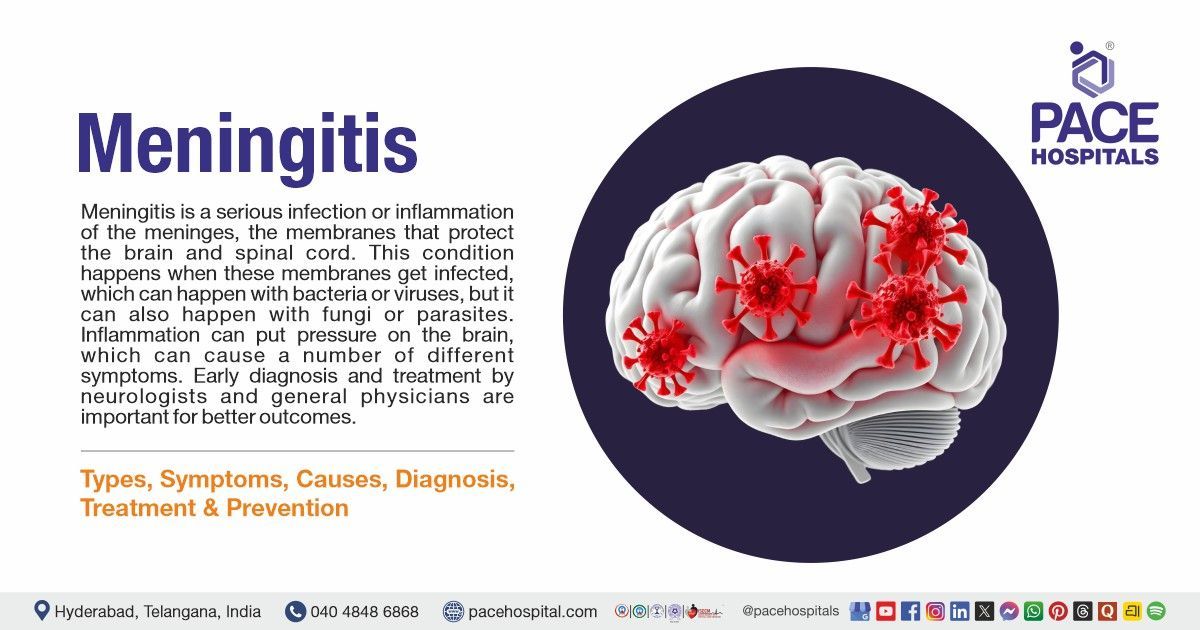
Meningitis is a serious infection or inflammation of the meninges, the membranes that protect the brain and spinal cord. This condition happens when these membranes get infected, which can happen with bacteria or viruses, but it can also happen with fungi or parasites. Inflammation can put pressure on the brain, which can cause a number of different symptoms. Common symptoms include severe headache, stiff neck, fever, nausea, and vomiting. More severe cases can cause seizures, confusion, or even coma. The condition typically develops rapidly and requires immediate medical attention.
Bacteria, viruses, fungi, and parasites are the most common causes of meningitis. There are also non-infectious causes, such as autoimmune disorders. People with weak immune systems are more likely to get infections from fungi and some parasites. Brain damage, hearing loss, and hydrocephalus (fluid buildup in the brain) are some of the problems that can happen. In severe cases, untreated bacterial meningitis can lead to death. Early diagnosis and treatment by
neurologists and
general physicians are important for better outcomes.
Meningitis meaning
The word meningitis originates from the Greek words:
- "mening-" (from meninx) meaning "membrane covering the brain and spinal cord"
- "-itis" meaning "inflammation".
Thus, meningitis means “inflammation of the meninges,” the protective membranes around the brain and spinal cord, usually caused by infections such as bacteria, viruses, or other microorganisms, but it can also result from non infectious causes.
Epidemiology of Meningitis
Epidemiology of meningitis worldwide
Meningitis remains a major public health problem around the world, with about 25 lakh cases reported every year. The disease causes the death of about 2.3 to 2.5 lakh people each year, even though there are vaccines and treatments available. Children under 5 years old are the most affected, making up a large number of cases and deaths. The disease occurs all over the world, but it is most common in the "meningitis belt" of sub-Saharan Africa, where there are often large seasonal outbreaks.
Epidemiology of meningitis in India
Meningitis, especially the bacterial types, is a major issue in India under continuous surveillance. There are about 2,000 to 5,000 cases of meningococcal disease each year, and Global Burden of Disease (GBD) studies suggest that total meningitis cases (all types combined) may be around 5 to 6 lakh annually. Streptococcus pneumoniae is the main cause of this disease, and it mostly affects babies and young children. There are occasional outbreaks when people are not properly vaccinated.
Types of Meningitis
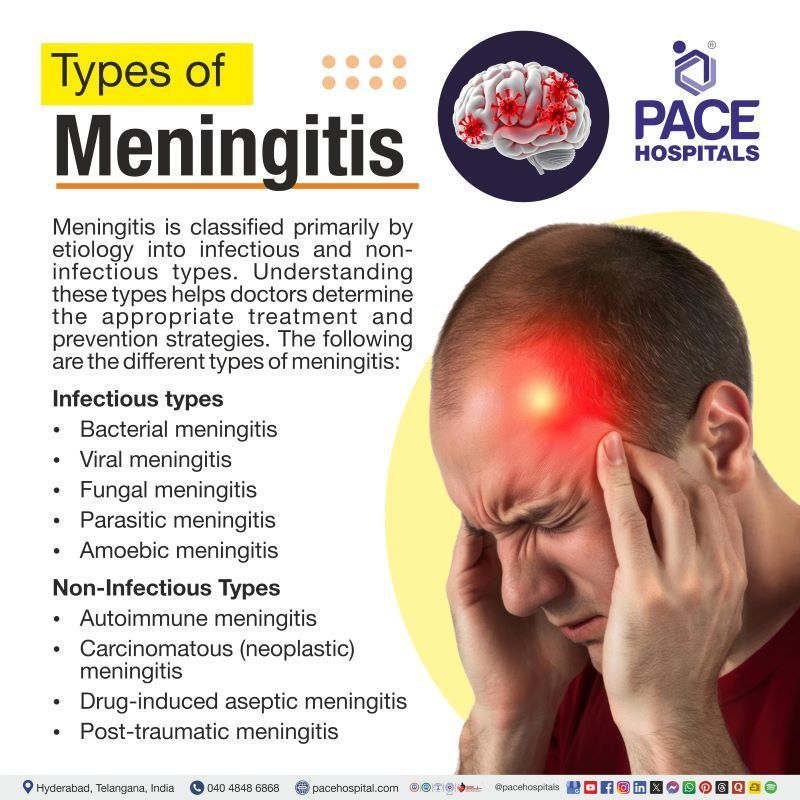
Meningitis is classified primarily by etiology into infectious and non-infectious types. Understanding these types helps doctors determine the appropriate treatment and prevention strategies. The following are the different types of meningitis:
Infectious types
- Bacterial meningitis
- Viral meningitis
- Fungal meningitis
- Parasitic meningitis
- Amoebic meningitis
Non-Infectious Types
- Autoimmune meningitis
- Carcinomatous (neoplastic) meningitis
- Drug-induced aseptic meningitis
- Post-traumatic meningitis
Infectious types
Infectious types of meningitis are caused by microorganisms that invade the meninges, triggering inflammation and requiring antimicrobial therapy.
Bacterial meningitis
Bacterial meningitis is a serious and life-threatening type of meningitis that is caused by bacteria like Neisseria meningitidis, Streptococcus pneumoniae, and Haemophilus influenzae. If not treated quickly, the infection can get worse quickly and cause problems like brain damage or hearing loss. To lower the risk of complications, it is important to get a quick diagnosis and start taking antibiotics immediately. Some types of bacterial meningitis can be prevented by getting vaccinated.
Viral meningitis
Viral meningitis is the most common type of meningitis and is generally less severe than bacterial meningitis. It is commonly caused by viruses such as enteroviruses, herpes viruses, and the mumps virus. Many people recover with supportive care, although symptoms such as headache, fever, and neck stiffness may occur. Hospital observation may be required in some cases.
Fungal meningitis
Fungal meningitis is a rare infection that is caused when fungi spread to the brain and spinal cord through the blood. People with weak immune systems, like those with chronic illnesses or immunosuppression, are the most likely to get it. This kind of meningitis doesn't spread from one person to another. Long-term antifungal therapy is usually needed for treatment.
Parasitic meningitis
Parasites infect the meninges, which are the protective membranes around the brain and spinal cord, and this causes parasitic meningitis. It is rare and may occur due to exposure to contaminated food, water, or infected animals. Some infections can cause eosinophilic meningitis, which is characterized by an increase in eosinophils in the cerebrospinal fluid. Headaches, fever, and problems with the nervous system are some of the symptoms.
Amoebic meningitis
Primary amoebic meningoencephalitis (PAM), also known as amoebic meningitis, is a rare but serious infection caused by the amoeba Naegleria fowleri. When a person swims in warm freshwater that has been contaminated, the organism usually gets into the body through the nose. It quickly hurts brain tissue and causes a lot of swelling. The first signs are similar to those of bacterial meningitis, but they get worse quickly and need to be treated immediately.
Non-Infectious types
Non-infectious meningitis is inflammation of the meninges caused by factors other than infections. It includes the following:
Autoimmune meningitis
Autoimmune meningitis occurs when the body's immune system attacks the meninges, often as part of a systemic autoimmune disease like lupus. It can result in chronic inflammation and neurological symptoms. Treatment typically involves immunosuppressive medications to control the immune response.
Carcinomatous (neoplastic) meningitis
Cancer cells that spread to the meninges, often from primary tumors like breast, lung, or melanoma, cause this type of meningitis. It can cause serious neurological problems and needs specific treatments like chemotherapy or radiation. For effective management, early detection is very important.
Drug-induced aseptic meningitis
Certain medications, such as NSAIDs or antibiotics, can trigger an aseptic meningitis reaction, causing inflammation without infection. It often resolves upon discontinuation of the causative drug. Symptoms can mimic those of infectious meningitis but typically improve after drug withdrawal.
Post-traumatic meningitis
Head injuries, like skull fractures or surgery, can cause post-traumatic meningitis by making the meninges swell. This condition can happen when bacteria or other foreign substances get into the meninges during an injury, but it can also happen without an infection. The primary goal of treatment is to control inflammation and any injuries that are potentially responsible for it.
Meningitis Symptoms
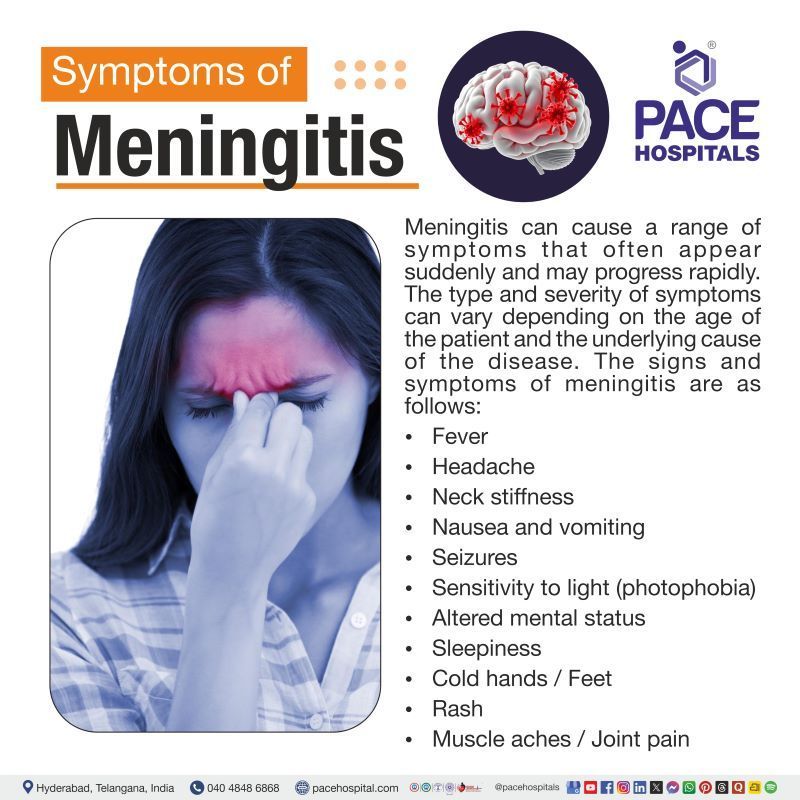
Meningitis can cause a range of symptoms that often appear suddenly and may progress rapidly. The type and severity of symptoms can vary depending on the age of the patient and the underlying cause of the disease. The signs and symptoms of meningitis are as follows:
- Fever
- Headache
- Neck stiffness
- Nausea and vomiting
- Seizures
- Sensitivity to light (photophobia)
- Altered mental status
- Sleepiness
- Cold hands/feet
- Rash
- Muscle aches/joint pain
Fever: Fever is one of the most common early symptoms of meningitis. It occurs as the body’s immune response to infection and is often accompanied by chills or sweating. In meningitis, fever may appear suddenly and persist along with other neurological symptoms.
Headache: Headache in meningitis is usually severe and persistent. It occurs due to irritation and raised pressure within the meninges and surrounding tissues. The pain may worsen with movement, bright light, or noise.
Neck stiffness: Neck stiffness, also called nuchal rigidity, is a symptom of meningitis. It makes it difficult or painful to bend the neck forward. This occurs because inflammation affects the tissues around the brain and spinal cord.
Nausea and vomiting: Nausea and vomiting can occur due to increased intracranial pressure and irritation of the nervous system. These symptoms may appear together with headache and fever. Persistent vomiting may also contribute to dehydration and weakness.
Seizures: Seizures may occur when meningitis causes irritation or inflammation of the brain tissue. They are more common in severe infections and in children. Seizures indicate significant neurological involvement and require immediate medical attention.
Sensitivity to light (Photophobia): Photophobia is the term for pain or discomfort in the eyes when they are exposed to bright light. This occurs because inflammation of the meninges affects the nerves connected to the eyes. Patients often prefer to stay in dark environments to reduce discomfort.
Altered mental status: Meningitis can affect the function of the brain, leading to confusion, difficulty concentrating, irritability, or reduced awareness. In severe instances, patients may experience disorientation or loss of consciousness. This symptom suggests that the central nervous system is involved.
Sleepiness: Excessive sleepiness or difficulty waking up may occur due to brain inflammation and increased pressure within the skull. Patients may appear unusually drowsy or less responsive than normal. This symptom may worsen as the infection progresses.
Cold hands/ feet: Cold hands and feet can occur when the body’s circulation changes in response to severe infection or septic shock. Poor blood flow to the extremities may cause the skin to feel cool or pale. This sign may indicate a serious systemic infection.
Rash: Some forms of meningitis, particularly meningococcal meningitis, can cause a characteristic rash. The rash may look like small red or purple spots on the skin and may not fade when pressed. It occurs due to damage to small blood vessels during infection.
Muscle aches/ joint pain: Muscle aches and joint pain may occur as part of the body’s inflammatory response to infection. These symptoms are often accompanied by fever and fatigue. They can contribute to general discomfort and weakness during illness.
Symptoms of Meningitis in Infants
The signs and symptoms of meningitis in infants may differ from those seen in older children and adults. They include:
- Bulging fontanelle
- Stiff body, be floppy, or unresponsive
- Poor feeding
- Irritability
- Abnormal or high-pitched crying
Bulging fontanelle: A bulging fontanelle is a swelling of the soft spot on the top of an infant’s head. It can occur due to increased pressure inside the skull caused by infection or inflammation. This sign may indicate meningitis and requires prompt medical attention.
Stiff body, be floppy, or unresponsive: Infants with meningitis may appear unusually stiff or very floppy due to effects on the nervous system. Some babies may also become less responsive or difficult to wake. These changes may indicate serious brain involvement and require urgent evaluation.
Poor feeding: Babies with meningitis may refuse to breastfeed or bottle-feed or may have difficulty sucking. Illness and discomfort can lead to reduced appetite and weakness. Persistent feeding problems in infants should be medically assessed.
Irritability: Infants with meningitis may become very irritable and difficult to soothe. They may cry frequently and remain restless even when comforted. This can occur due to pain, discomfort, and brain inflammation.
Abnormal or high-pitched crying: A high-pitched or unusual cry may occur in infants with meningitis. This cry often sounds different from normal crying and may be persistent. It can be caused by increased pressure or irritation affecting the brain and nervous system.
Meningitis Causes
Meningitis can occur when infectious microorganisms or certain medical conditions lead to inflammation of the meninges. The cause may be infectious or non-infectious factors affecting the nervous system. The causes are:
Infectious causes
- Bacterial infections
- Viral infections
- Fungal infections
- Parasitic infections
- Amoebic infections
Non-infectious causes
Infectious causes
Bacterial infections
Bacterial infection is a major cause of meningitis that needs to be treated immediately. Neisseria meningitidis, Streptococcus pneumoniae, and Haemophilus influenzae are some of the most common bacteria. These organisms can spread through droplets in the air or from infections that are nearby, including sinus or ear infections.
Viral infections
Viral infections are the common cause of meningitis and are usually less severe than bacterial meningitis. Enteroviruses are the most frequent cause, although viruses such as herpes simplex virus and mumps virus can also lead to infection. Many people recover with supportive care.
Fungal infections
Fungal meningitis occurs when fungi get into the brain and spinal cord through the blood. It mostly affects people whose immune systems are weak, like those with HIV/AIDS or other long-term illnesses. A common cause is getting infected with the Cryptococcus species.
Parasitic infections
Certain parasites can infect the meninges and lead to inflammation. These infections may occur through contaminated food, water, or exposure to infected animals. Some parasitic infections cause a form known as eosinophilic meningitis.
Amoebic infections
Amoebic meningitis is a rare but severe infection caused by the amoeba Naegleria fowleri. The organism usually enters the body through the nose during swimming or diving in warm freshwater. It can rapidly affect the brain and cause severe neurological damage.
Non-infectious causes
Meningitis can also occur due to certain medications, cancers, autoimmune diseases, or head injuries. In these cases, inflammation of the meninges occurs without infection. These forms are referred to as non-infectious meningitis.
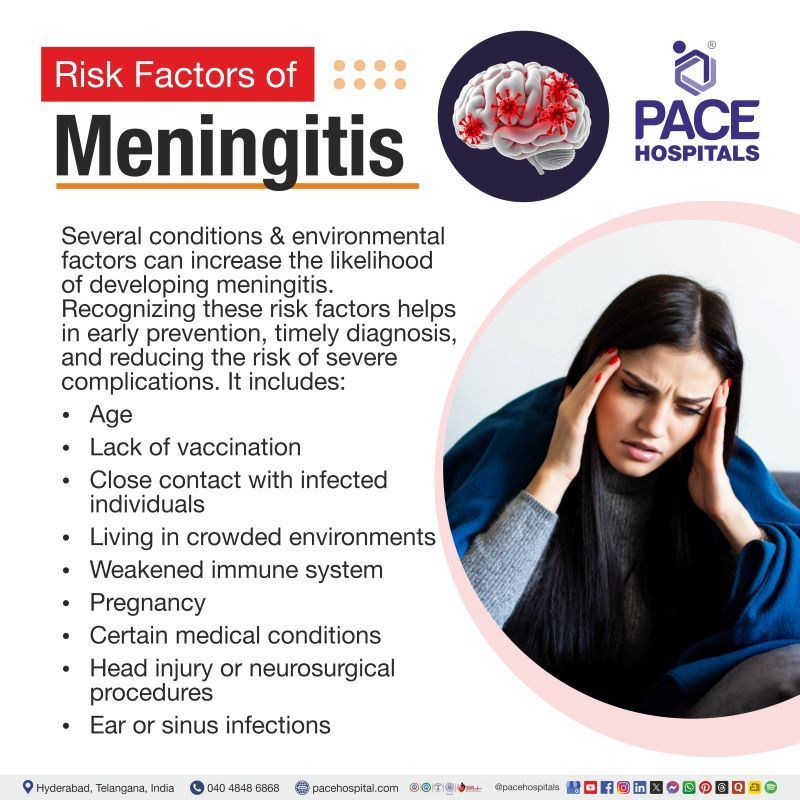
Meningitis Risk Factors
Several conditions and environmental factors can increase the likelihood of developing meningitis. Recognizing these risk factors helps in early prevention, timely diagnosis, and reducing the risk of severe complications. It includes:
- Age
- Lack of vaccination
- Close contact with infected individuals
- Living in crowded environments
- Weakened immune system
- Pregnancy
- Certain medical conditions
- Head injury or neurosurgical procedures
- Ear or sinus infections
Age: Certain age groups have a higher risk of developing meningitis. According to public health authorities, infants, young children, teenagers, and older adults are more susceptible because their immune defences may not fully protect them against certain bacteria and viruses that cause meningitis.
Lack of vaccination: People who have not received recommended vaccines are at higher risk of meningitis caused by bacteria such as Neisseria meningitidis, Streptococcus pneumoniae, and Haemophilus influenzae. Vaccination programs significantly reduce the occurrence of these infections and help protect individuals and communities.
Close contact with infected individuals: Meningitis-causing bacteria and viruses can spread through respiratory droplets, saliva, or close personal contact. Living with or spending prolonged time near an infected person increases the chance of exposure and transmission.
Living in crowded environments: Crowded areas such as college dormitories, military barracks, hostels, or refugee camps increase the risk of meningitis outbreaks. Close living quarters allow infectious organisms to spread more easily between individuals.
Weakened immune system: People with weak immune systems are more prone to infections, including meningitis. Conditions or treatments that reduce immune function make it harder for the body to fight bacteria or viruses that can invade the protective membranes of the brain and spinal cord.
Pregnancy: Certain bacteria, especially Listeria monocytogenes, are more likely to infect pregnant women. This infection can lead to meningitis and may also harm the fetus or newborn, making immediate medical care important if symptoms develop.
Certain medical conditions: Some health conditions increase susceptibility to meningitis. For example, people with HIV infection, those who lack a functioning spleen (asplenia), or those with complement immune system deficiencies are at increased risk of severe bacterial infections such as meningococcal meningitis.
Head injury or neurosurgical procedures: Trauma to the head or surgeries involving the brain or spinal cord can create openings that allow bacteria to enter the central nervous system. This disruption of protective barriers can increase the likelihood of meningitis.
Ear or sinus infections: Untreated or severe infections of the middle ear (otitis media) or sinuses (sinusitis) can sometimes spread to nearby tissues. In rare cases, bacteria from these infections may reach the meninges and cause meningitis.
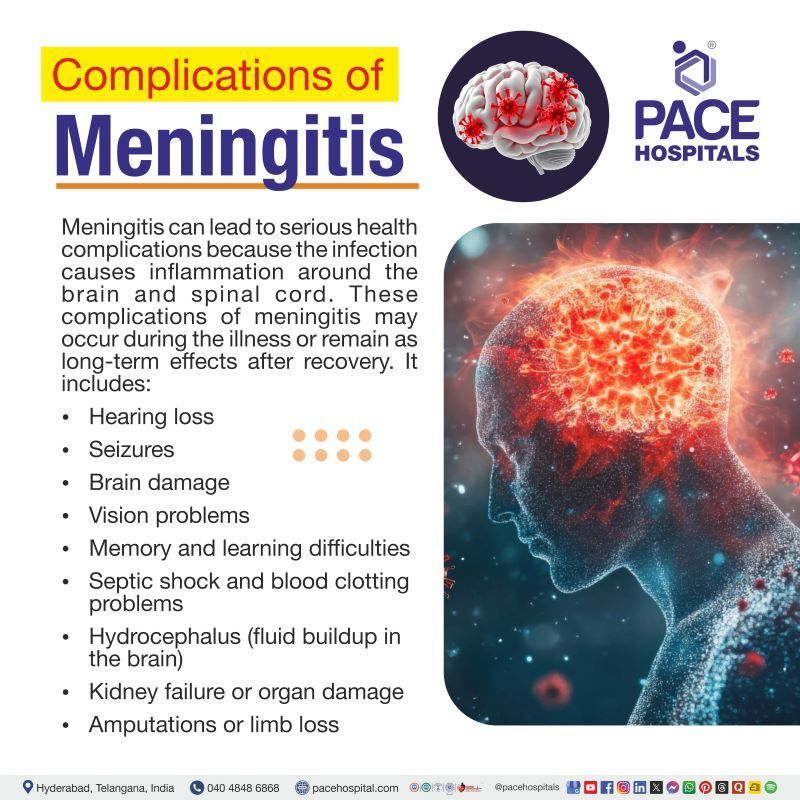
Complications of Meningitis
Meningitis can lead to serious health complications because the infection causes inflammation around the brain and spinal cord. These complications of meningitis may occur during the illness or remain as long-term effects after recovery. It includes:
- Hearing loss
- Seizures
- Brain damage
- Vision problems
- Memory and learning difficulties
- Septic shock and blood clotting problems
- Hydrocephalus (fluid buildup in the brain)
- Kidney failure or organ damage
- Amputations or limb loss
Hearing Loss: Meningitis can damage the nerves and structures responsible for hearing. This complication occurs when inflammation affects the inner ear or auditory nerve. Hearing impairment may be temporary or permanent and is one of the most commonly reported long-term effects of bacterial meningitis.
Seizures: Meningitis causes brain inflammation, which can interfere with normal electrical activity in the brain. This disruption may lead to seizures during the infection or later as a neurological complication. Seizures can vary from mild episodes to more severe convulsions.
Brain Damage: Severe meningitis may injure brain tissue due to swelling, reduced blood flow, or infection. This damage can affect important brain functions such as movement, coordination, thinking, or memory. In some cases, neurological deficits may remain even after recovery.
Vision problems: Meningitis can affect nerves that control vision, mainly when inflammation spreads to nearby cranial nerves. This may cause blurred vision, sensitivity to light, or reduced vision. In severe cases, permanent visual impairment may occur.
Memory and Learning Difficulties: Brain inflammation may affect areas responsible for cognitive function. As a result, some individuals, especially children, may experience difficulties with memory, concentration, learning, or intellectual development after recovering from meningitis.
Septic Shock and Blood Clotting Problems: Severe bacterial meningitis can spread into the bloodstream and cause sepsis. This may lead to septic shock, where blood pressure drops dangerously low, and problems with blood clotting that can damage tissues and organs.
Hydrocephalus (Fluid Buildup in the Brain): Inflammation from meningitis can block the normal circulation of cerebrospinal fluid. This causes fluid to accumulate within the brain’s ventricles, increasing pressure inside the skull and leading to a condition called hydrocephalus.
Kidney Failure or Organ Damage: In severe infections, bacteria and toxins circulating in the blood can affect multiple organs. This may lead to complications such as kidney failure or damage to other organs due to reduced blood flow and systemic infection.
Amputations or Limb Loss: Certain types of bacterial meningitis, particularly meningococcal infections, can cause severe blood vessel damage and tissue death. This may reduce blood supply to the limbs, sometimes making amputation necessary to remove severely damaged tissue.
Meningitis Diagnosis
Meningitis is diagnosed through a combination of clinical assessment and laboratory investigations to detect infection or inflammation of the membranes surrounding the brain and spinal cord. The following are the key diagnostic steps in meningitis:
- Medical history
- Physical examination
- Lumbar puncture or CSF analysis
- Blood tests
- Complete Blood Count (CBC)
- C-reactive protein
- Erythrocyte sedimentation rate (ESR)
- Procalcitonin
- Blood Cultures
- Serum glucose
- Imaging tests
- MRI (Magnetic Resonance Imaging)
- CT scan (Computed Tomography)
- Rapid PCR Panels
- Latex Agglutination
- Biopsy (rare)
Meningitis Treatment
Meningitis treatment mainly focuses on controlling the infection and inflammation and preventing complications that may affect the brain and other organs. Early medical management and supportive care are essential to improve outcomes and reduce the risk of long-term neurological damage. It has the following:
- Non-Pharmacological Treatment
- Pharmacological Treatment
- Surgical / Procedural Treatment
Non-Pharmacological Treatment
- Intravenous fluid therapy
- Oxygen therapy
- Fever management and supportive care
- Close monitoring and intensive care support
Pharmacological Treatment
- Antibiotic therapy
- Antiviral medications
- Corticosteroid therapy
- Medications to control seizures
Surgical / Procedural Treatment
- Drainage of brain abscess
- Ventriculoperitoneal (VP) shunt for hydrocephalus
- External ventricular drainage (EVD)
- Decompressive craniectomy
Medical Services at PACE Hospitals
Specialist Doctors Across Medical Disciplines
Diagnostic & Treatment Services
Clear Information on Care & Costs
24x7 Emergency & ICU Services
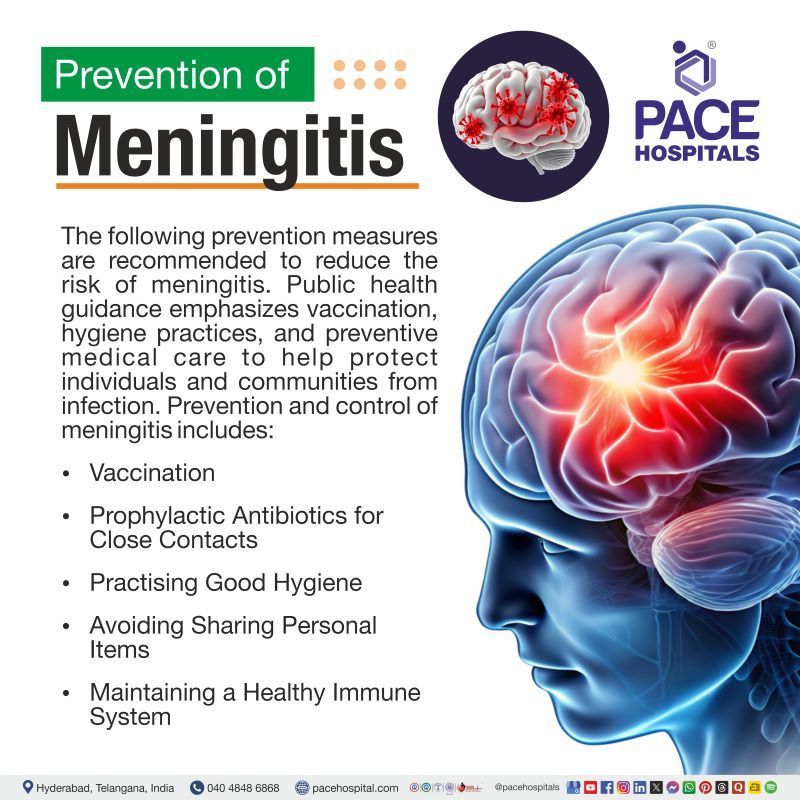
Meningitis Prevention
The following prevention measures are recommended to reduce the risk of meningitis. Public health guidance emphasizes vaccination, hygiene practices, and preventive medical care to help protect individuals and communities from infection. Prevention and control of meningitis includes:
- Vaccination
- Prophylactic Antibiotics for Close Contacts
- Practising Good Hygiene
- Avoiding Sharing Personal Items
- Maintaining a Healthy Immune System
Vaccination: Vaccination is one of the most effective ways to control certain types of meningitis. Immunizations protect against common bacteria responsible for the disease, including meningococcal, pneumococcal, and Haemophilus influenzae infections. Routine vaccination programs help protect both individuals and communities from outbreaks.
Prophylactic Antibiotics for Close Contacts: People who have had close contact with someone diagnosed with certain types of bacterial meningitis may be given preventive antibiotics. These medications help eliminate bacteria that may be present in the nose or throat and reduce the chance of developing the infection.
Practising Good Hygiene: Good hygiene practices help in preventing the spread of germs that can cause meningitis. Regular handwashing with soap and water, especially after coughing, sneezing, or before eating, helps remove infectious organisms and lowers the risk of transmission.
Avoiding Sharing Personal Items: Bacteria and viruses that cause meningitis can spread through saliva or respiratory secretions. Avoiding the sharing of personal items such as drinking glasses, utensils, toothbrushes, or lip balm can help reduce the risk of transmission.
Maintaining a Healthy Immune System: A healthy immune system helps the body fight infections more effectively. Balanced nutrition, adequate rest, proper medical care, and management of chronic health conditions can support immune function and reduce the risk of infections like meningitis.
Difference between Viral and Bacterial Meningitis
The differences between viral meningitis and bacterial meningitis are mainly related to their causes, severity, treatment, and outcomes. The following are the bacterial and viral meningitis differences:
Viral meningitis vs bacterial meningitis
| Parameters | Viral meningitis | Bacterial meningitis |
|---|---|---|
| Definition | Viral meningitis is inflammation of the meninges caused by viral infections. It is usually milder and often resolves with supportive care. | Bacterial meningitis is a severe infection of the meninges caused by bacteria. It can progress rapidly and requires urgent medical treatment. |
| Etiology | Most caused by enteroviruses, but other viruses such as herpes viruses, mumps virus, and arboviruses may also be responsible. | Caused by bacteria such as Neisseria meningitidis, Streptococcus pneumoniae, and Haemophilus influenzae. |
| Pathophysiology | Viruses enter the body and spread through the bloodstream to the central nervous system, causing inflammation of the meninges. | Bacteria enter the bloodstream and cross the blood–brain barrier, leading to severe inflammation and swelling of the meninges. |
| Symptoms | Symptoms usually include fever, headache, neck stiffness, nausea, vomiting, and sensitivity to light. They are usually milder than bacterial meningitis. | Symptoms include high fever, headache, neck stiffness, confusion, vomiting, and seizures. |
| Diagnosis | Lumbar puncture (CSF analysis), blood tests, CT scan, MRI | Lumbar puncture (CSF analysis), blood cultures, CT scan, MRI |
| Treatment | Supportive care, antiviral therapy, and intravenous fluids | Intravenous antibiotics, corticosteroids, supportive care, and intensive care management |
Frequently Asked Questions (FAQs) on Meningitis
What is meningitis?
Meningitis is a disease that causes the meninges, which are the protective membranes that surround the brain and spinal cord, to become inflamed. Infections like bacteria, viruses, fungi, or parasites are the most common causes, but there are also non-infectious causes. If not treated rapidly, the condition can cause serious problems, such as fever, headache, neck stiffness, and light sensitivity.
Is meningitis contagious?
Yes, specific types of meningitis can be contagious, especially those caused by bacteria or viruses. These infections can spread from one person to another through respiratory droplets or saliva during close or long-term contact with an infected person. Coughing, sneezing, or sharing utensils are some of the activities that can increase the risk of transmission.
Is meningitis curable?
Yes, meningitis can be cured successfully, especially when diagnosed early. The treatment depends on the cause of the infection. Viral meningitis can be treated with supportive care, while bacterial meningitis requires immediate treatment with antibiotics. Early medical care helps in reducing complications and improving recovery.
Who is at risk for meningitis?
Meningitis is more likely to occur in babies, young children, and older adults. People with weak immune systems, such as those with HIV or cancer, are more likely to get infected. People who live in groups, like in dorms or military barracks, also get meningococcal meningitis. People who travel to high-risk areas, like sub-Saharan Africa, are also prone to developing it. Vaccination is recommended for these high-risk groups.
Can HPV cause meningitis?
No, Human Papillomavirus (HPV) does not cause meningitis. Most people know that HPV causes genital warts, cervical cancer, and other types of cancer. However, it does not affect the meninges or cause brain and spinal cord inflammation.
How long does meningitis last?
The duration of Meningitis varies depending on the cause. Viral meningitis is self-limiting and resolves within about 7–10 days, whereas bacterial meningitis requires prolonged treatment and may take weeks to recover. Some individuals may continue to experience symptoms, such as fatigue or headaches, after recovery.
Is brain fever and meningitis the same?
No, brain fever and meningitis are not the same, even though they have similar symptoms. People often use the term "brain fever" to refer to encephalitis, which is the swelling of the brain tissue itself. Whereas meningitis is the swelling of the meninges, the protective membranes covering the brain and spinal cord. While both conditions can cause fever, headache, and confusion, they affect different parts of the brain and have different causes and treatments.
Is meningitis common in India?
Meningitis is very common in India, but it varies across regions and age groups. About 1 to 3 people out of every 100,000 get bacterial meningitis each year, and the rates are higher for children under five. National disease surveillance systems report thousands of cases every year. Vaccination programs and better healthcare services have helped reduce its overall occurrence.
Is meningitis fatal?
Yes, if left untreated, meningitis can be fatal if it is caused by certain types of bacteria. Severe inflammation and infection may harm the brain, nerves, and other organs, which can cause serious problems. Getting a diagnosis and medical treatment early increases the chances of recovery and lowers the risk of death.
Is there a vaccine for meningitis?
Yes, there are vaccines for meningitis. Vaccines can help stop infections caused by bacteria like Haemophilus influenzae type b, meningococcal, and pneumococcal. Vaccines are an excellent choice for children, adolescents, and some high-risk groups. Getting vaccinated lowers the chances of getting sick and spreading meningitis.
How long does the meningitis vaccine last?
Meningococcal vaccines usually protect for 3-5 years. Immunity can decrease over time, so booster doses are recommended for specific age groups. For instance, adolescents vaccinated at ages 11-12 should receive a booster around age 16 to sustain immunity.
How to prevent meningitis?
There are a number of ways to protect from meningitis. The best way to stay protected from certain types is to get vaccinated. Germs spread less when people wash their hands often and cover their mouths when they cough and sneeze. Staying away from people who are sick with meningitis lowers the risk even more.
What are the long-term effects of meningitis?
The long-term effects of meningitis can vary depending on the severity and type of infection. People who survive may lose their hearing, have seizures, damage their brains, or have problems with their nervous systems, like weak limbs or trouble speaking. Other possible problems are issues with vision, learning disabilities, and, in the worst cases, amputations. Up to one in five people who survive bacterial meningitis may have these effects.
How many types of meningitis are there?
There are several types of meningitis, but they can mostly be grouped into bacterial, viral, fungal, parasitic, and non-infectious. Bacterial meningitis is the most common type. It is caused by bacteria like Neisseria meningitidis and Streptococcus pneumoniae. Viral meningitis is the second most common type. It is usually caused by enteroviruses. Fungal meningitis, which is caused by fungi like Cryptococcus, is less common. There are also less common types of meningitis, such as parasitic meningitis and non-infectious meningitis.
What are the symptoms of meningitis in adults?
Fever, headache, stiff neck, and nausea or vomiting are common symptoms of meningitis in adults. Other signs may be being sensitive to light (photophobia), being confused, having seizures, or being sleepy or having trouble waking up. Adults may develop a skin rash, especially in cases of meningococcal meningitis. It's important to get medical help immediately because meningitis can get worse quickly and become life-threatening.
What is bacterial meningitis?
Bacterial Meningitis is a dangerous infection that causes inflammation of the membranes covering the brain and spinal cord. Bacteria like Streptococcus pneumoniae and Neisseria meningitidis are the most common causes. Some of the most common symptoms are a high fever, a severe headache, a stiff neck, and confusion. It is a medical emergency that needs immediate antibiotic treatment to prevent problems or death.
What is pyogenic meningitis?
Pyogenic Meningitis is a serious type of bacterial meningitis that happens when pus-forming organisms infect the meninges of the brain and spinal cord. Bacteria like Streptococcus pneumoniae, Neisseria meningitidis, and Haemophilus influenzae are the most common causes. It causes a high fever, headache, stiff neck, and changes in consciousness, and it needs immediate antibiotic treatment.
Can an ear infection lead to meningitis?
Yes, an untreated or severe ear infection can spread to nearby tissues and, in rare cases, cause meningitis. The infection could spread from the middle ear to the brain coverings through the surrounding bone or blood. Getting treatment for ear infections early lowers this risk and stops serious problems from happening.
Can Salmonella cause meningitis?
Yes, although rare, Salmonella can cause meningitis, particularly in infants, elderly individuals, or those with weakened immunity. It usually spreads through the bloodstream from a primary infection such as gastroenteritis. Early diagnosis and treatment are important to prevent serious complications.
Is meningitis a disease or an infection?
Meningitis is considered a disease, but it is commonly caused by an infection such as bacteria, viruses, or fungi. It is the inflammation of the protective membranes around the brain and spinal cord. Thus, meningitis is a disease that commonly results from underlying infections.
When to consult a doctor for meningitis?
Consult a doctor for meningitis if you experience symptoms such as severe headache, stiff neck, high fever, or nausea and vomiting. Other signs that indicate a need for medical attention include:
- Sensitivity to light (photophobia)
- Confusion or difficulty concentrating
- Seizures or loss of consciousness
- Skin rash (particularly with meningococcal meningitis)
If these symptoms persist, it’s important to see a meningitis doctor for an accurate diagnosis and treatment. Seek emergency medical attention if any sudden confusion, severe headache, or any rash that doesn't fade when pressed, as these may indicate a serious infection. A neurologist or general physician can provide the best meningitis treatment to manage symptoms and prevent complications.
Share on
Request an appointment
Fill in the appointment form or call us instantly to book a confirmed appointment with our super specialist at 04048486868
Appointment request - health articles
Recent Articles