
Sarcopenia Diagnosis, Treatment & Cost
PACE Hospitals offers advanced sarcopenia treatment in Hyderabad, India, providing comprehensive care for age-related muscle loss and associated functional decline. Our specialists focus on accurate sarcopenia diagnosis through detailed clinical evaluation, muscle strength assessment, body composition analysis, and advanced diagnostic techniques, followed by personalized treatment plans to improve strength, mobility, and quality of life.
From early-stage sarcopenia to severe muscle wasting in older adults, we deliver both medical and supportive management, including nutrition therapy, sarcopenia diet planning, exercise rehabilitation, and lifestyle modification. Our goal is to restore muscle mass, enhance physical performance, and prevent complications such as falls and frailty across all age groups.
Book Appointment for Sarcopenia Treatment
Sarcopenia Treatment Appointment
Why Choose PACE Hospitals for Sarcopenia Treatment?
Comprehensive Diagnostic Facilities: Muscle Mass Assessment, Strength Testing, Functional Evaluation & Nutritional Analysis
Expert General Physicians in Hyderabad for Complete Sarcopenia Management
Personalized Sarcopenia care with Resistance Training, Protein Supplementation, Vitamin Optimization & Rehabilitation Programs
Sarcopenia Treatment with Long-Term Monitoring, Insurance & Cashless Options
Recognized for excellence in healthcare delivery with
NABH, NABL, NBE/DNB, NABH Nursing Excellence, and ISCCM accreditations.
Sarcopenia Diagnosis
Diagnosis of sarcopenia depends on a combination of clinical history, physical examination, and specific diagnostic tests, which help doctors, such as general physicians, geriatricians, endocrinologists, physiotherapists, and dietitians, reach a conclusive diagnosis. Sarcopenia is suspected in individuals presenting with progressive loss of muscle strength, reduced physical activity, fatigue, and difficulty in performing daily activities such as walking, climbing stairs, or rising from a chair.
The doctor considers the following before selecting the appropriate tests to diagnose sarcopenia:
- Medical history
- Physical examination
Medical history
The doctor may ask the following questions, which help to assess symptoms and underlying conditions that may influence the diagnosis of sarcopenia:
- Has there been any noticeable reduction in muscle strength or difficulty lifting objects?
- Is it difficult to conduct normal activities like walking, climbing stairs, or standing from a chair?
- Is there a history of falls or problems with balance?
- Is there a low level of physical activity or a sedentary lifestyle?
- Is the diet inadequate in protein, or has there been recent weight loss or poor appetite?
- Are there any existing chronic illnesses such as diabetes, heart disease, or neurological conditions?
- Has there been any prolonged immobility, bed rest, or recent hospitalization?
- Are there any habits, such as smoking or excessive alcohol intake?
Physical examination
During the physical examination, muscle strength and physical performance are assessed using simple bedside tests. These evaluations help determine the severity of muscle weakness, the level of functional limitation, and the likelihood of falls. It has the following:
- Muscle Strength Testing: The doctor evaluates muscle strength using tests such as the handgrip strength test, in which the patient squeezes a device to assess the muscle power. The chair stand test is also performed, in which the patient is asked to repeatedly stand from a seated position without using their hands. Reduced strength on these tests indicates sarcopenia.
- Physical Performance Tests: The doctor assesses mobility and functional abilities with tests like the Short Physical Performance Battery (SPPB), which measures balance, walking speed, and the capacity to stand from a chair. The Timed Up and Go (TUG) test assesses how long it takes the patient to stand up, walk a short distance, turn, and sit back down. Poor performance in these tests indicates reduced mobility and a higher risk of falls.
✅Diagnostic Evaluation of Sarcopenia
Based on the above-mentioned information, doctors advise specific diagnostic tests to confirm the presence of sarcopenia and to rule out other causes of muscle weakness and functional decline. The following are the tests that might be recommended to diagnose sarcopenia:
- Muscle mass measurement
- Bioelectrical Impedance Analysis (BIA)
- Imaging tests
- Dual-energy X-ray Absorptiometry (DEXA or DXA)
- Magnetic Resonance Imaging (MRI)
- Computed Tomography (CT)
- Supporting tests
- Blood tests
- Inflammation markers (C-reactive protein (CRP))
- Vitamin D Levels
- Serum albumin levels
Muscle mass measurement
Bioelectrical Impedance Analysis (BIA)
Bioelectrical Impedance Analysis (BIA) is a non-invasive technique employed to assess body composition, including muscle mass, by measuring the resistance of tissue in the body to a slight electrical current. Lean tissue, which has more water, conducts electricity better than fat tissue, which makes it possible to estimate muscle mass. The process includes connecting electrodes to the hands and feet or standing on a device that transmits a painless electrical current to determine a resistance. It is quick, safe, and often used in clinical settings to check for sarcopenia, but the results may be different depending on how hydrated the person is and other physiological factors.
Imaging tests
Dual-Energy X-ray Absorptiometry (DEXA or DXA)
DEXA is the most commonly used imaging test to measure body composition, including lean muscle mass. Low doses of X-rays to scan the body are used to separate bone, fat, and lean tissue (which includes muscles). By measuring the amount of lean muscle, especially in the arms and legs, doctors can determine whether muscle mass is lower than normal for age and sex. If the DXA scan shows reduced muscle mass along with symptoms like weakness or poor physical performance, it helps confirm the diagnosis of sarcopenia.
Magnetic Resonance Imaging (MRI)
MRI gives clear images of muscle tissue and is the gold standard for muscle mass and quality. Changes in muscle volume, fat infiltration, and structure are usually found. MRI is more accurate, but it is not used as much in everyday life because it is highly expensive.
Computed Tomography (CT)
CT scans are used to look at the quality and cross-sectional area of muscles. CT scans can also show changes in muscle quality, such as fat infiltration within muscles, which is an important feature of sarcopenia. When the scan shows reduced muscle size or poor muscle quality, it supports the diagnosis of sarcopenia, especially when combined with symptoms like reduced strength or physical performance. CT gives very accurate measurements, but it does expose people to radiation. It is often used when imaging is necessary for other health problems.
Supportive tests
Blood tests
Inflammation markers
C-reactive protein (CRP) is a blood test used to detect inflammation in the body. Raised CRP levels may indicate chronic inflammation, which is associated with increased muscle breakdown. Continuous inflammation can contribute to the development and progression of sarcopenia.
Vitamin D Levels
Vitamin D is important for maintaining muscle strength and working effectively. A lack of it can make muscles weak and raise the risk of falling. Examining vitamin D levels can help find deficiencies that might be causing sarcopenia.
Serum albumin levels
Serum albumin shows how effectively the body is getting nutrients, especially protein. Low levels of albumin mean that an individual is not getting enough nutrients, which can cause muscle loss and weakness. People often use it to check their general health and the risk of sarcopenia.
✅Sarcopenia Stages
The stages of sarcopenia describe the progression of muscle loss and its impact on strength and physical function. These are classified into three stages that help in providing the correct treatment, which include:
- Pre-sarcopenia
- Sarcopenia
- Severe Sarcopenia
Pre-sarcopenia
Pre-sarcopenia is marked by a decrease in muscle mass without notable alterations in muscle strength or physical performance. Usually, imaging techniques like DXA or bioelectrical impedance analysis are used to find it. At this point, people usually don't show any signs of illness and can still do things normally. Early detection is crucial to impede progression via suitable lifestyle and dietary interventions.
Sarcopenia
Sarcopenia is defined by a decline in muscle mass, along with either decreased muscle strength or physical performance. It causes symptoms like weakness, fatigue, and difficulty in everyday activities such as walking or climbing stairs. Clinical evaluation includes strength testing (e.g., handgrip test) and functional measures such as gait speed. This stage indicates a higher risk of adverse effects if not managed appropriately.
Severe Sarcopenia
Severe sarcopenia is diagnosed when there is low muscle mass, low muscle strength, and poor physical performance simultaneously. It is related to significant functional impairment, increased risk of falls, fractures, disability, and hospitalization. Physical performance tests are reduced. This stage often requires management like rehabilitation, nutrition, and medical support.
✅Differential Diagnosis of Sarcopenia
Differential diagnosis of sarcopenia is important to distinguish it from other causes of muscle loss and weakness. It includes the following:
- Frailty
- Cachexia
- Malnutrition
- Osteoarthritis
- Amyotrophic Lateral Sclerosis (ALS)
- Inclusion Body Myositis (IBM)
- Peripheral neuropathy
- Parkinson's disease
- Chronic kidney disease
- Chronic Obstructive Pulmonary Disease (COPD)
- Vitamin D deficiency
Frailty
This is a geriatric syndrome defined by diminished physiological reserve and increased sensitivity to stress-related factors. It shows up as weakness, tiredness, slow walking, and unintentional weight loss. Sarcopenia only affects one system, but frailty affects multiple systems, including the physical, cognitive, and nutritional systems. It raises the chances of falling, hospitalization, and mortality.
Cachexia
This is a highly complex metabolic disorder that is related to long-term diseases like cancer, heart failure, or long-term infections. It causes severe muscle loss, with or without fat loss, because of inflammation and a metabolic imbalance. It doesn't get better with nutritional support, as sarcopenia does. It is linked to a poor prognosis and a lower response to treatment.
Malnutrition
This is when the body doesn't get enough nutrients or doesn't absorb them properly. This makes one progressively lose muscle mass and weaken the immune system. Protein-energy malnutrition directly causes muscles to waste away and lose their ability to work. It can be reversed with the right medical and dietary support.
Osteoarthritis
This is a degenerative joint disorder causing cartilage breakdown and joint pain. It causes reduced mobility and physical inactivity. This inactivity can result in secondary muscle loss mimicking sarcopenia.
Amyotrophic Lateral Sclerosis (ALS)
This is a progressive neurodegenerative disorder affecting motor neurons. It causes muscle weakness, atrophy, and paralysis. Muscle loss is due to nerve degeneration rather than ageing-related changes.
Inclusion Body Myositis (IBM)
This is a chronic inflammatory muscle disorder seen in older adults. It leads to progressive muscle weakness, especially in the thighs and forearms. It differs from sarcopenia as it is inflammatory and degenerative in nature.
Peripheral neuropathy
This is a condition in which the peripheral nerves are damaged due to diabetes or toxic exposure. It causes muscle weakness, numbness, and diminished reflexes. Over time, impaired nerve function can lead to muscle wasting.
Parkinson's disease
This is a neurological disorder that causes tremors, stiffness, and slowed movements. A decrease in movement and muscle use can cause muscle loss in various areas. It primarily affects motor control due to a dopamine deficiency, in contrast to sarcopenia. It might also include balance complications and changes in cognitive processes.
Chronic kidney disease
This is a long-term condition in which the kidneys' ability to work becomes gradually worse. It causes muscle loss because of metabolic acidosis, inflammation, and protein loss. Patients frequently experience fatigue, diminished appetite, and weakness. Muscle loss in CKD is multifactorial and more severe than that due to ageing.
Chronic Obstructive Pulmonary Disease (COPD)
This is a lung condition causing airflow limitation and breathlessness. Chronic inflammation and reduced physical performance lead to muscle wasting. People commonly experience weight loss and reduced exercise tolerance. Both respiratory and skeletal muscles are affected by muscle dysfunction in COPD.
Vitamin D deficiency
This impairs muscle function and strength. It causes muscle weakness, pain, and increased fall risk. Low vitamin D levels can lead to reduced muscle strength, resembling sarcopenia. Supplementation improves muscle performance and bone health.
✅Goals of Sarcopenia Treatment
Sarcopenia treatment focuses on helping patients maintain muscle strength, mobility, and independence. It includes:
- Encouraging regular strength and resistance exercises to increase muscle mass.
- Advising a protein-rich, balanced diet along with sufficient vitamin D intake.
- Promoting daily physical activity to increase mobility and functional ability.
- To prevent falls and injuries by taking safety measures and balance training.
- Managing medical conditions that are contributing to muscle loss.
- To support independence and quality of life through rehabilitation and lifestyle modifications.
Get better understanding of sarcopenia treatment with a free second opinion from our specialists.
At PACE Hospitals, we are committed to providing our patients with the best possible care, and that includes offering second medical opinions with super specialists for treatment or surgery. We recommend everyone to get an expert advance medical second opinion, before taking decision for your treatment or surgery.
Management of sarcopenia requires a comprehensive and multidisciplinary approach aimed at improving muscle mass, strength, and overall physical performance. Early identification and timely intervention are very important to prevent progression, reduce the risk of falls, and enhance quality of life. Based on the severity of the condition and underlying causes, doctors recommend a combination of approaches, and in some cases, pharmacological interventions.
The following are the treatment strategies commonly advised for sarcopenia:
- Non-Pharmacological management
- Resistance exercise
- Nutritional supplementation
- Multicomponent exercise programs
- Lifestyle modifications
- Pharmacological management
- Hormonal therapy
- Myostatin inhibitors
Non-Pharmacological Management
These approaches focus on improving muscle strength and function through exercise and healthy lifestyle changes. It includes the following:
Resistance exercise
Resistance exercise improves muscle mass and strength by stimulating muscle protein synthesis. It consists of lifting weights, utilizing resistance bands, and doing body-weight exercises. Regular practice enhances mobility and physical activity. It decreases impairment and promotes functional independence.
Nutritional supplementation
Nutritional supplements provide essential nutrients like protein, amino acids, and vitamin D that the body needs to stay healthy. It supports muscle repair and growth, especially in older adults. Higher protein intake helps overcome age-related muscle loss. It improves strength and reduces the risk of frailty.
Multicomponent exercise programs
Multicomponent exercise programs include resistance, aerobic, balance, and flexibility exercises. They help in improving strength, coordination, and cardiovascular fitness. These programs decrease fall risk and enhance mobility. They are supporting independence in daily activities.
Lifestyle modifications
Maintaining regular physical activity and avoiding prolonged inactivity is important to prevent sarcopenia. They also include stopping smoking, minimizing alcohol intake, and getting enough sleep. These modifications serve to reduce muscle loss, increase muscle function, and promote general health.
Pharmacological Management
Pharmacological management is used to improve muscle mass and strength, which is under investigation and not routinely recommended; it may be considered when lifestyle measures are insufficient. It includes:
Hormonal therapy
Hormonal approaches target age-related changes in hormones such as male hormone and growth hormone that may contribute to muscle loss. However, due to limited evidence of long-term benefit and potential adverse effects, they are not routinely recommended and are used only under strict medical supervision in selected cases.
Myostatin inhibitors
Myostatin inhibitors work by blocking pathways that inhibit muscle growth, thereby promoting muscle growth. These help in building muscle mass and strength. These agents are presently undergoing clinical research and trials for sarcopenia. Their safety and long-term effectiveness are still being evaluated before routine clinical use.
Sarcopenia Prognosis
Sarcopenia has a prognosis that varies depending on the severity, age, and comorbid conditions. However, it usually worsens over time if left untreated. It increases the chances of falling, breaking bones, becoming disabled, going to the hospital, and dying. Early diagnosis and the correct treatments, like resistance exercise and good nutrition, can slow the disease down and make daily tasks easier. In a lot of cases, regular management can help bring back some muscle strength and performance. In older adults, early and ongoing multidisciplinary care significantly enhances prognosis.
Sarcopenia Treatment Cost in Hyderabad, India
The cost of Sarcopenia Treatment in Hyderabad generally ranges from ₹10,000 to ₹2,50,000 and above per year (approx. US $120 – US $3,010).
The exact cost of sarcopenia treatment depends on the severity of muscle loss, underlying causes (age-related, chronic illness, malnutrition), and the type of treatment approach required. Since sarcopenia is a chronic condition, treatment often involves a combination of nutritional therapy, physiotherapy, resistance training programs, medications (if needed), and regular monitoring. Additional factors such as diagnostic tests (DEXA scan, BIA, blood tests), specialist consultations, and long-term rehabilitation also influence the overall cost. Availability of cashless treatment options and insurance coverage for associated conditions may further affect expenses.
Cost Breakdown According to Type of Sarcopenia Treatment
- Basic Evaluation & Lifestyle Management – ₹10,000 – ₹30,000 per year (US $120 – US $360)
- Nutritional Therapy & Supplementation – ₹20,000 – ₹60,000 per year (US $240 – US $720)
- Physiotherapy & Strength Training Programs – ₹30,000 – ₹1,00,000 per year (US $360 – US $1,205)
- Advanced Rehabilitation Programs (Supervised Therapy) – ₹50,000 – ₹1,50,000 per year (US $600 – US $1,805)
- Sarcopenia With Comorbid Conditions (Diabetes, CKD, Neurological Disorders) – ₹80,000 – ₹2,50,000+ per year (US $960 – US $3,010+)
Frequently Asked Questions (FAQs) on Sarcopenia
What vitamin deficiencies cause sarcopenia?
Vitamin D, B12, and E deficiencies are commonly associated with sarcopenia. Vitamin D plays an essential role in muscle function, and its deficiency can cause muscle weakness and loss. A lack of Vitamin B12 can change nerve function and muscle strength, while Vitamin E deficiency affects muscle repair and function.
At what age does sarcopenia start?
Sarcopenia usually starts between the ages of 30 and 40 and slowly gets worse over time, causing muscle mass and strength to decrease. It becomes clearer after age 60, when muscle function and physical activity decrease further. The rate of progression at which it gets worse depends on factors like diet, lifestyle, and health problems that already exist. Early preventive measures, like regular exercise and adequate nutrition, can help slow its progression.
Looking for the best Sarcopenia Treatment Hospital Near Me?
If you’re searching for the top sarcopenia treatment hospital near me in areas like HITEC City, Madhapur, Kondapur, Gachibowli, Kukatpally, or KPHB, it is important to choose a hospital with experienced specialists and structured rehabilitation programs.
Effective sarcopenia management requires:
- Early diagnosis through body composition analysis
- Nutritional support with adequate protein and supplements
- Regular strength training and physiotherapy
- Management of underlying chronic conditions
At PACE Hospitals, Hyderabad, patients receive comprehensive care aimed at improving muscle strength, preventing falls, and enhancing quality of life.
What are the complications of sarcopenia?
Sarcopenia can cause several complications because of decreased muscle strength and physical performance. It raises the risk of falls and fractures, particularly in older adults. It can also cause difficulty performing everyday activities, resulting in disability and a decline in independence. In advanced stages, it is associated with increased hospitalization, poorer quality of life, and a higher mortality risk.
What Is the cost of Sarcopenia Treatment at PACE Hospitals, Hyderabad?
At PACE Hospitals, Hyderabad, the cost of sarcopenia treatment typically ranges from ₹9,000 to ₹2,20,000 and above per year (approx. US $110 – US $2,650), making it a cost-effective and competitive option for long-term muscle health management. However, the final cost depends on:
- Severity of muscle loss and functional impairment
- Need for physiotherapy and rehabilitation programs
- Nutritional therapy and supplementation
- Diagnostic tests (DEXA, BIA, blood tests)
- Management of associated chronic conditions
- Frequency of follow-up and specialist consultations
For early-stage sarcopenia, costs remain toward the lower end with lifestyle and dietary management, while advanced cases requiring supervised rehabilitation and multidisciplinary care may fall toward the higher range.
After a detailed clinical assessment and body composition analysis, our specialists provide a personalised treatment plan and transparent cost estimate tailored to the patient’s needs.
Can sarcopenia lead to disability?
Yes, sarcopenia can lead to disability because of progressive loss of muscle strength and function. It can make everyday activities like walking, climbing stairs, or standing from a chair difficult. Over time, this reduced mobility may result in dependence on others for daily tasks. In advanced stages of sarcopenia, it greatly impacts independence and overall quality of life.
Which Is the best Hospital for Sarcopenia Treatment in Hyderabad, India?
PACE Hospitals, Hyderabad, is a trusted centre for the diagnosis and management of sarcopenia and age-related muscle disorders.
We have highly experienced geriatric specialists, physiotherapists, nutritionists, endocrinologists, and internal medicine experts who follow evidence-based protocols to improve muscle strength, mobility, and overall functional independence.
We have top- notch facilities including advanced body composition analysis (DEXA, BIA), structured rehabilitation programs, nutritional counselling, and multidisciplinary care, PACE Hospitals ensures comprehensive and patient-centred sarcopenia management.
What steps can be taken to manage sarcopenia?
Managing sarcopenia involves a combination of lifestyle changes, including regular strength training exercises, adequate protein intake, and ensuring proper nutrition. Additional steps include staying physically active, getting enough sleep, and consulting a healthcare provider for potential medical interventions that can help slow its progression.
How is sarcopenia different from general muscle loss or weakness?
Sarcopenia is a gradual and progressive loss of muscle mass, strength, and physical performance that occurs mainly with ageing. In contrast, generalised muscle loss or weakness can occur at any age due to factors such as inactivity, illness, or poor nutrition, and is often temporary or reversible. Sarcopenia is diagnosed using specific criteria, including reduced muscle strength and function. It is more serious because it can affect mobility, increase the risk of falls, and reduce overall independence.
Can sarcopenia occur in younger individuals?
Yes, Sarcopenia can also affect younger people, although it is more common in older adults. In younger individuals, it may happen due to a lack of exercise, a poor diet, long-term illness, or hormonal problems. This type is often called secondary sarcopenia. With healthy eating and regular physical activity, it can often be prevented or improved.
Is sarcopenia linked to weight loss or obesity?
Sarcopenia can be related to both weight loss and obesity. It may occur with unintentional weight loss due to reduced muscle mass. Still, it can also be seen in people with obesity, a condition called sarcopenic obesity, where muscle loss is hidden by excess body fat. Both situations can reduce strength and physical function. Maintaining a balanced diet and regular exercise are important for managing this condition
Can sarcopenia increase the risk of falls and fractures?
Yes, Sarcopenia can increase the risk of falls and fractures. Loss of muscle strength and balance makes it difficult to maintain stability during movement. This raises the risk of falling, especially among older adults. Repeated falls may also raise the risk of bone fractures and related complications.
How long does it take to see improvement with sarcopenia treatment?
Sarcopenia recovery is slow and different for each person. Strength may begin to improve in a few weeks, usually between 4 and 8 weeks, with regular exercise and proper nutrition. But it usually takes a few months to build muscle and get better at physical tasks. To see long-term results, it's necessary to be committed to a healthy diet and exercise routine.
Can lifestyle changes prevent sarcopenia progression?
Yes, Sarcopenia can be lowered with simple lifestyle changes. Regular exercise, especially strength training, helps keep muscles strong. Eating a balanced diet with enough protein also supports muscle health. Staying active and managing other health problems can help maintain strength and movement.
Are there any risks if sarcopenia is left untreated?
Yes, if Sarcopenia is left untreated, it can lead to several health risks. Ongoing muscle loss can cause weakness, reduced mobility, and difficulty performing daily activities. It also increases the risk of falls, fractures, and loss of independence in older adults. In very severe cases, it may affect the overall quality of life and increase the risk of other health issues.
What tests are used to diagnose sarcopenia?
Sarcopenia is diagnosed by evaluating muscle strength, muscle mass, and physical activity. Simple tests, like handgrip strength or a chair stand test, are used to evaluate muscle strength. Dual-energy X-ray absorptiometry (DEXA) or bioelectrical impedance analysis (BIA) are the imaging tests used to detect muscle mass. Physical performance is evaluated through walking speed tests or functional assessments, such as the Short Physical Performance Battery (SPPB).
What are the stages of sarcopenia?
Sarcopenia is classified into three stages based on the muscle loss and functional decline. The initial stage, pre-sarcopenia, causes decreased muscle mass without any changes in strength or physical activity. Sarcopenia, the second stage, is characterized by low muscle mass, reduced muscle strength, and reduced physical performance. The third stage, severe sarcopenia, involves low muscle mass and strength, and poor physical performance, leading to a higher risk of disability.
Is sarcopenia a disease or a normal part of ageing?
Sarcopenia is related to both an age-related condition and a muscle disease. While muscle mass naturally declines with ageing, sarcopenia involves a more significant decline in muscle strength and function. It is now classified as a disease, as it leads to increased risk of falls, disability, and poor health outcomes. However, it is not an inevitable part of ageing and can be prevented or managed with proper care.
How fast does sarcopenia progress?
Sarcopenia progresses gradually, resulting in a decline in muscle mass of about 3–8% per decade after age 30, with an accelerated rate of decline after age 60. The rate of progress varies for each individual based on their physical abilities, diet, and any health conditions. A sedentary lifestyle, chronic diseases, and a poor diet can contribute to muscle loss. Early intervention with exercise and proper nutrition can help slow its progression.
Which doctor treats sarcopenia?
Doctors who are experts in age-related and metabolic conditions, like general physicians, geriatricians, endocrinologists, and rehabilitation specialists, generally treat sarcopenia. Physiotherapists help individuals get stronger and perform more effectively. Dietitians provide nutritional support to optimize protein and energy intake. Management often requires a multidisciplinary approach to achieve better outcomes.
How much protein is needed to prevent sarcopenia?
Older adults are generally advised to consume about 1.0–1.2 grams of protein per kilogram of body weight per day to help prevent sarcopenia. People who are sick or have lost muscle might require more, about 1.2 to 1.5 g/kg/day. Getting enough protein helps muscle protein synthesis and helps maintain muscle mass and strength.
What type of exercise is best for sarcopenia?
Exercise for sarcopenia is resistance or strength training, as it helps increase muscle mass and improve muscle strength. Activities such as weight lifting, resistance band exercises, and body-weight training are highly effective. Combining these with aerobic exercises, balance, and flexibility training provides additional benefits. Regular, supervised exercise programs help improve mobility, reduce fall risk, and enhance overall physical function.
Can a 70-year-old regain muscle mass?
Yes, a 70-year-old can also regain muscle mass when the right approaches are considered. Regular strength exercises, such as light weight training or resistance band workouts, can help to rebuild muscle over time. A balanced diet with enough protein, with adequate vitamin D and overall nutrition, also plays an important role. Progression of sarcopenia may be slower compared to younger individuals, but consistent effort can improve muscle strength, mobility, and overall quality of life.
What does a person with sarcopenia look like?
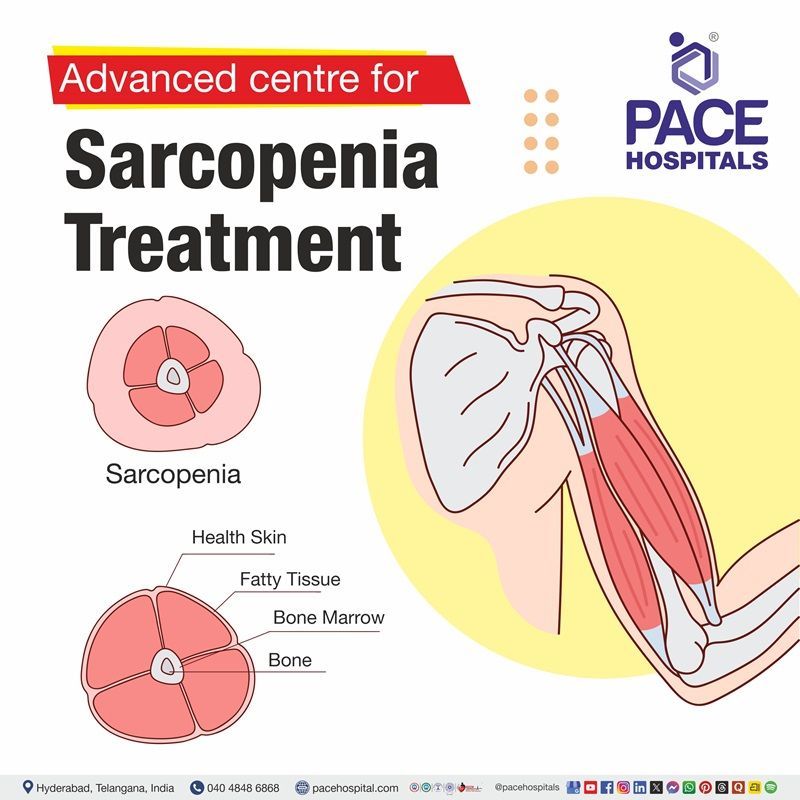
A person with sarcopenia may appear thinner or frailer due to loss of muscle mass. There is visible muscle wasting in the arms and legs, reduced strength, and difficulty with everyday activities like standing up, walking, or climbing stairs. Posture may also become slightly bent, causing the person to feel weaker or tire more quickly. However, these changes differ from person to person and may not be seen in the early phases.
Is Sarcopenia Treatment Covered by Insurance at PACE Hospitals?
Sarcopenia treatment may be partially covered under health insurance policies, depending on the associated conditions and treatment requirements. While lifestyle management and physiotherapy may not always be fully covered, diagnostic tests, hospital-based rehabilitation, and treatment of related medical conditions are often included under many insurance plans.
At PACE Hospitals, patients can benefit from:
- Cashless hospitalization facilities with empaneled insurance providers
- Assistance from a dedicated insurance and TPA coordination team
- Pre-authorization support and documentation guidance
- Transparent cost estimates before treatment initiation
- Support for government health schemes where applicable
Coverage depends on rehabilitation coverage clauses, outpatient benefits, sum insured limits, and policy inclusions. Patients are encouraged to share insurance details in advance so the hospital’s insurance desk can verify eligibility and guide them accordingly.


