Affordable Varicose Vein Surgery Cost in Hyderabad, India
PACE Hospitals
All You Need To Know About Varicose Veins Surgery
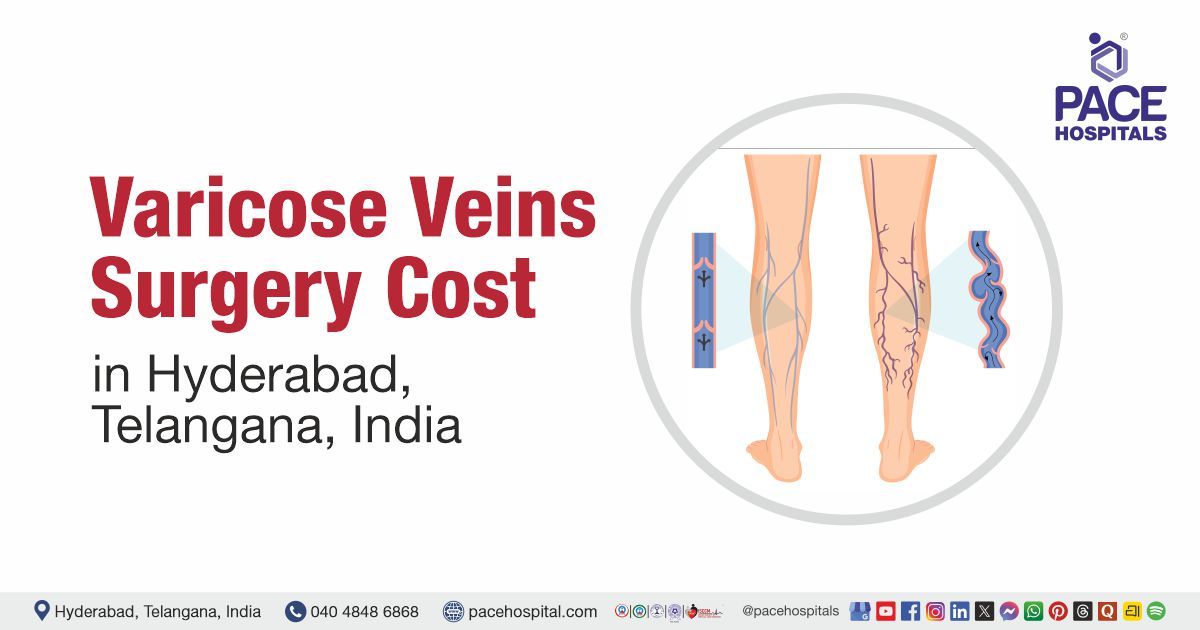
Varicose veins surgery is a procedure to close or remove swollen, twisted veins in the legs that develop when the valves that control blood flow do not function properly.
- The surgery relieves leg discomfort and helps restore healthier blood flow by closing or removing the affected veins.
- The type of procedure recommended depends on the size, location, and severity of the varicose veins.
- The goal is to treat symptomatic varicose veins that cause pain, edema, heaviness, or skin changes in addition to affecting the appearance of the legs and overall vein health.
Get a Cost Estimate for Varicose Veins Surgery
Varicose Veins Surgery Cost Query
Varicose Veins Surgery Cost in India
On average, Varicose Veins Surgery cost in India ranges from ₹ 50,000 to ₹ 1,50,000 and above (approximately US $526 to US $1,577). However, the actual cost may vary depending on several factors, including:
- Severity and size of varicose veins (varicose veins in a single vein, multiple veins, or chronic venous insufficiency)
- Type of treatment or surgical technique
- Number of veins treated and number of legs to be treated
- Patient's age, general condition, and comorbidities
- Type of hospital (private, corporate, multi-specialty or trust hospitals)
- Fees related to the hospital (fees for different room categories)
- Type of anesthesia and proficiency of the surgical team
- Pre‑operative evaluations, consumables used during surgery, duplex ultrasound mapping post‑operative care requirements
- Use of advanced technology or special instruments during varicose veins surgery
- Insurance approval or cashless treatment by corporate organizations
Varicose Veins Surgery Cost in Hyderabad, Telangana
On average, Varicose Veins Surgery cost in Hyderabad ranges from ₹ 80,000 to ₹ 1,45,000 and above (approximately US $958 to US $1,737). These rates offer a competitive and cost effective option compared to other top hospitals in the city, with advanced surgical care and personalized treatment planning readily available.
However, the cost of Varicose Veins Surgery in Hyderabad is influenced by several factors, such as:
- The severity and extent of the varicose veins being treated
- The type of procedure performed (such as vein stripping, sclerotherapy, radiofrequency ablation, endovenous laser treatment, or other methods)
- The hospital facilities and infrastructure selected
- The interdisciplinary vascular care and surgeon experience
- Corporate approval or insurance coverage for cashless care
- The degree of pre-operative testing and post-operative monitoring
- Whether one or both legs, and how many veins, need treatment
- Possible complications that could arise during or following the surgery
Cost Breakdown According to Type of Varicose Veins Surgery
- Foam Sclerotherapy – ₹30,000 - ₹50,000 (US $314 – US $524) (approx.)
- Varicose Vein Laser Surgery/Endovenous Laser Ablation (EVLA) – ₹60,000 - ₹1,20,000 (US $629 – US $1,258) (approx.)
- Radiofrequency Ablation (RFA) – ₹50,000 - ₹1,35,000 (US $524 – US $1,415) (approx.)
- Surgical Varicose Vein Stripping/Ligation – ₹40,000 - ₹1,10,000 (US $419 – US $1,153) (approx.)
- Ambulatory Phlebectomy / Microphlebectomy – ₹45,000 – ₹90,000 (US $470 – US $940) (approx.)
- VenaSeal Closure System (Medical Glue Procedure) - ₹95,000 - ₹1,50,000+ (US $996 – US $1,572+) (approx.)
Note: These are estimates that may vary depending on your surgeon's usual practice pattern. The vascular surgery team thoroughly evaluates each patient to determine the exact cost. The assessment will be based on the severity of the venous condition, the number and size of the affected veins, the surgical procedure used, and the presence of other medical illnesses.
Additional Information: The type of procedure carried out, the size and complexity of the varicose veins, the number of treatment sessions needed, the type of anesthesia used, hospital or daycare facility charges, preoperative diagnostic tests (like duplex ultrasound), postoperative compression therapy, and the experience and skill of the vascular surgeon are some of the factors that can affect the cost of varicose veins surgery. This guarantees that every patient receives a transparent cost estimate based on their specific clinical requirements, as well as a customized treatment plan.
Breakdown of Varicose Veins Surgery Costs
The number of veins treated, the severity of the condition, the treatment method (EVLA, RFA, Foam Sclerotherapy, VenaSeal, or Surgical Ligation and Stripping), and the patient's general health all affect the cost of varicose veins surgery. The costs usually related to varicose veins surgery are broken down in detail below:
Pre-Surgery Costs
- Consultation Fees: Consultation fees charged by vascular surgeons or interventional specialists vary and depend on the doctor's experience and the hospital's equipment.
- Diagnostic Tests: These include blood tests, clinical evaluation, and Duplex Ultrasound of the leg veins (venous Doppler study) to assess the degree of venous insufficiency and decide the best course of action.
- Routine Pre-Operative Tests (for Anesthesia): It consists of Complete Blood Count (CBC), Blood Sugar Levels, Kidney Function Test (KFT), Liver Function Test (LFT), Electrocardiogram (ECG), coagulation test profile (PT/INR, aPTT), and other tests necessary to determine whether the patient is fit for surgery or anesthesia.
- Pre-Surgical Screening Including Medical History and Physical Examination: Involves a detailed examination of symptoms, history of venous problems, clot formation, drugs taken, allergies, and general health condition to ensure suitability for the planned procedure.
Varicose Veins Surgery Costs
- Hospitalization Charges: The fees involved for either inpatient admission or daycare, which include fees for room, nursing care, and other hospital facilities. In a few exceptional cases, ICU fees would also apply if intensive observation is required.
- Surgical Procedure Costs: Expenses related to the type of surgical procedure opted for by the patient, such as Foam Sclerotherapy, VenaSeal Closure System, Ambulatory Phlebectomy, Endovenous Laser Ablation (EVLA), Radiofrequency Ablation (RFA), or Surgical Vein Ligation & Stripping.
- Operating Room and Medical Equipment Charges: The costs involved with the operating room, laser/radiofrequency machine, ultrasound imaging, disposable catheters, fibers, medical glue, and other specialized equipment utilized during the treatment procedure.
- Anesthesia and Medical Team Fees: The charges for local anesthesia, sedation, spinal anesthesia, or general anesthesia (as per requirements), as well as the salaries paid to anesthetists, surgeons, nurses, and other medical professionals.
Post-Surgery Care Costs
- Post-Operative Monitoring: Fee for observing the patient immediately in the recovery room and checking vital signs and assessments after the operation.
- Hospital Stay: Costs associated with the recovery period after the procedure, where it will be either an overnight stay or discharge, according to the procedure type and individual circumstances.
- Compression Stockings and Supportive Care: Medical-grade compression stockings and any other support needed to enhance recovery and effectiveness of treatment.
- Follow-Up Visits and Ultrasound Assessments: Regular follow-up appointments, along with repeated use of the Duplex Ultrasound if needed, for the purpose of monitoring the closure of veins and the rate of healing, as well as any complications.
- Medications: Expenses on prescribed painkillers, antibiotics, anti-inflammatory drugs, and other medications.
The cost structure ensures transparency and helps patients budget for Varicose Veins Surgery. By offering customized cost estimates depending on each patient's medical condition, PACE Hospitals in Hyderabad ensures high-quality, affordable, and evidence-based care.
Who Needs Varicose Veins Surgery?
Surgery for varicose veins does not have to be performed on all patients with varicose veins. Surgery is usually considered only for patients with varicose veins that have remained symptomatic despite all non-surgical treatment measures or those whose symptoms have affected their normal lifestyle and quality of life.
Common Conditions Indicating the Need for Surgery:
- Persistent Symptomatic Varicose Veins: Distended, enlarged veins that lead to persistent leg symptoms such as discomfort, feeling heavy, pain, or fatigue despite nonsurgical treatment.
- Leg Pain, Swelling, or Cramping: Recurrent pain, swelling, throbbing, burning sensation, or cramping at night related to varicose veins.
- Skin Changes or Venous Ulcers: Skin discoloration, thickening of the skin, eczema, or ulcers on the ankles that occur due to venous insufficiency for a prolonged period.
- Bleeding Varicose Veins: Blood-filled Varicose veins that may rupture and bleed because of high pressure and weak walls of the veins.
- Recurrent Superficial Thrombophlebitis: Chronic inflammation or thrombosis in superficial vessels resulting in symptoms of pain and erythema(redness).
- Chronic Venous Insufficiency: Impaired circulation in the leg veins causing chronic edema, ulcers, and other manifestations requiring intervention.
- Cosmetic and Psychological Concerns: Varicose veins greatly impair patient self-image or quality of life after consultation with a vascular surgeon.
- Failure of Conservative Management: Symptoms persisting or worsening despite appropriate conservative management and compression therapy.
Who is Not Eligible for Varicose Veins Surgery?
While varicose veins surgery is generally safe and effective, it may not be suitable for everyone. Surgery may be delayed, modified, or avoided in the following situations:
- Active Skin Infections or Leg Ulcers with Infection: Surgery can pose a risk of complicating the wound healing process and may only be considered once the infection is under control.
- Uncontrolled Medical Conditions: People suffering from poorly controlled diabetes mellitus, heart disease, lung disease, bleeding disorders, or other significant diseases are considered high risk for surgery and anesthesia complications.
- Deep Vein Thrombosis (DVT) or Acute Blood Clots: People with active DVT and acute clotting disorders are generally not suitable candidates for surgery until the problem has been properly managed.
- Peripheral Arterial Disease (Poor Leg Blood Flow): Surgery on varicose veins is not advised in individuals with insufficient leg arterial supply, as their arteries may become even more compromised by removal or occlusion.
- Pregnancy: Varicose veins surgery, if elective, may need to be delayed in pregnant women as the hormonal fluctuations and increased blood flow caused by pregnancy may worsen varicose veins temporarily.
- Ongoing Lifestyle Factors: Smoking, obesity, being immobile for long periods, or failing to adhere to post-surgical instructions may increase the chances of developing complications and affect recovery outcomes.
- Unrealistic Expectations or Minimal Symptoms: Surgery may not be advised when varicose veins are mild and do not result in significant symptoms or complications, or when cosmetic expectations cannot be safely achieved
- Patients Unfit for Surgery or Anesthesia: For those who are medically unstable or cannot endure surgical treatments, conservative measures may be required instead of surgery.
To ascertain whether varicose veins surgery is appropriate and to ensure safe, successful treatment outcomes, a comprehensive evaluation by a Vascular Surgeon, including a clinical examination and Duplex Ultrasound of the leg veins, is crucial.
Varicose Veins Surgery – How is the Procedure Done?
Depending on the severity of the problem and the method selected, local, regional, or general anesthesia may be used for varicose veins surgery. The procedure steps typically include:
- Preoperative Evaluation: Leg vein clinical examination and duplex ultrasound to determine the exact veins that need treatment and the condition of blood flow.
- Treatment Planning: Determining the best treatment procedure, such as EVLA, RFA, foam sclerotherapy, VenaSeal closure, or ligation & stripping surgery.
- Vein Closure or Removal: Depending on the chosen method, the diseased vein may be physically removed, sealed with laser or radiofrequency energy, sealed with a medical adhesive, or injected with sclerotherapy.
- Monitoring and Dressing: To promote healing, compression bandages or stockings are worn while the treated area is checked for proper venous closure.
- Recovery: While more involved surgical procedures may necessitate a brief hospital stay, most of the minimally invasive procedures are performed as day-care procedures, allowing patients to return home the same day.
At PACE Hospitals, Hyderabad, a multidisciplinary team of Vascular Surgeons, Anesthesiologists, Radiologists, and nursing staff ensures safe Varicose Veins Surgery with comprehensive perioperative and post-procedure care.
Types of Varicose Veins Surgery
Depending on the severity of varicose veins, vein anatomy, symptoms, and the patient's overall health, various treatment approaches are employed. The treatment strategy and total cost are directly impacted by the chosen procedure:
- Foam Sclerotherapy: A minimally invasive treatment technique wherein a chemical foam solution is injected into the affected vein, which then collapses and eventually disappears. It is usually applied for small and medium varicose veins.
- Endovenous Laser Ablation (EVLA/EVLT): It involves inserting a laser fiber inside the affected vein by using thermal energy to seal it. It is one of the most common procedures done for varicose veins.
- Radiofrequency Ablation (RFA): Uses radiofrequency energy to heat and close the injured vein. It is less invasive and often causes less discomfort after the procedure.
- Surgical Vein Ligation and Stripping: In this conventional surgical method, the affected vein is tied off and removed by making small incisions. It may be recommended if varicose veins are severe or extensive.
- VenaSeal Closure System (Medical Adhesive Closure): This minimally invasive technique closes a damaged vein without the use of heat-based therapy by using a medical adhesive closure (glue).
- Microphlebectomy (Ambulatory Phlebectomy): Tiny punctures are used to remove small varicose veins close to the skin's surface. For optimal therapeutic and cosmetic outcomes, it is often paired with RFA or EVLA.
Note: The type of procedure, the severity of the venous illness, the number of veins to be treated, the need for anesthesia, hospital or daycare facility fees, and the need for combined surgeries can all affect the final cost. Simple sclerotherapy operations are typically less expensive than advanced treatments or multiple-vein interventions.
Post-Varicose Veins Surgery Care Tips
To encourage healing, lower complications, and enhance treatment success following varicose veins surgery, appropriate post-operative care is crucial:
- To monitor recovery and assess vein healing, it is advised to attend all scheduled follow-up consultations.
- Wearing compression stockings as prescribed is recommended to improve blood circulation and reduce edema.
- Regular walking is recommended after surgery to promote healthy blood flow and lower the risk of blood clots.
- It is advised to avoid extended sitting, standing, or leg crossing during the recuperation phase.
- Heavy lifting, high-impact exercises, and physically demanding activities should be avoided for 2 to 6 weeks, or as instructed by the surgeon.
- To lessen discomfort and swelling, it is advised to keep the treated leg up while at rest.
- It is recommended to take prescription drugs exactly as directed, including painkillers, antibiotics, and blood thinners.
- It is advised to adhere to the healthcare team's wound-care guidelines and keep incision areas dry and clean.
- Until the surgeon clears that healing is sufficient, it is recommended to stay away from hot baths, hot tubs, saunas, and swimming pools.
- It is advised to notify the treating physician right away if you experience symptoms like severe pain, growing swelling, redness, fever, bleeding, or shortness of breath.
Following these recommendations improves the long-term success of varicose veins surgery, facilitates a quicker recovery, and reduces the risk of complications.
Key Factors Influencing Varicose Veins Surgery Cost
Numerous factors can affect the total cost of treatment for varicose veins surgery. Patients can more efficiently manage their treatment costs when they are aware of these factors:
Pre-Surgery Evaluation
The total cost of treatment is influenced by comprehensive evaluations that include specialist consultations, physical examinations, Duplex Doppler ultrasounds, and other diagnostic testing.
Insurance Coverage
Out-of-pocket costs can be significantly reduced through the scope of health insurance coverage, cashless hospitalization benefits, and corporate healthcare approvals.
Hospital and Location
The hospital's reputation, facilities, and location can all affect treatment costs. Compared to smaller healthcare facilities, hospitals in larger cities frequently charge higher prices.
Post-Surgery Care
The overall cost of treatment includes wound care, compression stockings, prescription drugs, follow-up consultations, and recovery monitoring.
Complications During or After Surgery
The total cost may rise due to unanticipated issues such as bleeding, infection, deep vein thrombosis (DVT), nerve discomfort, or the need for additional treatments.
Surgeon Expertise
Because of their success rates, sophisticated training, and experience, highly skilled vascular surgeons and endovascular specialists may charge higher professional fees.
Surgical Technique
The total cost of treatment is greatly influenced by the type of procedure carried out, such as Endovenous Laser Ablation (EVLA), Radiofrequency Ablation (RFA), Foam Sclerotherapy, VenaSeal Closure System, MOCA (Mechanochemical Ablation), or traditional vein stripping surgery.
Travel and Accommodation
Patients travelling from distant states or cities may have to pay more for transportation, hotel, meals, and attendant accommodations.
Patient Health and Disease Severity
Treatment complexity and total cost can be influenced by factors such as age, general health, obesity, diabetes, circulation irregularities, the number of affected veins, and the severity of venous illness.
Number of Legs and Veins Treated
Due to the increased time and resources required for the surgery, treatment for both legs or many damaged veins is typically more expensive than treatment for just one leg or a single damaged vein.
Why Choose PACE Hospitals for Varicose Veins Surgery in Hyderabad, India?
PACE Hospitals, Hyderabad, is a trusted center for the diagnosis and treatment of varicose veins, offering advanced vascular care with a focus on patient safety and long-term outcomes:
- Experienced vascular surgeons, interventionalists, anesthesiologists, and dedicated nursing staff
- Latest technology for minimal invasive treatments for varicose veins using Endovenous Laser Therapy (EVLT), sclerotherapy, Radio Frequency Ablation (RFA), and surgical vein procedures
- Doppler ultrasound for precise treatment planning, vascular imaging facilities, and modern operating rooms
- To improve patient safety, preoperative assessments and thorough postoperative care
- Individualized treatments depending upon the severity of veins, symptoms and lifestyle requirements, as well as cosmetic considerations
- Clear cost calculations, insurance coverage, and cashless centers with renowned insurance providers
- Concentrating on rapid recovery, less pain after the treatment, less scarring and better quality of life
For patients searching for the Best Varicose Veins Surgery Hospital in Hyderabad, Telangana, India, PACE Hospitals offers expert vascular care, advanced treatment options, competitive costs, and safe clinical outcomes.
Financial Assistance and Payment Plans at PACE Hospitals
Varicose Veins Surgery should be accessible without financial stress. Our team assists patients with insurance approvals and cashless treatment support.
- Cashless hospitalization for eligible varicose veins surgical operations using Third-Party Administrators (TPAs) and empanelled insurance providers.
- Help with insurance paperwork, pre-authorization requests, and admission procedures to streamline the course of treatment.
- Assistance with reimbursement and advice for patients whose insurance plans do not provide cashless treatment options.
- Transparent pre-admission cost estimates based on the suggested technique, such as surgical vein ligation and stripping, foam sclerotherapy, radiofrequency ablation (RFA), or endovenous laser ablation (EVLA).
- When appropriate, assistance with government healthcare programs and company health insurance plans to lower out-of-pocket costs.
- Committed insurance coordination and billing teams to support patients and their families during treatment.
Success Rate of Varicose Veins Surgery
The success rate of modern varicose veins treatment (especially laser and radiofrequency procedures) is high, with many studies reporting initial vein closure rates around 90%–98% for suitable veins. However, these numbers vary by technique, vein size and location, and patient factors, so they should not be seen as a single fixed success rate for all varicose veins surgeries.
- Reduced leg pain, heaviness, and swelling
- Improvement in blood flow and venous performance
- Improvement in physical appearance with reduced varicose veins
- Improvement in mobility and overall quality of life
- Prevention of complications, including skin discoloration, recurring vein-related symptoms and venous ulcers
Long-term success depends upon staying healthy and physically active, wearing compression stockings if required, controlling weight, and scheduling follow-up appointments. Although the treated vein usually stays closed, new varicose veins or reflux can develop over time.
Frequently Asked Questions (FAQs) on Varicose Vein Surgery
What are the different types of Varicose Veins Surgery?
Several treatment techniques can be adopted depending on the size, type, and condition of the diseased veins. These include Endovenous Laser Treatment (EVLT), Radiofrequency Ablation (RFA), sclerotherapy, ambulatory phlebectomy, and vein ligation and stripping.
Which Varicose Veins treatment is most cost-effective?
The most economical choice still depends on vein severity, body structure, and local treatment expenses. However, minimally invasive procedures like EVLT and RFA are often cost-effective for many patients, as they offer high success rates, rapid recovery, and long-lasting symptom relief.
Is hospitalization required for Varicose Veins Surgery?
Modern techniques such as Endovenous Laser Therapy (EVLT) and Radiofrequency Ablation (RFA) are performed as day-care procedures. The patients can leave the hospital on the same day of surgery, while others may require short observation depending on their overall health and treatment complexity.
How long is the recovery period after Varicose Veins Surgery?
In general, recovery is rapid, particularly following minimally invasive procedures. In a few days, most patients can resume their daily activities, and in 1 to 2 weeks, they can return to their regular jobs. Over several weeks, full recovery and symptom improvement may continue.
What is the success rate of varicose veins surgery?
Varicose veins surgery has a high success rate, frequently exceeding 90% in well-chosen patients. Most people report significantly reduced symptoms, enhanced quality of life and improved leg function. Long-term outcomes are excellent with proper follow-up care.
Can Varicose Veins return after surgery?
New varicose veins may appear over time as a result of underlying venous illness, genetics, ageing, or lifestyle factors, even though treated veins often do not recur. Maintaining a healthy weight, being physically active, and following medical advice may all help lower the chance of recurrence.
What are the benefits of treating Varicose Veins early?
In addition to reducing the risk of complications such as skin changes, venous ulcers, bleeding, and blood clots, early therapy may help alleviate symptoms such as pain, swelling, and leg fatigue. Additionally, mobility, appearance, and general quality of life can all be enhanced by prompt intervention.
What is the expected life expectancy after Varicose Veins Surgery at PACE Hospitals, Telangana, India?
Varicose veins surgery is typically not associated with changes in life expectancy. When administered for the appropriate indications, treatment helps prevent issues, reduce symptoms, and enhance venous circulation. Most patients can expect to keep a normal life expectancy and enjoy a better quality of life after receiving appropriate therapy.
What is Varicose Veins Surgery?
Varicose veins surgery is a collection of techniques used to treat swollen, twisted, or malfunctioning veins—most frequently in the legs. Sclerotherapy, radiofrequency ablation (RFA), endovenous laser treatment (EVLT), and surgical vein removal are among the available treatments. The goal is to improve blood circulation, relieve symptoms, and prevent complications.
How much does Varicose Veins Surgery cost in Hyderabad, India?
The cost for Varicose Veins Surgery in Hyderabad typically ranges from ₹80,000 to ₹1,45,000 and above (approximately US$958 to US$1,737), depending on the procedure used, the severity of the disease, the duration of hospitalization, and patient-specific requirements. An assessment is needed to determine the exact costs.
What factors influence the cost of Varicose Veins Surgery?
The total cost may be affected by several factors such as the type of the procedure, the degree of venous involvement, diagnostic tests before surgery, the need for anesthesia, the hospitalization duration, the surgeon's experience, and follow-up care after surgery. Insurance coverage may also affect out-of-pocket expenses.
Does insurance cover Varicose Veins Surgery at PACE Hospitals, Hyderabad, India?
Insurance coverage may be available when Varicose Veins Surgery is performed as an essential procedure due to symptoms such as pain, swelling, ulcers, or poor blood circulation in the veins. It depends on the patient's health insurance policy. The hospital team assists with cashless and reimbursement processes whenever applicable.
How long does Varicose Veins Surgery take?
Most Varicose Veins treatment through minimally invasive procedures will take between 30 and 90 minutes. The specific time is based on the number of veins being treated, the complexity of the condition, and the procedure chosen to treat the Varicose Veins. Patients can usually resume normal activities soon after treatment.
Is Varicose Veins Surgery painful?
Local anesthesia, sedation, or general anesthesia may be utilized depending on the treatment. Varicose vein surgery is often well-tolerated. After treatment, there may be minor soreness, bruising, or tightness, but these side effects usually resolve in a few days and can be managed with prescription drugs.
Share on
Request an appointment
Fill in the appointment form or call us instantly to book a confirmed appointment with our super specialist at 04048486868
Appointment request - health articles
Recent Articles