Role of Stents in Heart Treatment: What Every Patient Should Know

PACE Hospitals
Listen to
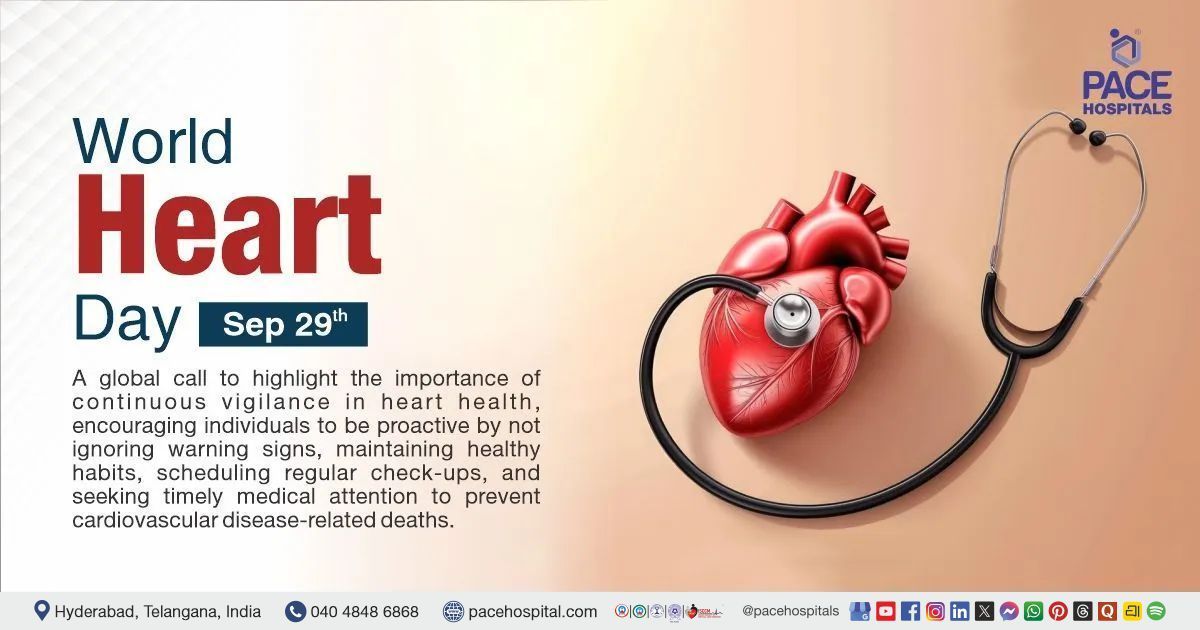
Coronary stents are small tubes that can be expanded and are put into blocked heart arteries to keep them open and make sure the heart muscle gets enough blood. People often use them when fatty deposits build up in the walls of arteries. This can make the arteries smaller and cause symptoms like angina and shortness of breath, or even a heart attack. You don’t need to have open-heart surgery because the stent is inserted through a small opening in the wrist or groin. Patients can choose between bare-metal stents and drug-coated stents, which are meant to lower the risk of the arteries getting blocked again. Patients can be more involved in their heart care if they know how the stenting process works, what to expect during recovery, and what steps to take to stay safe.
In this episode of the Role of Stents in Heart Treatment podcast, we explore the fundamentals of cardiac stent placement, including the various types of stents available, the angioplasty procedure, when stenting is recommended versus other treatment options, potential risks and complications, the importance of post-procedure medications like blood thinners, lifestyle modifications needed after stent placement, and long-term outcomes for patients who receive cardiac stents.
Join the PACE Hospitals Podcast with Dr. Seshi Vardhan Janjirala, Consultant Interventional Cardiologist and specialist in Endovascular Procedures at PACE Hospitals, Hitech City, Hyderabad, India, to understand what every patient should know about cardiac stents—from the decision-making process and procedure details to recovery guidelines and maintaining optimal heart health after stent placement.
Share on
Request an appointment
Fill in the appointment form or call us instantly to book a confirmed appointment with our super specialist at 04048486868
Appointment request - health articles
Recent Articles