Sarcopenia: Symptoms, Causes & Treatment
PACE Hospitals
Written by: Editorial Team
Medically reviewed by: Dr. Mounika Jetti - General Physician and Diabetologist
Overview | Prevalence | Types | Symptoms | Causes | Risk Factors | Complications | Diagnosis | Treatment | Prevention | Sarcopenia vs Atrophy | FAQs | When to consult a Doctor
Sarcopenia definition
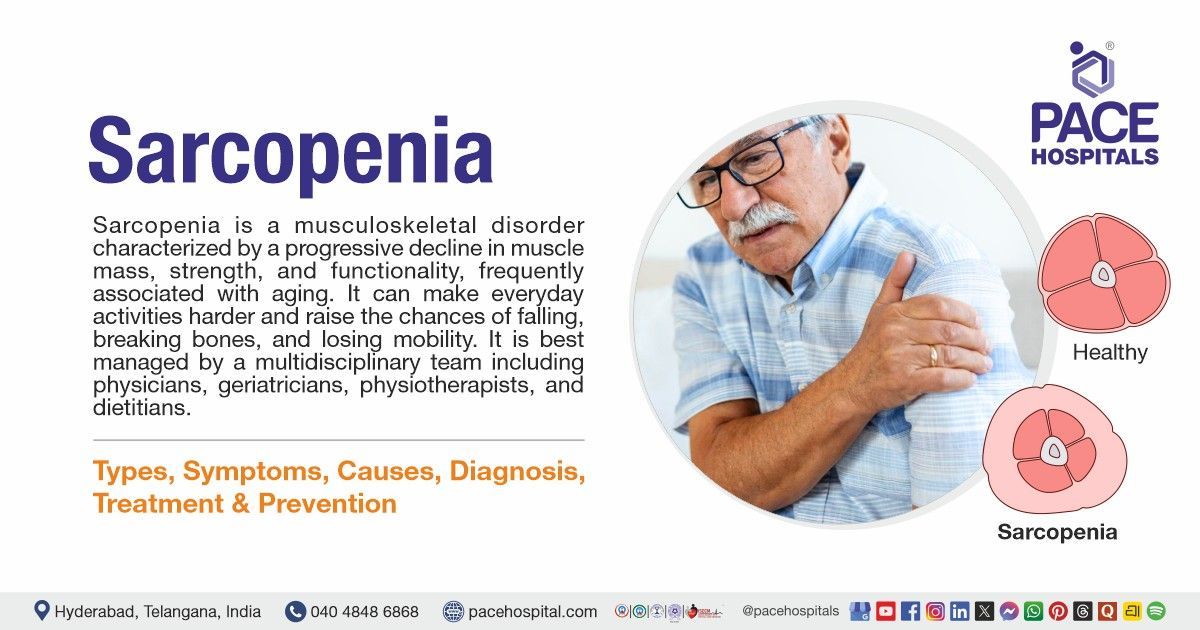
Sarcopenia is a musculoskeletal disorder characterized by the progressive decline in muscle mass, strength, and function, often associated with ageing. As muscles get weaker over time, people may find it harder to do everyday tasks, move around, and be more likely to fall and break bones. The symptoms include muscle weakness, reduced endurance, and a noticeable decrease in muscle size. Individuals may also experience difficulty with balance, frequent falls, and a general decline in physical performance
The causes of sarcopenia are multifactorial, including ageing, changes in hormones, physical inactivity, poor nutrition, and chronic inflammation. Medical conditions such as diabetes, heart disease, and neurological disorders can also have an effect on it. The condition can lead to complications such as frailty, falls, fractures, disability, and a decreased ability to recover from surgery or illness.
Sarcopenia is best managed by a multidisciplinary team including a general physician, geriatrician (a physician who specializes in the care and treatment of elderly patients), physiotherapists, dietitians, and sometimes endocrinologists or exercise specialists.
Sarcopenia meaning
The word sarcopenia originates from two Greek words:
- "Sarx" meaning flesh or muscle.
- "Penia" meaning deficiency or loss.
Thus, sarcopenia refers to the loss of muscle mass and strength, typically associated with ageing.
Prevalence of Sarcopenia
Prevalence of sarcopenia worldwide
Sarcopenia affects around 10 %–16 % of the elderly population worldwide, although estimates vary based on the diagnostic criteria and study population. The reported prevalence ranges from roughly 10 % to 27 % in adults aged ≥60 years in many studies, with higher rates seen in specific regions or settings and when different consensus definitions are used. Overall, sarcopenia is a common condition in older adults globally, and its prevalence increases with age and in certain patient groups.
Prevalence of sarcopenia in India
In India, the prevalence of sarcopenia varies widely across populations and diagnostic criteria. Studies done in communities show that about 10% of the general population and 14.2% of people over 60 are affected. For some older Indian groups, estimates say that the prevalence could be anywhere from 14% to almost 40%.
Sarcopenia Types
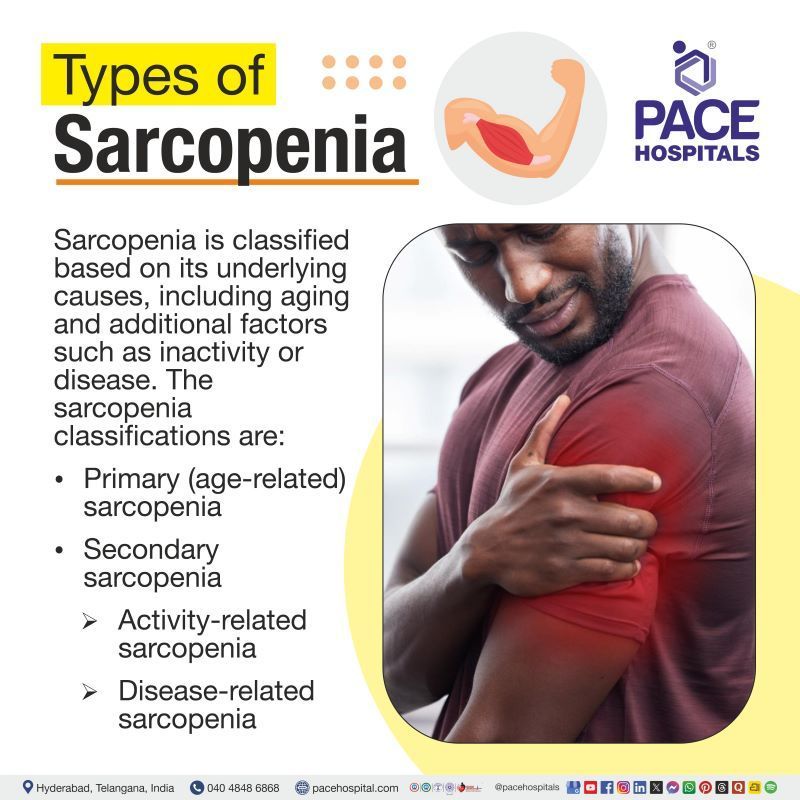
Sarcopenia is classified based on its underlying causes, including aging and additional factors such as inactivity or disease. The sarcopenia classifications are:
- Primary (age-related) sarcopenia
- Secondary sarcopenia
- Activity-related sarcopenia
- Disease-related sarcopenia
Primary (age-related) sarcopenia
This form of sarcopenia is largely attributed to the natural ageing process, in which muscle mass, strength, and function decline over time without an underlying medical condition. It commonly occurs in older adults, with muscle loss gradually increasing as they age. Hormonal changes, decreased physical activity, and changes in muscle metabolism contribute significantly to this type.
Secondary sarcopenia
This type of sarcopenia is caused by identifiable external factors, including diseases or lifestyle choices that exacerbate muscle loss. It is further divided into:
Activity-related sarcopenia
This is a condition where there is a loss of muscle mass, strength, and function, mainly due to low physical activity or prolonged inactivity. This form is more common in individuals with limited mobility, like those recovering from surgery or dealing with chronic conditions.
Disease-related sarcopenia
Disease-related sarcopenia is the loss of muscle mass, strength, and function that occurs due to underlying medical conditions, rather than just aging or inactivity. Chronic diseases, such as organ failure, cancer, inflammatory disease conditions, or endocrine disorders, contribute to muscle wasting. These conditions affect muscle metabolism, inflammation, and nutritional intake, making the body more susceptible to muscle loss.
Sarcopenia Symptoms
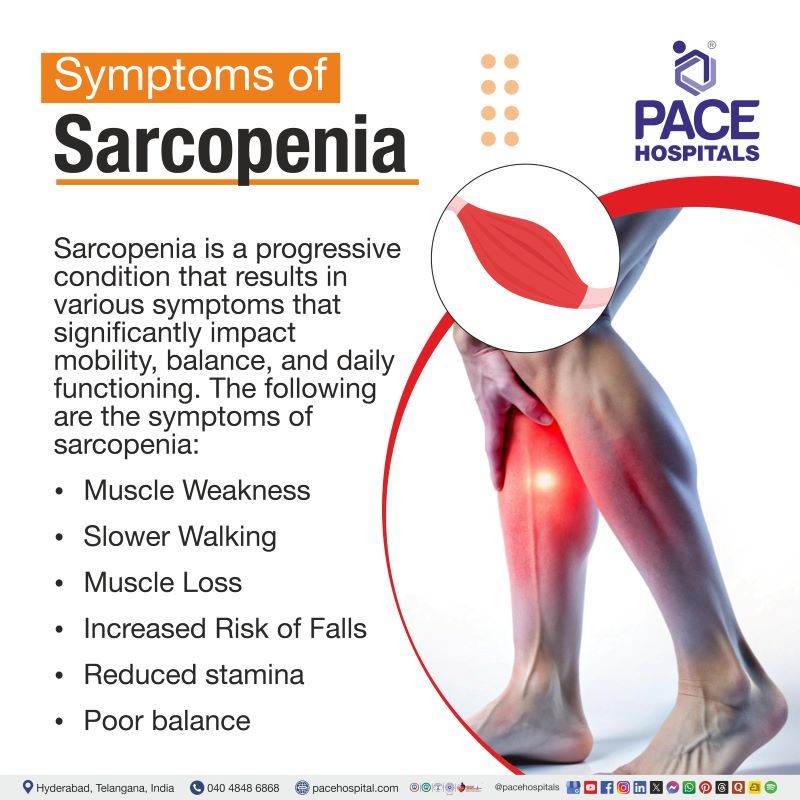
Sarcopenia is a progressive condition that results in various symptoms that significantly impact mobility, balance, and daily functioning. The following are the symptoms of sarcopenia:
- Muscle Weakness
- Slower Walking
- Muscle Loss
- Increased Risk of Falls
- Reduced stamina
- Poor balance
Muscle Weakness: As sarcopenia gets worse, people notice that their muscles are getting weaker, especially in their arms and legs. Everyday activities like lifting things or climbing stairs become more challenging. The muscle loss leads to a noticeable decrease in strength, making physical exertion more challenging. Over time, this weakness may affect one's ability to perform basic movements.
Slower Walking: A slower walking speed is one of the main signs of sarcopenia. People have a harder time walking at their normal pace as their muscle mass decreases, which often makes it hard for them to keep up with others. This slower movement is due to weak muscles and reduced coordination, making walking difficult and less effective. This symptom can increase the risk of falling, particularly in older adults.
Muscle Loss: Muscle loss or atrophy is a common sign of sarcopenia. As muscles shrink, they generally get smaller, particularly in the arms, legs, and core. This can make the body look thinner or weaker. Less muscle mass makes it harder for the body to perform physical tasks, so it has to rely more on other systems for movement.
Increased Risk of Falls: As muscle strength and balance decline, the risk of falls increases significantly. Reduced muscle strength and impaired coordination make it difficult to maintain stability while standing or walking. Even small missteps can result in falls, and recovery becomes harder due to weakened muscles, making daily activities riskier for those with sarcopenia.
Reduced stamina: People with sarcopenia often have less energy and get tired more easily. Less muscle mass makes it unable to do activities like walking or climbing stairs for long periods of time. This lack of energy affects both physical and mental health, making it harder to do things.
Poor balance: Sarcopenia causes muscle loss and weaker postural control, making it harder to maintain balance while doing things like walking or standing. This makes it more likely that people will fall and makes it harder to do things that need coordination, like driving or working out.
Sarcopenia Causes
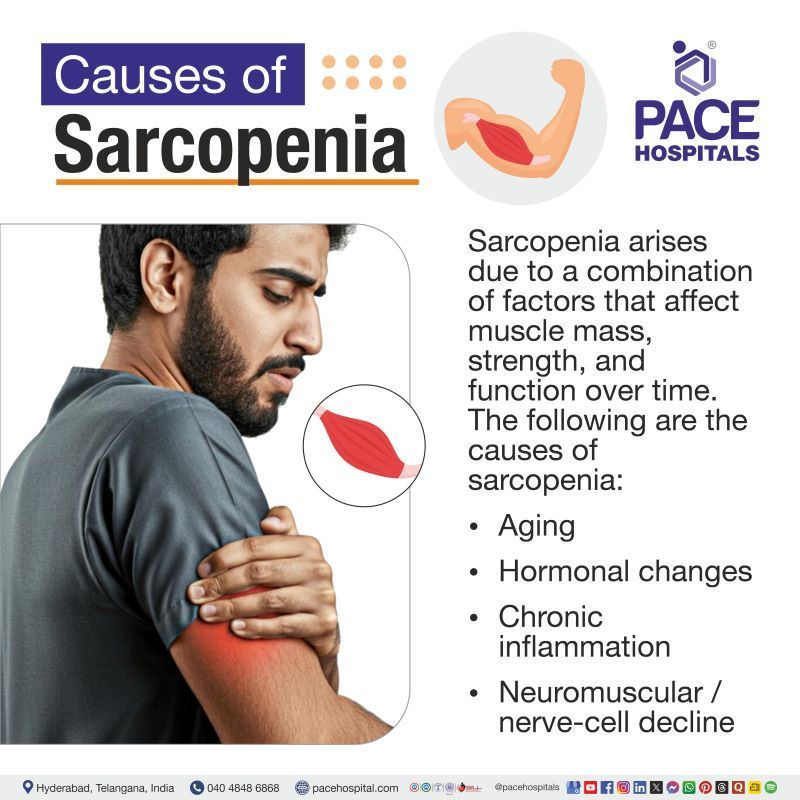
Sarcopenia arises due to a combination of factors that affect muscle mass, strength, and function over time. The following are the causes of sarcopenia:
- Aging
- Hormonal changes
- Chronic inflammation
- Neuromuscular / nerve-cell decline
Aging: As ageing occurs, muscle fibers undergo changes, and there is a decline in growth hormone, leading to muscle loss. Maintaining muscle mass and strength becomes more difficult as the body's capacity to repair and regenerate muscle tissue declines. Frailty and decreased physical performance result from this gradual deterioration in muscle function.
Hormonal changes: Muscle growth and repair depend on hormones. Sarcopenia develops as a result of a natural decline in muscle mass and strength brought on by a decrease in hormone levels with age. Daily tasks become more challenging as a result of this loss of muscle function, which impacts overall physical abilities. Reduced muscle strength also raises the risk of falls and mobility issues in older people.
Chronic inflammation: Chronic inflammation is most commonly seen in conditions like rheumatoid arthritis, which causes muscle breakdown. Inflammatory cytokines interfere with muscle repair processes, contributing to muscle loss and weakness over time.
Neuromuscular / nerve-cell decline: Diseases like
Parkinson's or
Alzheimer's can impact the nervous system, affecting the signals between nerves and muscles. This disrupts normal muscle function, leading to muscle weakness and atrophy.
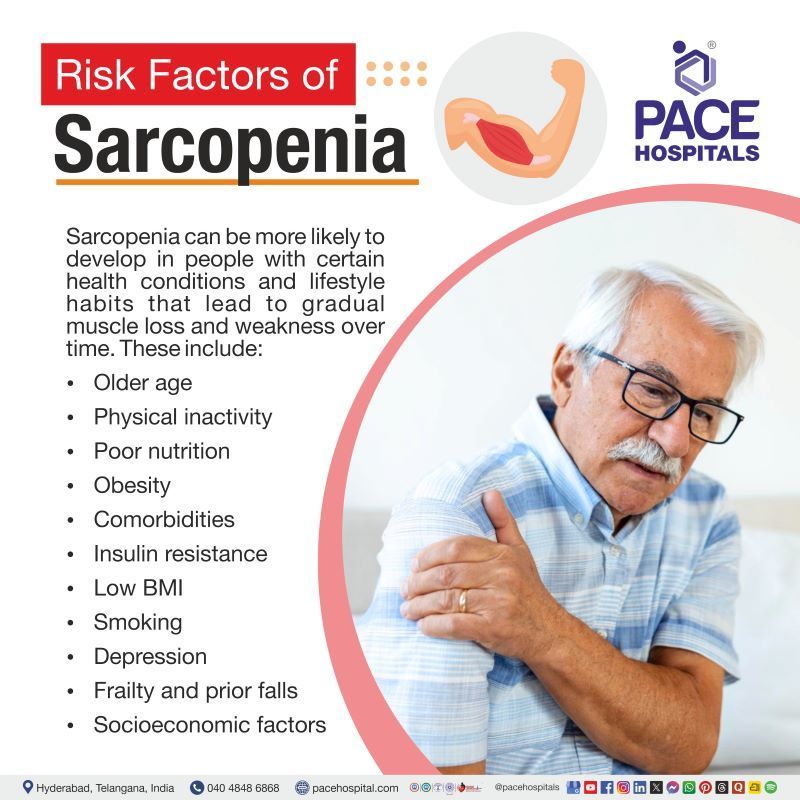
Sarcopenia Risk Factors
Sarcopenia can be more likely to develop in people with certain health conditions and lifestyle habits that lead to gradual muscle loss and weakness over time. These include:
- Older age
- Physical inactivity
- Poor nutrition
- Obesity
- Comorbidities
- Insulin resistance
- Low BMI
- Smoking
- Depression
- Frailty and prior falls
- Socioeconomic factors
Older age: Due to changes in muscle fibres, hormonal decline, and decreased physical activity, muscle mass naturally declines with age. Over time, this decline intensifies, raising the risk of sarcopenia in older adults. Additionally, the process of muscle regeneration slows down, which exacerbates frailty and general muscle loss.
Physical inactivity: Lack of physical activity or prolonged periods of immobility, such as during illness or recovery, can lead to muscle loss. Muscles atrophy when people don't use them or take care of them regularly.
Poor nutrition: Inadequate intake of essential nutrients, such as protein, can result in muscle degradation. Malnutrition or low-calorie diets impair the body's ability to maintain and build muscle tissue, making sarcopenia more likely.
Obesity: While obesity may seem unrelated to muscle loss, excess body fat often contributes to reduced physical activity and increased inflammation. This can make muscles break down faster. The extra weight also puts more stress on the muscles, increasing the risk of muscle weakness and imbalance.
Comorbidities: Conditions such as diabetes, heart disease, and cancer can lead to muscle wasting due to inflammation, poor circulation, and reduced physical activity. These diseases often lead to increased protein breakdown and decreased muscle protein synthesis.
Insulin resistance: Muscle protein synthesis is restricted by insulin resistance, which is frequently observed in people with type 2 diabetes or metabolic syndrome. It makes it more difficult for the body to acquire and maintain muscle mass. Insulin resistance raises the risk of sarcopenia and encourages muscle atrophy over time.
Low BMI: Lack of adequate muscle mass and total body weight is frequently indicated by a low body mass index (BMI). People with low BMI are more likely to lose muscle, particularly if their nutritional intake is insufficient. Additionally, a low BMI is associated with greater frailty and difficulty retaining muscle strength.
Smoking: Smoking accelerates muscle loss by promoting inflammation and impairing blood flow to muscles. Chemicals in cigarettes also reduce protein synthesis, which is important for muscle repair and growth. Smokers are more likely to experience muscle weakness and decreased mobility as a result.
Depression: Depression frequently results in decreased appetite and physical activity, both of which cause muscle loss. Long-term inactivity brought on by the psychological and emotional difficulties of depression can raise the risk of sarcopenia. Muscle atrophy may be made worse by depression's impact on the body's hormonal balance.
Frailty and prior falls: Frailty, which is often caused by weak muscles and loss of strength, increases the risk of future falls. People who have fallen in the past are more likely to get sarcopenia because of the injuries, less mobility, and physical decline that come with falling over and over again. Frailty and muscle weakness create a cycle that makes recovery more difficult.
Socioeconomic factors: These factors increase the risk of developing by limiting access to proper nutrition, health care, and physical activity. Limited income may lead to poor protein intake and malnutrition, while reduced access to medical care may delay treatment of underlying diseases.
Sarcopenia Complications
Sarcopenia can lead to several health complications if not identified and managed early. The progressive loss of muscle mass and strength affects physical function, mobility, and overall independence, increasing the risk of further medical problems and reduced quality of life. These complications of sarcopenia include:
- Increased Risk of Falls
- Frailty
- Disability
- Decreased Mobility
- Reduced Quality of Life
- Increased Mortality
- Metabolic Dysfunction
Increased Risk of Falls: Weak muscles and impaired balance make it difficult to maintain stability, increasing the risk of falls. Sarcopenia makes recovery from falls more difficult due to further muscle weakness. Falls can result in fractures, joint dislocations, and other serious injuries.
Frailty: Sarcopenia causes frailty, where individuals experience weakness and fatigue, making it difficult to perform everyday tasks. This results in reduced independence and a higher need for assistance. Frailty also increases the risk of adverse health outcomes and hospitalizations.
Disability: As muscle mass and strength decrease, individuals with sarcopenia may become permanently disabled. This affects their ability to live independently and perform daily activities, like dressing, cooking, and walking. Disability is often a consequence of prolonged muscle loss.
Decreased Mobility: Individuals with sarcopenia struggle with mobility due to muscle loss, which makes walking, standing, or climbing stairs even more difficult. Limited mobility restricts daily activities and may require the use of assistive devices. This gradually lowers physical independence.
Reduced Quality of Life: Sarcopenia reduces participation in social, physical, and recreational activities, which affects an individual's overall quality of life. This limitation may result in isolation, depression, and increased dependence on others. Reduced engagement in enjoyable activities further affects overall well-being.
Increased Mortality: The decline in muscle strength and function seen in sarcopenia is linked to an increased risk of mortality. This is mainly due to frailty-related complications and a greater susceptibility to other illnesses. Overall health deterioration associated with sarcopenia raises the risk of death, especially in older adults.
Metabolic Dysfunction: Sarcopenia can lead to metabolic alterations like insulin resistance, which alter the body's ability to regulate blood sugar levels. This increases the risk of developing diseases like diabetes and cardiovascular diseases. It also causes changes in body composition, leading to higher fat mass and reduced muscle mass.
Sarcopenia Diagnosis
The diagnosis of sarcopenia is based on assessing key factors, including muscle mass, strength, and physical performance. A complete evaluation helps to identify the presence and severity of the condition.
The following are the steps commonly included in the sarcopenia diagnostic criteria:
- Medical history
- Physical examination
- Muscle strength testing (e.g., Handgrip strength test, chair stand test)
- Physical performance tests (Short Physical Performance Battery (SPPB), Timed Up and Go (TUG) Test)
- Muscle mass measurement
- Bioelectrical Impedance Analysis (BIA)
- Imaging tests
- Dual-Energy X-ray Absorptiometry (DEXA)
- Magnetic Resonance Imaging (MRI)
- Computed Tomography (CT)
- Supportive tests
- Blood tests
- Inflammation markers
- Vitamin D Levels
- Serum albumin levels
Sarcopenia Treatment
The management of sarcopenia primarily involves non-pharmacological interventions. Pharmacological management is still under investigation, with ongoing research exploring potential therapeutic options. It includes:
Non-Pharmacological management
- Resistance exercise
- Nutritional supplementation
- Multicomponent Exercise Programs
- Lifestyle Modifications
Pharmacological management
- Hormonal therapy
- Myostatin Inhibitors
Medical Services at PACE Hospitals
Specialist Doctors Across Medical Disciplines
Diagnostic & Treatment Services
Clear Information on Care & Costs
24x7 Emergency & ICU Services
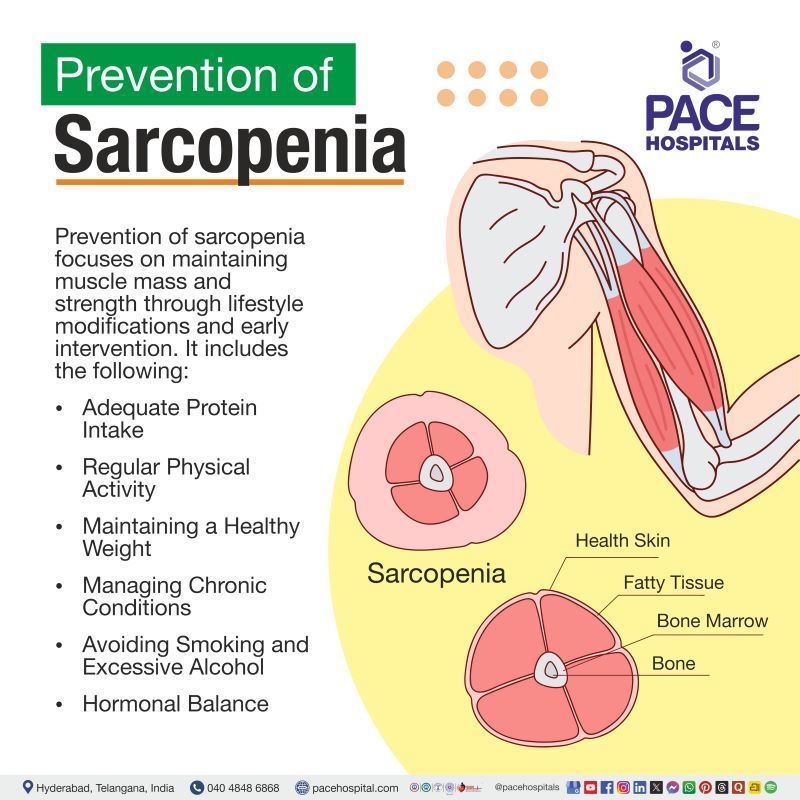
Sarcopenia Prevention
Prevention of sarcopenia focuses on maintaining muscle mass and strength through lifestyle modifications and early intervention. It includes the following:
- Adequate Protein Intake
- Regular Physical Activity
- Maintaining a Healthy Weight
- Managing Chronic Conditions
- Avoiding Smoking and Excessive Alcohol
- Hormonal Balance
Adequate Protein Intake: Consuming adequate protein, especially meat, fish, dairy, and legumes, is essential for muscle growth and repair. Older adults may require more protein to counter muscle loss. Ensuring daily intake supports muscle maintenance and helps prevent sarcopenia.
Regular Physical Activity: Regular exercise, especially resistance training and aerobic activities, helps to keep muscles strong and functioning well. Exercise helps muscles grow, making them stronger, more flexible, and more balanced. To keep muscles from getting weaker over time, it's necessary to be consistent.
Maintaining a Healthy Weight: Maintaining a healthy body mass index (BMI) decreases the strain on muscles and joints and helps in preventing muscle loss associated with excess fat. A balanced weight supports muscle health and overall mobility, reducing the risk of sarcopenia-related complications.
Managing Chronic Conditions: Measures to manage chronic diseases like heart disease, diabetes, and inflammation can help prevent sarcopenia from getting worse. Regular check-ups and treatment of these conditions help maintain muscle mass and function, reducing the effects of underlying health problems.
Avoiding Smoking and Excessive Alcohol: Avoiding smoking and drinking too much alcohol can help prevent muscle loss. Smoking and excessive alcohol use can speed up the loss of muscle strength and worsen sarcopenia. Making healthy choices can have a big effect on muscle health.
Hormonal Balance: Correcting hormonal imbalances, especially in older people, can help slow down the breakdown of muscles. People with low hormone levels may benefit from hormone therapies or supplements.
Difference between Sarcopenia and Atrophy
Sarcopenia vs atrophy
Sarcopenia and muscle atrophy are both conditions that involve loss of muscle mass and strength, but they differ in their causes and clinical context. Understanding the difference between the two is important because it helps in identifying the underlying reason for muscle loss and choosing the appropriate management approach. The following are the differences:
| Parameters | Sarcopenia | Atrophy |
|---|---|---|
| Definition | Sarcopenia is an age-related loss of muscle mass, strength, and function. It commonly affects older adults and leads to frailty. | Atrophy is the shrinkage of muscle tissue, often caused by disuse, injury, or illness. It can occur at any age and is typically reversible. |
| Cause | The main causes are ageing, hormonal changes, and physical inactivity, often exacerbated by chronic diseases are the causes. | These results from factors like immobilization, malnutrition, or neurological conditions are often temporary. |
| Symptoms | Muscle weakness, slow walking speed, muscle loss, fatigue, imbalance, and difficulty with daily activities. | Muscle shrinkage, weakness, decreased muscle size, tiredness, and difficulty completing certain actions involving the affected muscle area. |
| Diagnosis | Clinical assessments, muscle mass measurement (e.g., DEXA), and performance tests (e.g., short physical performance battery). | Physical examination, history of overuse, and very rarely imaging studies to assess muscle size or damage. |
| Treatment | Exercise, nutritional support, and physical therapy. Hormonal therapy or experimental medications may also be considered. | Physical therapy, exercise, and addressing underlying causes like injury or malnutrition. |
| Recovery Time | Recovery may take 3 to 6 months with regular exercise and nutritional support, but full recovery can be challenging, especially in advanced cases. | Recovery time is generally shorter; it can last from a few weeks to months, depending on the severity, cause and treatment adherence. |
Frequently Asked Questions (FAQs) on Sarcopenia
What is sarcopenia?
Sarcopenia is the progressive loss of muscle mass, strength, and function, commonly associated with ageing. It leads to a decline in physical performance, making daily activities more difficult and raising the risk of falls, disability, and reduced quality of life, especially in older adults. Sarcopenia is influenced by factors such as hormonal changes, physical inactivity, poor nutrition, and chronic diseases.
Who is at risk for sarcopenia?
Sarcopenia is more likely to happen to older people, especially those over 60, because they lose muscle as they get older. Individuals are at increased risk with a sedentary lifestyle, poor nutrition, chronic diseases (like diabetes or heart disease), and hormonal changes. Additionally, those with a history of smoking, excessive alcohol consumption, or prolonged periods of inactivity are more likely to develop sarcopenia.
Can exercise help reverse sarcopenia?
Yes, regular resistance training and aerobic exercises can slow or partially reverse sarcopenia by maintaining muscle mass and strength. Whereas complete reversal is challenging, exercise usually improves muscle function and overall mobility.
Is sarcopenia hereditary?
No, sarcopenia is not directly hereditary, but genetics can influence the risk of developing it. Some people may inherit traits that affect muscle mass, strength, metabolism, or how the body responds to ageing, which can make them more prone to sarcopenia. However, lifestyle factors such as physical activity, nutrition, and overall health play a much bigger role.
What is the difference between sarcopenia and muscle atrophy?
Sarcopenia is the progressive loss of muscle mass, strength, and function that occurs as people age and their hormones change. It mostly affects older people. Muscle atrophy, on the other hand, is when muscle tissue shrinks or breaks away. This can happen at any age and is usually caused by failing to use the muscles, getting injured, or having a medical condition. Sarcopenia is a condition that happens with age and usually cannot be fixed. However, muscle atrophy can often be fixed with the right treatment and rehabilitation.
Can sarcopenia be reversed?
No, sarcopenia can't be completely reversed, especially when it's advanced, but it can be managed and made better in some ways. Regular strength training and adequate protein intake can help rebuild muscle mass and strength. Exercise, good nutrition, and lifestyle changes can all help slow the progression of sarcopenia and improve physical function.
How to prevent sarcopenia?
Preventing sarcopenia includes regular resistance exercise and a balanced diet rich in protein and vitamin D. Quitting smoking and excessive alcohol intake and managing chronic conditions can also help maintain muscle mass and strength. Maintaining a healthy lifestyle and preventing prolonged periods of inactivity are key. Regular health check-ups and addressing hormonal imbalances can also play an essential role in prevention.
Does sarcopenia cause osteoporosis?
No, sarcopenia does not directly cause osteoporosis. But both conditions occur together, especially in older people, because they share risk factors such as ageing, physical inactivity, and hormonal changes. Sarcopenia causes muscle loss, while osteoporosis causes bones to get thinner. Sarcopenia doesn't cause osteoporosis, but the two can make it more likely to fall and break bones.
What are the early signs of sarcopenia?
Sarcopenia often develops slowly, so the early signs may be mild and easy to overlook. Common early indicators include muscle weakness, trouble doing everyday things such as lifting or climbing stairs, and getting tired more quickly. Individuals may also notice a decrease in walking speed and balance issues, which increase the risk of falls. Another early sign is a loss of muscle mass, especially in the arms and legs. This is often seen as muscles that are getting thinner or smaller.
What are the causes of sarcopenia?
The primary cause of sarcopenia is ageing, which leads to hormonal changes, decreased physical activity, and alterations in muscle metabolism. Other factors include poor nutrition, chronic diseases such as diabetes and cardiovascular disease, and inflammation, all of which contribute to muscle loss.
How does sarcopenia impact mobility and independence?
Sarcopenia can affect mobility and independence mainly by reducing muscle strength and physical performance, which are important for routine activities. As muscle mass decreases, simple movements like walking, climbing stairs, standing up from a chair, or carrying objects become more difficult. Reduced balance and slower walking speed also increase the risk of falls and fractures, which can further limit movement.
Over time, people may become less able to perform daily self-care activities such as bathing, dressing, cooking, and shopping without assistance. This can lead to increased dependence on family members or caregivers. In more advanced cases, sarcopenia can result in loss of independence, reduced quality of life, and a higher risk of hospitalization due to falls or complications related to immobility.
What is the best diet for preventing sarcopenia?
A balanced diet with high protein is essential for preventing sarcopenia, as it supports muscle growth and repair. Lean meats, eggs, fish, legumes, and dairy products are rich in protein. Vitamin D, calcium, and omega-3 fatty acids help maintain muscle and bone health. Maintaining hydration and consuming a variety of nutrient-dense foods helps overall health and muscle function.
How common is sarcopenia in older adults?
Sarcopenia is more common in older adults, affecting about 10% to 20% of individuals over the age of 60. Its prevalence increases with age, reaching up to 50% in those over 80. Factors like physical inactivity, chronic diseases, and poor nutrition can also increase its prevalence among the elderly.
What organ is affected by sarcopenia?
Sarcopenia primarily affects the musculoskeletal system, specifically skeletal muscles involved in movement, strength, and physical function. It results in a progressive decline in muscle mass and strength that impairs mobility and daily activities in older adults.
What is the prognosis for sarcopenia?
The prognosis of sarcopenia differs according to its severity and the rapidity of its management. It can progress more slowly with proper measures, like regular exercise, a healthy diet, and appropriate care of any underlying health issues. If left untreated, it may lead to frailty, increased risk of falls, disability, and reduced quality of life.
What is the difference between cachexia and sarcopenia?
The difference between Cachexia and Sarcopenia depends on their underlying cause and pattern. Sarcopenia develops gradually with ageing and decreased activity, resulting in the loss of muscle mass and strength. Cachexia happens with long-term illnesses like cancer or heart failure. Unlike sarcopenia, cachexia is not reversible and requires management of the underlying illness.
When to consult a doctor for sarcopenia?
Consult a doctor for sarcopenia if there is a noticeable decline in muscle strength, difficulty in performing daily activities, or frequent falls. Signs that indicate a need for medical assistance are:
- Progressive muscle weakness or loss of strength
- Difficulty in walking, climbing stairs, or getting up from a chair
- Frequent falls or loss of balance
- Unexplained weight loss or visible muscle wasting
- Fatigue and reduced physical endurance
If individuals have any of these symptoms, they should consult a sarcopenia doctor for proper evaluation and management of sarcopenia. Doctors such as geriatricians, orthopaedic specialists, or rehabilitation physicians may recommend tests to assess muscle mass and strength and guide appropriate sarcopenia treatment. Seek urgent medical care if there are repeated falls, sudden weakness, or inability to move, as these may increase the risk of serious injury or complications.
Share on
Request an appointment
Fill in the appointment form or call us instantly to book a confirmed appointment with our super specialist at 04048486868
Appointment request - health articles
Recent Articles