Central Nervous System (CNS) Vasculitis: Symptoms, Causes & Treatment
PACE Hospitals
Written by: Editorial Team
Medically reviewed by: Dr. S Pramod Kumar - Consultant Neurophysician & Neuromuscular Specialist
Overview | Epidemiology | Types | Symptoms | Causes & Risk Factors | Complications | Diagnosis | Treatment | Prevention | CNS vasculitis vs Lupus | FAQs | When to consult a Doctor
CNS vasculitis definition
Central nervous system (CNS) vasculitis is a rare, severe immune-mediated inflammatory disease of the blood vessels in the brain and spinal cord, leading to vessel wall damage, reduced blood flow, stenosis (narrowing), and blockage. It may occur on its own, called primary CNS vasculitis, or as part of other systemic diseases like lupus or rheumatoid arthritis. Common symptoms include persistent severe headaches, stroke-like symptoms, seizures, and confusion. It may also lead to vision problems, balance issues, fatigue, and sometimes fever.
The exact cause of the CNS vasculitis is unknown. Some of the factors, like autoimmune diseases, infections, cancers, or certain drugs/toxins, trigger inflammation and damage of cerebral blood vessels, reducing blood flow and leading to neurological symptoms. If left untreated, it can lead to ischemic stroke, intracerebral hemorrhage, chronic neurological deficits, cognitive decline or dementia, recurrent seizures, and, in severe cases, coma or death.
A rheumatologist specialised in immune-mediated diseases and a neurologist specialised in the nervous system are the specialists who can accurately diagnose and treat CNS vasculitis.
CNS vasculitis meaning
CNS vasculitis is derived from two words:
- “CNS” stands for Central Nervous System (brain and spinal cord).
- “Vasculitis” is derived from Latin vasculum (diminutive of vas, meaning "vessel") and itis from Greek called "inflammation”, which means inflammation of the blood vessel.
Thus, CNS vasculitis means inflammation of the blood vessels of the central nervous system.
CNS Vasculitis Epidemiology
CNS vasculitis epidemiology worldwide
Central nervous system (CNS) vasculitis is an uncommon disorder, with an estimated incidence of CNS vasculitis worldwide of about 2.4 cases per 10 lakh people per year. It can occur at any age, but it is most commonly seen in middle-aged adults between the ages of 40 and 60, and is seen more in men than women, according to some studies. Overall, due to its rarity and variable presentation, the true burden is likely underdiagnosed worldwide.
CNS vasculitis epidemiology in India
Vasculitis of the central nervous system is very uncommon in India, and there are no large population-based epidemiological studies available. Most data come from small hospital-based case series, indicating that the condition is uncommon and often underdiagnosed. Studies on vasculitis in India indicate a low frequency of CNS vasculitis among hospital admissions, and only limited CNS-specific cohorts have been reported from tertiary care centers.
CNS Vasculitis Types
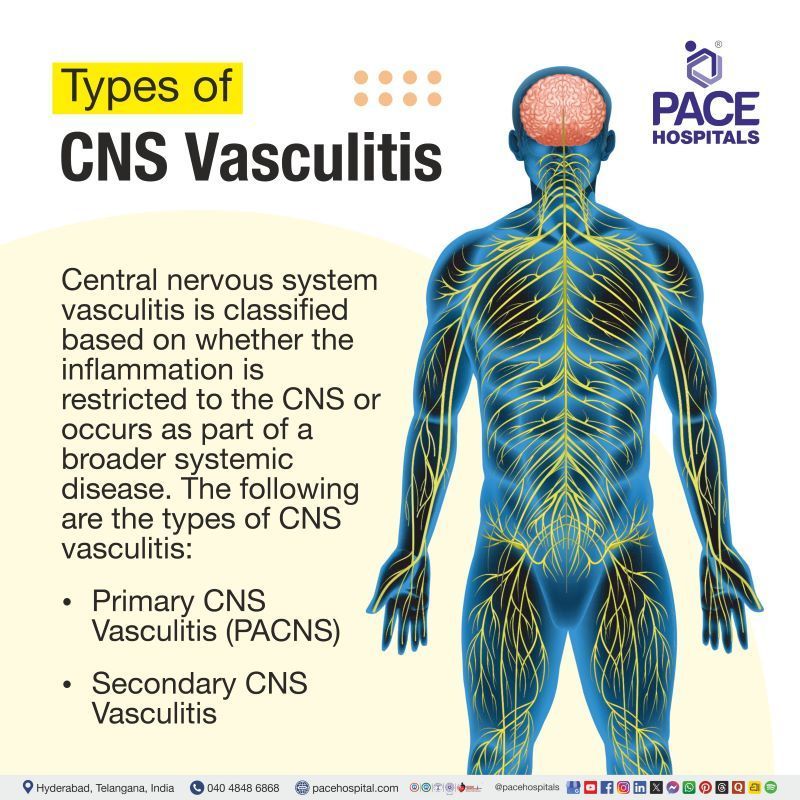
Central nervous system vasculitis is classified based on whether the inflammation is restricted to the CNS or occurs as part of a broader systemic disease. The following are the types of CNS vasculitis:
- Primary CNS Vasculitis (PACNS)
- Secondary CNS Vasculitis
Primary CNS Vasculitis (PACNS)
Primary CNS Vasculitis (PACNS) is also called primary angiitis of the CNS, which is a rare inflammatory condition that only affects the brain and spinal cord. It shows no signs of connective tissue disease or systemic vasculitis. In this condition, small and medium-sized cerebral vessels become inflamed, which can result in vessel narrowing, decreased blood flow, and potential ischemic injury or stroke. Although the exact cause is unknown, it is thought to be immune-mediated.
Secondary CNS Vasculitis
Secondary CNS vasculitis occurs when inflammation of the blood vessels in the brain happens because of another underlying disease or trigger in the body. Conditions such as autoimmune diseases (such as lupus, rheumatoid arthritis, or other systemic vasculitis like Wegener's granulomatosis), infections (such as tuberculosis or viral infections), malignancies, or certain drugs can cause the immune system to attack the vessel walls, leading to swelling and reduced blood flow to the brain.
CNS Vasculitis Symptoms
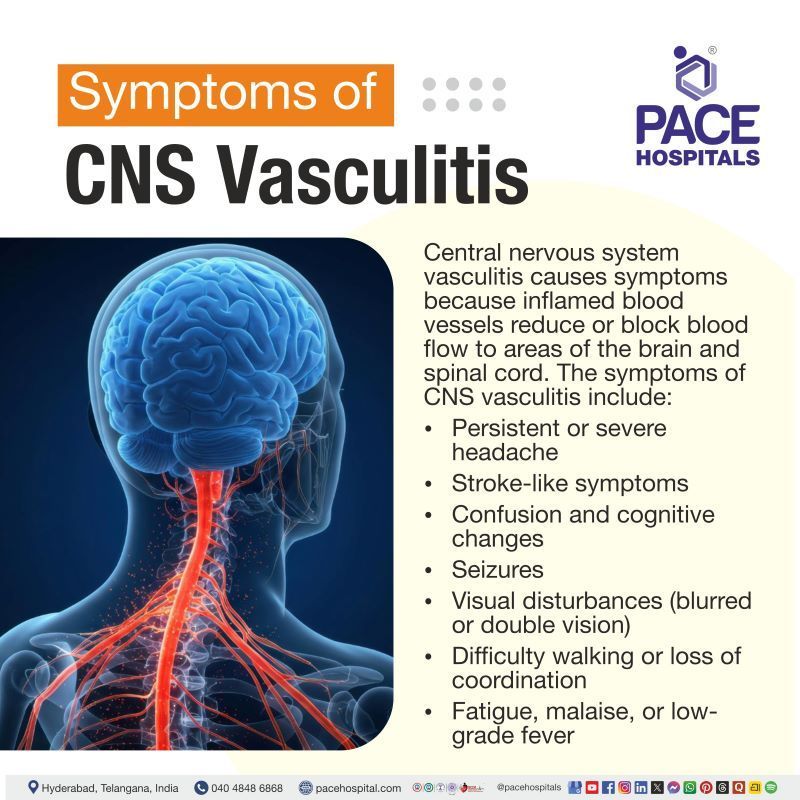
Central nervous system vasculitis causes symptoms because inflamed blood vessels reduce or block blood flow to areas of the brain and spinal cord. The type and severity of symptoms depend on which area of the brain is affected and how much blood flow is reduced. The symptoms of CNS vasculitis include:
- Persistent or severe headache
- Stroke-like symptoms
- Confusion and cognitive changes
- Seizures
- Visual disturbances (blurred or double vision)
- Difficulty walking or loss of coordination
- Fatigue, malaise, or low-grade fever
Persistent or severe headache: The most prevalent symptom is a headache, which often begins suddenly or gets worse over time. It is brought on by inflammation of the surrounding tissues and cerebral blood vessels, which irritates the brain and raises intracranial pressure. The pain may be continuous or episodic and does not respond well to routine pain medications.
Stroke-like symptoms: Inflammation and narrowing of blood vessels can reduce blood flow to certain areas of the brain, which can result in stroke-like symptoms. Patients may experience facial drooping, loss of coordination, difficulty speaking, or abrupt weakness of one side of the body. Damage to the brain areas responsible for speech and movement can be seen in these symptoms.
Confusion and cognitive changes: Confusion, memory issues, difficulty focusing, or personality changes can result from decreased blood flow to higher brain regions. Some patients may experience behavioural issues or have trouble going about their everyday lives. The dysfunction of the central nervous system and associated structures is the cause of these abnormalities.
Seizures: Seizures can occur when inflamed or ischemic brain tissue becomes electrically unstable. They may present as jerking movements, loss of consciousness, or brief episodes of altered awareness. Seizures are an important neurological sign suggesting active brain involvement.
Visual disturbances (blurred or double vision): If blood vessels supplying the visual pathways are affected, patients may experience blurred vision, double vision, or partial vision loss. This occurs due to reduced blood flow to the optic pathways or occipital lobe, which processes visual information.
Difficulty walking or loss of coordination: When CNS vasculitis affects the brain's cerebellum or motor control pathways, it can cause walking difficulties or loss of coordination. Dizziness, clumsiness, poor balance, and unsteady walking can result from reduced blood flow and inflammation in these areas. Patients may experience unsteadiness when walking or standing and may struggle with fine motor skills, such as writing or grasping objects. These symptoms are a result of brain involvement that impairs control over posture and movement.
Fatigue, malaise, or low-grade fever: The body's inflammatory reaction to blood vessel inflammation in the brain causes fatigue, fever, and general malaise in CNS vasculitis. Even with minimal activity, patients frequently experience chronic fatigue, weakness, and low energy. There may be a low-grade fever, particularly if the illness is connected to an autoimmune disease or infection. General malaise describes a state of being ill that reflects persistent systemic inflammation and is characterised by a decreased interest in daily activities, body aches, and poor appetite.
CNS Vasculitis Causes and Risk Factors
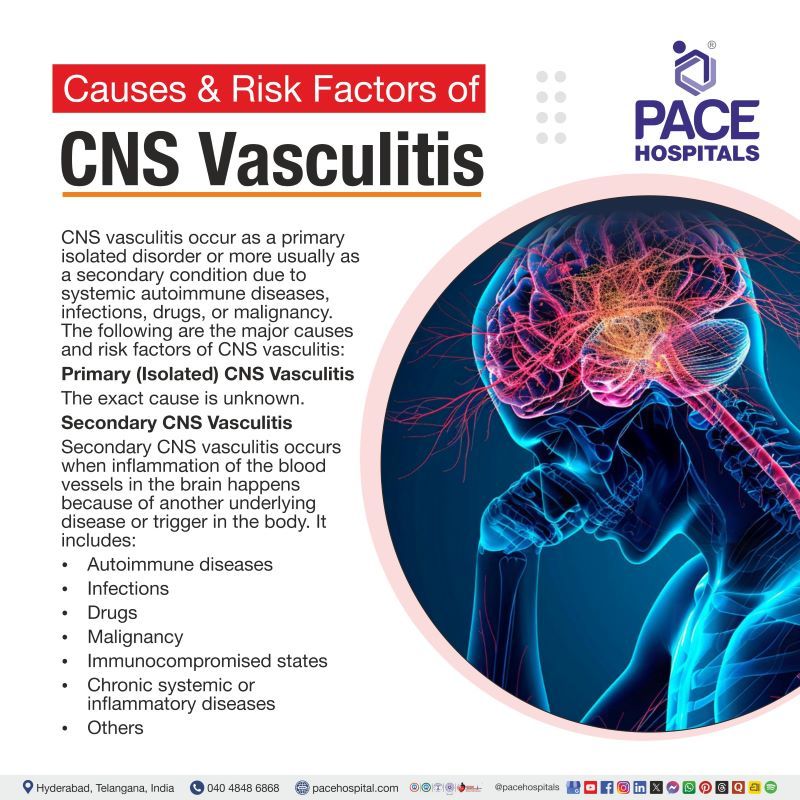
CNS vasculitis occur as a primary isolated disorder or more usually as a secondary condition due to systemic autoimmune diseases, infections, drugs, or malignancy. Identifying the underlying cause is crucial because treatment varies widely depending on the etiology. The following are the major causes and risk factors of CNS vasculitis:
Primary (Isolated) CNS Vasculitis Causes & Risk Factors
The exact cause is unknown; an autoimmune attack on the walls of cerebral vessels is thought to be involved. Vascular narrowing, decreased blood flow, and an increased risk of stroke or brain damage result from this. It generally appears as focal neurological deficits, headaches, and cognitive abnormalities.
Secondary CNS Vasculitis Causes & Risk Factors
Secondary CNS vasculitis occurs when inflammation of the blood vessels in the brain happens because of another underlying disease or trigger in the body. It includes:
- Autoimmune diseases
- Infections
- Drugs
- Malignancy
- Immunocompromised states
- Chronic systemic or inflammatory diseases
- Others
Autoimmune diseases: When the immune system mistakenly targets blood vessels in the body, including the brain, systemic autoimmune diseases can result in CNS vasculitis. Commonly linked conditions include polyarteritis nodosa (a rare, serious systemic necrotizing vasculitis), Behçet disease (vasculitis syndrome), rheumatoid arthritis, and systemic lupus erythematosus. Inflammatory cells and immune complexes harm vessel walls, causing them to narrow or become blocked. Neurological symptoms like confusion, seizures, or stroke occur.
Infections: Certain infections, such as tuberculosis, chickenpox virus, HIV, or syphilis, can affect blood vessels in the brain. Either the infection directly damages the vessels or the body's immune response to the infection causes inflammation. This can lead to reduced blood flow, clots, or bleeding in the brain.
Drugs: Some drugs, especially illegal substances, can damage blood vessels in the brain. They can cause sudden narrowing (spasm) or inflammation of the vessels. In some cases, certain medicines may also trigger an abnormal immune reaction that leads to vasculitis.
Malignancy: Some cancers, such as leukaemia or lymphoma, can be linked to inflammation of blood vessels. This may happen because the body's immune system reacts abnormally to the cancer or because cancer cells affect the blood vessels directly. These decrease blood flow to the brain and cause neurological symptoms.
Immunocompromised states: People with weakened immune systems, like those with HIV, undergoing chemotherapy, or on immunosuppressive medications, are at increased risk for secondary CNS vasculitis. The weakened immune system can make it easier for infections or autoimmune reactions to cause inflammation in the brain's blood vessels.
Chronic systemic or inflammatory diseases: Chronic systemic conditions like hypertension, diabetes, or inflammatory diseases like rheumatoid arthritis raise the risk of developing secondary CNS vasculitis. These conditions can contribute to long-term inflammation and damage to blood vessels, including those in the brain.
Others: Other conditions like sarcoidosis, connective tissue diseases, organ transplant reactions, or radiation therapy can also damage blood vessels in the brain. These conditions lead to long-term inflammation, which can narrow or weaken blood vessels and affect brain function.
CNS Vasculitis Complications
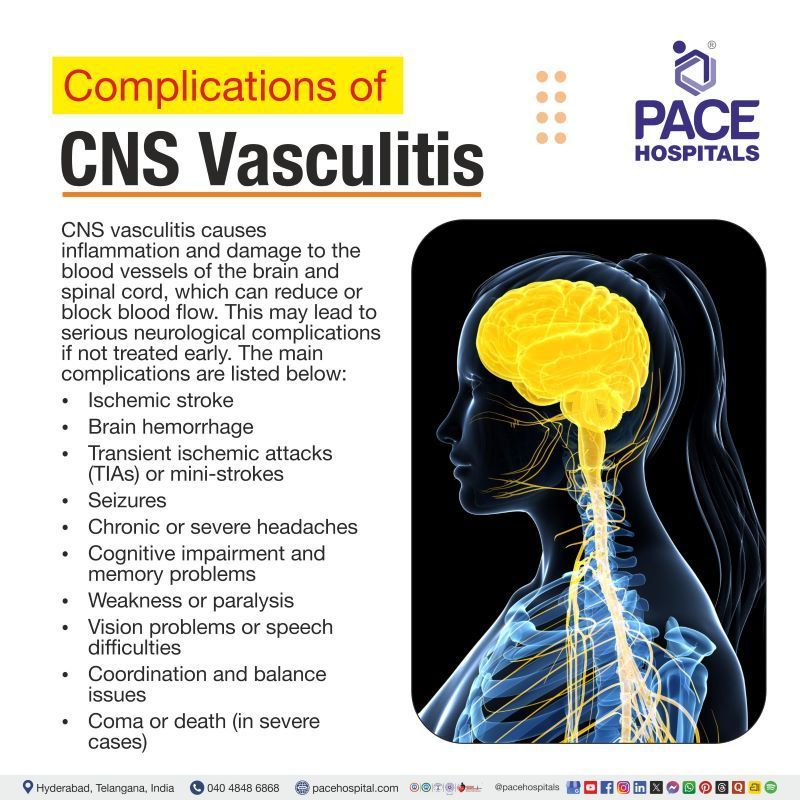
CNS vasculitis causes inflammation and damage to the blood vessels of the brain and spinal cord, which can reduce or block blood flow. This may lead to serious neurological complications if not treated early. The main complications are listed below:
- Ischemic stroke
- Brain hemorrhage
- Transient ischemic attacks (TIAs) or mini-strokes
- Seizures
- Chronic or severe headaches
- Cognitive impairment and memory problems
- Weakness or paralysis
- Vision problems or speech difficulties
- Coordination and balance issues
- Coma or death (in severe cases)
Ischemic stroke: A reduction in the blood supply to certain areas of the brain can result from the narrowing or blockage of inflammatory vessels in CNS vasculitis. An ischemic stroke results from this oxygen shortage, which damages brain tissue. Depending on the affected region, patients may experience sudden weakness, facial paralysis, or trouble speaking.
Brain haemorrhage: The inflammation of blood vessels can weaken the vessel walls, making them more likely to rupture. When a vessel breaks, it causes bleeding within the brain, known as a haemorrhage. This can lead to severe headache, vomiting, and sudden loss of consciousness.
Transient ischemic attacks (TIAs) or mini-strokes: Inflammation in CNS vasculitis can cause brain blood vessels to temporarily narrow, lowering blood flow. This results in short-lived stroke-like symptoms like weakness, slurred speech, or vision issues that go away in a span of minutes to hours. TIAs do not cause permanent brain damage, in contrast to a full stroke. They are an important sign, however, that if the condition is not treated right away, a major stroke could happen. To avoid further complications, immediate medical evaluation is crucial.
Seizures: Damage to brain tissue due to poor blood flow or bleeding can trigger abnormal electrical activity. This may result in seizures, which can appear as jerking movements, staring spells, or sudden loss of awareness. Recurrent seizures may require long-term treatment to control the condition.
Chronic or severe headaches: Inflammation of blood vessels in the brain often causes persistent headaches. These headaches may be severe and long-lasting because of ongoing irritation of vascular structures. They are commonly one of the early symptoms of CNS vasculitis.
Cognitive impairment and memory problems: Repeated injury to brain tissue can affect areas of the brain that are responsible for thinking and memory. Patients may develop confusion, difficulty concentrating, or personality changes. Over time, this can impact daily functioning and quality of life.
Weakness or paralysis: Reduced blood flow to motor control regions in the brain can weaken or stop the brain's signals to muscles. This often results in weakness or paralysis, particularly on one side of the body (hemiparesis or hemiplegia). The severity can range from mild weakness to complete loss of movement, depending on the extent of damage.
Vision problems or speech difficulties: If blood flow to areas controlling vision or speech is affected, patients may experience blurred vision, double vision, or difficulty in speaking. These symptoms may be temporary or permanent, depending on the extent of damage.
Coordination and balance issues: Normal body coordination may be affected by CNS vasculitis due to decreased blood flow to parts of the brain that regulate balance, like the cerebellum. Dizziness, unstable walking, or trouble maintaining posture could result from this. Additionally, patients may have trouble with precise movements, such as writing or picking up objects. These issues can interfere with day-to-day activities and raise the risk of falls.
Coma or death (in severe cases): In advanced or untreated CNS vasculitis, widespread damage to brain vessels can lead to severe brain injury. This may result in loss of consciousness or coma. In life-threatening cases, it can lead to death if not treated promptly.
CNS Vasculitis Diagnosis
Diagnosing CNS vasculitis requires a combination of clinical assessment, laboratory tests, and imaging studies because no single test can confirm it. Doctors use these investigations to detect inflammation in the brain's blood vessels and rule out other similar conditions. The main diagnostic tests are as follows:
- Medical history
- Physical examination
- Laboratory tests/blood tests
- Complete blood picture (CBP)
- Erythrocyte sedimentation rate (ESR)/ C-reactive protein (CRP)
- Autoimmune tests (ANA, ANCA)
- Infection screening
- Cerebrospinal Fluid (CSF) Analysis
- Lumbar puncture
- CSF cell count, protein, glucose
- Brain Imaging
- Magnetic resonance imaging (MRI) of the brain
- Computed tomography (CT) brain
- Vascular Imaging
- Magnetic resonance angiography (MRA)
- Computed tomography angiography (CTA)
- Cerebral angiography (digital subtraction angiography))
- Advanced imaging
- Positron emission tomography (PET) scan
- Vessel wall magnetic resonance imaging (MRI)
- Confirmatory Test
- Brain biopsy
- Meningeal biopsy
CNS Vasculitis Treatment
There is no definitive cure, but CNS vasculitis treatment focuses on reducing inflammation of the brain's blood vessels and preventing further neurological damage. The aim is to control disease activity, prevent relapse, and preserve brain function. Careful monitoring and dose adjustment are essential to ensure effective and safe treatment. The treatment options for CNS vasculitis can be categorized as follows:
Non-pharmacological treatment
- Regular neurological monitoring
- Stroke risk control
- Physiotherapy
- Occupational therapy
- Cognitive therapy
- Healthy nutrition
- Psychological and Behavioural Support
- Avoidance of triggers (in secondary cases, e.g., infections)
Pharmacological treatment
- Corticosteroids
- Immunosuppressive therapy
- Antiplatelets
- Targeted therapy
- Adjunctive therapy
- Proton pump inhibitors
- Antimicrobial prophylaxis
- Calcium and Vitamin D
Surgical interventions
- Decompressive craniectomy
- Surgical evacuation of a hematoma
- Ventriculoperitoneal (VP) shunt
- Extracranial-intracranial (EC-IC) bypass or revascularisation
- Angioplasty or stenting
Why Choose PACE Hospitals?
Expert Super Specialist Doctors
Advanced Diagnostics & Treatment
Affordable & Transparent Care
24x7 Emergency & ICU Support
CNS Vasculitis Prevention
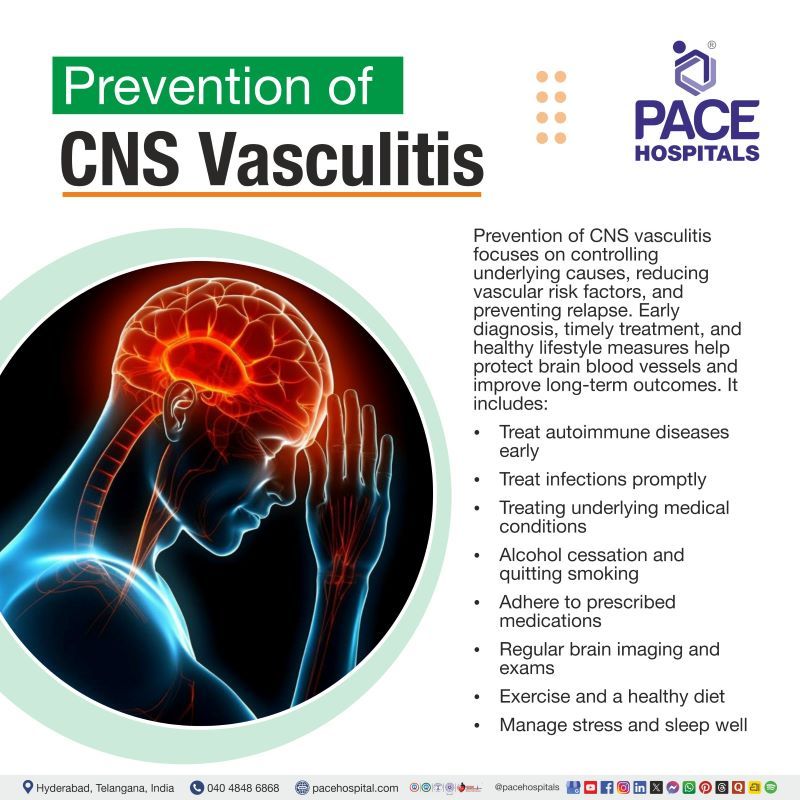
Prevention of CNS vasculitis focuses on controlling underlying causes, reducing vascular risk factors, and preventing relapse. Early diagnosis, timely treatment, and healthy lifestyle measures help protect brain blood vessels and improve long-term outcomes. It includes:
- Treat autoimmune diseases early
- Treat infections promptly
- Treating underlying medical conditions
- Alcohol cessation and quitting smoking
- Adhere to prescribed medications
- Regular brain imaging and exams
- Exercise and a healthy diet
- Manage stress and sleep well
Treat autoimmune diseases early: Treating autoimmune diseases or systemic vasculitides early prevents them from spreading to the brain. It lowers inflammation in blood vessels and other complications.
Treat infections promptly: Treating infections like tuberculosis, viral, or bacterial diseases right away can help prevent secondary CNS vasculitis. Early treatment prevents blood vessels from getting damaged.
Treating underlying medical conditions: Controlling blood pressure, diabetes, and cholesterol protects the blood vessels in the brain. It also lowers the chance of having a stroke.
Alcohol cessation and quitting smoking: Reducing alcohol intake and quitting smoking both enhance vascular health. It lowers vascular damage and inflammation.
Adhere to prescribed medications: Recurrence is avoided by taking prescription medications on a regular basis. Treatment skipping raises the risk of relapse.
Regular brain imaging and exams: Brain imaging and routine examinations help in the early detection of relapse. Results are better with early care.
Exercise and a healthy diet: Regular exercise and a nutritious diet improve cardiovascular and mental well-being. They promote healing.
Manage stress and sleep well: Immune balance is supported by stress management and adequate sleep. Long-term results are improved.
Difference between CNS Vasculitis and Lupus
CNS vasculitis vs lupus
The following are the differences that compare CNS vasculitis and lupus (systemic lupus erythematosus) in terms of their causes, treatment options, and key characteristics, designed for a professional medical audience. The table below highlights the differences between CNS vasculitis and lupus:
| Parameters | CNS vasculitis | Lupus (systemic lupus erythematosus) |
|---|---|---|
| Definition | CNS vasculitis is the inflammation of blood vessels in the central nervous system (CNS). | Lupus is a chronic multisystem autoimmune disease that affects multiple organs, including the CNS. |
| Cause | This is the inflammation of blood vessels in the brain, either by itself or due to infections, autoimmune diseases, or cancer. | This is an autoimmune disease where the body attacks its own tissues, triggered by genetic and environmental factors. |
| Symptoms | Sudden headache, stroke-like symptoms, seizures, and cognitive decline. | Systemic fatigue, joint pain, butterfly rash, kidney involvement, and neurological symptoms (headaches, seizures). |
| Affected Area | Primarily small- to medium-sized vessels of the brain/spinal cord. | It can affect any organ, including the skin, joints, kidneys, heart, and brain. |
| Diagnosis | MRI, angiography, and cerebrospinal fluid (CSF) analysis show inflammation of blood vessels. | Blood tests for ANA (antinuclear antibodies), lupus-specific antibodies, kidney function tests, and clinical signs. |
| Treatment | Immunosuppressive therapy, corticosteroids, and chemotherapy agents. | Immunosuppressive drugs, corticosteroids, anti-malarial drugs, biologics. |
Frequently Asked Questions (FAQs) on CNS vasculitis
What is CNS vasculitis?
Central nervous system vasculitis is a very rare disorder in which inflammation affects the blood vessels of the brain and spinal cord. This inflammation can cause the vessel walls to narrow, weaken, or become blocked, reducing blood flow to the brain tissue. As a result, it can lead to neurological symptoms such as headaches, confusion, weakness, seizures, or stroke-like events. CNS vasculitis may occur as a primary condition limited to the CNS or as a secondary condition associated with infections, autoimmune diseases, or systemic vasculitides.
Can CNS vasculitis cause stroke?
Yes, CNS vasculitis can cause stroke due to the inflammation of the blood vessels in the brain, which leads to narrowing and damage of the vessels, which reduces blood flow to brain tissue. This vessel inflammation can lead to blockage of vessels (ischemic stroke) or sometimes weakening and rupture of vessels (hemorrhagic stroke). Reduced blood supply to brain tissue results in sudden neurological conditions like weakness, speech problems, or vision loss. In some individuals, repeated vessel inflammation can lead to transient ischemic attacks (mini-strokes) before a major stroke occurs.
Is CNS vasculitis life-threatening?
Yes, CNS vasculitis can be life-threatening if not identified and treated immediately. The inflammation can harm the blood vessels in the brain, resulting in decreased blood flow, stroke, or brain haemorrhage, all of which can cause irreversible neurological damage. Seizures, coma, or severe disability may be the result of severe cases. However, many patients may achieve good disease control and improved long-term outcomes with early diagnosis and appropriate medical care.
Is CNS vasculitis hereditary?
No, CNS vasculitis is not usually considered a hereditary condition and is not commonly inherited directly from parents to children. Most cases happen randomly and don't have a clear family history. However, certain individuals may possess a genetic predisposition to autoimmune or inflammatory diseases, thereby increasing the risk of developing conditions that may affect the blood vessels. However, the vasculitis itself is not directly inherited. In most cases, factors like environmental triggers, infections, and the body's immune system responses are of greater importance.
Who is at risk of developing CNS vasculitis?
People at higher risk of developing CNS vasculitis include those with autoimmune disorders like lupus, rheumatoid arthritis, or other systemic vasculitis. Individuals with chronic or severe infections (for example, tuberculosis, viral, or bacterial infections) may also develop secondary CNS vasculitis. Those with cancer or certain immune-related conditions can be at increased risk due to inflammation affecting blood vessels. Middle-aged adults are more commonly affected, although it can occur at any age. In addition, uncontrolled vascular risk factors like diabetes, high blood pressure, and smoking may contribute to increased susceptibility.
What is CNS vasculitis in lupus?
CNS vasculitis in lupus is a condition where blood vessels in the brain and spinal cord become inflamed in people with Systemic Lupus Erythematosus. This inflammation can reduce blood flow and damage brain tissue. It may lead to symptoms such as headaches, confusion, seizures, or stroke-like problems. It is a rare but serious complication that requires early diagnosis and proper treatment.
What organs can CNS vasculitis damage?
CNS vasculitis primarily involves the brain and spinal cord, which together form the central nervous system. It can cause damage to the brain tissue with symptoms like confusion, seizures or stroke symptoms. If it affects the spinal cord, it can cause weakness or trouble with movement.
What type of doctor treats CNS vasculitis?
A neurologist, a physician specialised in the brain and nervous system disorders, usually treats CNS vasculitis. A rheumatologist, who treats autoimmune and vasculitis disorders, is frequently involved in treatment because it is an inflammatory and immune-related condition. To provide complete treatment and follow-up in complex cases, a multidisciplinary team including neurosurgeons, rehabilitation specialists, and primary care physicians may be involved.
Are there different types of CNS vasculitis?
Yes, CNS vasculitis are broadly classified into two main types based on their cause. Primary CNS vasculitis or primary angiitis of the CNS is limited only to the brain and spinal cord without involvement of other organs. Secondary CNS vasculitis occurs as part of another condition, such as systemic vasculitis, autoimmune diseases, infections, or certain cancers. This classification helps doctors understand the condition and plan care.
How common is CNS vasculitis?
Central nervous system (CNS) vasculitis is a rare condition, with some studies estimating about 2.4 cases per 10 lakh persons in a year. Because of its rarity and varied symptoms, the exact global prevalence is not well defined, and some cases may go unrecognised. Overall, CNS vasculitis affects only a very small proportion of the population, most commonly seen in middle-aged people, although it can occur at any age.
What are the first signs of CNS vasculitis?
The early signs of CNS vasculitis are often mild and can progress slowly. A new or persistent headache is the most common first symptom. People may also notice trouble with memory, thinking, or concentration, along with confusion or changes in behaviour. Some may experience weakness, numbness, or difficulty with balance and walking. In some cases, seizures or stroke-like symptoms can occur early in the condition.
What causes CNS vasculitis?
CNS vasculitis can occur either as a primary condition, where the exact cause is unknown, or as a secondary condition due to other diseases. It is generally associated with autoimmune disorders such as lupus or rheumatoid arthritis and other systemic vasculitis. It may also be triggered by infections like tuberculosis, viral, or bacterial illnesses, which cause inflammation of blood vessels. In some cases, cancers or certain medications can also lead to this condition.
What lifestyle changes help people with CNS vasculitis?
People with CNS vasculitis can improve their overall health and reduce complications by following healthy lifestyle measures. This includes maintaining a nutritional and balanced diet, regular physical activity, and adequate rest, which support brain and vascular health. Patients are advised to avoid smoking and reduce alcohol intake, as these can worsen blood vessel damage. It is also important to control blood pressure, blood sugar, and cholesterol levels, and manage stress to lower the risk of stroke and disease progression. Regular follow-up and adherence to medical advice further support long-term neurological outcomes.
What complications can occur with CNS vasculitis?
CNS vasculitis can lead to several serious complications because of decreased or blocked blood flow to the brain. These include ischemic stroke or brain haemorrhage, which can result in vision loss, speech issues, or sudden weakness. Seizures, persistent headaches, and cognitive issues like confusion or memory loss can all be brought on by ongoing inflammation. Weakness, balance problems, or permanent neurological impairment may develop in certain patients. Complications can worsen to permanent brain damage, coma, or even death in extreme or untreated cases.
Is CNS an autoimmune disease?
Yes, CNS vasculitis is an autoimmune inflammatory condition, especially in primary CNS vasculitis, where the immune system mistakenly attacks the blood vessels of the brain and spinal cord. It can also occur as a secondary condition due to infections, cancers, or systemic autoimmune diseases. Therefore, while many cases are immune-mediated, not all forms are purely autoimmune in origin.
What vitamin deficiency causes vasculitis?
There is no particular vitamin deficiency known to cause CNS vasculitis directly. However, severe deficiencies such as vitamin C deficiency (scurvy) can weaken blood vessel walls and lead to bleeding or inflammation of the vessels that may mimic vasculitis. Similarly, vitamin B deficiencies can contribute to nerve and vascular problems, but are not a primary cause of true vasculitis. Overall, vasculitis are mainly related to immune, infectious, or inflammatory causes rather than vitamin deficiency.
How serious is CNS vasculitis in the brain?
CNS vasculitis is a serious condition because it involves inflammation of the blood vessels in the brain. This can reduce blood flow and lead to complications such as headaches, seizures, confusion, or stroke-like symptoms. If not treated early, it may cause permanent brain damage or neurological disability. Prompt diagnosis and treatment are important to improve outcomes and prevent complications.
When to consult a doctor for CNS vasculitis?
Consult a doctor for CNS vasculitis if there are persistent headaches, confusion, or new neurological symptoms such as weakness or vision problems. Signs that indicate a need for medical assistance are:
- Suddenly experiencing numbness or weakness in the arms, legs, or face
- Persistent or severe headaches that are new or worsening
- Confusion, memory problems, or changes in behaviour
- Difficulty speaking, understanding speech, or vision changes
- Seizures or episodes of loss of consciousness
- Problems with balance, coordination, or walking
If these symptoms continue, it is best to see a CNS vasculitis specialist for accurate evaluation and management. Seek emergency medical attention if there are sudden stroke-like symptoms, severe headache with vomiting, seizures, or loss of consciousness, as these may indicate serious complications. A neurologist, along with a rheumatologist when needed, can provide the right CNS vasculitis treatment to control inflammation and reduce long-term neurological risks.
Share on
Request an appointment
Fill in the appointment form or call us instantly to book a confirmed appointment with our super specialist at 04048486868
Appointment request - health articles
Recent Articles