Cholangitis: Types, Symptoms, Causes & Treatment
PACE Hospitals
Written by: Editorial Team
Medically reviewed by: Dr. Govind Verma - Senior Consultant Gastroenterologist & Hepatologist
Overview | Prevalence | Types | Symptoms | Causes | Risk Factors | Complications | Diagnosis | Treatment | Prevention | Primary biliary cholangitis vs Primary sclerosing cholangitis | Cholangitis vs Cholecystitis | FAQs | When to consult a Doctor
Cholangitis definition
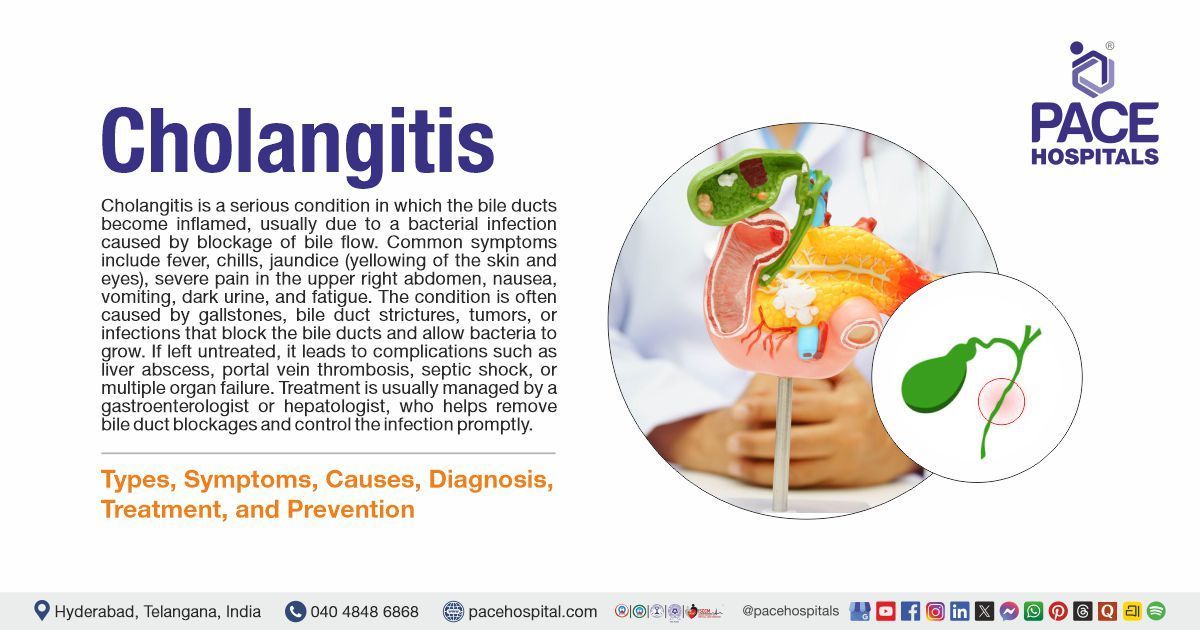
Cholangitis is defined as inflammation of the bile ducts that carry bile from the liver and gallbladder to the small intestine. This disease occurs when the normal flow of bile is blocked, usually due to gallstones, bile duct strictures, tumours, or bacterial infections. Common symptoms of cholangitis include high fever, abdominal pain (especially in the right upper quadrant), jaundice (yellowing of the skin and eyes), nausea, vomiting, and chills. In severe cases, it may cause confusion, low blood pressure, and sepsis, which can be life-threatening if not treated promptly.
The causes of cholangitis are bacterial infections resulting from bile duct blockage, gallstones, tumours, or post-surgical complications, or alternatively, autoimmune processes that cause chronic ductal inflammation. If left untreated, cholangitis can lead to severe complications such as liver abscess, portal vein thrombosis, septic shock, or multiple organ failure.
A gastroenterologist and hepatologist are the doctors who can accurately diagnose and treat this condition.
Cholangitis meaning
Cholangitis is derived from Greek words:
- “chole-” meaning bile
- “angion” meaning vessels or ducts
- “-itis” is a suffix meaning inflammation
So, "cholangitis" literally means inflammation of the bile ducts, the channels that carries bile from the liver and gallbladder to the small intestine.
Prevalence of Cholangitis
Prevalence of cholangitis Worldwide
The global prevalence of cholangitis varies by type, with primary sclerosing cholangitis (PSC) and primary biliary cholangitis (PBC) being the most studied forms. The global pooled prevalence of PSC is about 7.5 cases per 100,000 people, with projections of up to 22.98 per 100,000 by 2040, especially higher in Western countries such as Northern Europe and North America.
In contrast, rates in Asia are much lower. Primary biliary cholangitis affects about 18 out of every 100,000 individuals around the world, with an increase seen in the Western Pacific region. Acute cholangitis is harder to measure globally, but in the United States alone, fewer than 200,000 cases are reported each year. These differences are likely because of variations in geography and diagnosis, with higher rates generally seen in Western populations.
Prevalence of cholangitis in India
Cholangitis is not very common in India when compared to Western countries. One study found that a type called primary sclerosing cholangitis (PSC) occurs in only about 0.39% of Indian patients who have inflammatory bowel disease, which is much lower than what is seen worldwide. Another type, primary biliary cholangitis (PBC), and other autoimmune forms are also rare in India. Overall, cholangitis seems to be uncommon in the country, but more research is needed to know the exact numbers.
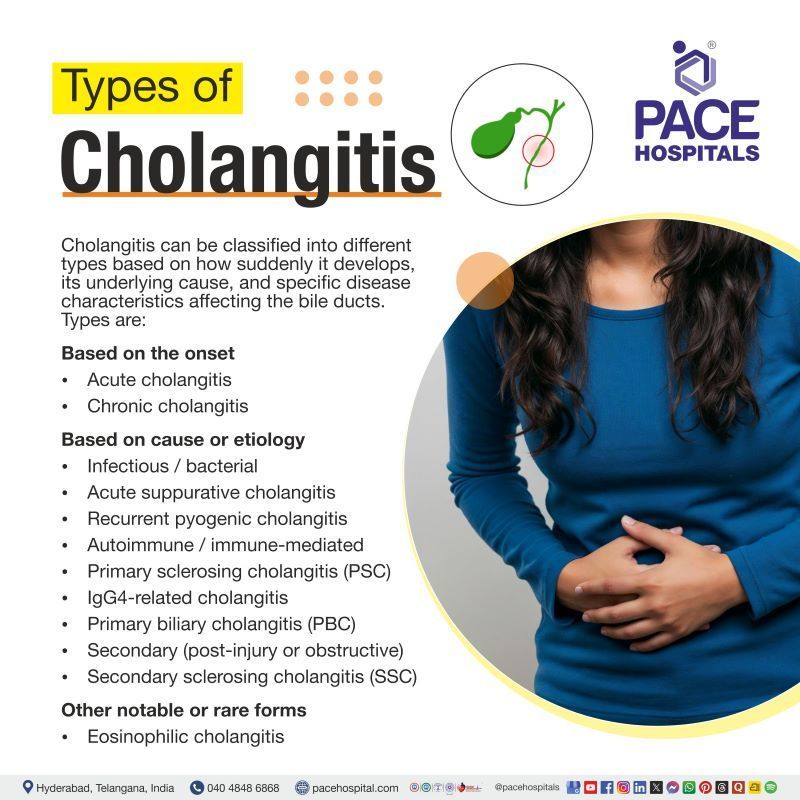
Types of Cholangitis
Cholangitis is a condition where the bile ducts (the tubes that carry bile from the liver) become inflamed or infected. This can happen for different reasons, such as infections, blockages, problems with the immune system, or sometimes without a clear cause. Knowing the type and cause of cholangitis helps doctors choose the right treatment. The following are the cholangitis types:
- Based on the onset
- Acute cholangitis
- Chronic cholangitis
- Based on cause or etiology
- Infectious/ bacterial
- Acute suppurative cholangitis
- Recurrent pyogenic cholangitis
- Autoimmune/immune-mediated
- Primary sclerosing cholangitis (PSC)
- IgG4-related cholangitis
- Primary biliary cholangitis (PBC)
- Secondary (post-injury or obstructive)
- Secondary sclerosing cholangitis (SSC)
- Other notable or rare forms
- Eosinophilic cholangitis
Based on the onset
Acute cholangitis
This form of cholangitis, also known as ascending cholangitis, is a sudden infection of the biliary tract caused by bile flow obstructions caused by gallstones, strictures, or tumours. The obstruction allows bacteria from the intestine to ascend into the bile ducts, causing inflammation, fever, jaundice, and right upper abdominal pain (Charcot’s triad).
Chronic cholangitis
Chronic cholangitis is the long-term inflammation of the bile ducts, causing fibrosis and obstruction, often driven by autoimmune conditions like primary biliary cholangitis (PBC) or primary sclerosing cholangitis (PSC). As the inflammation continues, it can affect the normal flow of bile and may eventually cause
liver problems such as
cirrhosis or cholestasis. Symptoms are generally mild in the starting and gradually worsen, including tiredness, itching, and slight yellowing of the skin or eyes.
Based on cause or etiology
Infectious/bacterial cholangitis
Acute suppurative cholangitis
This is a severe form of acute bacterial cholangitis, in which pus accumulates within the bile ducts, causing rapid deterioration and septicemia (life-threatening bloodstream infection). It usually follows an untreated biliary obstruction.
Recurrent pyogenic cholangitis
Recurrent pyogenic cholangitis is characterised by repeated bacterial infections of the intra-hepatic and extra-hepatic bile ducts, which lead to the formation of brown pigment stones and biliary strictures. It is more common in Southeast and East Asian populations and is associated with parasitic infestations and poor biliary drainage.
Autoimmune / immune-mediated cholangitis
Autoimmune / immune-mediated cholangitis
Primary sclerosing cholangitis (PSC)
PSC is a chronic, progressive autoimmune disease characterised by inflammation, fibrosis, and constriction of the intrahepatic and extrahepatic bile ducts. The actual cause is unknown; however, it is strongly associated with inflammatory bowel disease, specifically ulcerative colitis. Over time, PSC causes bile stasis, cirrhosis, and an increased risk of cholangiocarcinoma.
IgG4-related cholangitis
This types occurs in a condition called IgG4-related disease, where the immune system wrongly attacks the bile ducts and sometimes other organs like the pancreas and salivary glands. People with this condition usually have increased IgG4 levels in their blood. It may look like PSC on scans, but it responds well to steroid treatment, which helps control inflammation and protects against further damage.
Primary biliary cholangitis (PBC)
Primary biliary cholangitis (earlier known as primary biliary cirrhosis) is a condition where the body's immune system mistakenly attacks the small bile ducts inside the liver. This damage builds up over time, causing bile to collect in the liver and eventually leading to scarring. It is more common in middle-aged women and is often linked to certain antibodies in the blood called anti-mitochondrial antibodies (AMA).
Secondary (post-injury or obstructive) cholangitis
Secondary sclerosing cholangitis (SSC)
Secondary sclerosing cholangitis arises when bile ducts become inflamed and fibrotic due to a known cause such as surgical injury, trauma, ischemia (reduced blood supply), infection, or prolonged biliary obstruction. Unlike PSC, the underlying etiology is identifiable. The persistent injury leads to bile duct scarring and liver dysfunction.
Other notable or rare forms
Eosinophilic cholangitis
Eosinophilic cholangitis is a rare type of benign inflammatory disorder characterised by infiltration of eosinophils (a type of white blood cell) into the bile ducts. The condition can cause thickening of the bile duct wall and obstruction, mimicking cholangiocarcinoma. The exact cause is unknown, but allergic or autoimmune mechanisms are suspected.
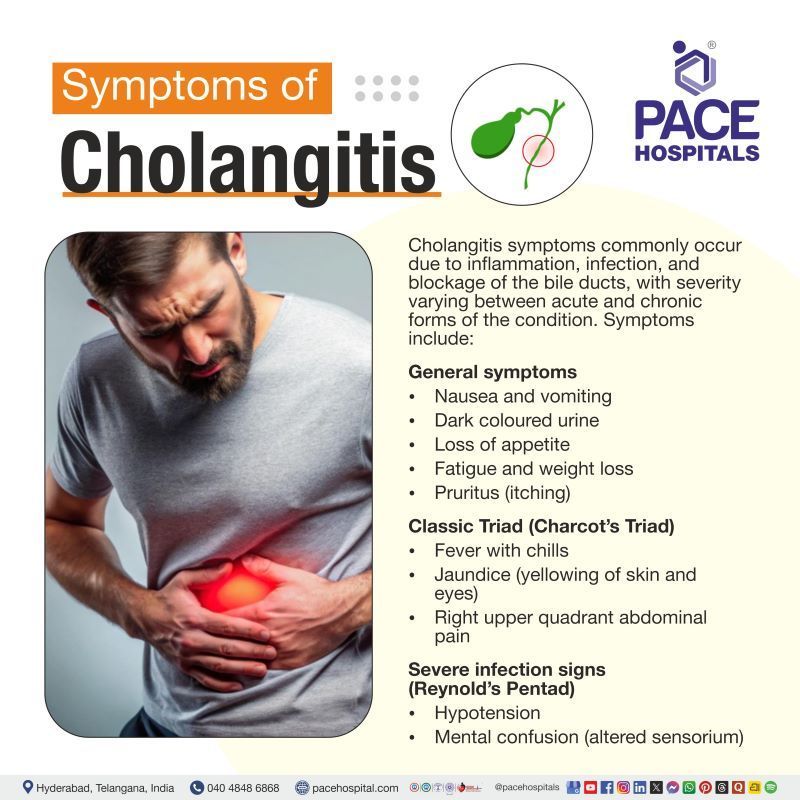
Cholangitis Symptoms
Cholangitis generally presents with a combination of systemic and hepatobiliary symptoms resulting from infection and obstruction of the bile ducts. The presentation can vary depending on whether the condition is acute or chronic in nature. Common cholangitis signs and symptoms are as follows:
General symptoms
- Nausea and vomiting
- Dark coloured urine
- Loss of appetite
- Fatigue and weight loss
- Pruritus (itching)
Classic Triad (Charcot’s Triad)
- Fever with chills
- Jaundice (yellowing of skin and eyes)
- Right upper quadrant abdominal pain
Severe infection signs (Reynold’s Pentad)
- Hypotension
- Mental confusion (altered sensorium)
General symptoms
Nausea and vomiting: Nausea and vomiting occur due to bile duct obstruction and systemic infection in cholangitis. When bile cannot flow freely from the liver to the intestine, bile acids and toxins accumulate in the bloodstream. This irritates the digestive system and triggers nausea, often accompanied by vomiting.
Dark-coloured urine: In cholangitis, bile flow gets blocked, which causes bilirubin to build up in the blood. This extra bilirubin is then removed by the kidneys, making the urine look dark or tea-colored. This is a clear sign that bile flow is not normal (cholestasis) and shows that the liver is affected by infection or inflammation.
Loss of appetite: Loss of appetite is a common but non-specific symptom in bile duct infections. It can happen because bile acids and other toxins build up in the blood and affect normal body functions, including hunger signals. Symptoms like fever, abdominal pain, and nausea can also make a person less willing to eat.
Fatigue and weight loss: Ongoing inflammation and blockage of bile flow can reduce the body's ability to absorb nutrients and produce energy, leading to constant tiredness and gradual weight loss. When the liver cannot properly process fats or remove waste, it can also cause fatigue.
Pruritus (itching): Chronic bile duct inflammation often leads to the buildup of bile salts in the skin, which commonly causes intense itching, particularly on the palms of the hands and soles of the feet.
Classic triad (Charcot’s triad)
Fever with chills: Fever with chills is a hallmark sign of bacterial infection in the bile ducts. The accumulated bile due to obstruction allows bacteria to multiply rapidly. The body responds with fever as an immune defence, and chills occur due to bacteremia (bacteria entering the bloodstream).
Jaundice (yellowing of skin and eyes): In cholangitis, the bile ducts are inflamed and also obstructed by causes such as gallstones, strictures, or infections. This blockage prevents bile from draining properly, leading to an accumulation of bilirubin in the blood. As bilirubin levels rise, it gets deposited in the skin and eyes, resulting in the characteristic yellow discoloration seen in jaundice.
Right upper quadrant abdominal pain: Pain in the right upper part of the abdomen in cholangitis is caused by swelling and pressure in the bile ducts, along with inflammation near the liver and gallbladder. It is usually a dull or cramp-like pain, which may spread to the shoulder or back, and often gets worse after eating fatty foods.
Severe infection signs (Reynolds’ Pentad)
Hypotension (low blood pressure): When cholangitis progresses to severe infection or sepsis, bacterial toxins spread through the bloodstream, causing blood vessels to widen and blood pressure to drop. This is a condition known as septic shock. Hypotension indicates that the infection has become systemic and is compromising vital organ perfusion.
Mental confusion (altered sensorium): Mental confusion or altered sensorium is a late and critical sign of severe cholangitis with sepsis. It results from reduced blood flow to the brain and accumulation of toxins (such as ammonia and bilirubin) that the impaired liver cannot adequately process. This neurological symptom, along with hypotension, completes Reynolds’ Pentad, signalling life-threatening cholangitis that requires emergency management.
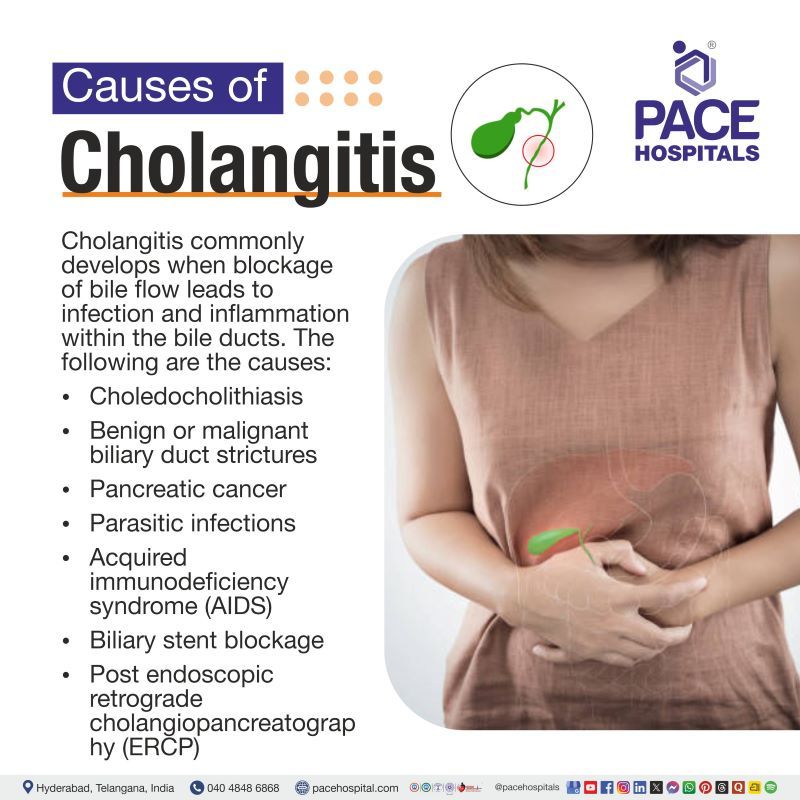
Cholangitis Causes
Cholangitis usually develops due to obstruction of bile flow, leading to stasis and secondary infection of the biliary system. The common causes of cholangitis include:
- Benign or malignant biliary duct strictures
- Pancreatic cancer
- Parasitic infections
- Acquired immunodeficiency syndrome (AIDS)
- Biliary stent blockage
- Post endoscopic retrograde cholangiopancreatography (ERCP)
Choledocholithiasis (common bile duct stones)
Choledocholithiasis (presence of gallstones in the common bile duct) is a common cause of acute cholangitis. Gallstones that move from the gallbladder to the common bile duct block bile flow, causing stasis. This stagnant bile serves as a breeding habitat for gut bacteria like E. coli, Klebsiella, and Enterococcus. The resulting bacterial infection and pressure buildup within the biliary system trigger inflammation and systemic infection known as ascending cholangitis.
Benign or malignant biliary duct strictures
Narrowing of the bile ducts due to benign causes (e.g., post-surgical injury, chronic pancreatitis, primary sclerosing cholangitis) or malignant tumours (e.g., pancreatic cancer, cholangiocarcinoma) can cause partial or complete obstruction. This stasis favours bacterial growth and infection, resulting in cholangitis. Strictures impede normal bile flow, increasing infection risk.
Pancreatic cancer
Pancreatic cancer can cause cholangitis by obstructing the bile duct if the tumor is located near or around the bile duct. This blockage prevents bile from flowing freely, causing bile to build up and leading to infection and inflammation in the bile ducts.
Parasitic infections
Parasite infections from organisms like Fasciola hepatica, Clonorchis sinensis, and Ascaris lumbricoides infect the bile ducts, causing inflammation, strictures, and biliary stasis. Repeated cycles of obstruction and infection damage the ducts and promote stone formation, leading to recurrent cholangitis.
Acquired immunodeficiency syndrome (AIDS)
Patients with AIDS are immunocompromised, making them more susceptible to opportunistic infections in the biliary tract. These pathogens cause AIDS-related cholangitis, characterised by bile duct inflammation, strictures, and cholestasis.
Biliary stent blockage
These are small tubes placed in the bile ducts to keep them open. Over time, they can become blocked by thick fluid, stones, or bacteria. When bile flow is blocked, bacteria can grow and cause an infection called stent-related cholangitis. This usually happens after the procedures to drain bile or during cancer treatment. The stent needs to be cleaned or replaced regularly to prevent infections.
Post-endoscopic retrograde cholangiopancreatography (ERCP)
ERCP is a procedure used for diagnosis and therapy. It can lead to cholangitis by manipulating the bile ducts; this manipulation might introduce bacteria into the biliary system. It can also cause trauma or swelling, which may lead to a temporary blockage. Additionally, it can disrupt normal bile flow, allowing for infection.
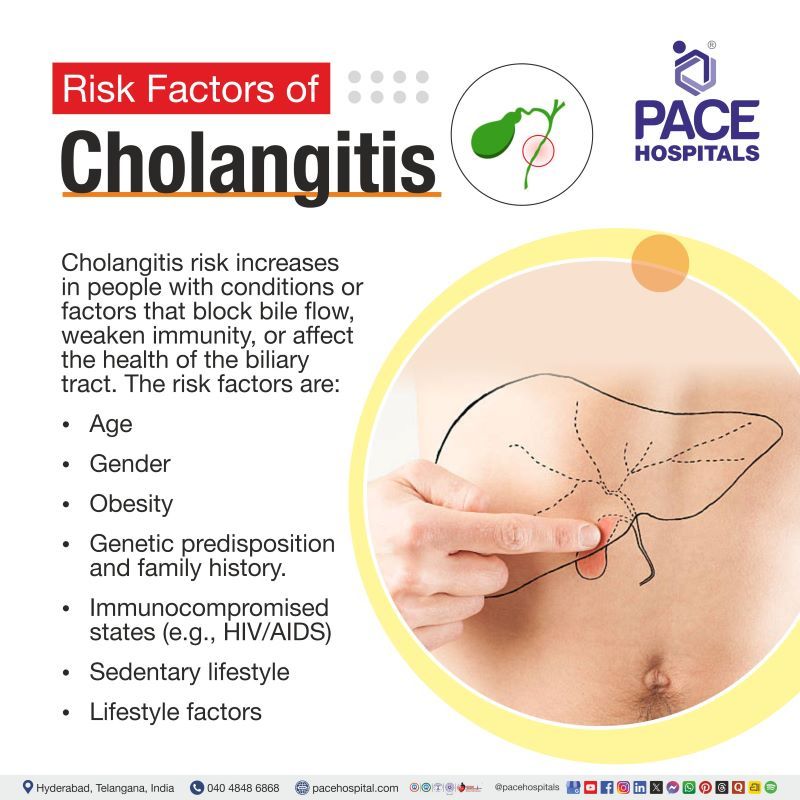
Cholangitis Risk Factors
Cholangitis occurs more frequently in those who have conditions or lifestyles that restrict bile flow, reduce immunity, or promote stone formation. Certain demographic, genetic, and behavioural factors raise a person's risk by altering gallstone formation, immunological function, and biliary tract health. The following are the key risk factors of cholangitis:
- Age
- Gender
- Obesity
- Genetic predisposition and family history.
- Immunocompromised states (e.g., HIV/AIDS)
- Sedentary lifestyle
- Lifestyle factors
Age: Older age is an important risk factor for cholangitis. People aged 40 and above are more likely to develop conditions like gallstones, bile duct narrowing, or cancers that can block bile flow. With age, the immune system also becomes weaker, and bile movement slows down, which increases the chance of infection and inflammation in the bile ducts.
Gender: Cholangitis occurs more frequently in women because they are predisposed to gallstone formation, mainly due to hormonal factors, which increase cholesterol saturation in bile. In contrast, men are more likely to be affected by PSC, which is most likely related to genetic and immunological abnormalities.
Obesity: Obesity increases cholesterol levels in bile, which can lead to gallstones forming. Extra body fat is also linked to conditions like insulin resistance and metabolic syndrome, which can change the makeup of bile and slow its flow. These changes increase the risk of bile duct blockage and infection.
Genetic predisposition and family history: A family history of gallstones or bile duct disease increases the risk of cholangitis. Genetic factors can influence how the body processes cholesterol, how bile moves through the ducts, and how the immune system functions. Certain gene types are associated with autoimmune conditions like primary sclerosing cholangitis (PSC).
Immunocompromised states (e.g., HIV/AIDS): Immunocompromised states can weaken the body's ability to fight infections. This increases the risk of bile duct infections and opportunistic infections that can cause blockage and ultimately cholangitis.
Sedentary lifestyle: When physical activity is low, it can lead to obesity, insulin resistance, and abnormal cholesterol metabolism. These changes increase the risk of gallstone formation, which is one of the most common causes of bile duct blockage. When a gallstone obstructs the bile ducts, bile flow becomes stagnant, which makes a suitable environment for bacteria to grow. This can lead to infection and inflammation of the bile ducts, known as cholangitis.
Lifestyle factors: Diets high in fatty foods and rapid weight loss are also associated with cholangitis risk due to their impact on bile composition and gallstone formation. Smoking and alcohol consumption are other lifestyle factors that are independently linked to increased risk of bile duct infection and cholangitis.
Cholangitis Complications
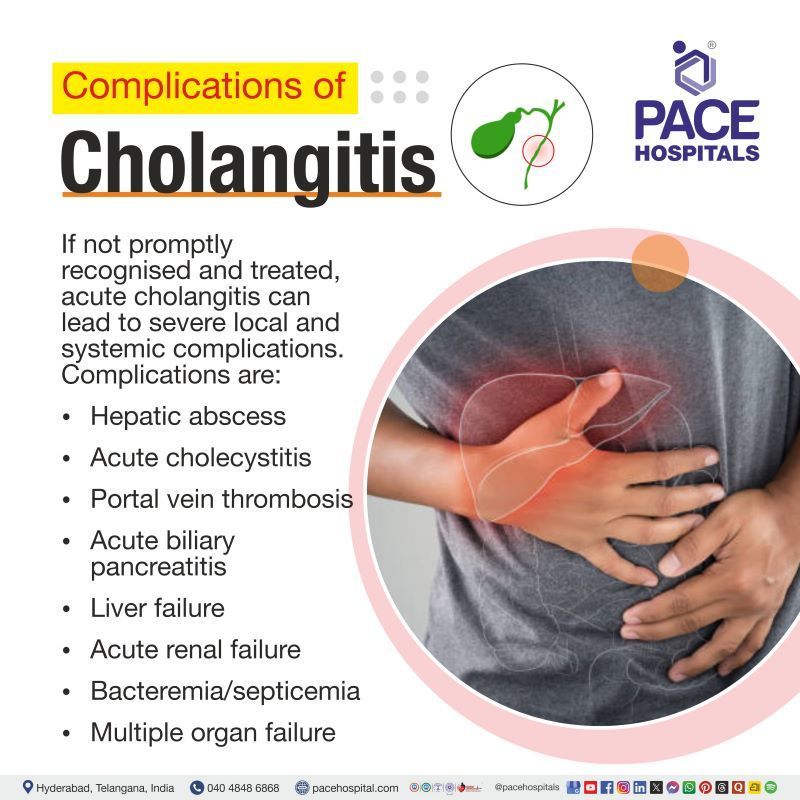
If not promptly recognised and treated, acute cholangitis can lead to severe local and systemic complications due to persistent biliary obstruction, ongoing infection, and sepsis. These complications can be life-threatening and may result in both short-term and long-term morbidity. The following are the complications of cholangitis:
- Hepatic abscess
- Acute cholecystitis
- Portal vein thrombosis
- Acute biliary pancreatitis
- Liver failure
- Acute renal failure
- Bacteremia/septicemia
- Multiple organ failure
Hepatic abscess
Persistent infection within the bile ducts can extend into the liver parenchyma, leading to the formation of hepatic abscesses (pus-filled cavities). These abscesses develop when bacteria from the infected bile ducts invade liver tissue, leading to localized necrosis.
Acute cholecystitis
When bile infection extends to the gallbladder, it results in acute cholecystitis. The obstruction of bile flow and ascending infection causes inflammation of the gallbladder wall, leading to pain, fever, and tenderness.
Portal vein thrombosis
Inflammation from cholangitis can spread to the surrounding hepatic vasculature, which leads to clot formation in the portal vein. The resulting thrombosis impairs venous drainage of the liver, contributing to portal hypertension and worsening liver dysfunction.
Acute biliary pancreatitis
Gallstones or infection from cholangitis can obstruct the common channel shared by the bile duct and pancreatic duct, causing bile reflux into the pancreas. This triggers pancreatic enzyme stimulation and acute inflammation of the pancreas (biliary pancreatitis), which causes severe epigastric pain radiating to the back.
Liver failure
Chronic or severe cholangitis can damage hepatocytes through prolonged inflammation, cholestasis, and fibrosis, leading to hepatic insufficiency or liver failure.
Acute renal failure
In severe sepsis caused by cholangitis, bacterial toxins and low blood pressure limit kidney perfusion, leading in acute tubular necrosis and renal failure. This condition, which is associated with multi-organ failure syndrome, necessitates intensive fluid control and, in some cases, renal replacement therapy.
Bacteremia/septicemia
Untreated cholangitis allows bacteria to enter the bloodstream, resulting in bacteremia or septicemia. The infection causes a systemic inflammatory response that can rapidly lead to septic shock. Early blood cultures and intravenous antibiotics are crucial for infection control and mortality prevention.
Multiple organ failure
If cholangitis progresses unchecked, the combined effects of sepsis, hypotension, and hypoxia can lead to multiple organ dysfunction syndrome (MODS). Vital organs such as the heart, lungs, kidneys, and liver begin to fail due to inadequate perfusion and intense inflammation. This represents the final and most fatal stage of untreated cholangitis.
Cholangitis Diagnosis
A comprehensive evaluation is needed to diagnose cholangitis accurately, as it helps identify the underlying cause of biliary obstruction, assess the severity of infection, and helps in timely management. Early and precise diagnosis is important to prevent life-threatening complications such as sepsis and hepatic abscess formation.
The cholangitis diagnostic criteria usually include:
- Medical history
- Physical examination
- Laboratory tests
- Complete blood count (CBC)
- C-reactive protein (CRP)
- Liver function tests
- Coagulation profile
- Renal function tests
- Blood cultures
- Urine analysis
- Serum lipase
- Imaging studies
- Ultrasonography (USG)
- Abdominal computed tomography (CT)
- Magnetic resonance cholangiopancreatography (MRCP)
- Endoscopic retrograde cholangiopancreatography (ERCP)
- Percutaneous transhepatic cholangiography (PTC)
Cholangitis Treatment
Prompt and appropriate management of cholangitis is important to control infection, relieve biliary obstruction, and prevent serious complications. Cholangitis management approaches focus on stabilising the patient, eradicating infection, and ensuring proper biliary drainage. Early intervention greatly improves outcomes and lowers the mortality associated with this condition. Treatment of cholangitis is:
Non-pharmacological management
- Maintaining a healthy diet
- Fluid resuscitation
- Nutritional support
- Monitoring and supportive management
- Avoiding unnecessary invasive procedures
- Avoiding alcohol and smoke
Pharmacological management
- Antibiotic therapy
- Pain management
- Correction of coagulopathy
- Bile acid agents
- Immunosuppressive drugs
Biliary drainage
- Endoscopic retrograde cholangiopancreatography (ERCP)
- EUS-guided Biliary Drainage (EUS-BD)
- Percutaneous Transhepatic Biliary Drainage (PTBD)
Surgical interventions
- Cholecystectomy
- Laparoscopic CBD exploration (LCBDE)
- Liver Transplantation
Why Choose PACE Hospitals?
Expert Super Specialist Doctors
Advanced Diagnostics & Treatment
Affordable & Transparent Care
24x7 Emergency & ICU Support
Cholangitis Prevention
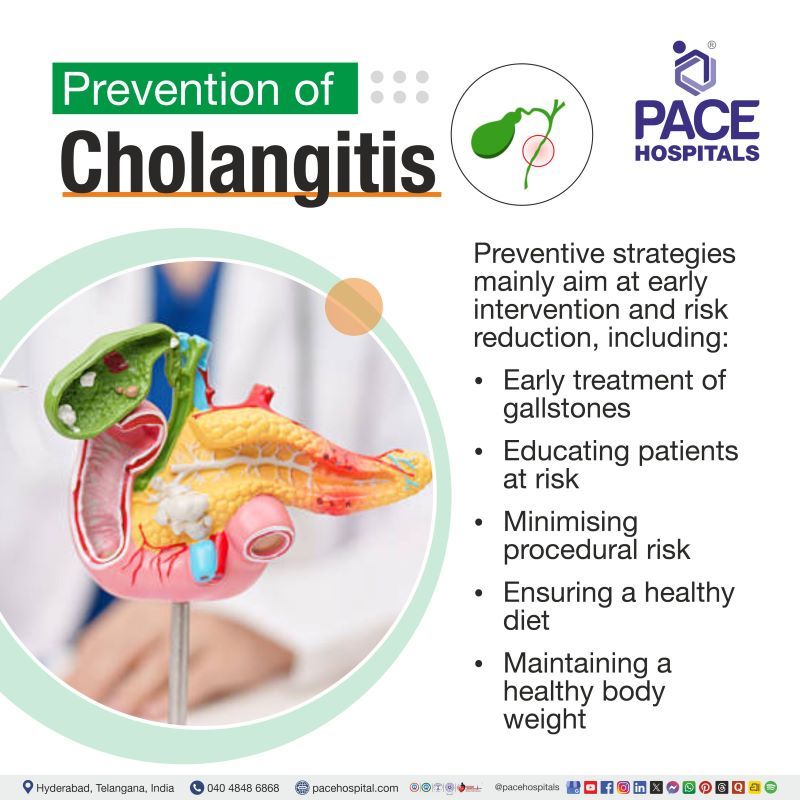
Cholangitis can be prevented by addressing conditions that lead to bile duct obstruction and infection. Preventive strategies mainly aim at early intervention and risk reduction, including:
- Early treatment of gallstones
- Educating patients at risk
- Minimising procedural risk
- Ensuring a healthy diet
- Maintaining a healthy body weight
Early treatment of gallstones: Prompt management of gallstones, especially those causing symptoms or blocking the bile duct to prevents obstruction that can lead to secondary infections and cholangitis. Elective or early surgery is recommended to reduce the incidence of complications like cholangitis, particularly for patients at high risk or with recurrent biliary symptoms.
Educating patients at risk: Patient education is very important in preventing cholangitis. Individuals who have gallstones, biliary strictures, or have undergone bile duct surgery are more susceptible to the condition. Educating patient about the symptoms of cholangitis, such as abdominal pain, fever, and jaundice, helps ensure early medical intervention.
Minimising procedural risk: Certain medical procedures involving the bile ducts, such as Endoscopic retrograde cholangiopancreatography (ERCP), can increase the risk of infection if not performed carefully. Following strict aseptic technique, using prophylactic antibiotics when indicated, and ensuring skilled procedural performance helps minimise the risk of developing bacterial introduction or bile duct injury. This preventive approach reduces the risk of cholangitis following such interventions.
Ensuring a healthy diet: A balanced, high-fibre diet and regular meal patterns help prevent gallstones by reducing cholesterol levels in bile and supporting digestive health. A diet rich in whole grains, vegetables, and fruits is particularly beneficial. These eating practices are linked to lower gallstone formation, which reduces the likelihood of cholangitis.
Maintaining a healthy body weight: Body weight has a direct influence on gallstone formation. On the other hand, obesity increases cholesterol levels in bile, promoting gallstone development, while rapid weight loss can also trigger stone formation. Maintaining a stable and healthy body mass index (BMI) through regular exercise and balanced nutrition helps keep the bile ducts clear of obstructions.
Difference between Primary Biliary Cholangitis and Primary Sclerosing Cholangitis
Primary biliary cholangitis vs primary sclerosing cholangitis
Both primary biliary cholangitis (PBC) and primary sclerosing cholangitis (PSC) are chronic cholestatic liver diseases affecting the bile ducts; they differ in their causes, patterns of bile duct involvement, and associated conditions. The key differences between PBC and PSC are outlined below:
| Parameters | Primary biliary cholangitis (PBC) | Primary sclerosing cholangitis (PSC) |
|---|---|---|
| Definition | Chronic autoimmune destruction of intrahepatic bile ducts | Chronic inflammation and fibrosis of intrahepatic and extrahepatic bile ducts, leading to strictures |
| Main site affected | Small intrahepatic bile ducts | Both intrahepatic and extrahepatic bile ducts |
| Causes | Autoimmune (associated with other autoimmune diseases like Sjögren’s, thyroid disease) | Unknown, but commonly linked to ulcerative colitis and other inflammatory bowel diseases |
| Association | Commonly associated with autoimmune diseases | Strongly associated with ulcerative colitis |
| Symptoms | Fatigue, pruritus, jaundice (late), xanthelasma, hepatomegaly | Fatigue, pruritus, jaundice, recurrent cholangitis, right upper quadrant pain |
Differences between Cholangitis and Cholecystitis
Cholangitis vs cholecystitis
Although both cholecystitis and cholangitis are inflammatory diseases of the biliary system, they vary in their causes, symptoms, and locations. While cholecystitis affects the gallbladder and usually comes on due to gallstones, cholangitis affects the bile ducts and is frequently caused by obstruction and infection. Understanding their differences is important for diagnosis and treatment.
The key differences between cholangitis and cholecystitis are outlined below:
| Parameters | Cholangitis | Cholecystitis |
|---|---|---|
| Definition | Cholangitis is the infection and inflammation of the bile ducts | Cholecystitis is the inflammation of the gallbladder wall |
| Main affected side | Bile ducts (intrahepatic and extrahepatic) | Gallbladder |
| Primary cause | Usually due to bile duct obstruction (from gallstones, strictures, or tumors), leading to infection | Usually due to cystic duct obstruction by a gallstone, causing bile stasis and inflammation |
| Causative organisms | E. coli, Klebsiella, Enterococcus, Enterobacter | E. coli, Klebsiella, Enterococcus (secondary infection may occur) |
| Signs and symptoms | Charcot’s triad: Fever, jaundice, right upper quadrant (RUQ) pain | Murphy’s sign positive (pain on inspiration during RUQ palpation), fever, RUQ pain |
Frequently Asked Questions (FAQs) on Cholangitis
What is primary biliary cholangitis (PBC)?
Primary biliary cholangitis is a chronic autoimmune disease in which the body’s immune system gradually destroys the small bile ducts inside the liver. This damage causes bile to build up, leading to liver injury and, over time, scarring (cirrhosis).
What is the triad of cholangitis?
The Charcot triad of cholangitis generally consists of three classic clinical signs, which include: abdominal pain (usually in the upper right side), fever, and jaundice (yellowing of the skin and eyes). This combination helps doctors suspect an infection or inflammation in the bile ducts, which requires urgent medical attention to avoid serious complications.
Is cholangitis life-threatening?
Yes, acute cholangitis is a life-threatening condition which is caused by an infection of the bile duct, which often started from blockages. Without timely treatment, it can lead to sepsis and has a high mortality rate. However, with prompt medical care, such as antibiotics and drainage procedures, most patients recover quickly.
What is the recovery time for cholangitis?
The recovery time from acute cholangitis is actually quick with proper treatment. About 90% of patients improve within 48 hours after starting antibiotics and appropriate care. Chronic cholangitis, however, does not completely go away and requires ongoing management to control the symptoms and prevent complications.
Can cholangitis be cured?
Yes, cholangitis can be cured, especially if treated early. The treatment typically involves antibiotics to fight the infection. If there’s a blockage in the bile ducts, doctors might perform a procedure to remove the blockage. In some cases, this can be done with a minimally invasive technique, like an endoscopic procedure or surgery. If treated promptly, most people recover fully.
How does cholangitis lead to jaundice?
Cholangitis causes a blockage in the bile ducts, which prevents bile from flowing normally from the liver to the intestines. Bile contains a yellow pigment called bilirubin. When bile can't flow out, bilirubin builds up in the bloodstream, causing yellowing of the skin and eyes (jaundice). This yellow colour is a sign that bile is not draining properly.
How long can someone live with cholangitis?
The length of time someone can live with cholangitis really depends on how soon treatment is started and the overall health of the person. If cholangitis is detected early, people can recover fully. However, if left untreated, cholangitis can lead to complications, such as liver damage or infection spreading to other organs. People with chronic conditions or who have had multiple episodes of cholangitis may experience more serious outcomes.
What is the best treatment for cholangitis?
The best treatment includes prompt antibiotics to control infection and procedures such as endoscopic biliary drainage to relieve bile duct blockage. Endoscopic Retrograde Cholangiopancreatography (ERCP) is a common, less invasive approach to removing obstructions.
What is primary sclerosing cholangitis (PSC)?
Primary sclerosing cholangitis is a long-term liver disease where the bile ducts, both inside and outside the liver, become inflamed, scarred and narrowed. Because bile cannot flow well, it causes liver damage over time, sometimes leading to liver failure.
How to diagnose cholangitis?
Cholangitis is usually diagnosed by a combination of clinical signs like fever, yellowing of skin and eyes, and abdominal pain, blood tests showing systemic infection and liver function abnormalities, and imaging studies are done to detect bile duct obstruction or inflammation. Blood cultures may identify the causative bacteria, and sometimes procedures like ERCP are used for both diagnosis and treatment.
What virus causes cholangitis?
Some viruses can cause inflammation of the bile ducts (cholangitis), particularly in people with weaker immune systems. For example, the hepatitis C virus is more often linked to bile-duct inflammation than hepatitis B. Also, certain herpes-family viruses and HIV have been reported to affect the biliary tract.
Can cholangitis go away on its own?
Cholangitis, especially the acute bacterial type, generally does not resolve without medical treatment. It requires antibiotics and sometimes drainage procedures to clear the infection. Without treatment, it may lead to serious health problems and even be life-threatening.
Is cholangitis a disability?
Primary sclerosing cholangitis (PSC) can be considered a disability when it causes serious liver damage or complications. According to the Social Security Administration, PSC is listed under chronic liver diseases in the Blue Book. Individuals with severe symptoms like liver failure, fluid build-up, or bleeding complications may qualify for disability benefits if the condition limits their ability to work.
What blood tests are done for cholangitis?
Blood tests for diagnosing cholangitis include a complete blood count (CBC) to check white blood cells (infection), liver function tests (including bilirubin, alkaline phosphatase, gamma-glutamyl transferase (GGT)) to assess bile-duct injury, a coagulation profile (clotting) and blood cultures (to identify bacteria present in the bloodstream). These tests help show infection presence, bile-flow issues, and guide how urgent drainage may be needed.
What is the fastest way to repair the liver?
If the liver is injured because of cholangitis, the fastest way to aid repair is to remove the cause (restore bile flow) and control the infection, thereby removing the stress on the liver. Once bile drains well and infection is treated, liver cells can regenerate and recover because they have good repair capacity. Combined with good nutrition, avoiding alcohol and other toxins, and monitoring for complications, this supports faster recovery.
Can a CT scan detect cholangitis?
Yes, a computed tomography (CT) scan can help detect acute cholangitis by showing signs like dilated bile ducts, inflammation around the ducts, and accompanying liver or bile-duct complications. However, CT is not always definitive by itself. Ultrasound is generally used first for the diagnosis of cholangitis.
Is biliary sepsis the same as cholangitis?
Cholangitis is an infection in the bile ducts. It often happens when there’s a blockage, like a gallstone, that allows bacteria to grow in the bile. Biliary sepsis, on the other hand, is when this infection spreads to the bloodstream, making it much more serious. So, while cholangitis can lead to sepsis, they aren’t the same. Sepsis is the more severe outcome, where the whole body is affected by the infection.
Can cholangitis cause sepsis?
Yes, cholangitis can cause sepsis. If the infection in the bile ducts isn’t controlled, it can spread into the bloodstream, which can lead to sepsis or septic shock, where organs stop functioning properly. This is a medical emergency, which is why cholangitis needs to be treated as soon as possible. Early diagnosis, antibiotics, and sometimes procedures to clear the blockage can prevent it from reaching this point.
Can cholangitis cause pancreatitis?
Cholangitis and pancreatitis can sometimes occur together. The liver, bile ducts, and pancreas are all closely connected. When there’s an infection or inflammation in the bile ducts, the pancreas, which sits near the bile ducts, can get inflamed as well, leading to pancreatitis. This is more likely if there’s a stone or infection that affects both the bile duct and the pancreatic duct.
Can cholangitis be prevented?
While some cases of cholangitis are hard to avoid, there are preventive steps that can help reduce the risk. Treating gallstones or bile duct strictures early can help prevent bile duct infections. People who’ve had previous episodes of cholangitis may need regular check-ups to monitor for any issues. Maintaining a healthy lifestyle can also reduce the risk of gallstones, which are a common cause of cholangitis.
When to consult a doctor for cholangitis?
Consult a doctor for cholangitis if you develop fever, chills, or jaundice (yellowing of the skin or eyes).
Signs that may indicate a need for medical assistance are:
- Chronic pain in the upper right side of the abdomen
- Nausea or vomiting that does not improve
- Dark urine or pale-coloured stools
- Severe tiredness or confusion
- Low blood pressure or rapid heartbeat
If these symptoms continue, it is best to see a cholangitis doctor for an accurate diagnosis and treatment. Seek immediate medical help, as cholangitis can progress quickly to a serious infection. A gastroenterologist or hepatologist can provide accurate cholangitis treatment and bile duct drainage if needed to prevent complications.
Share on
Request an appointment
Fill in the appointment form or call us instantly to book a confirmed appointment with our super specialist at 04048486868
Appointment request - health articles
Recent Articles