Eclampsia: Symptoms, Causes & Treatment
PACE Hospitals
Written by: Editorial Team
Medically reviewed by: Dr. Mugdha Bandawar - Consultant Obstetrician & Gynaecologist
Overview | Prevalence | Types | Symptoms | Causes | Risk Factors | Complications | Diagnosis | Treatment | Prevention | Preeclampsia vs Eclampsia | FAQs | When to consult a Doctor
Eclampsia definition
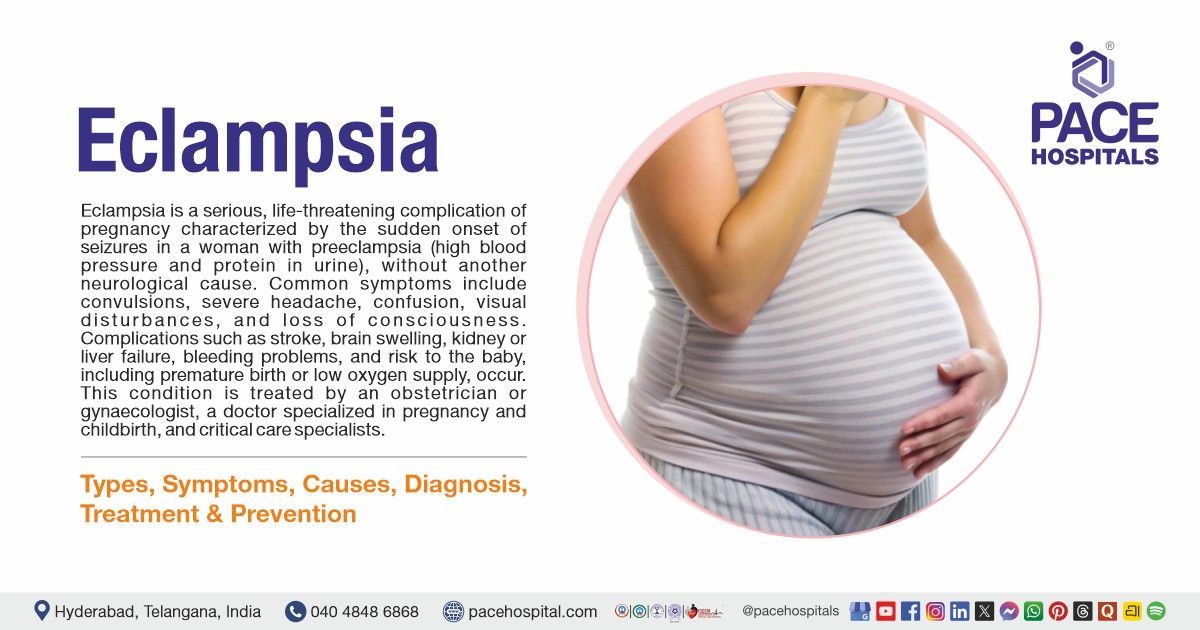
Eclampsia is a serious, life-threatening complication of pregnancy characterized by the sudden onset of seizures in a woman with preeclampsia (high blood pressure and protein in urine), without another neurological cause. It generally occurs after 20 weeks of pregnancy, during labour, or soon after delivery and is linked to hypertensive disorders of pregnancy. Common symptoms include convulsions, severe headache, confusion, visual disturbances, and loss of consciousness.
It is caused by severe preeclampsia, which occurs due to high blood pressure and abnormal placental function that reduces blood flow to organs, especially the brain, which causes seizures. Complications such as stroke, brain swelling, kidney or liver failure, bleeding problems, and risk to the baby, including premature birth or low oxygen supply, occur.
An obstetrician or gynaecologist, a doctor specialized in pregnancy and childbirth, and critical care specialists can accurately diagnose and provide the correct treatment for eclampsia.
Eclampsia meaning
The word "eclampsia" comes from the Greek eklampsis
- “ek-” meaning “out”
- "lampein" meaning "to shine or flash"
Thus, eclampsia means “a sudden shining forth or burst,” reflecting the condition’s hallmark feature, the sudden onset of convulsions in a pregnant woman due to severe preeclampsia.
Prevalence of Eclampsia
Prevalence of eclampsia worldwide
Hypertensive conditions during pregnancy are a significant cause of morbidity and mortality among infants and mothers globally. Preeclampsia occurs in approximately 4.4% of pregnancies worldwide, whereas eclampsia affects 0.43% of pregnancies (95% CI: 0.19%–0.76%). There is a lot of variation between regions. For example, South Asia has rates as high as 2% (Pakistan, Nepal), while high-income countries have rates below 0.1%.
Prevalence of eclampsia in India
Hypertensive disorders during pregnancy are a significant contributor to maternal mortality in India. Studies show that preeclampsia affects between 5 and 10 percent of pregnancies, while eclampsia affects between 0.3 and 1.5 percent of pregnancies. These rates are higher in places with few resources and in rural areas. Compared to developed countries, the prevalence is higher due to limited awareness, it takes too long to get diagnosed, and there are not adequate maternal care facilities.
Types of Eclampsia
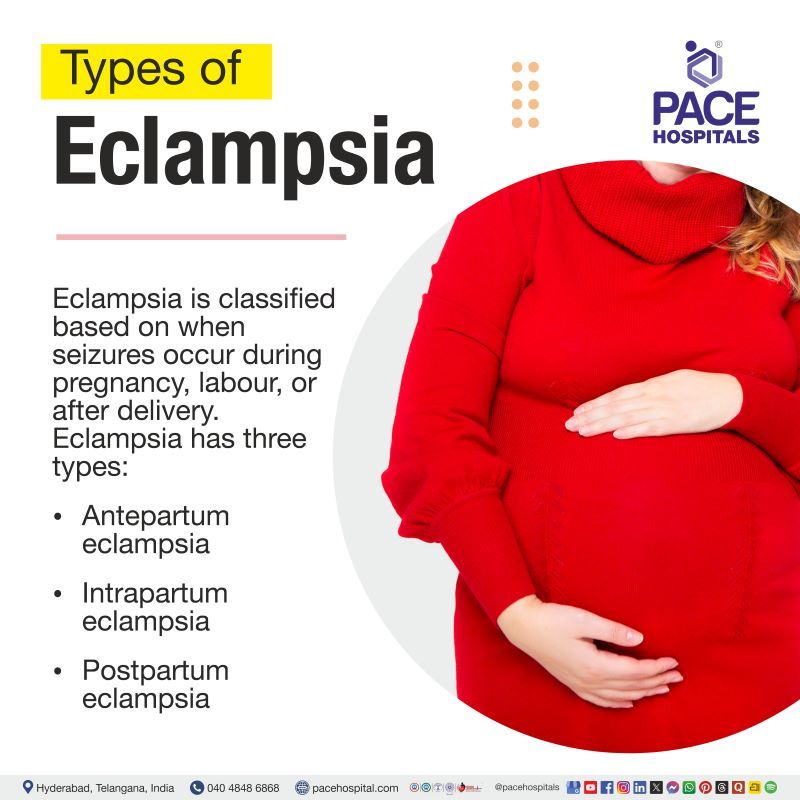
Eclampsia is classified based on the time at which seizures occur in relation to pregnancy, labour, and the postpartum period. This classification helps clinicians decide appropriate monitoring, treatment, and prevention strategies for both mother and baby. Eclampsia has three types:
- Antepartum eclampsia
- Intrapartum eclampsia
- Postpartum eclampsia
Antepartum eclampsia
This type occurs before the onset of labour, usually in the later months of pregnancy. It generally develops in women who already show features of preeclampsia such as high blood pressure, edema, and proteinuria (protein in urine). It is the most frequent form of eclampsia in clinical practice. The condition can progress rapidly, leading to complications like placental abruption or fetal distress. Immediate stabilization and timely delivery are required to protect both mother and baby.
Intrapartum Eclampsia
In intrapartum eclampsia, seizures occur during labor. It can happen in women who already have preeclampsia or it can be the first sign of the condition. Labor puts more stress on the body, which can cause convulsions in some people. Continuous maternal and fetal monitoring is essential during this stage. To avoid serious problems, seizures must be controlled quickly, and delivery needs to be managed carefully.
Postpartum eclampsia
Postpartum eclampsia happens after giving birth, usually within the first 48 hours but sometimes up to several weeks later. After giving birth, women may seem fine, but then they may suddenly get symptoms like severe headaches, problems with their vision, or seizures. It is often related to preeclampsia that was not diagnosed earlier, or that has been persisting for a long time. This type can be easily missed if vigilance is not maintained after delivery. Quick recognition and treatment are very important to avoid outcomes that could be fatal.
Eclampsia Symptoms
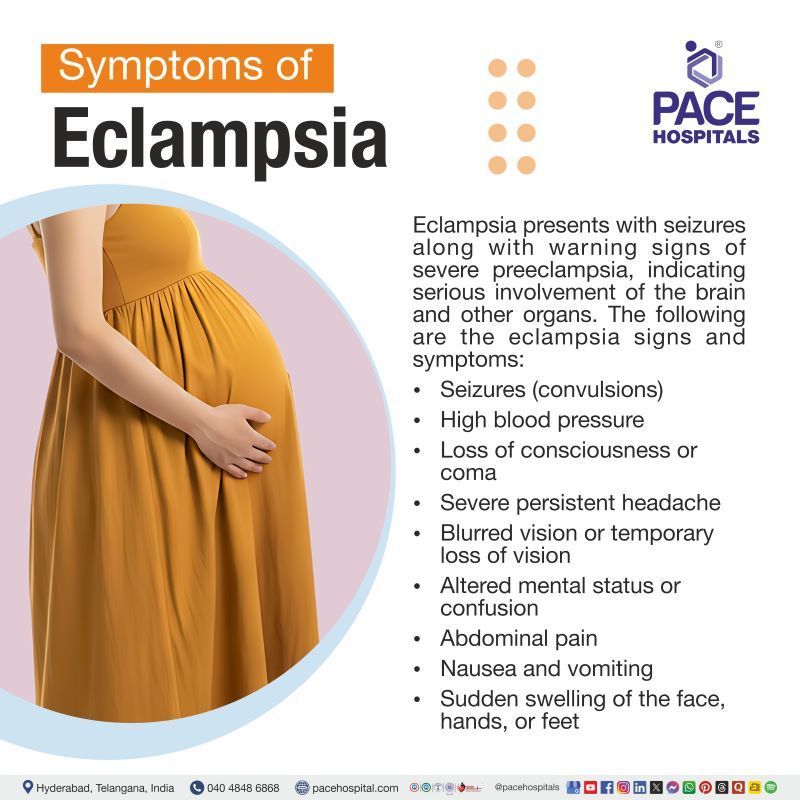
Eclampsia presents with seizures along with warning signs of severe preeclampsia, indicating serious involvement of the brain and other organs. The following are the eclampsia signs and symptoms:
- Seizures (convulsions)
- High blood pressure
- Loss of consciousness or coma
- Severe persistent headache
- Blurred vision or temporary loss of vision
- Altered mental status or confusion
- Abdominal pain
- Nausea and vomiting
- Sudden swelling of the face, hands, or feet
Seizures (convulsions): Seizures are the main feature of eclampsia and usually appear suddenly. They are generalized tonic-clonic convulsions affecting the whole body. These occur due to irritation and swelling of the brain from severe hypertension. Immediate treatment is needed to stop seizures and protect the mother and baby.
High blood pressure: Severe high blood pressure is a major cause of eclampsia. It damages blood vessels and has an effect on organs like the brain, liver, and kidneys. Having very high blood pressure raises the chance of having a stroke or a seizure. Regular checkups assist in identifying and treating it early.
Loss of consciousness or coma: During or after seizures, the woman may become unconscious or unresponsive. This happens because brain function is temporarily impaired. The duration can vary from a few minutes to longer, depending on severity. Prolonged unconsciousness indicates a serious and life-threatening condition.
Severe persistent headache: A strong, continuous headache is a common warning sign before seizures. It is caused by high blood pressure and swelling in the brain. The headache does not usually improve with rest or simple medicines. It indicates worsening preeclampsia and risk of eclampsia.
Blurred vision or temporary loss of vision: Women may experience blurred vision, flashing lights, or temporary blindness. This happens due to reduced blood flow and spasms in the blood vessels of the eyes and brain. These visual changes may appear before seizures occur. It is an important warning sign that needs urgent attention.
Altered mental status or confusion: The woman may become confused, irritable, or have difficulty thinking clearly. This occurs due to decreased blood flow and oxygen supply to the brain. She may appear restless or behave unusually. It is an early sign of neurological involvement in eclampsia.
Abdominal pain: Pain is usually seen in the upper right part of the abdomen under the ribs. It is related to liver swelling and irritation of its covering. The pain may be severe and continuous. This symptom indicates serious progression of the disease.
Nausea and vomiting: Persistent nausea and vomiting may occur in severe cases. These symptoms may be related to liver involvement or general illness. They often appear suddenly in late pregnancy. When combined with high blood pressure, they require urgent medical care.
Sudden swelling of the face, hands, or feet: There is rapid swelling, especially of the face and hands. This happens due to fluid retention and leakage from blood vessels. Sudden or excessive swelling is more serious than mild pregnancy swelling. It is a common sign of worsening preeclampsia that may lead to eclampsia.
Eclampsia Causes
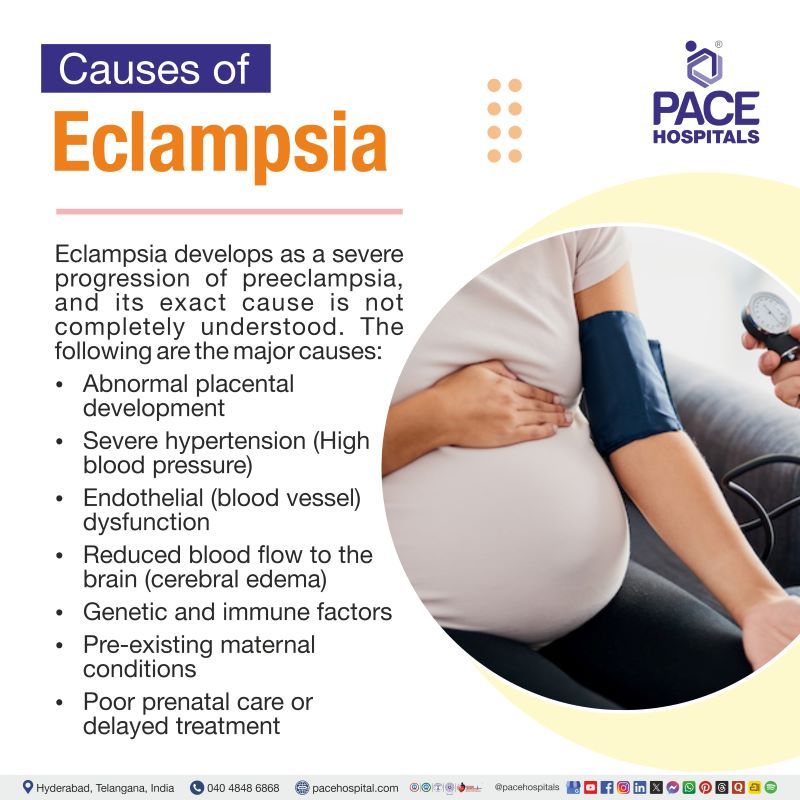
Eclampsia develops as a severe progression of preeclampsia, and its exact cause is not completely understood. However, it is mainly related to abnormal placental development and widespread blood vessel dysfunction in the mother. The following are the major causes:
- Abnormal placental development
- Severe hypertension (High blood pressure)
- Endothelial (blood vessel) dysfunction
- Reduced blood flow to the brain (cerebral edema)
- Genetic and immune factors
- Pre-existing maternal conditions
- Poor prenatal care or delayed treatment
Abnormal placental development: In the first few weeks of pregnancy, the placenta might not attach to the uterus or develop correctly. This means that a decrease in blood flow to the placenta allows harmful substances to enter the mother's blood. These elements damage the lining of blood vessels. This process plays a crucial role in the development of preeclampsia and eclampsia.
Severe hypertension (High blood pressure): Uncontrolled high blood pressure damages blood vessels in the brain and other organs. It can cause swelling, reduced blood flow, and irritation of brain tissue. This leads to the development of seizures. Severe hypertension is the main immediate trigger for eclampsia.
Endothelial (blood vessel) dysfunction: When the inner layer of blood vessels gets damaged, fluid leaks out and blood clots more easily. This causes swelling, slows down blood flow, and affects organs. It may have an impact on the placenta, liver, kidneys, and brain. These changes contribute to the progression to seizures.
Reduced blood flow to the brain (cerebral edema): High blood pressure and vessel damage cause fluid leakage into the brain tissue. This results in brain swelling and increased pressure inside the skull. The swelling irritates brain cells and leads to convulsions. This is the direct cause of seizures in eclampsia.
Genetic and immune factors: Some women have a genetic or immune tendency that affects how their bodies respond to pregnancy. Abnormal immune reactions to the placenta may lead to inflammation and vascular damage. Family history increases the risk. These factors make some women more susceptible.
Pre-existing maternal conditions: Conditions like chronic hypertension, kidney disease, diabetes, and autoimmune disorders increase the risk. These diseases already affect blood vessels and organ function. Pregnancy adds extra stress to the body. This makes progression to eclampsia more likely.
Poor prenatal care or delayed treatment: Lack of regular antenatal checkups can delay detection of preeclampsia. Without early treatment, blood pressure and complications worsen. This increases the risk of seizures. Early monitoring and management can prevent progression to eclampsia.
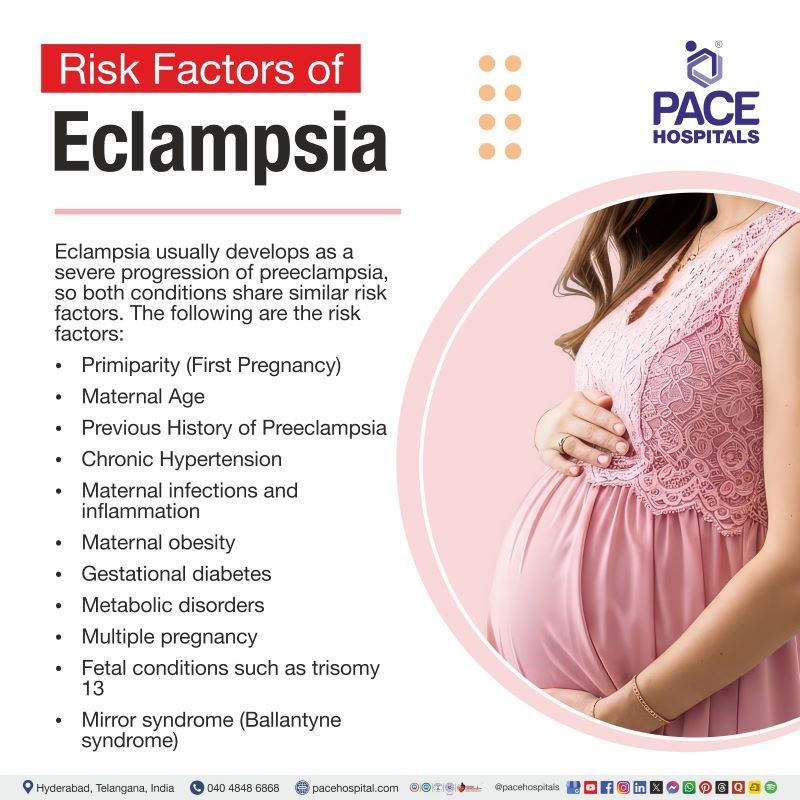
Risk Factors of Eclampsia
Eclampsia usually develops as a severe progression of preeclampsia, so both conditions share similar risk factors. Identifying these risk factors early in pregnancy helps in close monitoring and the prevention of serious complications. The following are the risk factors:
- Primiparity (First Pregnancy)
- Maternal Age
- Previous History of Preeclampsia
- Chronic Hypertension
- Maternal infections and inflammation
- Maternal obesity
- Gestational diabetes
- Metabolic disorders
- Multiple pregnancy
- Fetal conditions such as trisomy 13
- Mirror syndrome (Ballantyne syndrome)
Primiparity (First Pregnancy): Women who are pregnant for the first time are more probable to get preeclampsia, which can turn into eclampsia if not treated properly. The mother's immune system may work differently during her first pregnancy, making her more likely to have problems with the placenta developing normally. During pregnancy, this condition can cause high blood pressure and seizures.
Maternal Age: Women who are pregnant and older than 35 to 40 years have a greater tendency to have hypertensive disorders like eclampsia and preeclampsia. Changes in blood vessels that happen with age and other health problems may raise the risk. All of these can change the flow of blood to the placenta and make complications more common.
Previous History of Preeclampsia: Women who previously experienced preeclampsia are at an elevated risk of recurrence in subsequent pregnancies. Without proper monitoring and treatment, it could get worse and turn into eclampsia. Regular antenatal care helps in early detection and prevention of complications.
Chronic Hypertension: Women with pre-existing medical conditions, especially chronic hypertension, are more prone to developing severe pregnancy-related complications. These conditions can impair blood vessel function and increase the likelihood of preeclampsia progressing to eclampsia. Proper monitoring during pregnancy is therefore essential.
Maternal infections and inflammation: Infections in the mother, like urinary tract infections, periodontal disease, or other systemic infections, make the body respond with inflammation. This inflammation damages the vascular endothelium, which is important for keeping blood flowing normally. It can also make the blood flow in the placenta abnormal and raise blood pressure. Long-term inflammation may make preeclampsia worse and make seizures more likely in eclampsia.
Maternal obesity: Maternal obesity correlates with persistent low-grade inflammation and increased oxidative stress within the body. These changes cause the endothelium (inner lining of blood vessels) to not work properly and make it harder for blood vessels to relax, which restricts normal blood flow during pregnancy. Obesity is also linked to insulin resistance, high blood pressure, and problems with the development of the placenta, all of which can lead to preeclampsia. Because of these effects, pregnant women who are obese are more likely to develop severe preeclampsia and eclampsia.
Gestational diabetes: Gestational diabetes is a condition in which a woman has high blood sugar levels in pregnancy. It occurs because pregnancy hormones reduce the body's ability to use insulin effectively. High blood sugar can damage blood vessels and slow down blood flow to the placenta. This raises the chances of getting preeclampsia and high blood pressure. If not properly controlled, it can progress and increase the risk of eclampsia and other complications.
Metabolic disorders: Metabolic disorders are conditions that make it difficult for the body to use nutrients and proteins correctly. Diabetes, high cholesterol, and metabolic syndrome are some examples. These conditions cause inflammation and damage the blood vessels, which can make normal blood flow more difficult. This may affect how the placenta functions and raise blood pressure during pregnancy. As a result, metabolic disorders raise the risk of preeclampsia and its progression to eclampsia.
Multiple pregnancy: Having more than one baby, like twins or triplets, is called a multiple pregnancy. This puts more stress on the mother's body and makes the placenta work harder. The extra weight can affect normal blood circulation and may raise blood pressure during pregnancy. Because of this, women with multiple pregnancies have a higher risk of developing preeclampsia. Early monitoring and regular antenatal care help reduce the risk of progression to eclampsia.
Fetal conditions such as trisomy 13: Some genetic conditions that affect the fetus, like trisomy 13, can change how the placenta grows and works during pregnancy. This makes it difficult for blood to flow between the mother and the baby. The abnormal placenta might release chemicals that make the mother's blood pressure increase. These changes increase the risk of developing preeclampsia. If not recognized and managed early, it can progress to eclampsia.
Mirror syndrome (Ballantyne syndrome): Mirror syndrome is a rare condition in which a mother has symptoms that are similar to those of her baby's severe swelling (hydrops). It happens when the placenta and fluid balance aren't working correctly. Like preeclampsia, the mother may have swelling, high blood pressure, and protein in her urine. These changes cause abnormalities in the blood flow and organ function. If left untreated, it may lead to severe preeclampsia and increase the risk of eclampsia.
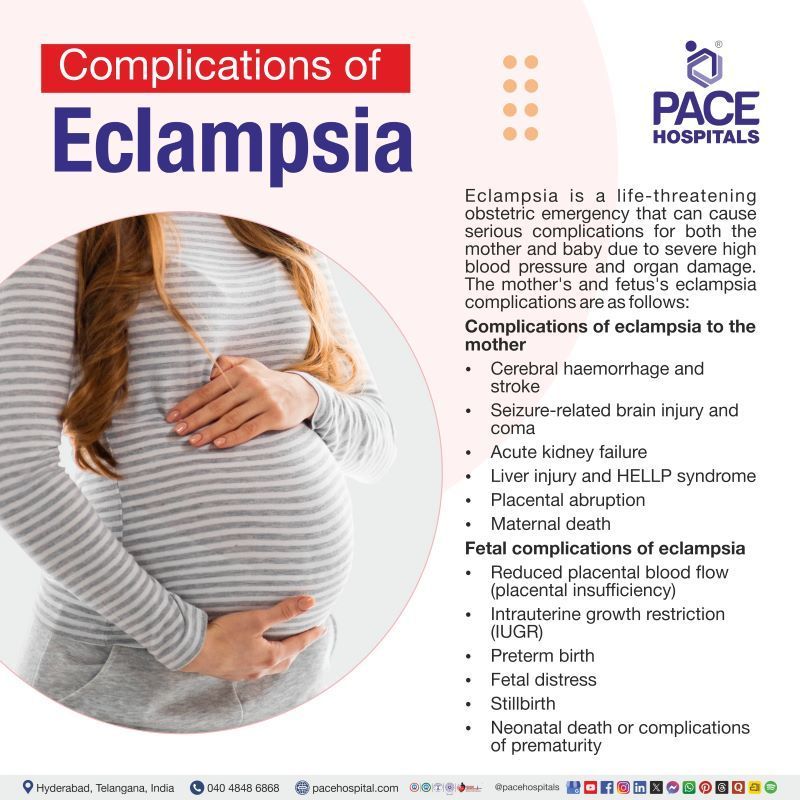
Complications of Eclampsia
Eclampsia is a life-threatening obstetric emergency that can cause serious complications to the mother and the baby. These complications occur due to severe high blood pressure and organ damage, making early diagnosis and prompt treatment essential. The mother's and fetus's eclampsia complications are as follows:
Complications of eclampsia to the mother
- Cerebral haemorrhage and stroke
- Cerebral edema (brain swelling)
- Seizure-related brain injury and coma
- Pulmonary edema
- Acute renal (kidney) failure
- Liver injury and HELLP syndrome
- Disseminated intravascular coagulation (DIC)
- Placental abruption
- Multi-organ failure
- Maternal death
Fetal complications of eclampsia
- Reduced placental blood flow (placental insufficiency)
- Intrauterine growth restriction (IUGR)
- Preterm birth
- Fetal distress
- Stillbirth
- Neonatal death or complications of prematurity
Complications of eclampsia to the mother
Eclampsia can cause life-threatening complications in the mother due to severe high blood pressure and reduced blood flow to vital organs. It includes:
Cerebral hemorrhage and stroke: Blood vessels in the brain can break or get blocked if blood pressure is very high. This causes either bleeding (hemorrhage) or a lack of blood flow (stroke). It could cause permanent brain damage, paralysis, or death. It is essential to control blood pressure immediately.
Cerebral edema (brain swelling): Fluid may leak into the brain tissues due to damaged blood vessels. This causes swelling and increased pressure inside the skull, which is called cerebral edema. The swelling leads to headache, confusion, and seizures. Severe cases can progress to coma.
Seizure-related brain injury and coma: Repeated or prolonged seizures reduce oxygen supply to the brain. This can cause direct injury to brain cells and affect brain function. In severe cases, the woman may become unconscious or enter a coma. Long-term neurological damage may occur.
Pulmonary edema: Fluid can accumulate in the lungs due to heart and blood vessel changes. This leads to breathing difficulty and reduced oxygen supply. The woman may experience breathlessness, cough, or chest tightness. It requires urgent medical treatment.
Acute renal (kidney) failure: Reduced blood flow to the kidneys and vascular damage can impair kidney function. This leads to reduced urine output and buildup of waste products in the body. It can become life-threatening if not treated. Monitoring kidney function is essential.
Liver injury and HELLP syndrome: Severe eclampsia can damage liver cells and cause HELLP syndrome (hemolysis, elevated liver enzymes, and low platelets). This results in abdominal pain, nausea, and bleeding problems. It is a serious condition requiring urgent delivery and treatment.
Disseminated intravascular coagulation (DIC): DIC is a condition where abnormal clotting occurs throughout the body. It utilizes all clotting factors and leads to severe bleeding. This can result in hemorrhage and organ damage. Immediate intensive care is required.
Placental abruption: High blood pressure leads to the placenta being expelled from the uterus before delivery. This leads to heavy bleeding and reduced oxygen supply to the baby. It is an emergency that threatens both mother and fetus.
Multi-organ failure: Severe eclampsia can affect multiple organs such as the brain, liver, kidneys, and lungs simultaneously. Reduced blood flow and oxygen supply cause organ dysfunction. Without proper treatment, this can rapidly become fatal.
Maternal death: If complications are severe and untreated, eclampsia can lead to the death of the mother. Major causes include stroke, organ failure, or severe bleeding. Early detection and treatment can prevent most deaths.
Fetal complications of eclampsia
Eclampsia also affects the baby because high blood pressure and placental damage decrease oxygen and nutrient supply to the fetus. This can lead to growth problems, early delivery, or even fetal death. It includes:
Reduced placental blood flow (placental insufficiency): Damage to blood vessels reduces the blood supply from the mother to the placenta. This limits the oxygen and nutrients reaching the fetus. Poor placental function can affect fetal growth and well-being.
Intrauterine growth restriction (IUGR): Due to reduced blood flow, the baby may not grow normally inside the womb. The fetus may be smaller than expected for gestational age. This increases the risk of illness after birth.
Preterm birth: Early delivery is often required to protect the mother’s life in severe eclampsia. Babies born too early may have immature organs. Prematurity increases the risk of breathing problems and infections.
Fetal distress: Reduced oxygen supply during pregnancy or labour can cause changes in the baby’s heart rate and movement. This indicates that the fetus is not coping well. Immediate medical intervention is needed.
Stillbirth: Severe placental insufficiency or abruption can lead to the death of the fetus before birth. It is a serious complication of untreated or severe eclampsia. This occurs because the baby does not receive enough oxygen and nutrients from the placenta. Without immediate medical care, the condition can rapidly become fatal for the fetus.
Neonatal death or complications of prematurity: Babies born to mothers with eclampsia may have low birth weight and immature organs. They are at risk of breathing difficulty, infections, and other complications. In severe cases, this can lead to neonatal death.
Eclampsia Diagnosis
The diagnosis of eclampsia is primarily clinical, based on the occurrence of seizures in a pregnant or recently delivered woman with features of preeclampsia. It involves clinical evaluation, blood pressure assessment, and supportive investigations to assess organ involvement and exclude other causes of seizures.
The following are steps involved in the diagnosis of eclampsia:
- Medical history
- Physical examination
- Laboratory tests
- Complete blood count (platelet count)
- Liver function tests
- Kidney function tests
- Coagulation profile
- Serum uric acid
- Lactate dehydrogenase (LDH)
- Proteinuria
- Fetal assessment
- Fetal heart rate monitoring
- Ultrasound for fetal growth and placental function
- Imaging studies
- CT (Computed tomography) scan
- MRI (Magnetic resonance imaging)
- Neurophysiological test
- EEG
Eclampsia Treatment
Management of eclampsia aims at rapid maternal stabilization, control of seizures, and management of severe hypertension to prevent complications. Eclampsia management includes the following:
- Non-pharmacological management
- Pharmacological management
- Surgical management
Non-pharmacological management
- Immediate stabilization of airway, breathing, and circulation
- Positioning in the left lateral position
- Oxygen administration
- Maintenance of the airway and suction of secretions
- Monitoring of maternal vital signs and neurological status
- Urine output monitoring and catheterization
- Fetal surveillance
- Fluid balance and restriction
- Quiet, low-stimulus environment
- Arrangement for referral to a higher centre (if needed)
Pharmacological management
- Specific anticonvulsant therapy (drug of choice)
- Antihypertensive therapy
- Supportive drug therapy as indicated
Surgical management
- Induction of labor
- Vaginal Delivery
- Cesarean Section
Why Choose PACE Hospitals?
Expert Super Specialist Doctors
Advanced Diagnostics & Treatment
Affordable & Transparent Care
24x7 Emergency & ICU Support
Prevention of Eclampsia
Prevention of eclampsia is based on early detection and proper management of preeclampsia during pregnancy. Timely prophylaxis, close monitoring, and appropriate referral and delivery prevent progression to seizures. It includes:
- Regular Antenatal Checkups
- Blood Pressure and Urine Monitoring
- Identification and Monitoring of High-Risk Women
- Early Treatment and Control of Hypertension
- Health Education and Early Reporting
- Regular Monitoring of Maternal and Fetal Condition
- Timely Referral and Planned Delivery
Regular Antenatal Checkups: All pregnant women should attend regular antenatal visits. This helps in the early detection of hypertension and other abnormalities. Consistent follow-up allows timely intervention and reduces the risk of progression to eclampsia.
Blood Pressure and Urine Monitoring: Blood pressure is measured, and urine is tested for protein at every visit. These are the key screening tools for detecting preeclampsia. Early identification allows prompt management before complications occur.
Identification and Monitoring of High-Risk Women: Women with risk factors such as primigravida (first pregnancy), multiple pregnancy, previous preeclampsia, or chronic diseases should be closely monitored. Regular follow-up helps detect and prevent severity early.
Early Treatment and Control of Hypertension: Once preeclampsia is diagnosed, proper treatment and management of severe blood pressure are important. This helps reduce complications and prevent seizures.
Health Education and Early Reporting: Pregnant women are educated about warning signs like headache, visual disturbances, and epigastric pain. Early reporting to a health facility helps in prompt treatment.
Regular Monitoring of Maternal and Fetal Condition: Continuous monitoring of maternal parameters and fetal well-being helps in timely decision-making and prevents complications.
Timely Referral and Planned Delivery: Severe or worsening cases should be referred early, and timely delivery should be planned. Delivery prevents further progression to eclampsia.
Difference between Eclampsia and Preeclampsia
Preeclampsia vs Eclampsia
Preeclampsia and eclampsia are related hypertensive disorders of pregnancy that differ mainly in severity and clinical features. Distinguishing between the two is essential for treatment strategies. Below are the differences between preeclampsia and eclampsia:
| Parameters | Preeclampsia | Eclampsia |
|---|---|---|
| Definition | Preeclampsia is a hypertensive condition of pregnancy characterized by high blood pressure after 20 weeks with proteinuria or organ dysfunction. | Eclampsia is the severe form of preeclampsia in which seizures (convulsions) occur without any other neurological cause. |
| Etiology | Abnormal placentation, endothelial dysfunction, and maternal risk factors (primigravida, hypertension, diabetes, etc | Progression of untreated or severe preeclampsia leading to cerebral involvement and seizures. |
| Pathophysiology | Placental ischemia causes endothelial damage and generalized vasospasm, leading to hypertension and reduced blood flow to organs resulting in organ dysfunction. | Severe vasospasm and cerebral edema reduce brain perfusion, leading to neurological irritation and seizures (convulsions). |
| Symptoms | Headache, visual disturbances, edema, epigastric pain, high BP | Along with preeclampsia symptoms, it has seizures, unconsciousness, and confusion. |
| Diagnosis | Elevated BP, proteinuria, abnormal lab tests (platelets, LFT, renal tests). | Preeclampsia features the occurrence of seizures and exclusion of other causes. |
| Treatment | BP control, monitoring, magnesium sulfate prophylaxis in severe cases, and planned delivery. | Emergency management includes controlling seizures, stabilising the mother, controlling BP, and immediate delivery. |
Frequently Asked Questions (FAQs) on Eclampsia
What is eclampsia?
Eclampsia is a severe complication of pregnancy in which a woman with preeclampsia develops generalized seizures after 20 weeks of gestation, during labour, or postpartum. It is associated with high blood pressure and organ involvement and is a life-threatening obstetric emergency requiring immediate management. It represents the advanced stage of hypertensive disorders of pregnancy and requires urgent stabilization and delivery.
What causes eclampsia?
Eclampsia is caused by the progression of preeclampsia, a condition by high blood pressure and organ dysfunction during pregnancy. The underlying cause is abnormal placental development, which causes less blood flow to the placenta and releases some factors that damage the mother's blood vessels. This results in vasospasm (constriction of blood vessels), high blood pressure, and decreased blood flow to organs, including the brain. When cerebral blood flow is highly affected, it causes brain irritation and swelling, which triggers seizures.
Can eclampsia be cured?
Yes, with proper medical care, eclampsia can be treated and controlled. This includes management of seizures and blood pressure. However, the only definitive cure is delivery of the fetus and placenta. Most women get better without any long-term problems if they get treatment on time and get advice. Early diagnosis, stabilization, and quick delivery are essential to reduce risks to both mother and baby.
How to prevent eclampsia?
Eclampsia can be prevented by early detection and management of preeclampsia through regular antenatal checkups with blood pressure and urine protein monitoring. High-risk women should be identified and closely followed up on. Control of severe hypertension and use of preventive anticonvulsant therapy in severe preeclampsia are recommended. Early referral to higher centres and timely planned delivery in severe cases help prevent progression to eclampsia and reduce complications.
Why does eclampsia cause death?
Eclampsia can cause death because of serious complications that affect the brain, lungs, and vital organs. The seizures may cause intracranial haemorrhage (stroke) or brain edema, which can be fatal. It can also lead to aspiration during seizures, leading to respiratory failure. Severe hypertension may result in multi-organ failure, including kidney and liver damage. Without rapid treatment, these complications can quickly lead to maternal death.
What is postpartum eclampsia?
Postpartum eclampsia is defined as the occurrence of new-onset seizures after childbirth in a woman with preeclampsia and no other identifiable neurological cause. It usually develops within 48 hours of delivery, but can occur up to 6 weeks postpartum. It is a medical emergency associated with hypertension and other features such as headache or visual disturbance. With quick treatment, blood pressure control is essential to prevent maternal morbidity and mortality.
What kind of doctor treats eclampsia?
Eclampsia is mainly treated by an obstetrician-gynecologist (OB-GYN), who specializes in pregnancy and childbirth. Care is usually provided in a hospital setting with support from a physician or critical care specialist if the condition is severe. An anaesthesiologist may assist during delivery or emergency care. A neonatologist or pediatrician may also be involved to care for the baby.
How common is eclampsia?
Eclampsia is a rare but serious problem that can happen during pregnancy. It happens in only 1–2% of women with preeclampsia. Its occurrence is relatively low in environments with adequate antenatal care. However, it continues as more common in limited-resource areas. Even though it doesn't happen very often, eclampsia is still a major cause of illness and death in pregnant women and newborns.
What is the difference between preeclampsia and eclampsia?
Preeclampsia is a pregnancy-specific condition caused by high blood pressure and proteinuria occurring after 20 weeks of gestation without seizures. Eclampsia is an extremely serious complication of preeclampsia that causes the woman to develop generalized tonic-clonic convulsions and/or coma. Thus, the presence of seizures is the key difference between the two conditions. Both are serious disorders, but eclampsia is life-threatening and requires immediate emergency management.
Is eclampsia a reason for a C-section?
Eclampsia itself is not an absolute indication for a C-section. The priority is to stabilize the mother first (control seizures and manage blood pressure). Delivery is required once the mother is stabilized, but the mode of delivery depends on obstetric factors such as gestational age, fetal condition, and cervical status. Vaginal delivery is done if the mother and fetus are stable and labor is progressing. A C-section is done if there are obstetric indications like failed induction, fetal distress, or unfavorable cervix with urgent need for delivery.
Why do seizures occur in eclampsia?
Seizures in eclampsia occur because very high blood pressure affects the brain. The brain loses its normal ability to control blood flow, which leads to swelling and reduced oxygen supply. This swelling irritates the brain and triggers convulsions (seizures). Damage to the blood vessels in the brain also causes fluid leakage into the brain tissue. All these changes make the brain over-sensitive, resulting in sudden seizures and making it a medical emergency.
How to identify eclampsia?
Eclampsia can be identified by the occurrence of seizures (fits) in a pregnant woman or a woman who has recently delivered. It is usually associated with very high blood pressure and symptoms like severe headache, blurred vision, and swelling of the face or hands. Warning signs may also include upper abdominal pain and reduced urine output. Any seizure during pregnancy or soon after delivery should be treated as eclampsia until proven otherwise and needs urgent medical care.
What organs are affected by eclampsia?
Eclampsia affects multiple important organs in the body because it causes very high blood pressure and decreased blood flow. It affects the brain, which causes seizures and swelling. It may harm the liver and cause upper stomach discomfort. The kidneys are affected, resulting in reduced urine and protein being eliminated. The lungs, heart, and placenta may also be affected, which can be harmful for both the mother and the baby.
What are the complications of eclampsia?
Eclampsia can cause serious, life-threatening complications for both the mother and the fetus if not treated properly. It causes complications in the mother like stroke, brain swelling, kidney and liver failure, pulmonary edema, and HELLP syndrome. It can also cause placental abruption and heavy bleeding. For the baby, it may lead to premature birth, low birth weight, or stillbirth. These complications make eclampsia a major cause of maternal and perinatal mortality.
When to consult a doctor for eclampsia?
Consult a doctor for eclampsia immediately if a pregnant woman has high blood pressure, severe headache, visual disturbances, or swelling, as these may be early signs of preeclampsia that can progress to eclampsia. Seek urgent medical care if there are fits (seizures), loss of consciousness, or severe symptoms. Signs that indicate that require immediate medical attention include:
- Severe or persistent headache
- Blurred vision or seeing flashes of light
- Sudden swelling of face, hands, or feet
- Severe abdominal or epigastric pain
- Nausea or vomiting in late pregnancy
- Reduced urine output or decreased fetal movements
If any of these symptoms occur, it is important to see an eclampsia doctor without delay for proper evaluation and treatment. Seek emergency help immediately if there are seizures, difficulty breathing, unconsciousness, or heavy bleeding, as these are life-threatening complications. A qualified obstetrician or gynaecologist can provide the right eclampsia treatment to protect the health of both mother and baby.
Share on
Request an appointment
Fill in the appointment form or call us instantly to book a confirmed appointment with our super specialist at 04048486868
Appointment request - health articles
Recent Articles