Successful Right Great Toe Ray Amputation for Infected Diabetic Foot Gangrene
PACE Hospitals
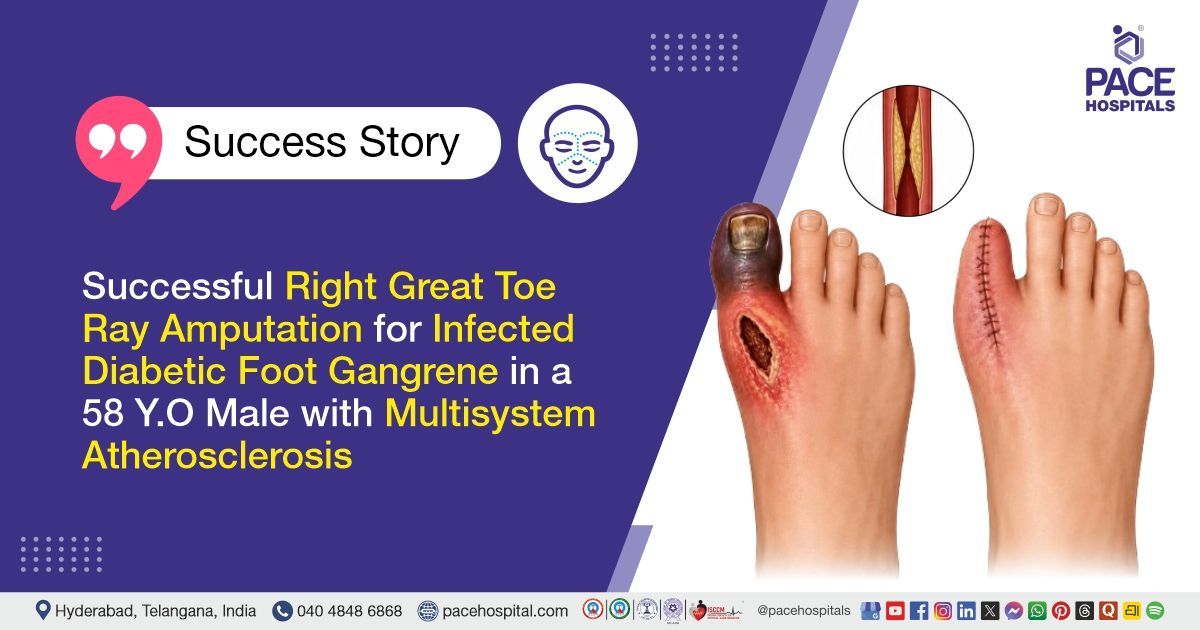
PACE Hospitals' expert Plastic and Reconstructive Surgery team successfully performed a Right Great Toe Ray’s Amputation, Debridement, Incision, and Drainage procedure on a 58-year-old male patient diagnosed with Peripheral Arterial Disease (PAD), and right great toe gangrene with abscess. The aim of the procedure was to remove infected and gangrenous tissue, control the spread of infection, drain the abscess, promote wound healing, and preserve the function and viability of the affected limb.
Chief Complaints
A 58-year-old male patient with a body mass index (BMI) of 21 presented to the Plastic and Reconstructive Surgery Department at PACE Hospitals, Hitech City, Hyderabad, with complaints of an ulcer over the right great toe for the past 2 weeks, associated with pus discharge and discoloration of the right great toe. The patient also reported intermittent episodes of fever for the past 5 days.
Past Medical History
The patient was a known case of hypertension (HTN), type 2 diabetes mellitus (T2DM), coronary artery disease (CAD), and peripheral arterial disease (PAD). He had a history of coronary artery bypass grafting (CABG) and was on regular medical management for his comorbid conditions. The patient also had poorly controlled diabetes, as evidenced by elevated HbA1c levels, along with associated vascular complications contributing to compromised lower limb circulation and delayed wound healing.
On Examination
On general examination, the patient was conscious, coherent, and well-oriented. Local examination of the right foot revealed an ulcer over the right great toe with associated pus discharge, discoloration, surrounding soft tissue swelling, and features suggestive of gangrene with abscess formation. Diffuse edema was noted over the distal right lower limb and dorsum of the foot. Systemic examination revealed a stable cardiovascular and respiratory status.
Diagnosis
Following the clinical evaluation, the Cardiology and Plastic Surgery teams at PACE Hospitals conducted a comprehensive assessment, including a detailed review of his medical history and a thorough physical examination. The patient presented with a 2-week history of an ulcer on the right great toe, associated with pus discharge, discoloration of the right great toe, and intermittent fever for 5 days.
Clinical examination and radiological assessment revealed gangrene of the right great toe with an abscess in the setting of Peripheral Arterial Disease (PAD) and diffuse atherosclerotic vascular disease involving the bilateral lower-limb arteries.
A complete diagnostic workup was carried out, including routine laboratory investigations, pus and tissue culture sensitivity testing, vascular imaging, cardiac evaluation, and metabolic assessment, which confirmed infection with Klebsiella pneumoniae sensitive to multiple antibiotics.
CT bilateral lower limb angiography demonstrated diffuse mild to moderate circumferential atherosclerotic calcified plaques involving bilateral lower limb arteries with moderate to severe stenosis of the bilateral posterior tibial arteries.
The patient was also noted to have a known history of coronary artery disease (CAD), status post Coronary Artery Bypass Grafting (CABG) in the past, hypertension, and Type 2 Diabetes Mellitus with poor glycemic control. His general systemic condition was stable, and cardiac evaluation showed good left ventricular function with Grade I diastolic dysfunction.
Based on the confirmed diagnosis, the patient was advised to undergo Right Great Toe Gangrene with Abscess and Infected Diabetic Foot Ulcer Treatment in Hyderabad, India, under the expert care of the Plastic and Reconstructive Surgery team.
Medical Decision Making (MDM)
After a thorough evaluation by Dr. K.B. Lakshmi, Consultant Plastic Surgeon, and in coordination with cross-consultations from Dr. Seshi Vardhan Janjirala, Consultant Cardiologist, a comprehensive assessment was carried out to determine the most appropriate management plan for the patient diagnosed with Peripheral Artery Disease (PAD) with right great toe gangrene and abscess.
Based on the clinical findings of ulcer over the right great toe with pus discharge, discoloration, gangrenous changes, fever, uncontrolled Type 2 Diabetes Mellitus, and CT peripheral angiography suggestive of posterior tibial artery disease with severe peripheral vascular insufficiency, along with associated soft tissue infection and abscess formation, it was determined that surgical management with right great toe ray’s amputation, incision and drainage (I&D), and debridement was the most appropriate treatment approach. This decision was made after careful evaluation of the severity of infection, extent of gangrene, poor distal vascularity, risk of progressive tissue necrosis and sepsis, need for infection control, and preservation of limb function.
The patient and his family members were counselled regarding the condition, the need for surgery, associated risks and benefits, and the importance of postoperative care, including wound care, glycemic control, medication adherence, daily dressings, vascular follow-up, and regular review for optimal recovery and prevention of further complications.
Surgical Procedure
Following the diagnosis, the patient was scheduled to undergo Right Great Toe Ray's Amputation Debridement Incision And Drainage in Hyderabad at PACE Hospitals, under the supervision of the expert Plastic and Reconstructive Surgery team.
The surgical procedure involved the following steps:
- Anaesthesia, Positioning, Painting and Draping: After shifting the patient to the operating room, the patient was placed in supine position and the right lower limb was prepared for surgery. Under short general anaesthesia along with ankle block, adequate anaesthetic effect was achieved. The operative site was cleaned with antiseptic solution, painted, and sterile drapes were applied under strict aseptic precautions to maintain a sterile surgical field.
- Exploration of Right Great Toe and Assessment of Gangrenous Tissue: The right great toe and surrounding infected area were carefully examined intraoperatively. Gangrenous and infected tissue involving the right great toe with associated abscess formation and necrotic soft tissue changes were identified. The extent of tissue involvement and viability of surrounding structures were assessed prior to definitive surgical management.
- Right Great Toe Ray’s Amputation: A right great toe ray’s amputation was performed by surgically removing the gangrenous right great toe along with the involved metatarsal component as required. All non-viable, infected, and necrotic tissues were excised adequately while preserving healthy surrounding tissue as much as possible. The amputation margins were assessed to ensure removal of infected and devitalized tissue.
- Incision, Drainage and Debridement of Foot Abscess: The associated foot abscess was adequately opened and drained. Purulent material was evacuated completely, and extensive debridement of infected and unhealthy soft tissue was carried out. Thorough wound wash and irrigation were given using sterile solutions. Hemostasis was secured carefully to control bleeding, and the wound was dressed with appropriate sterile dressing (ASD).
- Specimen Collection and Completion of Procedure: Pus and tissue samples obtained from the infected wound and amputated area were sent for culture and sensitivity analysis to identify the causative organism and guide antibiotic therapy. Final inspection of the surgical site was performed to ensure adequate drainage, satisfactory wound condition, and hemostasis before completion of the procedure.
Postoperative Care
Postoperatively, the patient was monitored for vitals, pain, bleeding, and infection, with limb elevation and assessment of peripheral circulation due to vascular disease. Daily sterile dressings were done, and wound healing was observed with culture-guided infection control. During hospital stay, medications were given for infection control, pain relief, gastric protection, blood thinning for vascular disease, management of hypothyroidism, strict diabetes control, limb perfusion improvement, and nutritional support. Blood sugars were closely monitored and maintained for proper healing. The patient was discharged in stable condition with instructions for continued wound care, completion of prescribed medications, and regular follow-up for reassessment of wound healing and vascular status.
Discharge Medications
Upon discharge, the patient was prescribed medications for control of postoperative soft tissue infection, including coverage for gram-negative and anaerobic organisms, along with agents for pain relief and gastric protection. Anticoagulation was continued for peripheral vascular disease and post-CABG vascular risk management, and treatment for hypothyroidism was continued.
Strict glycemic control was advised using oral hypoglycemic agents and insulin therapy for uncontrolled diabetes mellitus to promote wound healing and prevent recurrence of infection.
Additional medications, including calcium, vitamin D, nutritional supplements, and neuropathic support medications, were prescribed to promote wound healing, improve bone and metabolic health, reduce the risk of further diabetic complications, and support postoperative recovery. A topical wound debriding agent was prescribed for local wound care and enhancement of healing.
Advice on Discharge
Upon discharge, the patient was advised to undergo daily sterile wound dressings and maintain proper local wound care to promote healing and prevent further infection. He was instructed to continue all prescribed medications regularly, including antibiotics, antidiabetic medications, insulin therapy, thyroid medication, and vascular supportive treatment as advised by the treating team.
Emergency Care
The patient was informed to contact the emergency ward at PACE Hospitals in case of any emergency or development of symptoms, such as fever, increased pain or swelling of the operated foot, wound discharge or bleeding, discoloration of the foot, or any signs of infection or poor healing.
Review and Follow-up Notes
The patient was advised to return for follow-up consultation with the Consultant Plastic, Reconstructive & Aesthetic Surgeon at PACE Hospitals, Hyderabad, after 3 weeks for wound evaluation, dressing review, and assessment of postoperative recovery. Additional follow-up consultations with the Consultant Endocrinology/Diabetology team after 1 week and the Cardiologist after 2 weeks were advised for continued glycaemic control, vascular assessment, and comprehensive management of associated comorbidities.
Conclusion
This case highlights diabetic foot gangrene with abscess in a patient with long-standing diabetes and advanced peripheral arterial disease, managed with right great toe ray’s amputation and surgical debridement. It highlights Klebsiella pneumoniae infection on culture with appropriate culture-directed antibiotic therapy and strict glycemic control. It also highlights diffuse atherosclerotic disease with significant below-knee arterial stenosis, with post-operative stabilization and planned staged revascularization and follow-up.
Diabetic Foot Ulcer and Infection Associated with Peripheral Arterial Disease
Diabetic foot infections in the setting of peripheral vascular disease are typically multifactorial, involving neuropathy, poor glycemic control, and reduced arterial blood flow to the distal limbs. These conditions predispose patients to non-healing ulcers, secondary bacterial infections, and progression to gangrene if not identified early. Peripheral arterial disease further compromises tissue perfusion, significantly delaying wound healing and increasing the risk of limb-threatening ischemia.
In many cases, infection may progress rapidly, requiring a combination of targeted antibiotic therapy, surgical debridement, or amputation, often managed in coordination with a Plastic surgeon / Plastic surgery doctor for optimal wound coverage and limb salvage. Imaging studies such as Doppler and CT angiography are essential to assess the extent of vascular compromise and plan revascularization strategies. Optimal outcomes depend on strict glycemic control, timely vascular intervention, and multidisciplinary management involving plastic surgery for reconstructive and wound healing support.
Frequently Asked Questions (FAQs)
Why was a toe amputation necessary in this patient despite receiving treatment for the wound?
Toe amputation was required because the toe had developed severe infection with gangrene and pus collection. The damaged tissue could not recover due to poor blood supply and uncontrolled diabetes. Removing the affected toe helped stop the spread of infection to nearby tissues. This procedure also improved the possibility of proper wound healing.
How does poor blood circulation in the legs affect recovery after a diabetic foot infection?
Poor blood circulation reduces oxygen supply to the tissues and delays healing. Infections become difficult to control when blood flow to the foot is reduced. It also increases the risk of tissue damage and non-healing ulcers. Adequate circulation is important for wound recovery and limb preservation.
Why are doctors planning a future procedure to improve blood flow even after the infected toe was removed?
The surgery has removed the infected tissue, but the narrowing of arteries in the leg is still present. Reduced blood flow can delay wound healing and increase the chance of future foot complications. Improving circulation is important for better recovery of tissues and for protecting the remaining part of the foot. It can also help lower the risk of needing further amputation.
What are the chances of infection returning after discharge in patients with diabetes and peripheral arterial disease?
Patients with diabetes and poor circulation have a higher risk of recurrent foot infections. Minor injuries or unnoticed wounds can rapidly worsen if not treated early. Regular wound care and foot protection are necessary after discharge. Immediate medical attention is important if swelling, discharge, fever, or redness develops again.
How does uncontrolled diabetes increase the risk of gangrene and amputation?
Long-term uncontrolled diabetes can damage blood vessels and nerves. Loss of sensation in the feet may make it difficult to notice small wounds or infections at an early stage. Reduced blood circulation slows down the healing process and can allow infections to spread into deeper tissues. In severe cases, this may result in tissue death (gangrene) and may require amputation to prevent serious complications.
Why is daily wound dressing important after a toe amputation surgery?
Daily wound dressing helps keep the area clean and reduces the risk of infection. It also allows regular monitoring of the healing process and helps identify any complications at an early stage. Proper wound care supports the formation of healthy tissue and improves the recovery process. Regular and consistent dressing is important to protect the remaining foot and surrounding tissues.
How can special footwear and foot care help prevent another ulcer or amputation?
Wearing protective footwear helps reduce pressure and friction on sensitive areas of the foot. Checking the feet regularly allows early identification of cuts, blisters, or any skin changes. Maintaining good foot hygiene and avoiding walking barefoot can lower the risk of injuries and infection. These steps are important in preventing future ulcers and related complications.
Why was a wound culture test performed, and how does it help in recovery?
The wound culture test helps identify the bacteria causing the infection. This allows selection of treatment aimed specifically at controlling the detected infection. Proper infection management improves healing and reduces complications. It also helps prevent the spread of resistant organisms.
Why did doctors assess the patient’s heart condition during treatment for a foot infection?
Patients with narrowing or blockage of leg arteries often also have disease in the heart vessels. A history of heart surgery along with vascular disease can increase the risk of complications during treatment. Assessment of the heart helps in understanding the overall health condition and the safety of further management. Regular monitoring of heart function is important in patients with widespread artery disease.
Can a person walk normally after losing the great toe, and what rehabilitation is needed?
The great toe helps maintain balance and stability during walking. After its removal, there may be some initial difficulty in walking. Mobility can gradually improve with rehabilitation exercises, suitable footwear, and a slow return to normal activities. Ongoing follow-up and proper foot care are essential for maintaining walking ability in the long term.
Share on
Request an appointment
Fill in the appointment form or call us instantly to book a confirmed appointment with our super specialist at 04048486868
Appointment request - health articles
Recent Articles