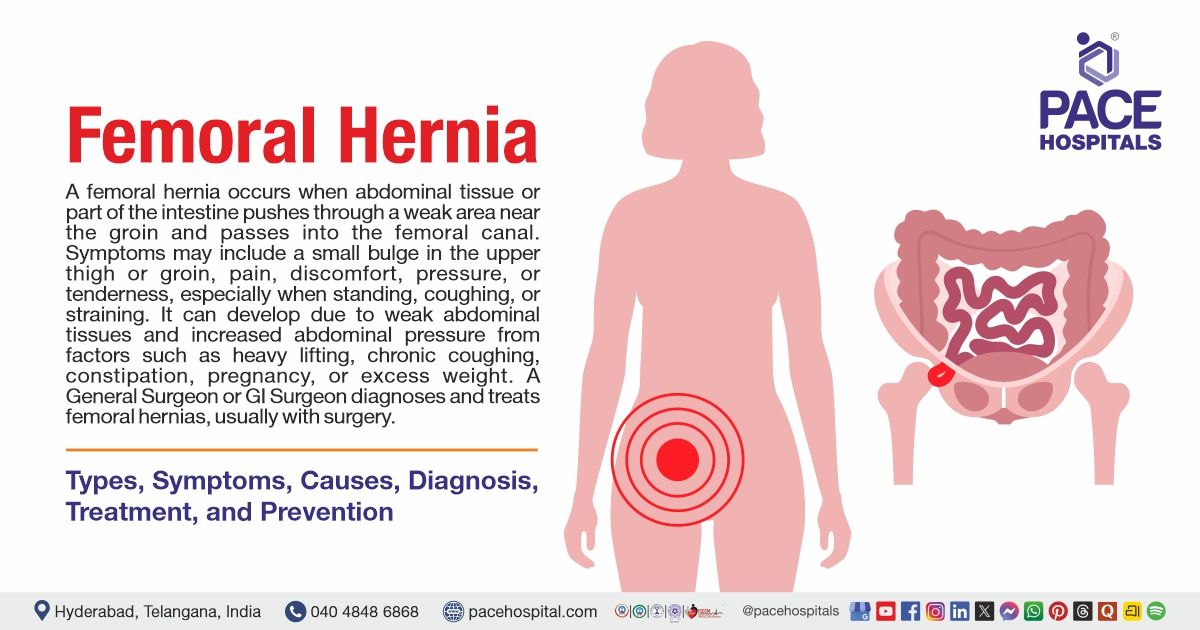
Successful Toe Ray Amputation for Diabetic Foot Gangrene in 55 Y.O. Male with Multiple Comorbidities
PACE Hospitals
PACE Hospitals’ expert Plastic and Reconstructive Surgery team successfully performed a Right Fifth Toe Ray Amputation on a 55-year-old male patient diagnosed with diabetic foot with gangrene of the 5th toe, along with chronic kidney disease (CKD stage 5 on dialysis), hypertension, and type 2 diabetes mellitus. The aim of the procedure was to remove the gangrenous and infected tissue, prevent the spread of infection, promote proper wound healing, and preserve as much of the healthy foot as possible, thereby improving overall recovery outcomes.
Chief Complaints
A 55-year-old male with a body mass index (BMI) of 20 presented to the Plastic and Reconstructive Surgery Department at PACE Hospitals, Hitech City, Hyderabad, with complaints of discoloration of the right foot fifth toe for one week, breathlessness for two days, and fever for one day. The patient was apparently well one week before, when he developed a small pustule over the right fifth toe, which progressively increased in size and led to discoloration of the entire toe, with no history of trauma.
He also reported breathlessness for two days (corresponding to NYHA class III–IV), associated with increasing facial swelling. There was a history of high-grade fever for one day that responded to medication, with no associated chest pain or cough. In addition, he complained of neck swelling associated with a change in voice for one week.
Past Medical History
The patient was a known case of chronic kidney disease stage 5 on dialysis (CKD5D), hypertension, and type 2 diabetes mellitus, and was on regular thrice-weekly hemodialysis. He had a prior history of diabetic foot. He was admitted with an infection of the right brachiocephalic arteriovenous fistula (AVF) and was also found to have a thrombus in the right subclavian vein and internal jugular vein, for which he underwent venoplasty and was started on medication.
On Examination
On examination, the patient was conscious, coherent, and oriented. His vital signs were within normal limits. There was pedal edema along with facial and neck puffiness, with no tenderness over the face or neck. The right fifth toe was discolored. Vital signs were within normal limits. Cardiovascular examination revealed normal heart sounds. The respiratory system showed normal breath sounds. Abdominal examination was soft and non-tender.
Diagnosis
Following the clinical examination, the Nephrology and Plastic Surgery teams conducted a thorough assessment, including a detailed review of the patient’s medical and surgical history, with presenting complaints of right fifth toe discoloration for one week, breathlessness for two days, and fever for one day. A focused evaluation of the right foot was performed to assess local discoloration, tissue necrosis, infection, and vascular status. Clinical assessment, along with the patient’s background history of chronic kidney disease on maintenance hemodialysis, hypertension, and type 2 diabetes mellitus with previous diabetic foot, was suggestive of diabetic foot infection with gangrenous involvement of the right fifth toe, associated with features of infection and volume overload.
To confirm the diagnosis and determine the extent of the disease, a detailed clinical and diagnostic evaluation was performed. The assessment revealed abnormal infection markers suggestive of sepsis, abnormal glycemic status indicating uncontrolled diabetes, and abnormal complete blood picture showing anemia and high procalcitonin suggesting inflammatory changes. Renal function tests were abnormal, consistent with advanced kidney disease, and electrolyte levels showed mild abnormalities. Microbiological evaluation revealed abnormal findings with positive wound swab and tissue cultures, while blood cultures were normal with no growth. Vascular assessment showed abnormal findings with diffuse atherosclerotic changes and features of arterial insufficiency in the lower limb. Imaging of the neck vessels demonstrated abnormal findings with right internal jugular vein thrombosis, and ultrasound of the neck showed associated lymphadenopathy. Coagulation parameters were abnormal initially, while chest imaging showed no significant acute abnormality. Viral screening was normal, and metabolic parameters showed mild abnormalities. Overall assessment confirmed diabetic foot with gangrene, infection, and associated systemic involvement.
Based on the confirmed diagnosis, the patient was advised to undergo Diabetic Foot Treatment in Hyderabad, India, with gangrene of the Fifth Toe under the Plastic and Reconstructive Surgery team, for infection control, wound healing, prevention of further tissue loss, and preservation of limb function.
Medical Decision Making (MDM)
After a detailed consultation with Dr. A. Kishore Kumar, Consultant Nephrologist & Renal Transplant Physician, and Dr. Kantamneni Lakshmi, Consultant Plastic Surgeon, a thorough clinical evaluation was performed focusing on the patient’s presentation of right fifth toe discoloration, fever, and breathlessness, in the background of chronic kidney disease on maintenance hemodialysis, hypertension, and type 2 diabetes mellitus. Clinical examination findings, along with history, were suggestive of diabetic foot with gangrenous involvement of the right fifth toe and associated systemic infection.
All relevant laboratory and imaging investigations were reviewed comprehensively, including infection markers, complete blood picture, renal function tests, glycemic status, microbiological cultures, vascular Doppler studies, and neck imaging. The findings confirmed severe localized infection with gangrene, evidence of sepsis, atherosclerotic vascular disease with arterial compromise, and associated right internal jugular vein thrombosis in a background of advanced renal disease.
It was determined that Right Fifth Toe Ray Amputation was identified as the most appropriate intervention to remove the gangrenous and infected tissue, control the source of sepsis, prevent further spread of infection, and preserve overall limb function.
The patient and family members were counselled regarding the surgical procedure, potential intraoperative and postoperative risks, and expected outcomes following the amputation.
Surgical Procedure
Following the decision, the patient was scheduled to undergo Right Fifth Toe Ray Amputation Surgery in Hyderabad at PACE Hospitals, under the care and supervision of the expert Plastic and Reconstructive Surgery team.
The following steps were carried out during the procedure:
- Preoperative Preparation and Positioning: After confirming the diagnosis of diabetic foot with right fifth toe gangrene, the patient was taken up for Right Fifth Toe Ray Amputation under appropriate anesthesia. The patient was positioned supine, and the right lower limb was prepared and draped in a sterile manner. A preoperative assessment of the gangrenous toe, surrounding soft tissue involvement, and vascular status was carried out before proceeding.
- Incision Planning and Exposure of the Gangrenous Toe: An incision was carefully planned around the gangrenous right fifth toe, ensuring adequate exposure of the involved soft tissues while preserving as much healthy surrounding tissue as possible. Dissection was carried through the skin and subcutaneous tissue to identify the extent of devitalized tissue. The operative field was assessed for necrotic tissue, local infection, and involvement of the fifth ray.
- Disarticulation and Ray Amputation: The right fifth toe was surgically disarticulated, and the affected fifth ray was excised as indicated. All non-viable, infected, and gangrenous tissue was removed completely to achieve adequate source control. Care was taken to preserve viable adjacent structures and obtain a healthy wound bed suitable for healing.
- Debridement, Hemostasis, and Wound Irrigation: Following amputation, the surgical site was thoroughly inspected. Any residual unhealthy soft tissue was debrided, and meticulous hemostasis was secured. The wound was then copiously irrigated to reduce the local infective load and clear devitalized tissue remnants. Tissue samples were obtained for microbiological evaluation.
- Wound Management and Dressing: After confirming satisfactory clearance of infected and necrotic tissue, the wound was managed appropriately based on local tissue condition. A sterile dressing was applied, and the patient was shifted for postoperative monitoring.
Postoperative Care
Following the procedure, the patient received regular sterile wound dressings with close monitoring for infection and healing progression. Therapy was continued as indicated to control the underlying infection. Blood sugar levels were closely monitored, and doses were adjusted to maintain optimal control and support wound healing. The patient was managed with regular hemodialysis sessions to address fluid overload and improve respiratory symptoms.
An ENT evaluation was conducted for associated neck swelling and voice changes, and imaging ruled out any deep neck space infection, with only mild lymph node enlargement noted. Further evaluation was planned on an outpatient basis as indicated. Additional imaging was performed to assess for possible central venous obstruction, and appropriate follow-up was advised for pending reports.
With ongoing multidisciplinary care, the patient showed clinical improvement, becoming afebrile with a reduction in infection and improvement in breathlessness. The overall condition stabilized, and the patient was discharged with advice for continued wound care, strict glycemic control, adherence to dialysis schedule, and regular follow-up to monitor recovery and prevent complications.
Discharge Medications
At the time of discharge, the patient was prescribed medications for infection, fluid overload, blood pressure, blood sugar, gastric symptoms, bone health, anemia, neuropathic symptoms, and skin dryness/itching. The patient was advised to continue regular hemodialysis sessions as per schedule. Overall, the medications were aimed at infection control, metabolic stabilization, symptom relief, and prevention of further complications.
Advice on Discharge
Upon discharge, the patient was advised to follow strict dietary restrictions, including limiting daily fluid intake to approximately 750 ml and restricting salt intake to less than 5 grams per day to maintain fluid balance and control blood pressure. The patient was also advised to undergo regular wound care with daily sterile dressing at the designated healthcare facility to ensure proper healing and prevent infection.
Emergency Care
The patient was informed to contact the emergency ward at PACE Hospitals in case of any emergency or development of symptoms such as fever, worsening wound pain or discharge, increased swelling of the foot, breathlessness, chest pain, or vomiting.
Review and Follow-up Notes
The patient was advised to return for a follow-up consultation with the Consultant Plastic, Reconstructive & Aesthetic Surgeon in Hyderabad at PACE Hospitals after 5 days, along with additional consultations with the Consultant Nephrologist and Interventional Radiologist for further evaluation and ongoing management.
Conclusion
This case highlights the successful multidisciplinary management of diabetic foot with fifth toe gangrene in a patient with advanced renal disease on maintenance hemodialysis. Early identification of infection, timely surgical intervention, and appropriate antimicrobial therapy played a key role in controlling sepsis and preventing further complications. Comprehensive care, including glycemic control and dialysis support, contributed to clinical stabilization and recovery.
Effective Management of Diabetic Foot Infections in High-Risk Patients
Early recognition and timely management of diabetic foot infections are crucial to prevent progression to gangrene and limb loss. A thorough clinical evaluation supported by appropriate investigations helps in accurate diagnosis and treatment planning. A multidisciplinary approach involving a Plastic surgeon / Plastic surgery doctor and medical specialists ensures comprehensive care and better outcomes. Effective infection control with appropriate antimicrobial therapy plays a key role in recovery. Optimal glycemic control is essential to promote wound healing and reduce complications. Supportive management, including fluid balance and management of associated comorbidities, further improves prognosis. Regular follow-up and adherence to treatment are important to prevent recurrence and long-term complications.
Share on
Request an appointment
Fill in the appointment form or call us instantly to book a confirmed appointment with our super specialist at 04048486868
Appointment request - health articles
Recent Articles