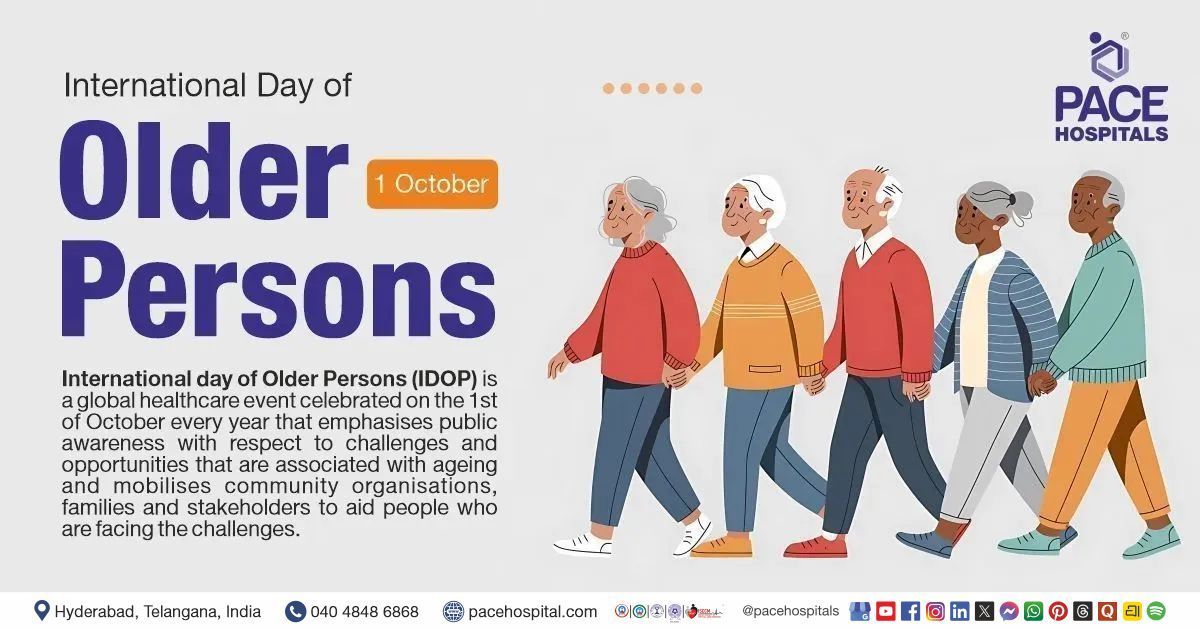
Which Doctor to Consult for Persistent Bone Pain That Worsens at Night?
PACE Hospitals
Written by: Editorial Team
Medically reviewed by: Dr. Anand Agroya - Senior Orthopedic Consultant, Trauma Surgeon & Sports Medicine Specialist
Introduction
Persistent bone pain that worsens at night is a symptom that should never be dismissed as ordinary soreness or fatigue. Unlike muscle pain or general body ache after activity, bone pain that intensifies when you are at rest — particularly during nighttime hours — can point to a range of conditions, from benign tumours and bone infections to serious possibilities such as bone cancer or cancer that has spread to the bones.
Many patients delay seeking medical attention because they are unsure which doctor to approach first. Should you see an Orthopaedic doctor? An Oncologist? A Rheumatologist? Or a General Physician? The right first step depends on your symptoms, history, and what the pain is associated with.
This article, prepared for PACE Hospitals, Hyderabad, provides a clear, medically accurate, patient-friendly guide to help you understand which specialist to consult, when to go to emergency care, what tests may be needed, and what treatment options are available. If you or a family member is experiencing persistent bone pain — especially pain that worsens at night — please read this guide carefully and seek timely medical evaluation.
Quick Answer
For persistent bone pain that worsens at night, consult an Orthopaedic doctor first. Night bone pain should not be ignored, especially if it is progressive, localized, associated with swelling, fever, weight loss, weakness, fracture without major injury, or previous cancer history. If imaging or symptoms suggest a tumour or cancer-related bone disease, an Orthopaedic Oncologist or Medical Oncologist may be needed. Emergency care is required for severe pain after trauma, inability to walk, fever with bone pain, or neurological symptoms.
What Does Persistent Bone Pain That Worsens at Night Mean?
Bone pain that is persistent and worsens at night is medically different from the usual aches caused by physical exertion or minor injuries. Bone pain is typically described as a deep, dull, aching sensation that is felt inside the bone itself — not on the surface of the skin or in the muscles around it.
When this pain increases at night — a pattern clinicians refer to as "nocturnal pain" — it is often a signal that the underlying cause is not purely mechanical. Mechanical pain (such as pain from arthritis or a muscle strain) generally improves with rest and worsens with movement. Pain that worsens at rest or at night, particularly when there is no clear injury to explain it, raises concern about biological processes occurring within the bone, such as tumour activity, bone infection, or inflammatory bone disease.
Common reasons why bone pain worsens at night include:
- Increased awareness of pain when distracted less at night
- Tumour-induced pressure on the bone's outer layer (periosteum), which contains pain-sensitive nerve fibres
- Inflammatory mediators released by tumour cells or infection that peak during rest
- Specific benign bone lesions such as osteoid osteoma, which classically cause severe night pain
- Bone marrow expansion due to malignancy
- Bone infection (osteomyelitis) with local inflammation
Not all night bone pain is cancer, but all persistent night bone pain deserves a medical evaluation.
Why Night Bone Pain Should Not Be Ignored?
Night bone pain is an important clinical red flag recognized by orthopaedic surgeons, oncologists, and rheumatologists worldwide. Research published in peer-reviewed literature has consistently shown that persistent bone pain — especially pain that wakes a person from sleep — is a feature that warrants prompt medical investigation.
A study on early symptoms of bone sarcomas noted that night pain was present in 54% of patients at the time of their initial consultation and remained a prominent feature in 44% of patients by the time they were referred to a specialist centre. Despite this, night pain was often not included in early referral guidelines — a gap that clinicians and researchers have highlighted as a concern.
The presence of night bone pain combined with any of the following features significantly increases the urgency of evaluation:
- Pain that is worsening progressively over weeks or months
- A visible swelling or lump over the painful bone
- Fever alongside bone pain
- Unexplained weight loss
- Extreme fatigue or weakness
- A fracture or crack after a very minor injury or fall
- A personal or family history of cancer
- Back pain with weakness in the legs or difficulty controlling bladder or bowel
- Bone pain in a child with a limp or refusal to walk
None of these symptoms should be attributed to "growing pains," "overexertion," or "ageing" without proper evaluation.
Doctor Selection Guide
The table below provides a clear guide for patients to identify the right first point of contact based on their specific situation, and which specialist may be needed for further evaluation.
| Situation | First Doctor to Consult | Specialist Needed If |
|---|---|---|
| Persistent bone pain, no known injury, night worsening | Orthopaedic Doctor | Imaging shows suspicious lesion → Orthopaedic Oncologist |
| Bone pain after injury, fracture, or trauma | Orthopaedic Doctor | Fracture after minor injury → Orthopaedic Oncologist (pathological fracture) |
| Bone pain with swelling or lump over bone | Orthopaedic Doctor | Swelling with imaging abnormality → Orthopaedic Oncologist |
| Bone pain with fever and localized tenderness | Orthopaedic Doctor | Infection confirmed → Orthopaedic/Infectious Disease Specialist |
| Bone or joint pain with morning stiffness, multiple joints, rash | General Physician | Inflammatory markers elevated → Rheumatologist |
| Bone pain in a patient with known cancer history | Oncologist or Orthopaedic Doctor | Suspected metastasis → Medical Oncologist or Orthopaedic Oncologist |
| Bone pain with unexplained weight loss, fatigue, anaemia | General Physician or Internal Medicine | Malignancy suspected → Oncologist |
| Bone pain in a child with limp or swelling | Orthopaedic Doctor (Paediatric) | Imaging suspicious → Paediatric Oncologist or Orthopaedic Oncologist |
| Bone pain in elderly with spinal compression or height loss | Orthopaedic Doctor | Osteoporosis with fracture or tumour → Specialist referral |
| Severe bone pain after trauma, unable to walk | Emergency Department (Immediate) | After stabilisation → Orthopaedic Doctor |
| Bone pain with leg weakness, bladder/bowel symptoms | Emergency Department (Immediate) | Spinal cord compression evaluation required |
When Bone Pain Needs Urgent Medical Attention?
Certain combinations of bone pain symptoms require immediate emergency medical care, not a scheduled clinic appointment. Go to the nearest emergency department or call for emergency help if:
Emergency Red-Flag Symptoms — Bone Pain Checklist
- Severe bone pain following a fall, accident, or injury (possible fracture)
- Inability to walk or bear weight on a limb
- Sudden onset of severe back pain with weakness or numbness in the legs
- Loss of bladder or bowel control alongside back or spinal pain
- High fever combined with bone pain and localized warmth (possible bone infection)
- Bone pain in a known cancer patient that has suddenly worsened
- A bone that appears visibly deformed after a minor knock or fall
- Bone pain with severe breathing difficulty (possible rib/spine involvement)
- Progressive inability to use an arm or leg alongside bone pain
- Bone pain in a child or teenager with high fever, swelling, and refusal to move the limb
These situations require immediate evaluation. Do not wait for a routine clinic appointment.
When to See an Orthopaedic Doctor?
An Orthopaedic Doctor (Orthopaedic Surgeon) is usually the correct first specialist to see for persistent bone pain, particularly when:
- The pain is localized to a specific bone or limb
- There has been a recent or past injury to the area
- Bone pain is associated with fracture, structural damage, or deformity
- Pain is affecting your ability to walk, use a limb, or carry out daily activities
- Night pain is present but imaging results are not yet available
- There is swelling, tenderness, or warmth over a bone
- You suspect a bone infection (osteomyelitis)
- You are an athlete or physically active individual with stress fractures or overuse injuries
- Bone pain is associated with osteoporosis, especially in elderly patients
Orthopaedic doctors are trained to assess bone and joint problems through physical examination, X-rays, MRI, CT scans, and bone scans. They can determine whether the pain has a structural, infectious, or potentially concerning cause, and refer to the appropriate specialist if needed.
Conditions an Orthopaedic Doctor Will Evaluate:
- Fractures (including stress fractures and pathological fractures)
- Osteomyelitis (bone infection)
- Osteoid osteoma (a benign bone tumour that classically causes night pain)
- Avascular necrosis (bone death due to blood supply loss)
- Osteoporosis-related bone pain
- Bone cysts
- Bone deformities or structural abnormalities
- Bone tumours (initial imaging and referral for biopsy if needed)
When to See an Orthopaedic Oncologist or Medical Oncologist?
If imaging, biopsy results, or clinical features raise concern for a bone tumour — whether primary (originating in the bone) or secondary (metastatic, spreading from cancer elsewhere) — an Orthopaedic Oncologist or Medical Oncologist becomes the primary specialist for evaluation and treatment.
See an Orthopaedic Oncologist or Medical Oncologist if:
- X-ray or MRI shows a suspicious bone lesion, lytic (destructive) lesion, or abnormal bone density changes
- A bone biopsy confirms or suspects a malignant tumour
- You have a known primary cancer (breast, prostate, lung, kidney, thyroid, or others) and develop new bone pain
- You experience a fracture from a minor fall or injury with no adequate explanation (pathological fracture)
- Bone pain is progressive, worsening at night, associated with weight loss and fatigue
- You are a child or young adult with deep bone pain, swelling, and night pain (osteosarcoma or Ewing sarcoma must be excluded)
- Multiple myeloma is suspected (back or rib pain, fatigue, anaemia in an adult over 50)
Primary Bone Tumours That Cause Night Pain:
| Condition / Cause | Common Features | Doctor/Specialist to Consult | Why? |
|---|---|---|---|
| Osteosarcoma | Pain in long bones (knee, shoulder), swelling, young adults/teens, night pain | Orthopaedic Oncologist | Malignant bone tumour — requires biopsy and treatment planning |
| Ewing Sarcoma | Midshaft bone pain, fever, swelling, teens and young adults | Orthopaedic Oncologist | Aggressive malignant tumour — urgent specialist care |
| Osteoid Osteoma | Classic night pain in long bones, relieved by NSAIDs temporarily, teens and young adults | Orthopaedic Doctor / Orthopaedic Oncologist | Benign tumour but requires imaging and treatment |
| Bone Metastases | Deep persistent bone pain in known cancer patient, multiple sites, back/rib involvement | Medical Oncologist / Orthopaedic Oncologist | Cancer has spread to bone — systemic treatment needed |
| Multiple Myeloma | Back pain, rib pain, fatigue, anaemia, fractures, age >50 | Haematologist / Medical Oncologist | Blood cancer affecting bones — specialised treatment required |
| Osteomyelitis (Acute) | Fever, localized bone pain, warmth, tenderness, recent infection | Orthopaedic Doctor | Bone infection requiring antibiotics or surgical drainage |
| Chronic Osteomyelitis | Persistent low-grade bone pain, recurring swelling, sinus tracts | Orthopaedic Doctor / Infectious Disease | Long-term bone infection needing tailored treatment |
| Chondrosarcoma | Deep bone pain, usually in pelvis, ribs, shoulder — adults over 40 | Orthopaedic Oncologist | Malignant cartilage tumour — surgical management required |
| Bone Metastases from Breast Cancer | Persistent back, rib, or limb pain in women with breast cancer history | Medical Oncologist / Orthopaedic Oncologist | Metastatic disease — systemic therapy and supportive care |
| Vitamin D Deficiency (Osteomalacia) | Diffuse bone pain, muscle weakness, fatigue, elderly or housebound individuals | General Physician / Endocrinologist | Metabolic bone disease — correctable with supplementation under medical supervision |
When to See a Rheumatologist?
A Rheumatologist is a specialist in inflammatory and autoimmune conditions that affect the bones, joints, and connective tissues. Consider seeing a Rheumatologist when bone or joint pain is associated with:
- Morning stiffness lasting more than 30 minutes in multiple joints
- Swelling in multiple joints simultaneously (knees, ankles, wrists, finger joints)
- A skin rash (such as psoriasis or a butterfly-shaped rash on the face)
- A history of an autoimmune condition such as lupus, psoriatic arthritis, or ankylosing spondylitis
- Recurring fevers, fatigue, or anaemia alongside joint and bone pain
- Bone pain in children that is multifocal (at multiple sites), in the context of chronic nonbacterial osteomyelitis (CNO) or CRMO
A Rheumatologist uses blood tests (inflammatory markers, autoimmune antibodies), imaging, and clinical assessment to distinguish between inflammatory arthritis, autoimmune bone disease, and other rheumatic conditions. Chronic nonbacterial osteomyelitis (CNO) in children, for instance, is treated by a paediatric rheumatologist.
When to See a General Physician or Internal Medicine Doctor?
A General Physician or Internal Medicine specialist is an appropriate first step when:
- Bone pain is diffuse (spread across the whole body) rather than localized to one site
- You are unsure which specialist to see and need an initial evaluation
- Symptoms suggest a systemic or whole-body cause, such as:
- Vitamin D deficiency or osteomalacia
- Anaemia (low blood count)
- Kidney disease affecting bone health (renal osteodystrophy)
- Thyroid or parathyroid problems (hyperparathyroidism causing bone loss)
- Diabetes-related bone problems
- Blood disorders
- You need blood tests and basic investigations before specialist referral
A General Physician will conduct a full medical history, order initial investigations, and direct you to the right specialist based on findings.
Persistent Bone Pain vs Joint Pain vs Muscle Pain
Understanding the difference between bone pain, joint pain, and muscle pain can help you communicate more clearly with your doctor.
| Type of Pain | Location | Character | Worsens with | Common Causes |
|---|---|---|---|---|
| Bone Pain | Deep inside the bone | Dull, aching, deep | Rest and night (in concerning conditions) | Tumours, infection, fracture, osteoporosis |
| Joint Pain | At the junction of two bones | Swelling, stiffness, warmth | Movement and morning stiffness | Arthritis, gout, inflammatory disease |
| Muscle Pain | In the muscle tissue around bones | Cramping, soreness, tenderness on touch | Activity, overuse, pressure | Strain, overexertion, fibromyalgia |
Bone pain that is localized, deep, and worsens at night is the most clinically significant of these three types, and requires the most urgent evaluation.
Bone Pain with Swelling
A visible or palpable swelling over a painful bone is one of the most important warning signs that requires prompt medical attention. Bone swelling may indicate:
- A primary bone tumour (such as osteosarcoma, Ewing sarcoma, or giant cell tumour)
- Bone metastasis from a primary cancer elsewhere
- Bone infection (osteomyelitis)
- A bone cyst with expansion
- A pathological fracture
Any lump or swelling over a bone — especially if it is growing, hard, non-tender on surface pressure, or associated with night pain — should be evaluated by an Orthopaedic Doctor immediately. If imaging raises concern, referral to an Orthopaedic Oncologist is necessary for biopsy and histopathological examination.
Bone Pain with Fever
Bone pain combined with fever is an emergency-level warning sign. This combination strongly suggests:
- Acute osteomyelitis (bacterial bone infection) — most common in children and people with diabetes, sickle cell disease, or immunocompromised states
- Septic arthritis (joint infection)
- Ewing sarcoma (a bone tumour that can present with fever, pain, and swelling, mimicking infection)
- Systemic infection that has spread to the bone
If you or your child develops bone pain with fever, warmth and redness over a bone, or inability to use a limb, seek emergency medical care. Early treatment of bone infection prevents permanent bone damage.
Bone Pain with Weight Loss
Persistent bone pain accompanied by unexplained weight loss — particularly a loss of more than 5% of body weight without trying — is a serious red-flag combination. This symptom pattern may indicate:
- Metastatic cancer that has spread to the bones
- Multiple myeloma (a blood cancer affecting bones)
- Primary bone malignancy
- Lymphoma involving bone
Any patient experiencing bone pain and unexplained weight loss should be evaluated urgently by a General Physician or directly by an Oncologist. Investigations will typically include full blood count, ESR, CRP, serum protein electrophoresis, imaging, and possibly a bone biopsy.
Bone Pain After Minor Injury or Fracture
A fracture that occurs after a very minor injury — such as a small fall, a gentle bump, or even turning over in bed — is called a pathological fracture. This means the bone was already weakened before the injury.
Pathological fractures can be caused by:
- Bone metastases (cancer spreading to the bone and weakening it)
- Multiple myeloma
- Primary bone tumours
- Severe osteoporosis
- Osteomyelitis that has weakened the bone structure
Any fracture that seems out of proportion to the injury — particularly in a patient with a known cancer history — must be evaluated by an Orthopaedic Doctor and an Orthopaedic Oncologist to rule out underlying bone disease before surgical fixation.
Bone Pain in Patients with Previous Cancer
If you have a history of cancer — particularly breast cancer, prostate cancer, lung cancer, kidney cancer, thyroid cancer, or any other solid tumour — and you develop new bone pain, this is a medical concern that requires urgent evaluation.
Cancer can spread to the bone (metastasis) months or even years after the original cancer was treated. Bone metastases can cause:
- Deep, persistent bone pain that worsens at night
- Pathological fractures
- Spinal cord compression (back pain with leg weakness or bladder/bowel symptoms)
- Hypercalcaemia (high calcium in the blood, causing fatigue and confusion)
Do not attribute new bone pain in a cancer survivor to routine ageing or muscle soreness. Contact your Oncologist promptly. A bone scan, PET scan, or MRI may be needed to assess for metastatic disease.
Bone Pain in Children and Teenagers
Bone pain in children and teenagers deserves special attention. While growing pains do exist — typically affecting both legs at night in children aged 3 to 12 — persistent bone pain in a single site, associated with swelling, limping, or night waking, should never be dismissed as growing pains.
Warning Signs in Children with Bone Pain:
- Pain in a single bone, not both legs
- Night pain that wakes the child from sleep
- Visible swelling or lump over the bone
- Fever along with bone pain
- Limping or refusal to walk
- Fatigue or unexplained weight loss
- Pain that does not improve over 2 to 4 weeks
Osteosarcoma (osteogenic sarcoma) and Ewing sarcoma are the two most common malignant bone tumours in children and young adults. Both present with bone pain, swelling, and night pain. Early diagnosis significantly improves outcomes. Any child with these features should be evaluated by an Orthopaedic Doctor and referred to a Paediatric Orthopaedic Oncologist if imaging is suspicious.
Bone Pain in Elderly Patients
Elderly patients frequently experience bone pain, which may be attributed to multiple overlapping causes. Common causes of bone pain in elderly individuals include:
- Osteoporosis and osteoporotic fractures (especially spine, hip, and wrist)
- Osteomalacia from vitamin D deficiency
- Bone metastases from common cancers in the elderly (prostate, breast, lung, kidney)
- Multiple myeloma (most common primary bone cancer in adults over 50)
- Paget's disease of bone
- Degenerative spinal disease (which can cause deep back and hip pain)
Elderly patients should be seen by an Orthopaedic Doctor for bone-related symptoms. A General Physician or Internal Medicine specialist may evaluate systemic or metabolic causes. If malignancy is suspected, an Oncologist or Haematologist for multiple myeloma is required.
Tests Doctors May Recommend
After clinical evaluation, the following investigations may be ordered based on the suspected cause:
Blood Tests:
- Complete Blood Count (CBC): To assess anaemia, infection, or haematological malignancy
- Erythrocyte Sedimentation Rate (ESR) and C-Reactive Protein (CRP): To detect inflammation or infection
- Serum Calcium, Phosphorus, and Alkaline Phosphatase: To evaluate metabolic bone disease
- Vitamin D (25-OH vitamin D) levels: To rule out osteomalacia
- Serum Protein Electrophoresis (SPEP): To screen for multiple myeloma
- Lactate Dehydrogenase (LDH): A marker for certain bone tumours
- Tumour markers (PSA, CEA, CA 125, etc.): If a primary cancer is suspected or known
Imaging Tests:
- X-ray of the affected bone: First-line imaging; can detect fractures, bone lesions, lytic changes
- Magnetic Resonance Imaging (MRI scan): Ulitised for evaluating soft tissue involvement, bone marrow, and tumour extent; which is important for suspected bone sarcoma or metastasis
- Computed Tomography (CT Scan):Detailed bone structure; the preferred method for diagnosing osteoid osteoma and evaluating lesion features
- Bone Scan (Radionuclide Bone Scintigraphy): Whole-body assessment for metastatic disease and multiple lesions
- PET-CT Scan: For staging cancer and detecting active tumour sites
- Dual-Energy X-ray Absorptiometry (DEXA or DXA) Scan: For measuring bone density in osteoporosis
Biopsy:
Core Needle Biopsy or Open Biopsy: Required for histopathological diagnosis of a bone tumour; done only after imaging is complete and by a specialist experienced in musculoskeletal oncology.
Treatment Options
Treatment for persistent bone pain depends entirely on the underlying cause identified after investigation. General categories of treatment include:
Orthopaedic Treatment:
- Fracture fixation and orthopaedic surgery for broken bones
- Surgical debridement and antibiotics for bone infection (osteomyelitis)
- Percutaneous radiofrequency ablation as a minimally invasive option for osteoid osteoma.
- Bone stabilization surgery for pathological fractures
- Arthroplasty (joint replacement) when joints are destroyed or severely damaged.
Oncological Treatment (for bone tumours and metastases):
- Chemotherapy: Used for osteosarcoma, Ewing sarcoma, multiple myeloma, lymphoma
- Radiation therapy: Effective for pain relief in bone metastases and some primary tumours
- Surgery (limb-salvage or amputation, depending on tumour extent and location)
- Targeted therapy and immunotherapy: For specific cancer types with bone metastases
- Bisphosphonates and RANK-L inhibitors: Reduce bone breakdown in metastatic disease and multiple myeloma
- Radiopharmaceuticals: For diffuse bone metastases-related pain
Rheumatological Treatment:
- Disease-modifying antirheumatic drugs (DMARDs) for inflammatory arthritis
- Biologics for ankylosing spondylitis, psoriatic arthritis, and related conditions
- NSAIDs medicine under medical supervision for chronic nonbacterial osteomyelitis and osteoid osteoma (symptom relief while awaiting definitive treatment)
Metabolic Bone Disease Treatment:
- Vitamin D and calcium supplementation under medical supervision for osteomalacia
- Bisphosphonate or other anti-osteoporotic therapy for severe osteoporosis
- Correction of underlying systemic conditions such as kidney disease, hyperparathyroidism, thyroid disease
Important note: Treatment for bone pain — especially when associated with red-flag symptoms — must always be guided by a specialist after proper investigation. Self-medication with painkillers, supplements, or physiotherapy is not appropriate when red-flag symptoms are present.
Specialists at PACE Hospitals, Hyderabad
PACE Hospitals, Hyderabad, has a dedicated multidisciplinary team of specialists experienced in evaluating and managing persistent bone pain, bone tumours, bone infections, and cancer-related bone disease. The team includes:
- Orthopaedic Surgeons – for bone pain evaluation, fracture management, bone infection, and structural bone disorders
- Orthopaedic Oncologists – for primary bone tumours (osteosarcoma, Ewing sarcoma, giant cell tumour, chondrosarcoma), bone metastases, and pathological fractures
- Medical Oncologists – for systemic cancer management, bone metastases from solid tumours, and multiple myeloma
- Haematologists – for multiple myeloma and blood disorders involving bone
- Rheumatologists – for inflammatory and autoimmune bone and joint conditions
- General Physicians and Internal Medicine Specialists – for systemic evaluation, metabolic bone disease, and initial workup
The hospital is equipped with advanced imaging facilities including MRI, CT, PET-CT, and bone scanning, as well as a state-of-the-art pathology laboratory for bone biopsies.
Why Choose PACE Hospitals?
PACE Hospitals, Hyderabad, offers a comprehensive approach to bone pain evaluation, diagnosis, and treatment:
- Multidisciplinary Tumour Board: Cases with suspected bone tumours are reviewed by a team of orthopaedic oncologists, medical oncologists, radiologists, and pathologists to ensure the most accurate diagnosis and treatment plan.
- Advanced Imaging and Diagnostics: MRI, CT, PET-CT, bone scan, DEXA, and state-of-the-art pathology services available in-house.
- Experienced Orthopaedic and Oncology Team: Specialists with expertise in both primary bone tumours and metastatic bone disease.
- Emergency Orthopaedic Care: 24/7 emergency services for patients with acute bone pain, fractures, or spinal cord compression.
- Patient-Centred Care: Clear communication, compassionate approach, and patient education at every stage of evaluation and treatment.
- Centralised Appointment System: Simple online appointment booking and an accessible helpline for immediate assistance.
Key Takeaway
Persistent bone pain that worsens at night is abnormal and should be checked by a doctor right away.
- Start with an Orthopaedic Doctor for most cases of localized bone pain, injury-related pain, suspected bone infection, or structural bone problems.
- See an Orthopaedic Oncologist or Medical Oncologist if imaging is suspicious, if you have a history of cancer, or if symptoms include progressive night pain, swelling, weight loss, or pathological fracture.
- See a Rheumatologist if bone or joint pain is associated with inflammatory features, multiple joints, morning stiffness, or autoimmune disease.
- See a General Physician first if pain is diffuse, systemic causes are suspected, or you are unsure where to start.
- Go to the Emergency Department immediately for severe bone pain after trauma, inability to walk, fever with bone pain, neurological symptoms, or spinal cord compression signs.
- Not all bone pain is cancer — but all persistent, unexplained, or worsening night bone pain requires proper investigation.
Frequently Asked Questions (FAQs)
Which doctor should I consult for persistent bone pain?
For persistent bone pain, an Orthopedic Doctor is usually the right first specialist to be consulted. They will examine the affected bone, order X-rays or MRI, and determine whether the cause is structural, infectious, or potentially a bone tumour. If blood tests or imaging suggest a systemic cause — such as vitamin D deficiency, metabolic bone disease, or inflammatory arthritis — your doctor may refer you to a General Physician, Rheumatologist, or Internal Medicine Specialist. If a tumour or cancer is suspected, you will be referred to an Orthopaedic Oncologist or Medical Oncologist. Early consultation is important — do not delay if pain is progressive, worsening at night, or associated with swelling or weight loss.
Is night bone pain serious?
Night bone pain can be serious and should never be casually dismissed. While not all night bone pain indicates cancer, it is recognised as a significant clinical red flag by orthopaedic and oncology specialists. Research shows that night pain was present in more than half of patients later diagnosed with bone sarcoma at the time of their first medical visit. Night bone pain may also indicate a benign but significant lesion like osteoid osteoma, osteomyelitis (bone infection), bone metastasis, or multiple myeloma. If your bone pain is waking you from sleep, is worsening over time, or is associated with other warning signs, seek medical evaluation promptly. It is always better to investigate and reassure than to delay and regret.
Can cancer cause bone pain?
Yes, cancer is one of the important causes of persistent bone pain, particularly pain that worsens at night, is progressive, and is not related to activity or injury. Two main types of cancer cause bone pain: primary bone cancers (such as osteosarcoma, Ewing sarcoma, chondrosarcoma, and multiple myeloma, which originates in the bone marrow) and secondary bone cancers (metastases from cancers of the breast, prostate, lung, kidney, thyroid, and others that spread to the bone). Cancer-related bone pain is caused by tumour cells stimulating pain receptors in the bone's outer layer (periosteum), triggering inflammatory mediators, and weakening the bone structure. Importantly, not all bone pain is cancer, but progressive, worsening night pain warrants evaluation.
What is the difference between bone pain and joint pain?
Bone pain is felt deep within the bone itself and is often described as a dull, aching, or throbbing sensation. It may worsen at rest or at night, which is a main clinical feature that distinguishes it from mechanical joint pain. Bone pain is typically localised to one area unless multiple bones are involved. Joint pain, by contrast, is felt at the junction of two bones (a joint) and is commonly associated with swelling, stiffness, warmth, and reduced range of motion. Joint pain typically worsens with movement and often improves with rest (as in osteoarthritis). Bone pain that worsens at rest and at night is a more concerning pattern and should be investigated promptly. A physical examination and imaging help distinguish the two.
Can bone pain be treated?
Yes, bone pain can be effectively treated when the underlying cause is correctly identified. Treatment depends on the diagnosis: bone fractures are managed surgically or with immobilisation; bone infections are treated with appropriate antibiotics and sometimes surgical drainage; osteoid osteoma can be cured with a minimally invasive procedure called radiofrequency ablation; bone metastases are managed with pain relief, radiation therapy, medications to strengthen bones, and treatment of the primary cancer; primary bone tumours such as osteosarcoma are treated with chemotherapy and surgery; vitamin D deficiency causing osteomalacia is corrected under medical supervision; and inflammatory bone disease is managed by a Rheumatologist. Treatment outcomes are best when the diagnosis is made early and accurately.
Which is the best hospital for persistent bone pain evaluation in Hyderabad?
PACE Hospitals, Hyderabad, offers comprehensive evaluation and management of persistent bone pain, including night bone pain, suspected bone tumours, bone infections, and cancer-related bone disease. The hospital has a dedicated team of Orthopaedic Surgeons, Orthopaedic Oncologists, Medical Oncologists, Rheumatologists, and General Physicians, supported by advanced imaging (MRI, CT, PET-CT, bone scan) and a state-of-the-art pathology department for bone biopsies. Cases with suspected bone tumours are reviewed by a multidisciplinary tumour board to ensure accurate diagnosis and optimal treatment planning. For patients with red-flag symptoms, emergency orthopaedic care is available 24/7. For evaluation of persistent bone pain in Hyderabad, PACE Hospitals is a trusted choice for patients across Telangana and Andhra Pradesh.
Which doctor should I consult for bone pain that worsens at night?
Bone pain that specifically worsens at night should be evaluated by an Orthopaedic Doctor as a priority. Night bone pain can indicate conditions ranging from a benign tumour called osteoid osteoma (which classically causes night pain in young people) to bone infection or, more seriously, primary bone cancer or cancer that has spread to the bone. Night bone pain that is progressive, localised, and associated with swelling, fever, weight loss, or a history of cancer requires urgent evaluation. After initial assessment and imaging, you may need to see an Orthopaedic Oncologist or Medical Oncologist if the findings are concerning.
Which doctor should I see an orthopaedic doctor for bone pain?
Yes, an Orthopaedic Doctor is the most appropriate first specialist for bone pain in the majority of cases. Orthopaedic surgeons are trained to assess and manage conditions that affect bones, joints, and the musculoskeletal system. They will conduct a physical examination, order the relevant imaging (X-ray, MRI, CT scan), and provide a working diagnosis. They can treat bone infections, fractures, structural bone conditions, and benign bone lesions. If imaging reveals a suspicious mass or lesion, they will refer you to an Orthopaedic Oncologist for further assessment and biopsy. For bone pain with inflammatory or autoimmune features, they may also refer to a Rheumatologist.
When should I see an oncologist for bone pain?
You should see an Oncologist (specifically an Orthopaedic Oncologist or Medical Oncologist) for bone pain when: imaging shows a suspicious bone lesion or lytic change; you have a known history of any cancer and develop new bone pain; the pain is progressive, worsening at night, and accompanied by unexplained weight loss or fatigue; a fracture has occurred after only a minor injury (pathological fracture); or blood tests suggest multiple myeloma (elevated protein, anaemia, high calcium). Oncologists manage bone tumours, bone metastases, and haematological cancers affecting the skeleton. Do not delay — early diagnosis substantially improves treatment outcomes.
Can bone infection cause night pain?
Yes, bone infection (also called osteomyelitis) can cause significant night pain. Osteomyelitis is an infection of the bone caused by bacteria (most commonly Staphylococcus aureus) and can occur acutely (sudden onset with fever and severe pain) or chronically (recurring pain over months). Acute osteomyelitis typically presents with fever, localised bone pain, warmth, swelling, and redness. In early or mild cases, particularly in children, the fever may not always be obvious, but bone pain — including at night — is prominent. Chronic osteomyelitis may cause persistent low-grade bone pain without a high fever. Any bone pain associated with fever requires urgent medical evaluation at an emergency department or with an Orthopaedic Doctor.
What causes persistent bone pain?
Persistent bone pain has many possible causes, ranging from benign to serious. Common causes include: fractures (including stress fractures and pathological fractures from weakened bones); bone infection (osteomyelitis); benign bone tumours such as osteoid osteoma; primary malignant bone tumours (osteosarcoma, Ewing sarcoma, chondrosarcoma); bone metastases from cancers of the breast, prostate, lung, kidney, or thyroid; multiple myeloma (a blood cancer affecting the skeleton); osteoporosis (bone thinning, leading to fractures and pain); osteomalacia from severe vitamin D deficiency & calcium deficiencies; inflammatory bone diseases (such as chronic nonbacterial osteomyelitis); Paget's disease of bone; and avascular necrosis (bone death due to loss of blood supply). An Orthopaedic Doctor or General Physician can help narrow down the cause through clinical evaluation and investigations.
What tests are done for persistent bone pain?
The investigations ordered for persistent bone pain depend on the suspected cause after clinical assessment. Common diagnostic procedures include: X-ray of the affected area (first-line imaging to detect fractures, lesions, structure, arthritis, and bone changes); MRI (best for evaluating bone marrow involvement, tumour extent, and soft tissue); CT scan (usually preferred for assessing bone tumour characteristics and for detecting osteoid osteoma); bone scan (to identify multiple bone lesions and metastases); PET-CT (utilized for cancer staging and detecting active tumour sites); blood tests including full blood count (CBC), ESR, CRP, calcium, alkaline phosphatase, vitamin D levels, and serum protein electrophoresis (SPEP for myeloma screening); and bone biopsy (for histopathological diagnosis of a bone lesion). Your doctor will choose the relevant tests based on your symptoms and clinical findings.
Is an X-ray needed for bone pain?
Yes, an X-ray is usually the first imaging investigation ordered for persistent bone pain. X-rays can identify fractures, bone lesions, lytic (destructive) areas, bone thickening, bone density changes, and structural abnormalities. They are quick, widely available, and cost-effective as a starting point. However, X-rays have limitations — early bone tumours, small lesions, and bone marrow involvement may not always be visible on plain X-ray. If an X-ray appears normal but symptoms persist or are concerning, your doctor will typically proceed to an MRI or CT scan for more detailed evaluation. Do not assume that a normal X-ray means nothing is wrong if your symptoms continue or worsen.
Is an MRI or bone scan needed for bone pain?
Whether an MRI or a bone scan is needed depends on the suspected cause of your bone pain, as both tests serve very different purposes. MRI is the best investigation for assessing the bone marrow, the extent of a bone lesion, and soft-tissue involvement. It is routinely used in the workup of suspected bone sarcoma and bone metastasis. A bone scan (nuclear medicine scan) is used to identify multiple lesions across the whole skeleton and is valuable in staging metastatic bone disease. A PET-CT may be used for comprehensive cancer staging. Your orthopaedic or oncology specialist will advise on which imaging is most appropriate for your specific situation.
When is bone pain an emergency?
Bone pain becomes a medical emergency in the following situations: severe bone pain following trauma (accident, fall) that may indicate a fracture; inability to walk or bear weight on a limb; back pain with weakness or numbness in the legs, or loss of bladder or bowel control (possible spinal cord compression — a surgical emergency); high fever combined with localised bone pain and swelling (possible acute osteomyelitis or septic arthritis); sudden worsening of bone pain in a patient with known cancer; a bone that appears visibly deformed or broken after a minor knock or fall (pathological fracture); and bone pain with rapidly worsening weakness or neurological symptoms. In all these situations, go to the nearest emergency department immediately. Do not wait for a routine clinic appointment.
Conclusion
Persistent bone pain that worsens at night is a symptom that should never be normalised, ignored, or managed with over-the-counter painkillers alone. Whether the cause turns out to be a benign bone lesion, a bone infection, osteoporosis, vitamin D deficiency, or a more serious condition such as a bone tumour or cancer spread to the bone, an early and accurate medical evaluation is the single most important step you can take.
An Orthopaedic Doctor is typically the correct first point of contact for most patients with localized bone pain. Depending on the clinical findings and investigations, you may be guided to an Orthopaedic Oncologist, Medical Oncologist, Rheumatologist, or Internal Medicine Specialist. Emergency care must be sought immediately for severe pain after injury, inability to walk, fever with bone pain, or any neurological symptoms.
At PACE Hospitals, Hyderabad, a team of dedicated bone and joint specialists, oncologists, and diagnostic experts are available to evaluate, diagnose, and manage persistent bone pain with the thoroughness and compassion that every patient deserves. Your bone health matters — do not delay seeking the care you need.
Share on
Request an appointment
Fill in the appointment form or call us instantly to book a confirmed appointment with our super specialist at 04048486868
Appointment request - health articles
Recent Articles