Gastrectomy Surgery Cost in Hyderabad, India – 2026 Guide
Get a Cost Estimate for Gastrectomy Surgery
Procedure & Surgery Cost Pages
All You Need To Know About Gastrectomy Surgery
Gastrectomy is a surgery in which part or all of the stomach is removed. It may involve partial gastrectomy (removal of part of the stomach), total gastrectomy (removal of the entire stomach), or sleeve gastrectomy (removal of about 70–80% of the stomach, mainly for weight loss). The procedure is performed to treat conditions such as stomach cancer, severe ulcers, bleeding, tumors, and obesity.
This procedure is commonly performed for conditions such as stomach cancer, severe ulcers that do not improve with other treatments, non-cancerous stomach tumors, stomach perforation, uncontrolled bleeding, and some inherited conditions that increase the risk of stomach cancer. Sleeve gastrectomy is also used as a weight-loss procedure for people with severe obesity.
Gastrectomy is usually recommended when medicines, endoscopic procedures, or other treatments are not suitable or effective. The surgery is performed by a general surgeon, gastrointestinal surgeon, or surgical oncologist, with the assistance of anesthesiologists, nurses, and other members of the surgical team to ensure patient safety.
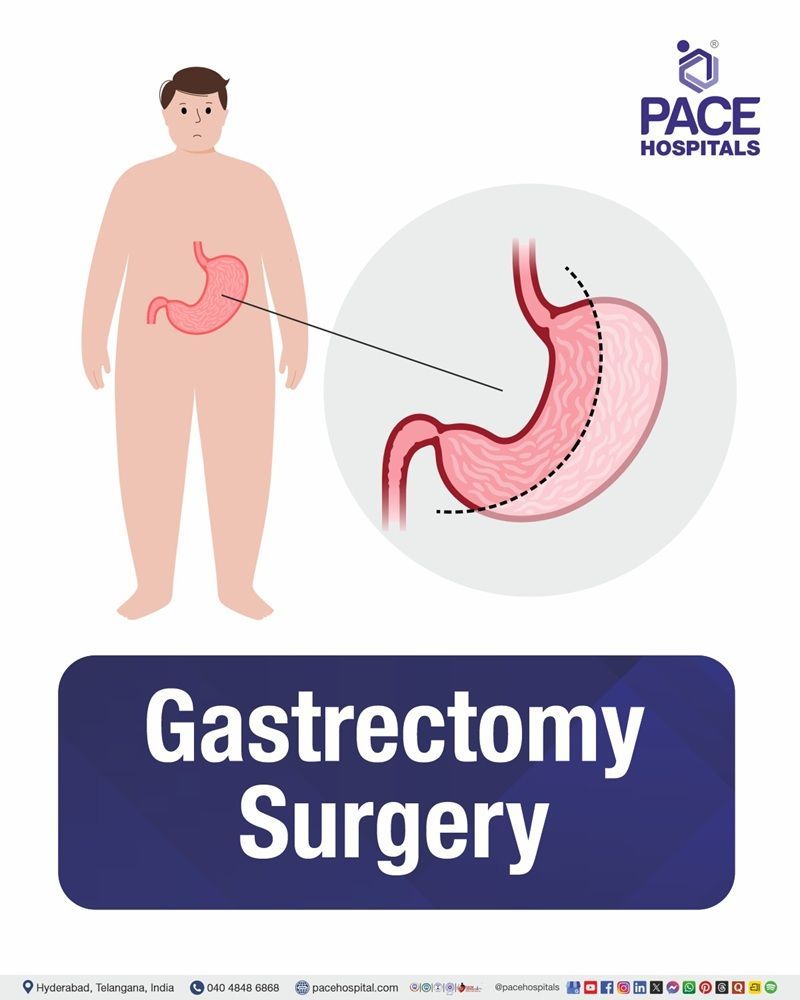
Gastrectomy Surgery Cost in India
On average, Gastrectomy Surgery cost in India ranges between ₹2,00,000 and ₹10,00,000 (approximately US $2089 to US $10449). However, the actual cost may vary depending on several factors, including:
- The patient’s age, overall health, and stomach condition requiring surgery.
- The type of gastrectomy performed, such as partial gastrectomy, total gastrectomy, laparoscopic gastrectomy, or robotic gastrectomy.
- The underlying reason for surgery, including stomach cancer, gastric tumors, severe ulcers, obesity, or other gastrointestinal conditions.
- The type of hospital (private, government, or trust hospitals).
- Hospital charges, including room category, surgeon fees, anesthesia, and operation theatre facilities.
- Insurance coverage or corporate approvals for cashless treatment.
- Pre-operative evaluations, diagnostic tests, and post-operative care requirements.
- Any complications that may arise during or after the procedure.
Gastrectomy Surgery Cost in Hyderabad, Telangana
On average, Gastrectomy Surgery cost in Hyderabad ranges between ₹2,20,000 and ₹8,00000 ( US $2298 to US $8359) approximately. These charges help make advanced gastrointestinal surgical care more accessible, with treatment provided by experienced surgeons using modern medical technology and supported by comprehensive patient care.
However, the cost of Gastrectomy Surgery in Hyderabad is influenced by several factors, such as:
- The patient’s overall health, age, and underlying stomach condition.
- Type of gastrectomy performed (partial, total, laparoscopic, or robotic gastrectomy).
- The hospital facility chosen and its infrastructure.
- The surgeon’s expertise and the complexity of the procedure.
- Insurance or corporate approvals for cashless services.
- Extent of pre-operative evaluations and post-operative care.
- Potential complications during or after the procedure.
- Duration of hospital stay and the need for intensive care or rehabilitation.
Cost Breakdown According to Type of Gastrectomy
- Partial Gastrectomy – Surgery Cost: ₹2,20,000 – ₹4,50,000 (US $2,298 – US $4,702) (approx.)
- Total Gastrectomy – Surgery Cost: ₹3,50,000 – ₹6,50,000 (US $3,657 – US $6,791) (approx.)
- Sleeve Gastrectomy (Bariatric Surgery) – Surgery Cost: ₹2,50,000 – ₹5,50,000 (US $2,612 – US $5,747) (approx.)
- Laparoscopic Gastrectomy – Surgery Cost: ₹3,00,000 – ₹6,00,000 (US $3,135 – US $6,269) (approx.)
- Robotic Gastrectomy – Surgery Cost: ₹5,50,000 – ₹10,00,000 (US $5,747 – US $10,449) (approx.)
Note: These are estimated costs. The exact cost for an individual patient is determined after a thorough evaluation by the gastrointestinal surgeon and multidisciplinary care team.
Additional Information: The cost of Gastrectomy Surgery depends on several factors, including the type of gastrectomy performed, such as partial, total, laparoscopic, or robotic gastrectomy. It also varies based on the condition being treated, including stomach cancer, obesity, or severe stomach ulcers, the complexity of the procedure, the length of the hospital stay, ICU care if required, post-operative treatment, and the experience of the gastrointestinal surgeon. Since every patient has different medical needs, the treatment plan and cost are determined accordingly, with a clear estimate provided before the surgery.
Breakdown of Gastrectomy Surgery Costs
The total cost of Gastrectomy Surgery is not the same for every patient. It depends on the type of surgery, the hospital, and the patient's health condition. Costs may also differ between partial gastrectomy, total gastrectomy, laparoscopic gastrectomy, and robotic gastrectomy. The following section explains the main expenses involved in Gastrectomy Surgery:
1. Pre-Surgery Costs
- Consultation Fees: Charges for consulting with gastrointestinal surgeons, surgical oncologists, and anesthesiologists, which vary depending on the doctor's expertise and hospital.
- Diagnostic Tests: Includes blood tests, upper GI endoscopy, biopsy (if required), CT scans, MRI, PET-CT, ECG, chest X-ray, and other investigations to assess the patient's condition before surgery.
- Pre-Surgical Screening: Comprehensive health assessments to evaluate heart, lung, kidney, and liver function, ensuring the patient is fit to undergo gastrectomy.
2. Gastrectomy Surgery Costs
- Hospitalization Charges: This includes the cost of a private room during the preparation before surgery and the recovery period after surgery. If the patient requires close monitoring after the procedure, additional ICU charges may apply.
- Surgical Procedure: The cost covers the surgeon's fees, operation theatre charges, and medical supplies required during the procedure. Extra charges may apply for laparoscopic or robotic surgery, as these techniques involve the use of specialized equipment.
- Anesthesia and Surgical Team Fees: The cost covers general anesthesia, anesthesiologist fees, nursing support, and the services of the surgical team involved in the procedure.
3. Post-Surgery Care Costs
- ICU Stay Post-Surgery: ICU charges may apply if the patient requires close monitoring and specialized care after surgery, based on their health condition and recovery.
- Hospital Stay: General hospitalization expenses for post-operative recovery, typically 5–10 days depending on the type of gastrectomy and the patient's overall health.
- Follow-Up Visits & Nutritional Support: Follow-up visits, wound care, dietary advice, nutritional supplements, medicines, and any necessary tests after surgery are included to help with recovery and check the patient's progress.
This cost breakdown provides patients with an overview of the expenses involved and helps them prepare for their treatment. At PACE Hospitals, Hyderabad, we offer cost estimates based on the patient's condition and treatment needs, providing quality gastrointestinal surgical care.
Who Needs Gastrectomy Surgery?
Gastrectomy surgery is not required for everyone with a stomach disorder. It is recommended when medical treatments, endoscopic procedures, or lifestyle modifications are no longer effective, or when part or all of the stomach must be removed to treat a serious disease or prevent life-threatening complications.
Common Conditions Indicating the Need for Gastrectomy Surgery
- Stomach (Gastric) Cancer: Gastrectomy is the primary treatment for many patients with localized stomach cancer. Depending on the size and location of the tumor, either a partial or total gastrectomy may be performed to remove the cancer and reduce the risk of recurrence.
- Severe Peptic Ulcers with Complications: Although most ulcers can be treated with medications, gastrectomy may be required in rare cases when ulcers cause uncontrolled bleeding, perforation (a hole in the stomach), or obstruction that cannot be managed through other treatments.
- Benign Stomach Tumors or Polyps: Large or recurring stomach tumors and polyps that cannot be removed through endoscopy may require partial gastrectomy to prevent complications and avoid the risk of becoming cancerous.
- Morbid Obesity: Sleeve gastrectomy is a commonly performed bariatric surgery for individuals with severe obesity who have been unable to achieve sustained weight loss through diet, exercise, and medical management. It helps promote long-term weight loss and improves obesity-related conditions such as type 2 diabetes and hypertension.
- Inherited Risk of Stomach Cancer: Individuals with certain hereditary conditions, such as CDH1 gene mutations associated with hereditary diffuse gastric cancer, may be advised to undergo preventive (prophylactic) total gastrectomy to significantly reduce the risk of developing stomach cancer.
- Traumatic Stomach Injury: In cases of severe abdominal trauma causing extensive damage to the stomach that cannot be repaired, gastrectomy may be necessary to control bleeding, remove damaged tissue, and save the patient's life.
- Certain Non-Cancerous Stomach Disorders: In selected patients with severe gastric outlet obstruction, chronic bleeding disorders, or other complex stomach diseases that do not respond to conservative treatment, gastrectomy may be recommended to relieve symptoms and improve quality of life.
Who is Not Eligible for Gastrectomy Surgery?
While Gastrectomy Surgery can be an effective treatment for stomach cancer, severe ulcers, obesity (in selected cases), and other gastric conditions, it is not suitable for everyone. Certain medical conditions or health risks may make the procedure unsafe or require postponement:
- Severe uncontrolled medical conditions: Patients with uncontrolled heart disease, advanced lung disease, or other serious illnesses may face a higher risk of complications during or after surgery.
- Widespread metastatic cancer: If stomach cancer has spread extensively to distant organs, gastrectomy may not provide significant benefit, and other treatment options may be recommended instead.
- Active infections: Patients with ongoing infections may have an increased risk of surgical complications and may need treatment before undergoing gastrectomy.
- Poor nutritional status: Patients with severe malnutrition or major weight loss may need nutritional support before surgery to improve their overall health, support recovery, and lower the risk of complications.
- Severe bleeding or clotting disorders: Patients with uncontrolled blood clotting abnormalities may not be suitable candidates until their condition is managed.
- Patients unfit for general anesthesia: Those with serious health conditions that make general anesthesia unsafe may not be eligible for gastrectomy surgery.
Consulting an experienced gastrointestinal surgeon helps assess whether the patient is fit for the procedure. A complete pre-surgery evaluation, including blood tests, imaging scans, endoscopy, nutritional assessment, and overall health checks, is carried out to ensure the surgery is performed safely and to achieve better results.
How is Gastrectomy Surgery Done?
Gastrectomy surgery is performed under general anesthesia and involves removing part or all of the stomach, depending on the underlying condition. The procedure may be done using open surgery or minimally invasive laparoscopic/robotic techniques. The steps include:
- Pre-procedure evaluation: Comprehensive tests and assessments, such as blood tests, upper gastrointestinal endoscopy, CT scan, nutritional evaluation, and overall fitness for surgery.
- Anesthesia and preparation: General anesthesia is administered, and the patient is prepared for surgery in a sterile operating room.
- Removal of the stomach: The surgeon removes the affected portion of the stomach (partial gastrectomy) or the entire stomach (total gastrectomy), along with nearby lymph nodes if treating stomach cancer.
- Reconstruction of the digestive tract: The remaining stomach or the esophagus is connected to the small intestine to restore the normal passage of food through the digestive system.
- Monitoring and closure: The surgical site is checked for bleeding or leaks, and the incisions are closed after ensuring everything is functioning properly.
- Recovery: After the operation, patients usually stay in the hospital for a few days while their condition is monitored. They start with clear fluids and slowly return to soft foods as they recover. Medicines are given to relieve pain and keep them comfortable. Before going home, patients are given advice about the foods they should eat to help the body heal and maintain good nutrition.
Types of Gastrectomy
The type of Gastrectomy Surgery depends on the patient's condition, the location of the disease, and how much of the stomach is affected. The selected procedure may also affect the recovery period and the total cost of treatment:
- Partial Gastrectomy (Subtotal Gastrectomy): Removes only the diseased portion of the stomach; commonly performed for localized stomach cancer, ulcers, or benign tumors.
- Total Gastrectomy: In this procedure, the entire stomach is removed. Total gastrectomy is commonly performed for advanced stomach cancer or diseases involving the whole stomach. After the stomach is removed, the esophagus is joined to the small intestine so that food can pass through the digestive system.
- Sleeve Gastrectomy: Removes approximately 75–80% of the stomach, leaving a narrow tube-shaped stomach; primarily performed as a bariatric (weight-loss) procedure.
- Laparoscopic Gastrectomy: This procedure is performed through small abdominal incisions using a camera and specialized surgical instruments. It usually results in less pain, smaller scars, and a quicker recovery when suitable for the patient.
- Open Gastrectomy: This surgery is performed through a larger incision in the abdomen, allowing the surgeon better access during complex procedures or cases where extensive disease requires wider surgical exposure.
Post Gastrectomy Surgery Care Tips
After Gastrectomy Surgery, careful attention to recovery is essential to ensure proper healing and optimal digestive function.
- It is advised to attend the one-week follow-up for evaluation and monitoring.
- It is suggested to follow the recommended diet plan, starting with liquids and gradually progressing to soft and solid foods as instructed by the healthcare team.
- It is recommended to eat small, frequent meals and chew food thoroughly to aid digestion and reduce discomfort.
- It is advised to keep the surgical incision clean and dry, and to follow wound care instructions carefully to prevent infection.
- It is recommended to avoid heavy lifting, strenuous activity, and vigorous exercise for approximately four to six weeks or until approved by the surgeon.
- If medications, vitamin supplements, or nutritional supplements are prescribed at discharge, it is suggested to take them exactly as instructed.
- It is recommended to stay hydrated and follow the dietary guidelines provided by the surgeon or dietitian to support recovery and prevent nutritional deficiencies.
Regular follow-up visits help check recovery progress, monitor nutritional status, and identify any complications at an early stage. Keeping appointments and following the doctor's advice helps ensure proper healing and supports digestive health after Gastrectomy Surgery.
Key Factors Influencing Gastrectomy Surgery Cost
The cost of gastrectomy surgery varies from patient to patient depending on the type of surgery, hospital charges, surgeon's fees, and the care required during the treatment period. Being aware of these factors can help patients prepare for the expenses associated with the procedure.
1. Pre-Surgery Evaluation
Before surgery, patients usually need to undergo several tests and medical check-ups that contribute to the overall cost of the procedure. These may include blood tests, upper gastrointestinal endoscopy, imaging scans, nutritional assessment, and appointments with the gastrointestinal surgeon and anaesthesia team to evaluate the patient's fitness for surgery.
2. Insurance Coverage
The extent of insurance coverage or corporate approvals for cashless treatment can significantly affect out-of-pocket expenses.
3. Hospital and Location
Hospitals in major cities like Hyderabad may have higher charges due to the availability of advanced facilities, specialized care, and modern infrastructure. In contrast, smaller hospitals or healthcare centers in suburban areas may have lower costs because they may offer fewer facilities and services.
4. Post-Surgery Care
Follow-up appointments, dietary guidance, nutritional supplements, medications, and any additional treatments or rehabilitation required after surgery may add to the ongoing expenses following Gastrectomy Surgery.
5. Complications During Surgery
Issues such as bleeding, infection, leakage after surgery, or the need for ICU care may require extra treatment, additional procedures, or an extended hospital stay, which can add to the total cost of Gastrectomy Surgery.
6. Surgeon Expertise
Highly experienced gastrointestinal surgeons and surgical oncologists may charge higher fees for their expertise and proven track record in performing gastrectomy procedures.
7. Type of Gastrectomy
The cost of gastrectomy depends on the type of surgery required, such as partial gastrectomy, total gastrectomy, sleeve gastrectomy, or laparoscopic/robotic gastrectomy. Procedures that use newer or more advanced methods may involve higher expenses compared to conventional surgery.
8. Travel and Accommodation
Expenses related to travel and accommodation for the patient and family members visiting the hospital add to the overall financial considerations.
9. Patient Health
The cost of the surgery may vary depending on the patient's age, general health, nutritional status, existing health conditions, and the severity of the stomach disease. These factors can affect the complexity of the operation, the duration of hospital stay, and the care required during recovery.
Why Choose PACE Hospitals for Gastrectomy Surgery in Hyderabad, India?
PACE Hospitals, Hyderabad, is a trusted centre for Gastrectomy Surgery and comprehensive gastrointestinal surgical care.
- We have highly experienced gastrointestinal surgeons, surgical oncologists, anesthesiologists, gastroenterologists, and specialized surgical nursing staff who follow evidence-based protocols for safe and effective procedures.
- Our facilities are equipped with modern modular operation theatres, advanced laparoscopic and robotic surgical equipment, diagnostic and imaging services, and dedicated post-operative intensive care and recovery units. We focus on providing personalized care with treatment plans designed according to each patient's needs. Nutritional support, careful monitoring, and clear cost information are provided to help patients during their treatment.
For patients searching for the Best Hospital for Gastrectomy Surgery in Hyderabad, Telangana, India, PACE Hospitals provides advanced gastrointestinal surgical care, competitive costs, and transparent treatment planning.
Financial Assistance and Payment Plans at PACE Hospitals
Gastrectomy Surgery should be accessible without financial stress. Our team assists patients with insurance and cashless support.
- Cashless hospitalisation with empanelled insurers and TPAs
- Pre-authorization and documentation guidance
- Reimbursement assistance if cashless facility is unavailable
- Transparent pre-admission cost estimates
- Support for corporate and government health schemes
Gastrectomy Surgery Success Rate
Gastrectomy Surgery is highly effective with a success rate of approximately 85% – 95%. Patients experience:
- Improved management of stomach-related conditions
- Relief from symptoms such as abdominal pain, bleeding, or difficulty in eating
- Enhanced quality of life and better disease control
- Long-term success depends on regular follow-ups, nutritional support, and adherence to post-surgery care recommendations.
Request a Personalized Treatment Cost Estimate
Every patient's medical condition and treatment plans are unique, which means the overall cost can vary. To receive an accurate estimate, our specialists evaluate your diagnosis, medical history, recommended treatment, and any necessary investigations before providing a detailed cost breakdown.
Whether you are planning a diagnostic test, treatment, or surgery, our team is here to help you understand the expected expenses and guide you through every step of the process.
Get in touch with us today to request a personalized treatment cost estimate.