Gastric Bypass Surgery in Hyderabad, India – 2026 Guide
Get a Cost Estimate for Gastric Bypass Surgery
Procedure & Surgery Cost Pages
All You Need To Know About Gastric Bypass Surgery
Gastric Bypass Surgery is a type of bariatric (weight-loss) surgery performed to help people with severe obesity achieve significant and long-term weight loss.
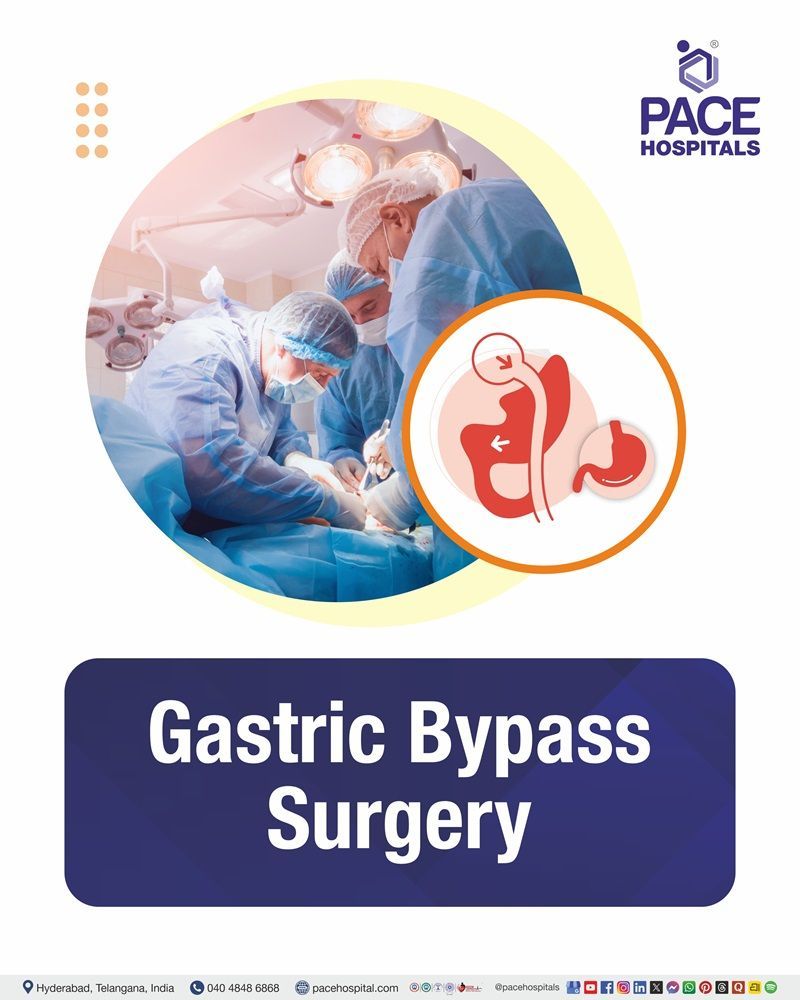
- It involves creating a small stomach pouch and connecting it directly to the small intestine, while bypassing a portion of the stomach and small intestine.
- This reduces the amount of food a person can eat at one time and decreases calorie absorption.
- The procedure also causes hormonal changes that help reduce hunger, improve feelings of fullness, and support better blood sugar control.
- Gastric Bypass is commonly performed using a laparoscopic (minimally invasive) technique and is considered for patients who have not achieved sufficient weight loss through diet, exercise, and lifestyle changes.
Gastric Bypass Surgery Cost in India
On average, Gastric Bypass Surgery cost in India ranges from ₹2,50,000 to ₹6,50,000 and above (approximately US $2,648 to US $6,886). However, the actual cost may vary depending on several factors, including:
- Types of gastric bypass surgery (Roux-en-Y, Mini or latest surgical technique)
- Patient Body Mass Index, level of obesity, and associated diseases (like diabetes, hypertension, sleep apnea, or fatty liver disease)
- Technique used to perform the surgery (laparoscopic or latest minimally invasive technique)
- Surgeon's expertise in bariatric surgery
- Type of hospitals (private, corporate or trust hospitals)
- Hospital costs, which include the cost of the type of room, operating theatre facility, ICU requirement and medical charges
- Surgical team and anesthesia charges
- Pre-surgery investigations, like cardiological checkup, endoscopy, radiological tests, blood tests, and nutrition checkup
- Post-surgery needs for treatment, like medicines, nutritional supplements, diet guidance and follow-up visits
- Corporate approval, insurance policy, and cashless treatment
Gastric Bypass Surgery Cost in Hyderabad, Telangana
On average, Gastric Bypass Surgery cost in Hyderabad ranges from ₹3,00,000 to ₹6,00,000 and above (approximately US $3,500 to US $7,000). These rates offer a competitive and cost effective option compared to other top hospitals in the city, with advanced surgical care and personalized treatment planning readily available.
However, the cost of Gastric Bypass Surgery in Hyderabad is influenced by several factors, such as:
- Gastric Bypass surgery type (Roux-en-Y Gastric Bypass, Mini Gastric Bypass, etc.)
- Surgeon qualifications and experience in performing bariatric surgery
- Facility and technological capabilities at the hospital where the surgery is to be done
- Investigations before the surgery (blood investigations, radiology, medical evaluation, nutrition assessment)
- Post-operative hospital stay period
- Anesthesia costs, medications, and surgical consumables costs
- Follow-up treatment and advice on weight loss management
- Treatment of any other medical condition due to obesity
- Insurance, corporate health scheme, or cashless treatment facility
Cost Breakdown According to Type of Gastric Bypass Surgery
- Roux-en-Y Gastric Bypass Surgery (RYGB) – ₹2,50,000 - ₹4,50,000 (US $2,907 – US $5,233) (approx.)
- Mini Gastric Bypass Surgery (MGB) – ₹2,20,000 - ₹4,00,000 (US $2,558 – US $4,651) (approx.)
- Biliopancreatic Diversion/Duodenal Switch (BPD-DS) – ₹3,50,000 - ₹6,00,000 (US $4,070 – US $6,977) (approx.)
- Revision Bariatric Surgery- ₹3,00,000 – ₹5,50,000 (US $3,500– US $7,000) (approx.)
- Robotic Gastric Bypass Surgery- ₹4,20,000 - ₹6,50,000+ (US $4,884 – US $7,558+) (approx.)
Note: These cost estimates will vary depending on individual practice. The actual cost for each patient will be determined after a complete analysis, considering the patient's BMI, related obesity-related illnesses, chosen procedure, anesthesia requirements, and length of hospital stay.
Additional Information: The Cost of Gastric Bypass Surgery can vary based on factors such as the type of bypass surgery chosen, the surgeon's proficiency, hospital setting, pre-surgical tests, anesthesia costs, hospitalization period, aftercare, dietary consultations, and any other treatments that may be needed. A customized treatment program can facilitate proper surgical treatment and an accurate cost estimation for the patient.
Breakdown of Gastric Bypass Surgery Costs
The type of procedure (Roux-en-Y Gastric Bypass, Mini Gastric Bypass, or other bariatric techniques), hospital facilities, surgeon skill, patient health, and the level of post-operative care needed all affect the cost of gastric bypass surgery. The costs usually related to gastric bypass surgery are broken down in detail below:
Pre-Surgery Costs
- Bariatric Surgeon Consultation Fees: Fees for consultations with metabolic and bariatric surgeons to assess weight loss goals, discuss surgical options, and choose the best gastric bypass surgery for obesity-related medical issues.
- Diagnostic Tests and Medical Evaluation: Comprises blood tests, hormone assessments, nutritional evaluations, imaging studies (if necessary), and other tests to evaluate general health and detect issues associated with obesity before surgery.
- Routine Pre-Operative Tests (for Anesthesia and Surgery Fitness): Complete blood count (CBC), liver function test (LFT), kidney function test (KFT), blood sugar test (HbA1c/fasting blood glucose), lipid profile, thyroid function test, ECG, chest X-ray, and coagulation profile (PT/PTT) are all part of the comprehensive health screening process to make sure the patient is fit for anesthesia and surgery.
- Pre-Surgical Screening and Fitness Assessment: To arrange a safe surgical procedure, a thorough assessment of the patient's medical history, physical examination, BMI, obesity-related disorders (such as diabetes, hypertension, and sleep apnea), dietary status, and anesthesia risk assessment is required.
Gastric Bypass Surgery Costs
- Hospitalization Charges: These include pre-operative planning, post-operative monitoring, hotel fees, nursing care, and inpatient amenities. If intense monitoring is needed, there may be ICU fees.
- Surgical Procedure Charges: Expenses related to gastric bypass surgery, such as surgeon fees, operating room costs, surgical supplies, staplers, consumables, and procedure-specific needs. Depending on the type of bypass—such as Roux-en-Y Gastric Bypass (RYGB) or Mini Gastric Bypass (MGB), the cost may change.
- Anesthesia and Surgical Team Fees: Includes fees for general anesthesia, services provided by anesthesiologists, and the multidisciplinary surgical team that performs and monitors the treatment.
- Medications and Consumables: Comprises surgical supplies, compression devices, IV fluids, antibiotics, painkillers, injections, and other hospital-use items needed for admission and during recovery.
Post-Surgery Care Costs
- Post-Operative Monitoring: Vital sign monitoring, pain management, wound care, progression of diet, and any complications that may arise post-surgery are all covered under this process.
- Hospital Stay: Hospitalization for patients who undergo gastric bypass surgery usually spans from two to five days, depending on patient characteristics, procedure type, and recovery.
- Follow-Up Consultations and Nutritional Support: Regular follow-up visits with the medical team, bariatric surgeon, and dietitian to monitor vitamin levels, nutritional status, weight-loss progress, and long-term lifestyle changes.
- Post-Surgery Supplements and Medications: Includes prescription drugs needed for long-term maintenance and recovery, as well as vitamin and mineral supplements when needed.
Patients can successfully plan their budget for Gastric Bypass Surgery with the help of this transparent cost structure. PACE Hospitals, Hyderabad offers complete bariatric care with state-of-the-art surgical facilities by providing individualized cost estimates depending on the patient's procedure type, medical condition, and specific treatment requirements.
Who Needs Gastric Bypass Surgery?
Weight loss surgery is not required for everyone who is gaining weight or living with obesity. It is usually recommended for people with severe obesity who have not achieved sufficient weight loss with diet, physical exercise, and medications.
Common Conditions Indicating the Need for Surgery:
- Severe obesity (high BMI): People with a high body mass index (BMI), especially when their weight significantly increases the risk of serious health problems, are considered to have severe obesity and may be candidates for gastric bypass surgery.
- Obesity related health conditions: Gastric bypass surgery may help patients who have weight related medical problems such as type 2 diabetes, high blood pressure, sleep apnea, fatty liver disease, or other obesity related disorders.
- Difficulty losing weight with lifestyle changes: It may be advised for people who have tried exercise, medical weight loss treatments, and structured diet programmes, but still struggle to lose a significant amount of weight.
- Excess weight affecting daily life: Surgery may be considered when obesity leads to limited mobility, reduced physical activity, low energy levels, or a poorer quality of life.
- Need for long-term weight management: People who require a more effective and long-lasting weight-loss option after other methods have failed to provide sustained results may benefit from gastric bypass surgery.
Who is Not Eligible for Gastric Bypass Surgery?
Gastric Bypass Surgery is a safe and successful weight-loss operation for suitable individuals; it might not be advised in some circumstances. To ascertain eligibility and guarantee safe results, a bariatric surgeon must conduct a comprehensive evaluation.
- Uncontrolled Medical Conditions: Surgical risks may be higher in people with untreated blood disorders, significant lung issues, uncontrolled heart disease, active infections, or other serious medical diseases. Before considering surgery, patients with uncontrolled diabetes, significant liver illness, kidney issues, or untreated hormonal disorders may need to receive appropriate medical care.
- Active Eating Disorders or Psychological Conditions: Successful outcomes necessitate dedication to post-surgery care and lifestyle modifications; patients with untreated eating disorders, severe uncontrolled psychiatric conditions, or difficulty adhering to long-term dietary and lifestyle changes may not be appropriate candidates.
- Pregnancy or Planning Immediate Pregnancy: Gastric bypass surgery is usually not advised for pregnant women. Those who plan on conceiving need to talk to their bariatric surgeon about proper timing since nutrition and stabilization become very essential post-surgery.
- Unstable Weight or Lifestyle Factors: People who deliberately engage in excessive alcohol or drug use, struggle to maintain healthy lifestyle choices, or have frequent weight swings may be more vulnerable to difficulties and reduced long-term success.
- Certain Gastrointestinal or Anatomical Conditions: Some patients with specific gastrointestinal disorders, a history of complex abdominal surgeries, or problems with nutrient absorption may need further evaluation before undergoing gastric bypass surgery.
- Unrealistic Expectations: Surgery may not be recommended for those who expect instant results without making any lifestyle modifications. Gastric bypass requires a commitment to healthy eating, regular checkups, and exercise to achieve weight loss.
A detailed assessment by a Bariatric Surgeon, including medical history, BMI evaluation, nutritional assessment, and overall health review, is essential to determine whether Gastric Bypass Surgery is a safe and suitable option.
Gastric Bypass Surgery – How is the Procedure Done?
A minimally invasive laparoscopic technique is typically used for gastric bypass surgery, which is carried out under general anesthesia. The operation involves constructing a smaller stomach pouch and rerouting portions of the digestive tract to facilitate weight loss. The typical steps include:
- Preoperative Evaluation: Comprehensive evaluation to ascertain surgical suitability, including medical history, conditions associated with obesity, blood testing, imaging, and dietary assessment.
- Surgical Planning: Based on the patient's BMI, medical problems, weight-loss goals, and general risk factors, the bariatric surgeon determines the best course of action.
- Creating a Smaller Stomach Pouch: To help reduce food intake, the surgeon divides the upper portion of the stomach into a small pouch that can hold only a limited amount of food.
- Rerouting the Digestive Tract: By connecting a section of the small intestine to the new stomach pouch, proper processing along the remaining digestive tract is maintained while calorie absorption is decreased.
- Monitoring and Recovery: Following surgery, patients are recommended to make lifestyle changes, begin a progressive diet plan, and receive close monitoring. Depending on their level of recovery and health, most patients are discharged in 2 to 4 days.
A comprehensive team of bariatric surgeons, anesthesiologists, nutritionists, and nursing specialists supports Gastric Bypass Surgery at PACE Hospitals, Hyderabad, to ensure safe surgical care, appropriate postoperative support, and long-term weight management support.
Types of Gastric Bypass Surgery
Depending on the patient's level of obesity, health, weight-loss goals, and medical needs, several gastric bypass surgeries are carried out. The course of therapy and total cost may be affected by the type of operation selected:
- Roux-en-Y Gastric Bypass (RYGB): The most popular gastric bypass treatment is the Roux-en-Y Gastric Bypass (RYGB), which reduces food intake and calorie absorption by rerouting a portion of the small intestine and producing a tiny stomach pouch. Patients with severe obesity can benefit from it, particularly those who have obesity-related diseases like GERD or diabetes.
- Mini Gastric Bypass (One-Anastomosis Gastric Bypass): This is a more straightforward form of gastric bypass that involves making a smaller stomach pouch and joining it to the small intestine with a single anastomosis. For some people, it might provide efficient weight loss with a reduced operating time.
- Revision Gastric Bypass Surgery: Performed on individuals who have undergone earlier bariatric surgery but have not experienced effective weight reduction. This could include adjusting the bypass surgery that has already been done or changing it to a different bariatric surgery.
- Advanced/Complex Gastric Bypass Procedures: Advanced methods may be needed for patients with extremely high BMI, prior abdominal procedures, or complicated medical issues. Additional surgical planning, extended hospital monitoring, and specialized care may be required in these situations.
Note: The type of procedure, the patient's BMI and obesity grade, the surgeon's experience, hospital facilities, anesthesia fees, pre-surgical examinations, and the duration of hospital stay can all affect the cost of gastric bypass surgery. Compared to standard gastric bypass surgery, advanced, revision, or complex procedures are typically more expensive.
Post-Gastric Bypass Surgery Care Tips
To promote healing, avoid problems, and attain long-term weight loss results following gastric bypass surgery, appropriate post-operative care is crucial:
- To track recovery, weight-loss progress, nutritional status, and overall health following surgery, it is recommended to attend all scheduled follow-up appointments.
- It is recommended to follow the prescribed diet plan, including the gradual transition from liquids to soft foods and regular meals, as advised by the bariatric care team.
- As gastric bypass surgery can alter nutrient absorption and raise the risk of deficiencies, it is advised to take prescription vitamin and mineral supplements regularly.
- Until sufficient healing takes place, it is advised to refrain from heavy lifting, strenuous exercise, or intense physical activity throughout the recovery time as instructed by the surgeon.
- To prevent dehydration during the recovery period, it is recommended to maintain adequate hydration by consuming frequent, small sips of water.
- It is advised to take prescription drugs—such as painkillers, antibiotics, or other medications—exactly as directed by the medical staff following surgery.
- It is advised to keep an eye out for warning signals, such as prolonged vomiting, severe abdominal discomfort, fever, unusual swelling, or signs of infection, and to notify the doctor if they appear promptly.
- To sustain long-term weight control outcomes following gastric bypass surgery, it is advised to adhere to lifestyle changes, such as frequent exercise and a nutritious diet.
Following these recommendations helps ensure a safe recovery, supports nutritional health, and improves long-term outcomes after Gastric Bypass Surgery.
Key Factors Influencing Gastric Bypass Surgery Cost
The total cost of gastric bypass surgery depends on several factors. Patients can more successfully plan their treatment and estimate costs when they are aware of these essential components:
Pre-Surgery Evaluation
A wide variety of evaluations, such as consultations with bariatric surgeons, evaluation of patient history, blood tests, imaging, nutritional assessments, and fitness tests before surgery, influence the total cost.
Insurance Coverage
Insurance coverage, in terms of benefits provided by policies, approvals for bariatric surgeries, and eligibility for corporate health insurance, can influence the cost greatly.
Hospital and Location
The selection of the hospital, its infrastructure and facilities, and the hospital's location can affect the cost of gastric bypass surgery. Hospitals in metropolitan cities such as Hyderabad would charge different rates than smaller healthcare units.
Post-Surgery Care and Follow-Up
After the surgical procedure, there may be costs for consultation visits, medicines, nutritional supplements, dietary counselling, laboratory tests, and weight management, which contribute to overall treatment costs.
Complications During or After Surgery
Unexpected circumstances such as infections, blood clots, excessive bleeding, extended hospitalization, or additional treatments may increase the overall cost of the procedure.
Surgeon Expertise
The skills and expertise of the bariatric surgeon, their surgical methods, and the success rate of the operation might affect the costs of gastric bypass surgery.
Type of Bariatric Procedure
The type of weight-loss surgery performed determines the overall cost, as procedures vary in complexity and requirements.
Pre-Existing Health Conditions
Medical conditions linked with obesity, like diabetes, high blood pressure, and sleep apnea, can increase the cost of the surgery because of further medical consultations or post-operative monitoring, affecting the overall expense.
Hospital Stay and Additional Services
The period of hospitalization, anesthesia costs, need for ICU (if required), medical equipment, etc., could affect the total surgical cost.
Travel and Accommodation
If you must travel from another city, extra costs may include travel, lodging, and the number of days you would be staying for pre- and post-surgery consultations.
Why Choose PACE Hospitals for Gastric Bypass Surgery in Hyderabad, India?
PACE Hospitals is a trusted center for Gastric Bypass Surgery in Hyderabad, which provides complete bariatric care with highly experienced surgeons:
- Professional bariatric surgeons, anesthesiologists, dietitians, and nursing staff
- Modern operating theatres with advanced laparoscopic surgical technology and equipment
- Detailed pre-operative assessment, nutritional advice, and post-operative patient monitoring
- Patient-focused approach with customized weight loss program and transparent cost estimates
For patients searching for the Best Gastric Bypass Surgery Hospital in Hyderabad, Telangana, India, PACE Hospitals provides expert bariatric care, competitive surgery costs, advanced facilities, and safe surgical outcomes.
Financial Assistance and Payment Plans at PACE Hospitals
At PACE Hospitals, we ensure our patients receive transparent financial advice on their Gastric Bypass Surgery so they can access our latest bariatric procedures without financial burden. Our team supports patients through insurance coordination, cashless facilities, and payment assistance.
- Support for cashless hospitalization with empanelled health insurance companies/TPAs for bariatric surgery eligible cases
- Support for insurance approval, paperwork, and admission formalities
- Assistance with the reimbursement process if a cashless facility is not available as per the patient’s insurance plan
- Preoperative cost estimates of the surgery are transparently based on the type of gastric bypass surgery, stay in the hospital, investigations, and required care
- Information regarding corporate health insurance is available, as well as government health care programs, to enable the reduction of direct payments.
- Financial counselling for patients on the cost of treatment and payment options before the surgery
Success Rate of Gastric Bypass Surgery
Gastric bypass surgery is a highly effective bariatric operation that usually leads to substantial and long term weight loss and improvement in many obesity related health problems for most patients. Large studies show durable weight loss and high rates of improvement or remission of conditions such as type 2 diabetes when patients are followed for many years after surgery.
After Gastric Bypass Surgery, patients may experience:
- Significant and sustainable weight loss
- Improvement of complications due to obesity, such as type 2 diabetes, hypertension, and sleep apnea
- Increased mobility, physical activity, and overall well-being
- Increased confidence and improved quality of life
Following post-operative dietary recommendations, maintaining a healthy lifestyle, consuming recommended nutritional supplements, and scheduling frequent follow-up consultations to track progress and ensure the best possible results are all necessary for long-term success.
Request a Personalized Treatment Cost Estimate
Every patient's medical condition and treatment plans are unique, which means the overall cost can vary. To receive an accurate estimate, our specialists evaluate your diagnosis, medical history, recommended treatment, and any necessary investigations before providing a detailed cost breakdown.
Whether you are planning a diagnostic test, treatment, or surgery, our team is here to help you understand the expected expenses and guide you through every step of the process.
Get in touch with us today to request a personalized treatment cost estimate.